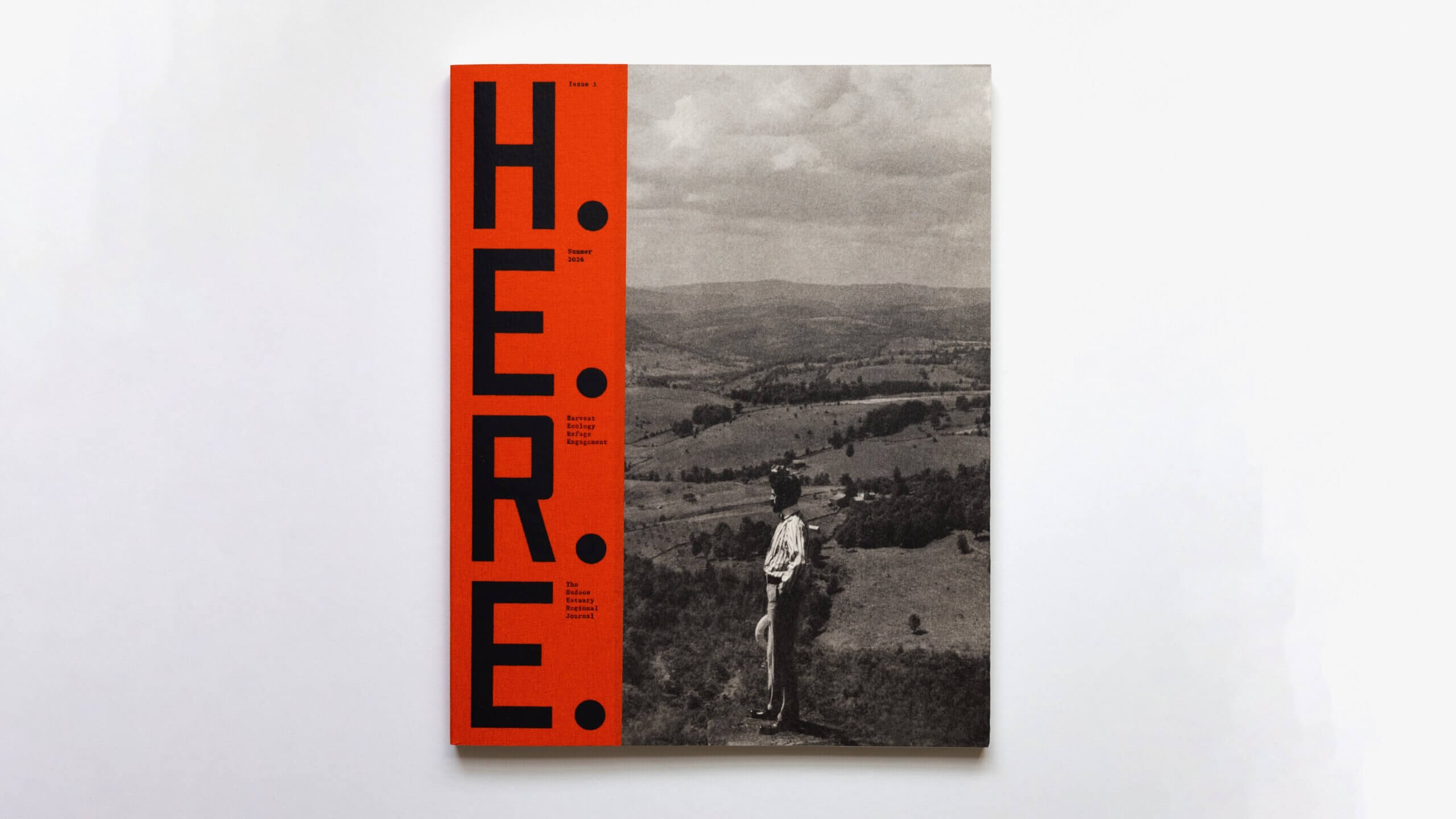
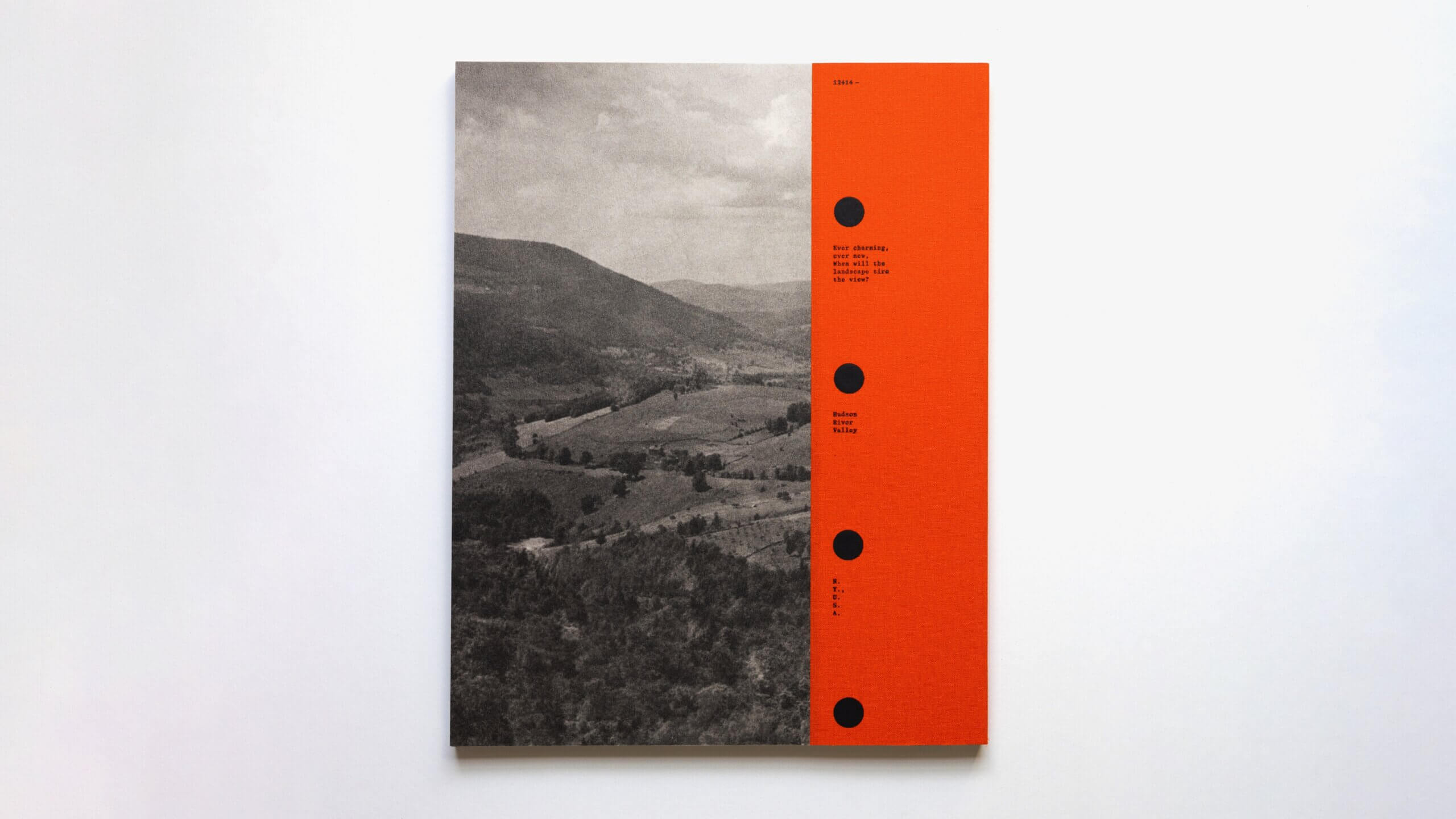
While a significant amount of cultural commentary focuses on the Hudson Valley’s fine art scene—supercharged by events like Upstate Art Weekend and unconventional platforms such as Jack Shainman’s The School; another school-turned-multipart exhibition space, The Campus, outdoor installation garden Art Omi—which is now undergoing a rapidly developing pavilion program—these institutional anchors can sometimes overshadow a deeply rooted, highly active community dedicated to furniture, furnishings: craft-led and experimental serial production as well as one-off collectible design. The newly debuted publication, H.E.R.E. Journal paints a much larger picture of what is truly unfolding across the region, building on a migration that began as an uptick in New York creatives—many of which defined the post-2008 recession autonomous practice movement—moving north during the pandemic and evolving into a permanent shift. Rather than abandoning the metropolis, these practitioners maintain an important, symbiotic balance between rural space and urban connection.
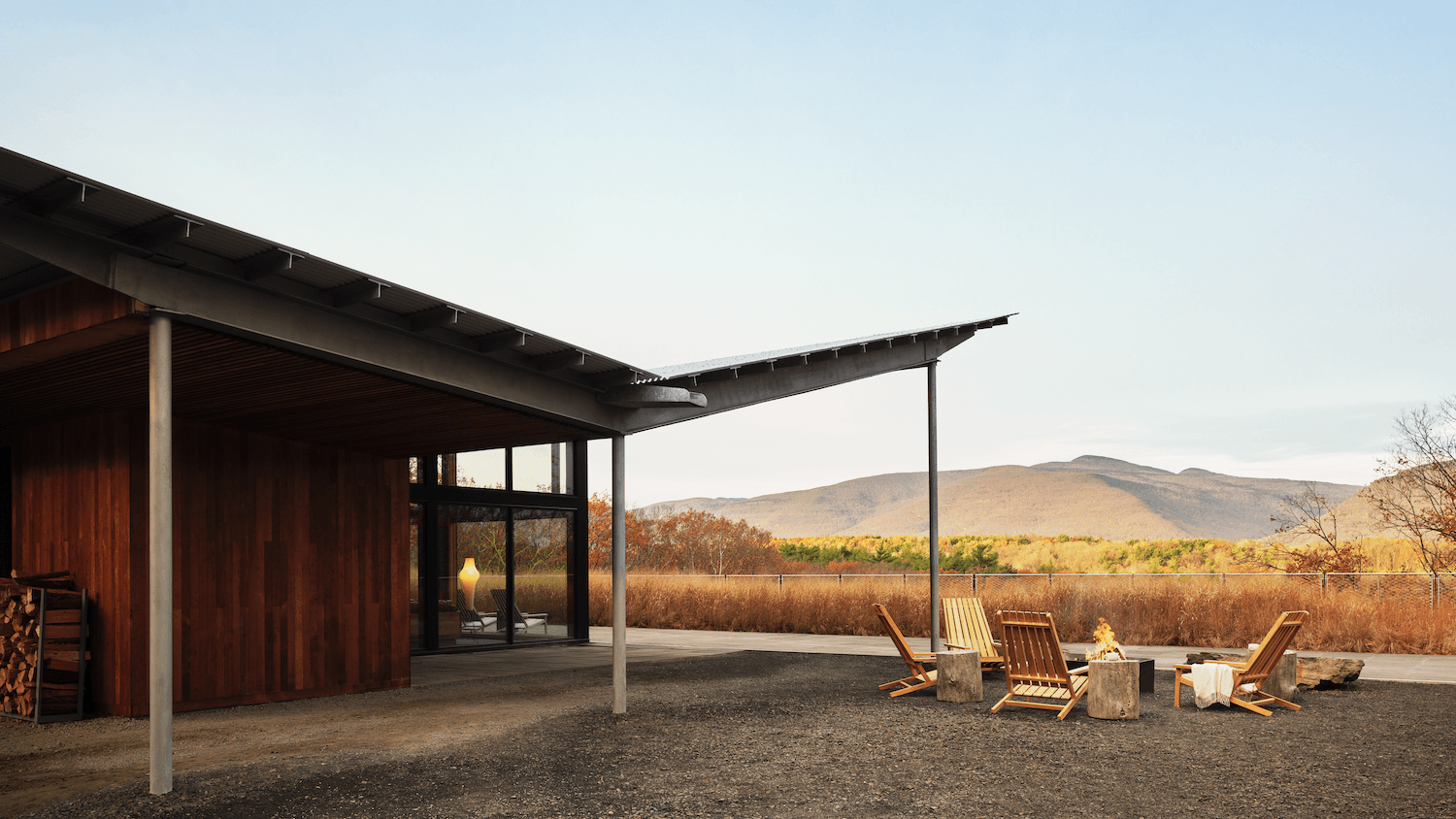
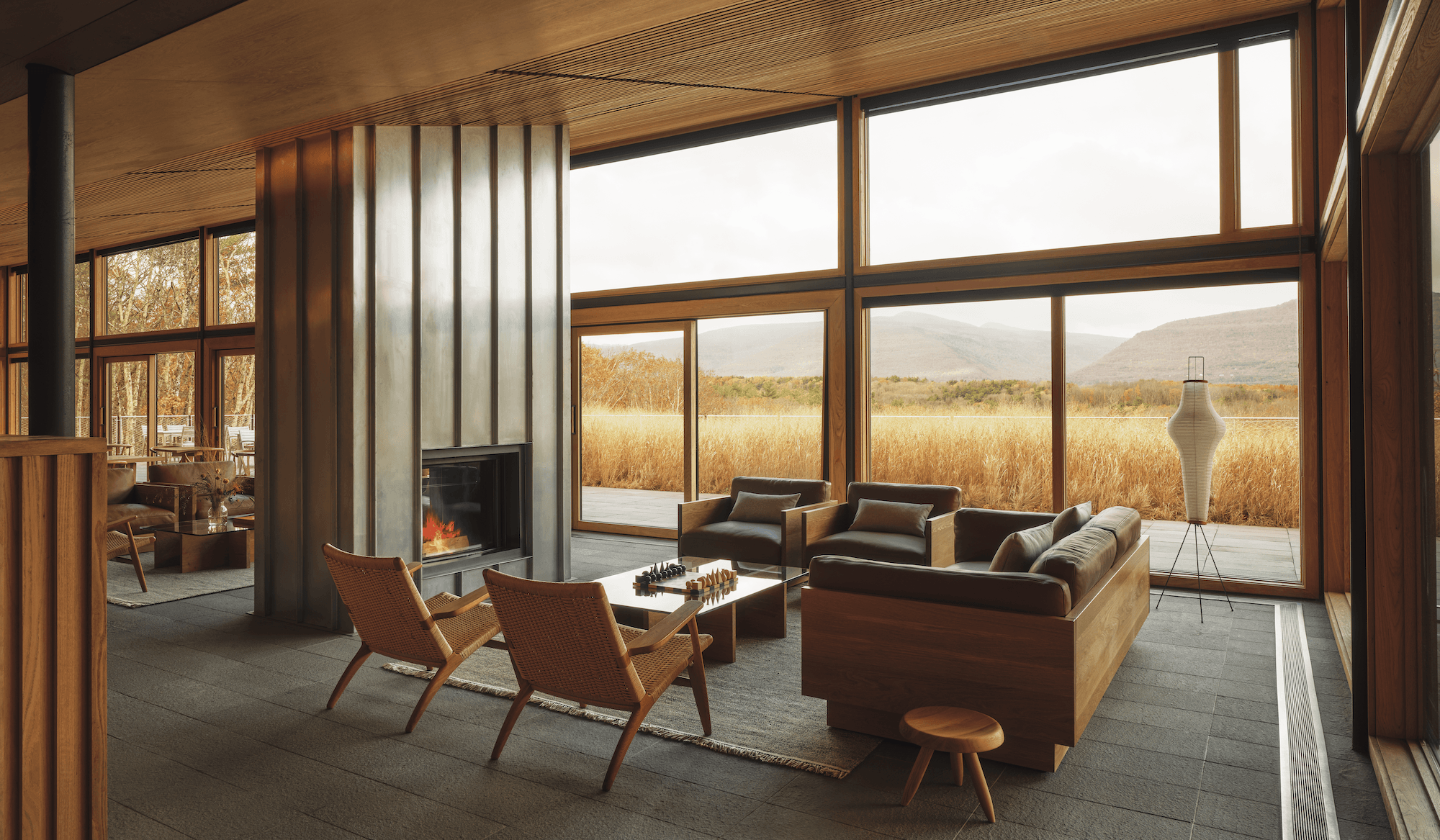
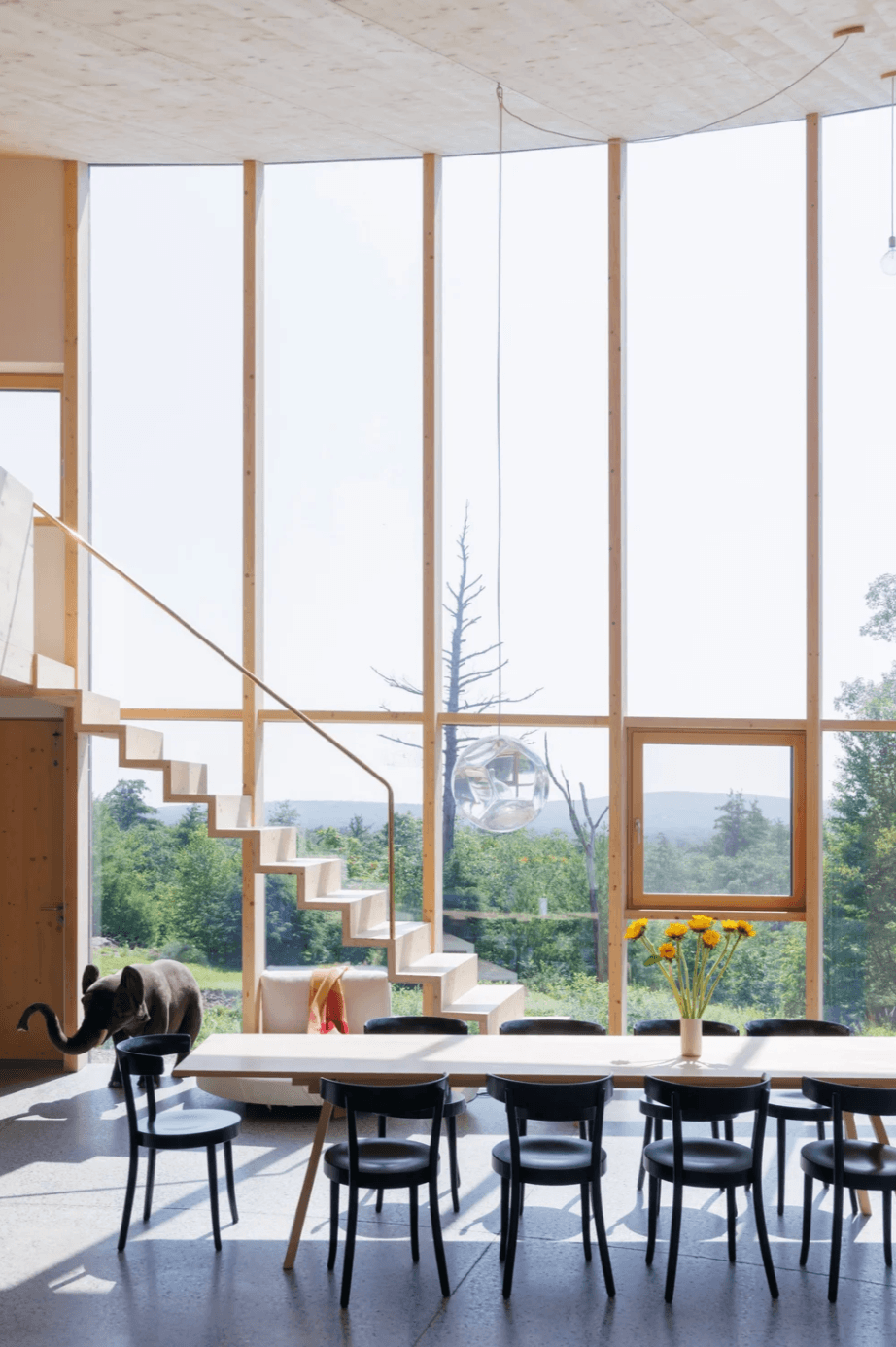
(Piaule Main House | Image courtesy of Adrian Gaut for DWR)
The Hudson Valley’s Growing Design Community
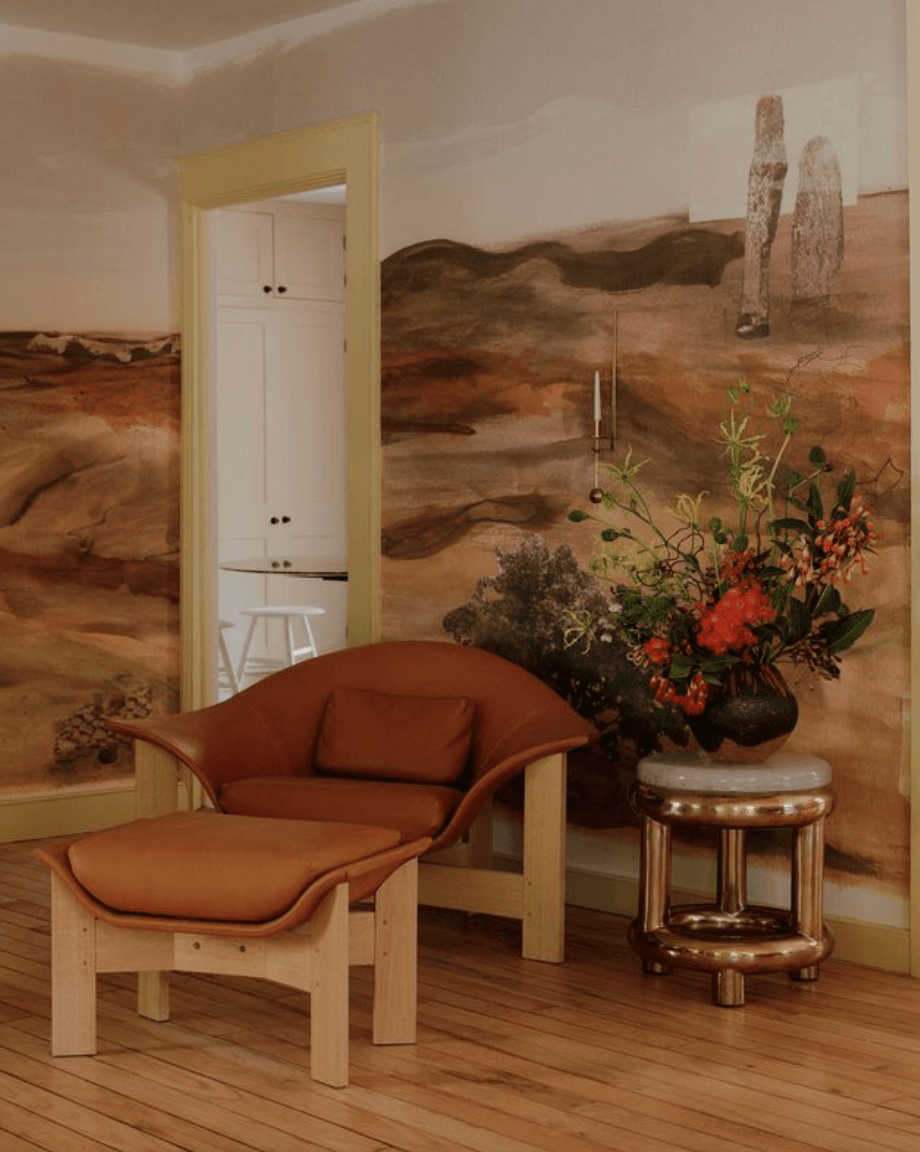
The migration has fundamentally altered how studios operate. For Rachel and Nick Cope of Calico Wallpaper, relocating their home and studio from Brooklyn to Ghent, NY, fundamentally transformed their creative output. Reflecting on the shift, Rachel Cope shares, “Relocating from the city to Ghent, NY, profoundly influenced the creative vision of new collections; allowed us to move into a more natural, rural environment opened up a new appreciation for the cycles of nature and the mystical aspects of the land, which inspired a deeper exploration of texture, color, and form in both collections.” While she operates out of an old storefront, other studios work out of former factories and car repair shops, barns, and even—as is the case for ever-expanding lighting brand RBW—a former IBM facility. “Creatively, I felt liberated to explore new ideas with more freedom, away from the frenetic pace of the city,” Cope adds. “Being upstate allowed me to establish a studio space that accommodates larger-scale projects, incorporating nature-based materials and processes that weren’t feasible in the city.”
In a similar spirit, H.E.R.E. Journal features contributions from thinkers, writers, and artists; major architect Deborah Berke (who carried numerous formative projects here) and leading art furniture talent Katie Stout, documenting everything from the architectural legacy of Shaker design to the region’s complex ecological rhythms through original photography and in-depth prose.
This fertile landscape is now anchored by a fresh crop of new hospitality and cultural ventures, most notably Pocketbook Hudson. Housed in a landmarked 1883 former handbag factory restored by Charlap Hyman & Herrero, the property recently debuted Show: Room, a sprawling 6,000-square-foot top-floor gallery dedicated to decorative arts and design. Co-founded by Sean Roland and Kenzi Wilbur, the space acts as a love letter to regional talent. As Wilbur notes, “As members of the vibrant upstate artistic community ourselves, Sean and I built Show: Room as a love letter to the creativity that exists here.”
Design Destinations and Hospitality in the Hudson Valley
There’s no question that hospitality is the design sector’s most financially potent area of influence these days. That’s especially true in the Hudson Valley, where a streak of agritourism, sleekly styled all-inclusive resorts set on sprawling farmland, has taken root. Take the alpine-inspired Inness hotel and space in Accord, replete with Shaker-esque dining chairs, rustic ceramics, and Roll & Hill lighting fixtures. Upscale cabin complex Piaule Catskill is outfitted with wares sourced from the full MillerKnoll brand family—Design Within Reach Studio, Herman Miller, Muuto—and other legacy producers like Fritz Hansen, Vaarnii, Carl Hansen, Risom, and Cassina.
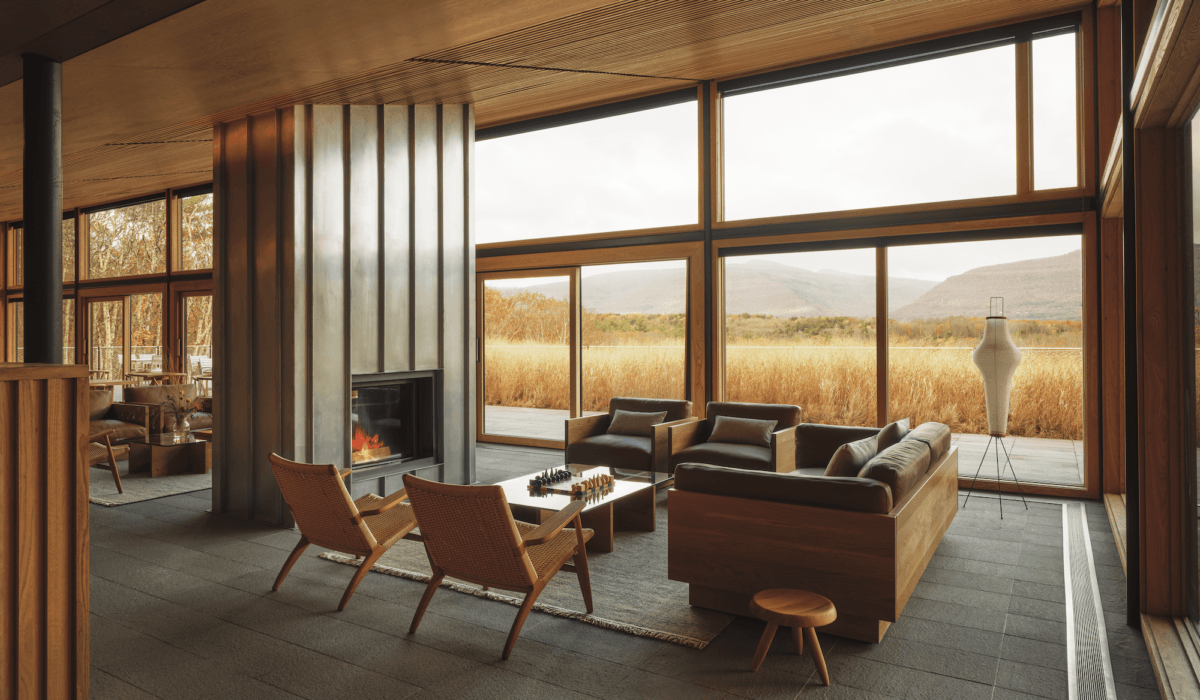
Piaule Lobby (Image courtesy of Adrian Gaut for DWR)
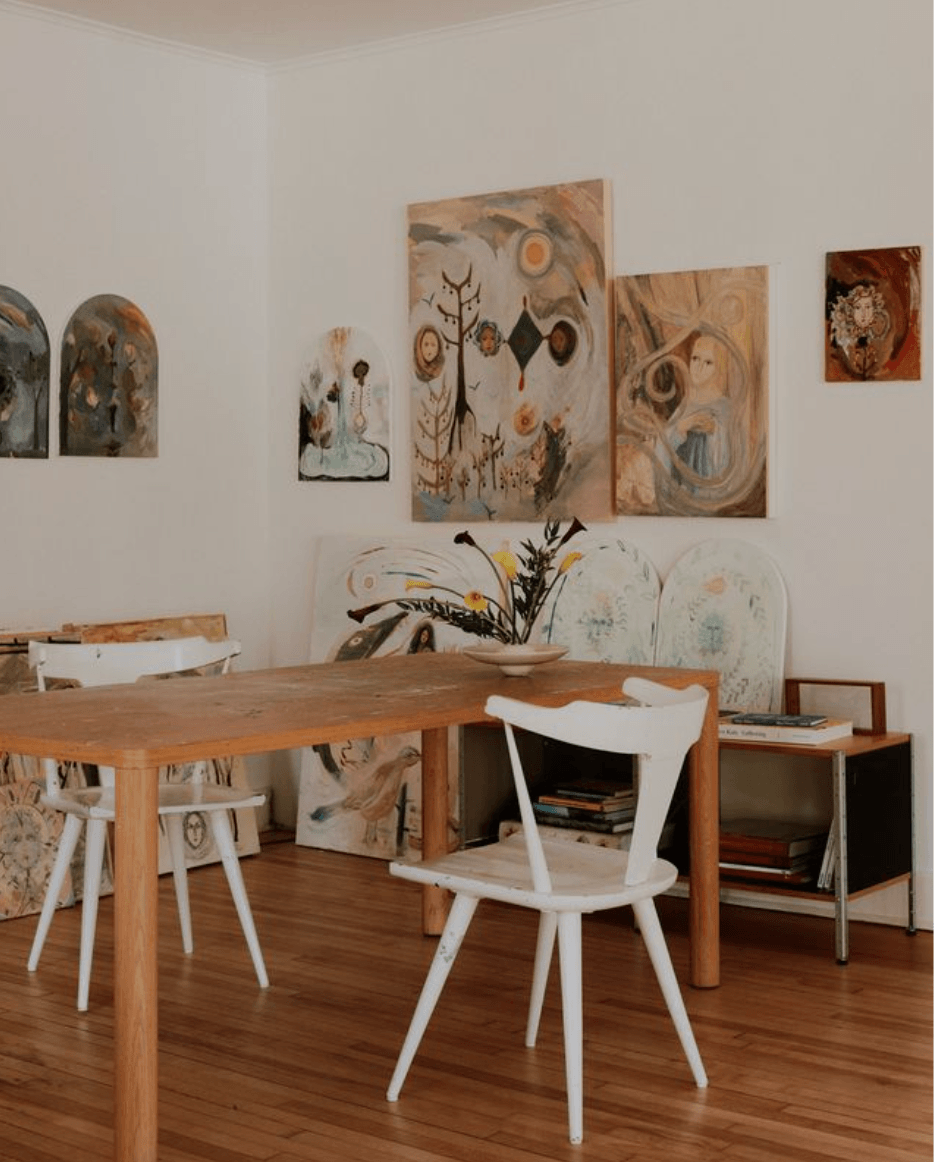
Beyond this rich, diverse offering, the region is punctuated by critical design destinations and galleries such as contemporary ceramics platform Studio Tashtego, antique dealer extraordinaire A.THERIEN; Ipsum, Verse, Loose Parts, and Steven Holl’s architectural tour-de-force residency, exhibition space, archive, and country home T Space. Alternative exhibition platforms like Available Items in Tivoli—functioning primarily as a store and offsite catalyst—further spotlight this ecosystem. Founders Chad Phillips and Kristin Coleman—design retail and public relations veterans—have long championed the region’s distinct material culture, noting how accessible square footage allows makers to escape the spatial constraints of the city. This sentiment is echoed across a diverse roster of independent talents who have made the valley their home; many also exhibit and sell their wares at Available Items.
For Stout, relocating her studio to a 19th-century former church property in Germantown provided the literal and figurative room to expand her playful, camp-infused practice. Working alongside a dedicated team, Stout has noted how the slower, more grounded pace shapes her engagement with craft, whether she’s throwing large-scale ceramic jugs or casting bronze. Similarly, Misha Kahn—whose whimsical, material-driven sculptures appear everywhere from private collections to Show: Room’s inaugural “Cutoffs” curation—finds fertile ground in the region’s industrial remnants and open expanses, even collaged together from various sources including urban garbage.
Why Upstate New York Is Attracting Contemporary Designers
While the rural lifestyle offers space and quiet reflection, the connection to New York City remains vital for creative research, gallery hopping in Chelsea, and maintaining a professional network. Far from feeling isolated, many of these designers have struck the perfect balance: the stimulation of one of the world’s most important cultural centers and the bucolic calm of its adjoining northern expanse.
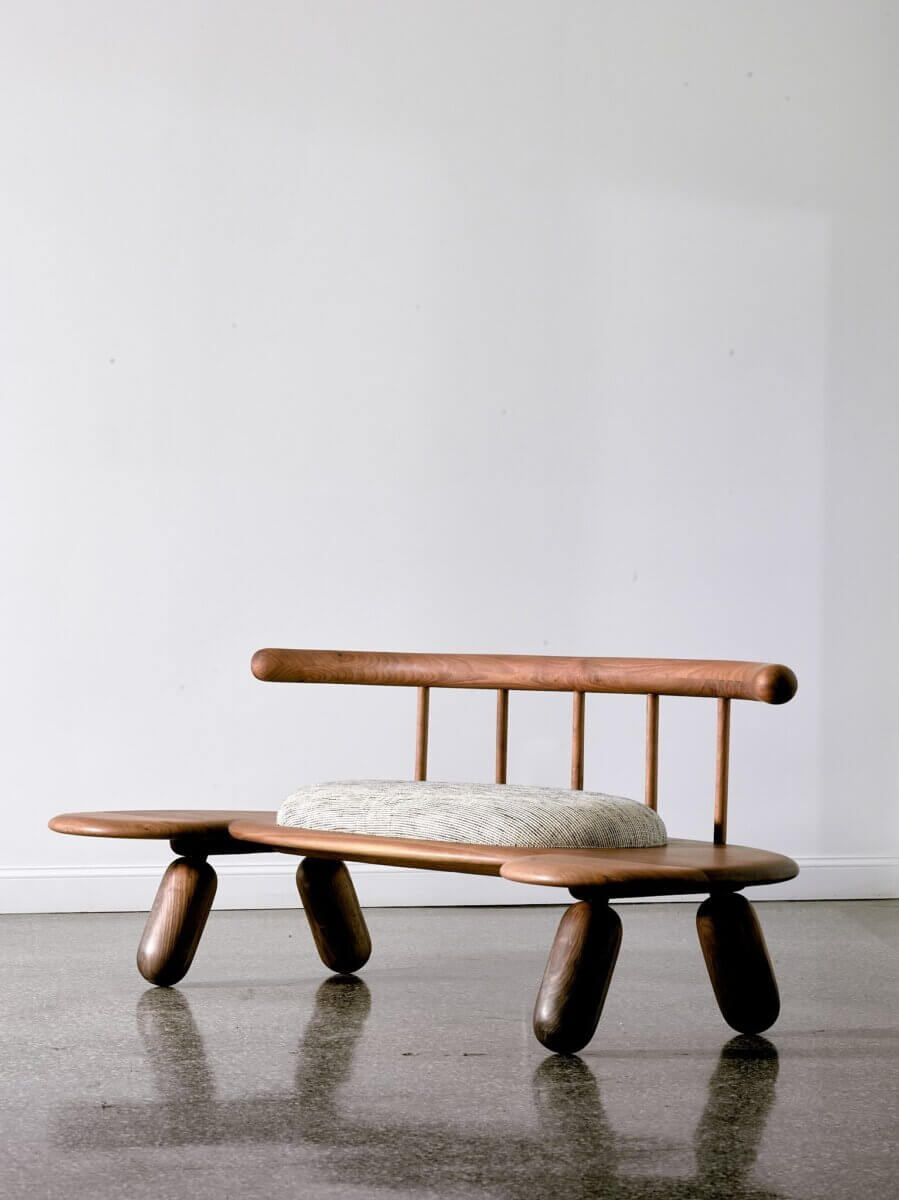
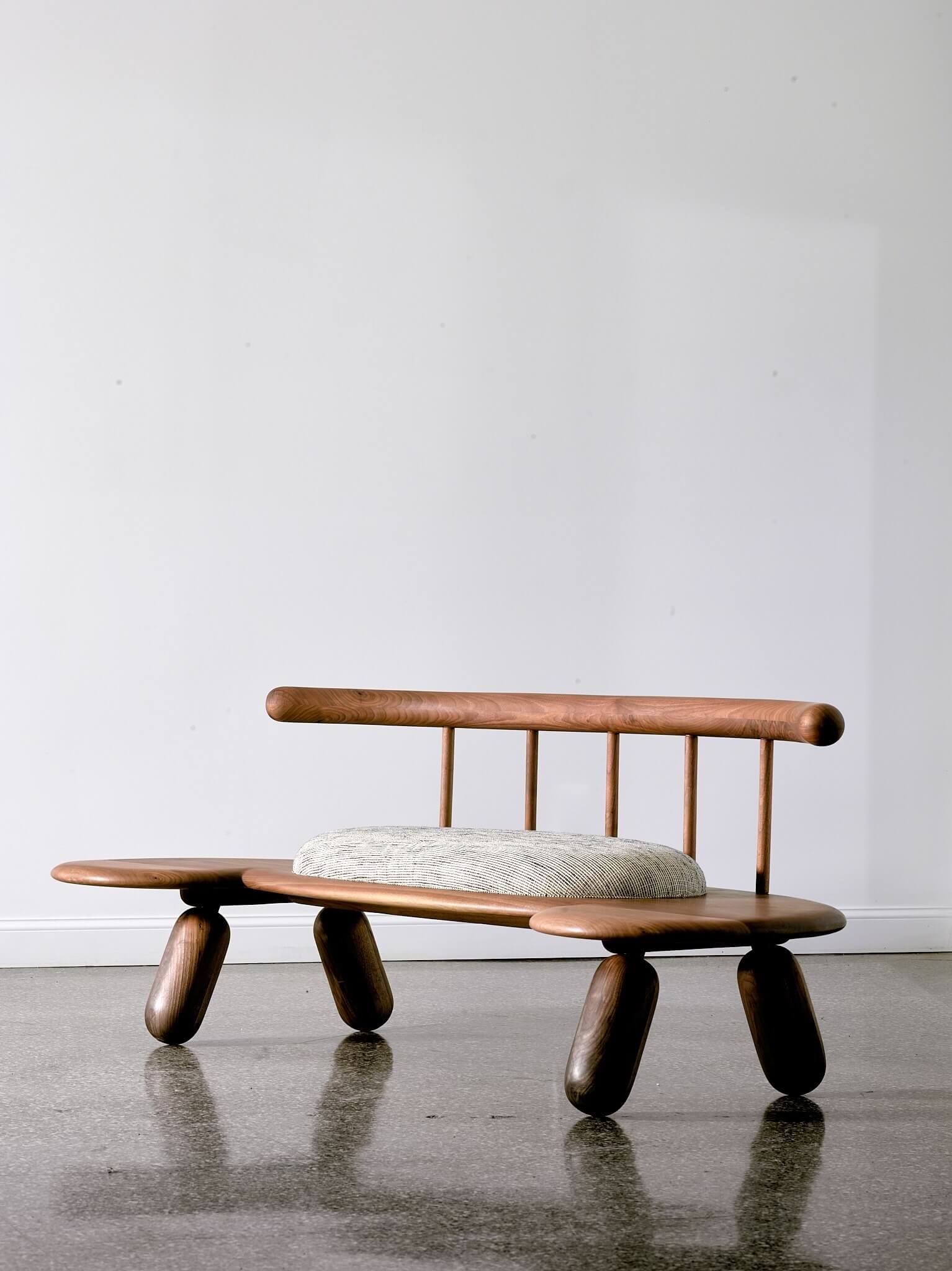
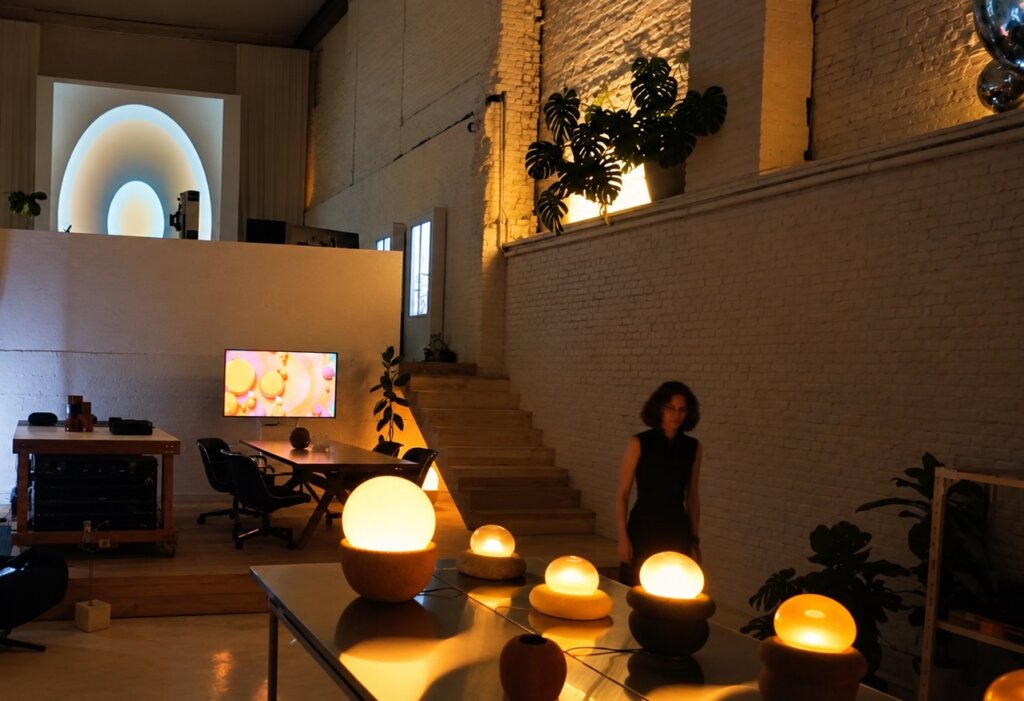
(Image courtesy of Jackrabbit Studio)
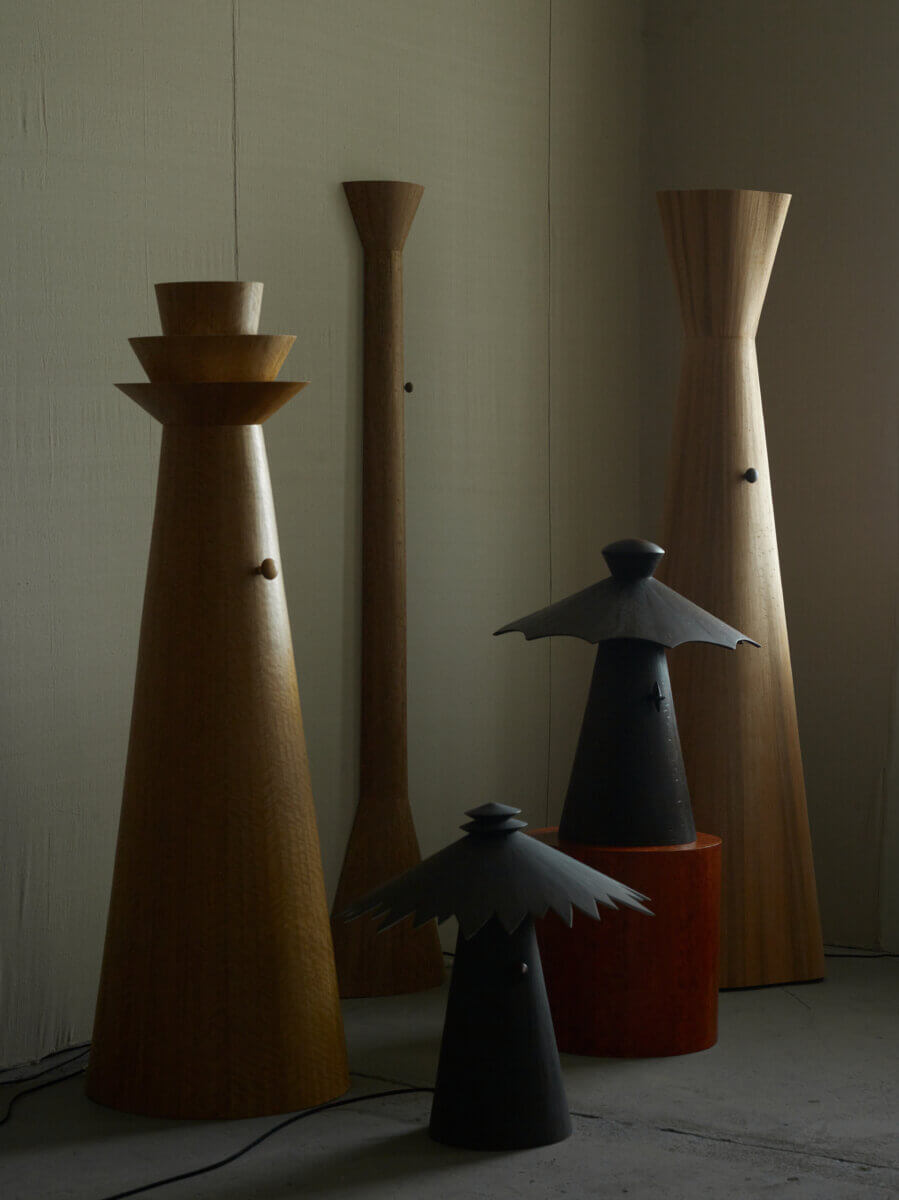
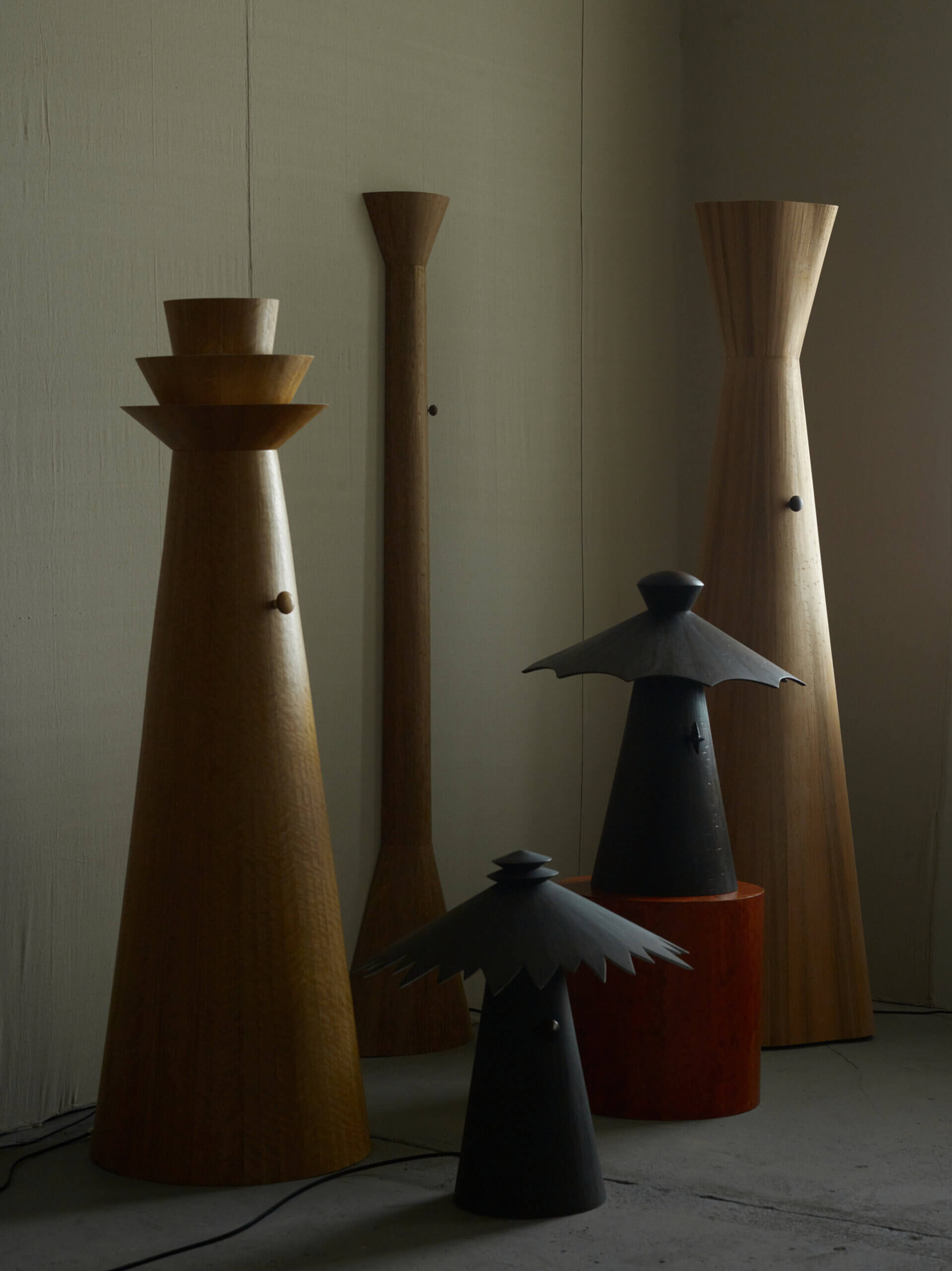
(Image courtesy of Aaron Getman Pickering, photographed by Skyler Smith)
This infrastructure is further reinforced by a wave of seasoned cultural critics—such as a former Architectural Digest editor Lila Allen who recently relocated to Stone Ridge. Though her new Substack publication, Wrong House—which leans cheekily critical yet remains entirely accessible—explores all manners of home design with a global purview, the fresh perspective afforded her here has allowed Allen to think outside of the box.
For talents like Amin Tadj (whose spec home projects have redefined residential exhibition models), Swell Studio, Ladies & Gentleman Studio, Fernando Mastrangelo, BCMT, Coil and Drift, Vonnegut / Kraft, Office of Tangible Space, FN Furniture, Jackrabbit Studio, Jake Coan, Jesse Groom, and LikeMindedObjects, the Catskills have firmly transitioned from a weekend retreat into one of the most vital contemporary design centers in the country.
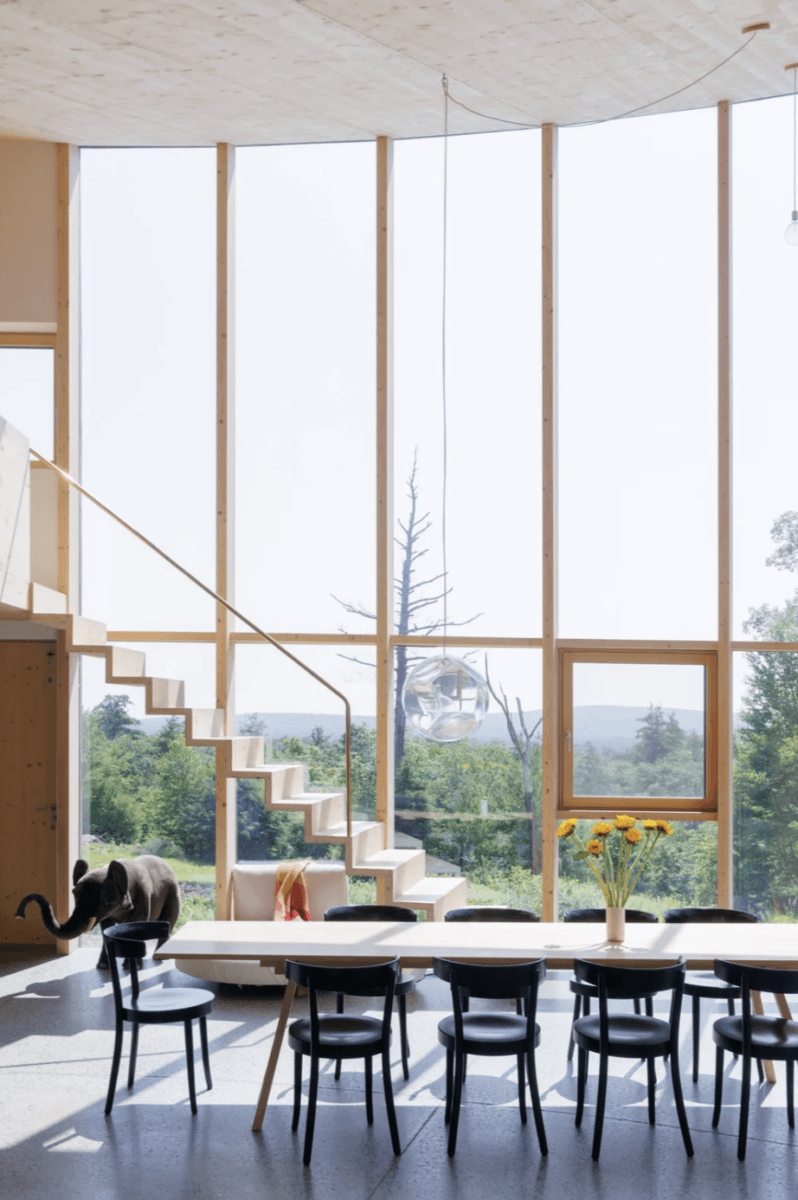
Christian Wassmann's Rock’n’House (Photographed by Iwan Baan)
Christian Wassmann’s own home, the Rock’n House in Woodstock serves as the ultimate realization of his mathematically informed architectural philosophy. By building around a massive, prehistoric glacial erratic—the property’s defining geological feature—the seasoned, culturally-in-the-know New York architect was able to best effectuate his working philosophy in the specific genius loci of the Hudson Valley. The project synthesizes his interests in celestial orientation and precise geometry, creating a home that not only respects the ancient landscape but actively engages with it, mapping the path of the sun and aligning with natural forces to create a contemplative, nature-integrated living space. Clearly, the benefits here aren’t just having more space or quiet, but being able to fully immerse oneself in that most fundamental source of inspiration, nature.