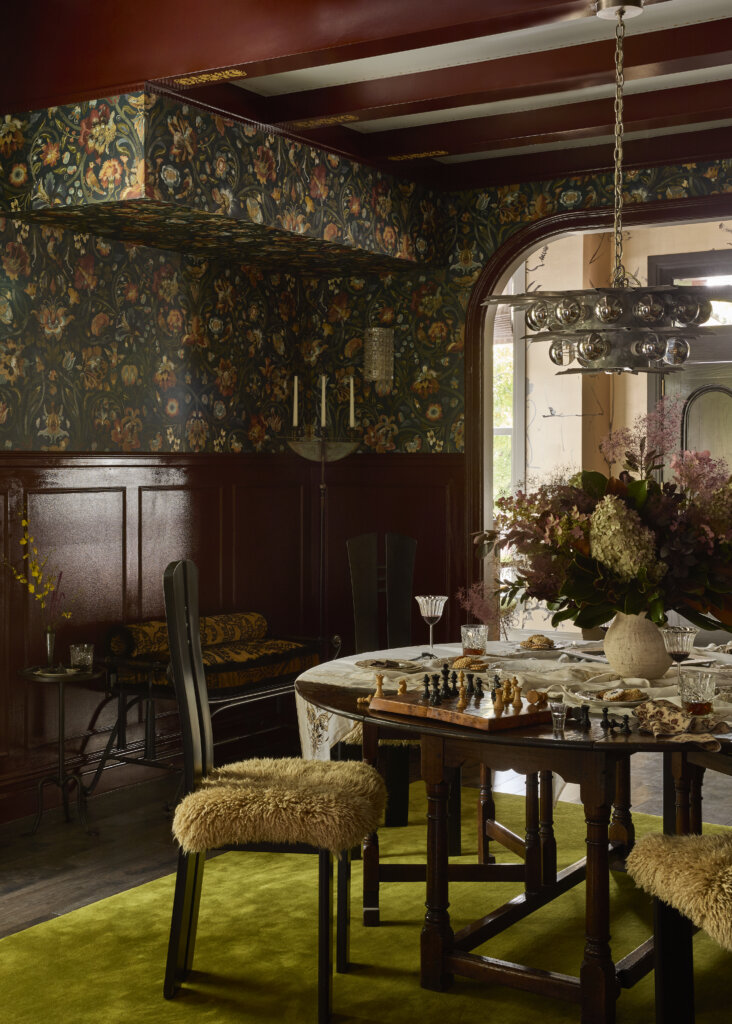
At ICFF 2026, Designing for Dignity took center stage in the Oasis in a thought-provoking talk this past May. Moderated by Diana Budds, the panel featured Sara Caples of Caples Jefferson Architects, Treger Strasberg of Humble Design, and Sabrina Lippman of Habitat for Humanity New York City and Westchester. Together, they explored how prioritizing the needs and dignity of end users over aesthetics alone can redefine what it means to create meaningful, human-centered spaces.
What Does It Mean to Design for Dignity?
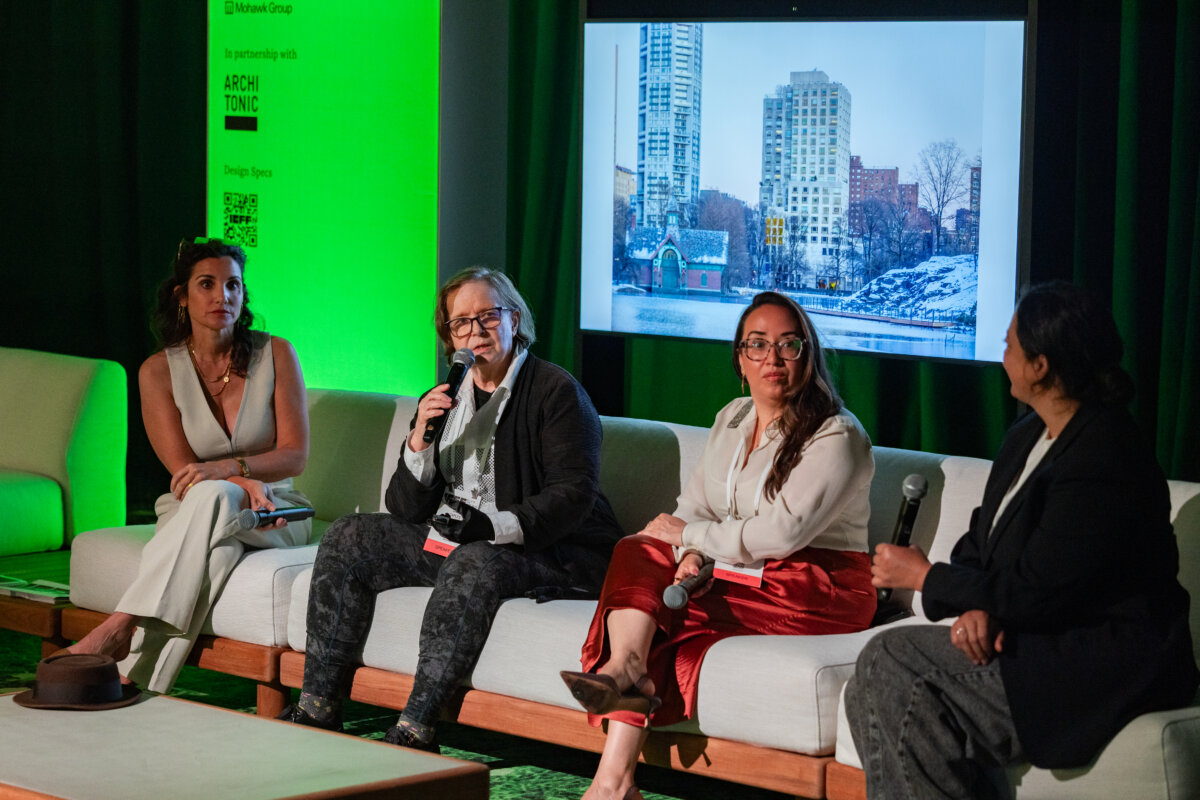
For Sara Caples, designing for dignity means a deep focus on how people actually live. She highlighted the work of Le Corbusier’s collaborator, Charlotte Perriand, who transformed a basic doorstep into a social gathering space. “Of course, why would you not want to design for the full humanity of the people that you’re working for?” Caples asked the audience. Her firm maintains a 40-year commitment: at least half of its projects serve communities she describes as “underserved by the design community.”
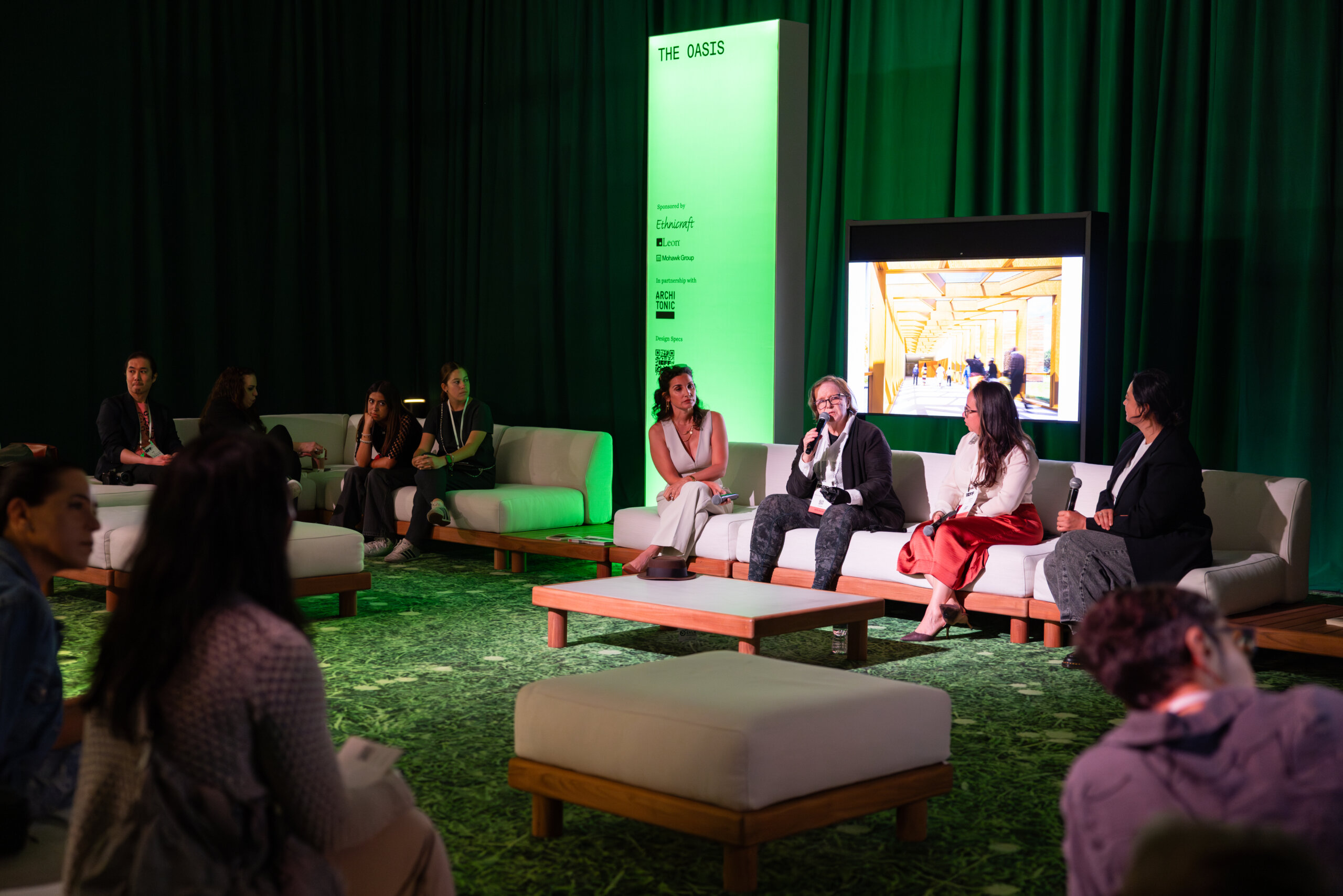
(Treger Strasberg, Sara Caples, Sabrina Lippman, and Diana Budds in the Oasis | Image courtesy of Jenna Bascom Photography)
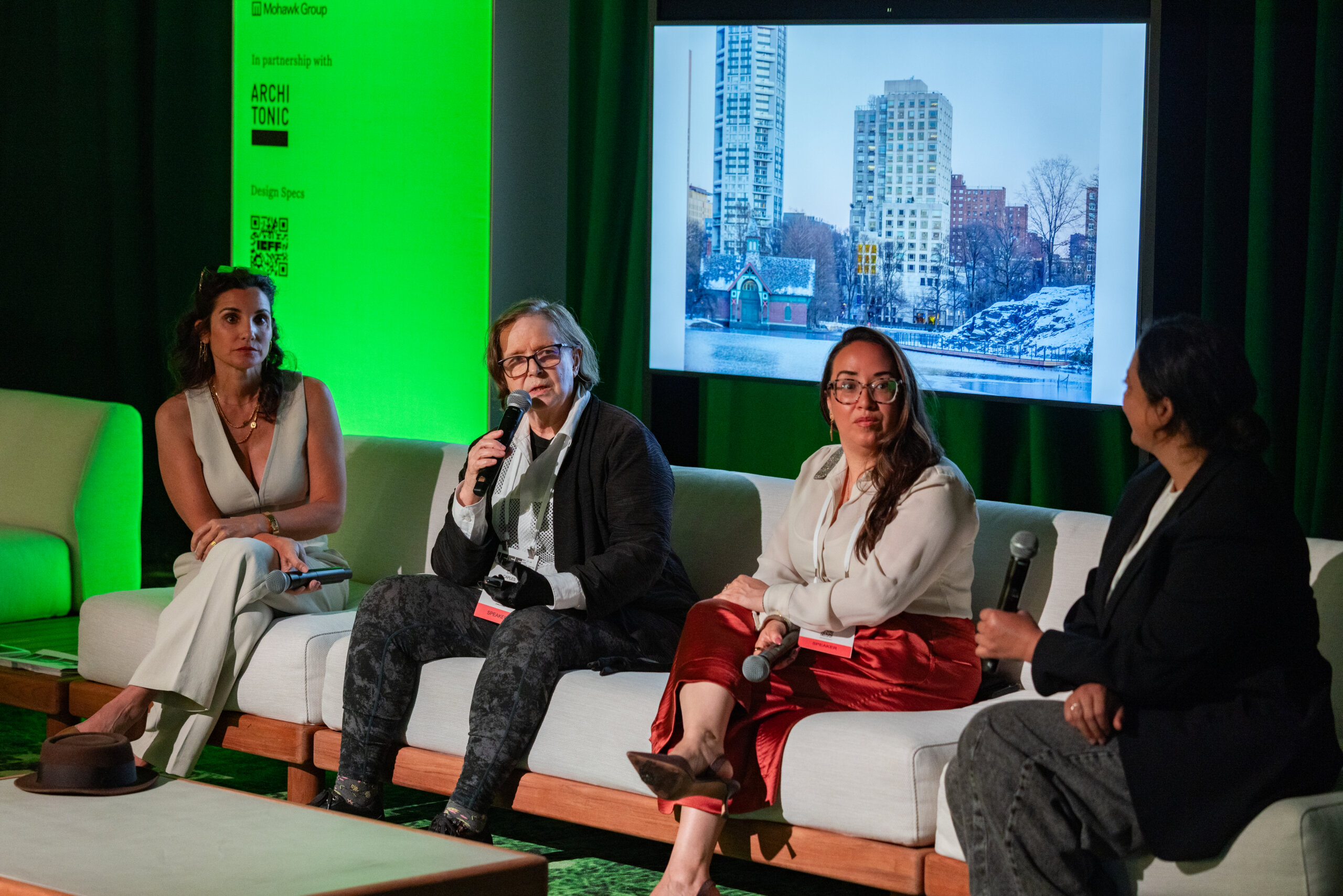
Sara Caples speaking in the Oasis (Image courtesy of Jenna Bascom Photography)
The Power of Trauma-Informed Design
Treger Strasberg, founder of Humble Design, helps furnish homes for families leaving shelters through trauma-informed care. “It’s really about listening,” she explained, describing how her team prioritizes asking clients what they want rather than making assumptions about their needs. Strasberg rejects the framing of charity altogether: “We work really, really hard to make sure that we’re in partnership with our individuals, rather than feeling like we’re gifting and they are receiving.” A UCSD study on Humble Design’s impact found that 98% of their clients remain housed, with 86% reporting higher self-worth.

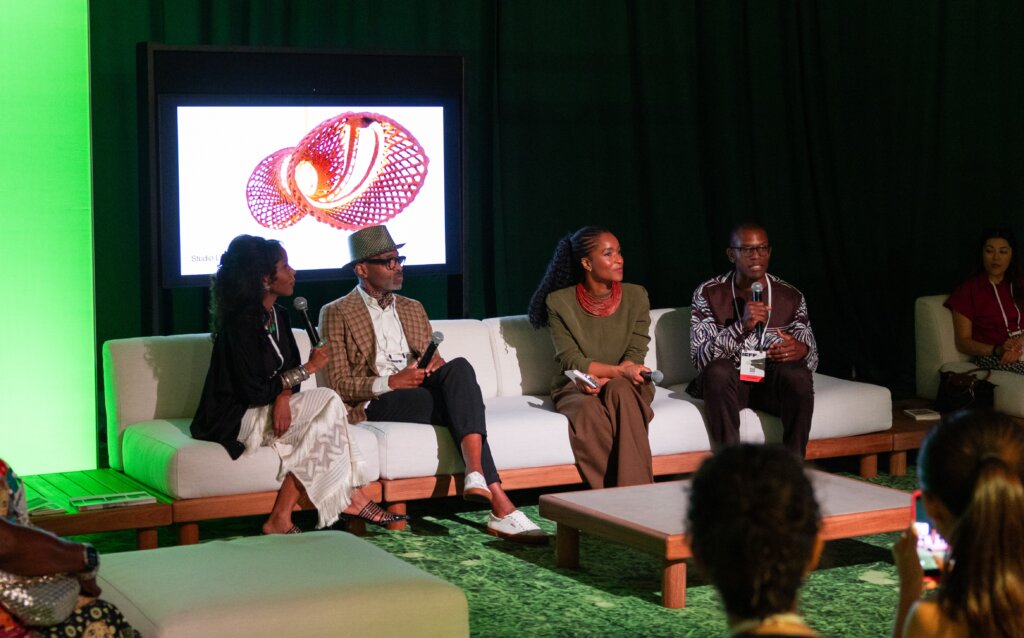
Treger Strasberg (Image courtesy of Jenna Bascom Photography)
Permanent Affordability and Community Ownership
Sabrina Lippman, who leads Habitat for Humanity, shared how her organization provides more than just housing. With 80% of the families they serve being single mothers of color working multiple jobs, Habitat builds permanently affordable cooperatives rather than single homes. “It’s not just the four walls on the outside, it’s what’s on the inside,” Lippman said. She also highlighted Habitat’s ReStore locations, which sell donated furniture and materials at discounted rates so families can affordably furnish their homes.
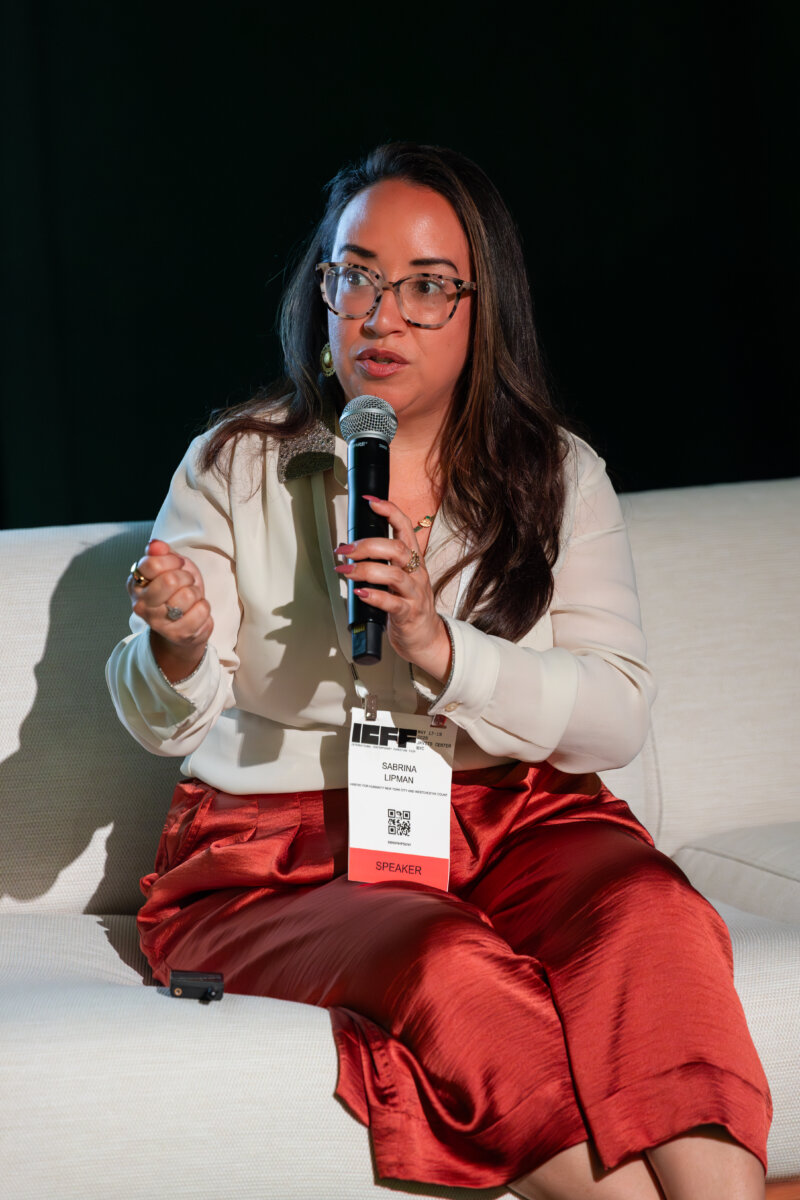
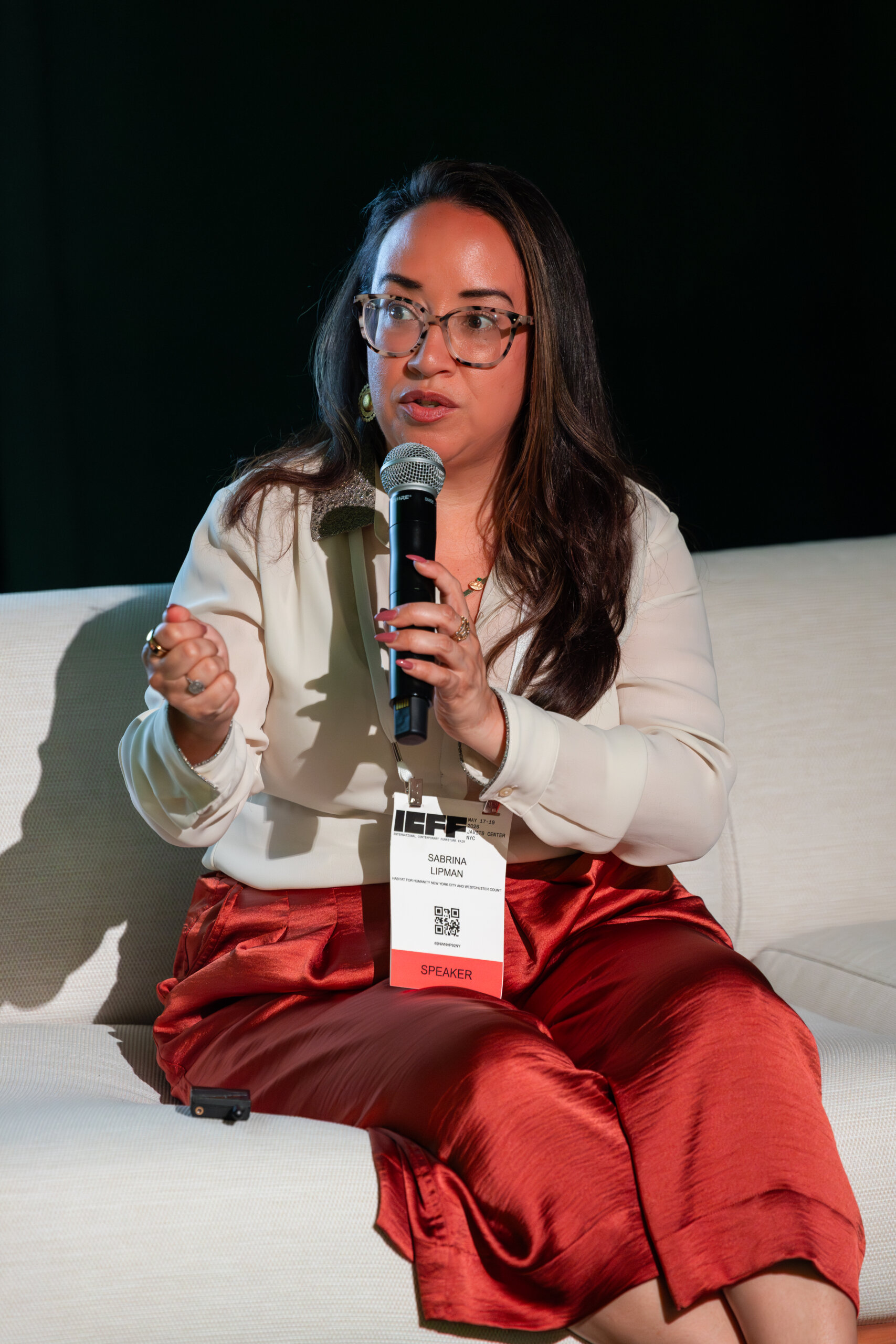
Sabrina Lippman (Image courtesy of Jenna Bascom Photography)
Walking in the End User’s Shoes
Across all three practices, one principle stood out: design decisions must start with the person who will live in the space. Strasberg shared the story of a client who grew up in a hoarding household. Instead of filling shelves with books, as Strasberg might prefer, the team created a sparse, curated space tailored to the client’s needs. “It’s not what I would want,” Strasberg said, “but it’s what she would have needed.”
Caples, Strasberg, and Lippman provided a glimpse into how trauma-informed care, permanent affordability, and community partnership can shape dignified design. To hear the full conversation and explore the panelists’ insights in greater depth, listen to the complete session below:
Want to listen to other talks? SEE OUR 2026 REWIND PAGE >>>