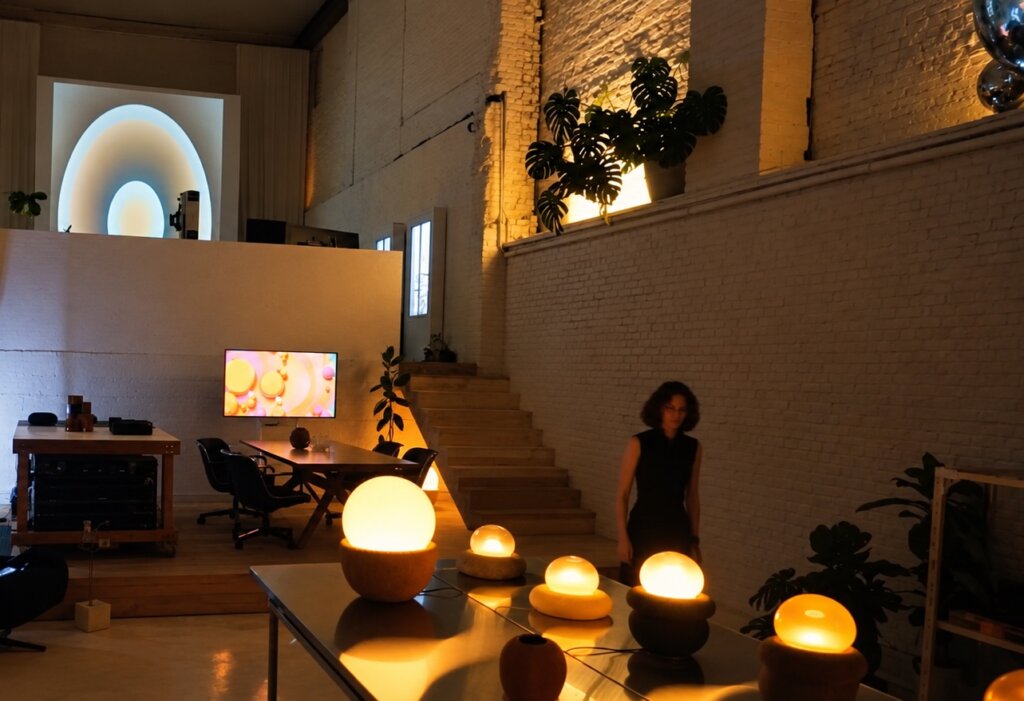
There is always something energizing about experiencing Mexico City during Design Week Mexico. The city’s design community feels alive with ideas, new collaborations, unexpected material combinations, and a remarkable range of creative voices. This year, what stood out to us was not only the quality and diversity of the work on view, but also the sense of evolution taking place across the scene.
From architecture and interiors to collectible design, furniture, lighting, and experimental objects, there is a growing confidence in the way Mexican designers are developing their own visual languages. There is also a noticeable shift: many independent studios are evolving into established brands, building the capacity to scale production, and increasingly positioning themselves for the U.S. market.
(Image above courtesy of Jeoffrey Guillemard)
Design House
Design House: Architecture as a Framework for Creative Dialogue
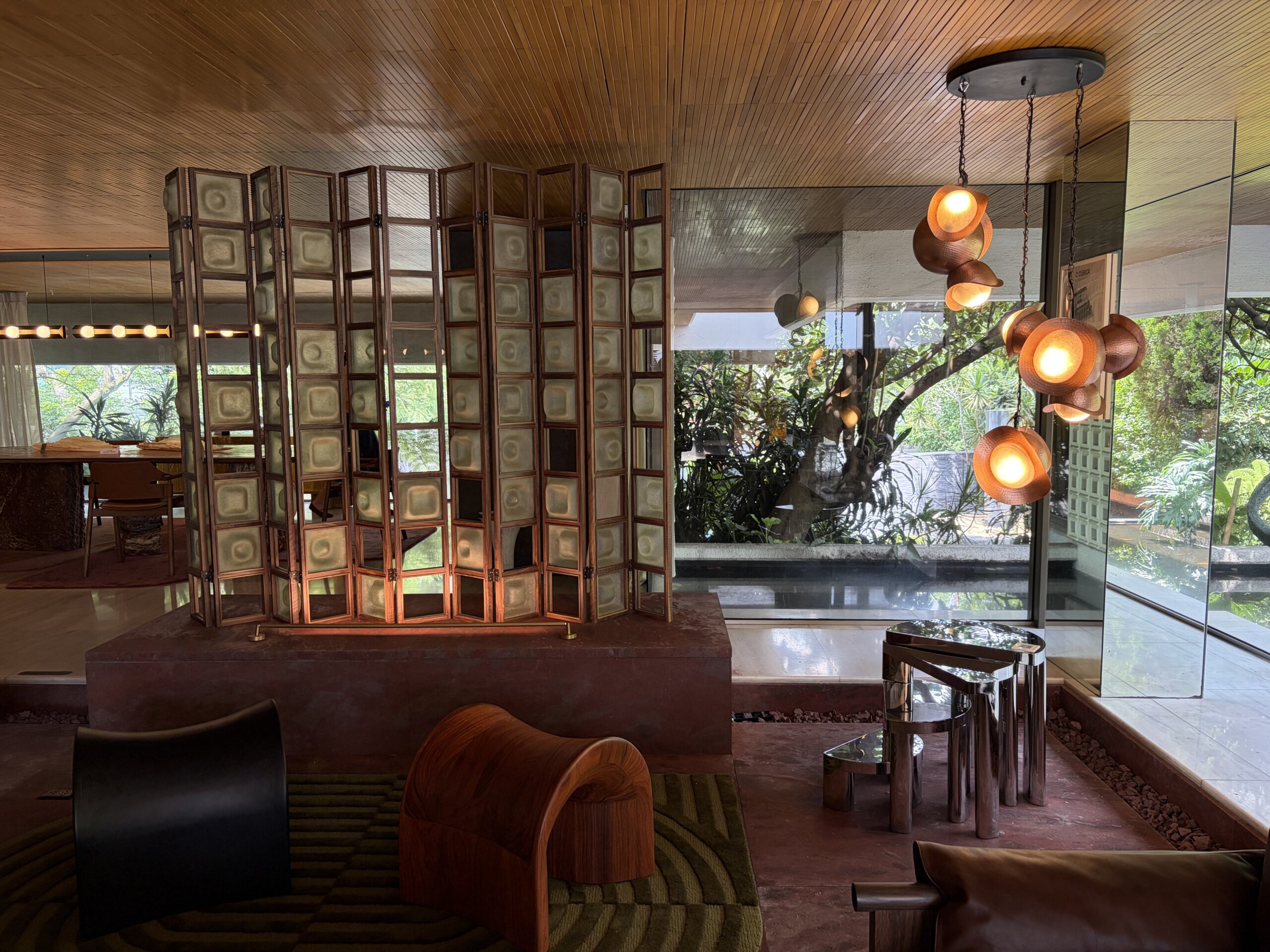
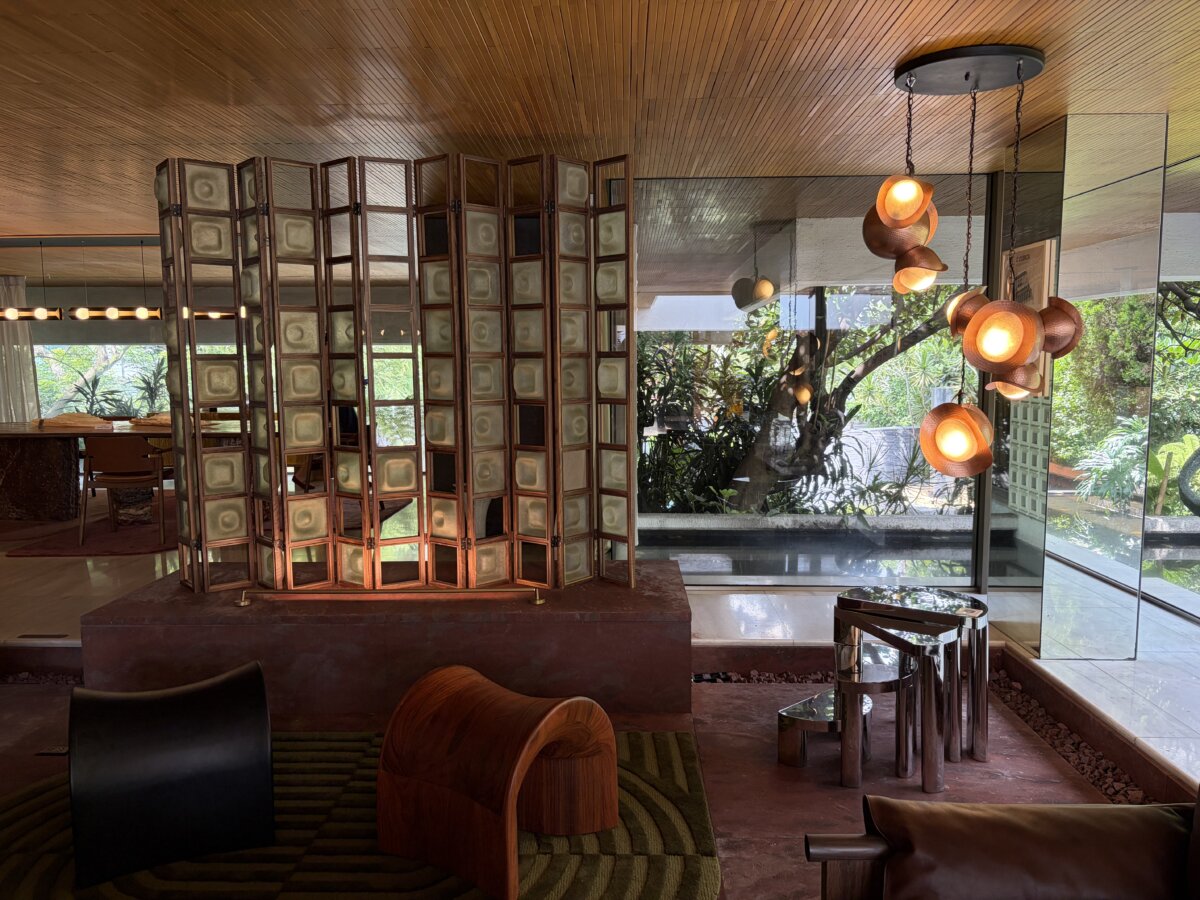
The Design House was beautiful. Beyond the architecture itself, what made the experience compelling was the way each room became an individual expression of a designer’s or architecture studio’s vision. Together, the interiors created a conversation between architecture, furniture, art, objects, and materiality.
Among our favorite spaces was the room designed by C Cúbica Arquitectos, which brought together beautiful pieces including the one by Daniel Couttolenc, Nuumbra, Peca, Bandido, Omet, and 6AM. The selection demonstrated how distinct creative voices can coexist within a coherent interior, allowing each piece to contribute to the atmosphere without losing its identity.
Another memorable space was designed by Rodrigo Noriega and included pieces by Daniel Germani. The dialogue between the architecture, furnishings, and objects gave the room a distinct character while reinforcing the importance of collaboration in contemporary interiors.
We were also drawn to a room designed by Goldberg Interiores featuring pieces from Clásicos Mexicanos, as well as the kitchen, which was exceptionally well executed. The garden was another highlight, extending the experience beyond the interior and demonstrating how landscape can become an integral part of the architectural narrative.
What Design House does particularly well is provide a platform for different practices to articulate their identities within a shared architectural setting. Rather than presenting design in isolation, it reveals how furniture, lighting, art, materials, and spatial decisions work together to shape an experience.
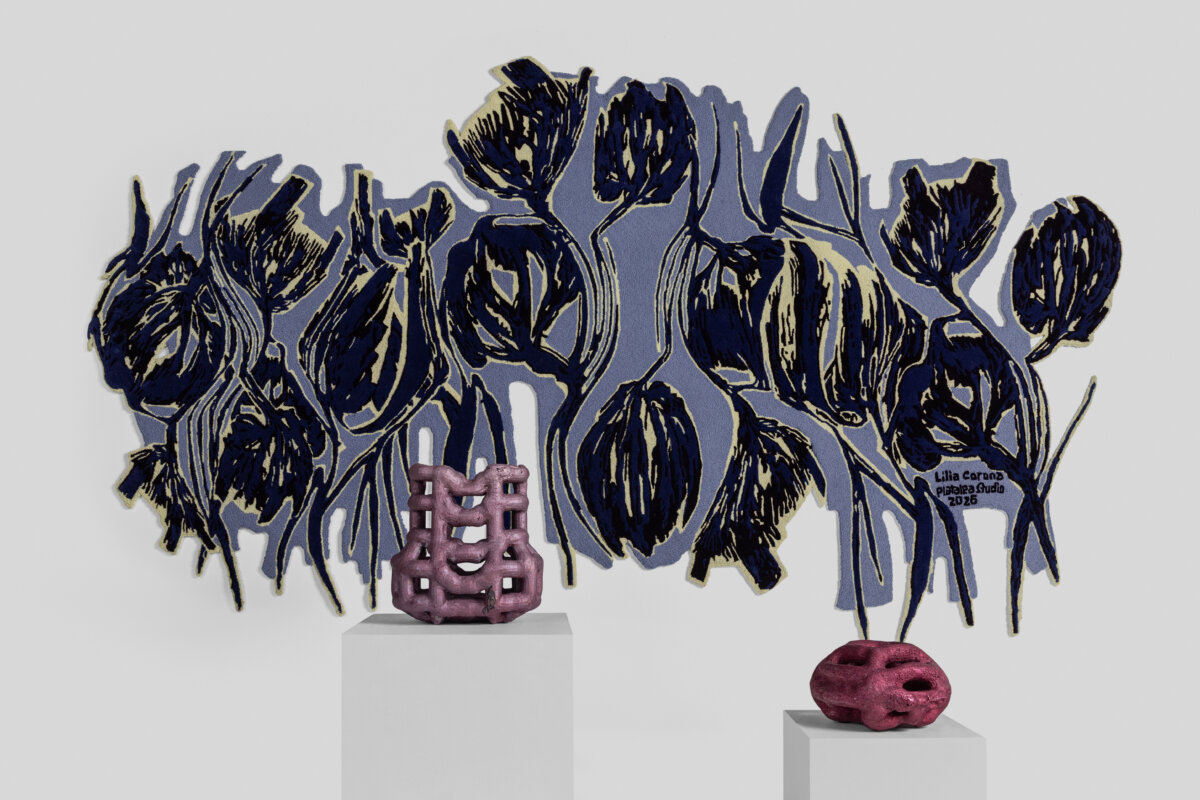
Image courtesy of Design Week Mexico, photographed by Mariana Achach
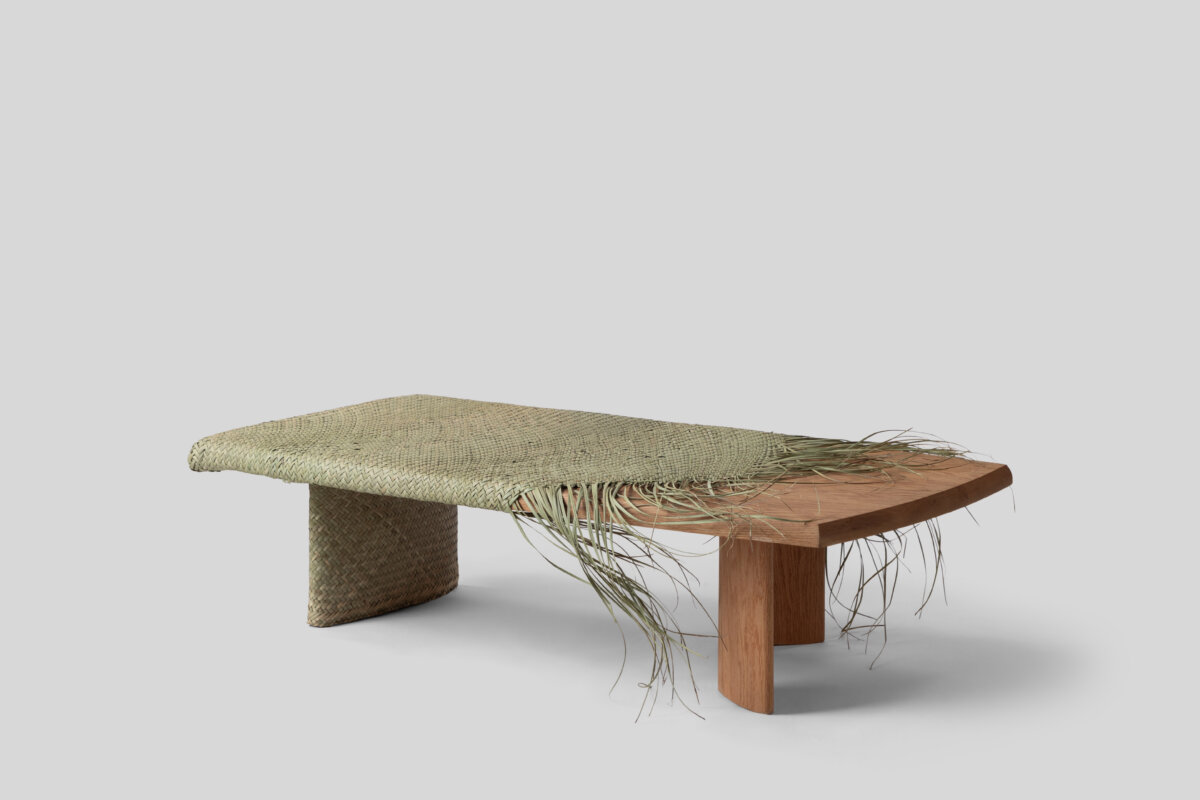
Image courtesy of Design Week Mexico, photographed by Mariana Achach
Inédito at Espacio: Experimentation, Materiality, and New Forms
If Design House offered a view of design through the lens of interiors, Inédito at Espacio provided a closer look at the experimental energy driving object and product design.
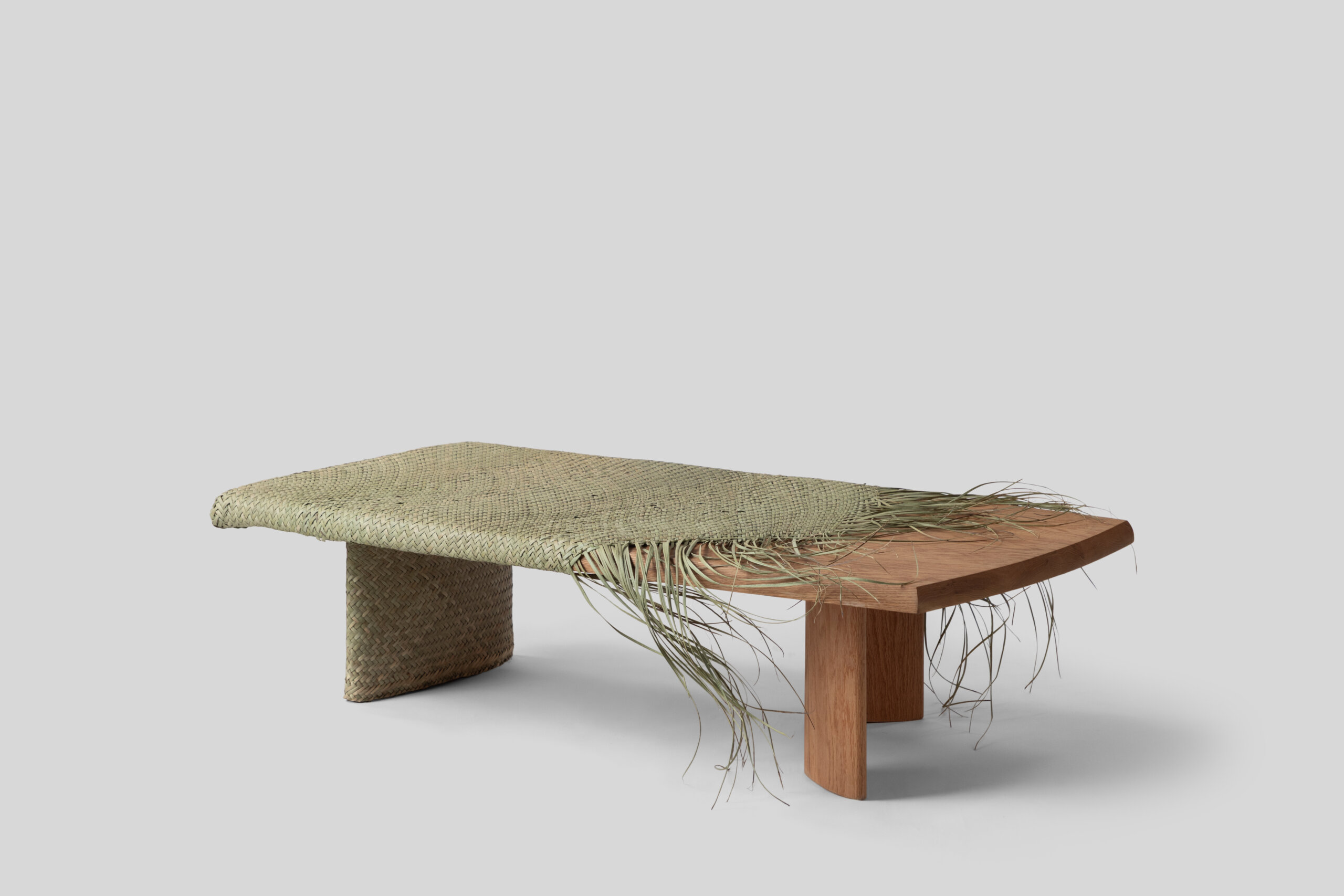
The exhibition was full of interesting approaches to deconstruction and reconstruction, the juxtaposition of materials, and the exploration of shape, color, and composition. There was a willingness to move beyond familiar typologies and reconsider how materials might be combined, transformed, or given a new context.
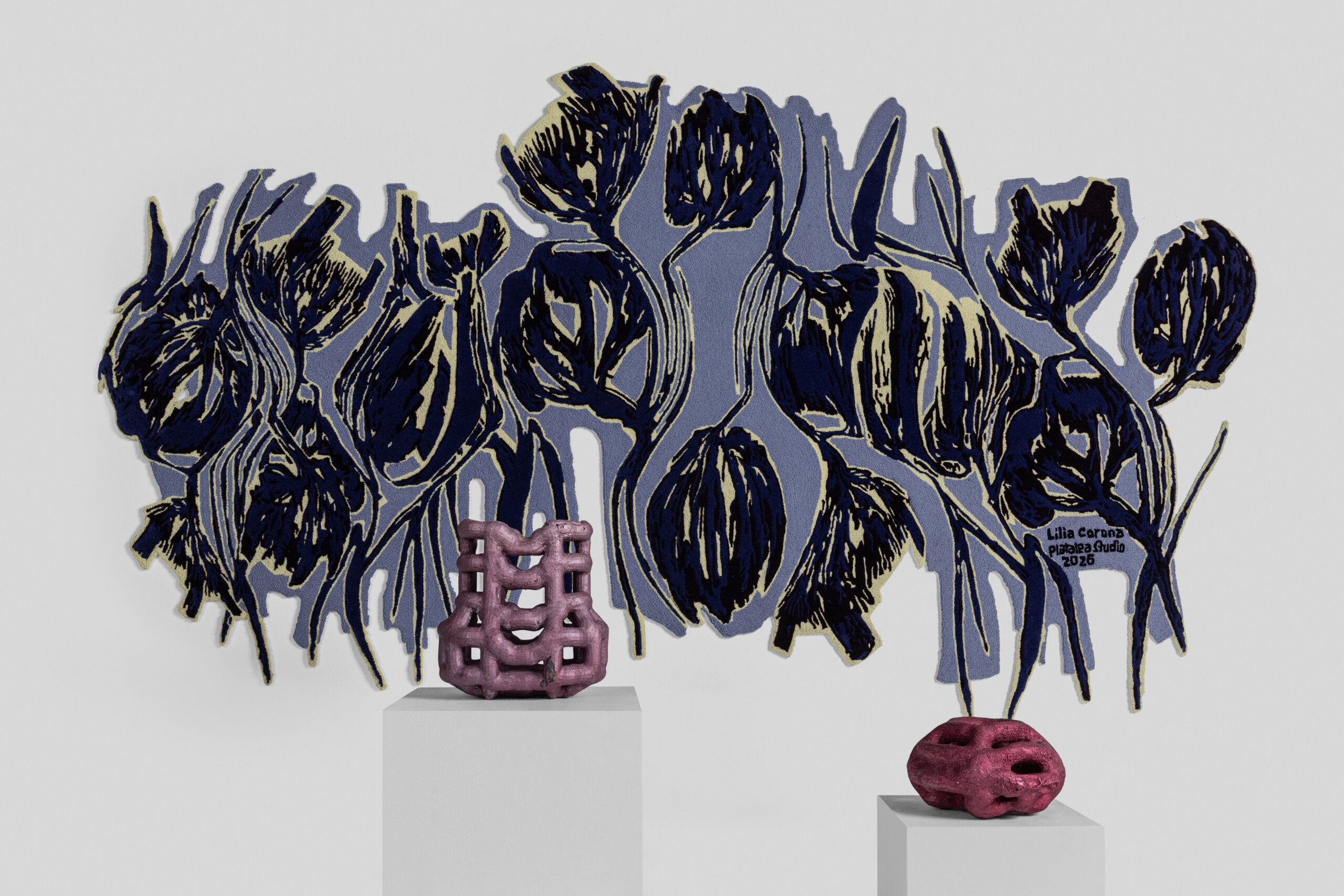
Several pieces particularly caught our attention. Platalea Studio presented an exquisite rug, while Victor Rubio’s product design and Nuuma’s lighting offered other perspectives on the relationship between form and function. Troja Estudio’s original cabinet was certainly one of our “coup de coeur”.
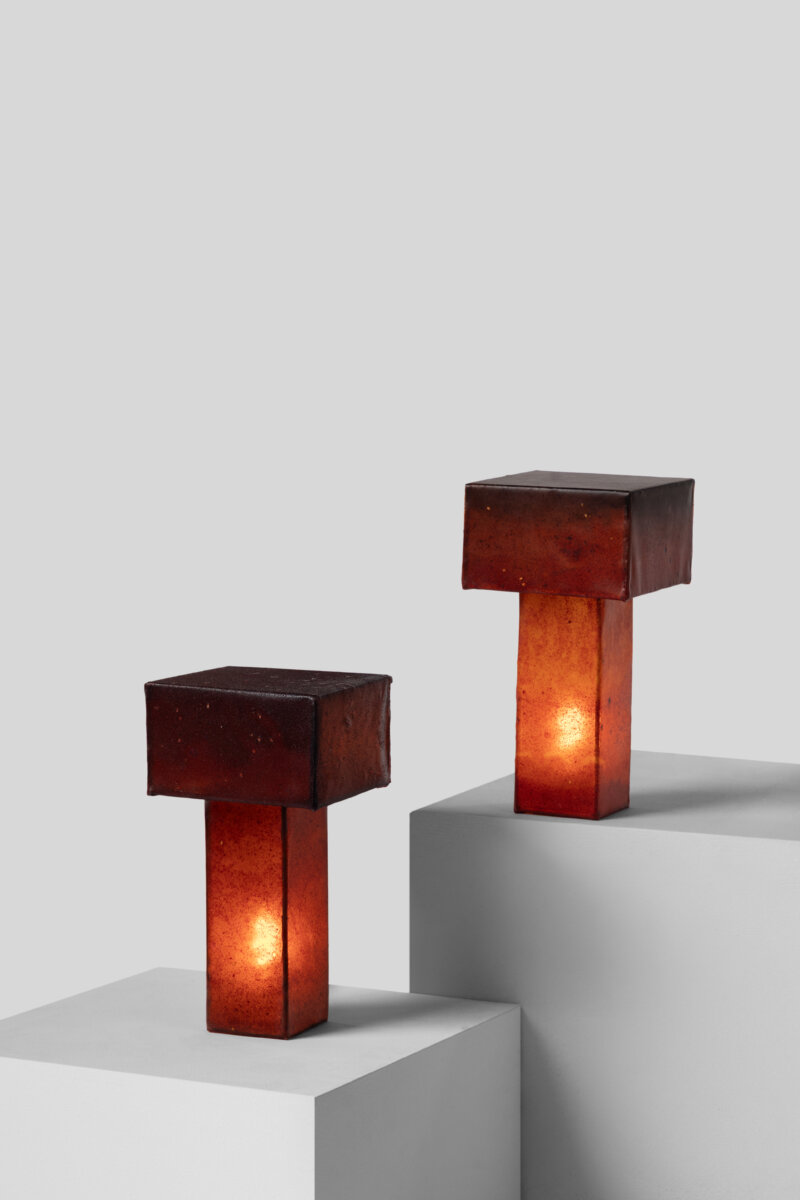
Image courtesy of Design Week Mexico, photographed by Mariana Achach
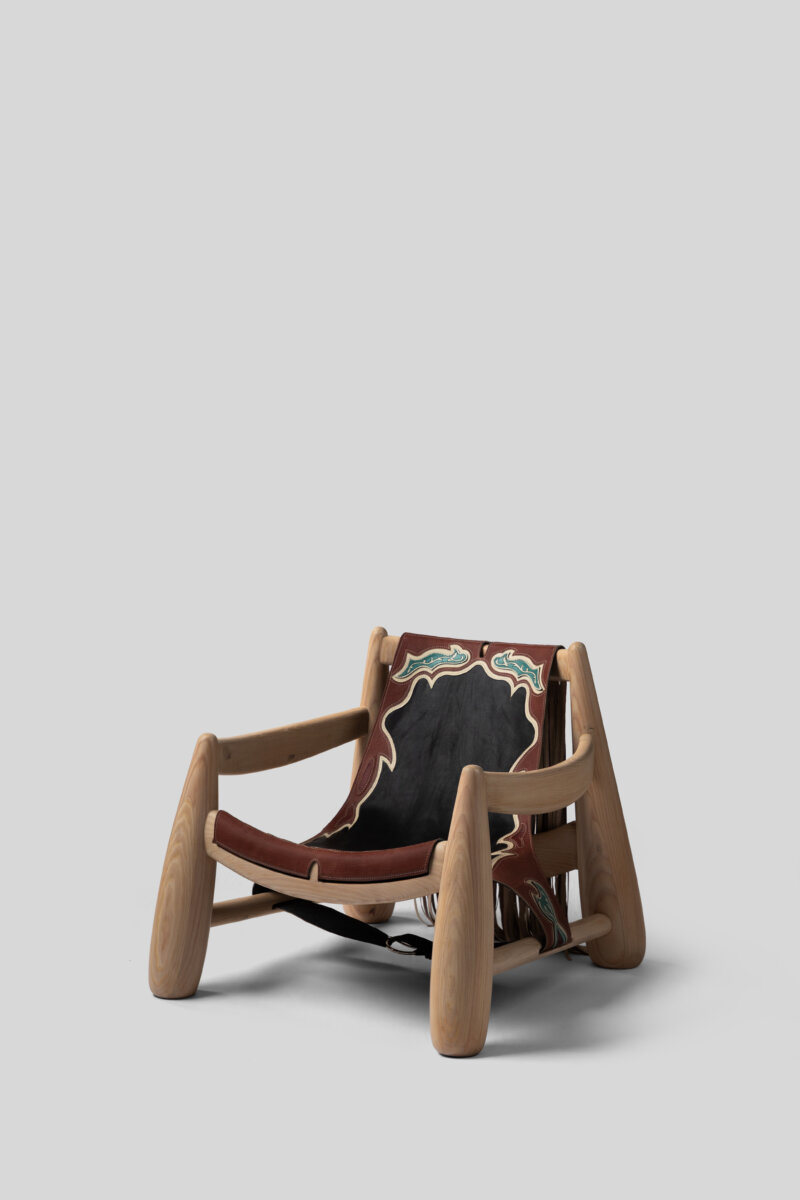
Image courtesy of Design Week Mexico, photographed by Mariana Achach
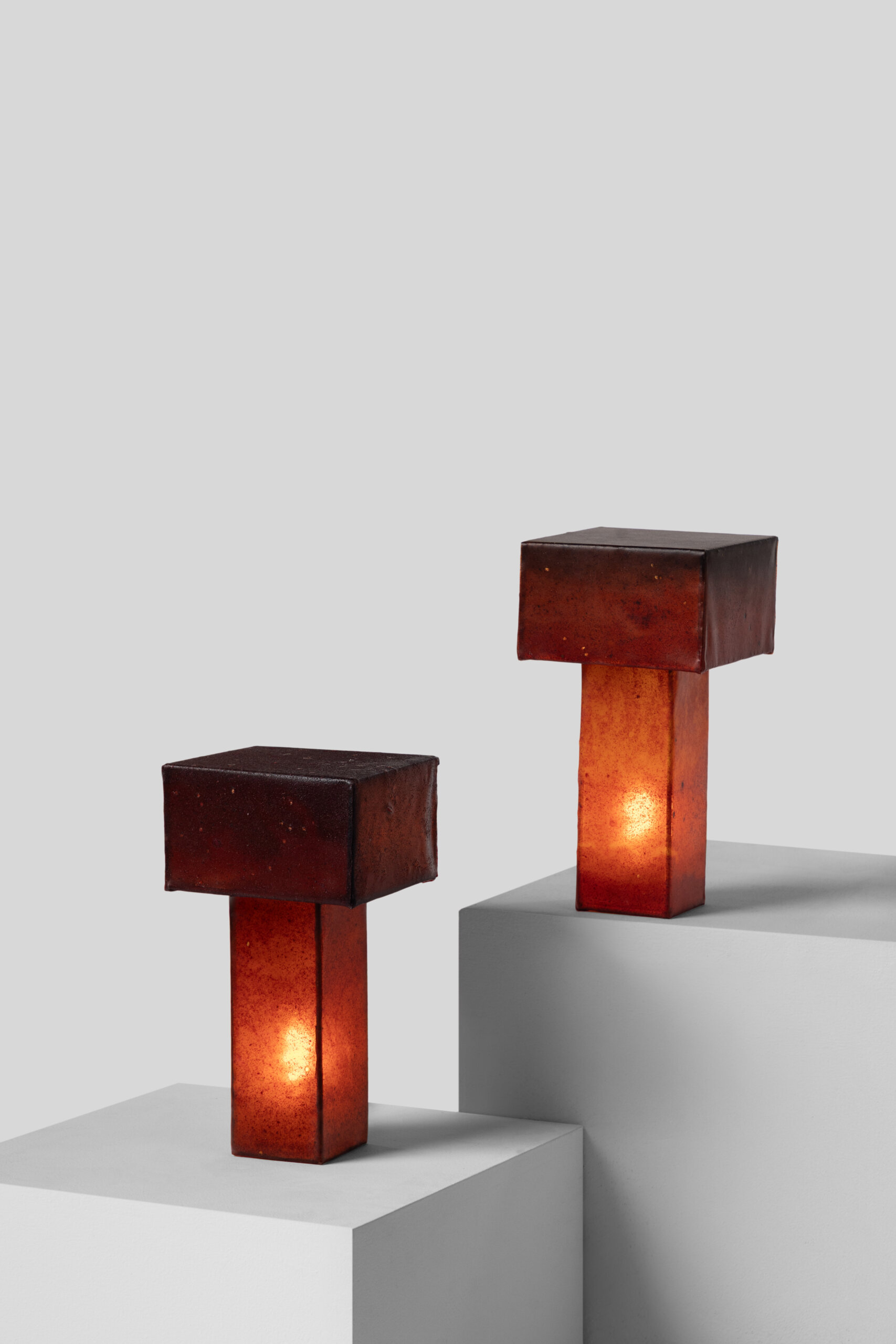
Mariajose Gayou of Muntanya Lab caught our attention this year with Capsa, an experimental lighting project that transforms waste from five varieties of chile into a biomaterial. Drawing on one of Mexico’s most emblematic ingredients, we found this approach particularly compelling: it brings together cultural identity, material research, and sustainability, demonstrating how innovation can begin with a closer look at the resources already around us.
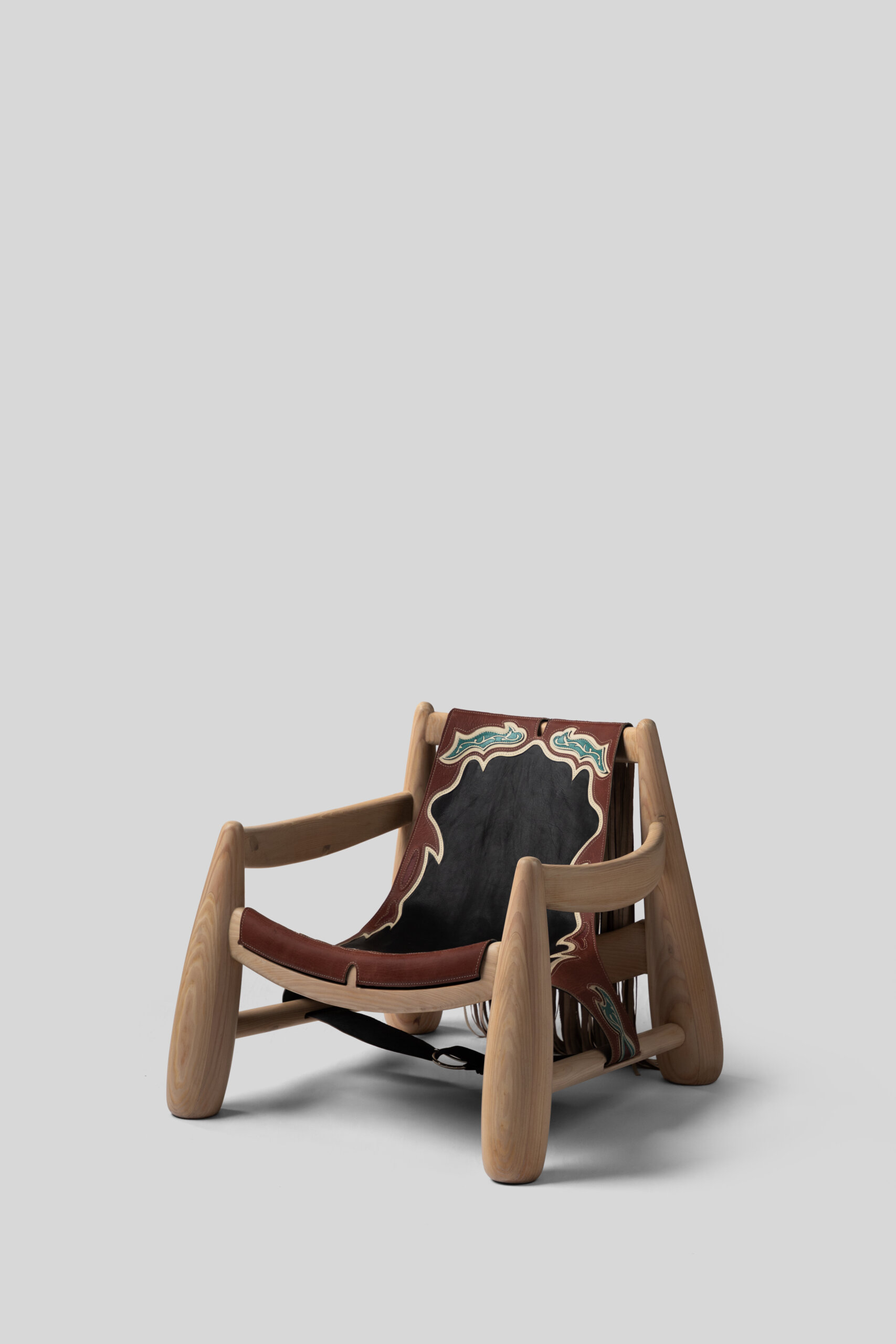
Among the furniture pieces, the Sillón Reparo chair by Baam Estudio was a favorite. We were also drawn to the table designed by Juan Pablo Baca and Jimena Garza, and the Agave de Humo installation by Hiato Creativo.
The school’s exhibition was also strong, showcasing what is next.
What connected many of these projects was an interest in materiality as a starting point for design rather than simply a finishing detail. Materials were being contrasted, recombined, and reinterpreted to create new visual and tactile relationships. There was a sense of curiosity in the work, but also a growing ability to translate experimentation into objects with a clear identity.
Inédito remains a key place to observe this emerging generation of talent. It offers a window into ideas that may still be developing, while revealing the creative foundations of future collections and brands.
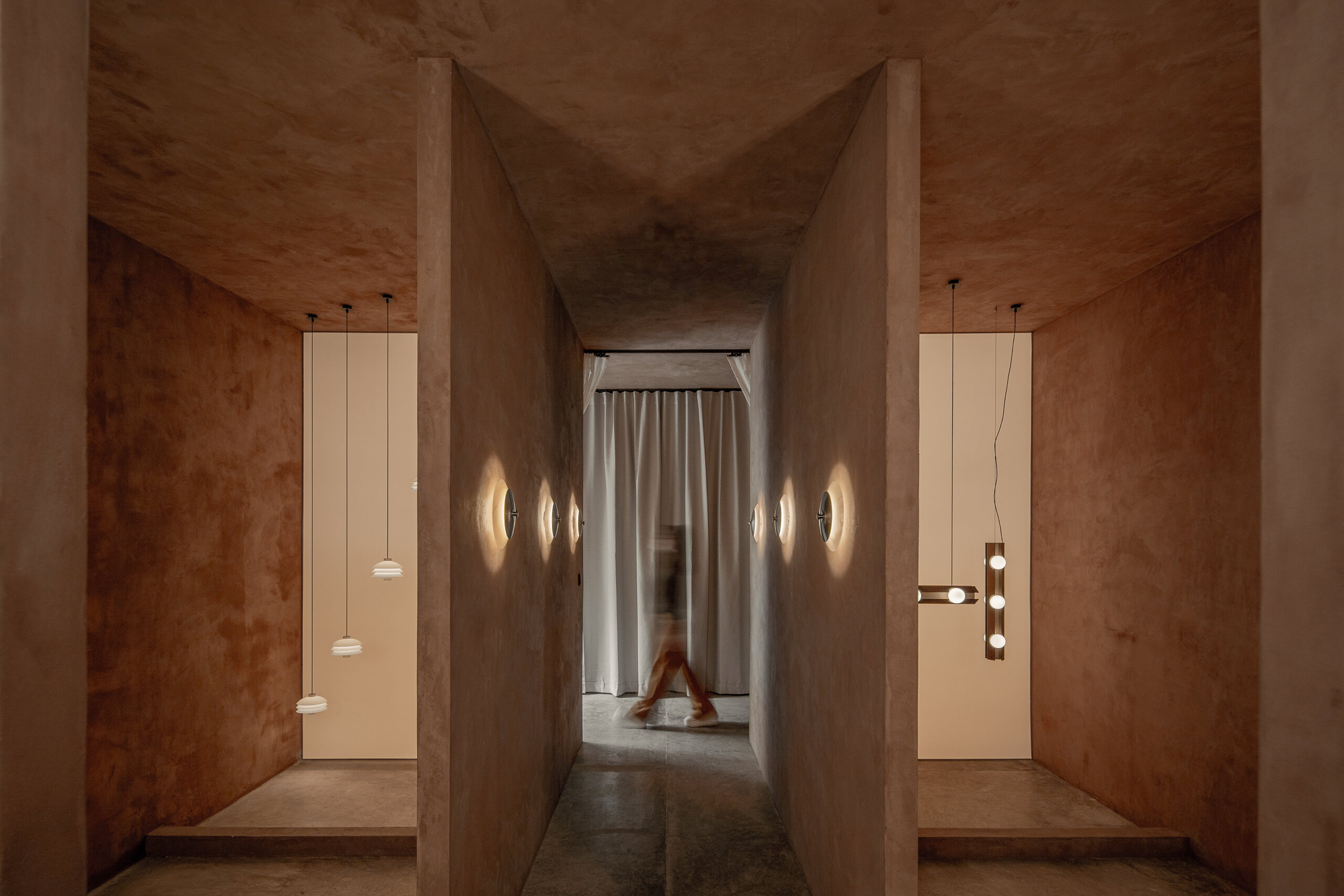
Bandido Showroom (Photographed by Amy Bello)
Bandido at Casa Rosa: Lighting with a Distinct Identity
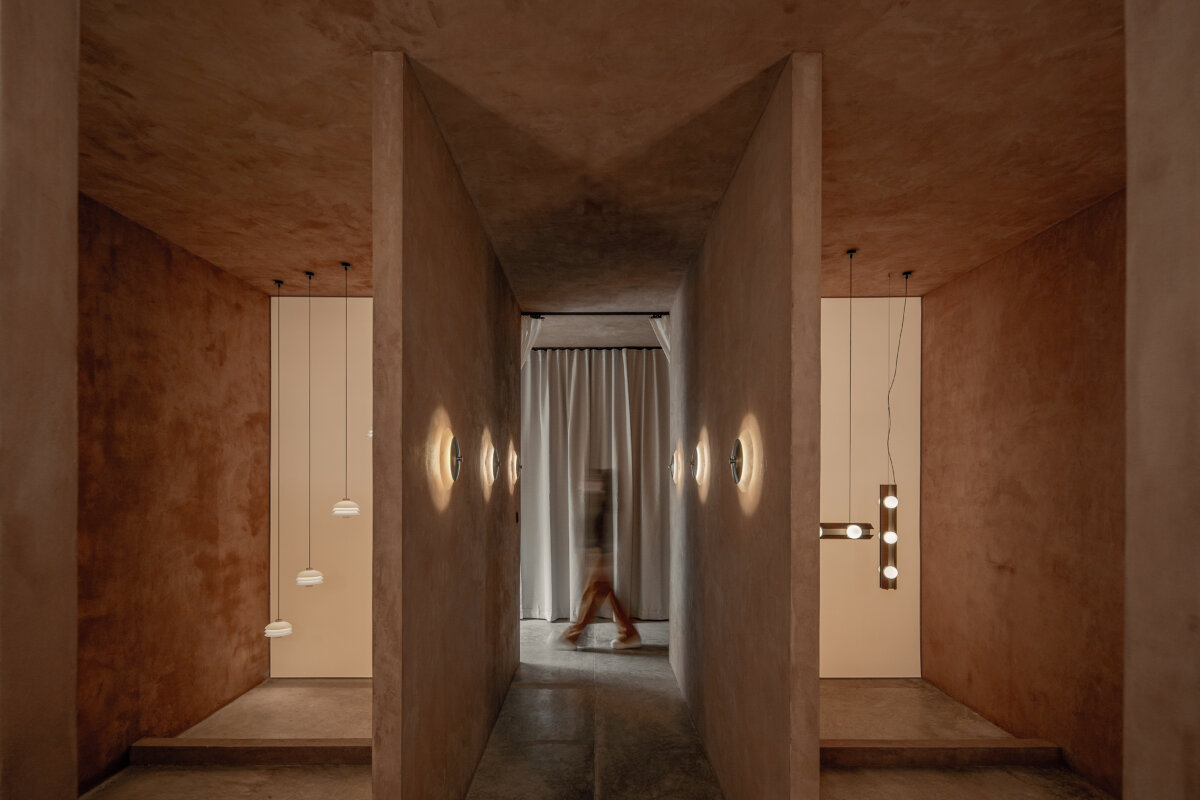
At Casa Rosa, Bandido presented a new lighting collection that deserves attention. Lighting has become an especially expressive area of contemporary design, offering studios the opportunity to explore sculpture, atmosphere, material, and function simultaneously.
Bandido’s new collection was another reminder of the energy surrounding Mexican lighting design. Across the wider design landscape, lighting is increasingly treated not simply as a technical necessity but as an object that defines a space and establishes its mood. It is a category in which experimentation can be particularly visible, and one that offers promising opportunities for studios looking to expand their reach into international markets.
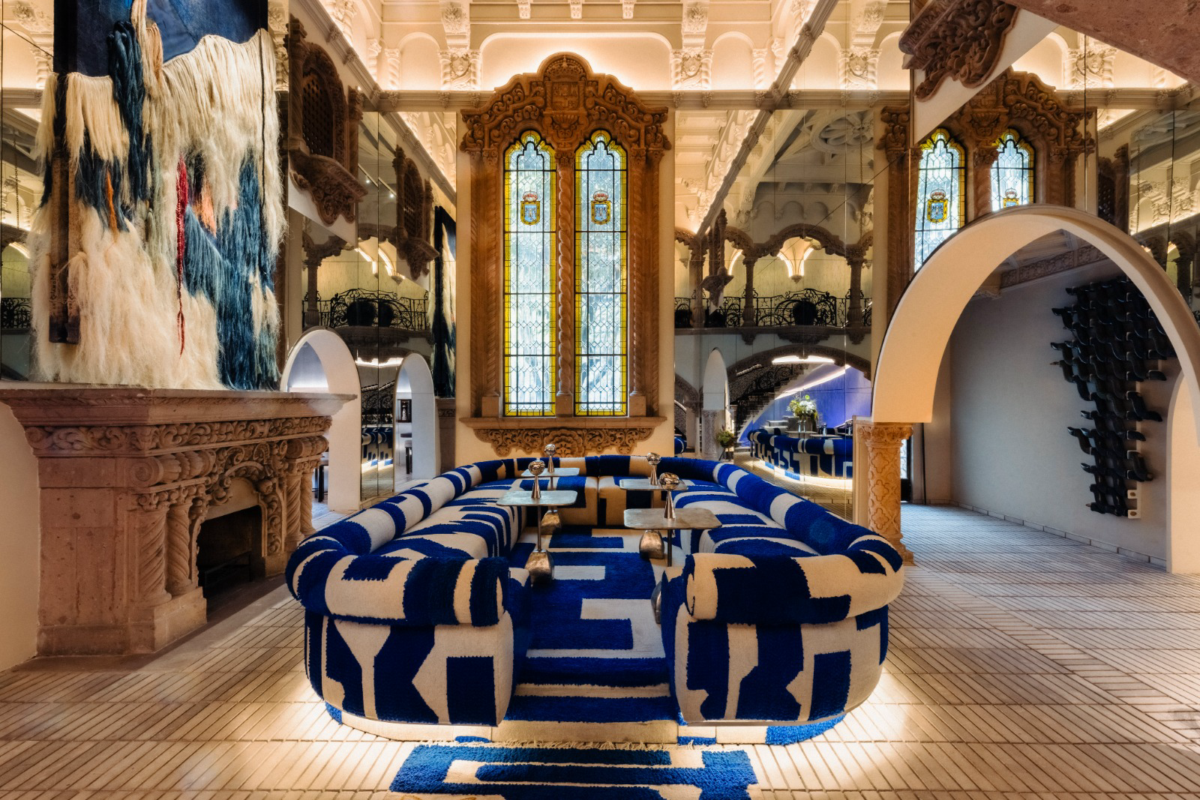
Casa de los Leones
Casa de los Leones: Architecture, Design, and Hospitality
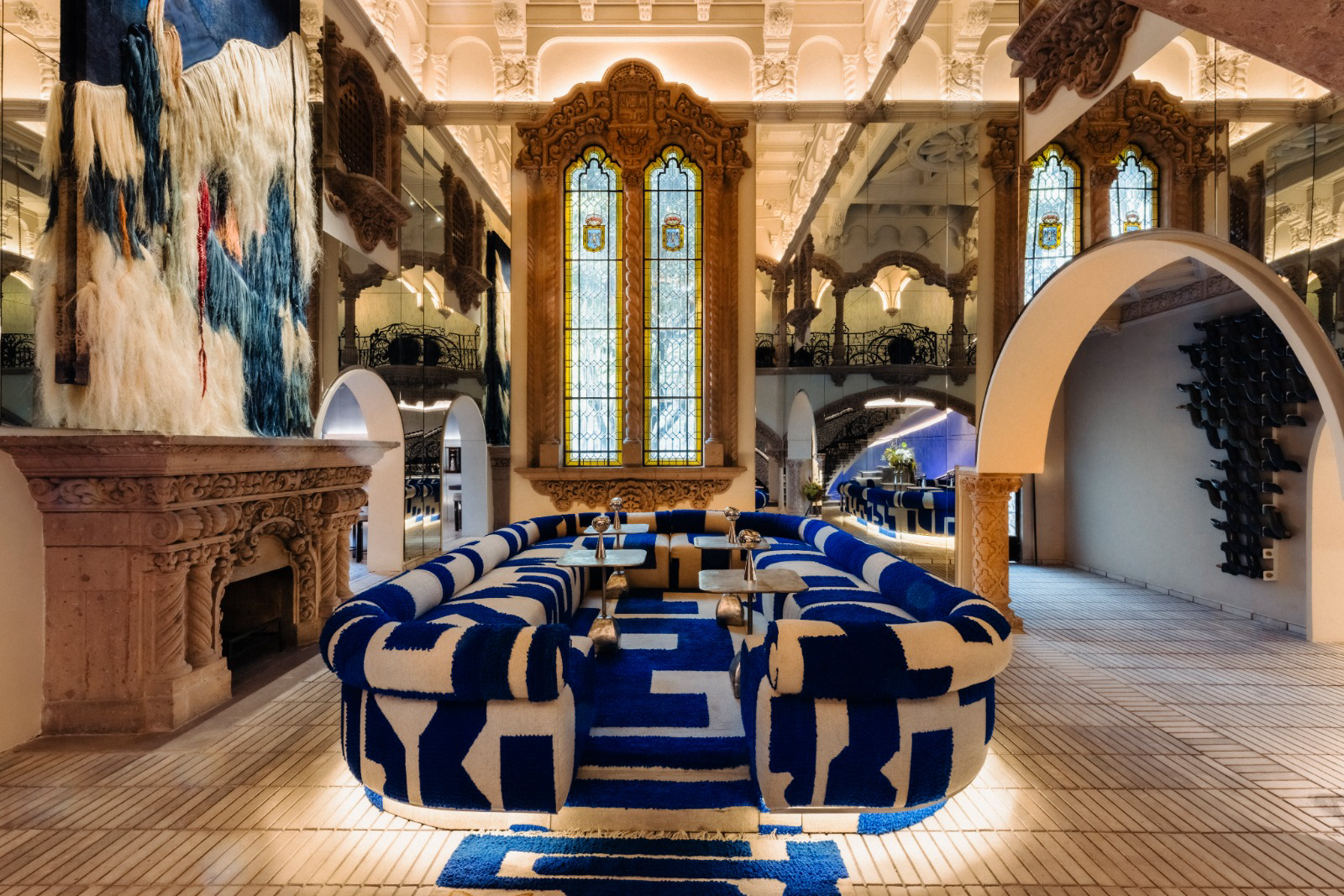
We also had the opportunity to visit Casa de los Leones, designed by C Cúbica Arquitectos, where Clase Azul México hosts a tequila tasting experience within a restored 1940s mansion in Mexico City’s Polanco neighborhood. The experience brings together architecture, Mexican heritage, craftsmanship, and hospitality, offering another perspective on how design can create an immersive connection to place and culture.
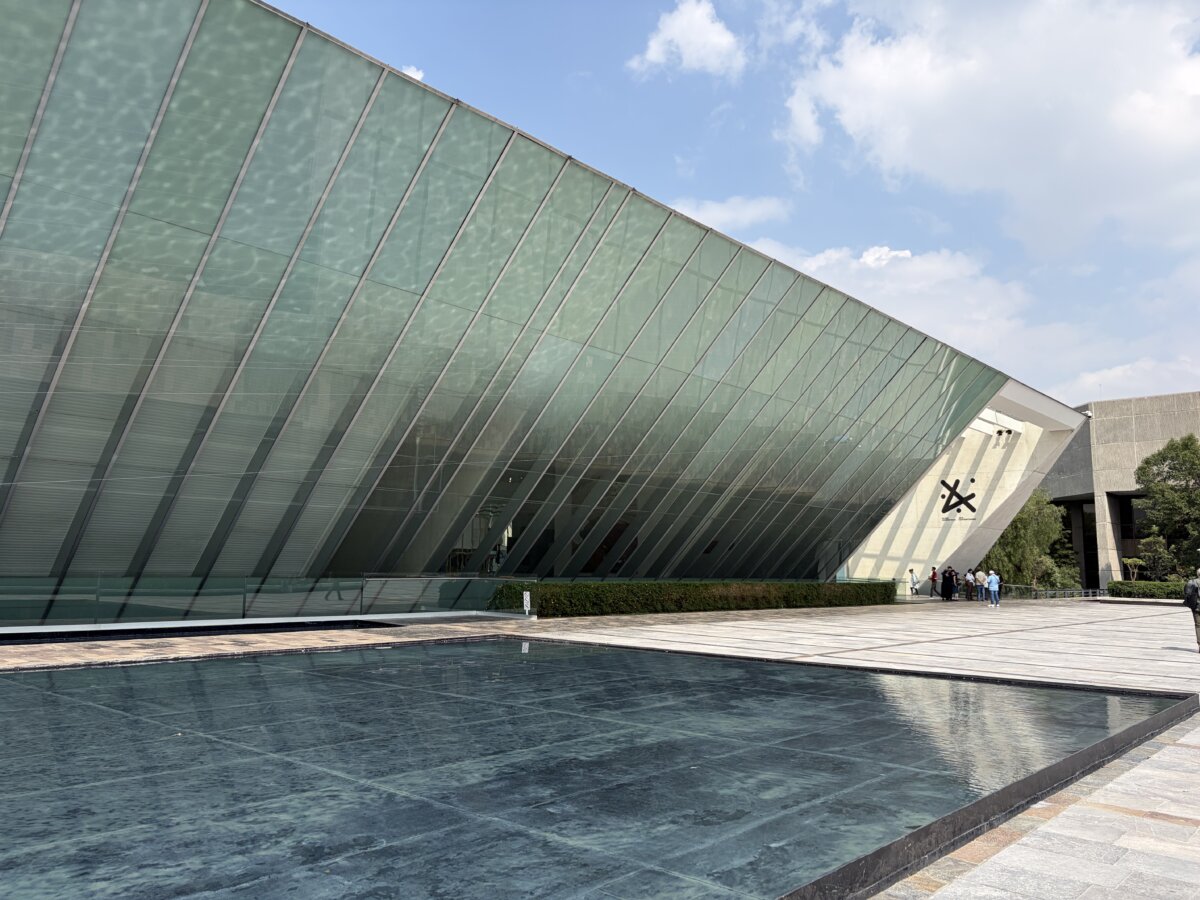
MUAC
MUAC: An Architectural Landmark and a New Perspective on Furniture Design
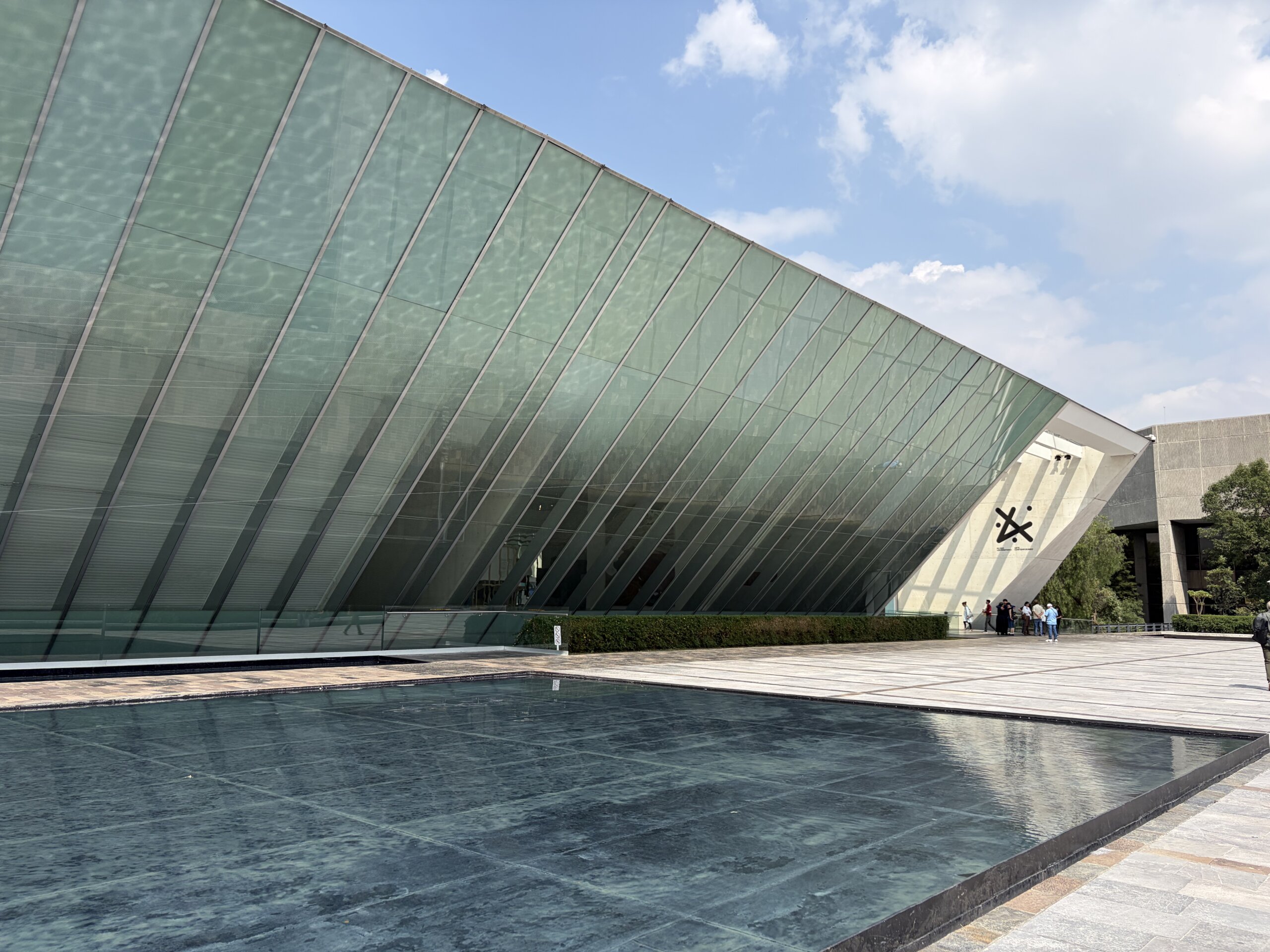
Our visit to the Museo Universitario Arte Contemporáneo (MUAC) was another highlight. The museum is an extraordinary architectural destination in its own right, making the experience worthwhile even before stepping inside. We were particularly intrigued by its new exploration of furniture design through La historia de cómo sentarse (The History of How to Sit). The exhibition offers a fresh perspective on the chair as both a functional object and a cultural expression, adding an exciting new dimension to the museum experience and highlighting the richness of Mexico’s design history.
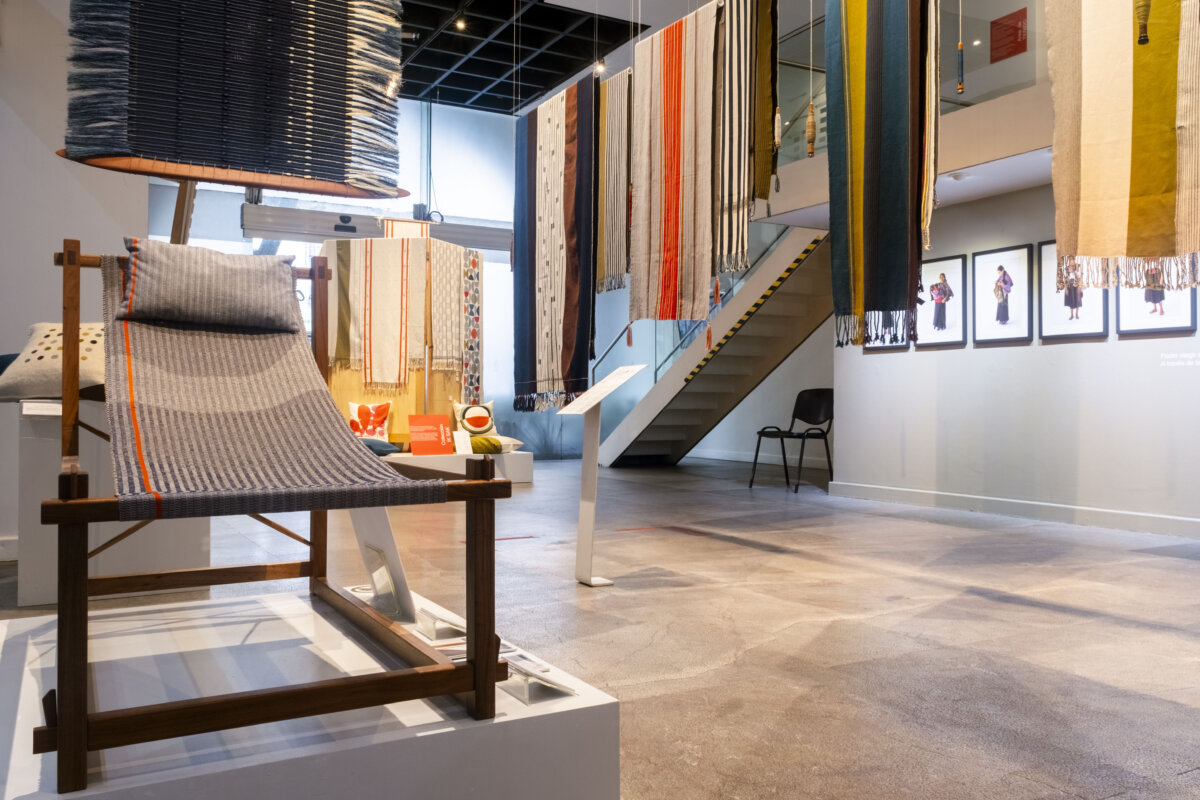
El Camino de los Altos (Image courtesy of Jeoffrey Guillemard)
El Camino de los Altos: Celebrating Craft and Cultural Continuity
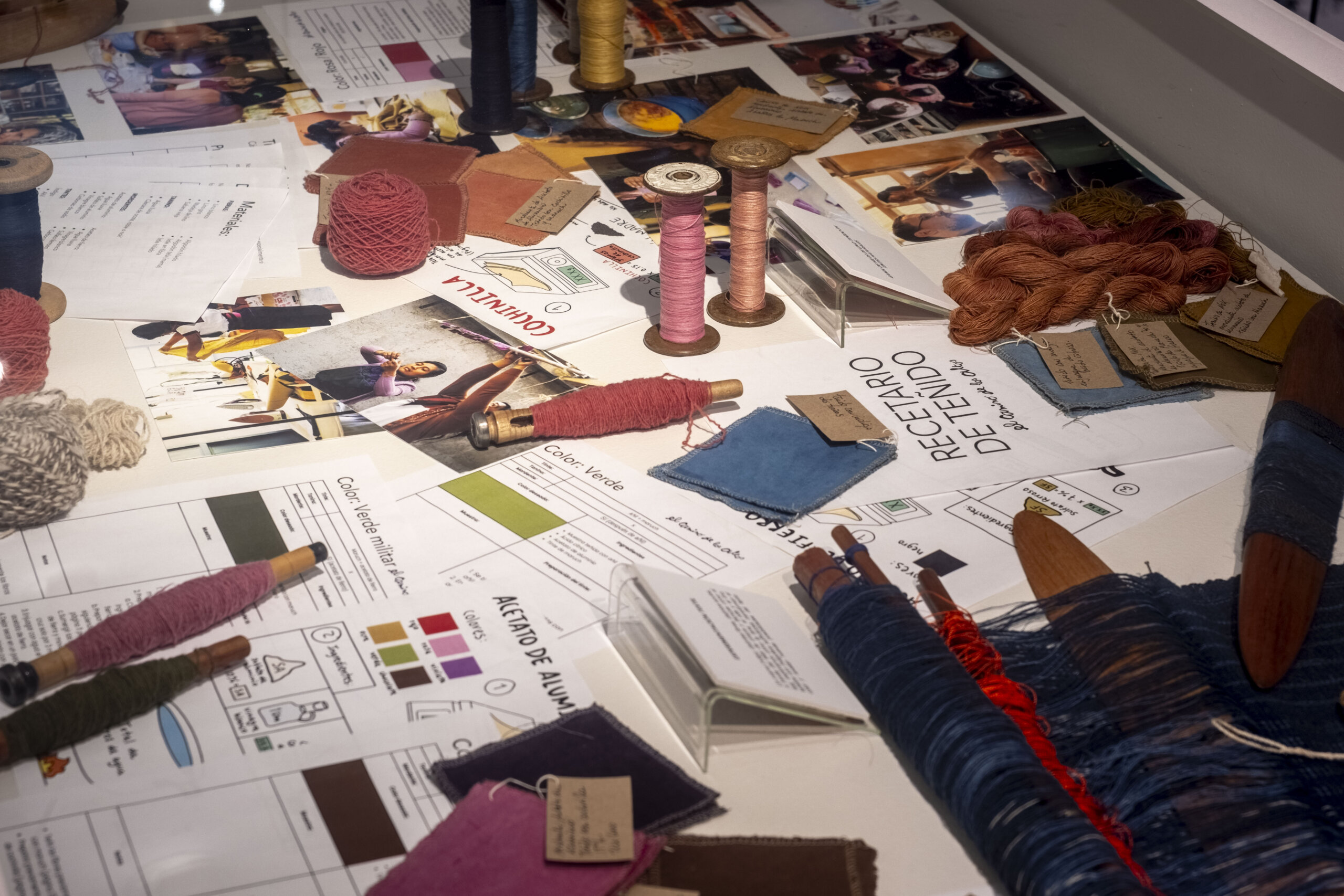
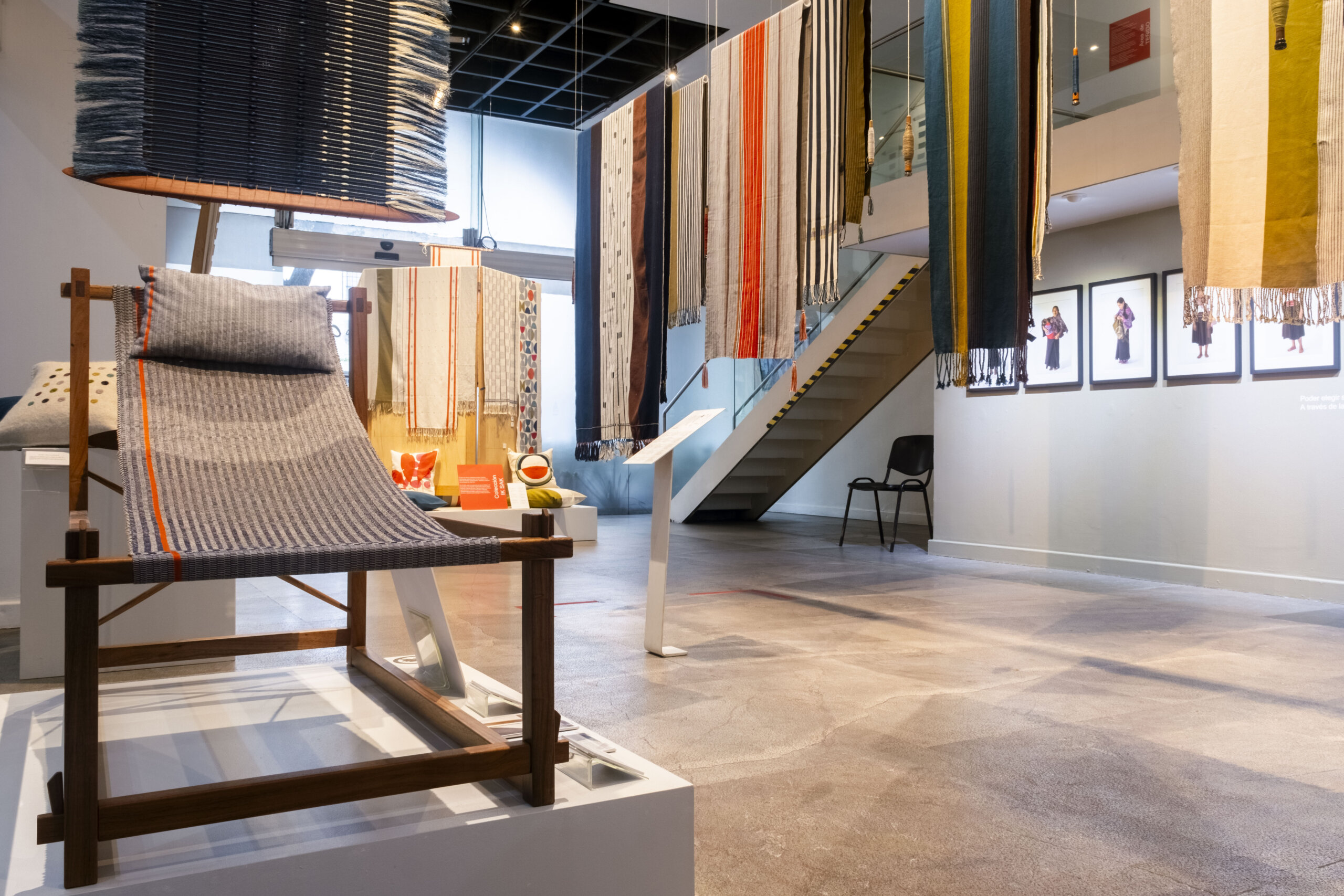
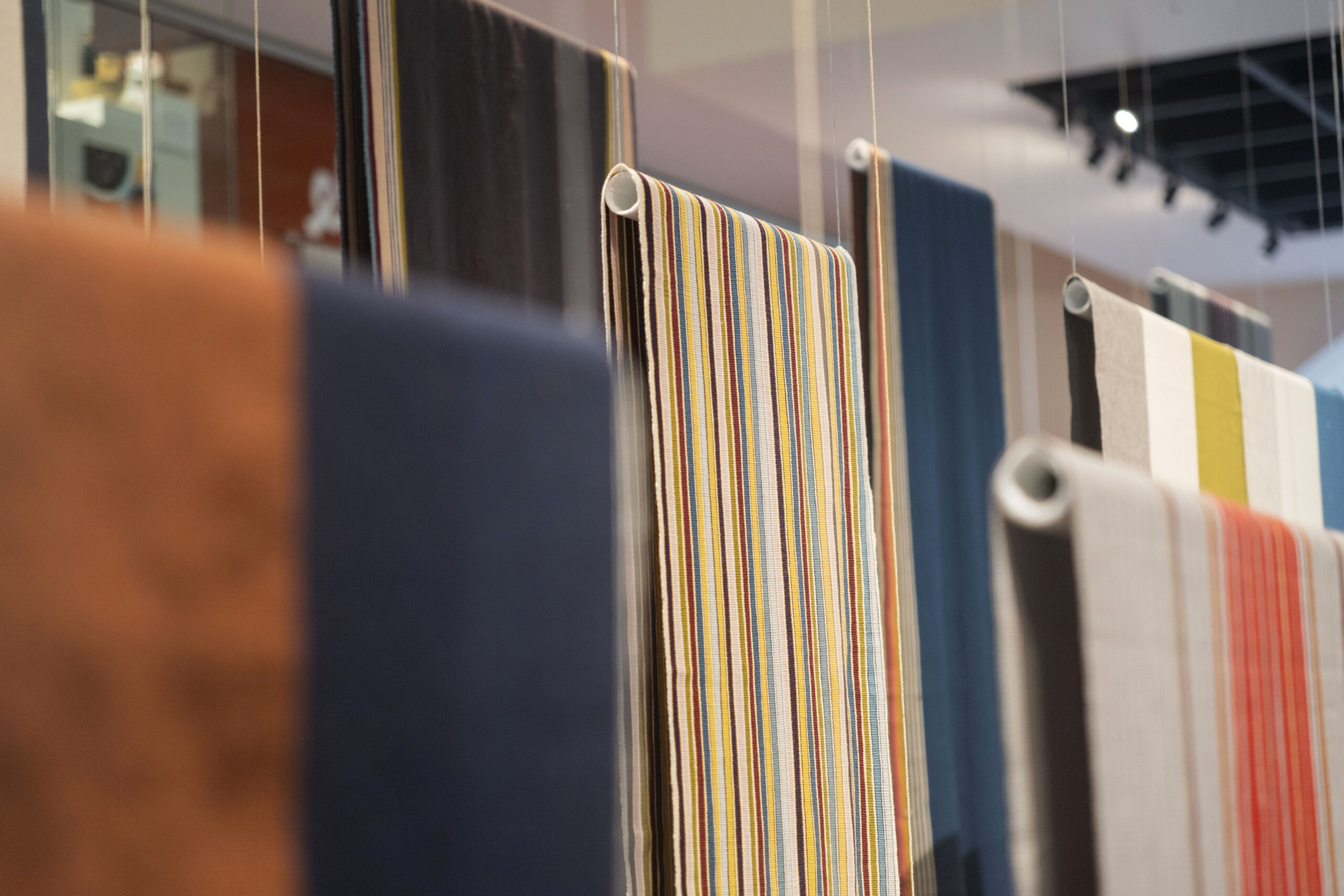
We would also like to applaud Véronique Tesseraud for her remarkable work with El Camino de los Altos, an initiative she founded in 1996 that brings together French textile design and the ancestral weaving traditions of Indigenous Maya women in the highlands of Chiapas. Today, the project works with 130 women artisans, fostering a creative exchange that honors traditional knowledge while exploring contemporary textile design.
Beyond the beauty of the textiles, what makes this initiative so meaningful is its commitment to preserving cultural heritage while supporting the visibility, creative autonomy, and economic empowerment of the women artisans. El Camino de los Altos is an inspiring example of how design can bridge cultures, celebrate craftsmanship, and create new possibilities rooted in tradition.
The exhibition is on view at the Museo de Arte Popular through November 8, 2026.
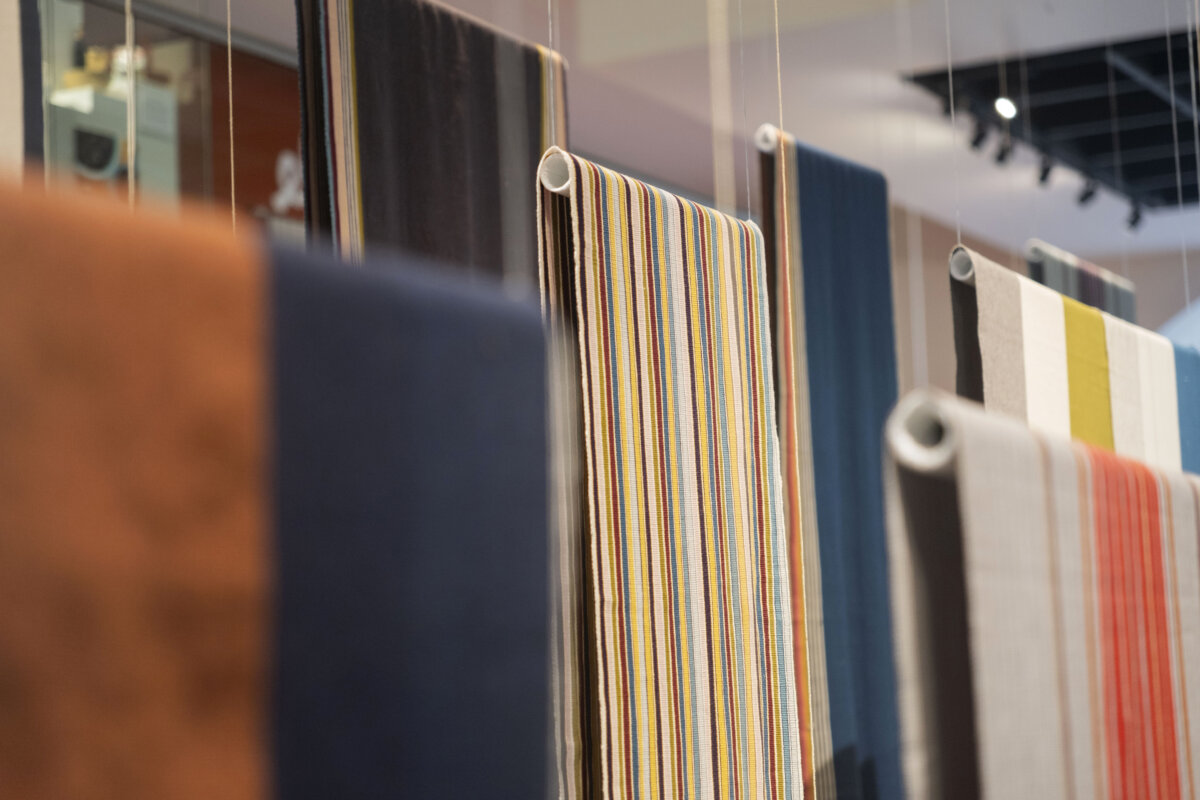
El Camino de los Altos (Image courtesy of Jeoffrey Guillemard)
A Scene Ready for Its Next Chapter
What we took away from Design Week Mexico was a strong sense of momentum. There is a lot happening, and the energy extends well beyond the number of exhibitions or the variety of objects on display. It is visible in the quality of the work, the willingness to experiment, the collaborations between designers and architects, and the increasing maturity of the studios themselves.
One of the most interesting developments is the transition from independent creative practice to established brand. Many studios are building stronger identities, refining their collections, and preparing to scale production. For some, the next step is to develop a more substantial presence in the U.S. market, where opportunities exist to connect with new audiences, retailers, architects, and interior designers.
Design Week Mexico continues to be an inspiring place to witness that evolution, and the week offered a multifaceted portrait of a design community in motion.
We left feeling energized by the creativity, the material intelligence, and the ambition on display. Mexican design is not simply building visibility; it is building capacity, identity, and new possibilities for the future.
Follow Design Week Mexico: INSTAGRAM