FOWLER is a New York–based architecture and interiors studio founded by Emma and Michelle Fowler. Combining advanced design technology with a highly collaborative, hands-on approach, the firm creates distinctive hospitality, residential, and commercial environments defined by originality, craftsmanship, and meticulous attention to detail. Working across scales—from architecture and interiors to custom furnishings—FOWLER delivers immersive, highly tailored experiences that are both innovative and enduring.
(Image above courtesy of Ryan Duffin | Michelle Fowler and Emma Fowler Portrait)
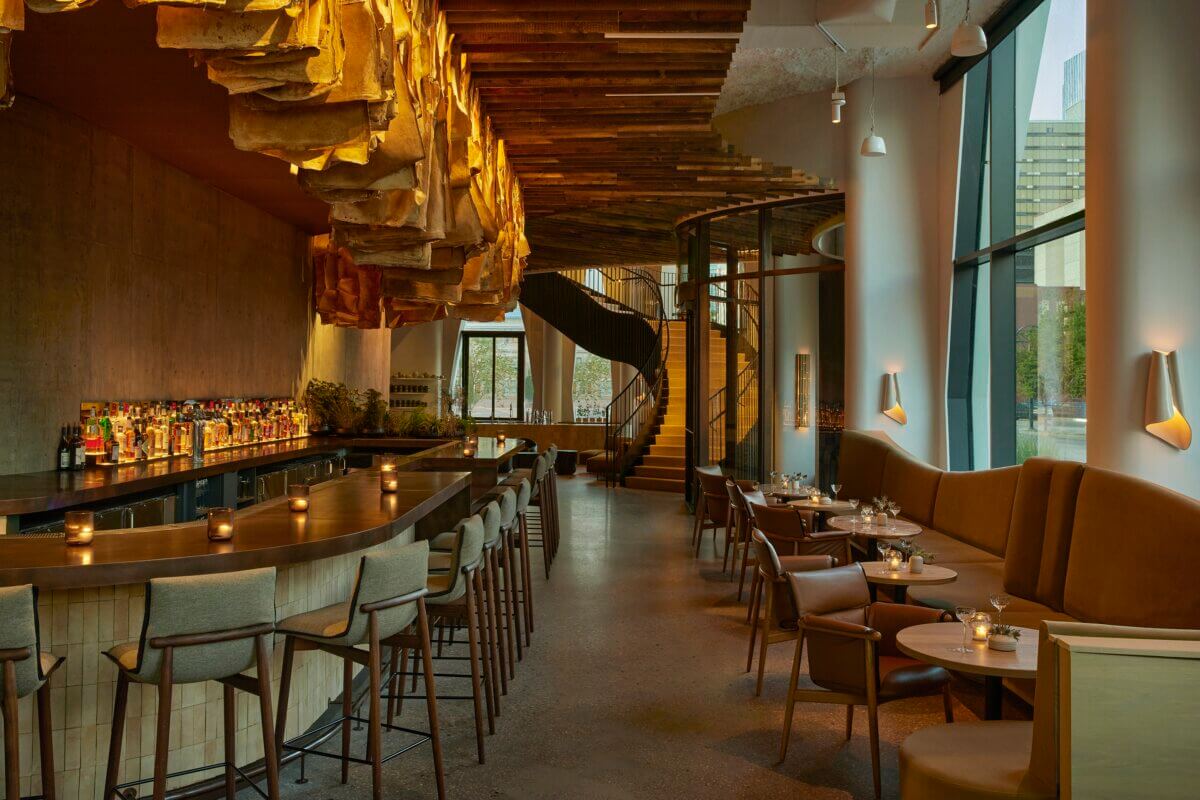
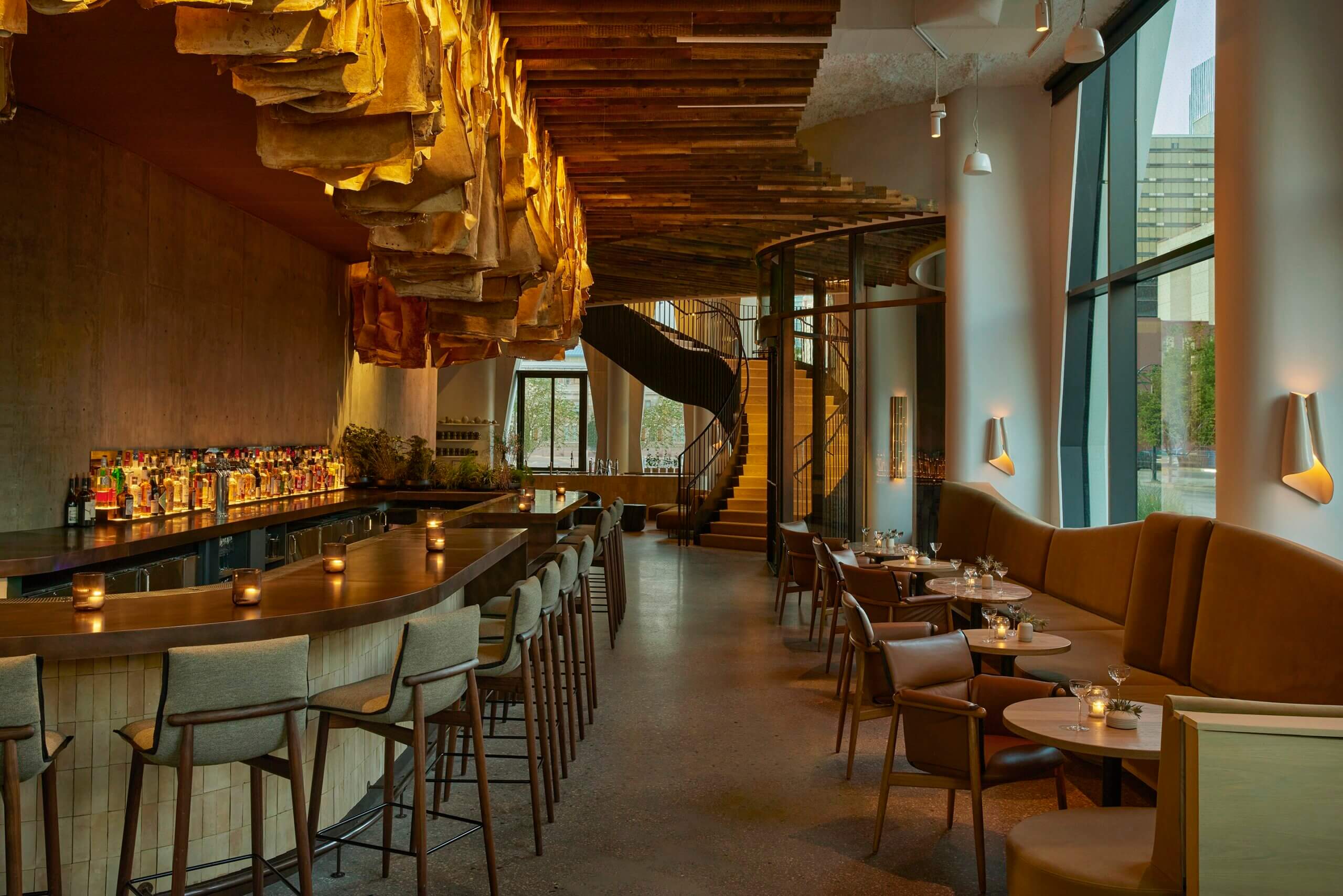
Interior of Pasque restaurant at Populus, Denver (Image courtesy of FOWLER, photographed by Yoshihiro Makino)
Where and what did you study?
EJF: I studied locally in NYC at FIT, focusing on interior architecture. After graduating, I immediately began working at an architecture firm, which expanded my curiosity from shaping interiors to shaping experiences at a much larger scale.
MF: I had an arts focus in high school which led me to the School of Visual Arts in Manhattan for my BFA where I studied interior design. All of my professors there were architects and that led me to pursue my Masters in Arch at Pratt Institute in Brooklyn.
Is there a particular designer, artwork, or design movement that deeply inspires you? How has it influenced your own style or philosophy?
EJF: My time at school really sharpened my appreciation for design and art. It was there that I became inspired by the great masters of architecture and movements ranging from the Bauhaus and Arts and Crafts to Pop Art and Art Deco. Each carries its own design ethos rooted in logic and experience, and they continue to influence how I think about space and storytelling.
MF: When I first started studying art, I fell in love with the minimalist movement because of how the subject matter became almost secondary to the question of what is art and why does it matter. It really forced me to open up my own opinions in a way that I still try to do today in always questioning the what and why behind a work of art or a piece of design.
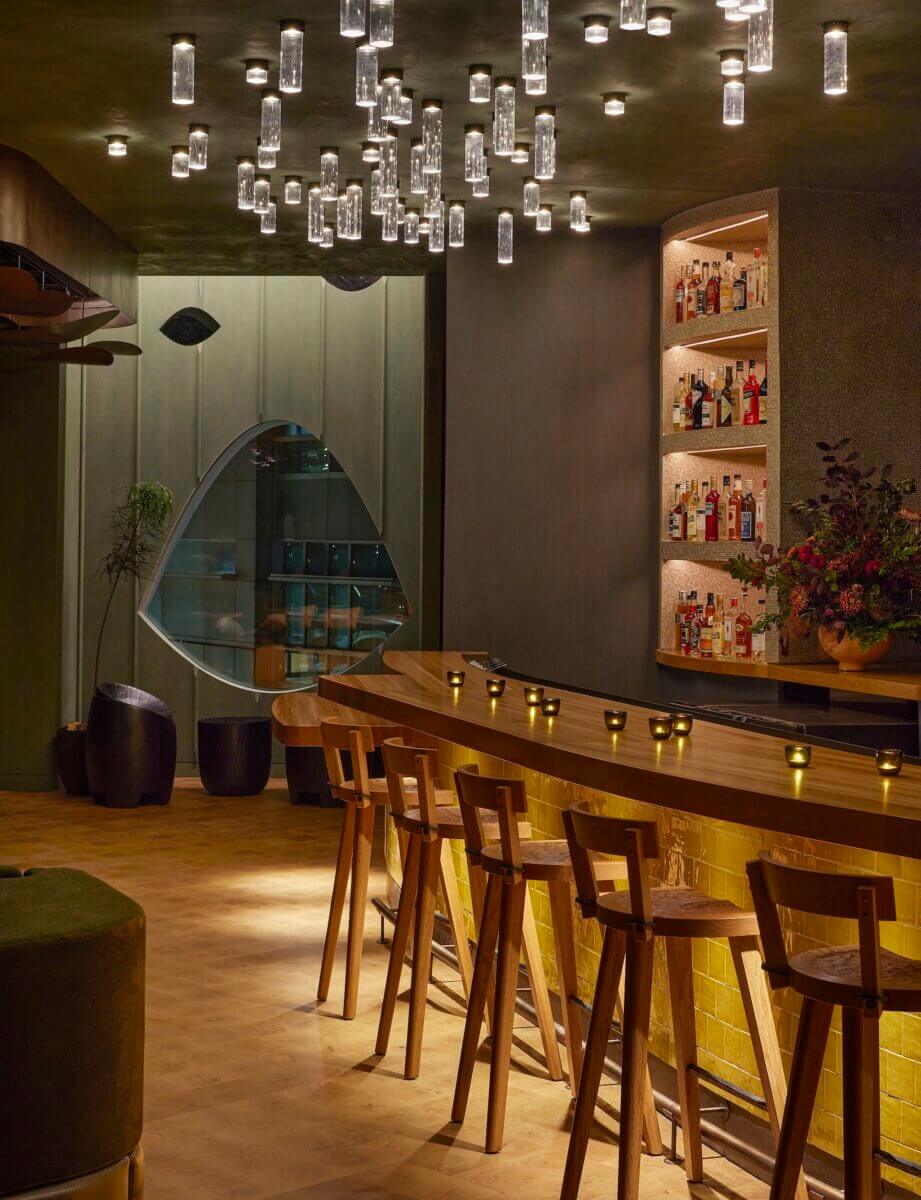
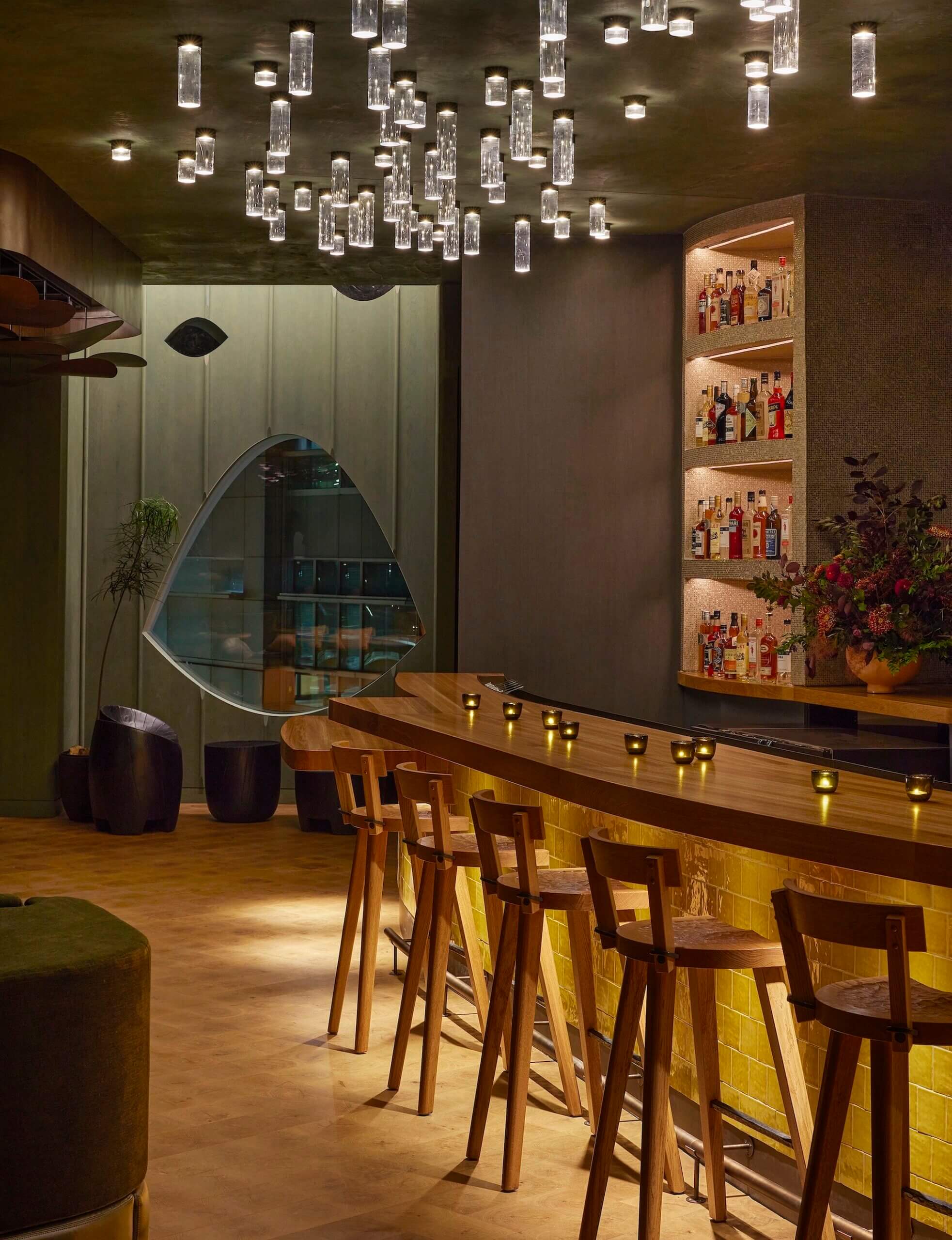
The Stellar Jay Bar and FOWLER Starry Night fixtures at Populus, Denver (Image courtesy of FOWLER, photographed by Yoshihiro Makino)
How would you describe your design philosophy? Has it evolved over time, and if so, how?
EJF: My design philosophy is rooted in a passion for nature and creation, how materials come together, and how form and performance are celebrated. I’m also deeply interested in objects and curiosities, and how they can be layered within a space. From large-scale architecture to the smallest interior detail, everything contributes to a broader story of how a space is realized.
MF: I’m deeply fascinated by how the natural and built environments shape the human experience, and in return how society and culture shapes the built environment as a reflection of our values and aspirations of making a better world. I had a professor once tell me “design is inherently an act of optimism” and that’s something that’s really stayed with me and that I try to infuse into every project.
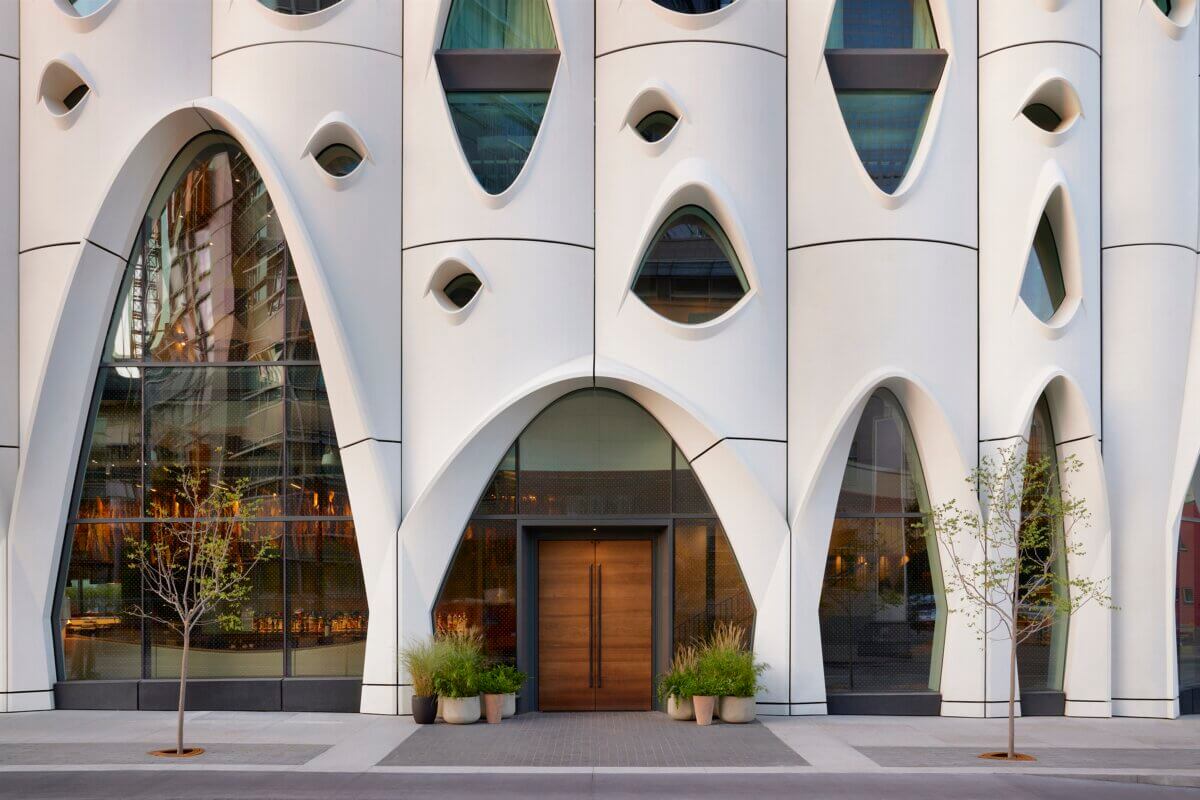
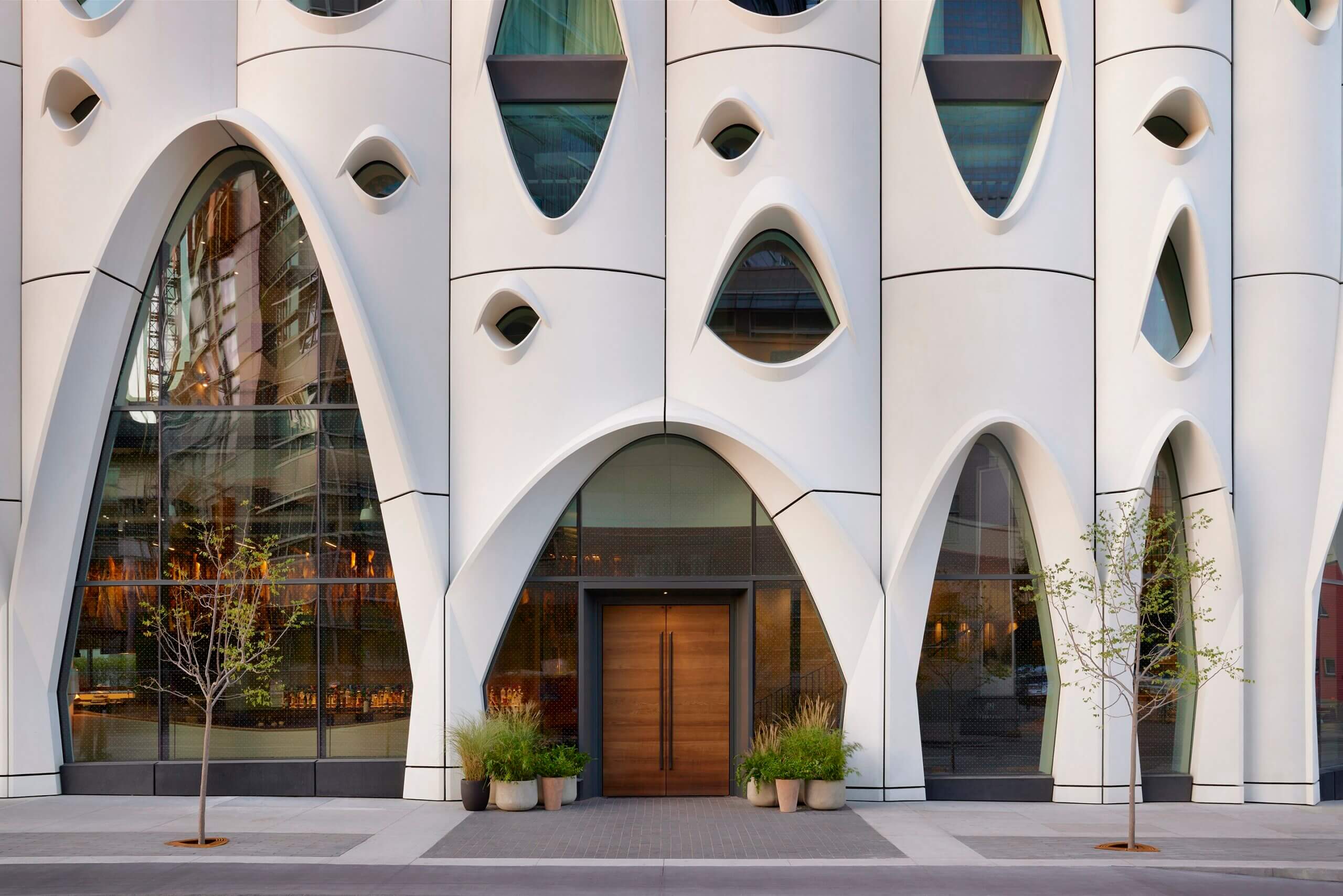
Exterior of Populus Hotel, Denver (Image courtesy of FOWLER, photographed by Yoshihiro Makino)
Tell us a bit about where you live: How long have you been there, and how does your environment shape your creative process?
EJF: I live in New York, but Colorado is home at heart. I’ve been in NYC since 2007 and have built most of my life here, but Colorado has never left my work. That connection to nature continues to shape my philosophy, especially in how I integrate natural elements into urban environments.
MF: When I was growing up, I had a parent in the military so we moved every few years pretty much until I moved out on my own. I landed in NYC in 2004 and stayed there for about 17(!) years. I’ve always loved the city but ended up moving to the Hudson Valley region as I craved a little more breathing room and the chance to slow down a bit to refocus on myself and my craft. What has really shaped my creative process the most is probably my nomadic upbringing, always looking to see what makes a “home” and how to make your own comfortable space no matter where you are.
Which of your projects are you most proud of, and what makes them stand out for you?
EJF: I’m most proud of our work at Populus where we collaborated on the interiors of Studio Gang’s landmark, nature-inspired hotel, translating the architecture’s Aspen grove concept into warm, immersive guest experiences. The project balances sustainability, craftsmanship, and biophilic design to create a hospitality environment deeply rooted in the Colorado landscape.
It felt like a bit of a homecoming for me, and having the opportunity to help shape how people experience Denver is something I’m incredibly grateful for.
MF: I also loved working on Populus, the driving ethos behind the design and aspiration to not just design beautifully but to design healthy buildings that are considerate of the materials we extract from the earth in a responsible way.
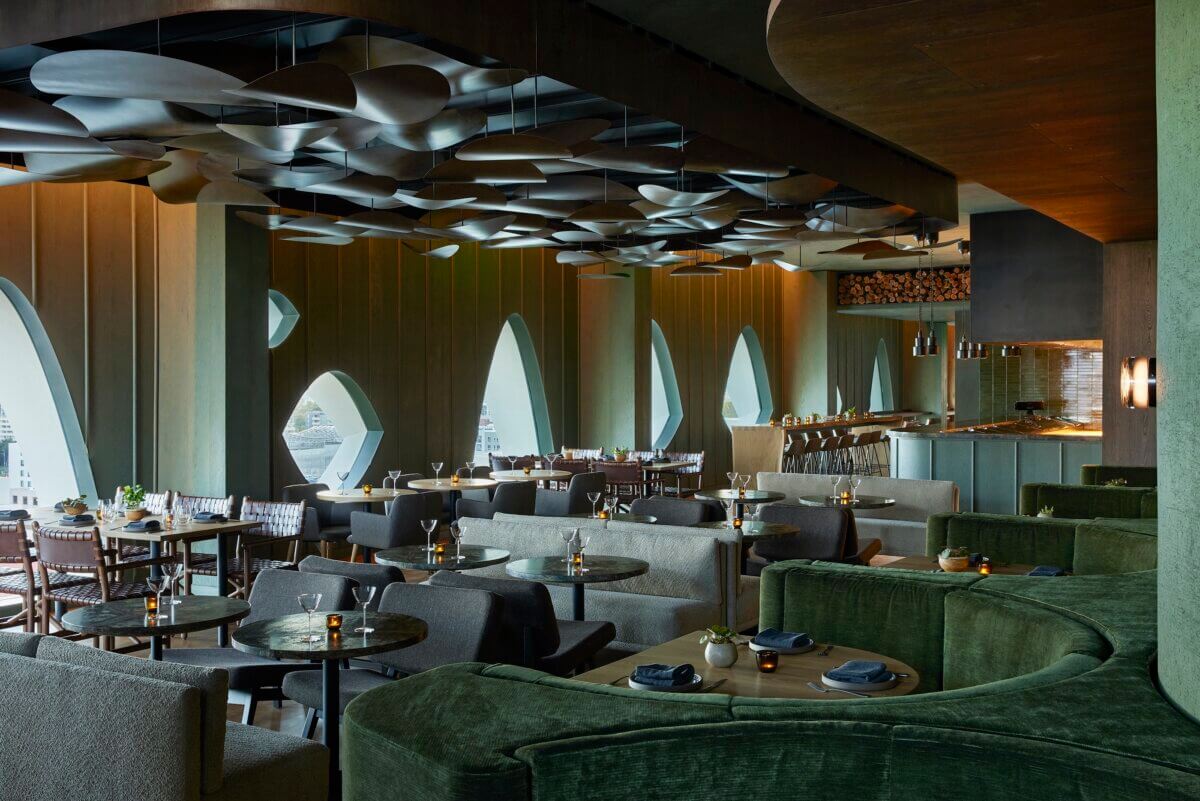
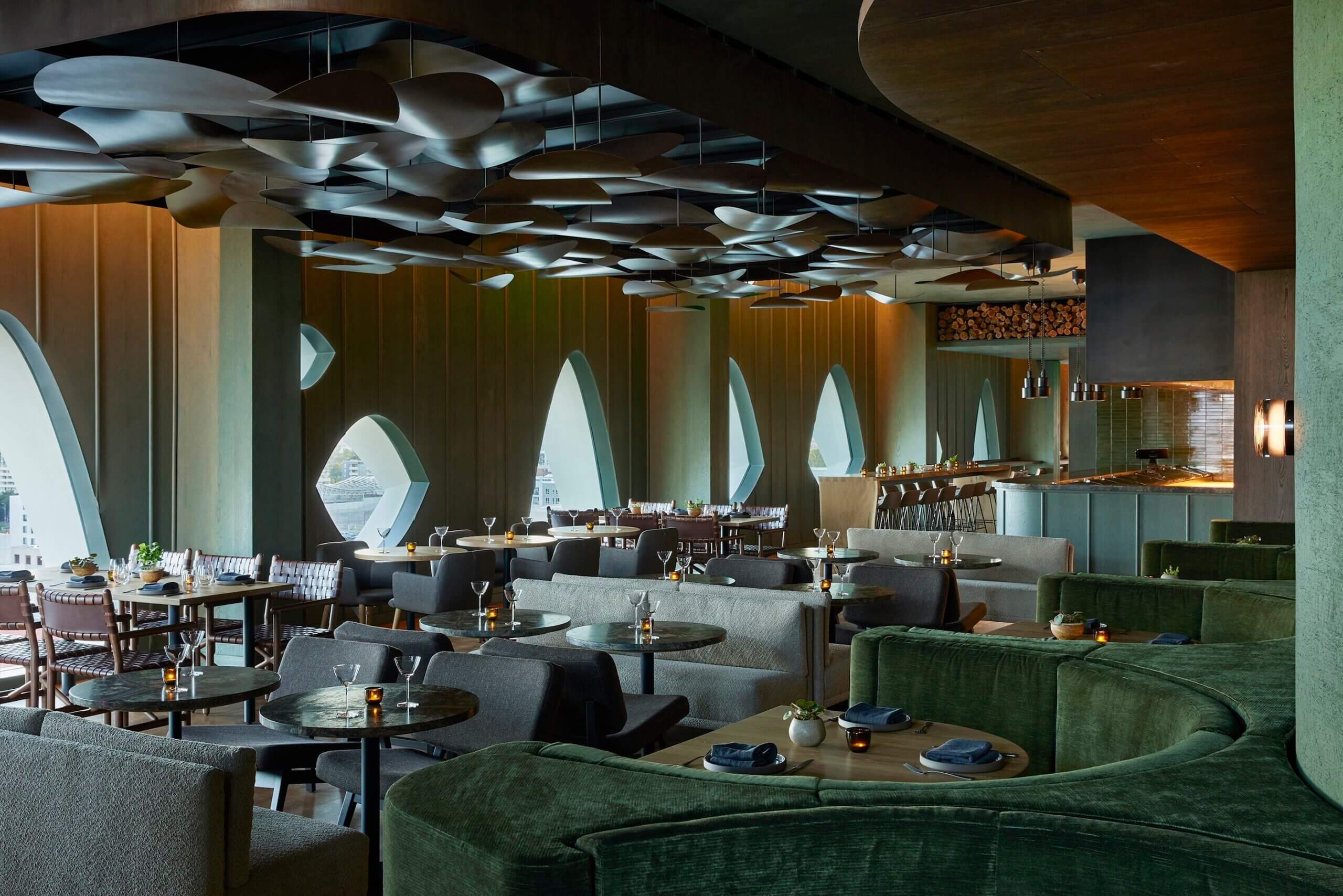
Stellar Jay restaurant at Populus, Denver (Image courtesy of FOWLER, photographed by Yoshihiro Makino)
In your opinion, what is the most significant challenge facing the design world today? How do you think designers should respond to it?
EJF: Without a doubt, one of the biggest challenges today is the loss of authenticity and original thought, both professionally and in student work, especially in a world shaped by algorithms and AI. I always encourage students to look for an original vision, something that responds thoughtfully to the project at hand, its brand, and the experience of its users. At the same time, sustainability remains critically important. As designers, it’s our responsibility to push for more thoughtful sourcing and to develop more sustainable systems for the built environment.
MF: In many ways, good design remains largely inaccessible to the greater public due to allocation of resources. It’s wonderful to have beautiful public works in densely populated city centers but there is a wide margin of people who will never be able to experience it. As designers, it’s our responsibility to bring that same high level, quality design to smaller projects that are more focused on local communities when we have the opportunity to do so.
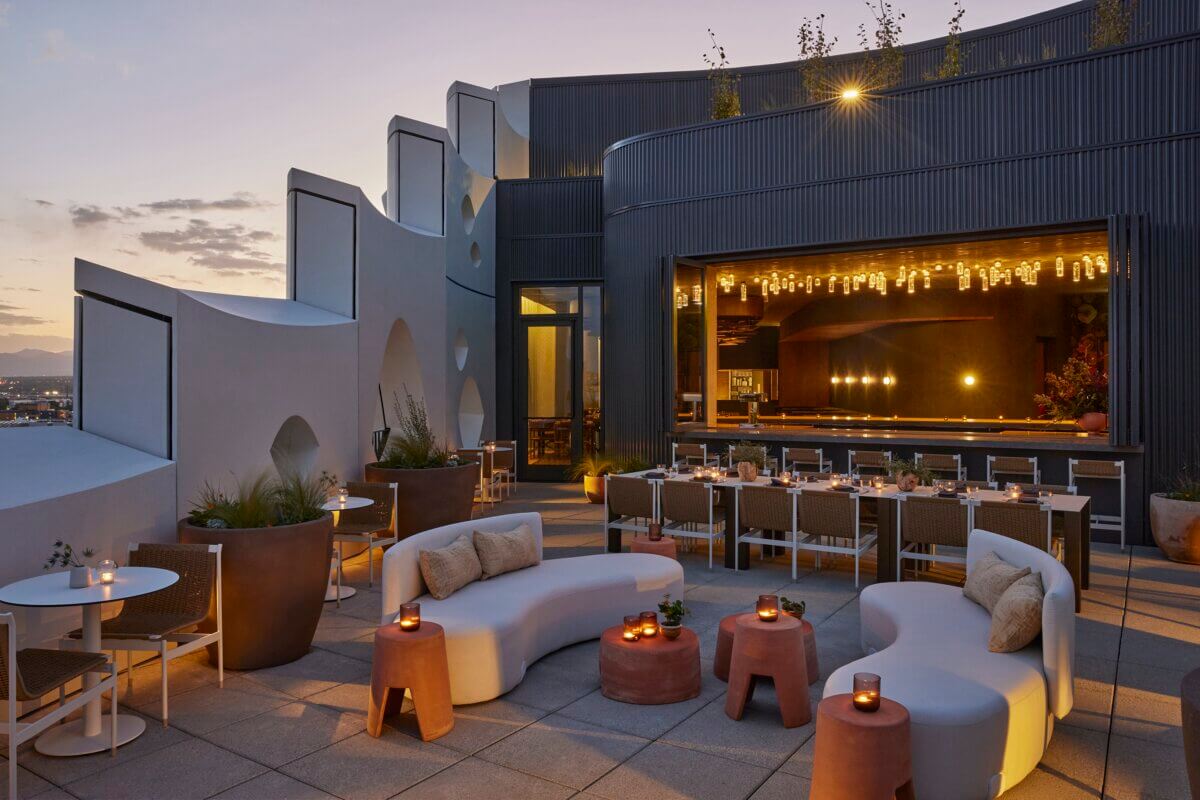
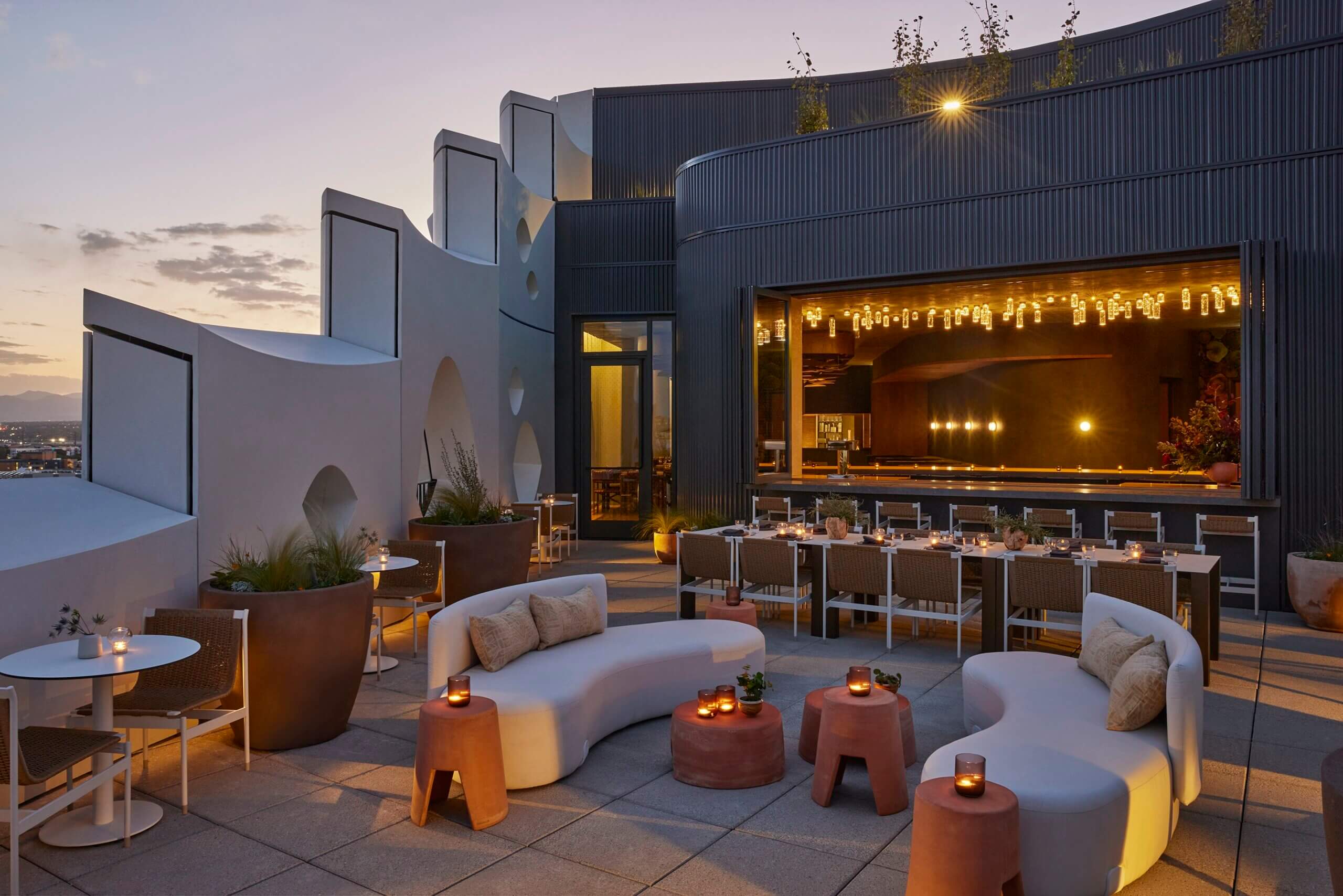
The Stellar Jay rooftop terrace at Populus, Denver (Image courtesy of FOWLER, photographed by Yoshihiro Makino)
What are you currently working on?
EJF: Currently, we’re working on a range of projects, from ground-up buildings in Lower Manhattan to wellness centers in Midtown and high-end residential projects in Brooklyn and Colorado. It’s exciting to be involved across so many different scales and typologies.
What’s on the horizon for you? Any upcoming projects, events, or goals you’re particularly looking forward to?
EJF: Stay tuned for the upcoming launch of a luxury conference center that we’ve designed. We’re currently fine-tuning the styling and photography. It’s exciting to move from large-scale design into the smallest details, crafting a narrative across every layer of the project, from concept through to the final finishing touches.
MF: We are also moving into a greater focus of integrating more net zero energy and passive detailing into our projects as much as possible.
Visit FOWLER’s Website >>>