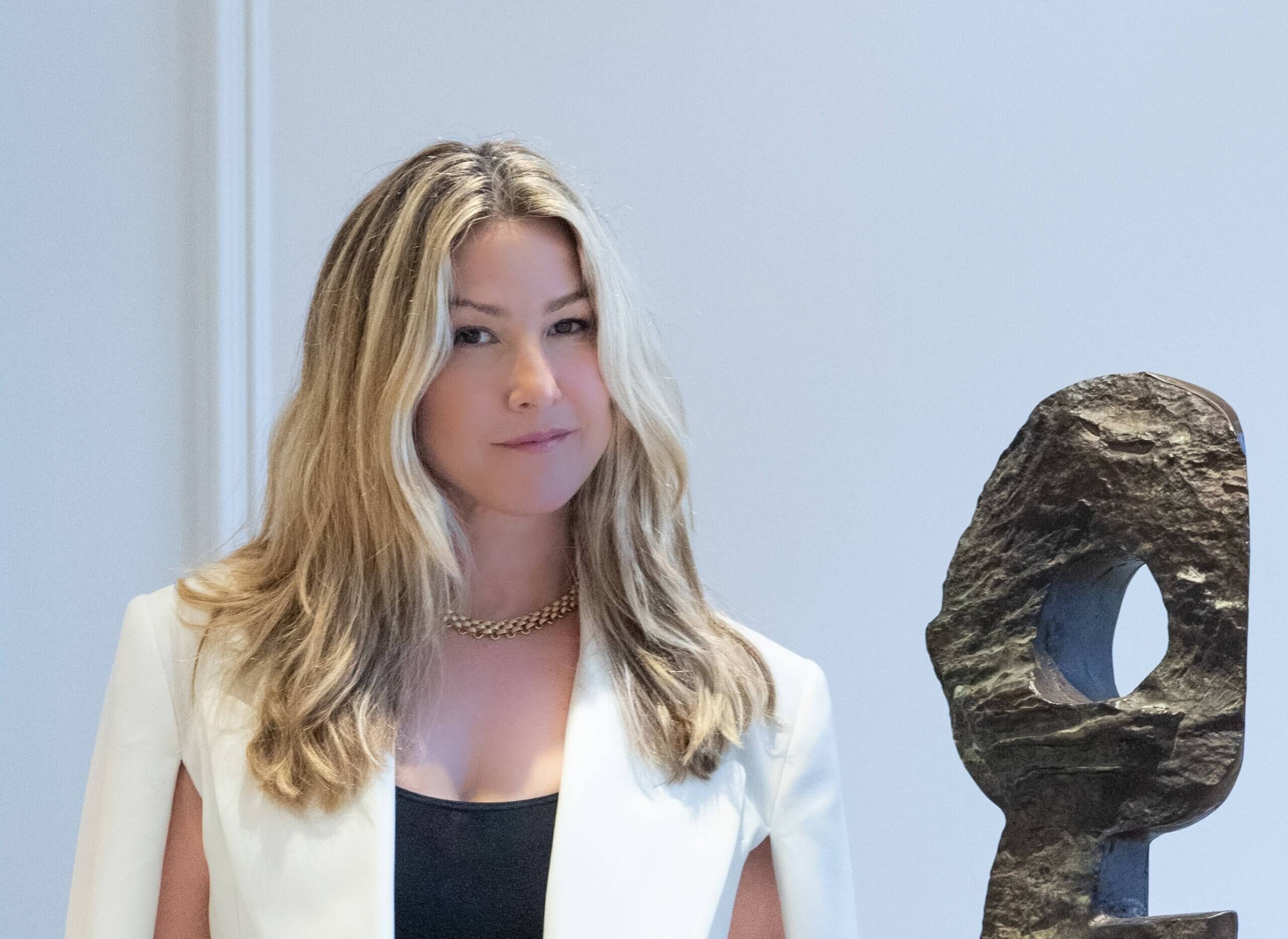
Jessica Gersten Design is a New York-based boutique studio operating at the highest level of luxury residential interior design. Founded in 2008 after a formative career in fashion — including years at Ralph Lauren — the practice is known for interiors that are earthy and elemental and purposefully modern. The studio specializes in bespoke interior design, architecture, custom furniture, and lighting design, working with a network of specialized vendors, fabricators, galleries, and artisans built over nearly two decades of practice. Jessica’s work has been featured in Architectural Digest, AD PRO, HC&G, NYC&G, and Elle Decor, among others.
(Image above courtesy of Jessica Gersten Design)
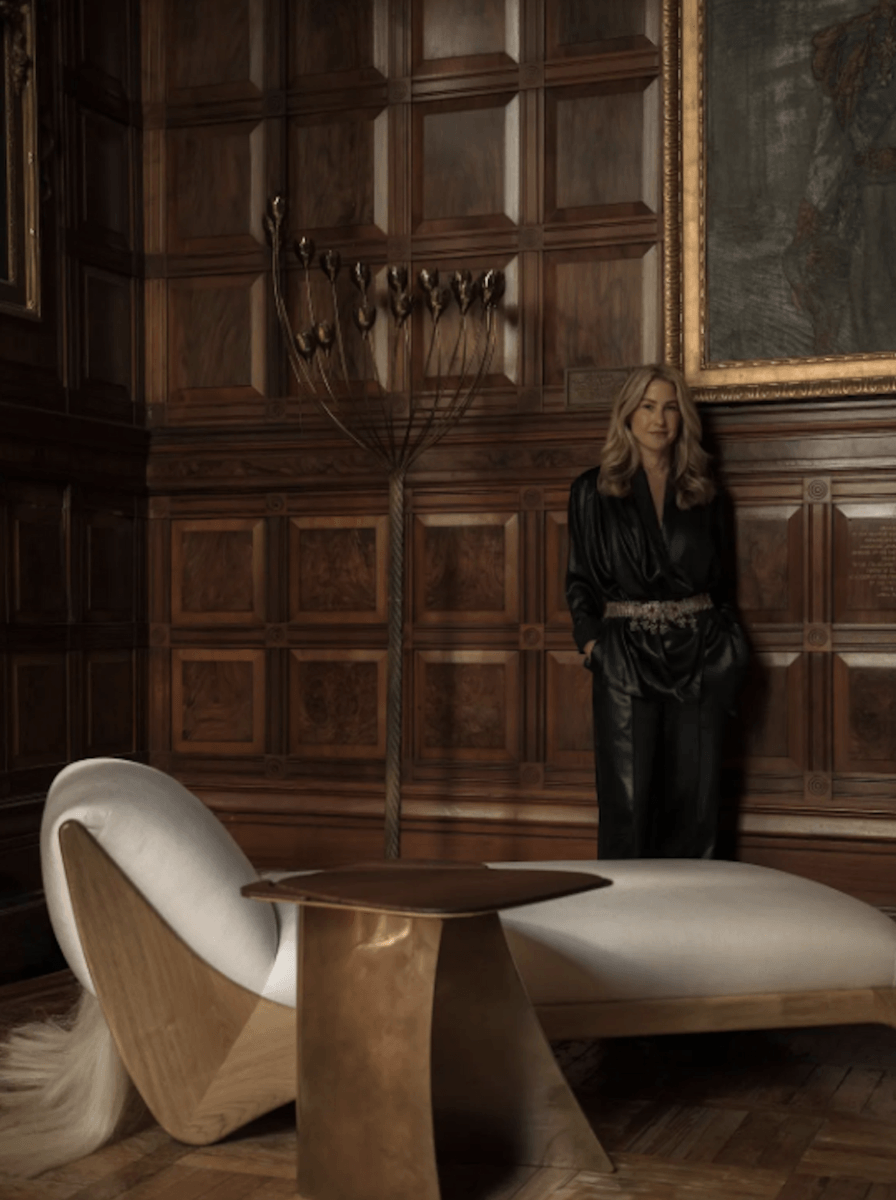
Image courtesy of Jessica Gersten Design
When you were a kid, what did you dream of becoming? Did any of those childhood ambitions lead you to where you are today?
We were a stylish family. Maine coast summers in matching cable-knit sweaters. Bedrooms layered with coordinating wallpaper, bed covers, curtains. My mother once bought me a YSL one-piece swimsuit when I was sixteen from the most elegant boutique in Portland. Aesthetics were in our blood from the beginning. I didn’t dream of becoming a designer exactly — I dreamed of beautiful things, of the way they made you feel. That’s still what I’m chasing.
Was there a specific turning point or experience when you realized that design was your true calling?
There wasn’t a single moment so much as a slow recognition. I became obsessed with how objects behave in relation to one another — how proportion creates feeling, how material carries weight that has nothing to do with its physical mass. I remember standing in a room once and understanding, very clearly, that the thing that made it extraordinary wasn’t any individual piece. It was the tension between them. The negative space. The conversation. That’s the moment I stopped thinking about decoration and started thinking about design.
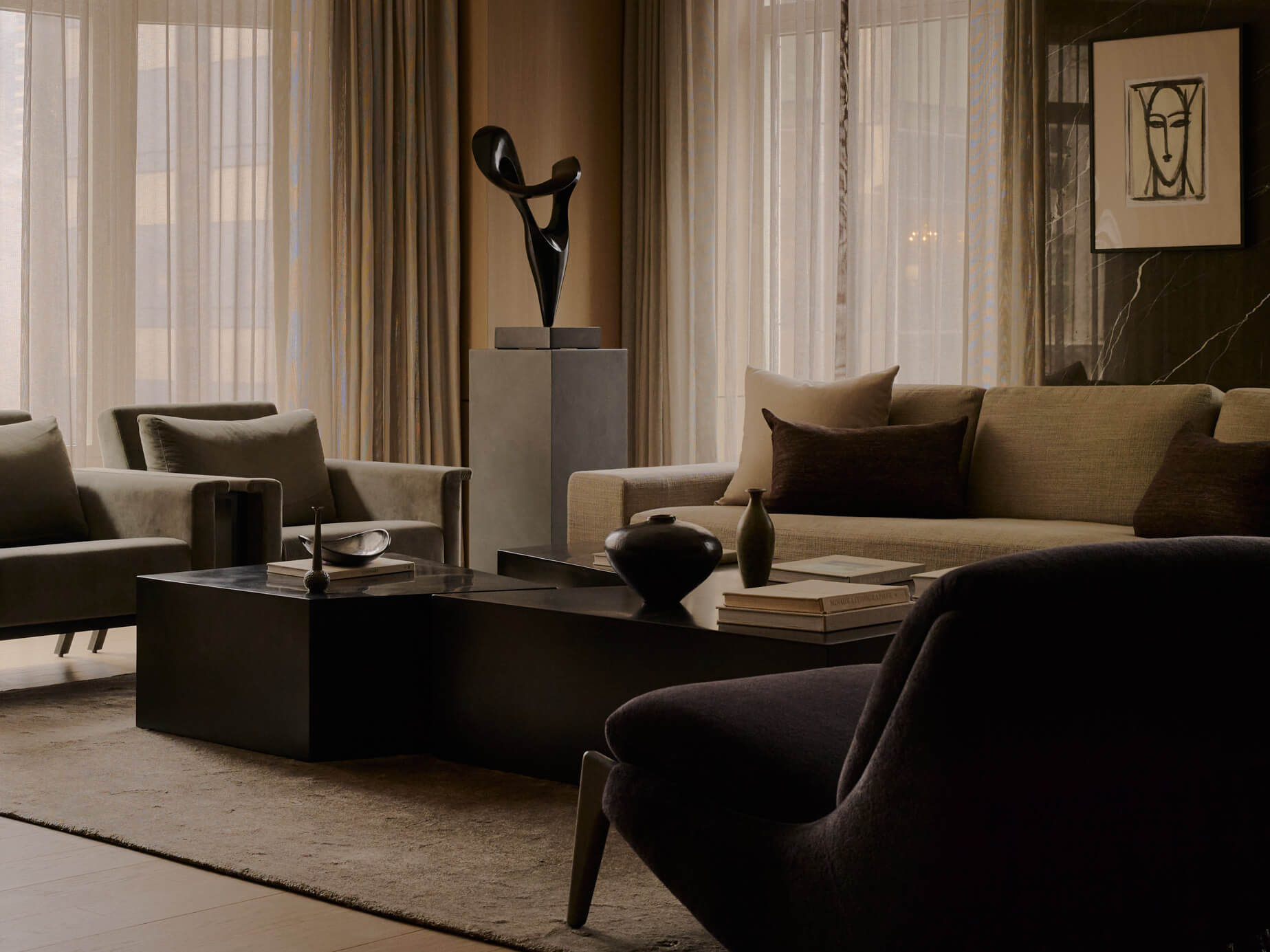
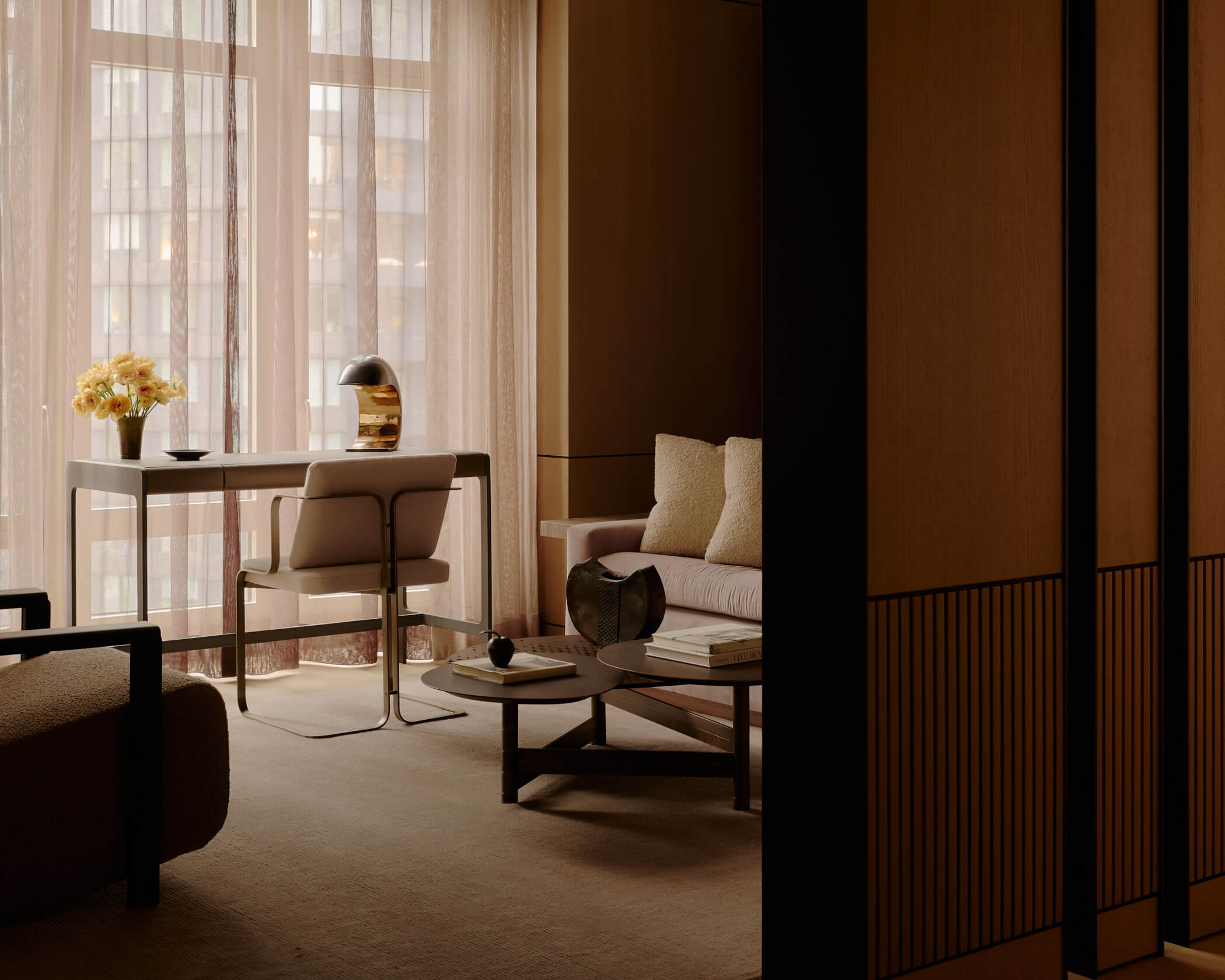
Central Park West Modern Project (Image courtesy of Jessica Gersten Design)
Is there a particular designer, artwork, or design movement that deeply inspires you? How has it influenced your own style or philosophy?
Constantin Brâncuși has been a quiet but powerful influence since my earliest years in fashion. His ability to reduce form to its essence — sculpture that feels both grounded and transcendent — struck me when I was building collections at Ralph Lauren, long before I understood what it would mean for the way I approach a room. I’m drawn to his language of simplicity and strength. The purity of the line. The elegance in what’s left out. I think of spaces the way he thought about form: as compositions where every element earns its place, and where beauty lives in the relationships between things, not just in the things themselves.
What is a design rule you frequently break?
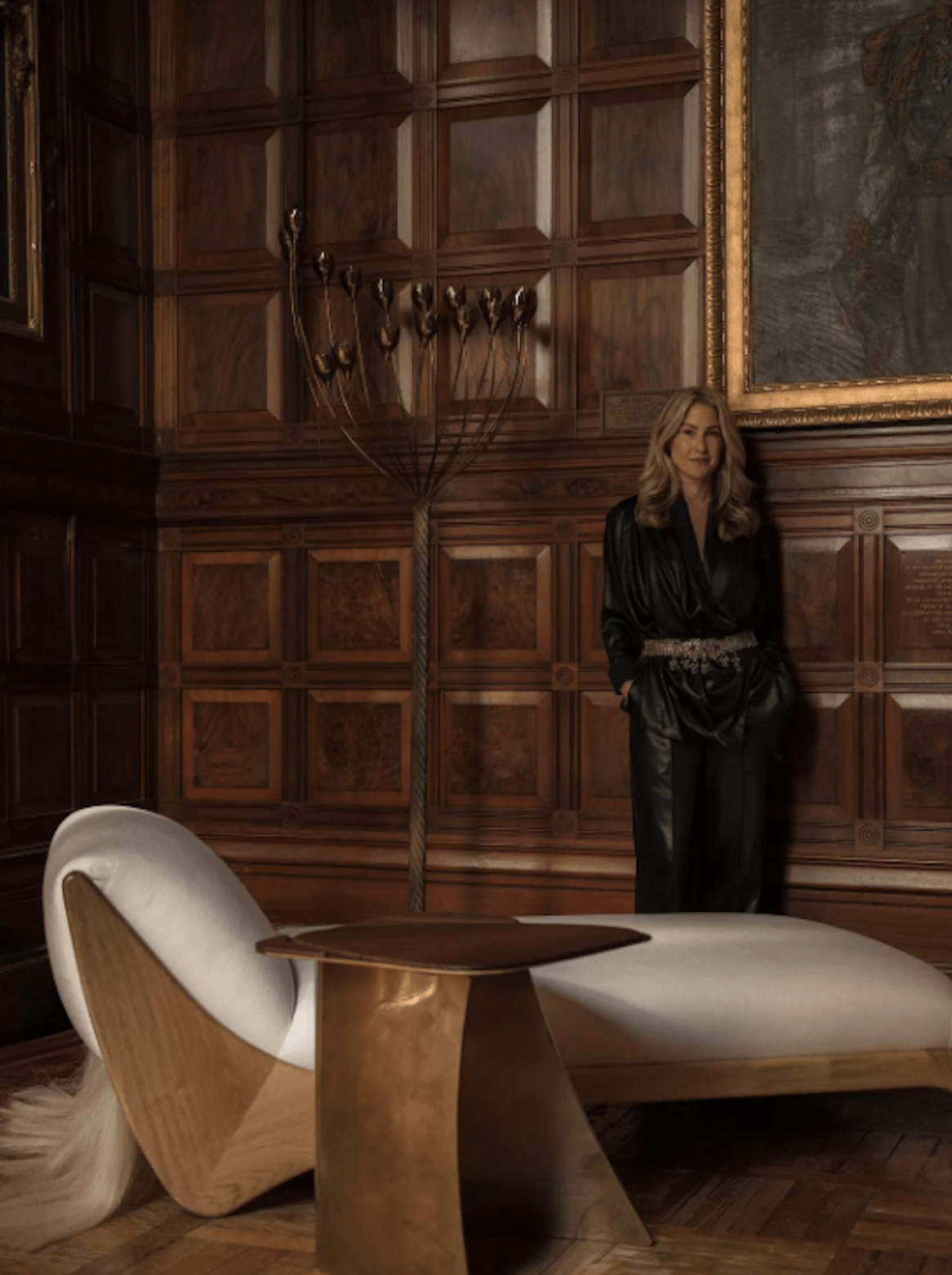
The idea that a room should feel ‘finished.’ A room where everything agrees with everything else looks like a showroom. What I’m after is tension — not conflict, not chaos, but the productive discomfort of things that shouldn’t work together and absolutely do. I’m also drawn to what I think of as a touch of irony: taking a familiar material and using it somewhere unexpected, in a way that challenges preconceived notions of what’s possible. That’s what led me to horsehair in furniture design. The piece that confuses you for a moment is usually the one that makes the room.
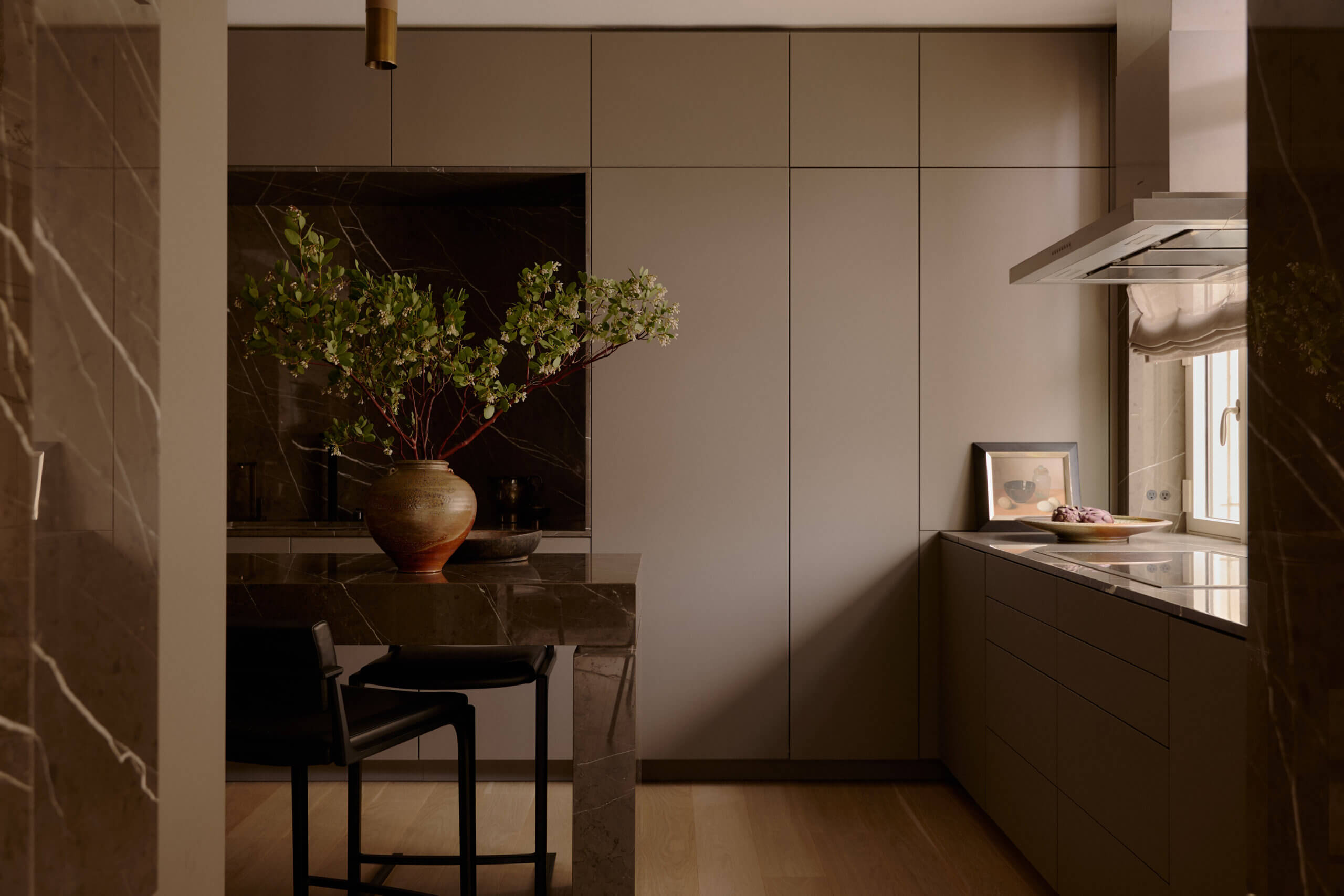
Central Park West Modern Project (Image courtesy of Jessica Gersten Design)
How would you describe your design philosophy? Has it evolved over time?
It started with form and proportion — those principles came directly from fashion, from years of fitting rooms and fabric behavior and understanding how weight and drape shape the body. I’ve always believed proportion comes before color, and material integrity above everything. What’s changed is that I’m less interested now in the individual object and more interested in the dialogue between objects — how they speak to one another across a room, how they create tension or harmony, how beauty emerges not just from a piece itself but from the relationships between pieces. I think of rooms as living compositions. The edit is the work.
Are there any recurring ideas, themes, or materials that continually find their way into your work? What draws you to them?
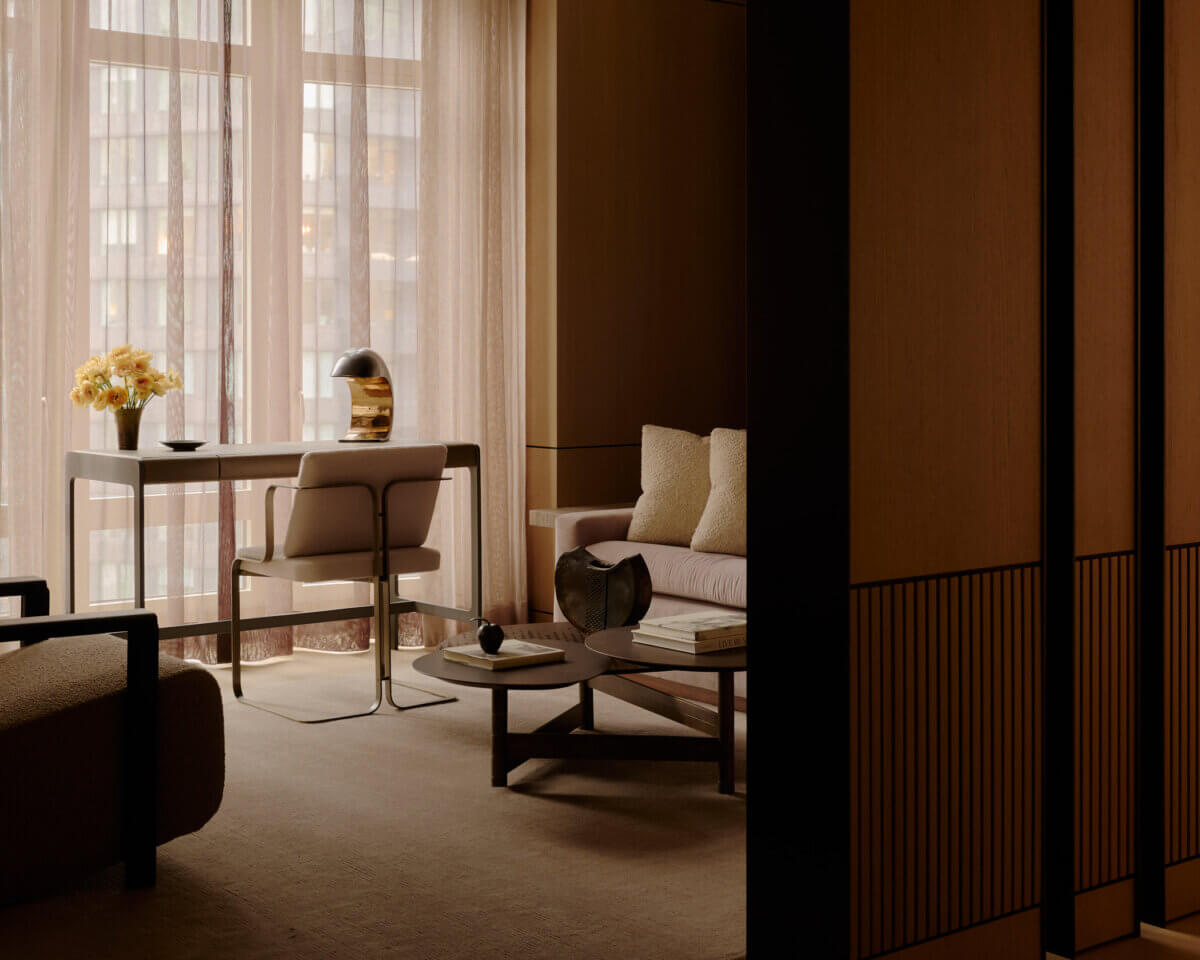
The tension between hard and soft, always. I’m drawn to what happens when architecture — stone, wood, the fixed geometry of a room — meets something yielding. A sweeping curtain. A heavy textile. The way a material falls. That balance between rigid and yielding, weight and movement, is where a space comes alive for me. I’m also drawn to materials that change over time — things that accumulate life rather than resist it. Unlacquered brass. Aged leather. Linen that softens. I want the room to look like it has a history, even when it’s new. The patina is part of the design.
Central Park West Modern Project (Image courtesy of Jessica Gersten Design)
Which of your projects are you most proud of, and what makes them stand out for you?
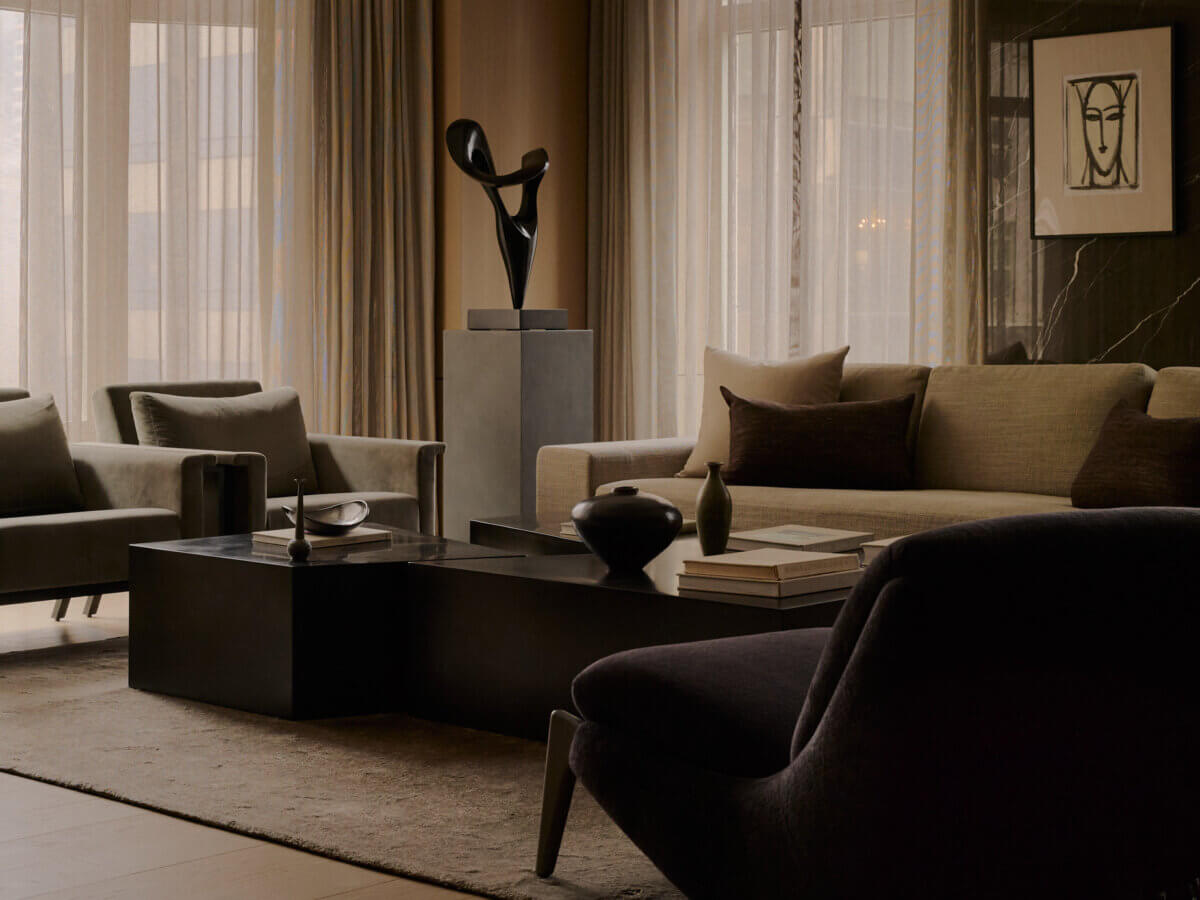
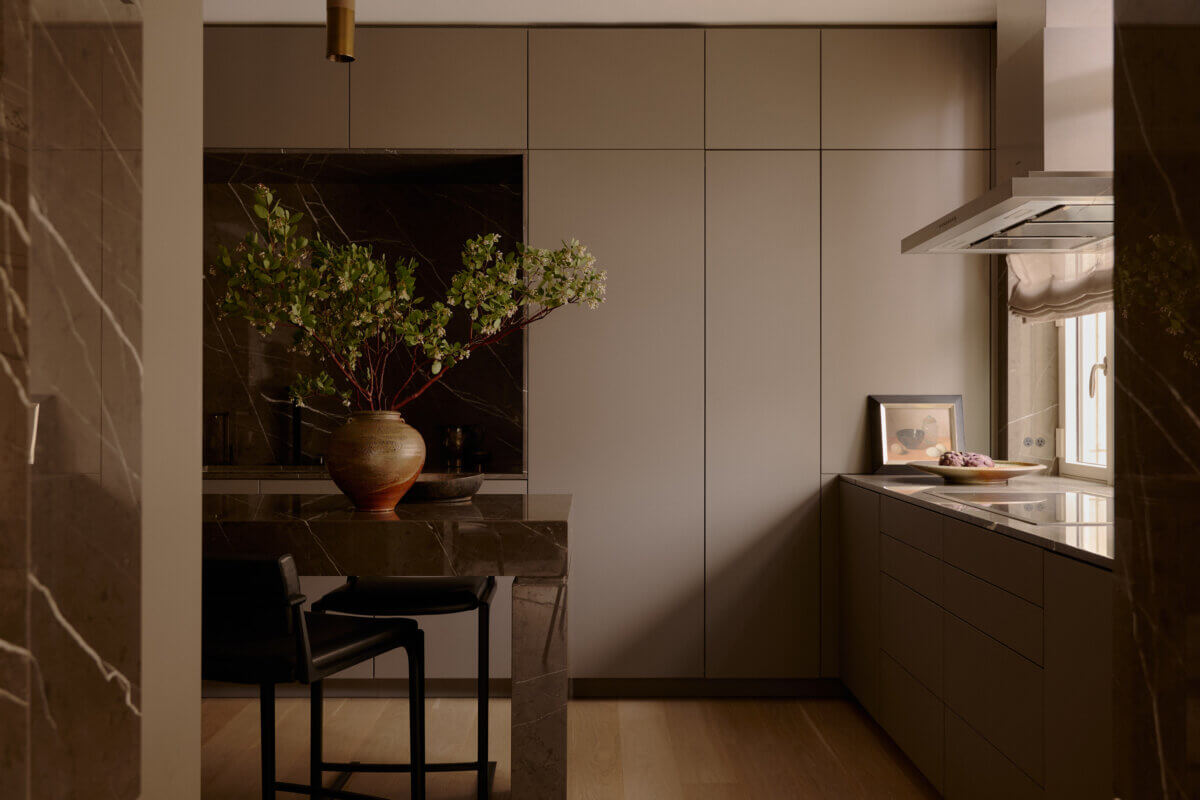
The Central Park West Modern is the project I return to most. It was what I’d call an architectural accomplishment project — every wall clad in wood or stone, every square inch paneled, a complete gut renovation that started from studs. The clients were sophisticated and deeply engaged, and that level of mutual investment produces something different. The husband said afterward that it was a whole other level of luxury, elegance, and detail — that nothing was spared. When a client articulates the experience of a space that precisely, you know the room did its job.
How do you know when a design is finished?
When I can’t find anything else to remove. The finished room is never the fully furnished one. It’s the one where every piece has earned its place and everything unnecessary has been ruthlessly edited out. Getting there takes longer than most clients expect. The rooms that last are always the ones where we held the line on the edit.
See Jessica Gersten’s Work >>>
Follow Jessica Gersten on Instagram >>>