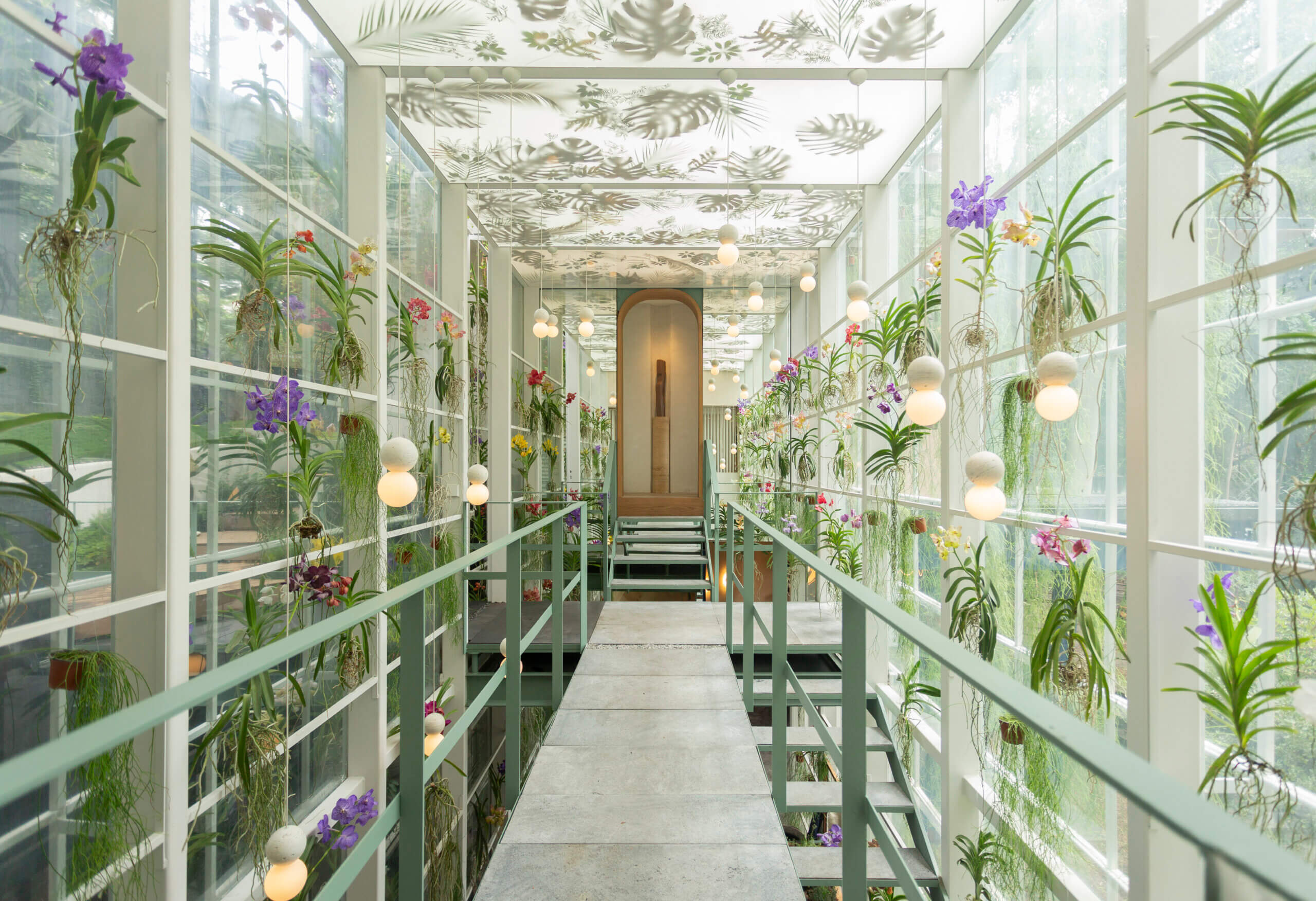
For more than a decade, Design Week Mexico and ICFF, through its WantedDesign platform, have built something rare in the design world: a genuine friendship that grew into a cross-border creative community.
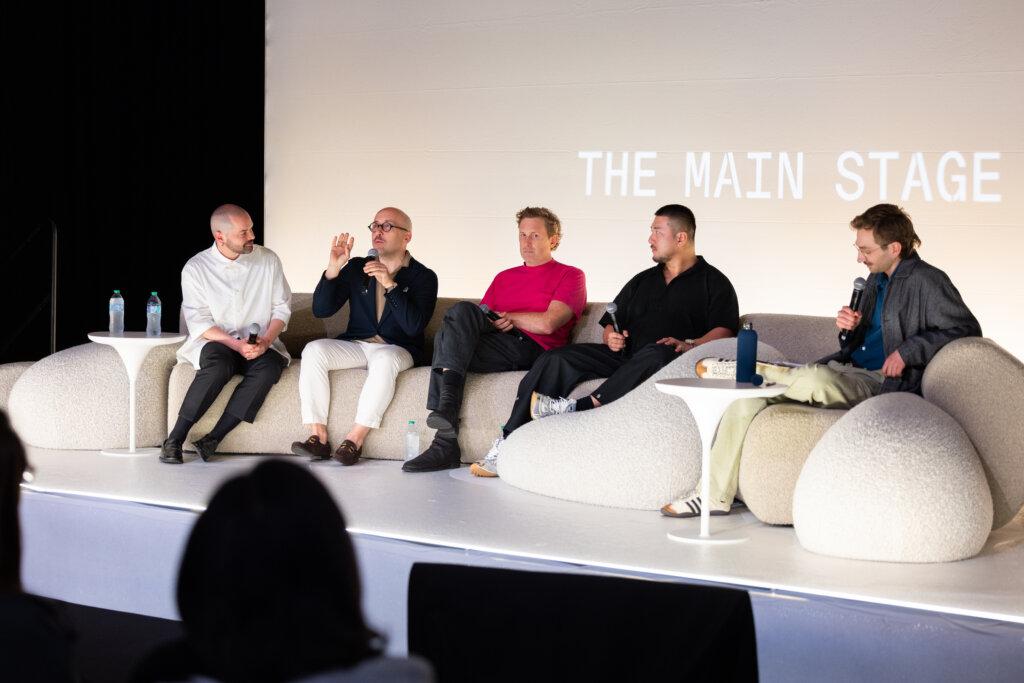
In the conversation that follows, Andrea Cesarman, Emilio Cabrero, and Marco Coello of Design Week Mexico sit down with Claire Pijoulat and Odile Hainaut of ICFF to reflect on how it all started, what each design culture brings to the table, and where the relationship goes next. What emerges is a story about people first, products second, and the belief that design becomes richer when it crosses borders.
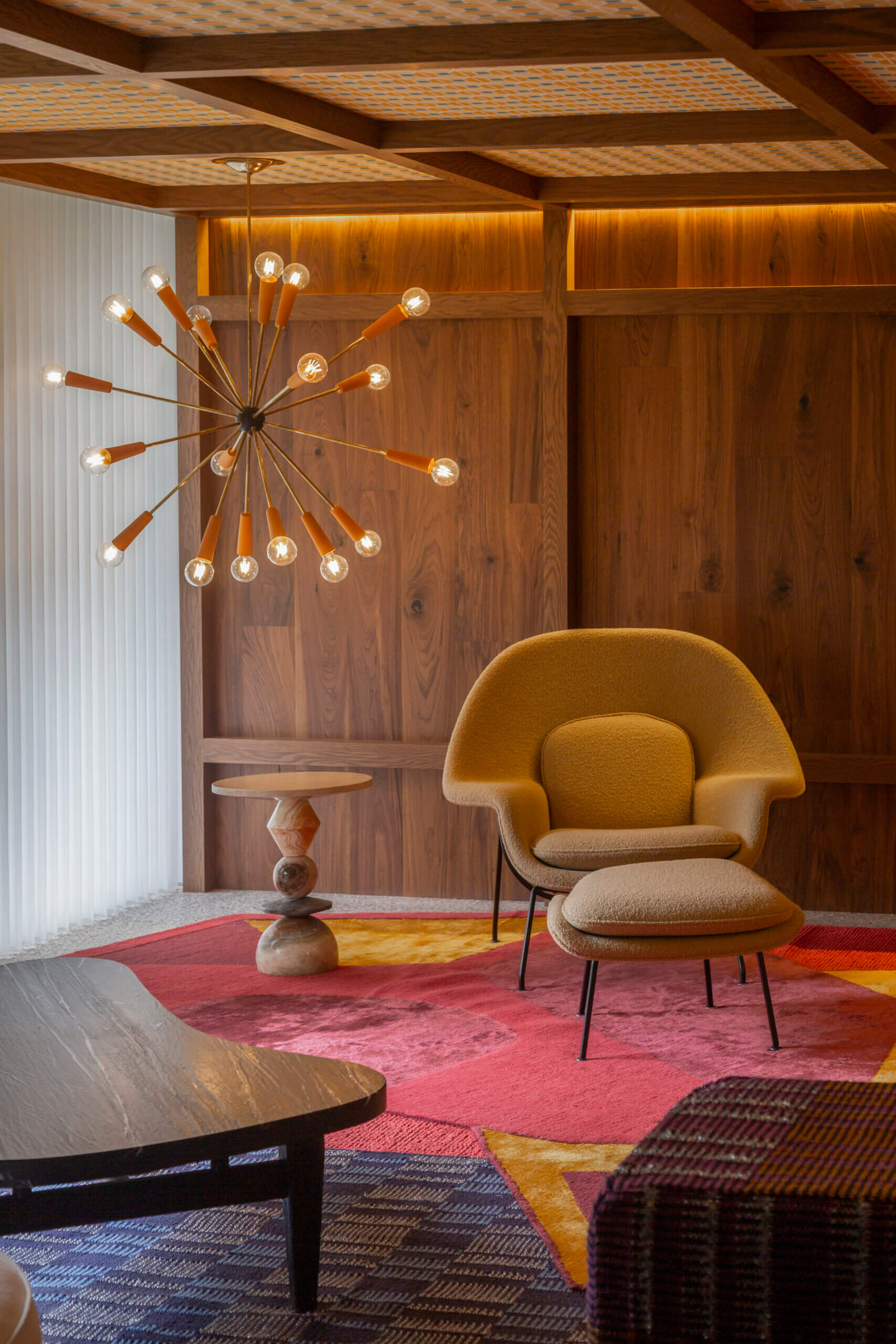
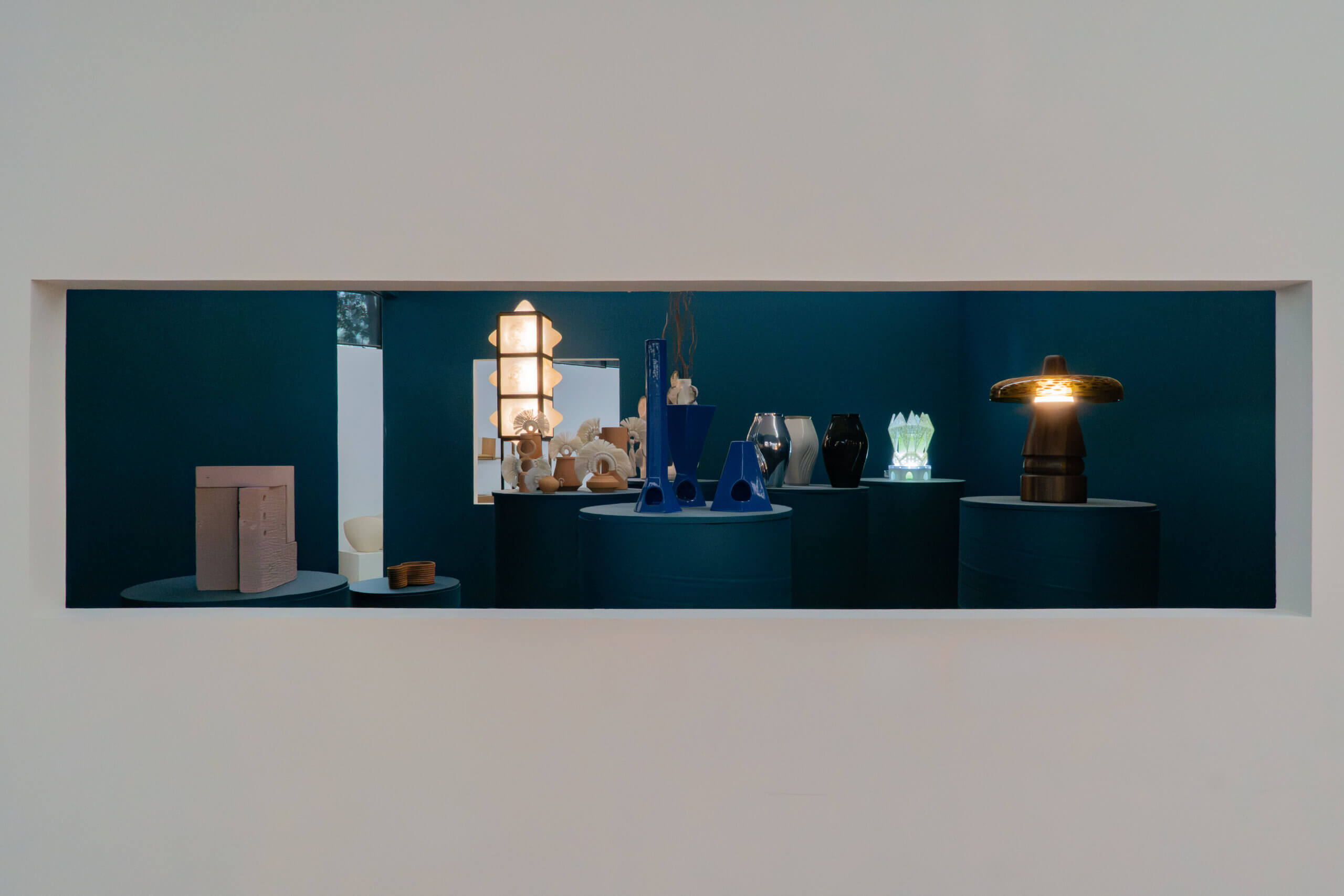
(Top image courtesy of Design Week Mexico)
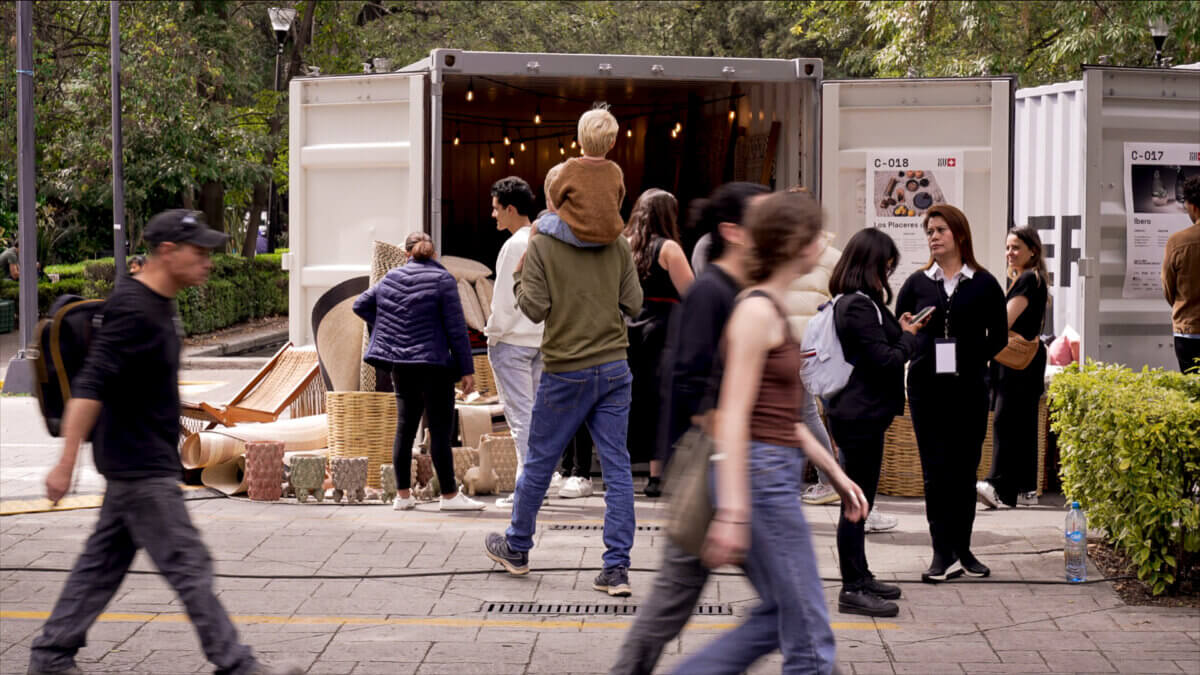
Image courtesy of Design Week Mexico
The Beginning: How It All Started
When you think about the relationship between Design Week Mexico, WantedDesign and ICFF, what is the first image, memory or moment that comes to mind?
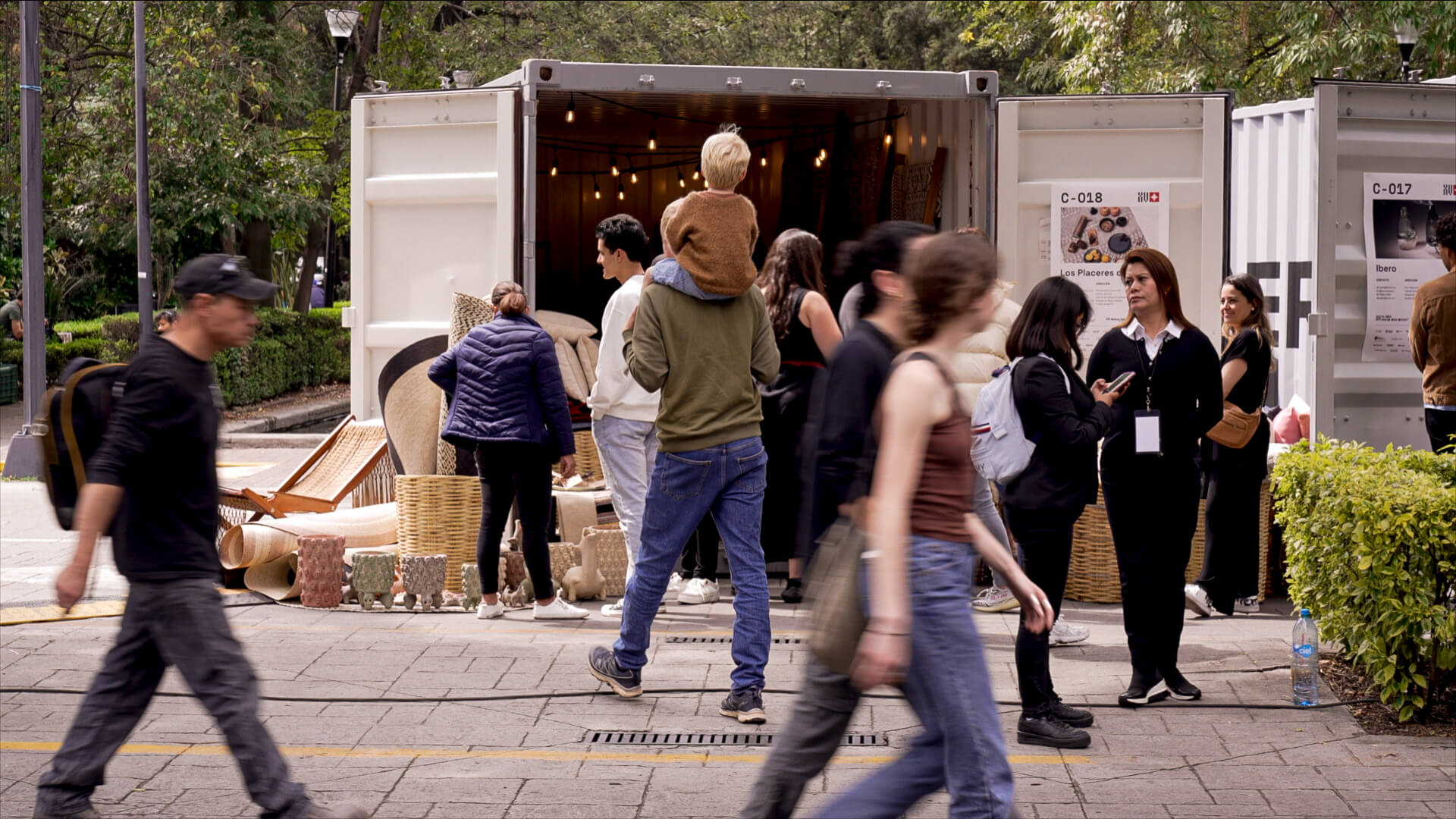
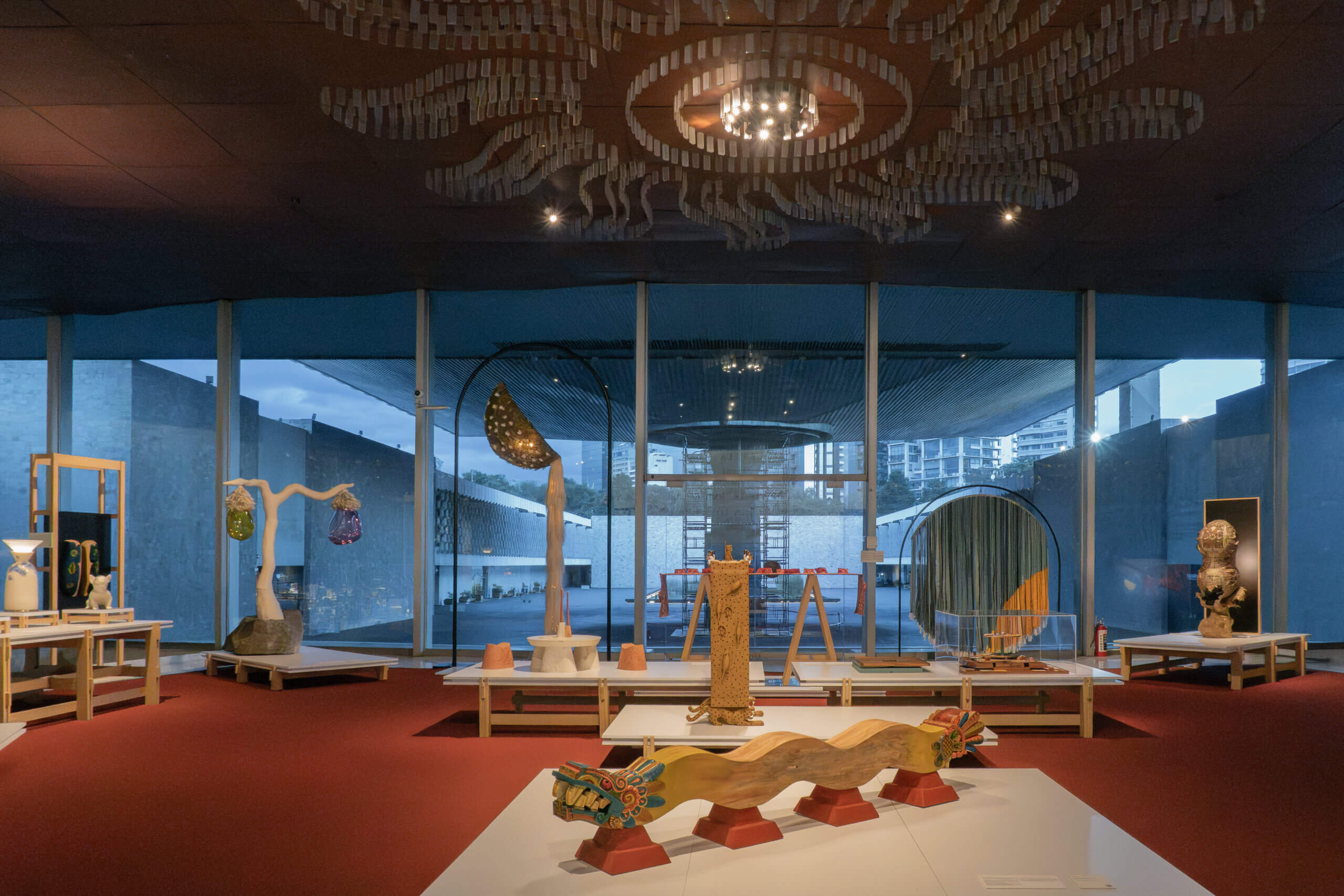
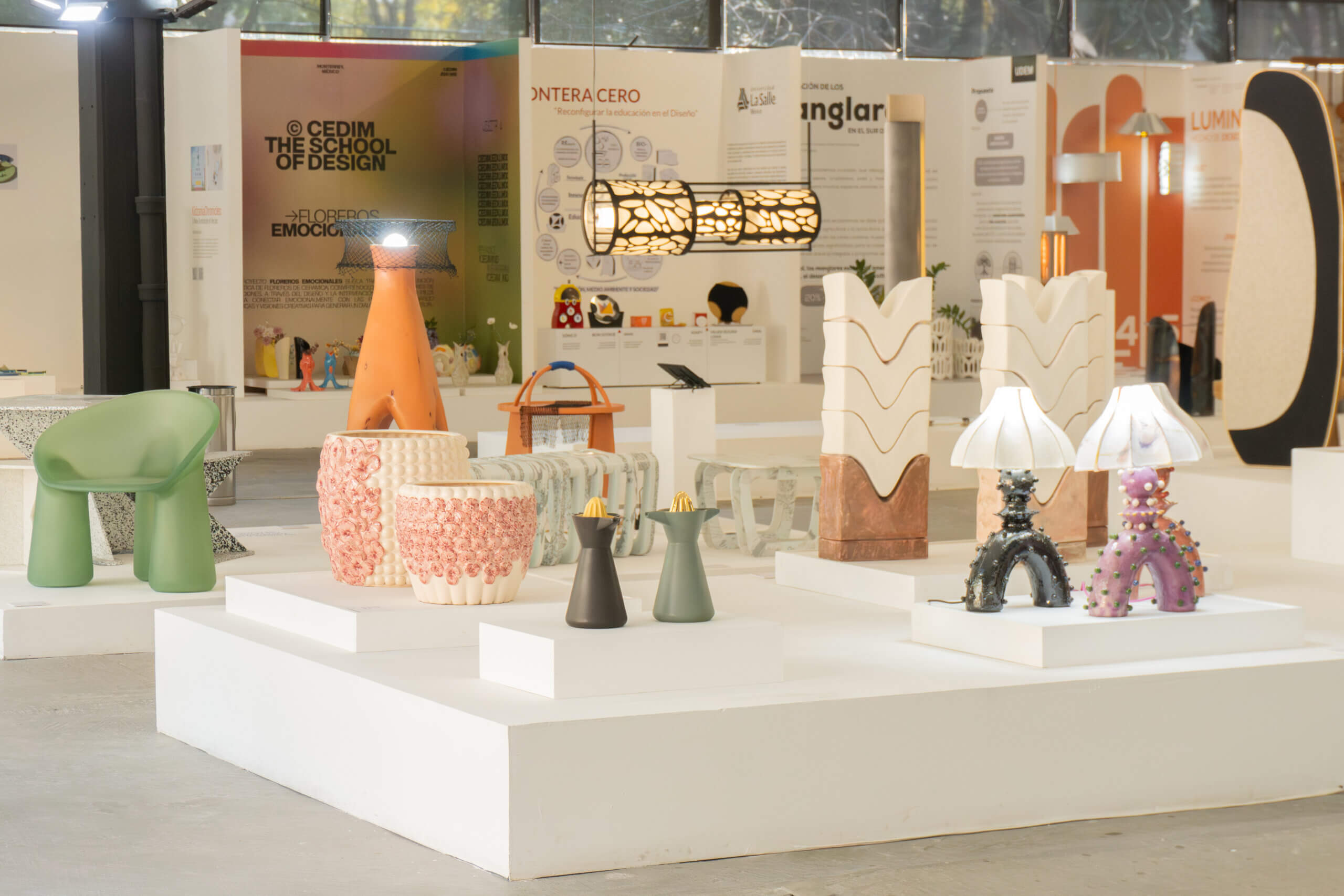
AC/EC/MC: The first image that comes to mind is arriving at the Terminal building in New York with our scaffolding, our designers, our friends and all the pieces coming from Mexico. It looked almost like a bazaar! Everyone had come with us, and there was so much excitement and energy. I remember seeing that huge truck that had crossed the border carrying everything from Mexico. It was a very happy moment, but also an incredible learning experience for all of us. It really felt like we were bringing a little piece of Mexico with us.
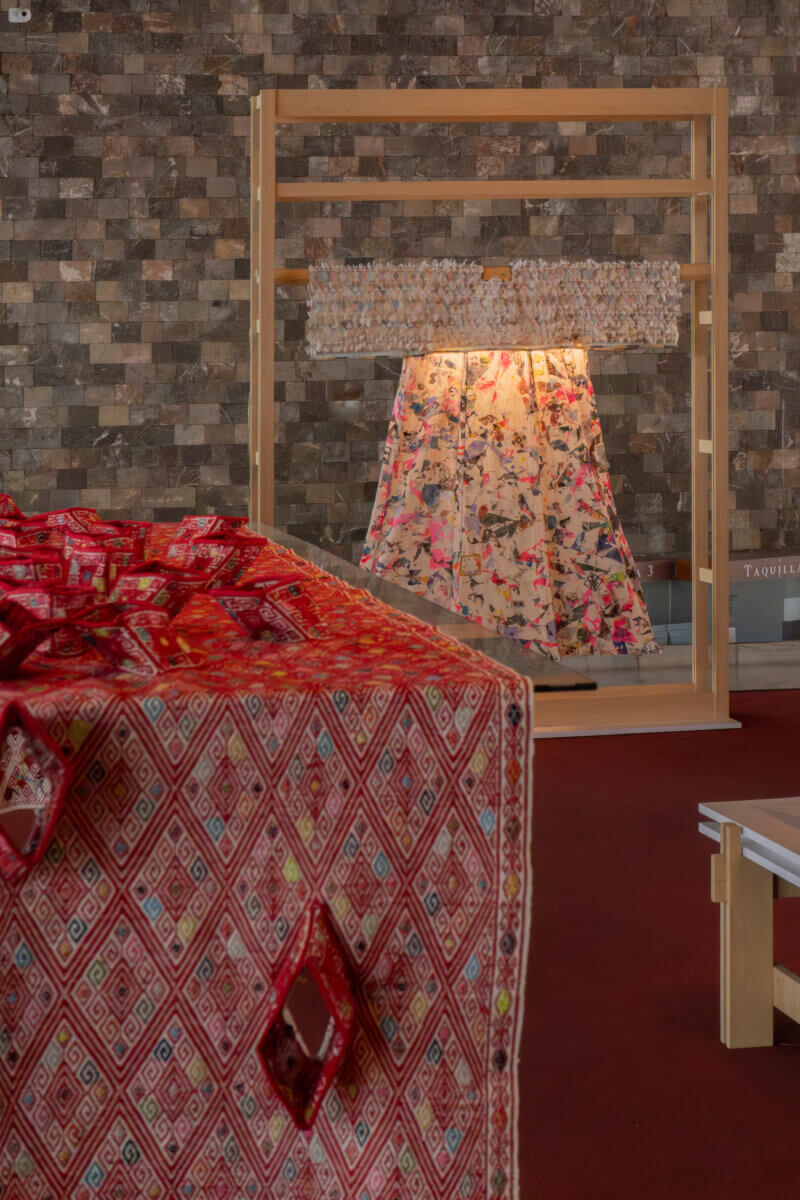
Image courtesy of Design Week Mexico
Do you remember your first conversations with WantedDesign and later ICFF? What made this collaboration feel natural from the start?
AC: Yes. From the beginning, it felt very natural because we shared the same values: supporting independent designers and creating opportunities. It felt like a true exchange rather than just a collaboration, and we saw that our platforms had a lot in common. We loved the people, and you coming to Mexico to meet the designers.
What opportunities did you see for Mexican designers through a connection with New York and the U.S. market?
AC: I saw New York as a bridge to new audiences, collaborations and opportunities for Mexican designers. To give them visibility in the U.S. while allowing them to share what makes Mexican design unique: our materials, craftsmanship and way of creating. And MXTC as the platform that could help in pushing this forward. The idea is not just to export Mexican design but to help Mexican designers become part of the international conversation.
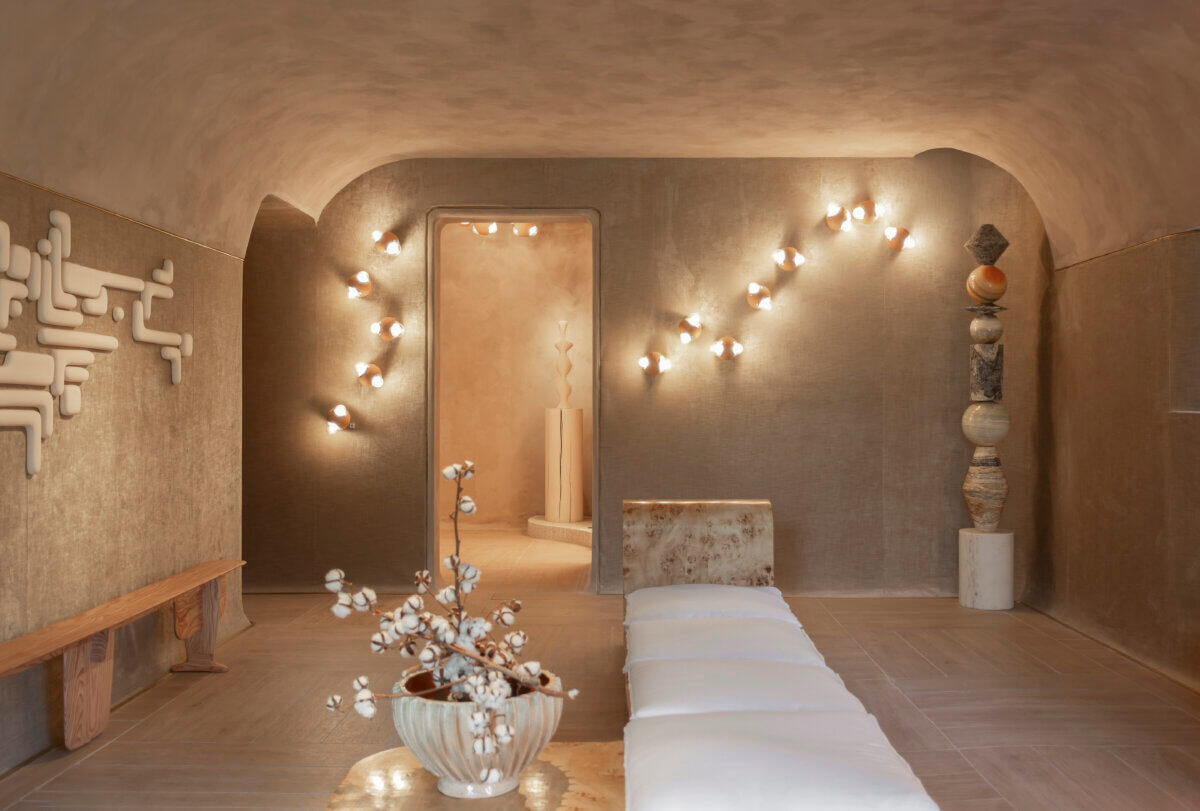
Image courtesy of Design Week Mexico
When you first connected with Design Week Mexico, what stood out about the Mexican design scene?
CP/OH: We still remember that very first call we had. Emilio sent us an email inviting us to visit Design Week Mexico after he had come to visit WantedDesign. We had such a wonderful conversation, and it was so enthusiastic and warm. We said yes right away, and our first visit to DWM was truly love at first sight. There was so much creativity, energy and so many wonderful people. It immediately felt like a very special community that we wanted to be part of.
Why was it important for WantedDesign and later ICFF to establish relationships beyond the United States?
CP/OH: We always thought that our priority was to connect with Canada and Mexico, geographically representing North America. Strongly enough at that time, back in 2011 and 2012, the U.S. design scene was very disconnected and not aware of the Mexican design scene.
Looking back, what common values made this partnership endure over the years?
AC: For me, it has always been about the people. Odile and Claire became friends, and we shared the same values around design, collaboration, generosity and creating opportunities for others. That personal connection is what made the partnership last over the years. We have the same desire to go beyond our own borders, respect and admiration for what we all do and how we do it. It’s very friendly and human based.
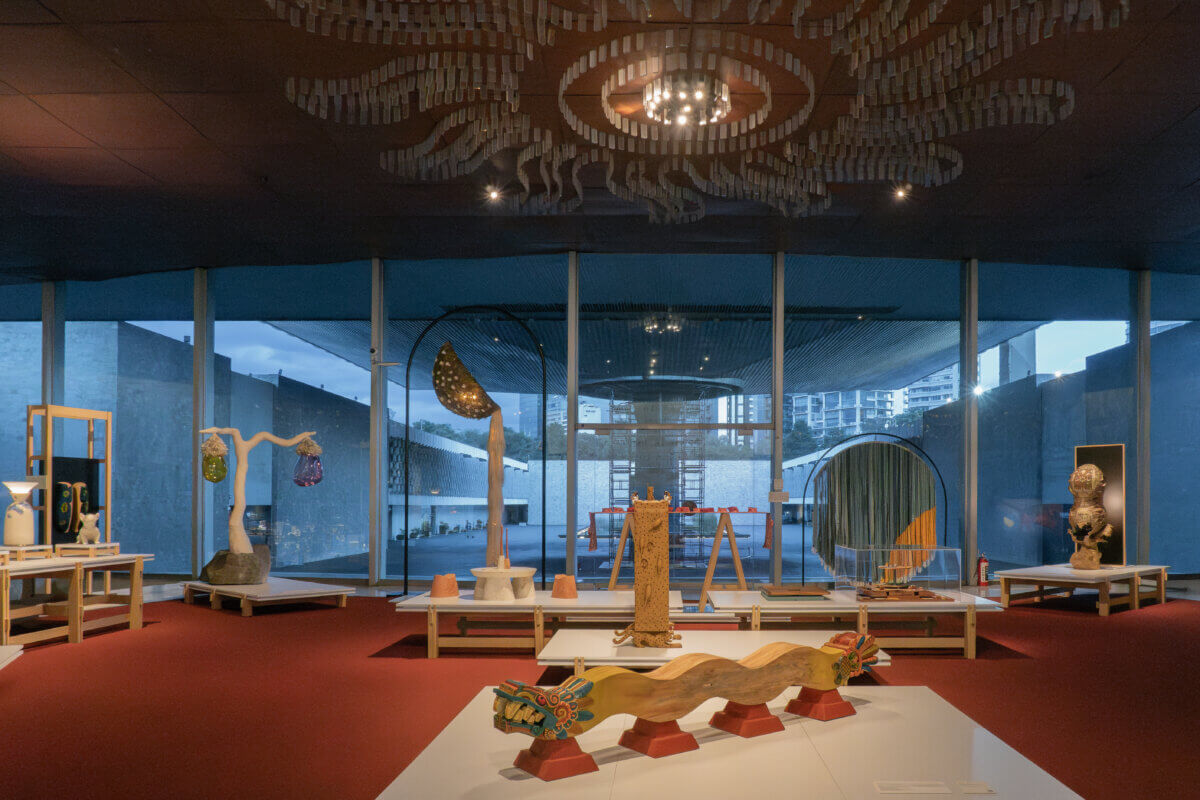
Image courtesy of Design Week Mexico
Creating a Cross-Border Design Ecosystem
How has Design Week Mexico’s mission evolved in promoting Mexican design internationally?
AC: I think that after so many years, Design Week Mexico has helped build a much stronger community. Mexican designers now have greater visibility and stronger international connections. We’ve built the bridge, and the community is now crossing it on its own. MXTC continues to be part of the conversation and, perhaps more importantly, helps keep this community connected, visible and strong.
What role has New York played in that journey?
AC: I think New York has become an important part of our journey. We’ve shared so many experiences over the years, with international designers coming to Mexico and Mexican designers going to New York, participating in WantedDesign and ICFF. New York is one of the most important design centers and markets in the world, so this exchange has given Mexican design visibility while also bringing more people to discover what’s happening in Mexico.
How has ICFF become a platform for international dialogue rather than simply a trade fair? What does “building bridges” between design communities mean in practice?
CP/OH: It’s mainly facilitating connections, providing insights and helping each community to know each other better and find the point of possible collaboration.
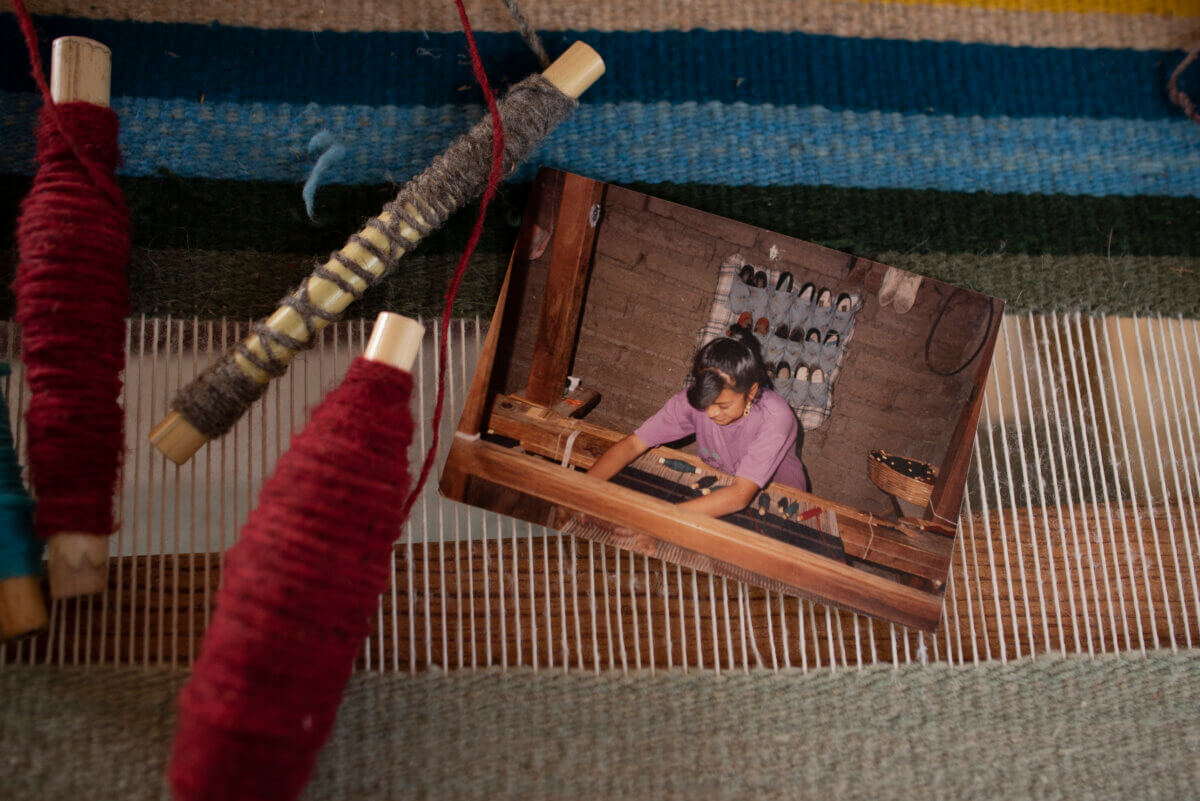
Image courtesy of Design Week Mexico
How do the Mexican and American design communities complement each other?
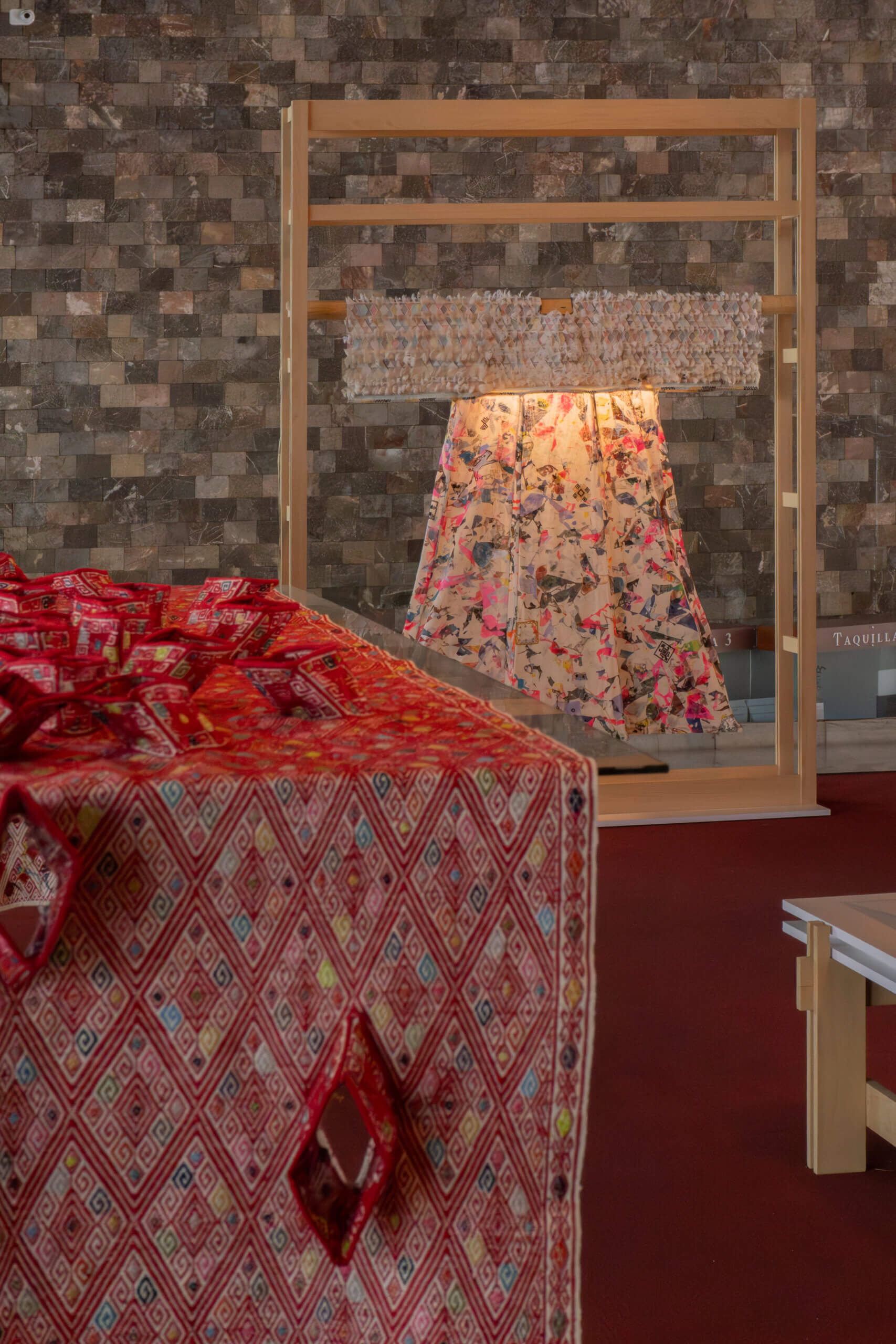
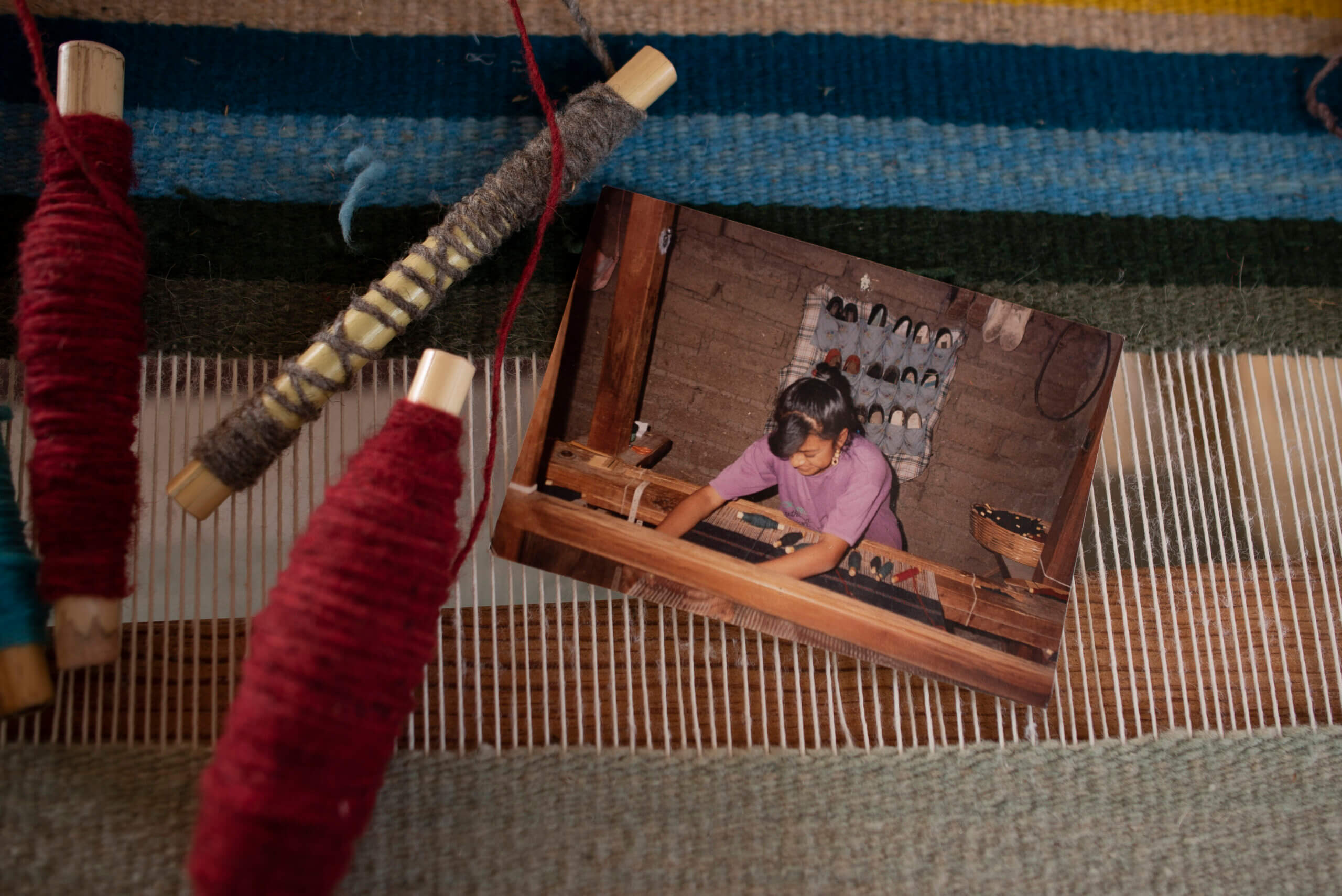
CP/OH: The similarities are that both communities have a strong ecosystem of independent studios, designers and makers, working primarily with and for the architecture and design community. There is a shared appreciation for craftsmanship, quality and collaboration. But what makes the two communities so complementary is that each has developed a very distinctive design language, shaped by its own cultural context, materials and techniques. Mexican designers bring a strong sense of heritage, craftsmanship, materiality and a very particular relationship to color and texture, while American designers often bring a different perspective, with a strong emphasis on innovation, scale and new ways of approaching the market. We see the opportunity to create a dialogue between them. When designers, studios and makers from Mexico and the U.S. come together, they can exchange ideas, techniques and perspectives in a way that creates something genuinely new.
AC: We’ve seen over the years that both New York and Mexico have very strong design communities. Both of our platforms started by giving visibility to design universities and to designer-makers, who often work in very similar ways in both places, each with its own distinct language. New York has a much larger market, while Mexico has a strong connection to craft and making. And now we see Mexican designers living and working in New York, like Sebastián Arroyo, and American designers coming to Mexico, like Bryan Thoreen. I think that exchange is what makes both communities stronger.
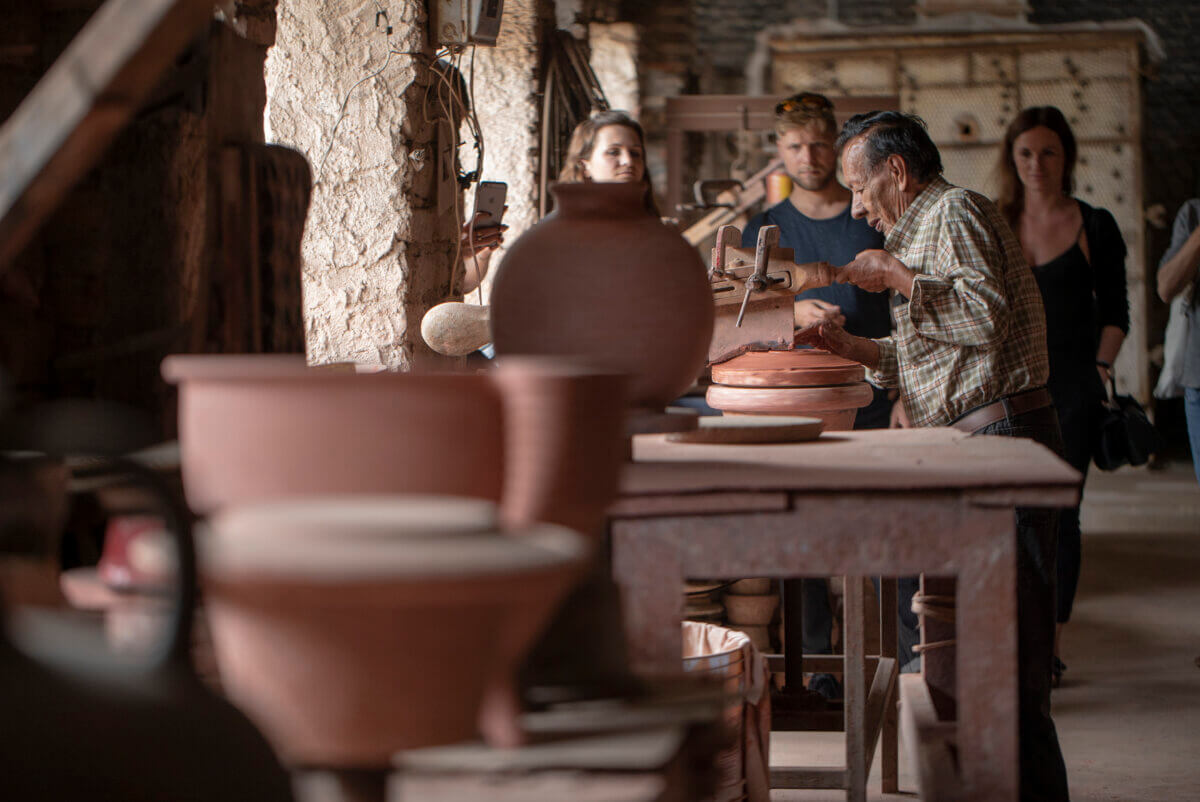
Image courtesy of Design Week Mexico
What can each country learn from the other in terms of design culture, innovation and business?
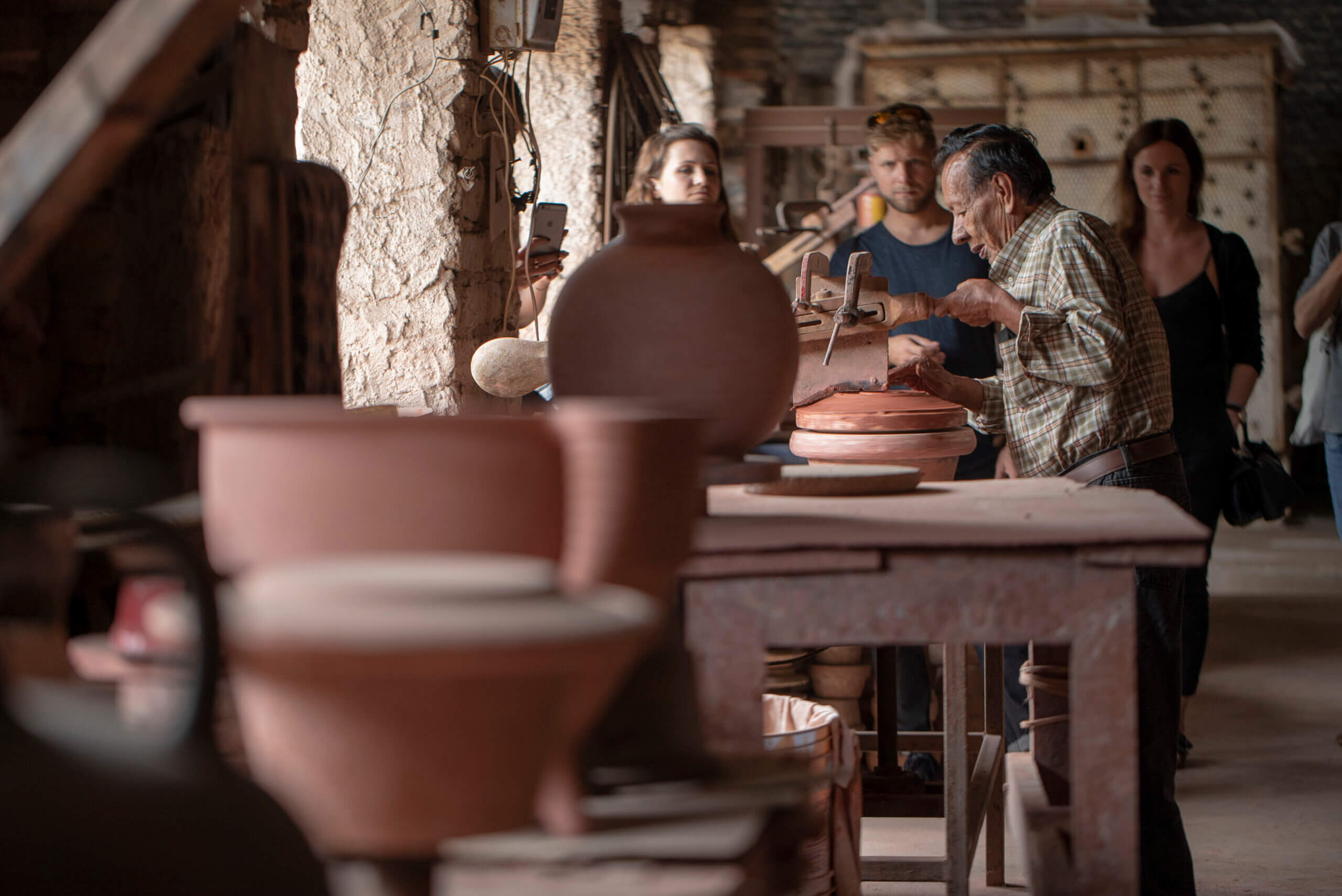
CP/OH: Mexico has a very strong culture of craftsmanship and making, with a deep knowledge of materials and techniques that are often passed through generations. There is also a very instinctive approach to beauty, color, texture and the emotional side of design. The U.S. can bring a strong culture of entrepreneurship, innovation and business development, particularly in terms of scaling ideas, building brands and connecting design with a broader market. The combination of Mexican craftsmanship and cultural richness with American entrepreneurial energy and market expertise can create a powerful platform for both communities to grow.
AC: I think the most valuable thing we can learn from each other is through collaboration and sharing best practices. Both communities have a lot to contribute in design, innovation, education and business. We may have different ways of doing things, but we both bring a lot to the table. That’s why our collaboration through WantedDesign and ICFF has been so important. It has created a continuous exchange between designers, schools and professionals, allowing us to share knowledge, learn from each other and create new opportunities. I think that’s how we all grow as a community.
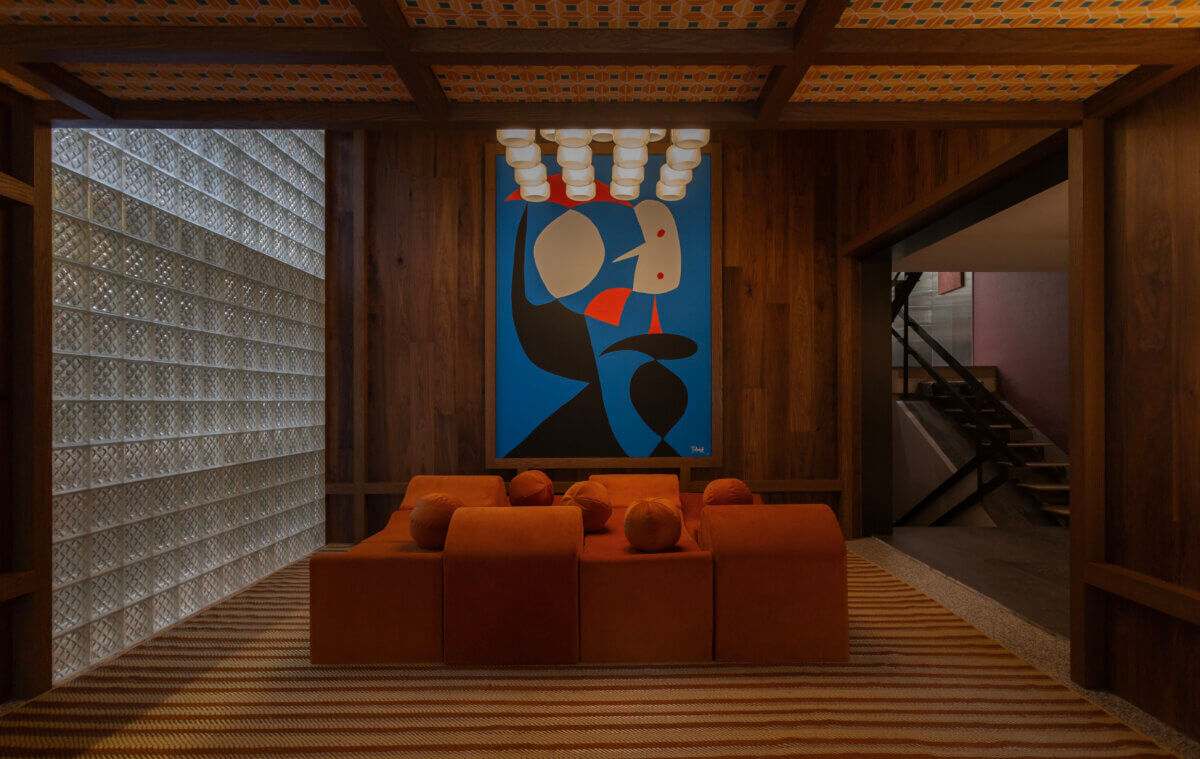
Image courtesy of Design Week Mexico
Supporting Designers and Emerging Talent
Can you share examples of Mexican designers or studios whose careers benefited from exposure through ICFF and WantedDesign?
AC: I remember so many examples of how Mexican designers have benefited from being part of ICFF and WantedDesign. ACOOCOORO, for example, brought their work to New York and, through that exposure, later participated in the Venice Design Biennale. Lili Platalea was featured on the cover of New York by Design, which was another very special moment. David Pompa is another great example. He participated through these platforms early on and has since become a strong international name.
And then there are the more personal connections. Last year, we connected Aileen, a RISD student, with the Off Threads team, which led to a visit to Mexico and a really interesting conversation about Mexican identity, migration and how our heritage continues to influence designers working in the U.S. There are so many others, like Sebastián Ángeles, Raúl López de la Cerda and many more. Journalists and editors like Paul Clemens, Adrian Madlener, Ben and the team at Dezeen have been incredibly generous in coming to Mexico, discovering our design scene and giving Mexican designers visibility internationally. I could name a very long list, but what makes me happiest is seeing how these connections continue to grow and create new opportunities.
How has audience perception of Mexican design evolved over the years?
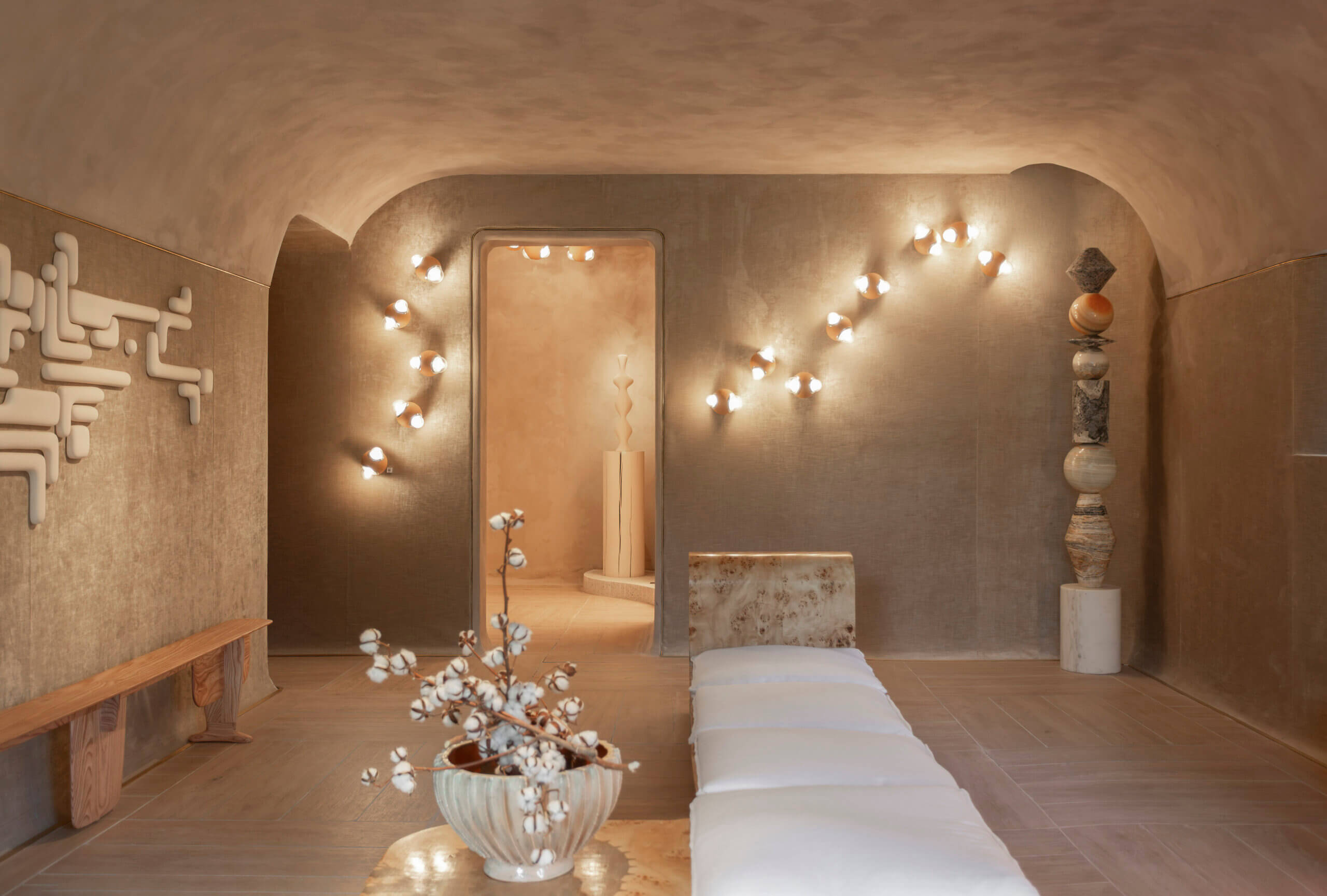
CP/OH: I think there has been a real evolution in the way Mexican design is perceived internationally. There is a growing appetite for the authenticity and originality coming from Mexican studios, a sense that their work has a very distinct identity and is not simply following international trends. What is particularly appealing is the strong connection to craftsmanship, the beauty and richness of materials, and the way contemporary design can coexist with tradition. There is also a certain bohemian chic quality to Mexican design, something warm, sophisticated, tactile and effortlessly beautiful. I think that combination of authenticity, craftsmanship and contemporary creativity is what makes Mexican design so compelling to audiences in the U.S. and beyond.
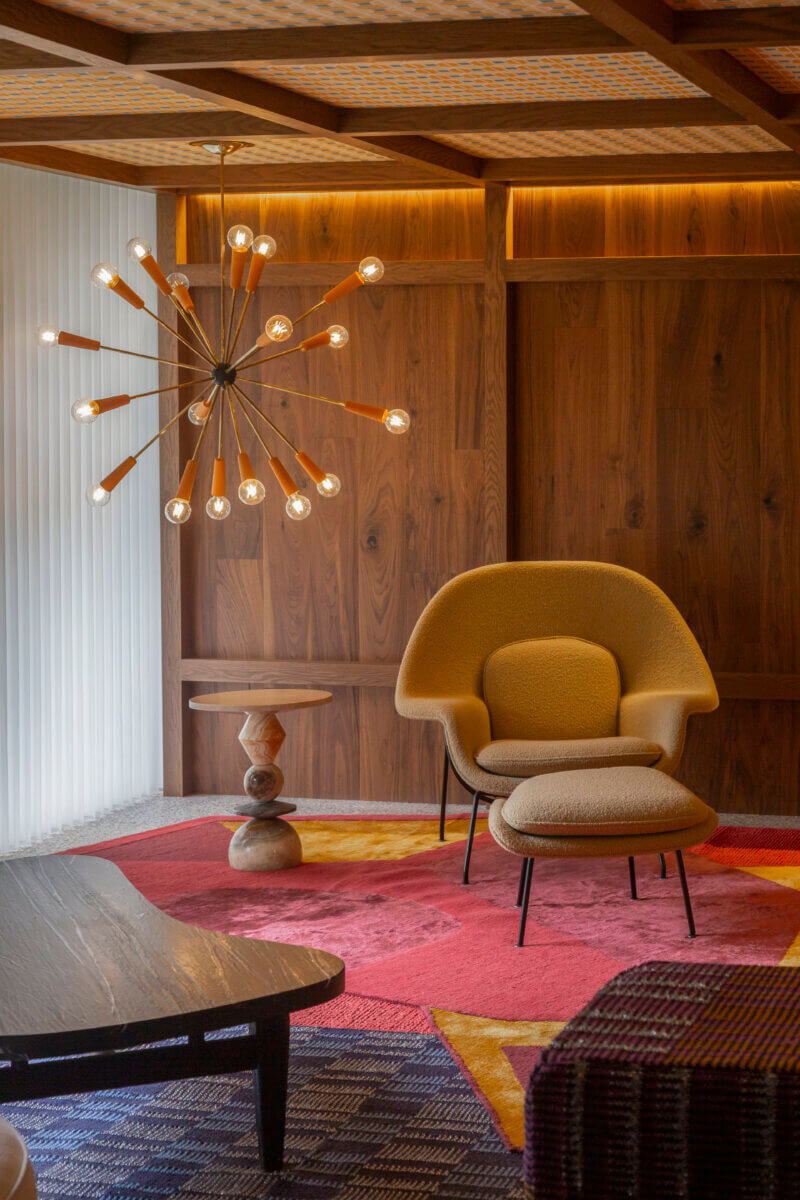
Image courtesy of Design Week Mexico
What responsibilities do design institutions and events have in nurturing the next generation of designers?
AC: I think it’s a big responsibility to lead an institution that nurtures design for the next generation. Design Week Mexico has been alive for 19 years, and I think many young designers today don’t remember a time when they didn’t have a platform like this. It has become part of their DNA. But we know how much work it takes to build and sustain something like this, and how important the international relationships we’ve built with you have been along the way. For me, it’s about continuing to contribute, creating opportunities for new generations and staying open to understanding what the future will bring, for design and for them.
CP/OH: This is really one of the most exciting parts of what we do as fair and design event organizers, and I see it as a real responsibility to help make these connections happen. We have the opportunity to initiate collaborations that can be difficult to establish when you are working in isolation, particularly when you don’t yet have the network, the knowledge or even the visibility to know who is doing what and where. By bringing designers, studios, makers, galleries, brands and the wider design community together, we can create those connections and open doors that might otherwise remain closed. Nurturing the next generation is not only about giving young designers a platform to showcase their work. It is about creating a community around them, facilitating meaningful encounters and helping them build the relationships and opportunities they need to grow.
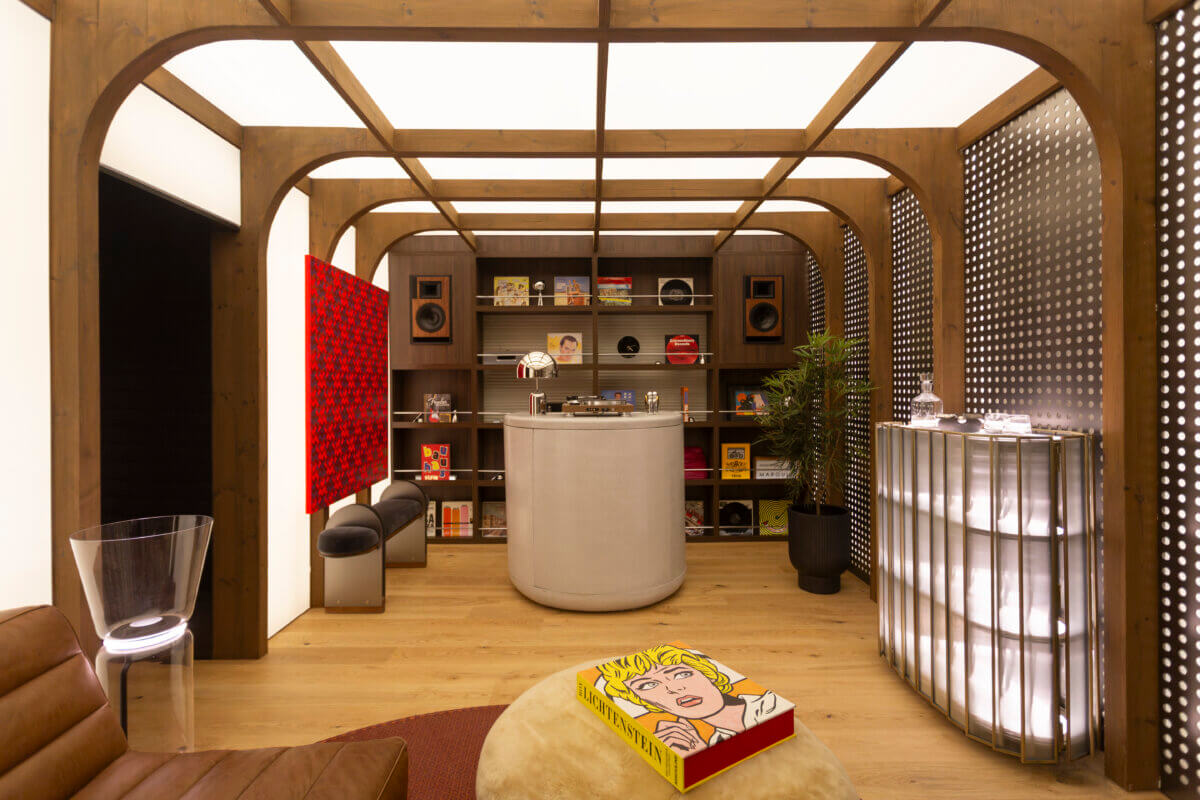
Image courtesy of Design Week Mexico
The Evolution of Design and Cultural Exchange
How has Mexican design changed over the past decade?
AC: I think Mexico is now much more on the world’s radar for design. We’ve worked very hard over the years to create that visibility through MXTC and Design Week Mexico, but also through all the international collaborations we’ve built, bringing people from abroad to Mexico, having you participate as judges of Inédito and creating a real exchange. I think the next step is that Mexican design is no longer looking for validation from outside. There is more confidence, more experimentation and a stronger sense of our own identity. We’re seeing designers combining contemporary ideas with materials, craft and local knowledge in very fresh ways. And I think that confidence is going to define the future of Mexican design.
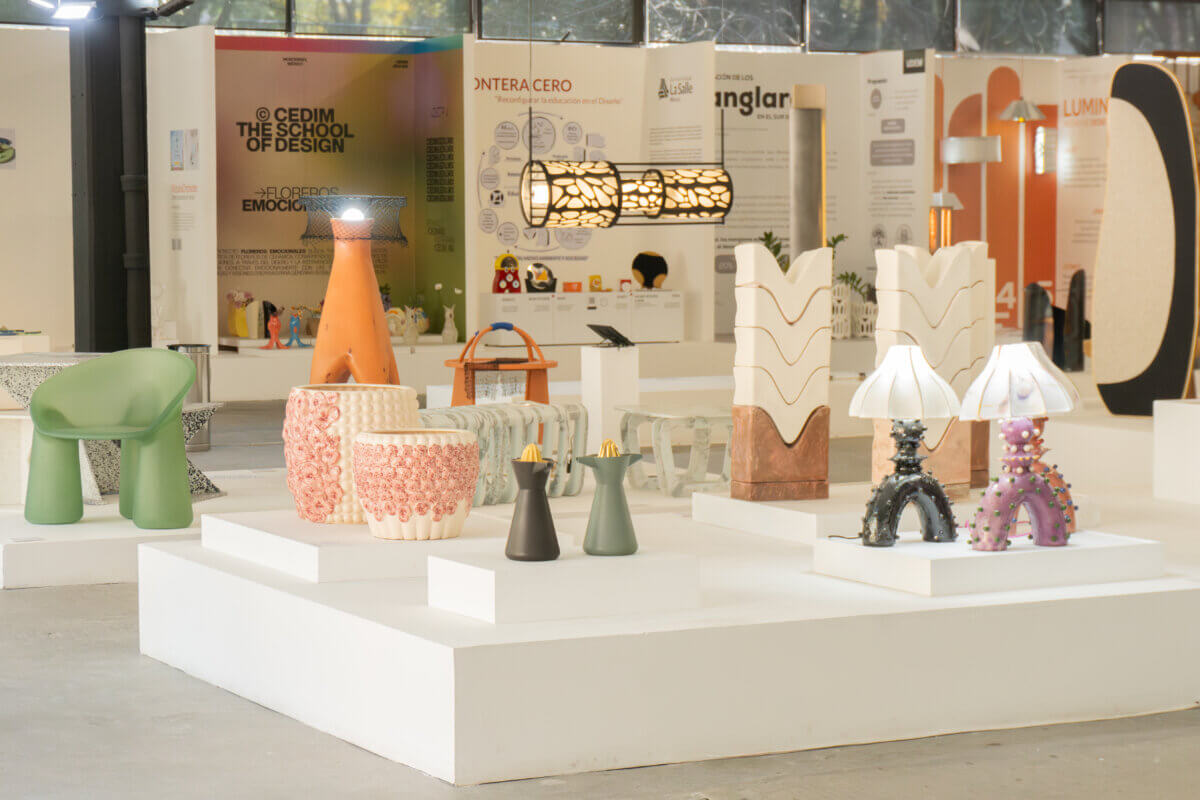
Image courtesy of Design Week Mexico
What trends, values or approaches are defining its future?
AC: I think the future of Mexican design is about continuing to experiment, innovate and, perhaps most importantly, finding new markets and new ways to reach more people. That is something that is still challenging for us, and I think there is a lot of opportunity there. At the same time, the connection to craft and to craft communities is incredibly important in Mexico. We have a very strong culture of making, and I think the new generation is looking for ways to bring that knowledge into contemporary design while making design more accessible and relevant to a wider audience. I think that combination of experimentation, innovation, craft and a more inclusive approach is going to be very important for the future of Mexican design.
Why is cultural exchange more important than ever in today’s design world? And how can design events foster meaningful conversations rather than simply showcase products?
AC: I think because we’re living in a much more connected world, and design is no longer happening in isolation. We have so much to learn from different cultures, materials, ways of making and ways of thinking. For us, the exchange between Mexico and New York has shown that when people actually meet and share experiences, new ideas and opportunities come naturally. It makes design richer and more relevant.
I think it starts by creating the right environment for people to actually meet and talk. It’s not only about showing beautiful objects, but about bringing designers, makers, students, journalists, institutions and the public together. For us, the most valuable part of an event is often what happens around the exhibition: the conversations, the introductions, the unexpected collaborations. If you create those encounters, the event becomes a platform for exchange rather than just a place to display products.
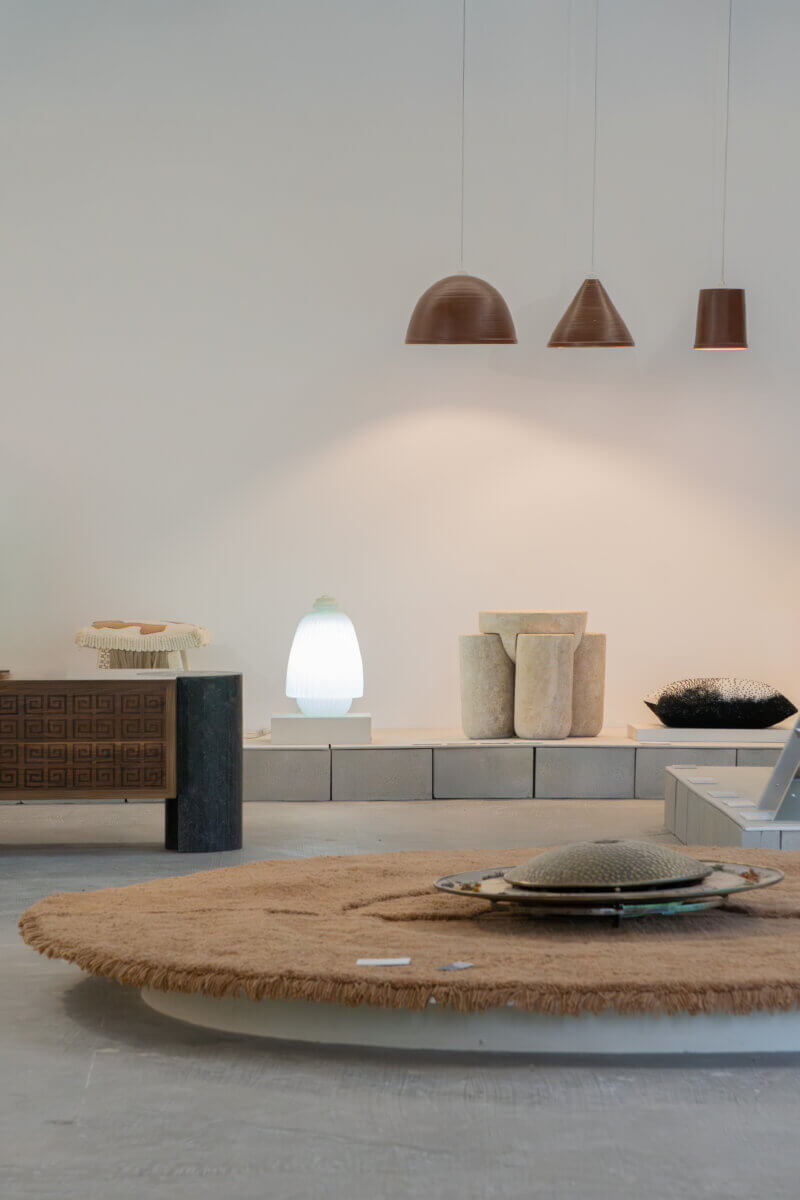
Image courtesy of Design Week Mexico
The Legacy: A Bridge Still Being Built
If you could define the legacy of this collaboration in one sentence, what would it be?
CP/OH: The most meaningful outcome of this collaboration has been the many connections we have made and the opportunities we have helped initiate, creating a stronger creative community across our two countries. What started as a collaboration, and a friendship, between two design events has grown into a network of designers, studios, makers, brands and friends who continue to exchange ideas, discover one another and create new opportunities together.
AC: The legacy of this collaboration is still being written. We don’t know where it will take us, but I know we’ve built something that allows the next generation to start from a different place, with more opportunities and a stronger design community. And, most importantly, we’ve built a friendship that I believe will last forever.
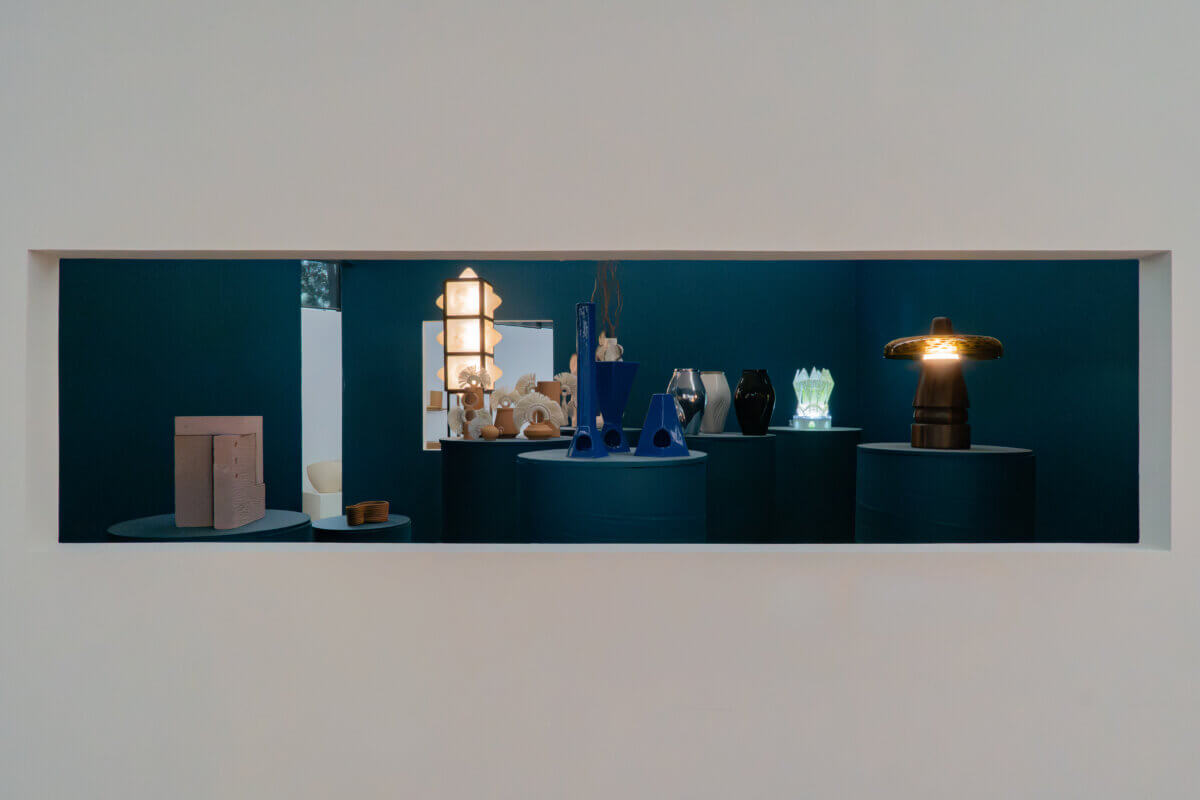
Image courtesy of Design Week Mexico
The through line of this conversation is clear. Great design events aren’t measured by square footage or exhibitor counts alone, but by the relationships they spark and the doors they open. What began with a truck full of furniture arriving in New York has become a lasting exchange of ideas, craft and friendship between two design communities that continue to make each other stronger.
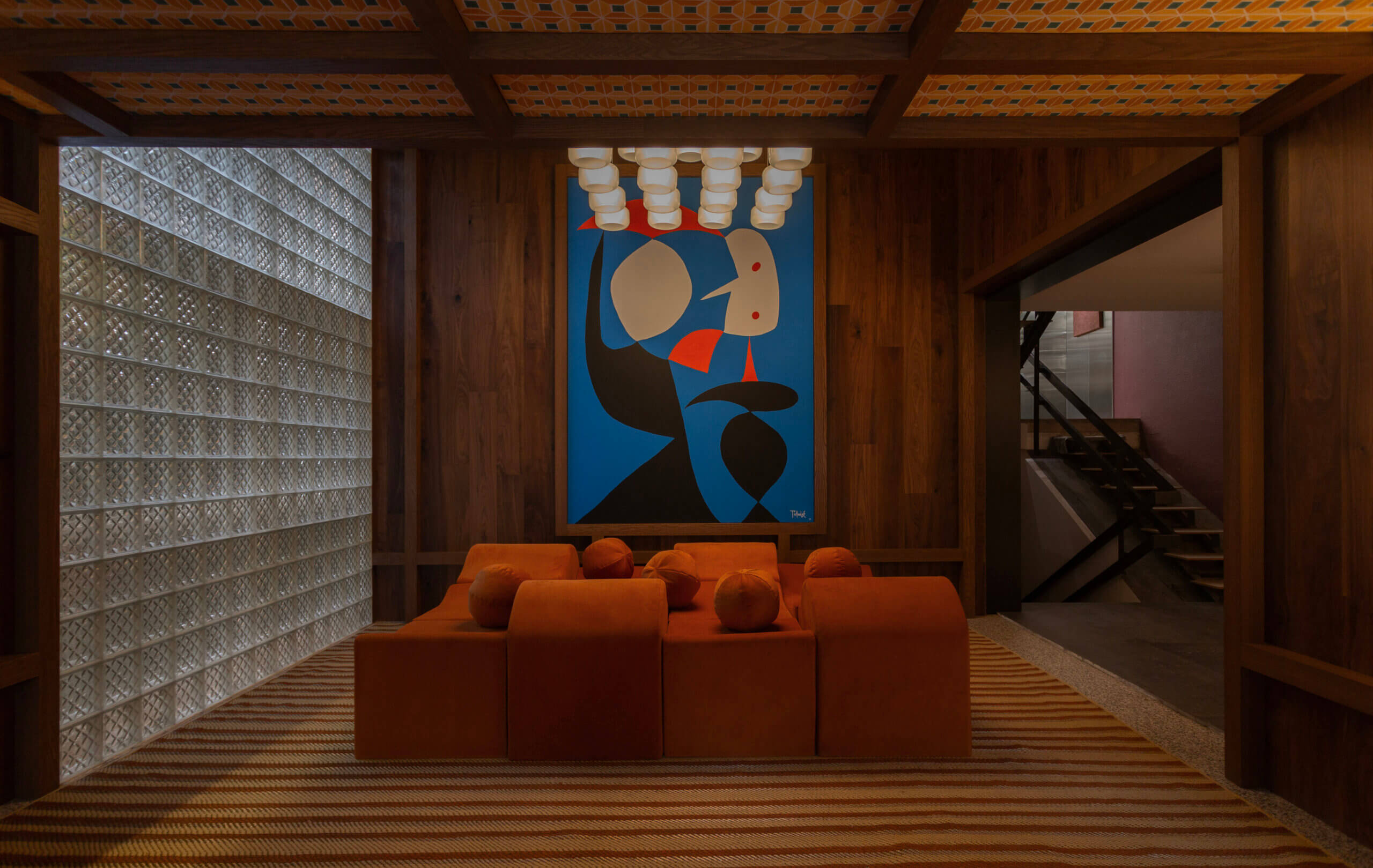
That exchange continues in 2026, when Design Week Mexico returns for its 18th edition. Held each October in Mexico City, the event brings together its signature programming, including Inédito, Design House and the MXTC platform that has done so much to carry Mexican design onto the world stage. Expect a fresh showcase of emerging talent, craftsmanship and cross-border collaboration, the same ingredients that made this partnership matter in the first place.