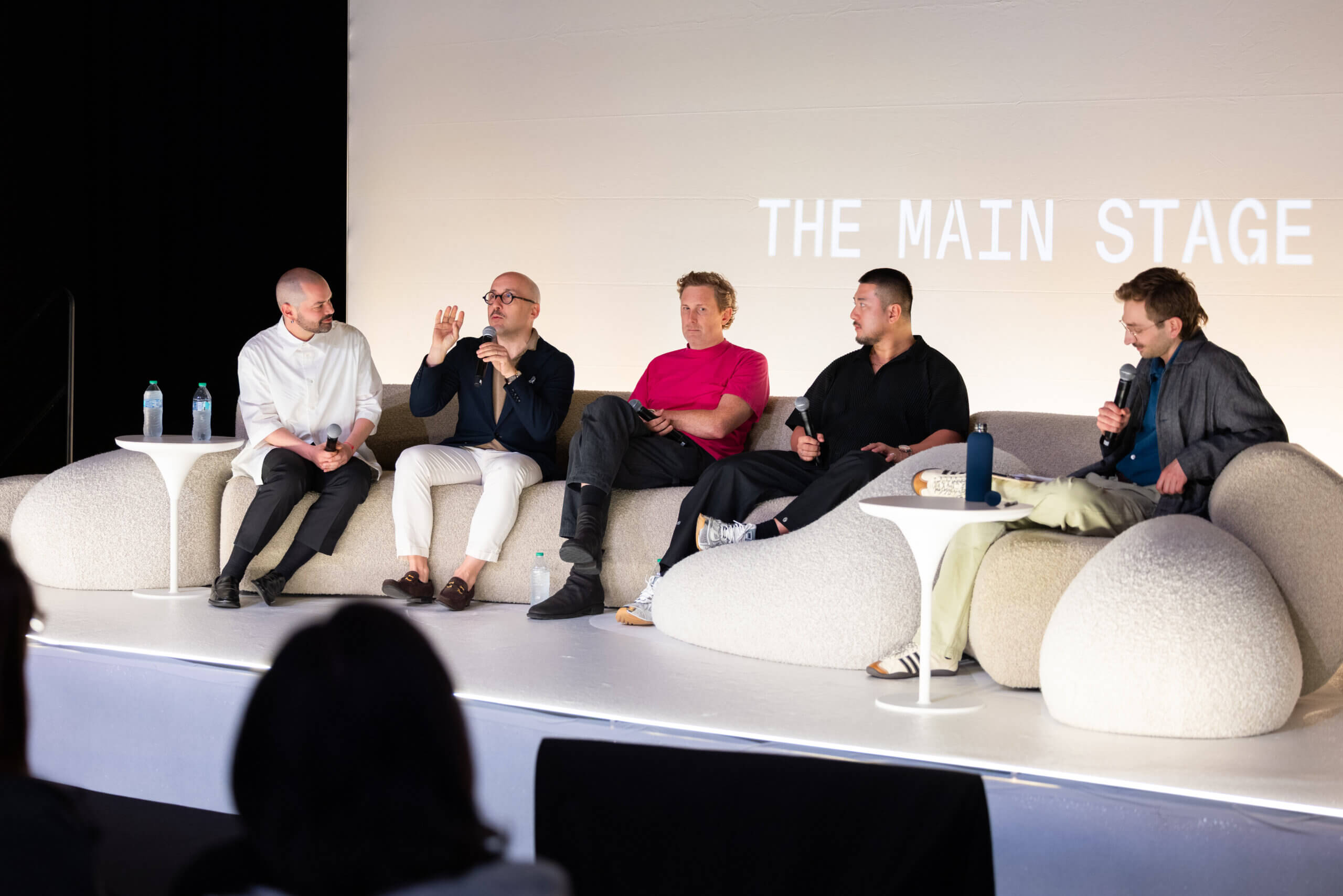
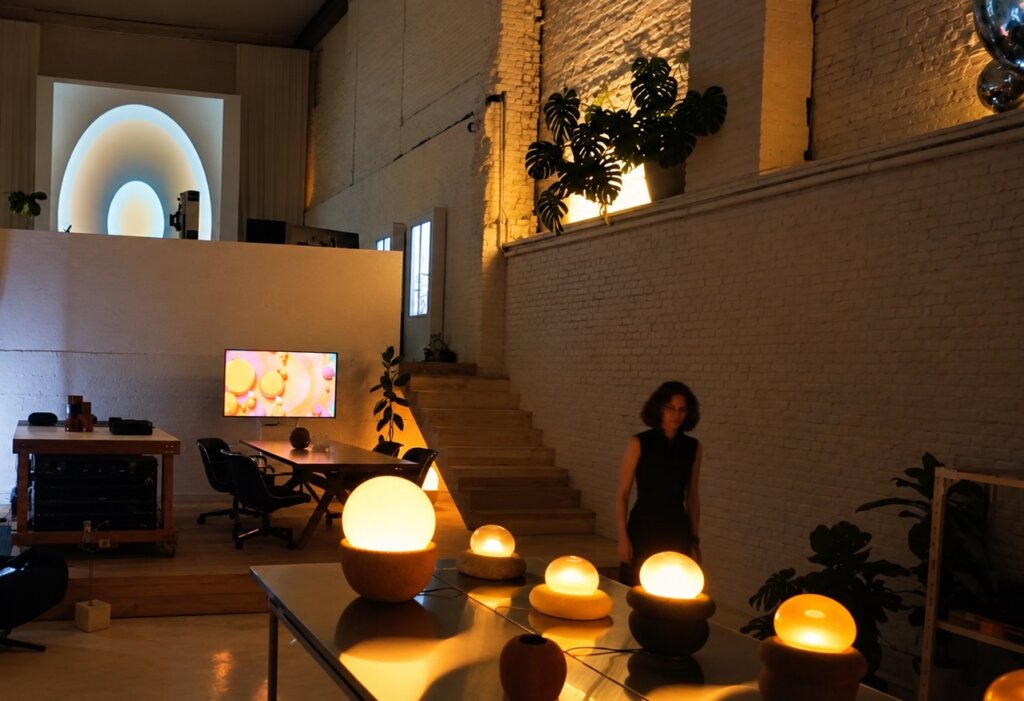
At ICFF 2026, on a stage designed by one of the panelists himself, four design leaders gathered to confront a question that shadows the entire industry: what happens to original design when knockoffs grow more convincing by the day? Presented in partnership with Be Original Americas and moderated by Eric Mutrie, executive editor at Azure Magazine, the conversation traced the value of authentic design and the work being done to protect it.
Mutrie framed the stakes early. Design is the outcome of a long creative process, one built on research, sketching, prototyping and countless hours in the studio. “This industry has a way of taking someone’s great idea and knocking it off,” he noted, “often at a lower cost, but also at a tiny fraction of the original quality.”
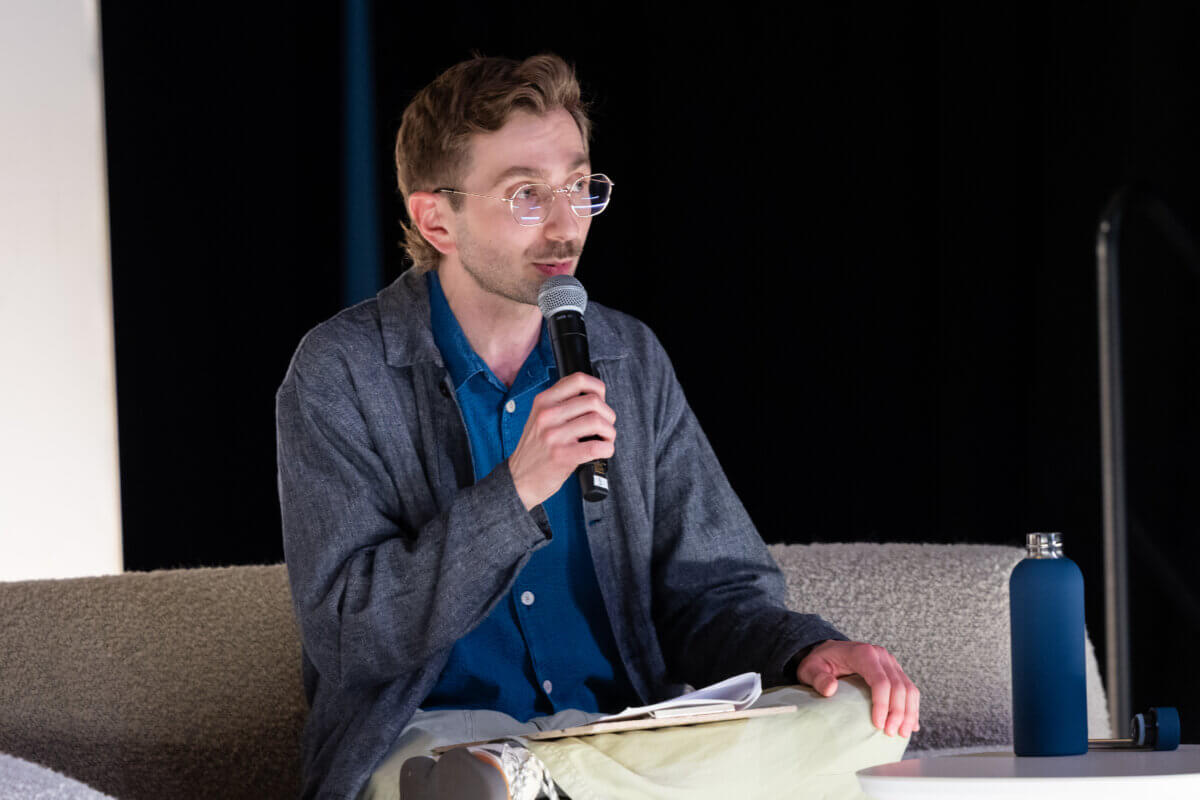
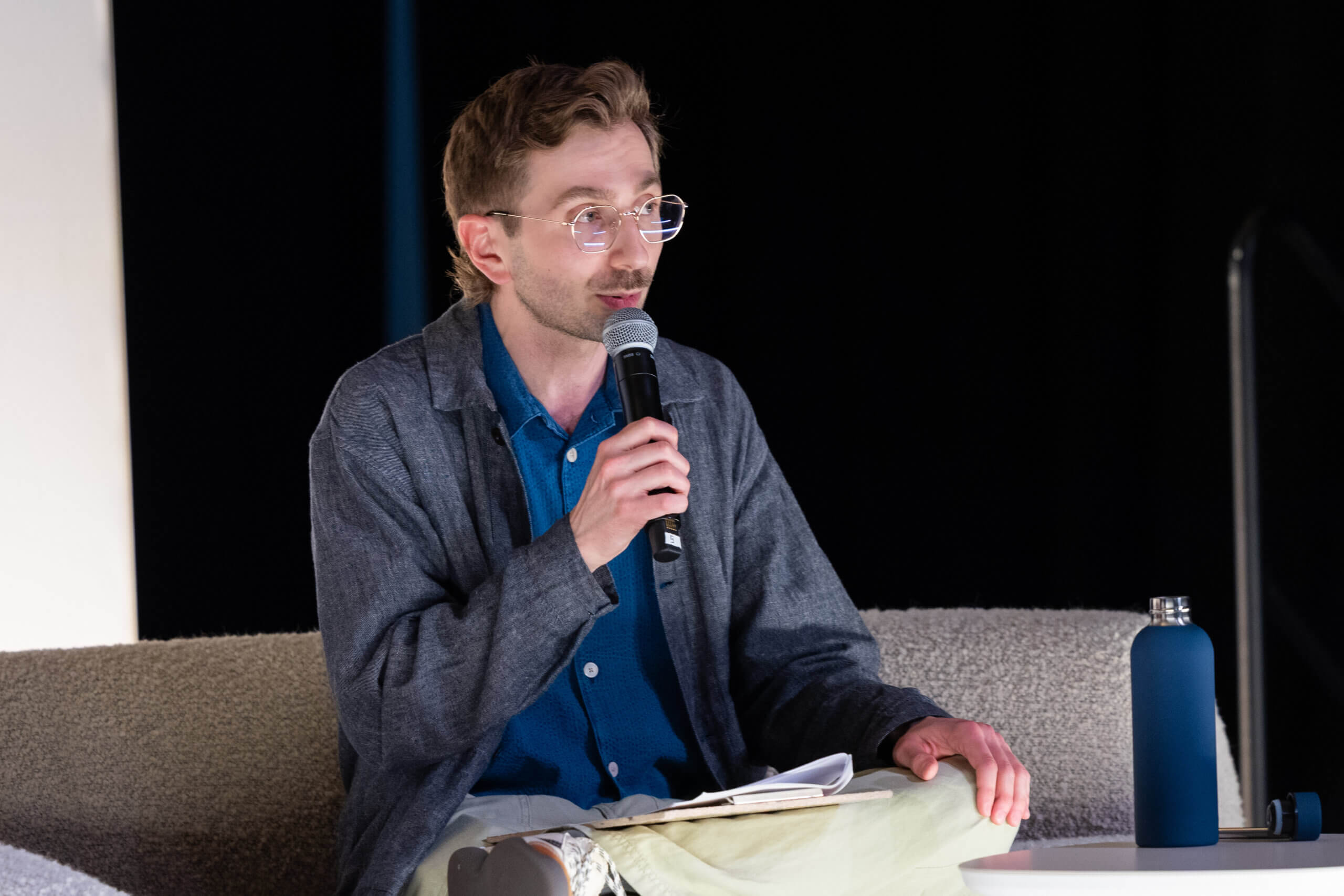
Eric Mutrie speaking (Image courtesy of Jenna Bascom Photography)
The panelists agreed the threat is real, but they refused to treat it as a losing battle. For Ian Yang, founder and CEO of the lighting company Gantri, the answer lies in economics rather than enforcement. “You can’t defeat dupes. You just can’t,” Yang said. “But what you can do is you can incentivize innovation so dupes are no longer something we care about.”
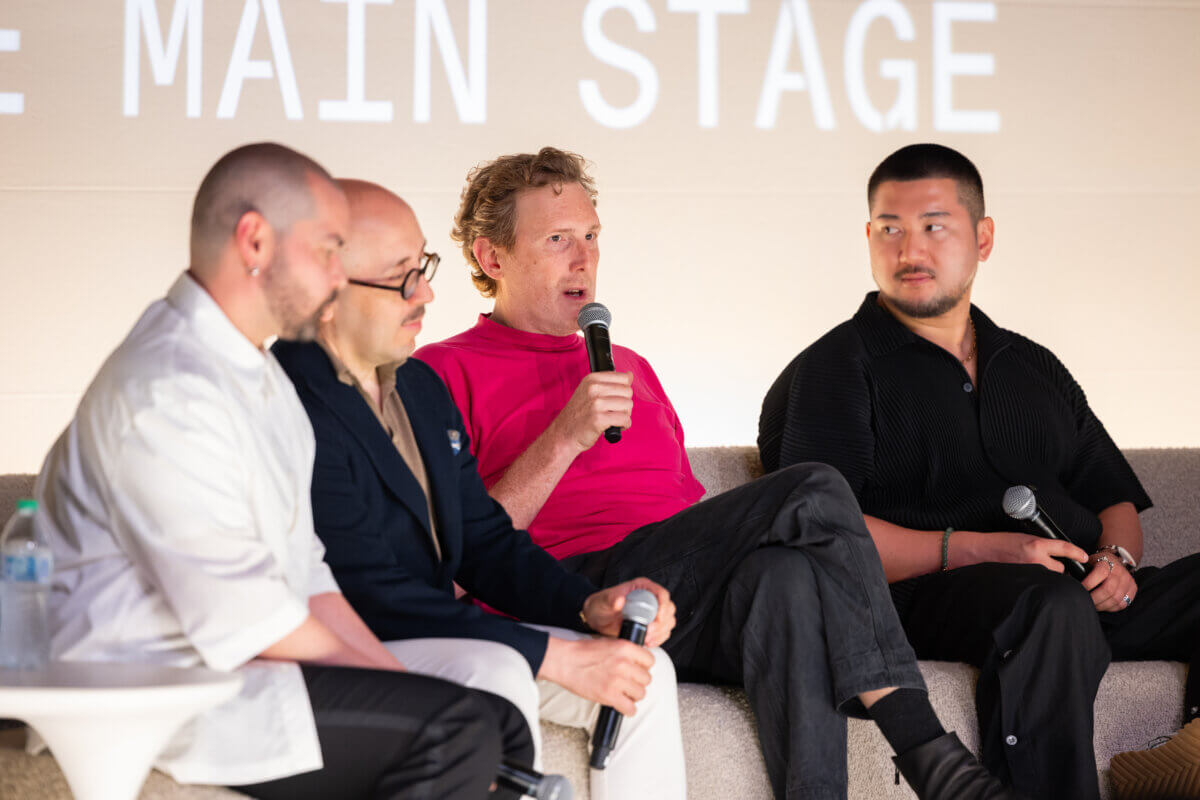
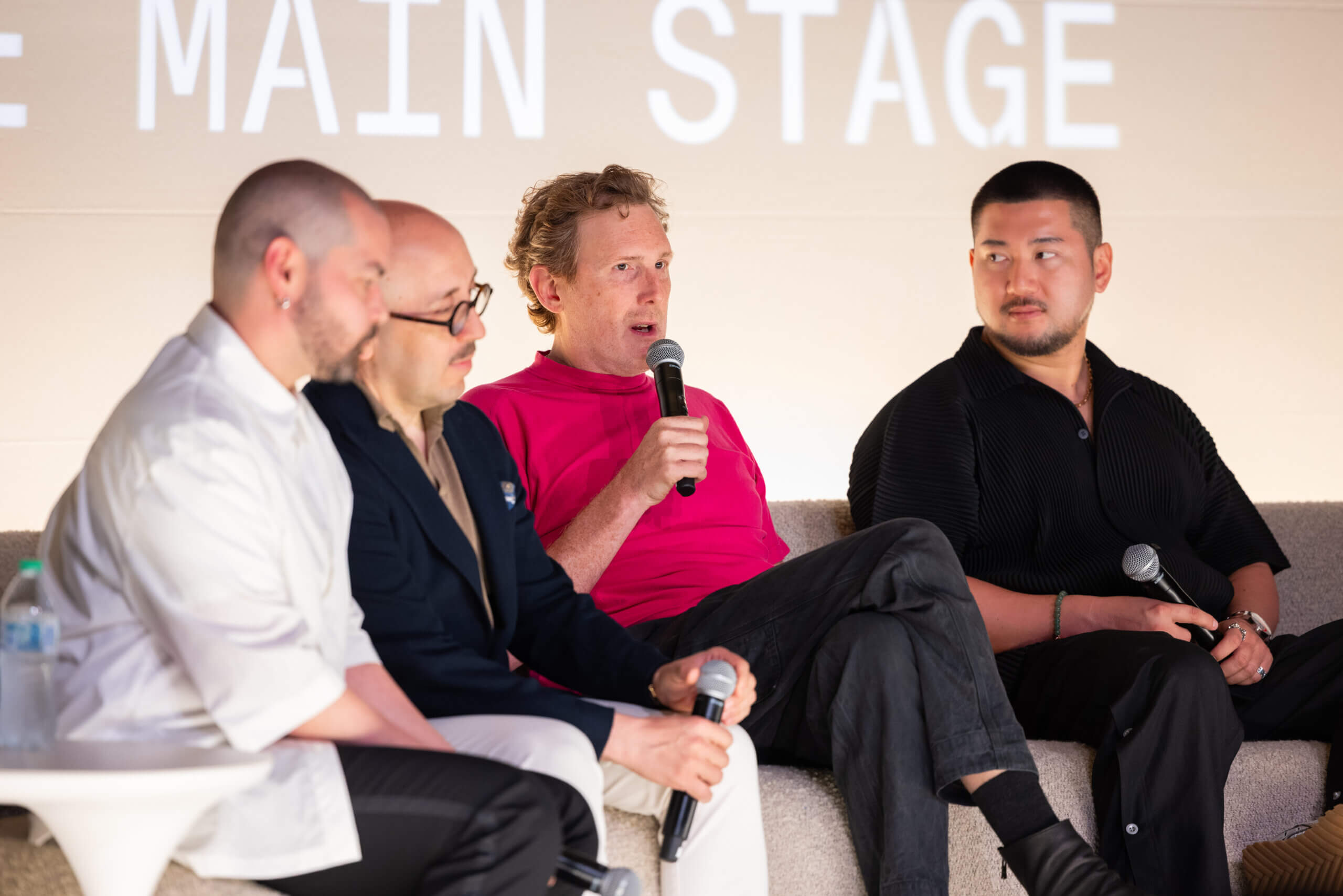
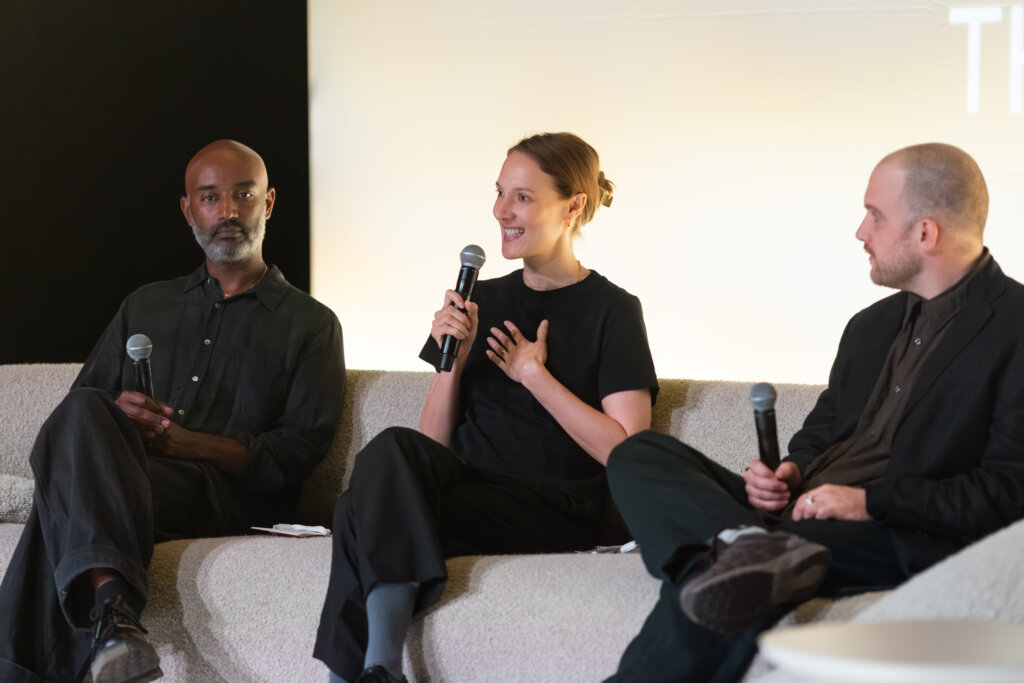
Rodolfo Agrella, Stefano Giussani, Jon Thorson, and Ian Yang (Image courtesy of Jenna Bascom Photography)
That spirit ran through every seat on the stage. John Thorson of USM described how true originality lives in a system, not a single silhouette. Copies might replicate a basic two-by-two unit, but they can’t reproduce the modularity, engineering and craftsmanship that let a piece from the 1960s connect seamlessly with new components today. Stefano Giussani of Lissoni Architecture New York located originality in concept and DNA, recalling the Fritz Hansen Egg Chair he saved for as a student. “When you’re in front of an original design, you feel it, and you touch it,” he said. “There’s a secret formula.”
Rodolfo Agrella, ICFF’s art director and founder of RADS Group, pointed to constraint as the engine of invention, arguing that restriction sharpens a design until it becomes genuinely singular. Together, the panel showed how leaders devalue dupes not by fighting imitators head-on but by deepening quality, storytelling and emotional resonance until the original becomes the only version worth wanting.
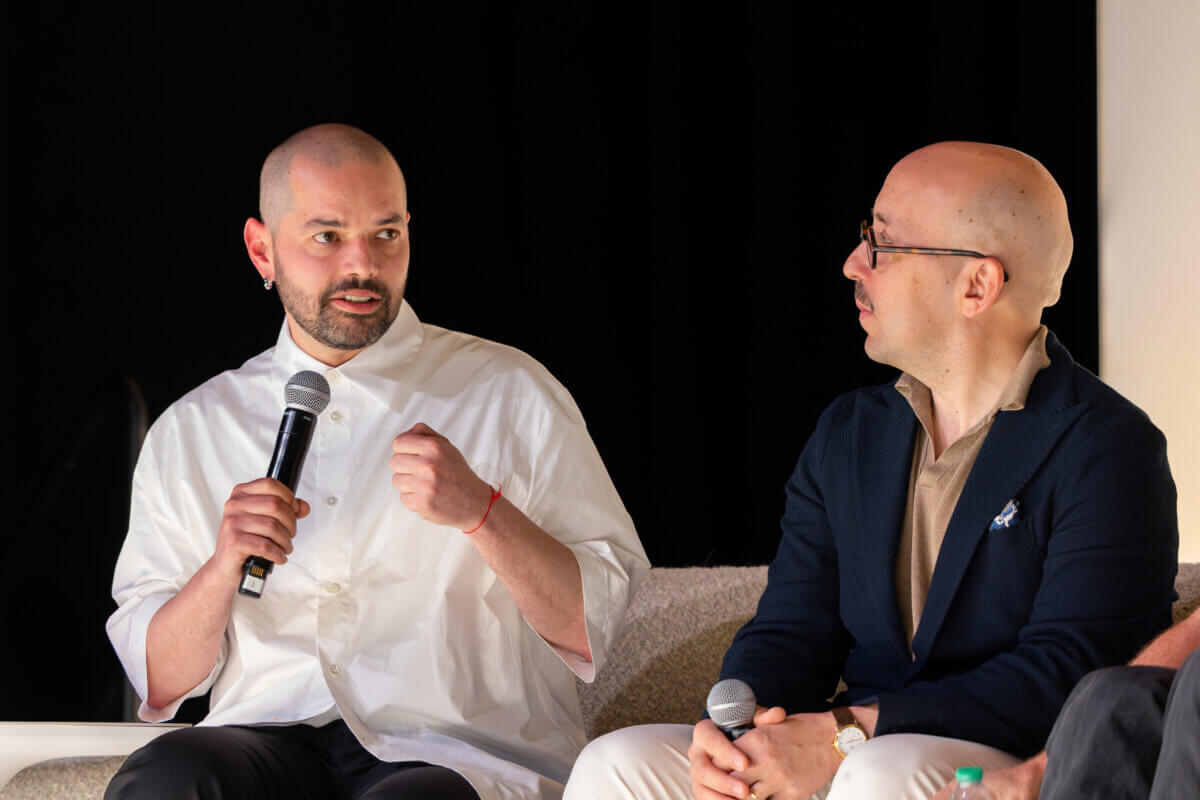
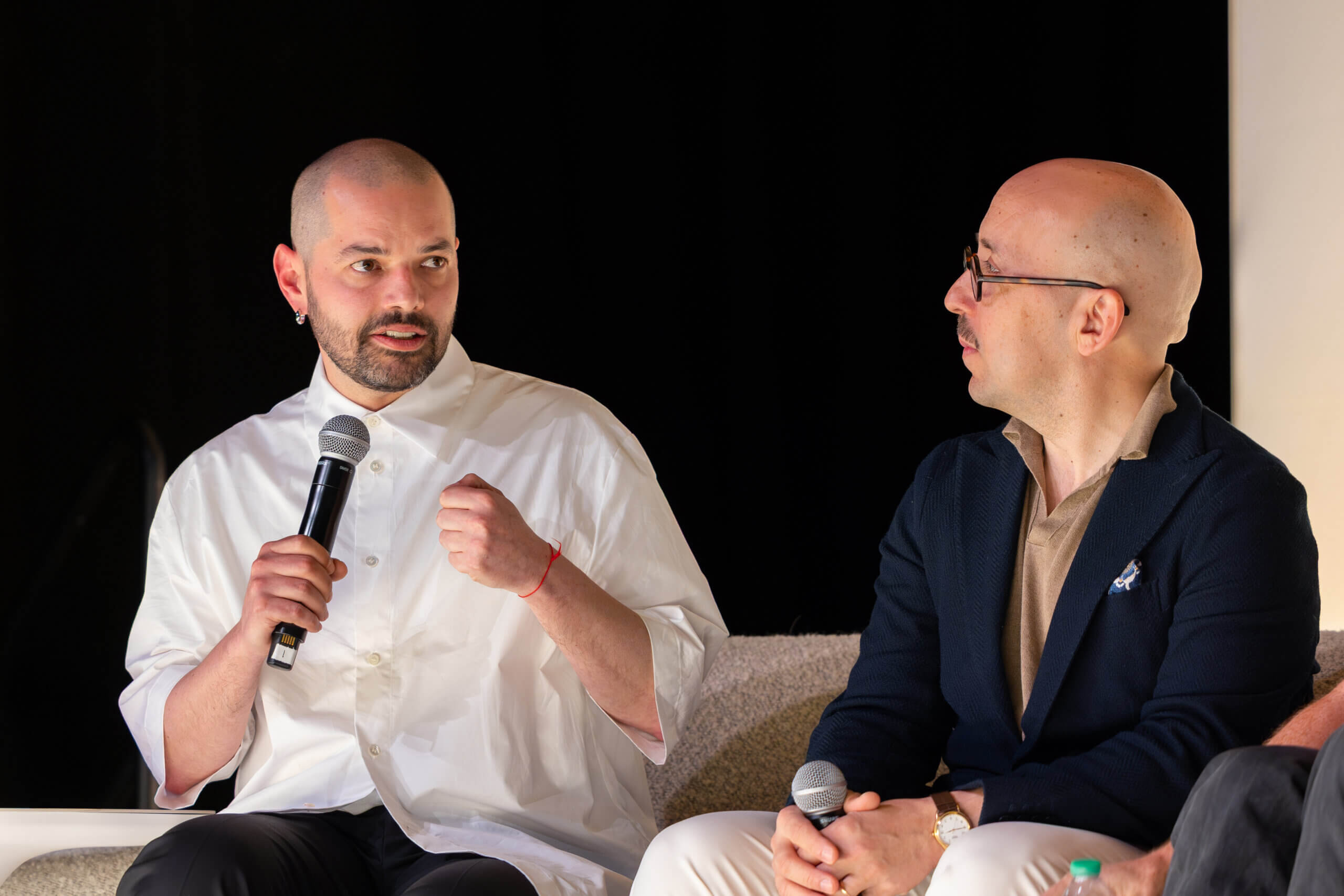
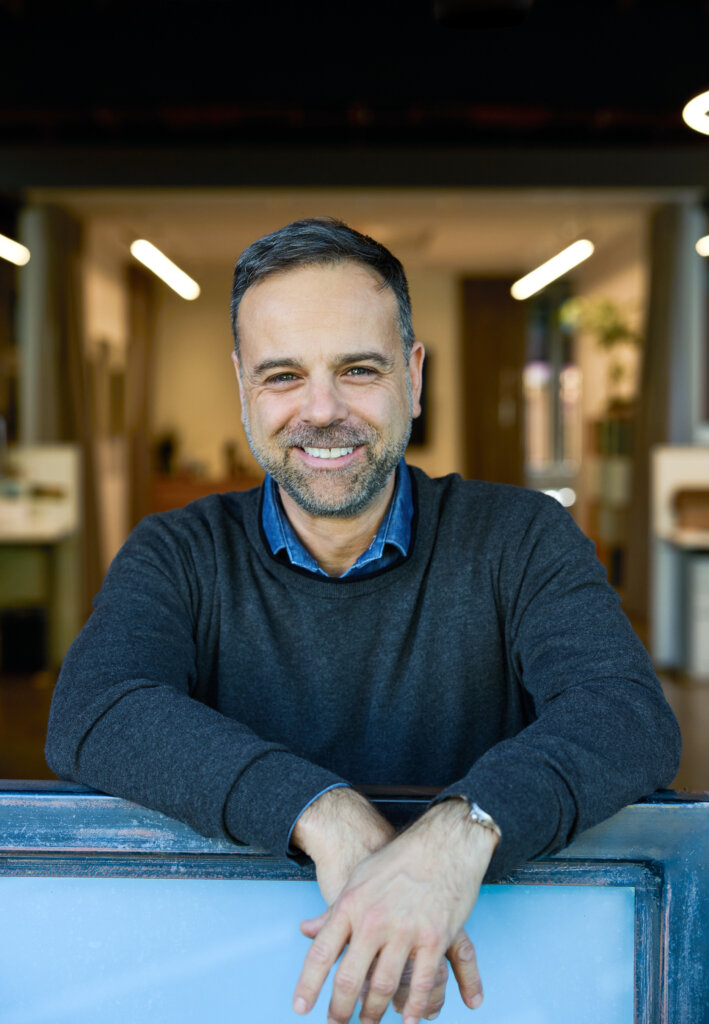
Rodolfo Agrella speaking (Image courtesy of Jenna Bascom Photography)
The takeaway for designers, architects and brands was clear. Originality isn’t just an ethical stance. It’s an advantage, and its future depends on the industry continuing to champion it. To hear the full conversation and explore the panelists’ insights in greater depth, listen to the complete session below.
Want to listen to other talks? SEE OUR 2026 REWIND PAGE >>>