
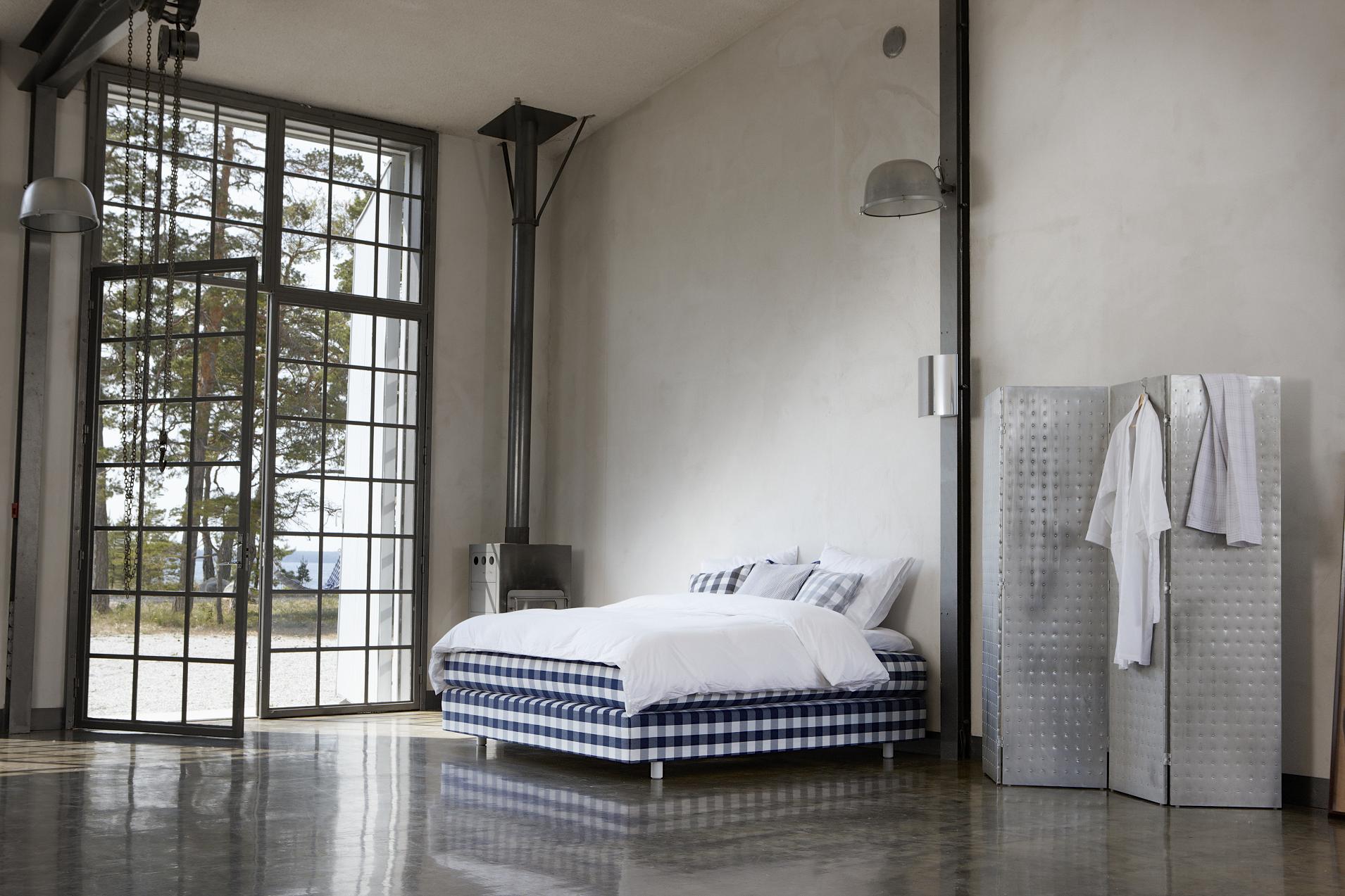
In the rapidly evolving landscape of contemporary design, where trends cycle with seasonal frequency, few names evoke a sense of permanence quite like Hästens. Founded in 1852 as a master saddlery in Köping, Sweden, the brand has spent over 170 years refining the art of rest, transforming the humble act of sleeping as an ongoing masterclass in material engineering and craftsmanship. Defined by its iconic, trademark Blue Check pattern, a Hästens mattress not only stands of time, it becomes an heirloom, valued as highly as a modern furniture classic.
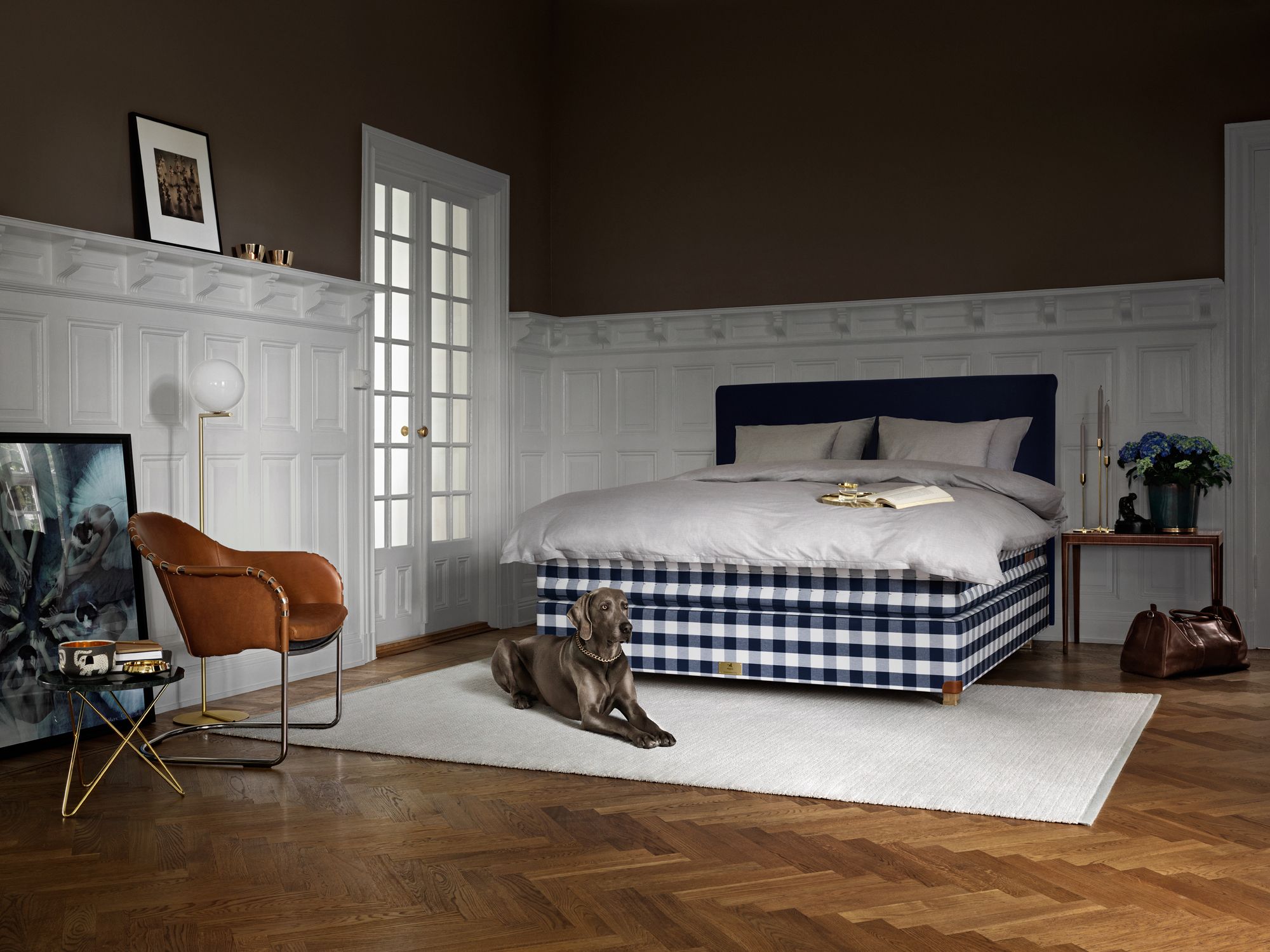
Image courtesy of Hästens
The Design Story: Natural Materials, Lasting Comfort
At the heart of the heritage brand’s know-how lies a commitment to natural materials that defy the synthetic shortcuts of modern industry. By utilizing a proprietary blend of curled horsehair, cotton, wool, and flax, Hästens creates a contained but perceptibly expansive sleeping environment that is naturally breathable and resilient. The horsehair, with its hollow structure, acts as a biological ventilator, removing moisture and regulating heat, while the surrounding layers provide the structural integrity that allow these beds to endure for decades.
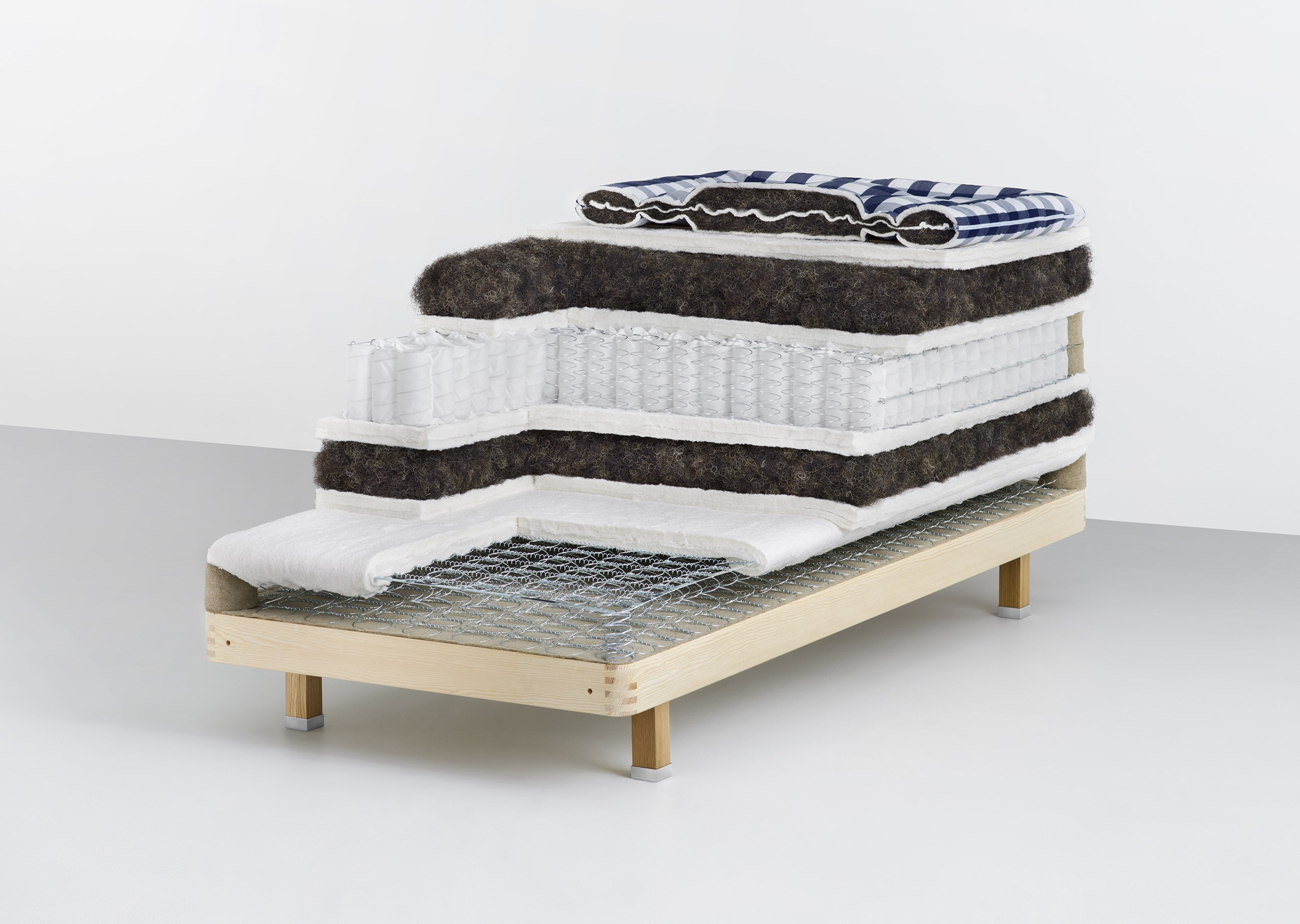
Mattress Cut Through (Image courtesy of Hästens)
For the modern consumer, accustomed to the disposable nature of fast furniture and even more expendable mattresses, a Hästens bed represents a radical shift in perspective. As the company aptly notes, they’re not competing with other brands; they’re competing with a client’s next meaningful investment—be it a car, a watch, or a significant piece of art. This perspective is vital to the brand’s stance on sustainability. By crafting objects meant to last a lifetime, Hästens promotes a model of consumption rooted in longevity rather than trend-chasing.
A Design Icon for the Modern Home
Visually, this excellence is punctuated by one of the design world’s most recognizable signatures: the Blue Check. Created in 1978 by Jack Ryde, the motif was born out of a desire for bold individuality. At a time when brown, green, and orange dominated interiors, the stark geometry of the blue-and-white grid was, at first, a provocation. Today, however, it serves as an enduring symbol of the brand’s uncompromising commitment to quality and confidence, acting as a visual anchor that bridges heritage with a modern, design-forward identity.
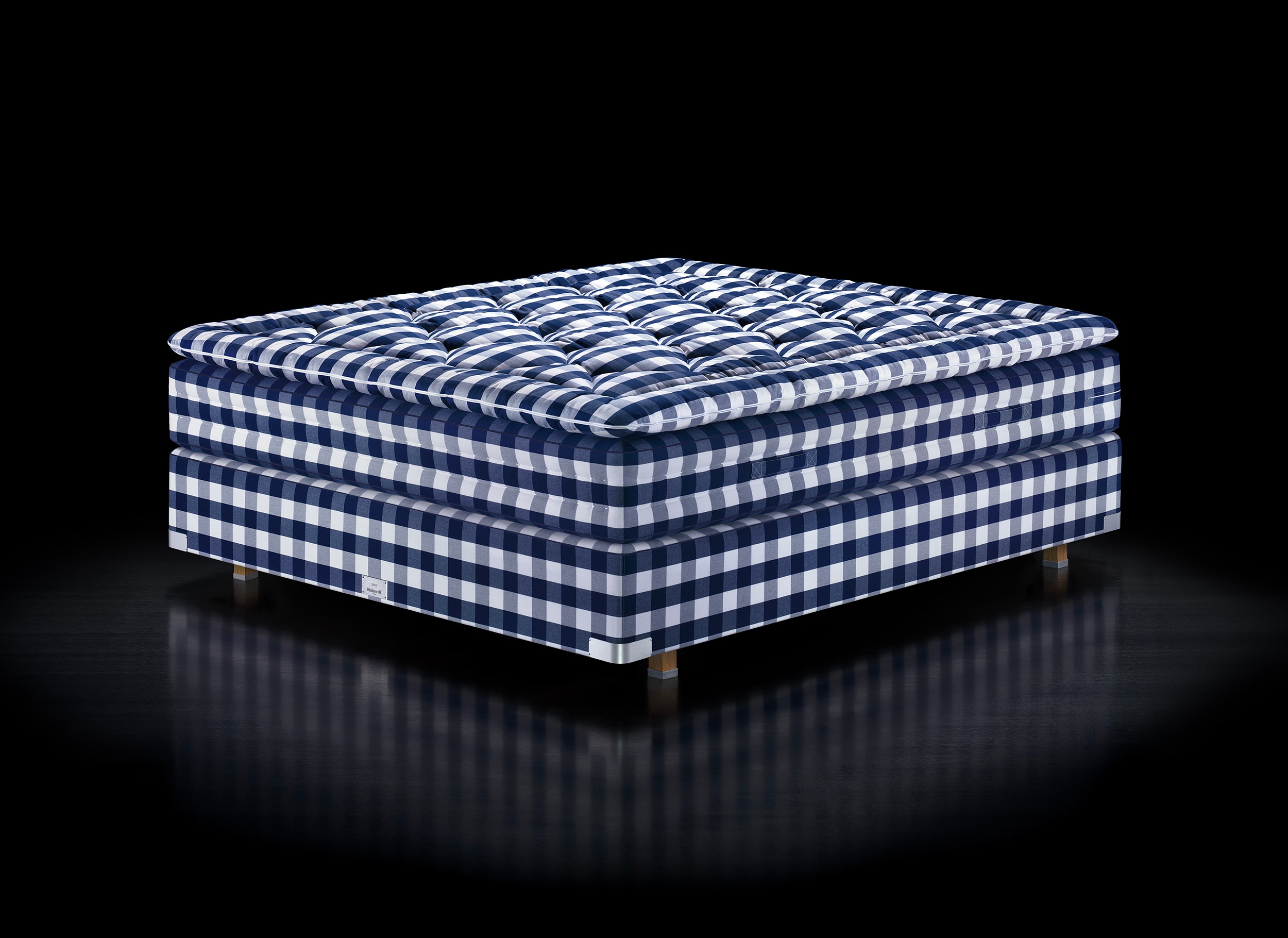
Mattress in Detail (Image courtesy of Hästens)
This approach extends to the brand’s retail strategy. The “Sleep Spa” concept, currently operational in major markets like New York and Los Angeles, departs from the traditional showroom. These environments are engineered to facilitate discovery, offering clients a private, calm space to slow down and physically experience the subtle nuances of tension and support. It’s a process that prioritizes the body’s specific needs, mirroring the “human-centered” ethos that defines today’s best design practices.
As Hästens looks toward the future, its philosophy aligns perfectly with the ethos of “Designing in Harmony”—a theme central to the current design conversation. Whether through its commitment to natural materials or its patronage of the arts via the Hästens Art Support Fund, the brand remains focused on how a well-designed home environment impacts the quality of our waking lives. For Hästens, legacy is not simply about preserving tradition; it’s about using that foundation to create something that elevates the human experience, one night or sleep cycle at a time.
Visit Hästens Sleep Spa >>>
Follow Hästens Sleep Spa on Instagram: @thesleepspa >>>