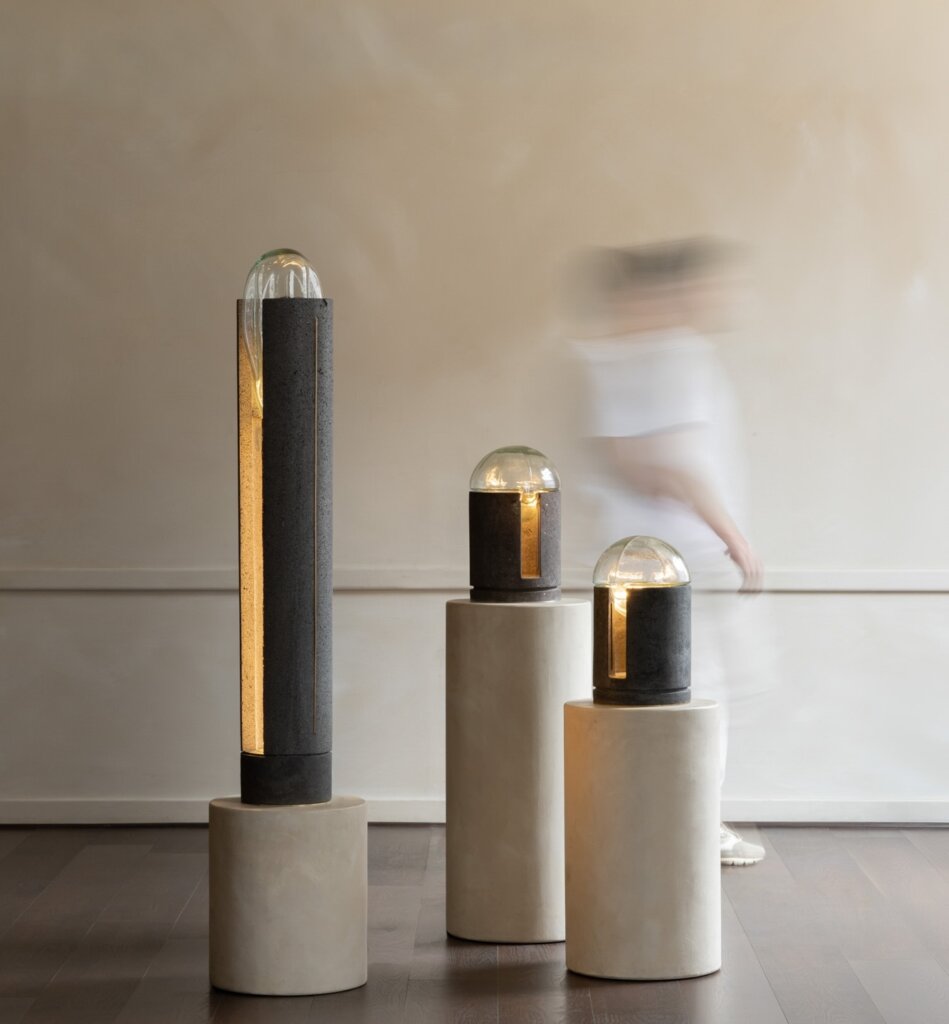
Born out of the post 2008 recession Brooklyn makers movement, New York-based lighting solutions brand Juniper has forged a market all its own. Balancing the stylistic qualities of high design with precise engineering, the boutique producer stands out with its systems thinking approach; solutions that transcend traditional typological categorization in order to transform space with illumination in any way possible. Unlike many of its contemporaries—practices and smaller brands that still focus on expressive decoration—the company champions a restraint approach.
Rendered in carefully sourced natural materials—kept straightforward but masterfully finished—Juniper fixtures (wall, ceiling, table) are especially agile architectural systems that carry the latest technological advancements but don’t allow them to overpower, becoming the star of the show. Its balancing act is continuously reassessed in order to serve the central mission of transforming interiors—regardless of if they’re civic, commercial, or private, for the better.
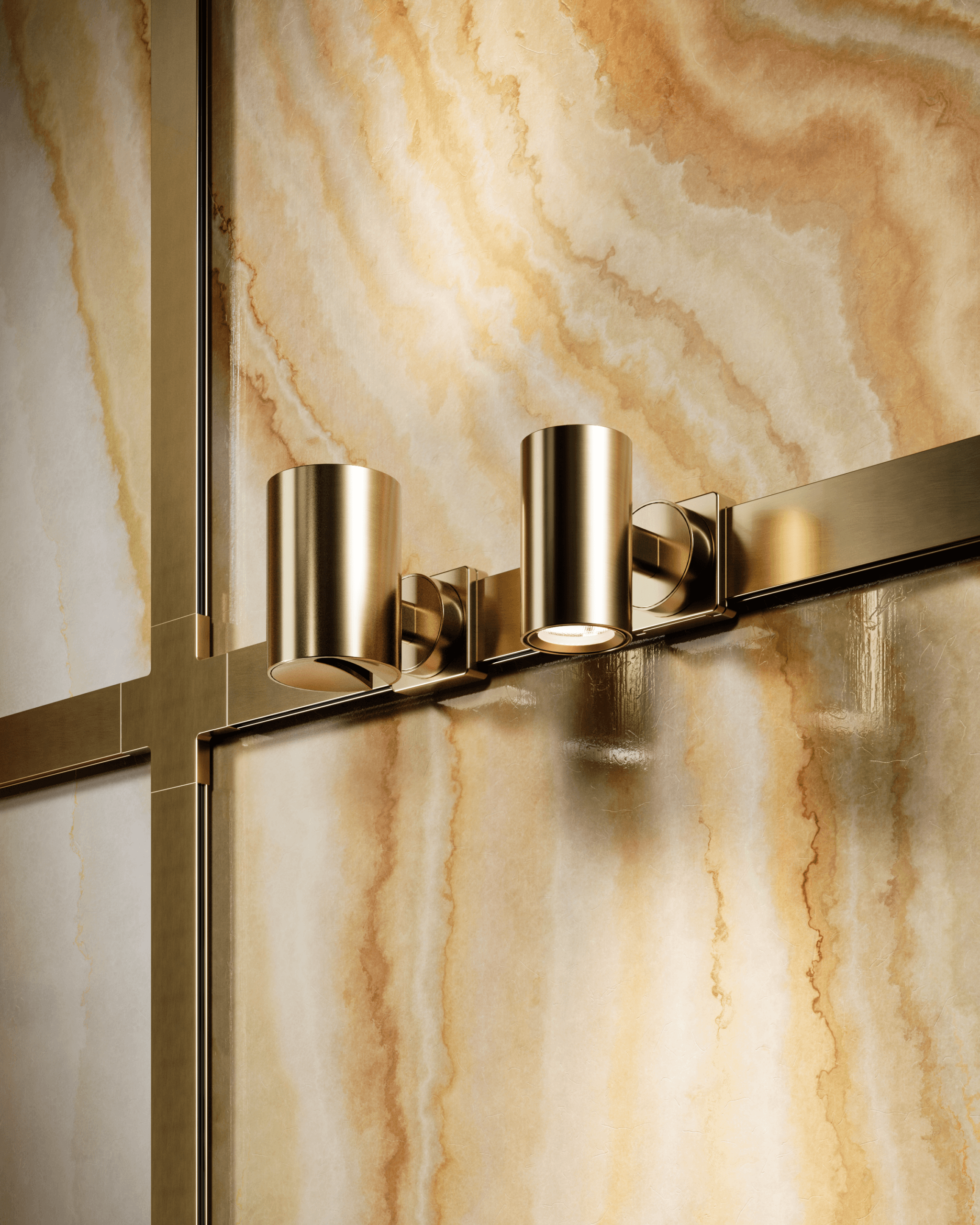
(Top image courtesy of Juniper)
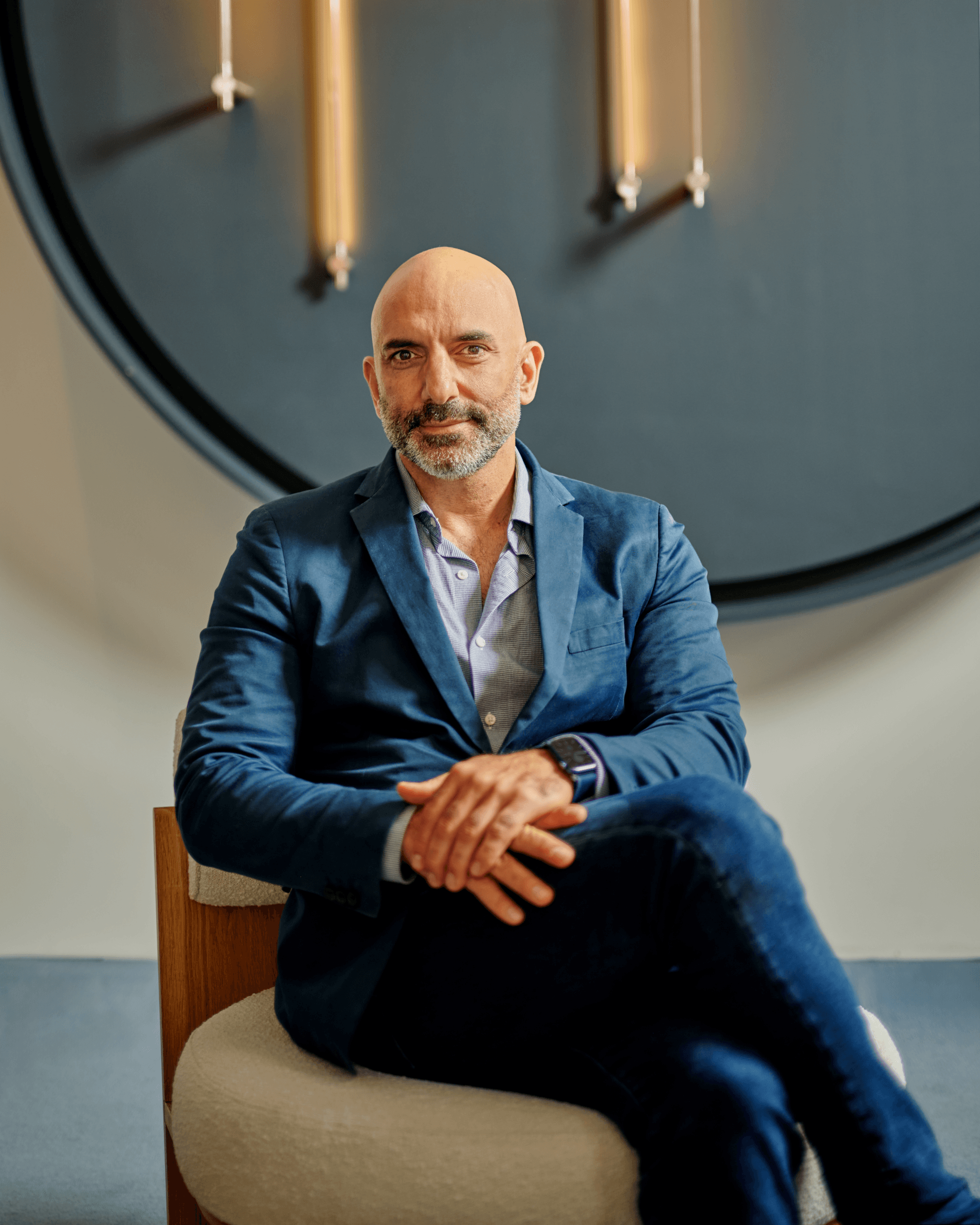
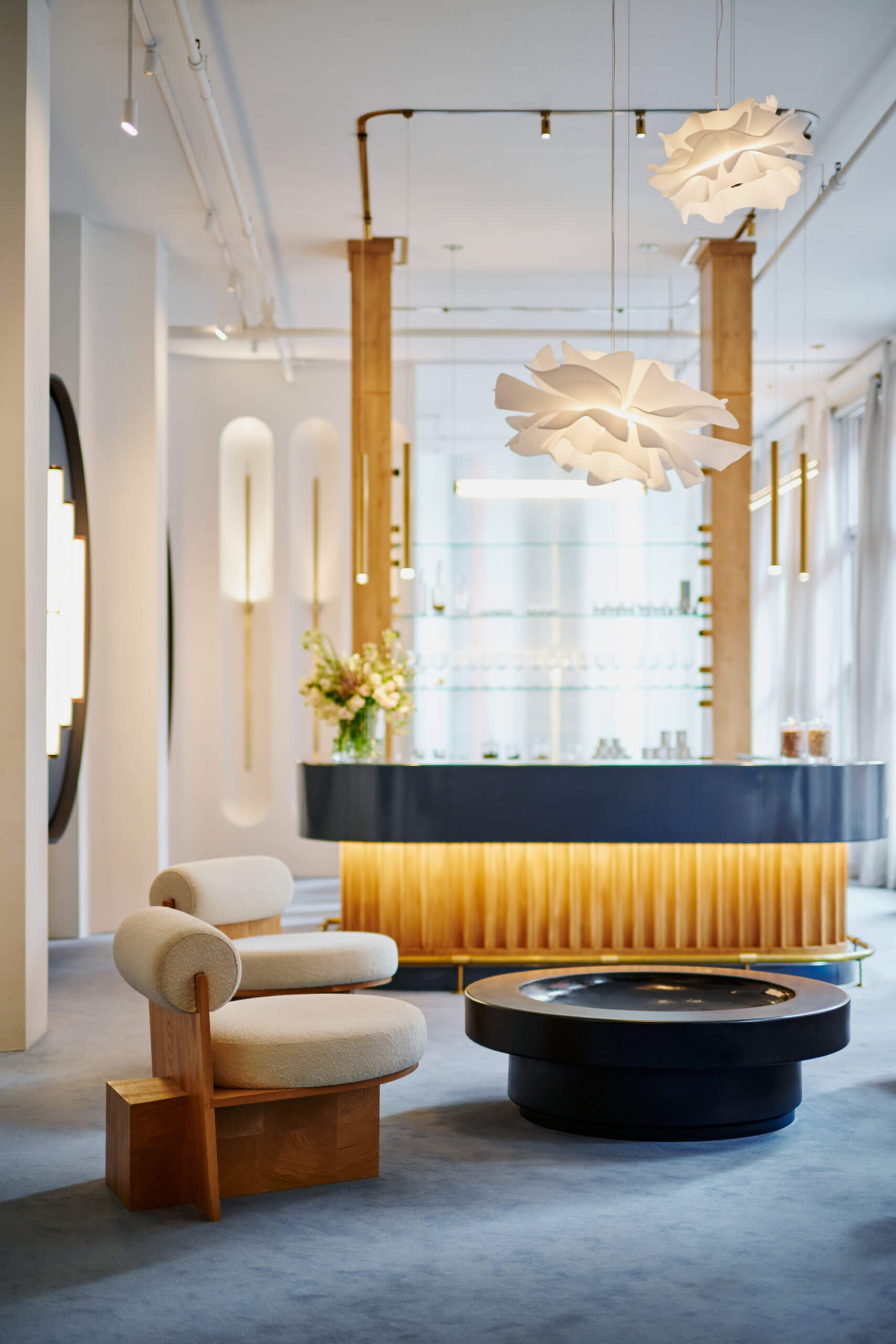
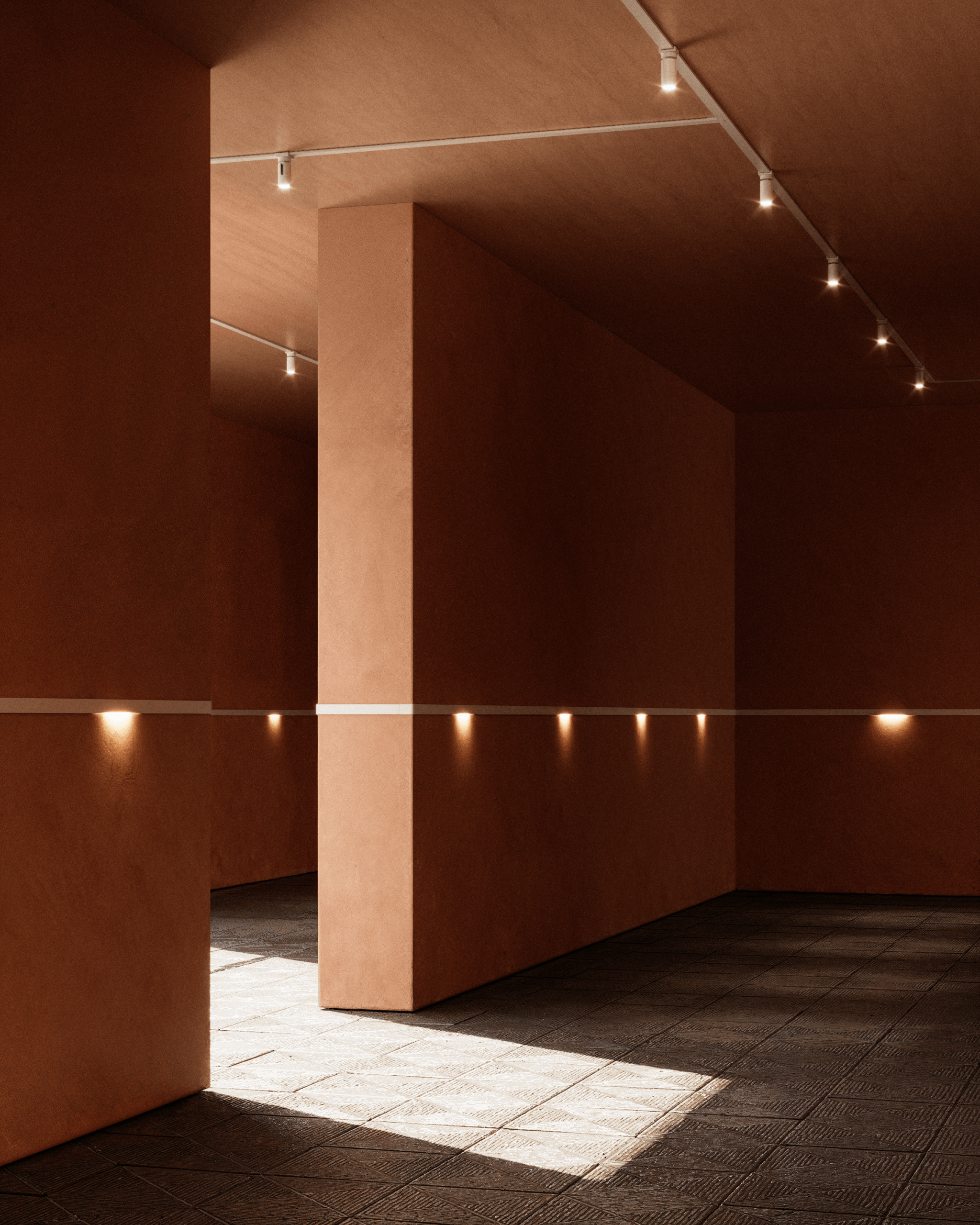
This thinking is fully demonstrated at Juniper’s SoHo, New York showroom; an immersive environment furnished with many of its innovative products, all produced in nearby Connecticut. Juniper founder Shant Madjarian and Vice President of Relationship Management Mel Saenz spoke to ICFF about how it all works, how they position the brand to stand in a sector of the design industry that can sometimes be flooded with too many similar options, the importance of its ongoing partnership with ICFF, and what’s coming next.
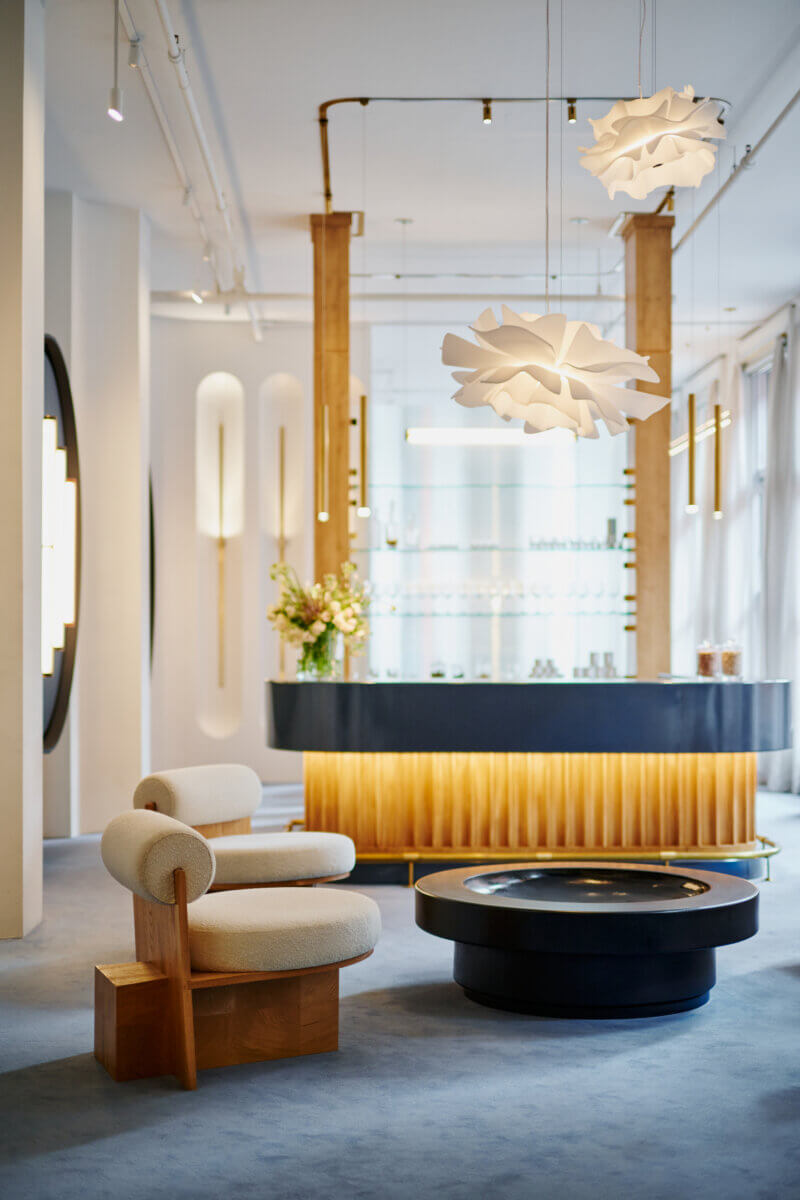
Showroom (Image courtesy of Juniper)
What’s the history of the brand? How was Juniper initially positioned to stand out in a sector that at times, can seem oversaturated?
Shant Madjarian: Juniper has been around for almost 15 years, but it wasn’t always positioned as a design-driven architectural lighting company. We started by designing honest contemporary objects for the mid-to-high-end residential market in the U.S. Our direction changed when one of our lighting concepts evolved into a complete architectural linear lighting system. That became the foundation for what Juniper is today. Over time, we developed a clear point of view. Customers now understand what Juniper does and what it stands for, and that’s a meaningful accomplishment in a category that is often treated as a commodity.
How has Juniper’s base mission, added value, product range, etc. evolved and expanded over time?
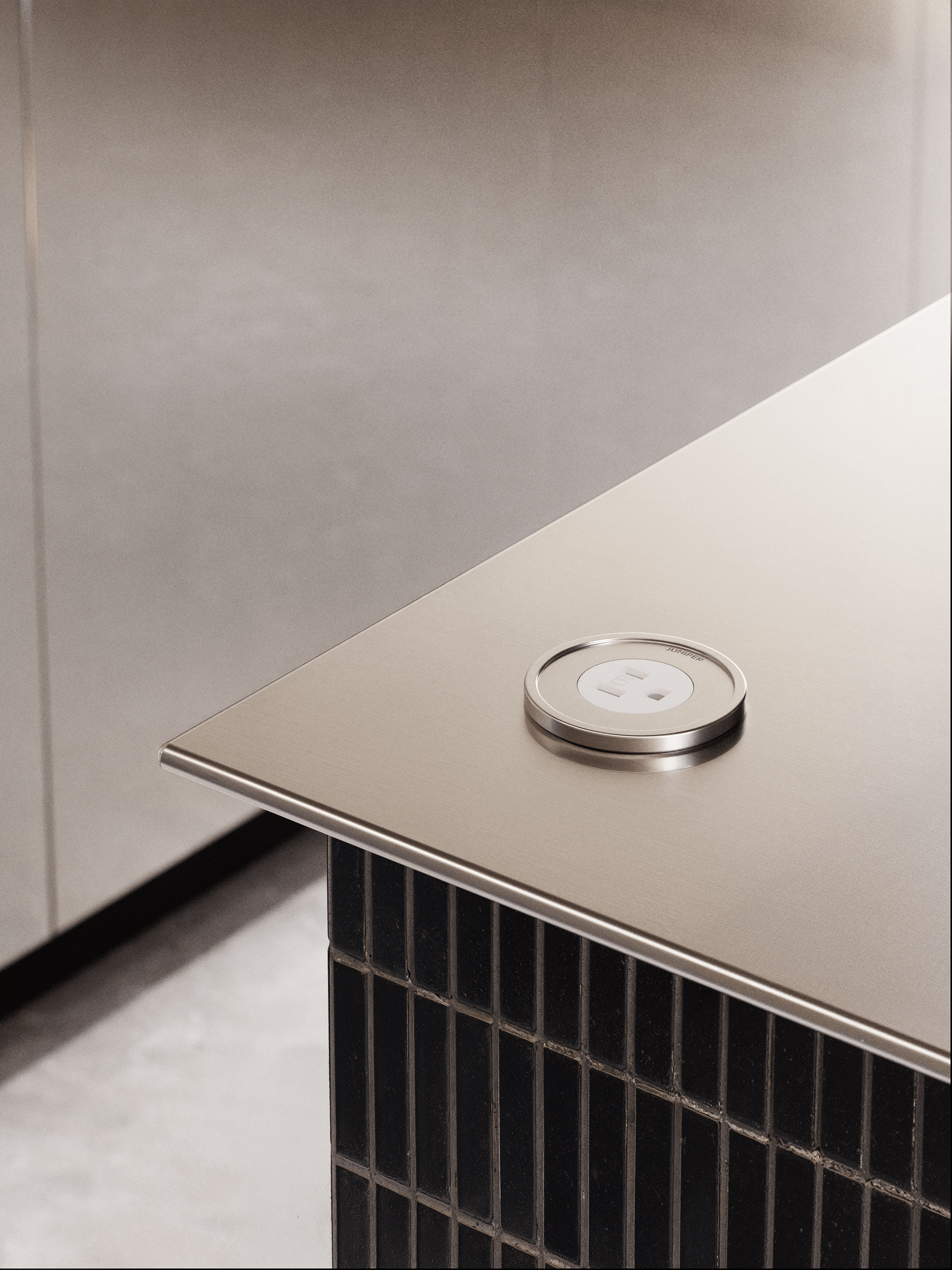
Shant Madjarian: Our mission has always been to help our clients create unique experiences in the built environment. It’s intentionally broad because we don’t think innovation should be limited by product category. That’s why we say Juniper lives in the periphery. Our role is to enhance a space rather than dominate it. We also don’t enter categories unless we believe we have something fundamental to contribute. Multiverse, for example, reimagines track lighting by removing the constraints of decades-old standards. Ground Control rethinks the ubiquitous wall receptacle, one of the last visible utilities that has largely escaped thoughtful design. We’re willing to challenge conventions when we believe doing so creates meaningful value.
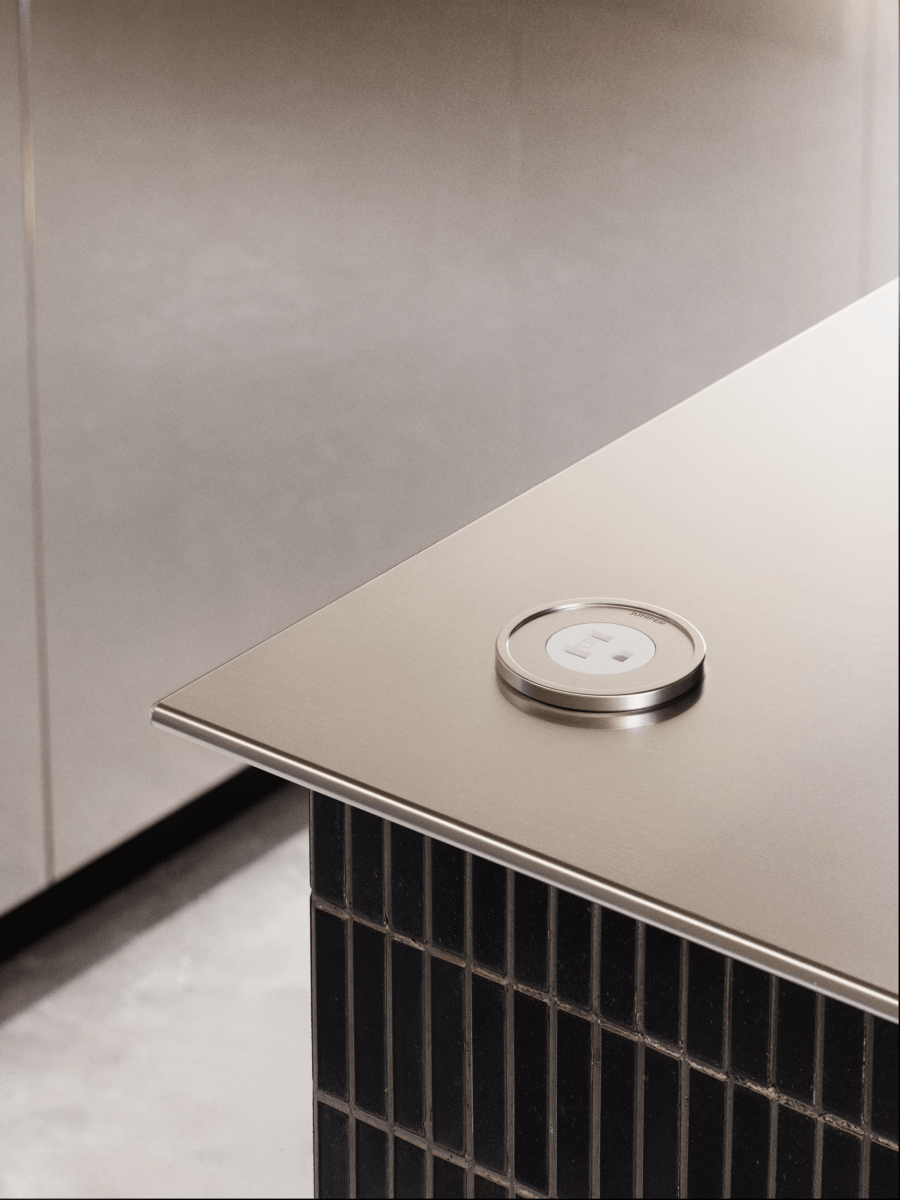
Ground Control Plug (Image courtesy of Juniper)
Talk more about the idea of architectural and decorative lighting being peripheral, not dominate in a space.
Shant Madjarian: Architectural lighting is peripheral by definition. When it’s done well, it almost disappears. When it’s done poorly, it becomes one of the most noticeable elements in the room. The trend today is to make lighting invisible wherever possible. We take a slightly different approach. Through reductive design, we minimize the visual footprint while making sure what remains has intention and longevity. Our hand-finished brass details and graphic system architecture contribute to the atmosphere without competing for attention. THIN is a good example. Its success comes from finding the balance between restraint and presence.
How do Juniper fixtures and solutions balance considerations of function and style?
Shant Madjarian: We think of every product as the intersection of purpose, aesthetics, and technology. Each informs the others. If the purpose is to illuminate, then the fixture should be only as large as it needs to be to accomplish that task. Technology can either introduce constraints or eliminate them, creating opportunities to rethink what’s possible. Aesthetics is the language that communicates the product’s purpose, its constraints, and ultimately its vision. The three have to work together. If one is missing, the product feels incomplete.
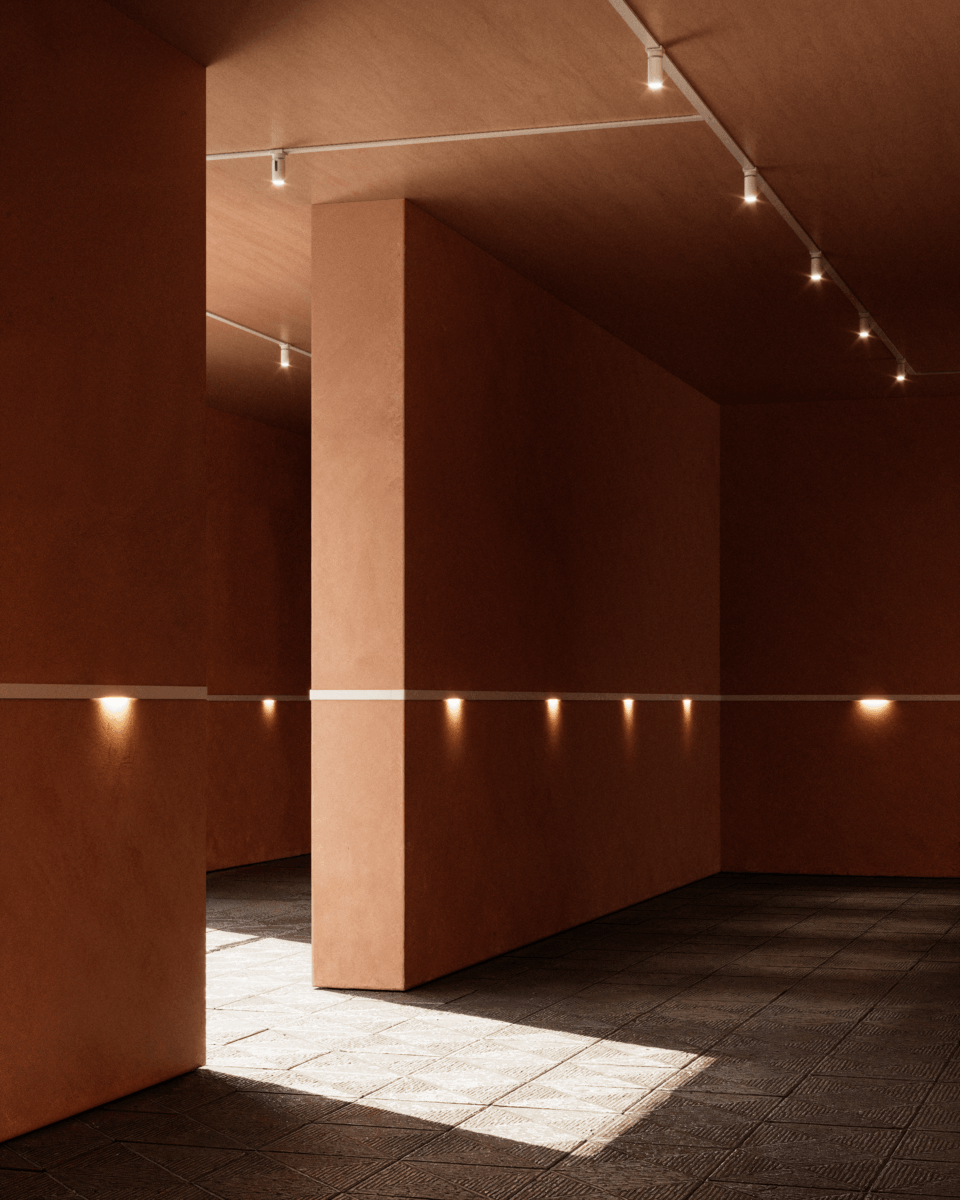
Multiverse System (Image courtesy of Juniper)
Why is it important for lighting to be felt more than seen? How has the attitude around—the demand—for this type of design object and system changed over time? How has Juniper responded in kind?
Mel Saenz: Lighting has always had an incredible influence on how we experience a space, even when we aren’t consciously aware of it. I think people are becoming much more attuned to that. Clients may not always be able to explain why a restaurant feels inviting or why an office feels inspiring, but lighting is often one of the biggest contributors. We’ve also seen the conversation shift over the last several years. Lighting is no longer something that’s specified at the end of a project. Architects, interior designers, and lighting designers are bringing it into the discussion much earlier because they recognize how much it shapes the overall experience. That’s where Juniper has found its place. We sit at the intersection of technical performance and thoughtful design, collaborating closely with the design community to create lighting that supports the architecture rather than competes with it. When lighting feels effortless, it’s usually because a great deal of intention went into making it that way.
What does it mean to produce, at least assemble, in the United States these days, especially when it comes to shortening lead times?
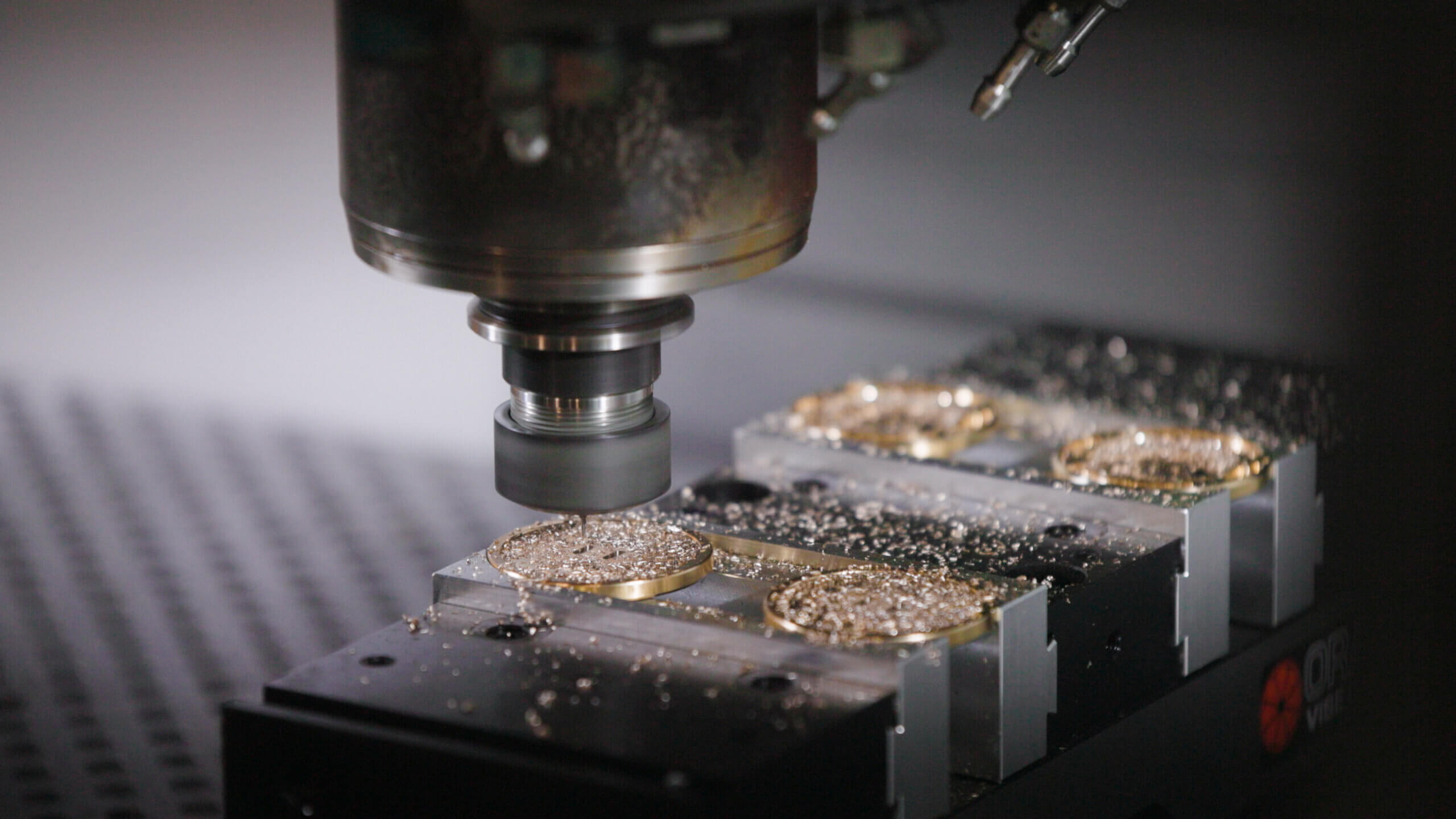
Shant Madjarian: We manufacture our fixtures in our 40,000 sq ft factory in Connecticut. We machine and fabricate roughly 80% of our mechanical components, operate our own polishing and finishing department, and assemble our circuit boards at our company-owned facility in Armenia to ensure quality. None of that would be possible without a global supply chain. The reality is that the U.S. manufacturing ecosystem still has significant gaps, particularly for advanced lighting products. What matters is controlling the parts of the process that define quality, flexibility, and speed. We source castings, electrical components, and extrusions both domestically and internationally, but we’re deliberate about what we make ourselves and what we purchase. That level of vertical integration allows us to produce customized products quickly, economically, and at virtually any scale.
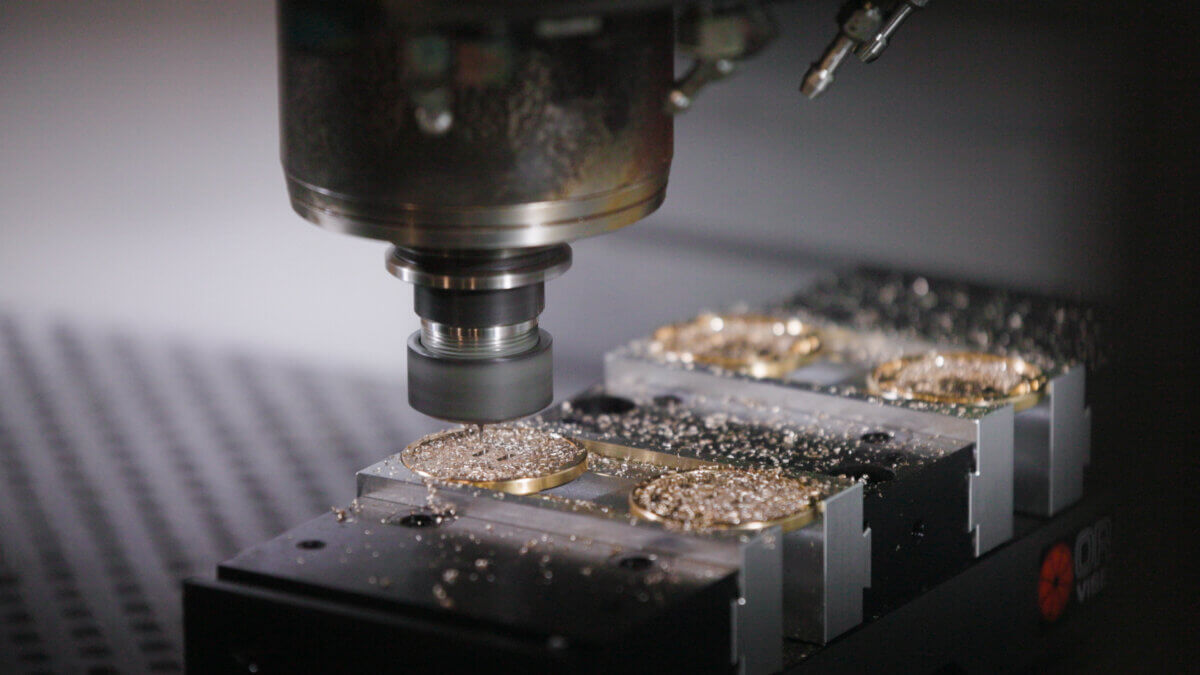
Juniper Light Factory (Image courtesy of Juniper)
How has ICFF remained an important partner and platform for both exchange and sales?
Mel Saenz: ICFF has been an important part of Juniper’s story from the beginning, but today its value goes far beyond introducing new products. It’s one of the few places where architects, interior designers, lighting designers, manufacturers, students, and media all come together to exchange ideas and build relationships. As our industry has become increasingly digital, those face-to-face interactions have become even more meaningful. Some of our best collaborations have started with conversations at the fair that had nothing to do with a specific project at the time. That’s something we’ve intentionally embraced. We see ICFF as an opportunity to contribute to the design community, whether that’s through educational programming, panel discussions, networking events, or simply creating a welcoming space where meaningful conversations can happen. Those relationships are what continue to drive our business long after the show is over.
What’s next for Juniper?
Shant Madjarian: The next two years will be exciting ones for Juniper. In October we will be moving into our expanded factory space, which doubles our production capacity. While, on the product side, we are filling gaps in our lighting collection, and we are weaving our entire offering into a single connected controls solution in our effort to provide a more complete and cohesive commercial and residential lighting experience.
Juniper’s Website >>>
Juniper’s Instagram >>>