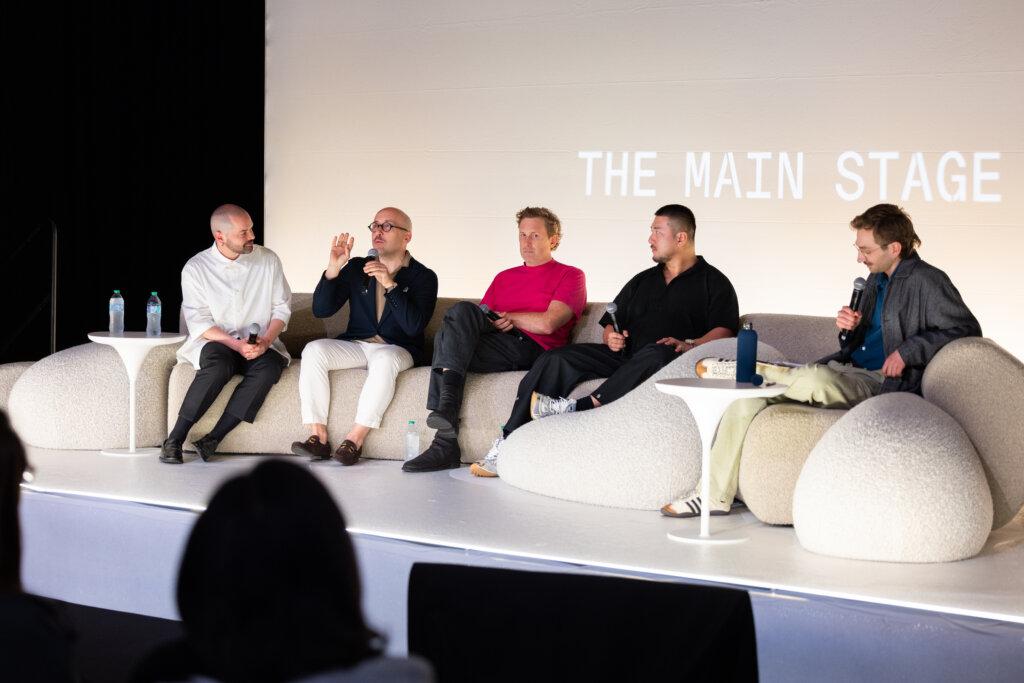
At ICFF 2026, sustainability emerged as a conversation that extended well beyond environmental responsibility. Across the fair, designers, manufacturers, and material innovators explored how products can be made healthier, more circular, and more enduring, reflecting a growing shift toward design that considers both planetary and human well-being.
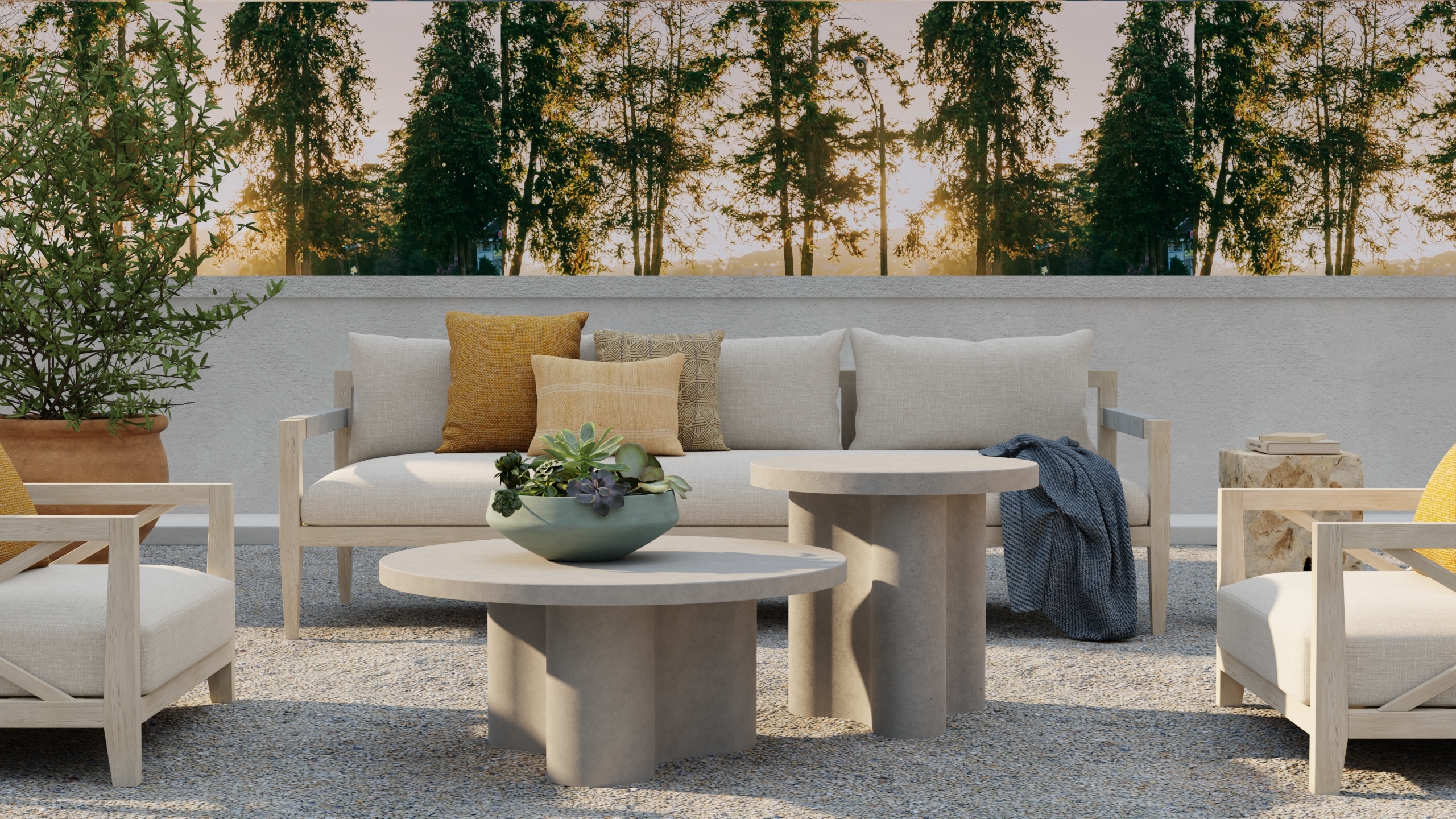
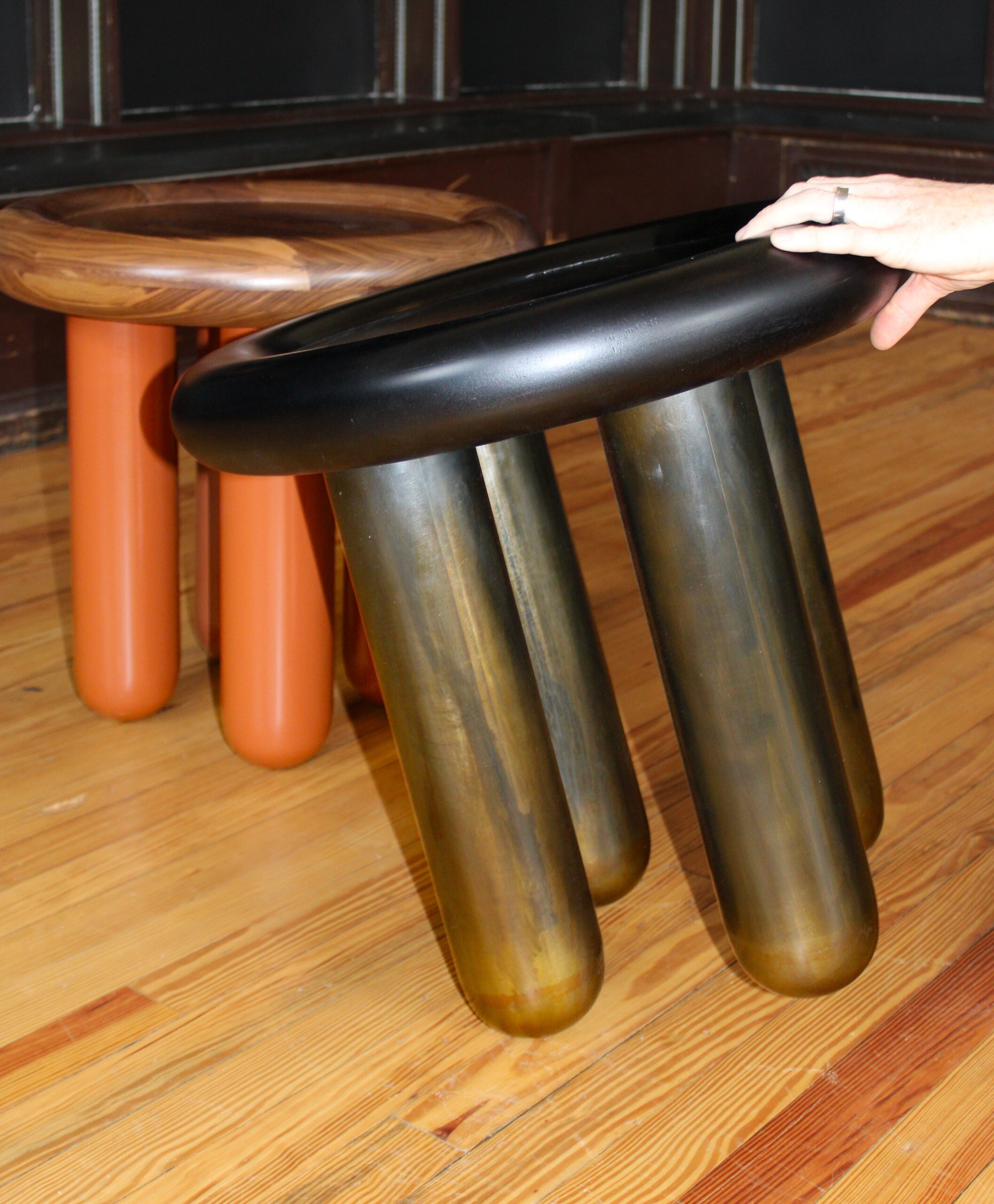
(Top Image courtesy of CICIL)
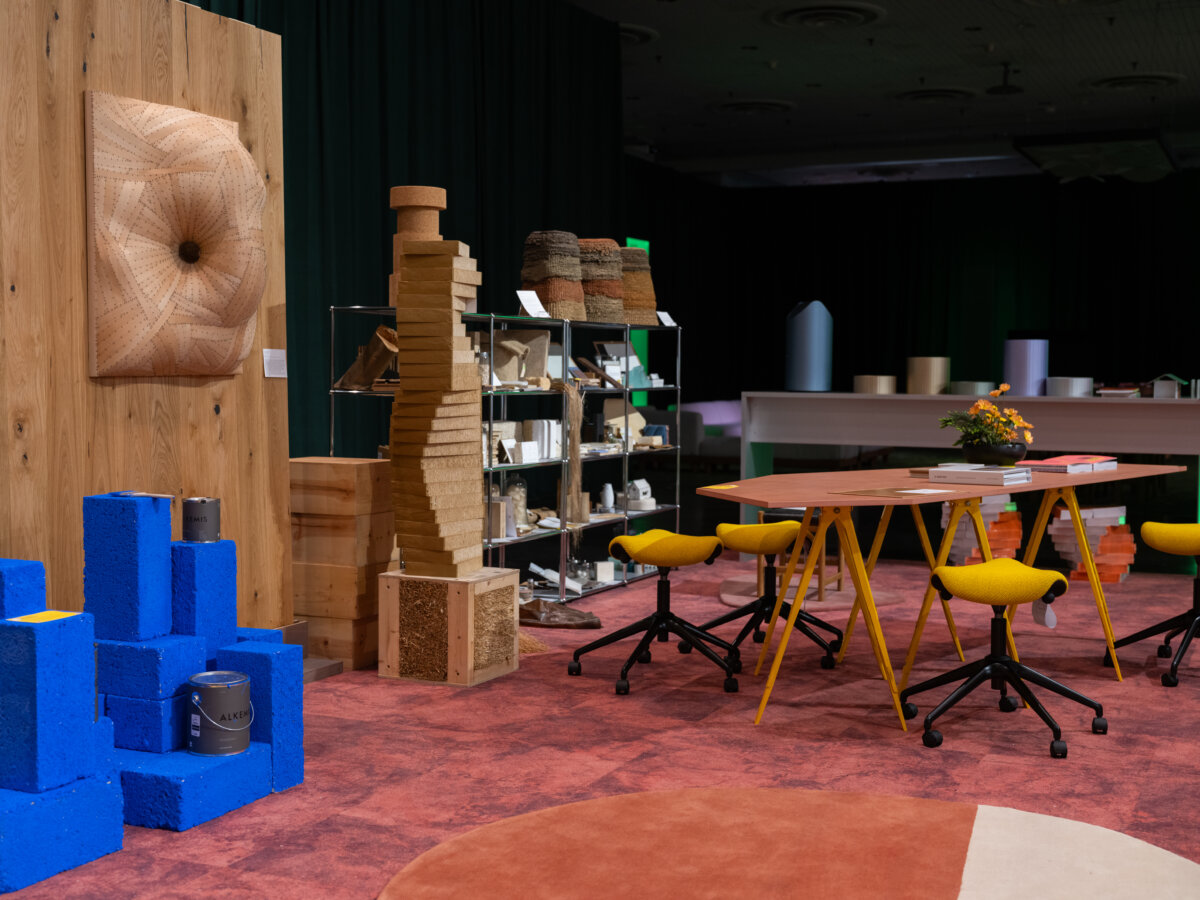
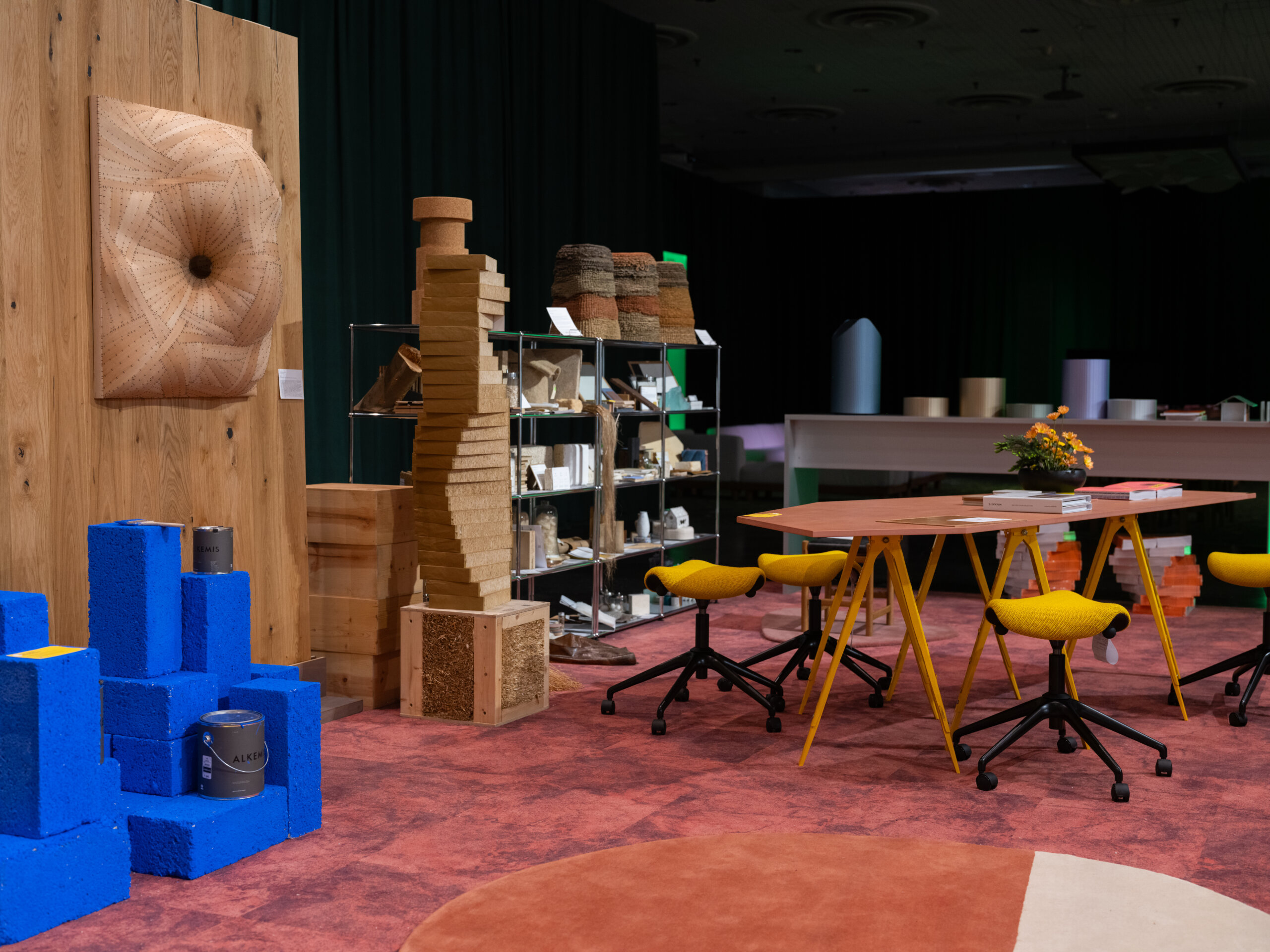
Healthy Materials Lab (Image courtesy of Jenna Bascom Photography)
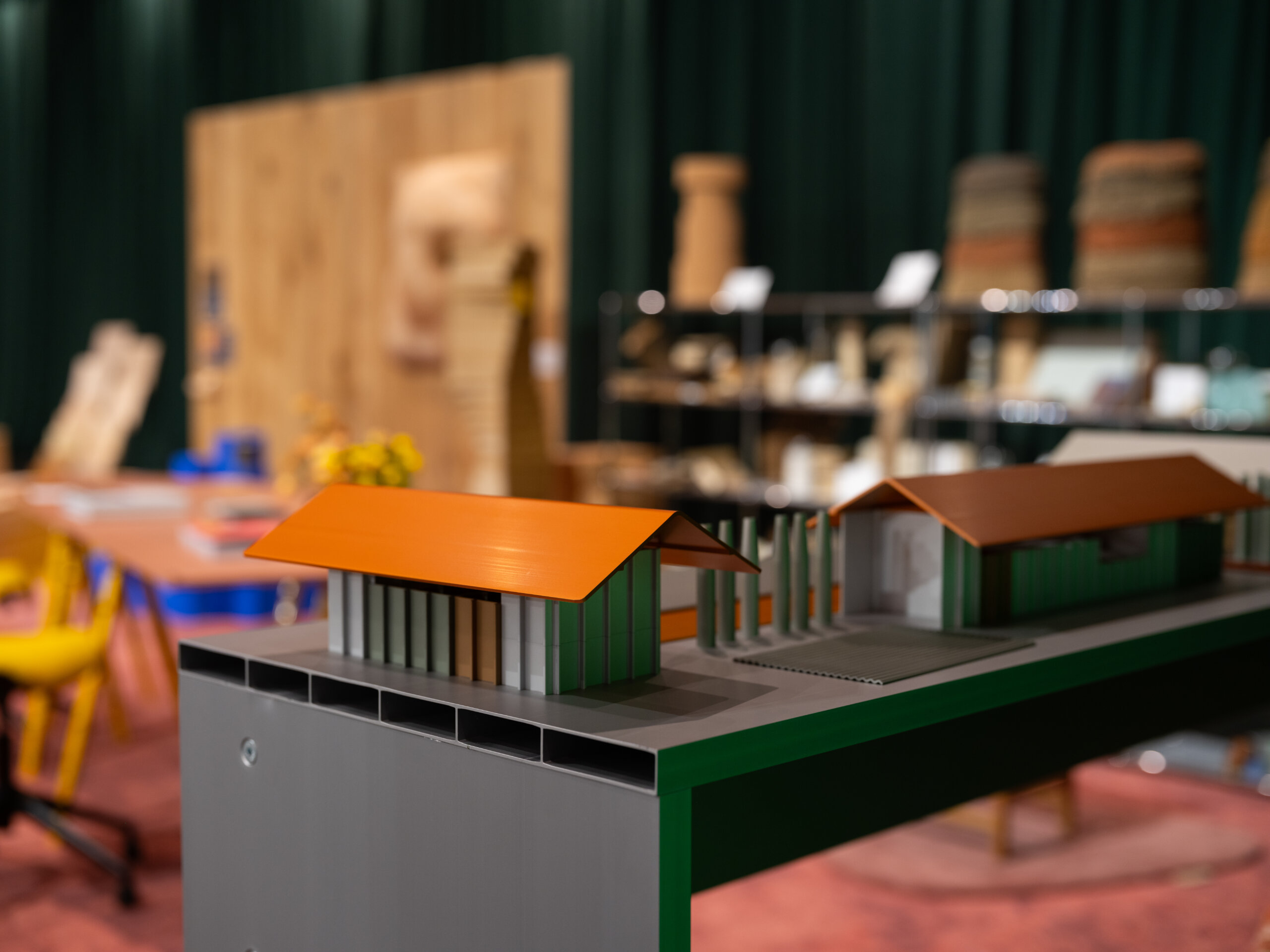
That dialogue was amplified through the new Materials section within The Oasis, presented in partnership with Parsons Healthy Materials Lab (HML). Recipient of the ICFF Editors Award for Sustainable Design, the exhibition invited attendees to engage with healthier, climate-positive materials through workshops, demonstrations, and conversations focused on transparency, material health, and responsible specification.
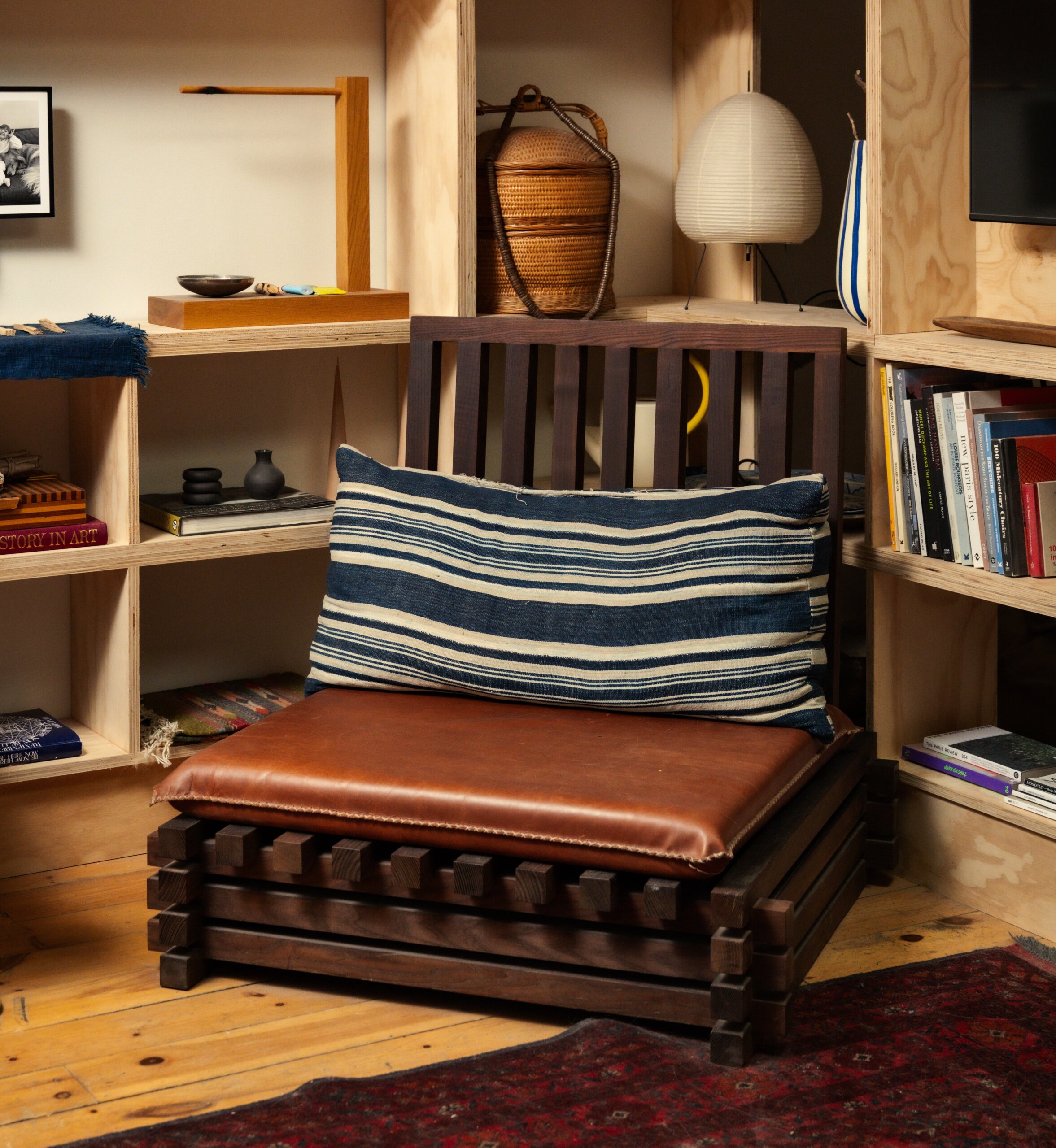
Many exhibitors challenged conventional ideas of waste by transforming discarded resources into valuable new materials. Hydro highlighted the role of recycled and low-carbon aluminum in reducing the environmental footprint of manufacturing, while Nerosicilia repurposed discarded cathode-ray tube glass into architectural surfaces. Trashy Co. explored alternative concrete formulations using recycled styrofoam and glass, and Cory Micah Olsen demonstrated how scrap mass timber from construction projects can find new life as finely crafted furniture.
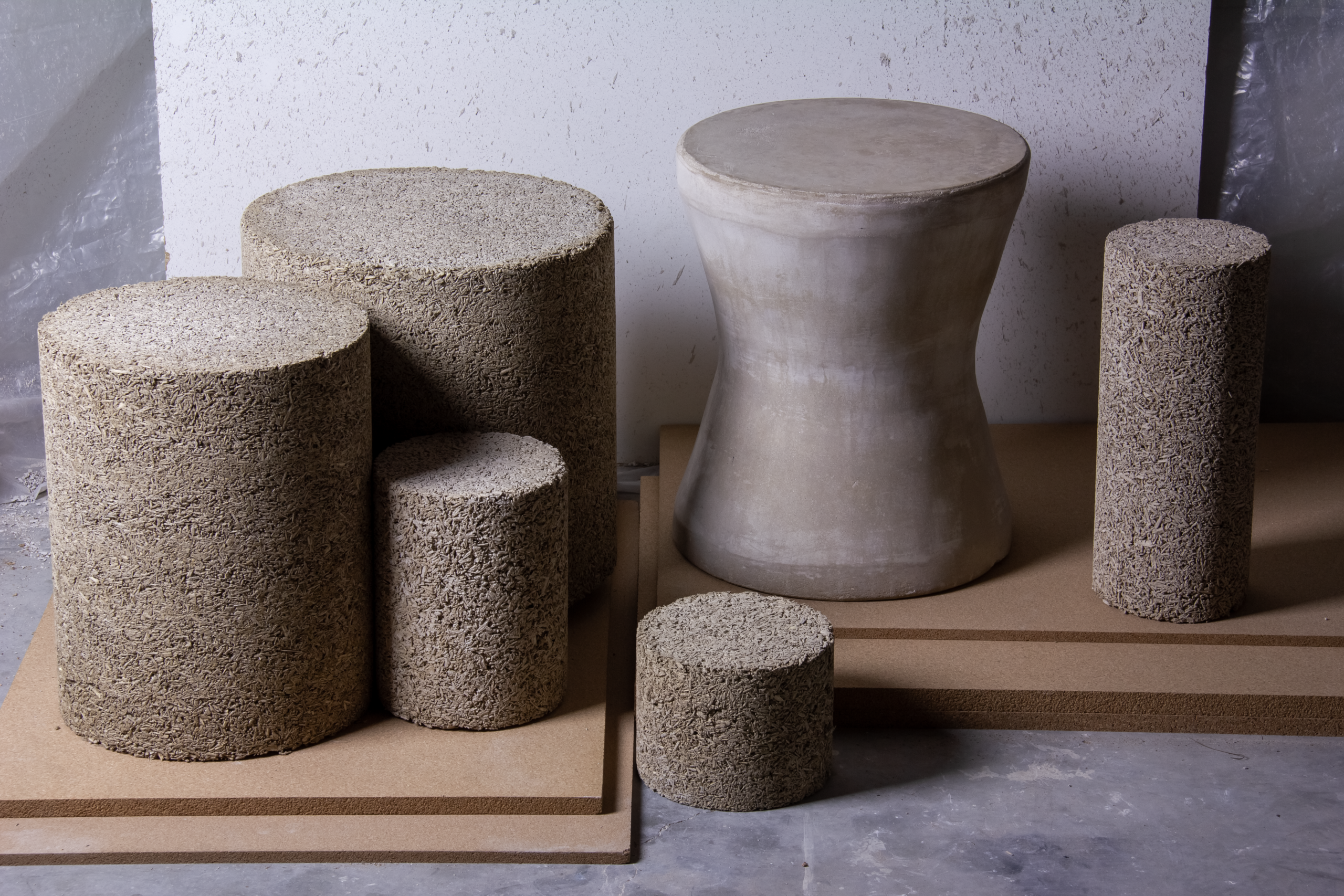
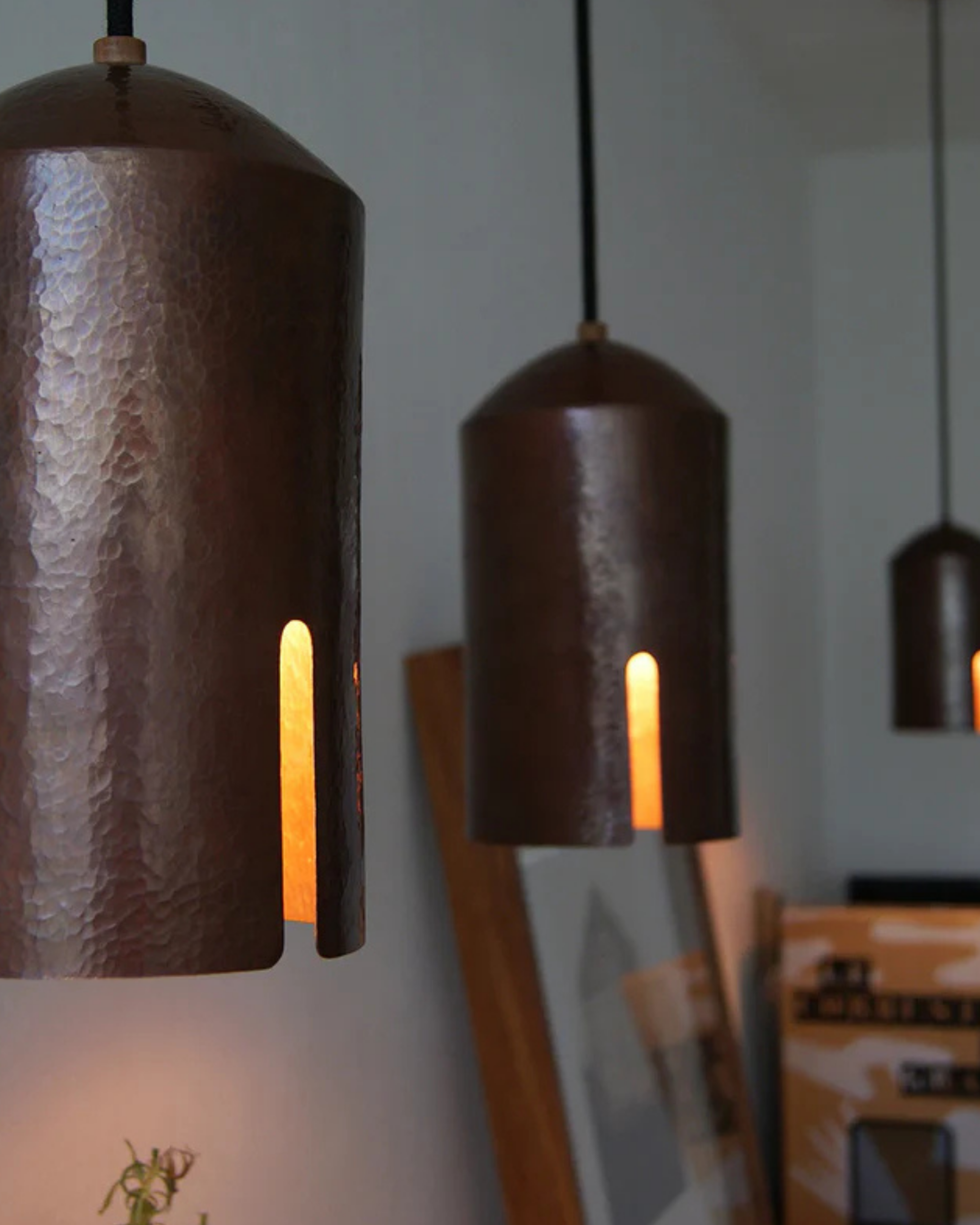
Others focused on renewable and bio-based alternatives. Lirio‘s Hempcrete Collection showcased the potential of carbon-negative materials within furniture design, while Submaterial incorporated cactus leather and bio-based components into high-performance wallcoverings. Studio Soft Hairy‘s experimental lighting further explored the possibilities of natural fibers and low-waste production methods.
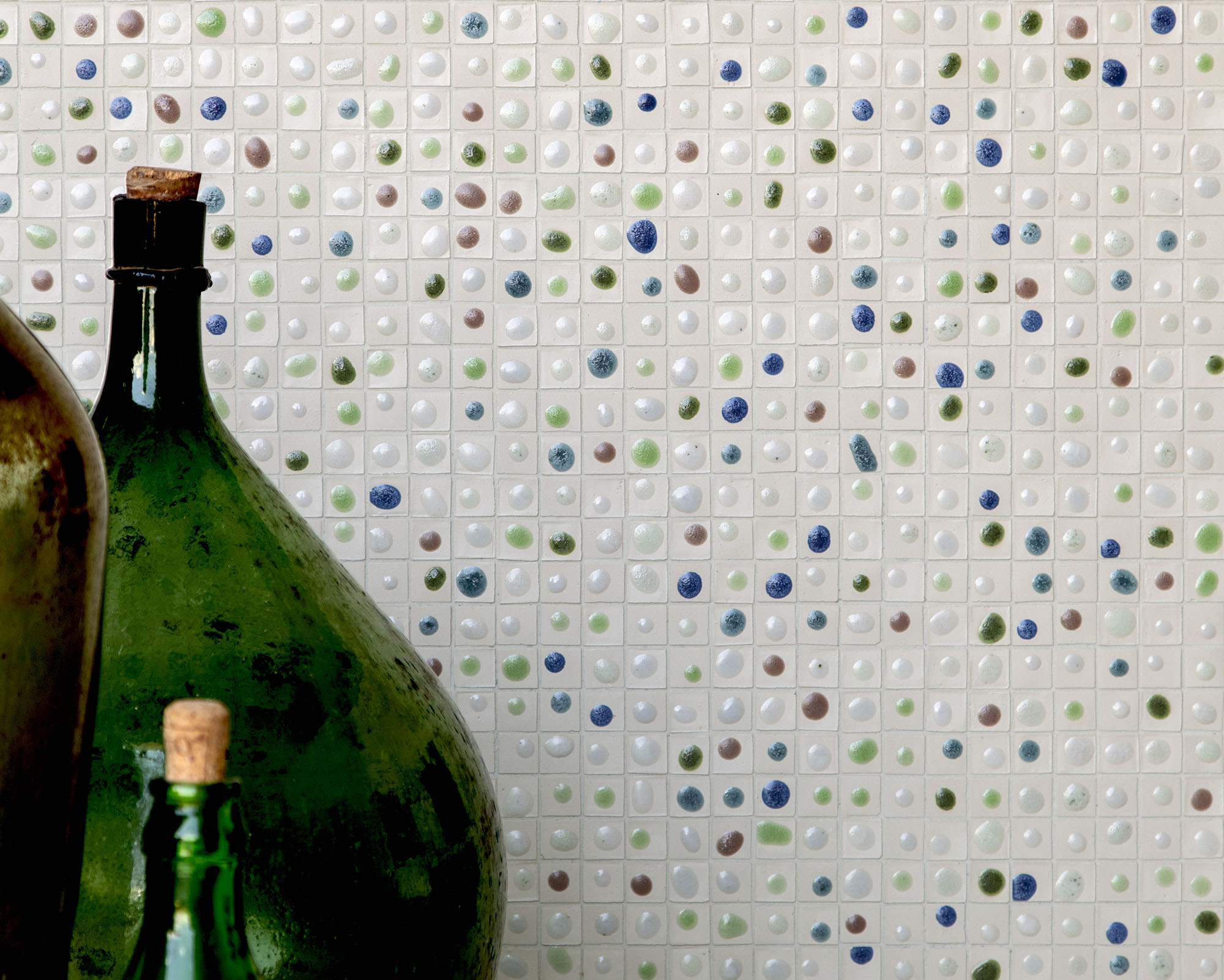
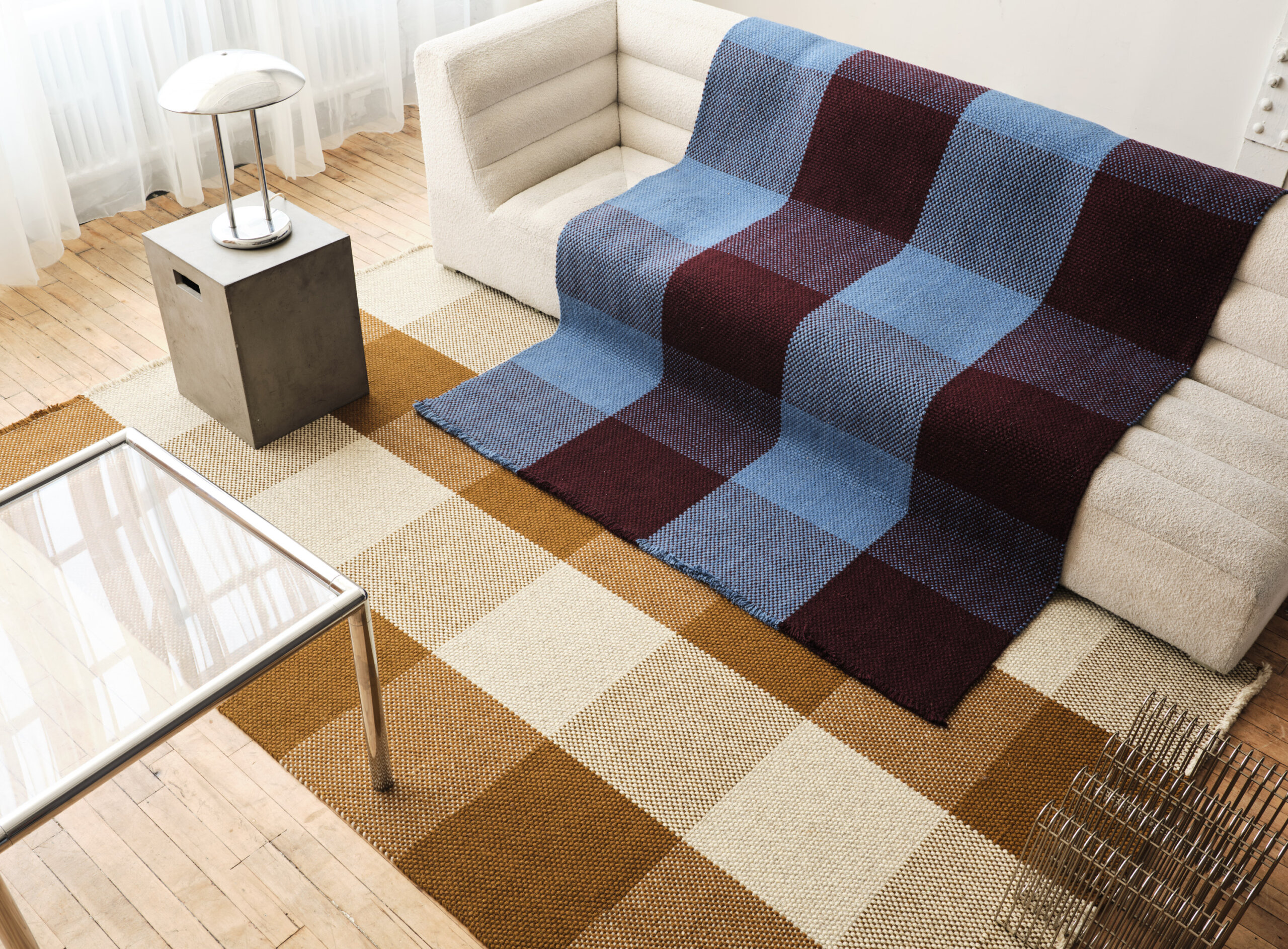
Natural materials, responsible sourcing, and longevity also emerged as defining themes. CICIL‘s rugs celebrated wool and other natural fibers, while MIOS embraced made-to-order ceramic production and enduring craftsmanship, creating pieces intended to age gracefully over time. Brett Paulin Design similarly emphasized durability and timeless construction, reinforcing the idea that sustainability often begins with creating objects built to last.
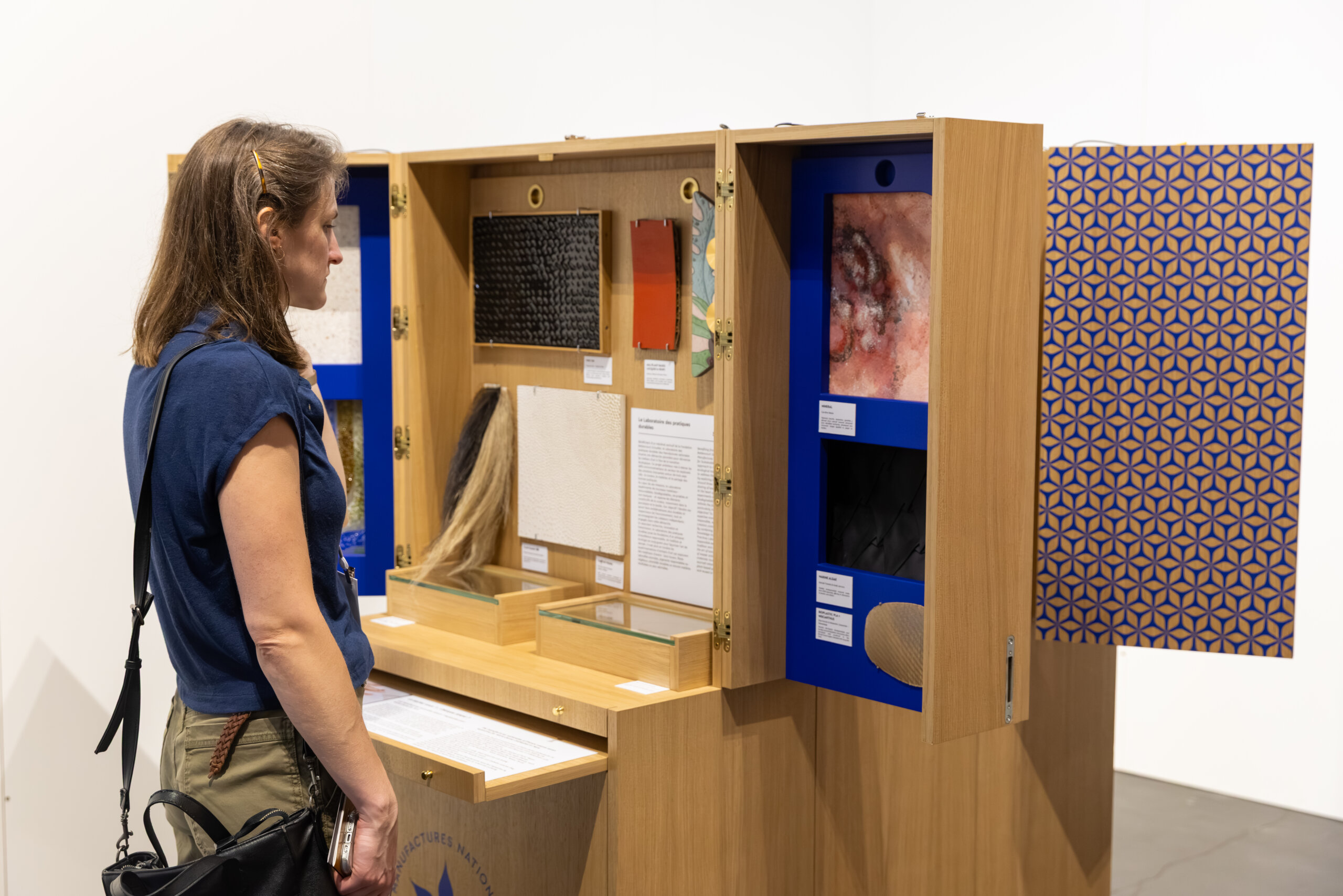
Beyond material innovation, several exhibitors highlighted the value of preserving craft traditions and cultural knowledge. Nomasuno, Taiwan Lantern, KOBA, Estudio PM, and Manufactures Nationales each demonstrated how heritage techniques, artisan production, and thoughtful making continue to play an important role in a more sustainable future.
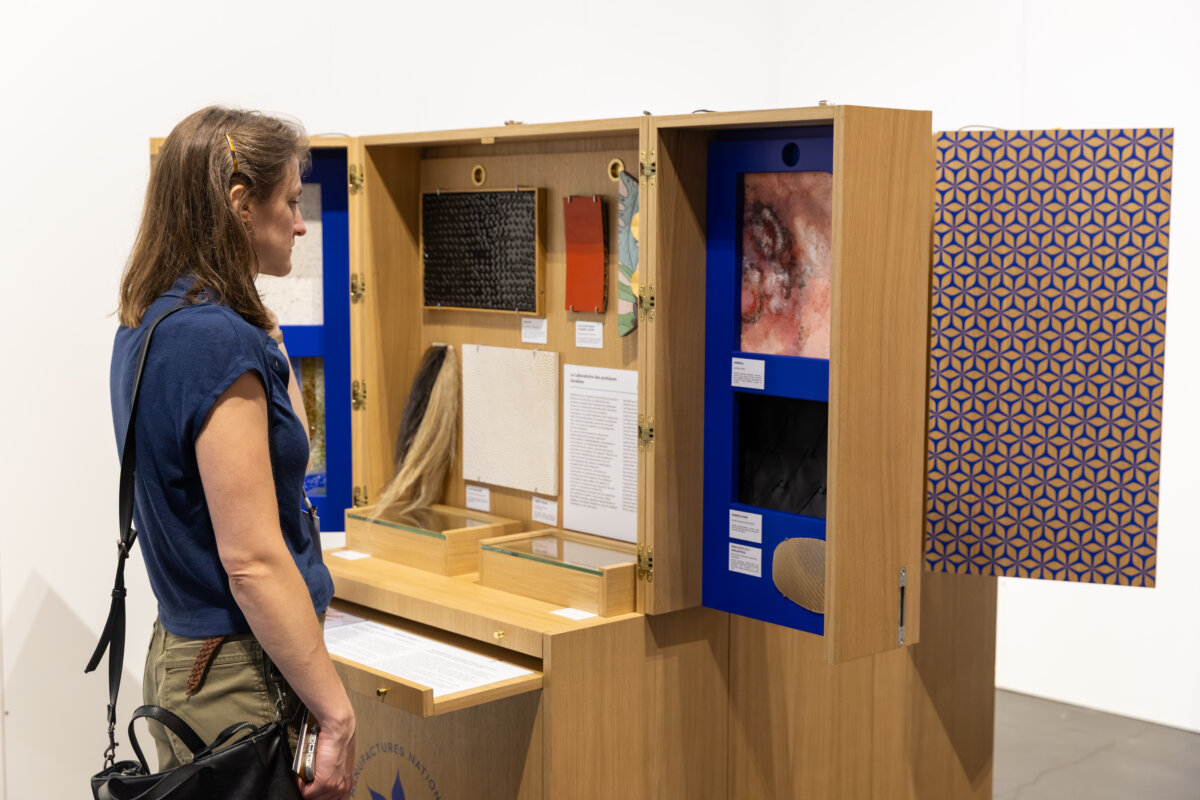
Manufactures Nationales Booth (Image courtesy of Jenna Bascom Photography)
Together, these presentations revealed an industry increasingly focused on the full lifecycle of design. Whether through healthier materials, circular production methods, waste reduction, or the preservation of craft, ICFF 2026 demonstrated that sustainability is no longer a singular objective but a multifaceted approach shaping the future of contemporary design.