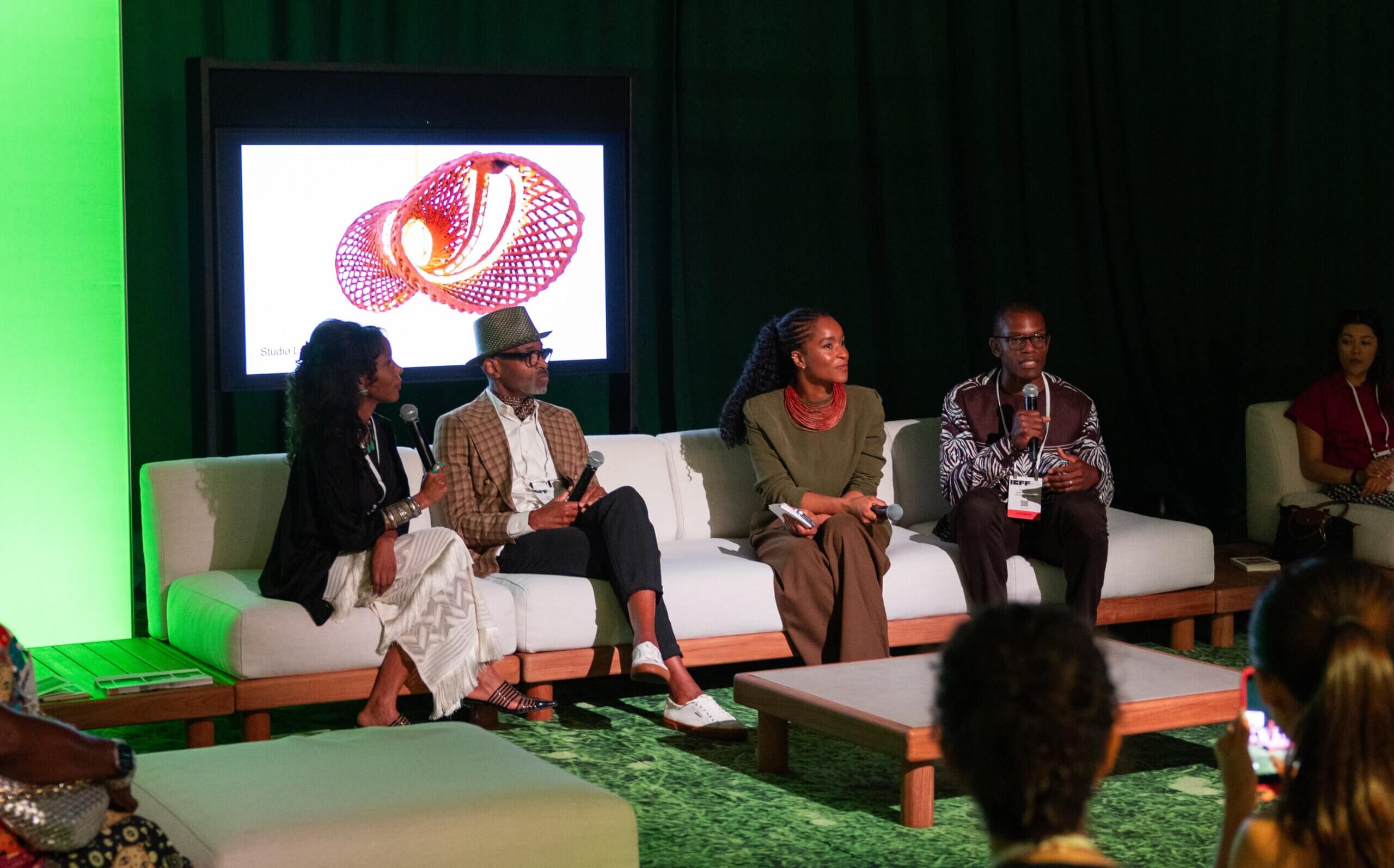
At ICFF 2026, moderator Lani Adeoye opened a conversation on the plurality of African artistry with a clear premise: “African artistry is not one thing.” Joined by Paul Jeffrey of Paul Rene Furniture Studio, Kwadwo Som-Pimpong of Crafted Glory, and Shirley Rafina, co-founder of Mouvance Noire, Adeoye explored how designers across the diaspora carry heritage into contemporary furniture, interiors and the communities behind them.
Translating Heritage Into a Contemporary Design Language
The panelists agreed that ancestral visual languages aren’t meant to be preserved behind glass. Designers are translating traditional techniques into new, contemporary forms without disconnecting from their roots.
Storytelling sits at the center of that work. Afro-contemporary design draws on memory and emotional connection, and buyers and collectors are seeking pieces that carry a distinct narrative and cultural identity. For designers specifying for clients who want more than a finish or a silhouette, that depth matters.
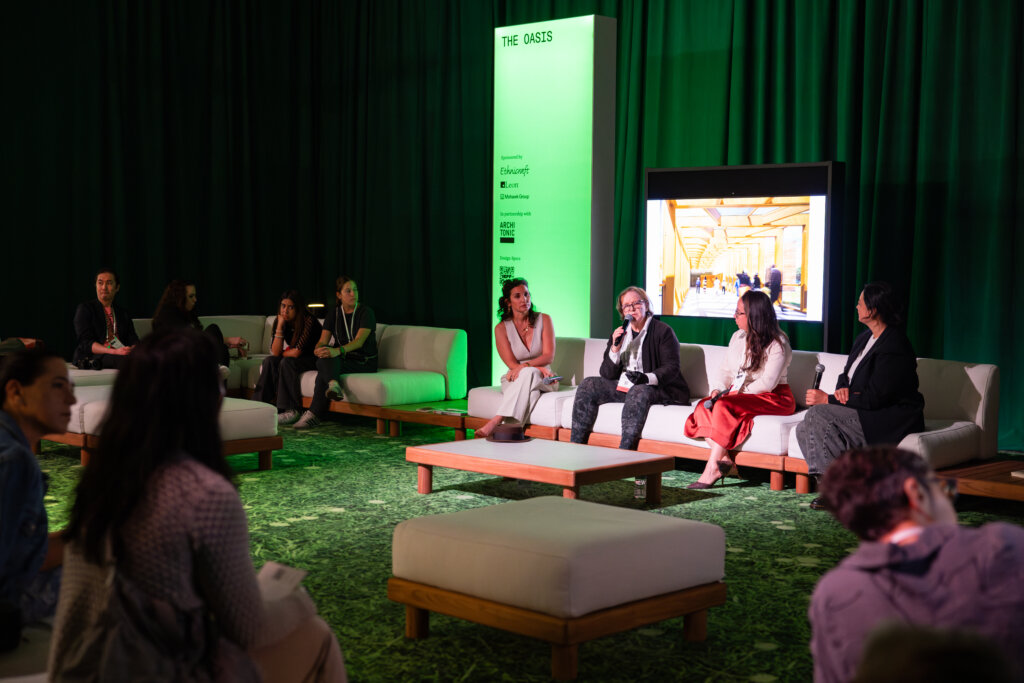
(Shirley Rafina, Paul Jeffrey, Lani Adeoye, and Kwadwo Som-Pimpong in the Oasis | Image courtesy of Jenna Bascom Photography)
Why African Design Feels Alive
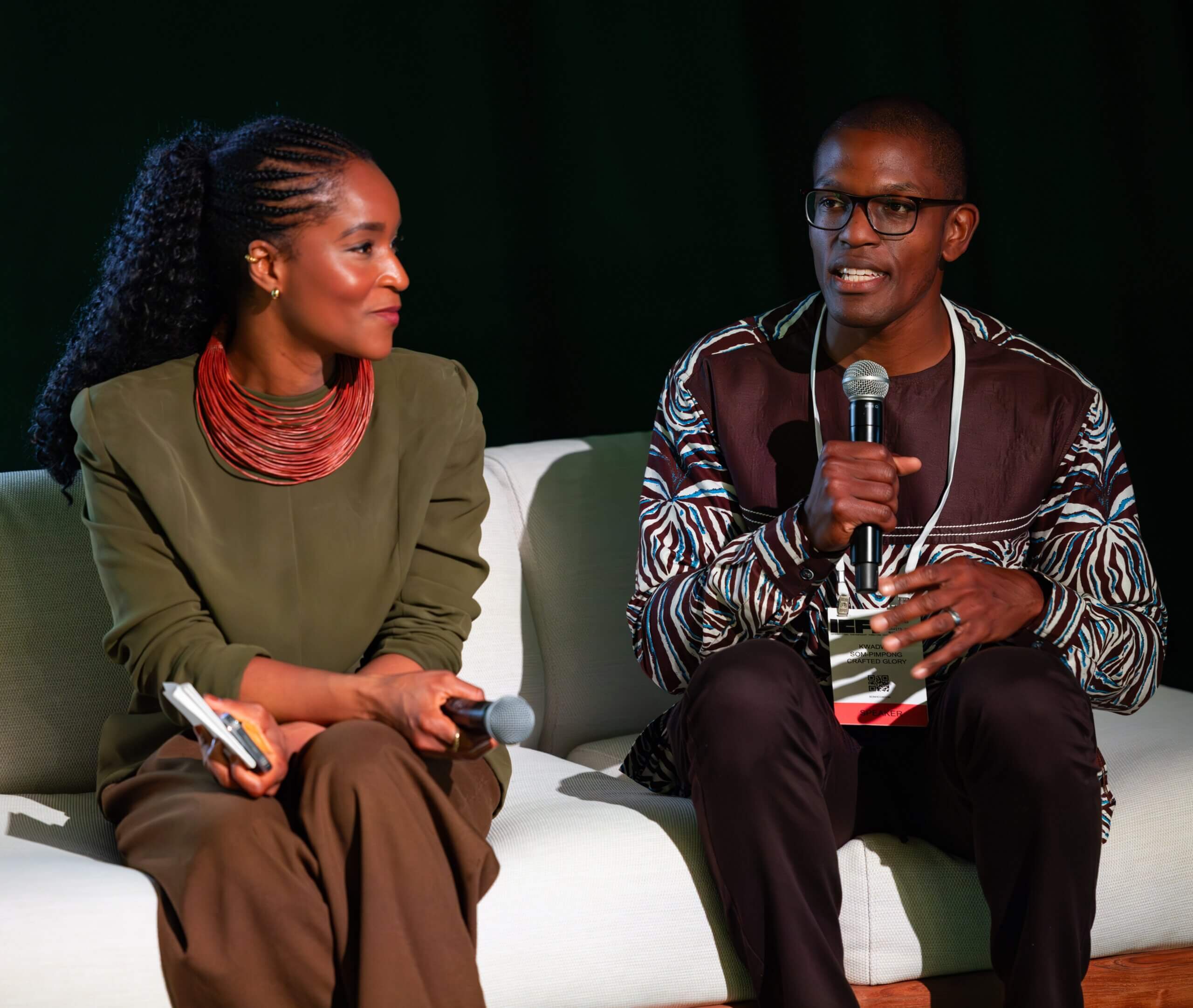
Som-Pimpong, whose practice spans custom furniture and sculptural woodworking, reached for a single word to describe what defines the work.
“When I think of African artistry, African design, I think of… Alive. That’s the word that comes to my mind. The work is alive,” he said.
That vitality shows up in vibrant color, expressive curves and an organic mood. In contemporary spaces, these qualities bring warmth and life, offering interior designers and architects a counterpoint to rooms that can otherwise read as cool or restrained.
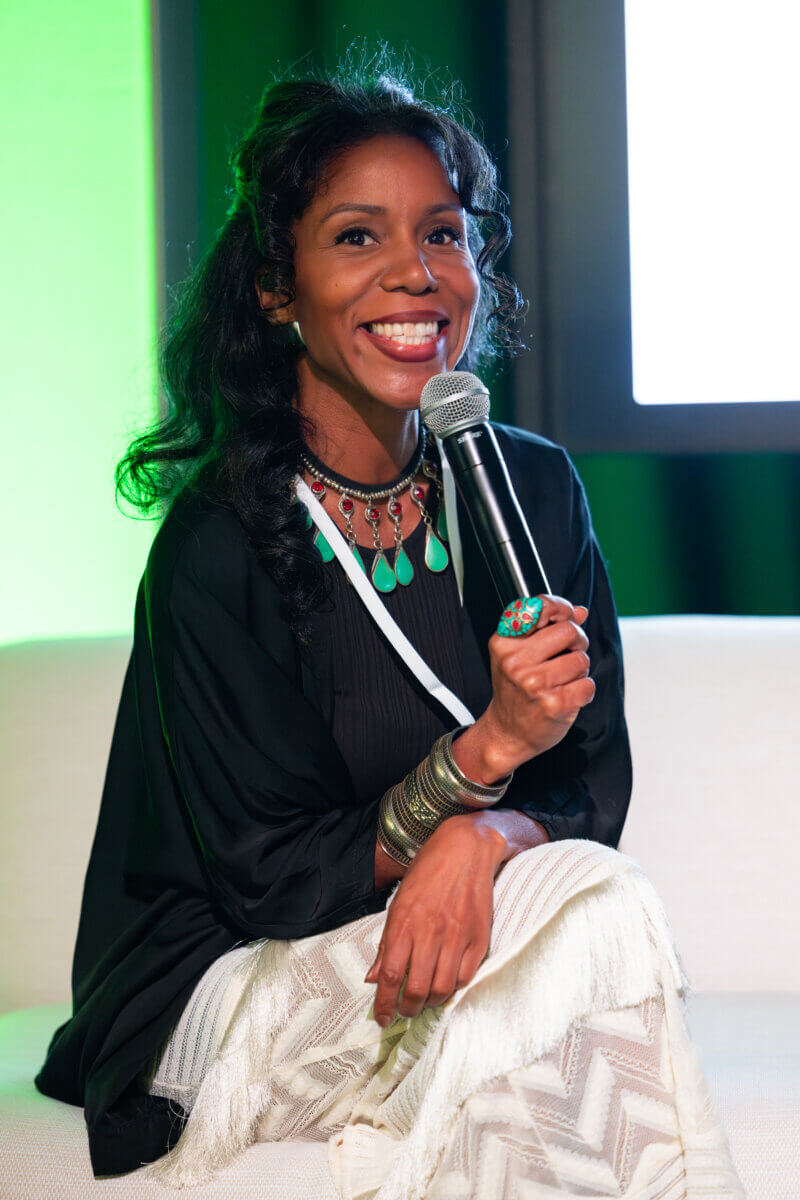
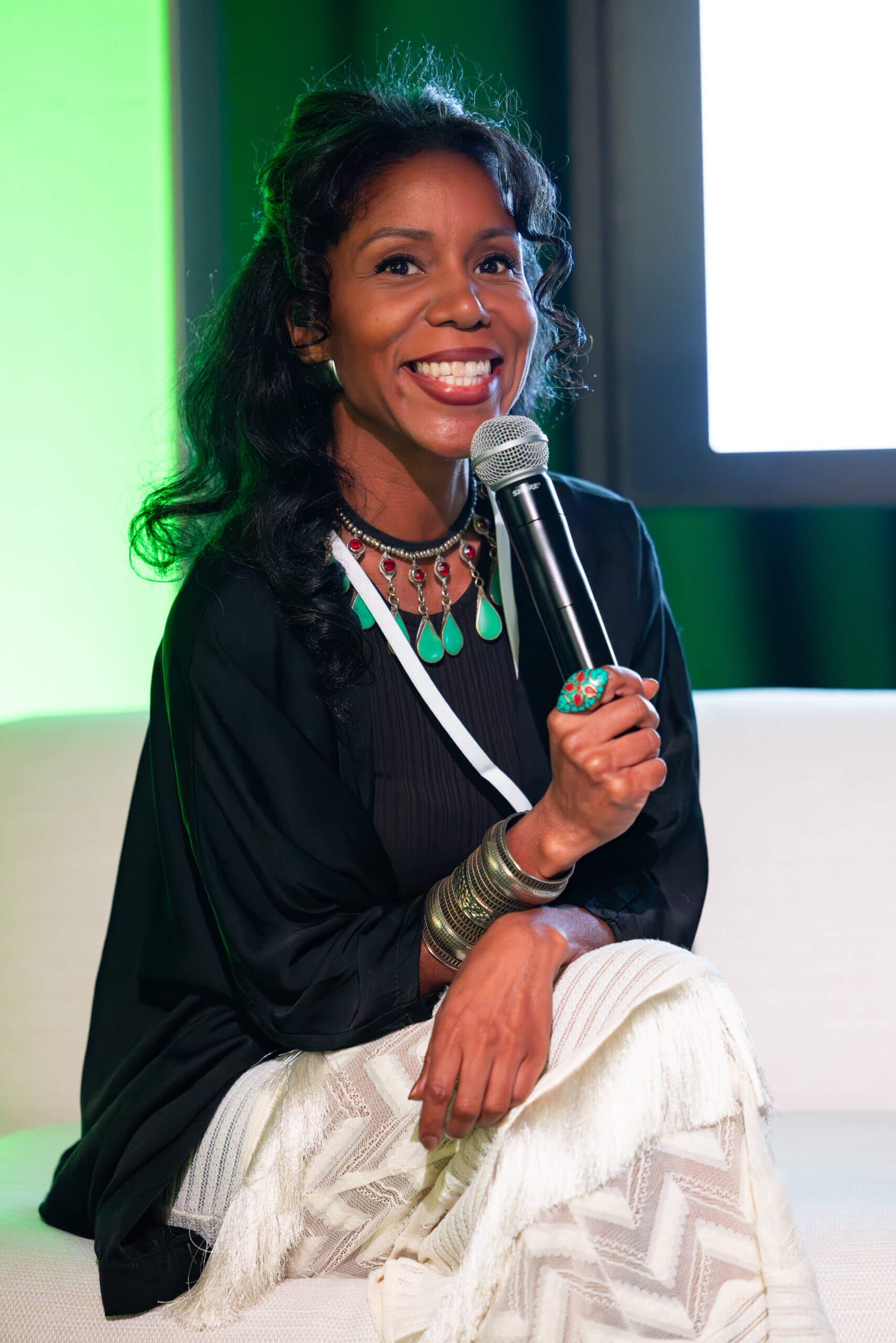
Shirley Rafina (Image courtesy of Jenna Bascom Photography)
Afro-Contemporary Design as a Global Creative Force
Rafina challenged the idea that the continent is simply a reference point for designers elsewhere.”Africa is no longer just a source of inspiration. I think it’s really part of the trendsetter. It’s a very creative global force,” she said.
Her perspective reframes African design as a source of original ideas that shape global trends, rather than a mood board to borrow from.
Beyond Aesthetics: Furniture Production as Community Empowerment
For Jeffrey, the conversation extends well past the showroom. He sees design as a vehicle for job creation, purpose and economic growth in marginalized communities.
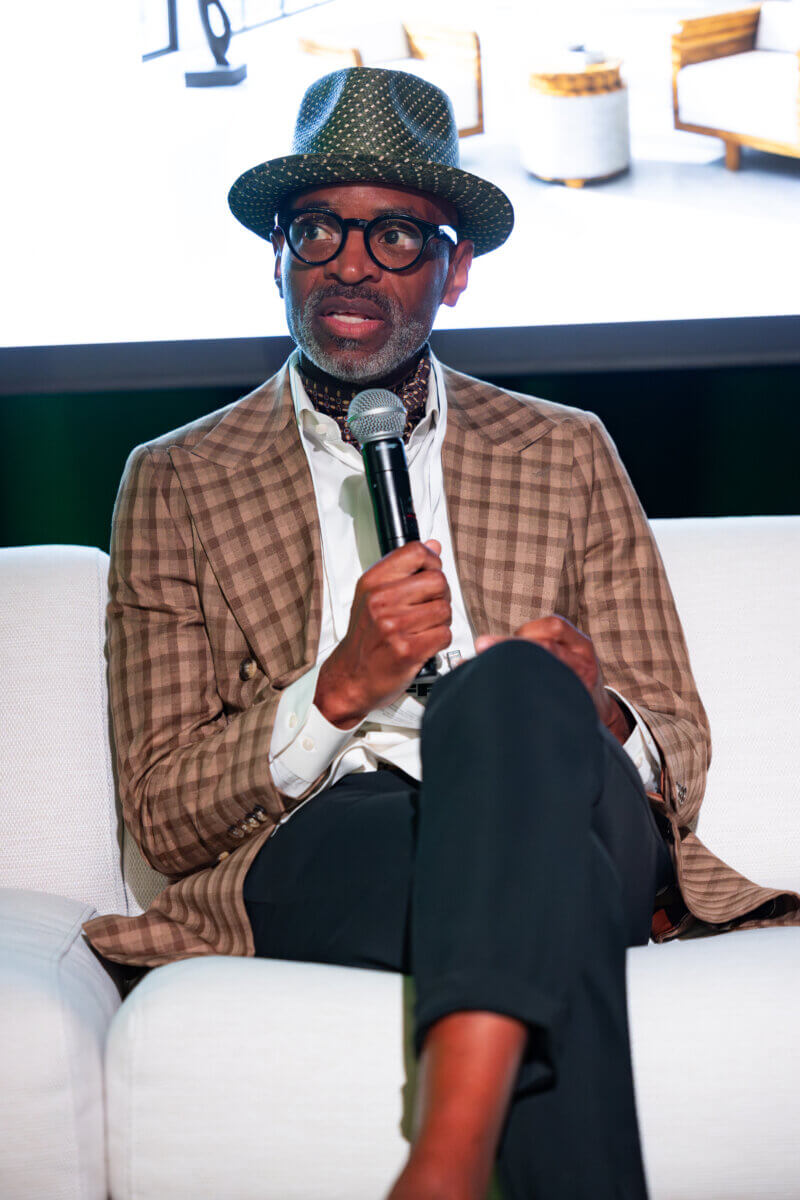
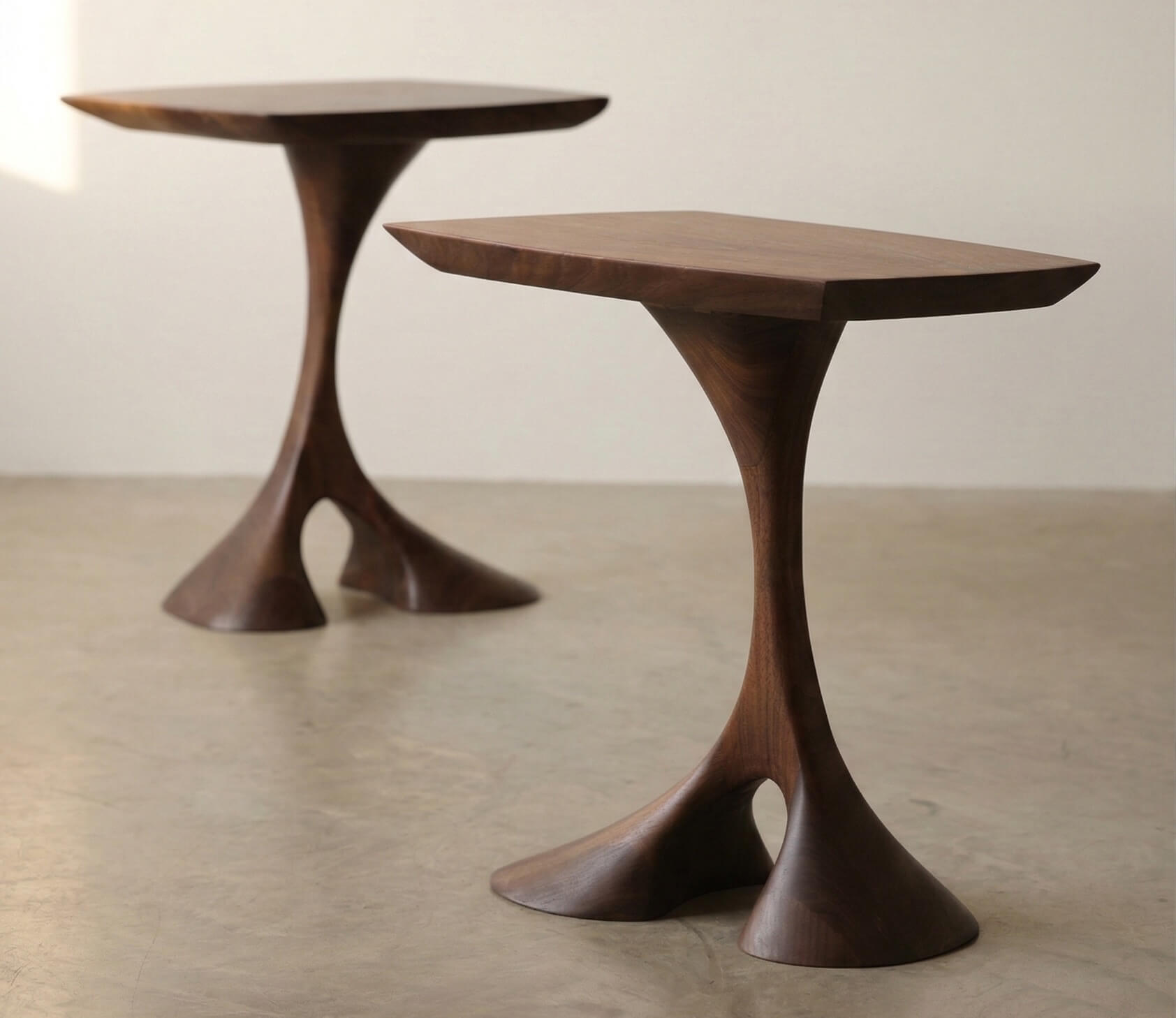
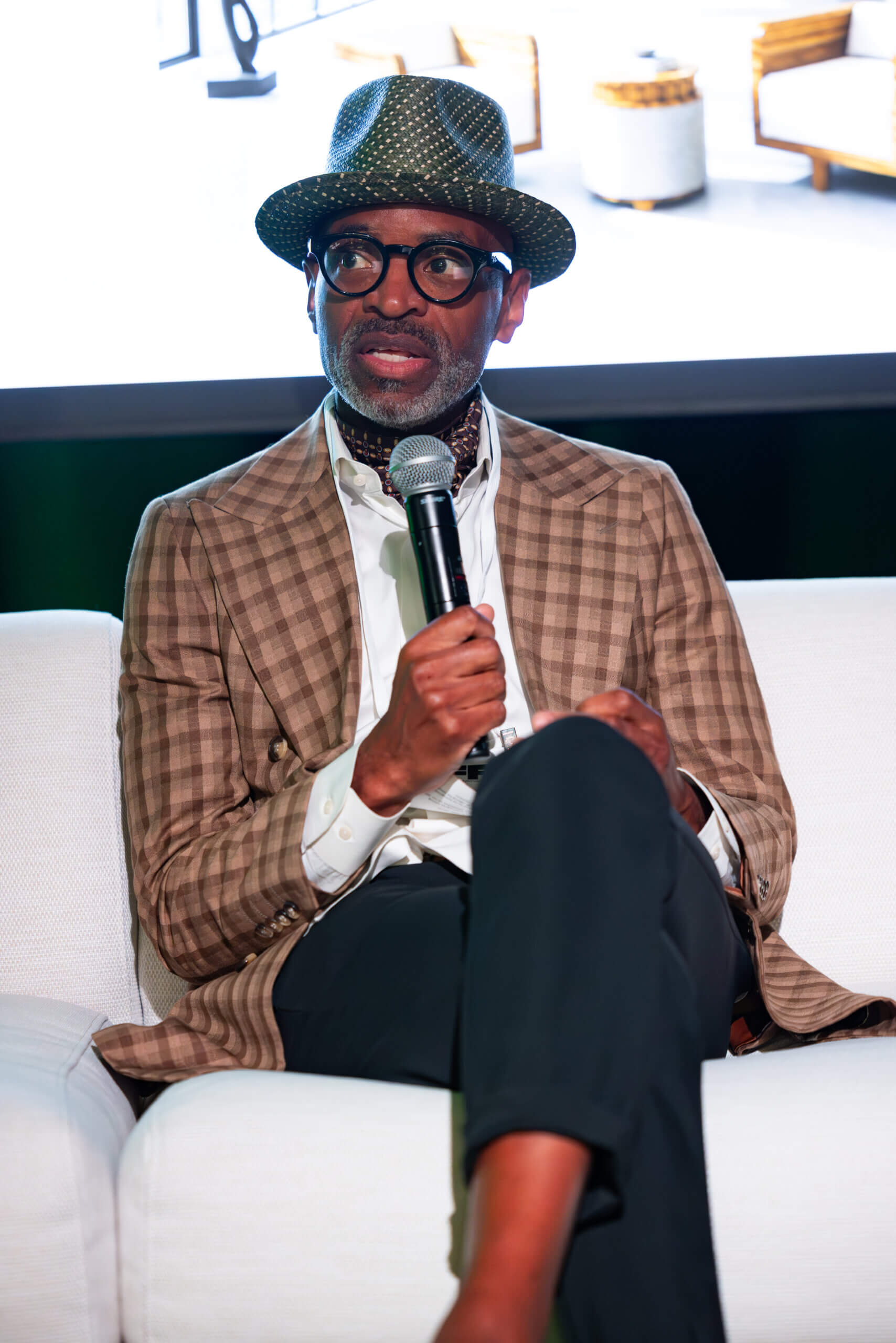
Paul Jeffrey (Image courtesy of Jenna Bascom Photography)
“My contribution to the culture needs to be more about production… We want to see 300, 400, 500 kids from the hood making furniture with their hands and selling it,” he said.
Jeffrey also spoke candidly about working with limited tools, time and capital. Rather than viewing those limits as obstacles, he framed them as the conditions that build character and push makers toward a design language all their own. “Don’t curse the struggle,” he said.
Designing From Within
Adeoye offered a principle that tied the session together: “Design from within, that is something that I think never gets out of style.” It’s a reminder that the most enduring work begins with knowing where you come from.
To hear the full conversation, including more from each panelist on craft, identity, and building a practice on your own terms, listen to the complete session below:
Want to listen to other talks? SEE OUR 2026 REWIND PAGE >>>