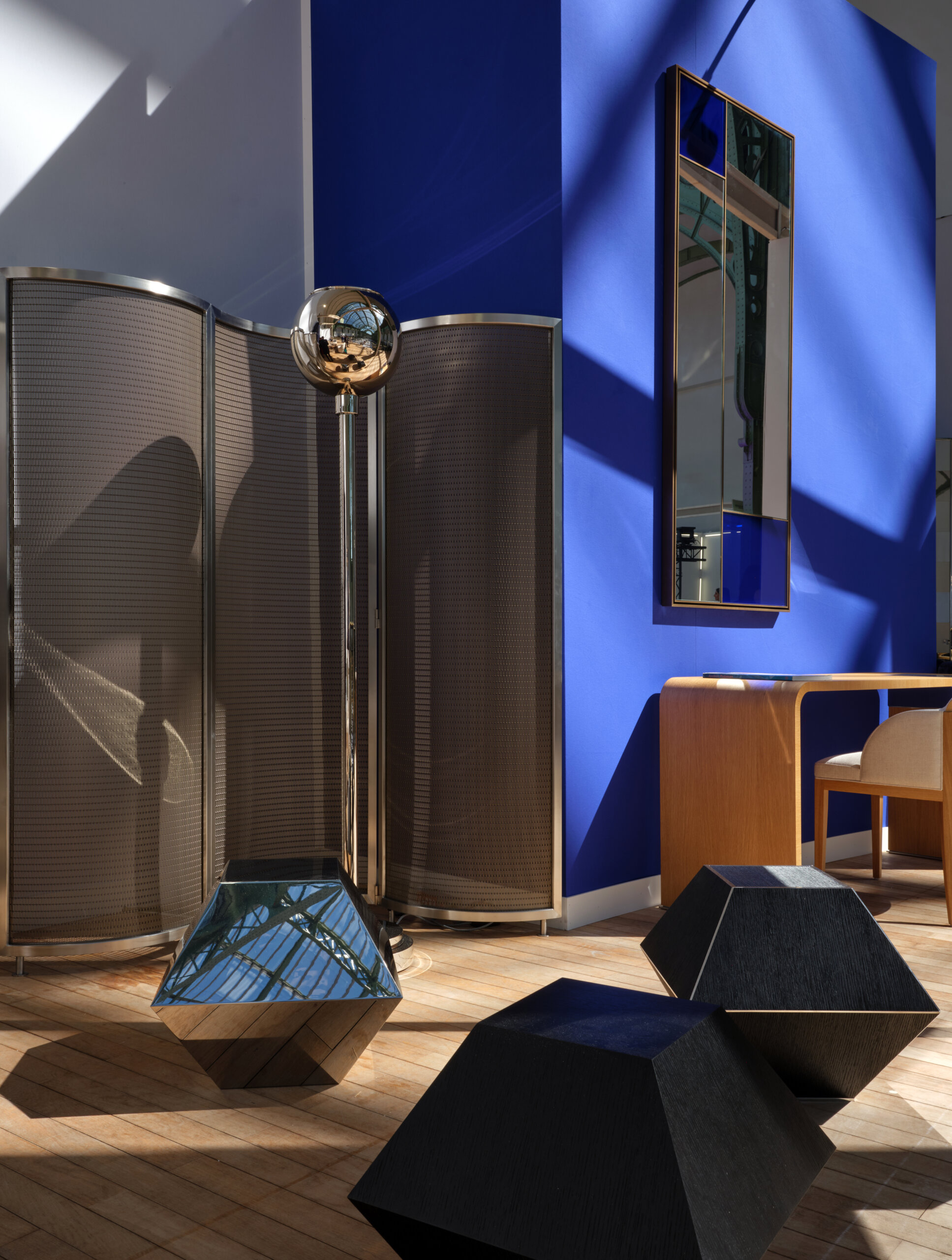
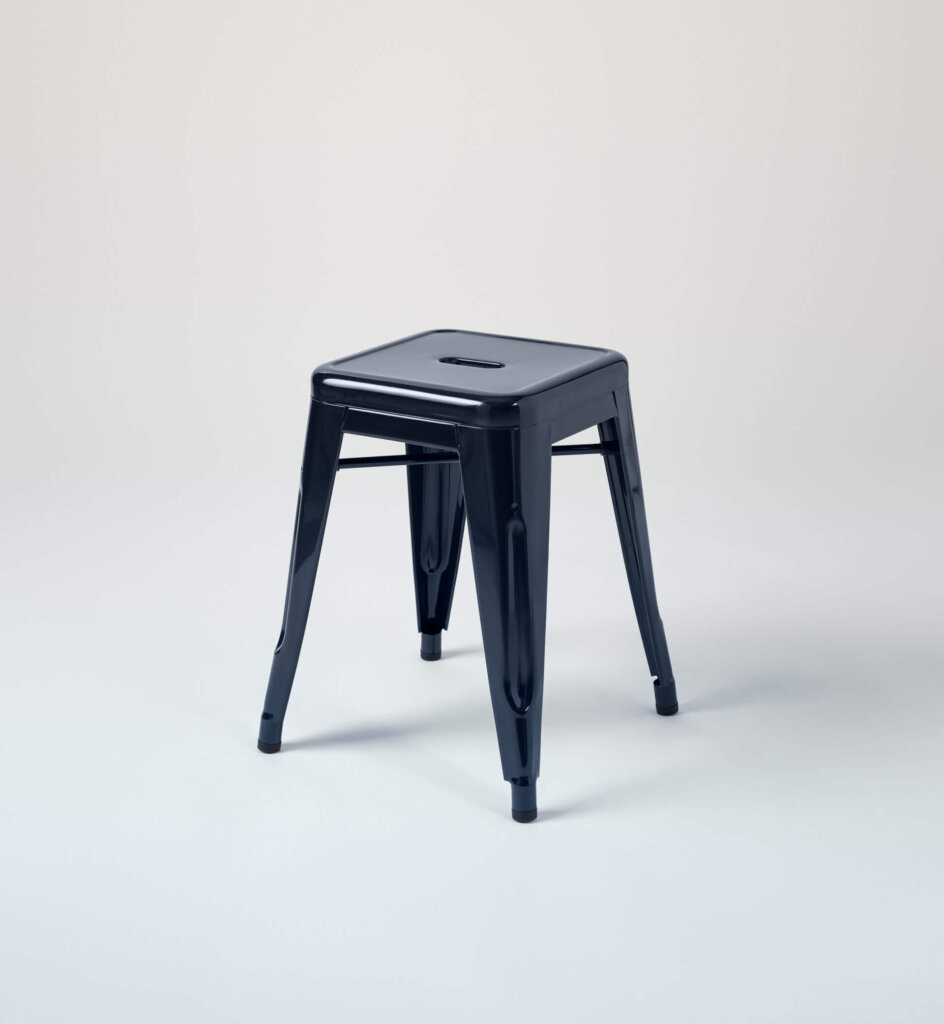
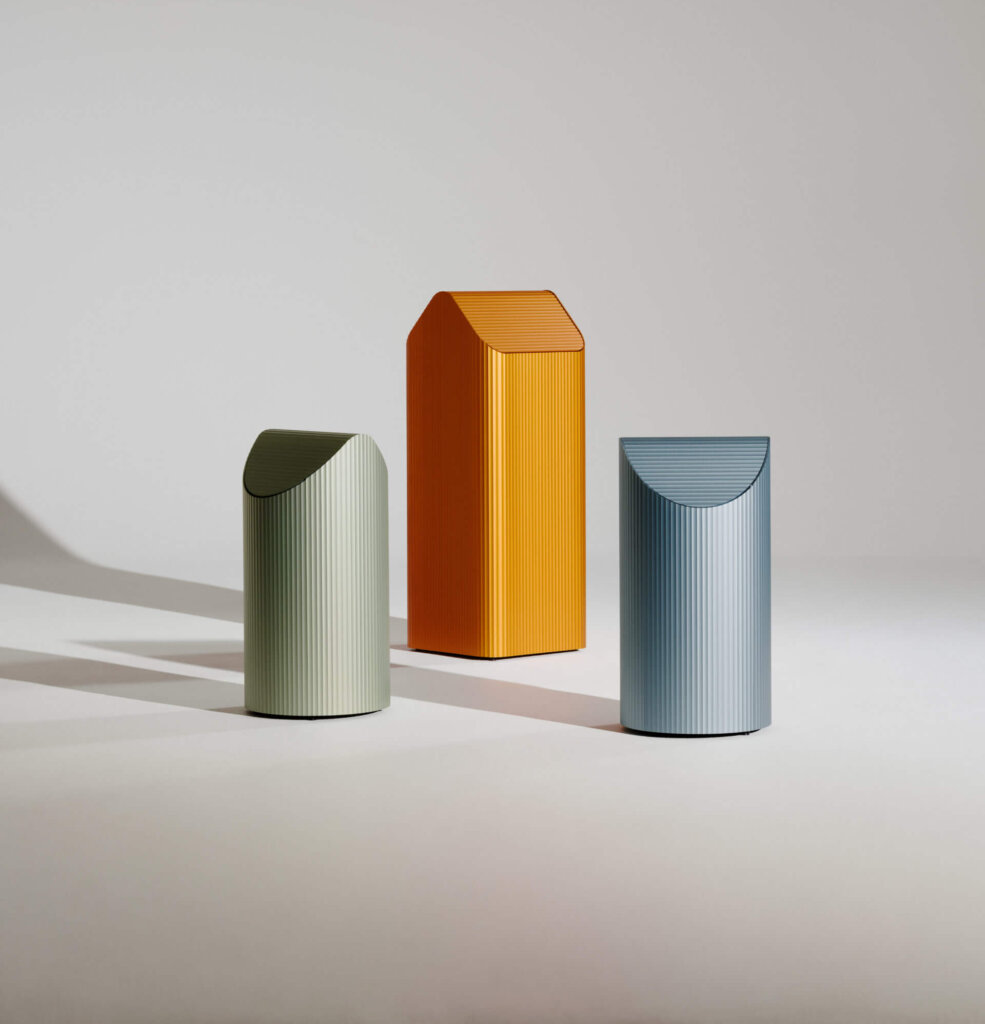
The name Andreé Putman is synonymous with a restraint yet graphical interior design style, one untethered by the Postmodern flash of her heyday and more aligned with the transcendent qualities of early Modernists. She brought back into the fold many of the seminal furnishings that define the 1920s and 1930s. Evident in this approach, Putman garnered a reputation for her keen sense of editing; championing a clean aesthetic rendered in textured detail and incorporating only the slightest eclectic deviation.
The French multi-hyphenate was instrumental in shaping the ‘spatial’ identity of Yves St. Laurent, Karl Lagerfeld, Thierry Mugler, and Azzedine Alaia. She designed the interior of Air France’s Concorde. In New York, she helped usher in the 1980 more sober color palette: the storied Palladium nightclub in Lower Manhattan. At Morgan’s Hotel in Midtown, she championed the use of black and white tile.
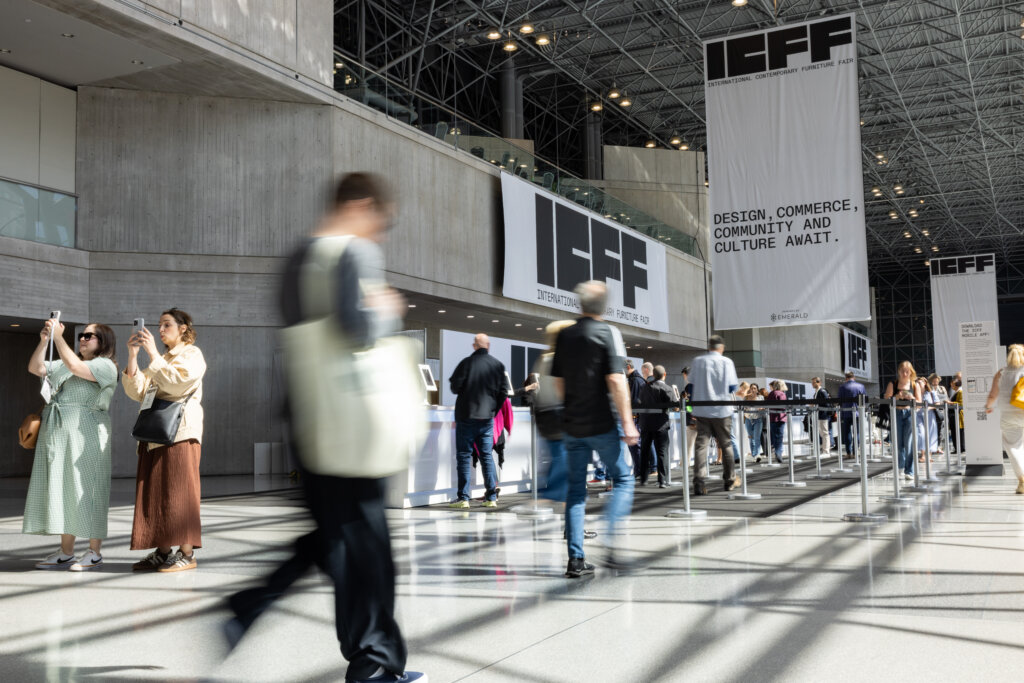
Though emphatically Parisian, Putman’s legacy is firmly rooted in New York. She passed in 2013 but her practice lives on under the creative direction of her daughter Olivia Putman. With multifaceted entrepreneur Aurélie Laure announced as the firm’s new CEO, a strategic return to the city has been plotted; centering heavily on the opening of a new multi-pronged showroom. With the company a sponsor of this year’s ICFF Bespoke Salon, Laure shares more about this move and the studio’s ongoing evolution:
(Top image courtesy of Andrée Putman Studio)
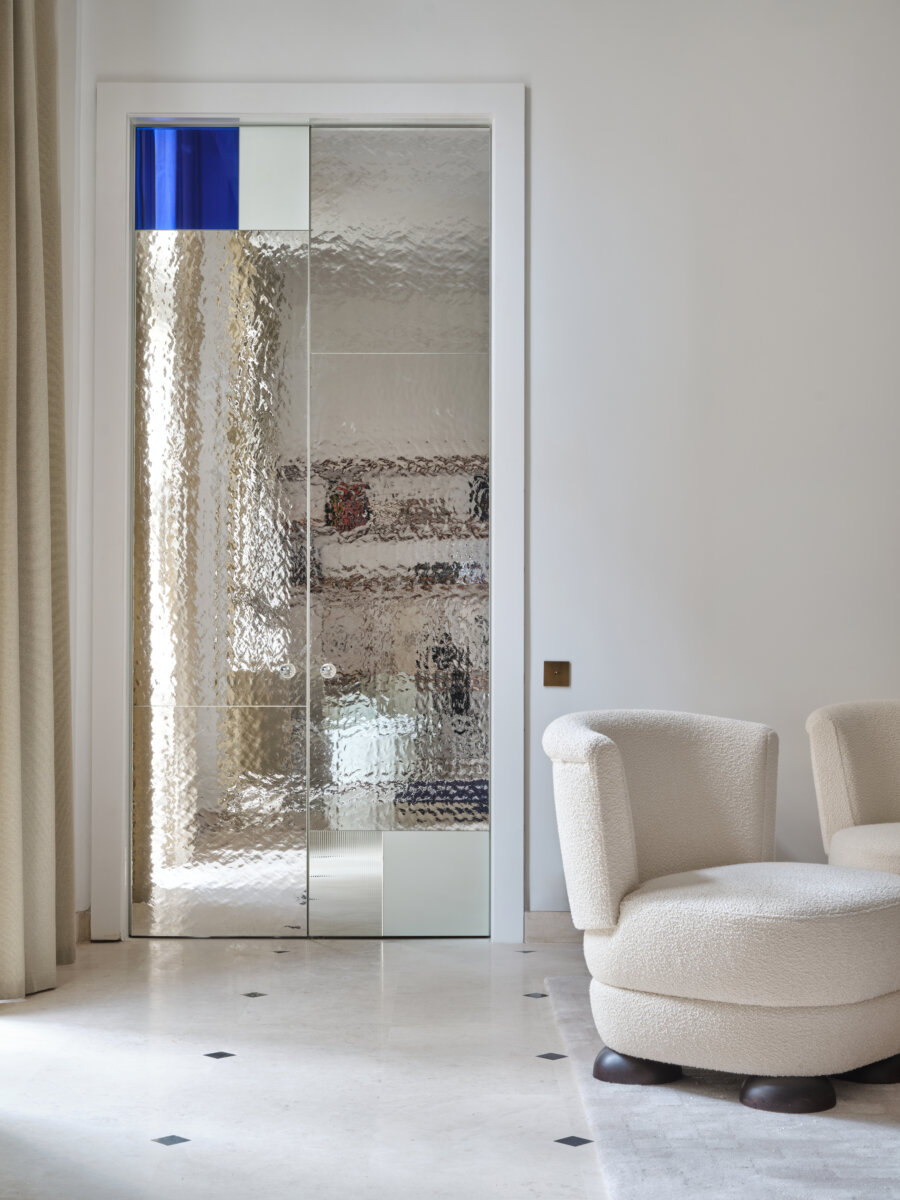
What were your goals in acquiring the legendary practice and expanding Studio Andrée Putman’s presence in New York and the wider U.S.?
Acquiring the studio was first and foremost an act of continuity. The ambition was not to transform what already exists but to engage with a body of work that remains profoundly relevant and to extend it with care and intention. The United States, and New York in particular, hold a historic significance for the studio. From the Morgans Hotel to numerous private and public projects, Andrée Putman’s work has long resonated with an American audience. Expanding the studio’s presence here is therefore both a natural extension and a strategic reaffirmation of this longstanding dialogue. It reflects a desire to engage more directly with a market that is receptive to the studio’s vocabulary, while reinforcing its position as a transatlantic practice rooted in both French culture and international perspectives.
How are you endeavoring to maintain, extend, and ensure the longevity of the firm’s legacy? What aspects or attributes are you focusing on specifically?
The approach is grounded in transmission and evolution. The studio operates with a vocabulary that is both rigorous and poetic, where each project becomes an opportunity to reinterpret rather than replicate. Maintaining the legacy begins with a precise understanding of its foundations: clarity of line, harmony of contrasts, a sense of proportion, and a type of elegance that avoids excess. These principles are not treated as fixed codes but as a language to be reactivated again and again.
At the same time, the studio is extending this legacy through three key axes: the reactivation of the furniture collection through re-editions, collector editions and new editions drawn from the archives. We’ve also begun to develop interior architecture projects across hospitality, residential, and cultural sectors. We’re focusing on new collaborations that place the studio in dialogue with contemporary creators and institutions. Longevity is ensured not by preservation alone, but by maintaining a dynamic balance between heritage and reinvention.
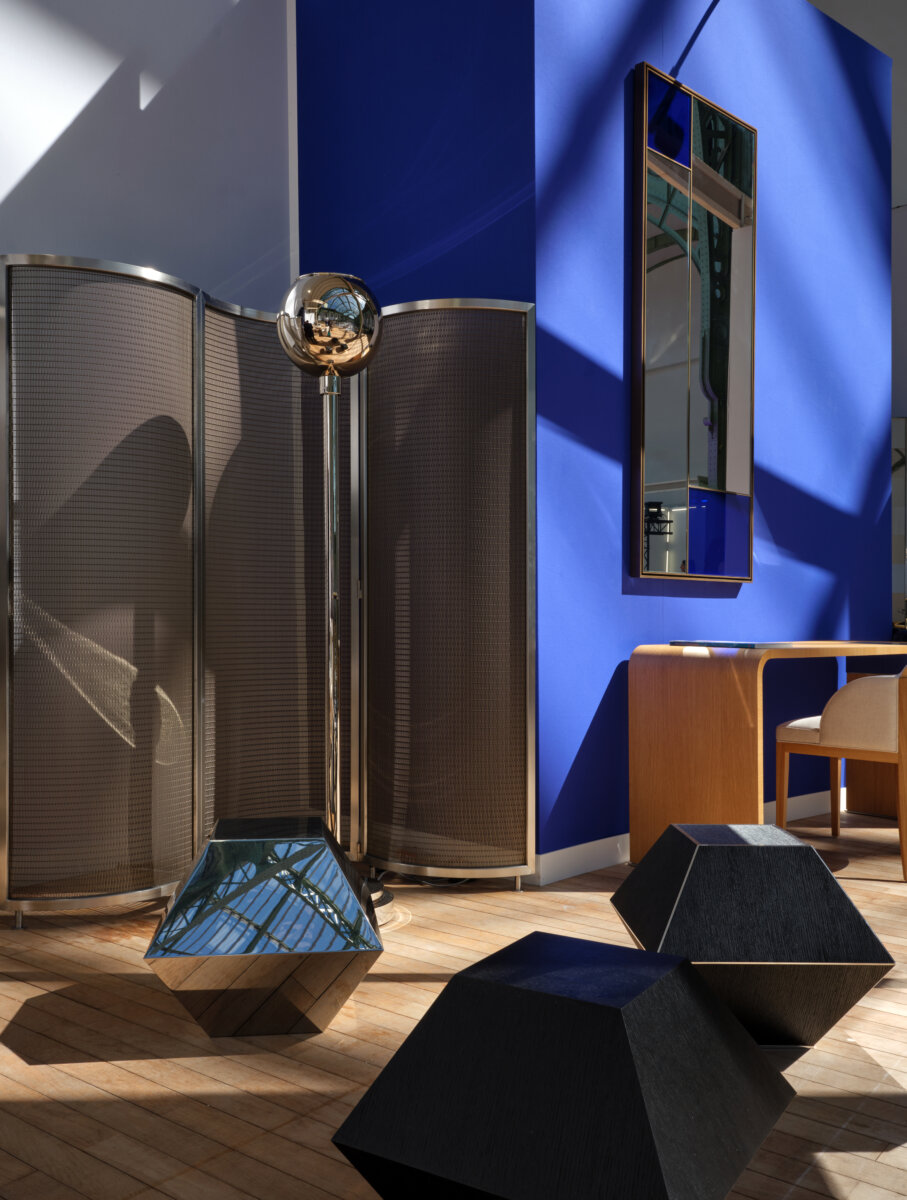
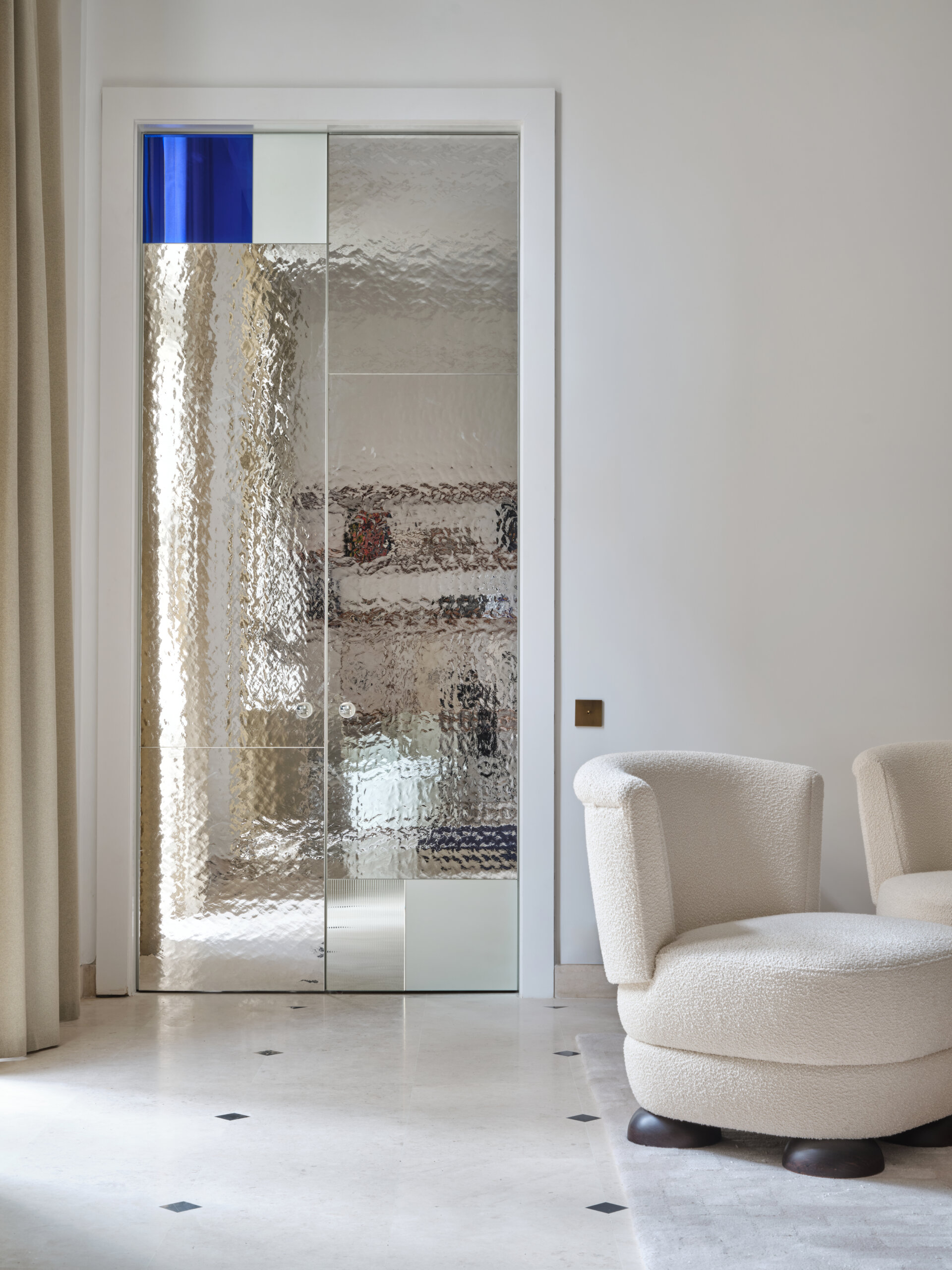
Image courtesy of Andrée Putman Studio
What is the significance of opening a showroom in the city, shedding fresh light not just on the storied interior design practice but also the legacy of its large products collection?
The showroom is conceived not as a commercial space in the traditional sense but as a work/living environment that allows the studio’s output to be experienced in context. It creates a direct and tangible connection between our interior architecture practice and object design, two dimensions that have always been intrinsically linked within the practice.
Its significance lies in making visible a part of the studio’s history that has, until now, remained largely inaccessible: its extensive body of furniture and objects. Reissues, reinterpretations, and new pieces drawn from an archive of over 300 drawings, the collection are re-emerging as central expressions of the studio’s identity.
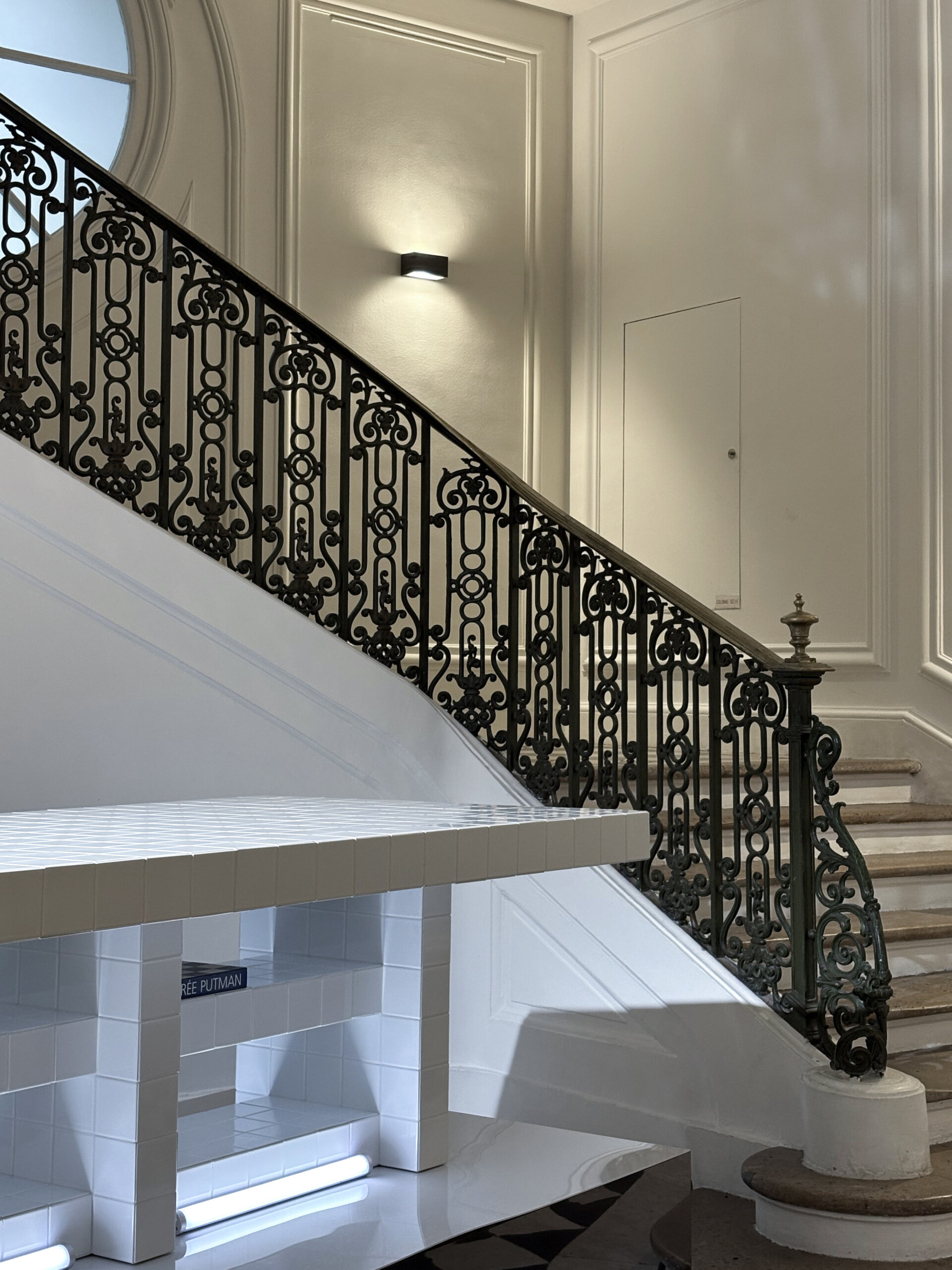
In New York, this takes on a particular resonance. The space becomes both an introduction and a reintroduction, offering a coherent narrative that connects past projects, archival pieces, and contemporary work within a single environment.
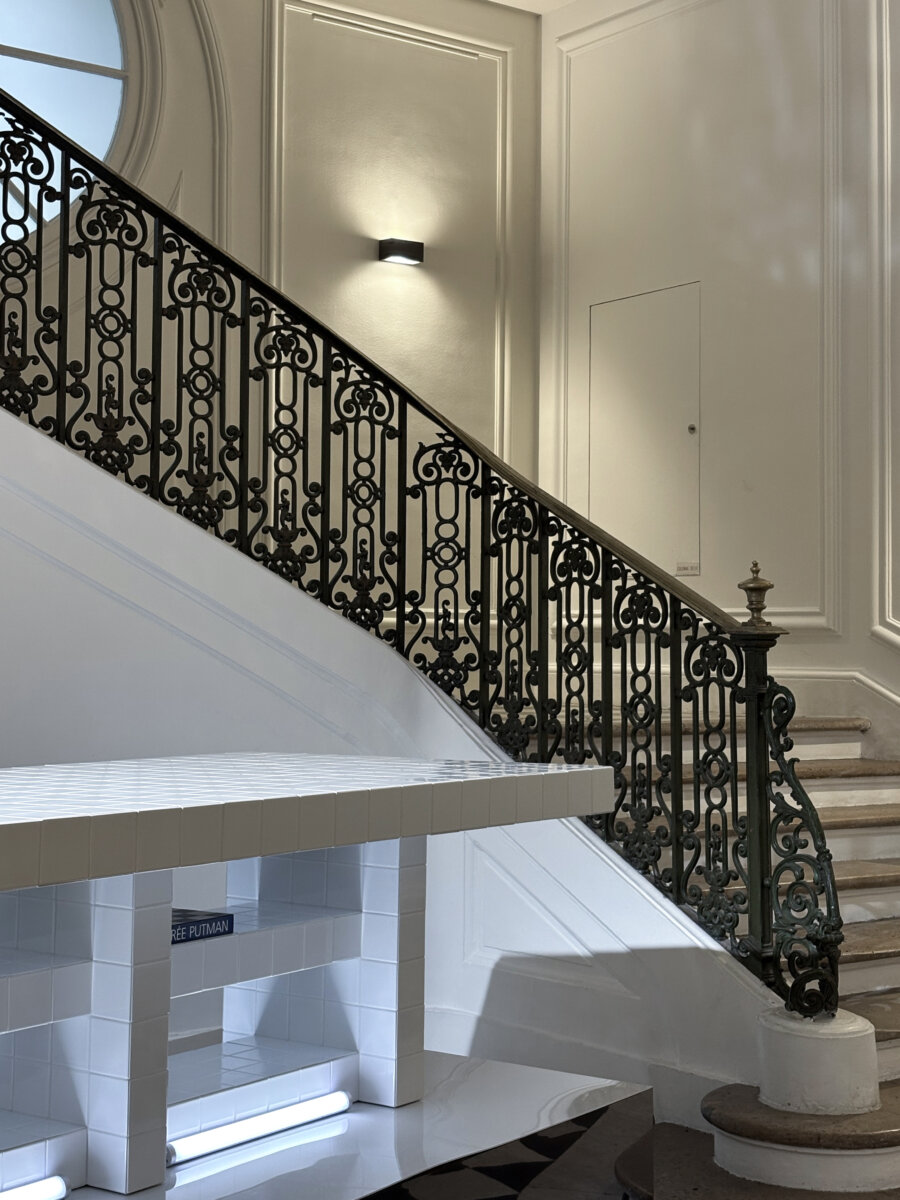
Image courtesy of Andrée Putman Studio
What gap do you feel this offering will fill in this market?
There is a growing appetite for design that is both timeless and precise, yet free from stylistic excess. The studio occupies a singular position in this regard; offering a form of understated luxury defined by clarity, proportion, and restraint.
In the U.S. market, this often reveals a disparity between highly decorative approaches and purely functional minimalism. Studio Andrée Putman proposes an alternative: a language that is at once structured yet never rigid, and conceived across scales and collaborations, delivered as a coherent whole.
At the same time, the studio introduces a distinct, European way of thinking about design. Rather than pursuing constant reinvention, it considers modernity as something that can emerge through continuity, by engaging in dialogue with history and extending an existing vocabulary with precision and intention.
It also brings a more contextual understanding of objects. Each piece is part of a broader narrative, shaped by its origins, its use, and its place within the studio’s body of work. In that sense, design is approached with the depth of art, where meaning is inseparable from context. This approach offers a more layered and enduring relationship to objects and spaces, one that responds to a growing desire for substance, coherence, and cultural grounding.