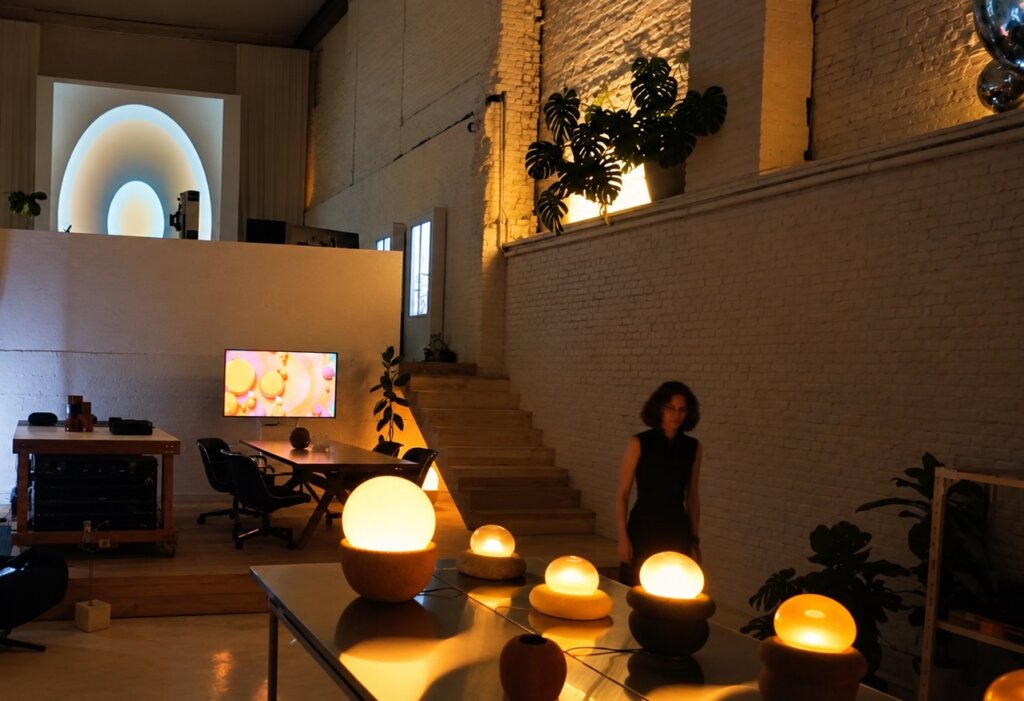
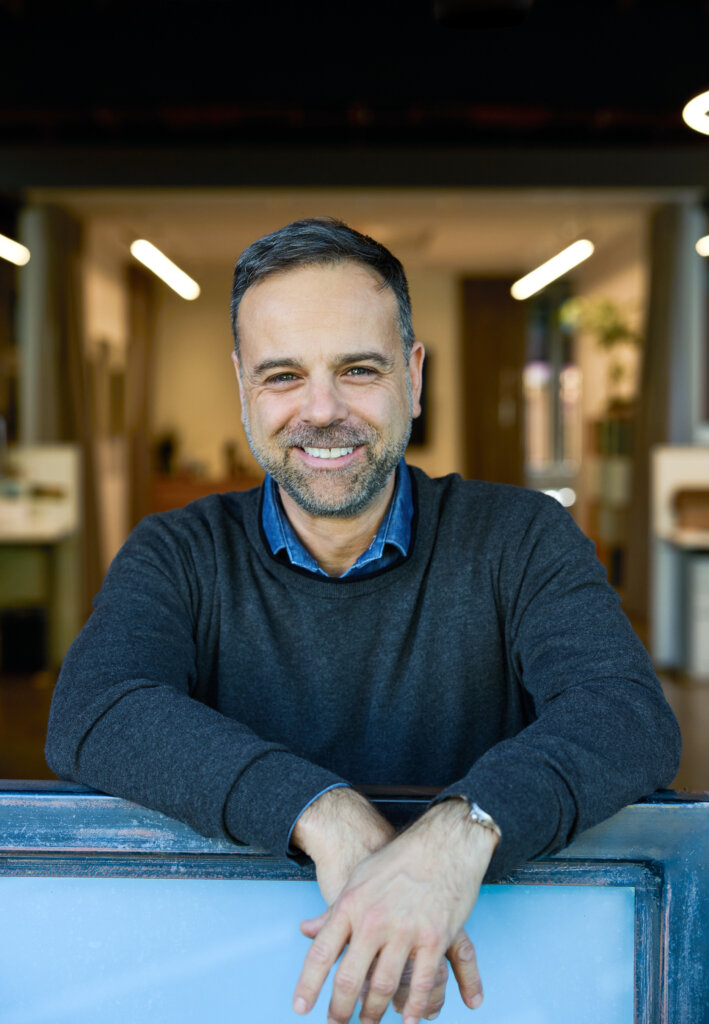
She’s designed some of New York’s most beloved hotels, and she credits her success to a childhood shaped by resilience: Stephanie Liu of Stonehill Taylor opens up about her journey from Taiwan to Columbia University to the top of hospitality design, sharing how she balances art with function, mentors the next generation and finds creativity in everything from cocktail mixology to T-shirt design. Her insights on adapting to a post-pandemic hospitality landscape offer a compelling look at where the industry is headed next.
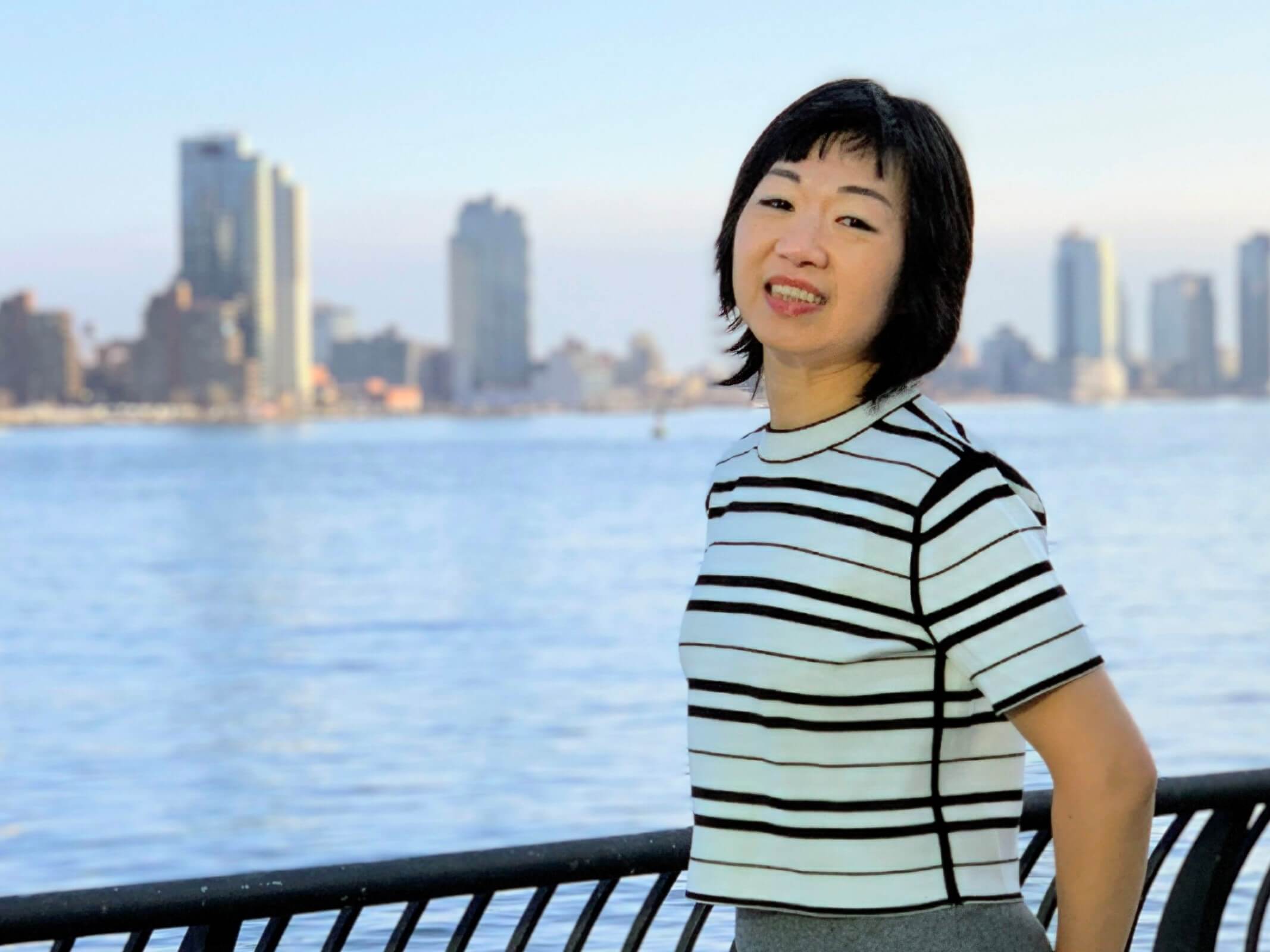
(Image above courtesy of Stonehill Taylor | Stephanie Liu portrait)
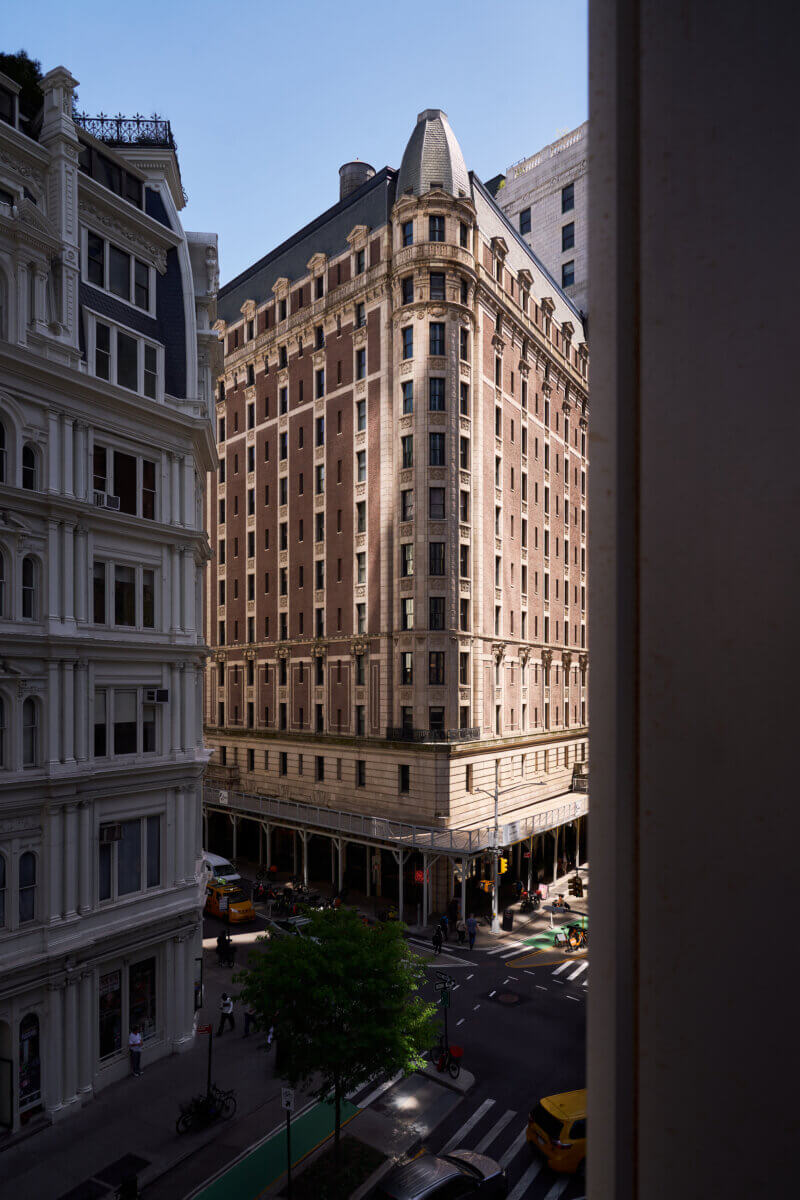
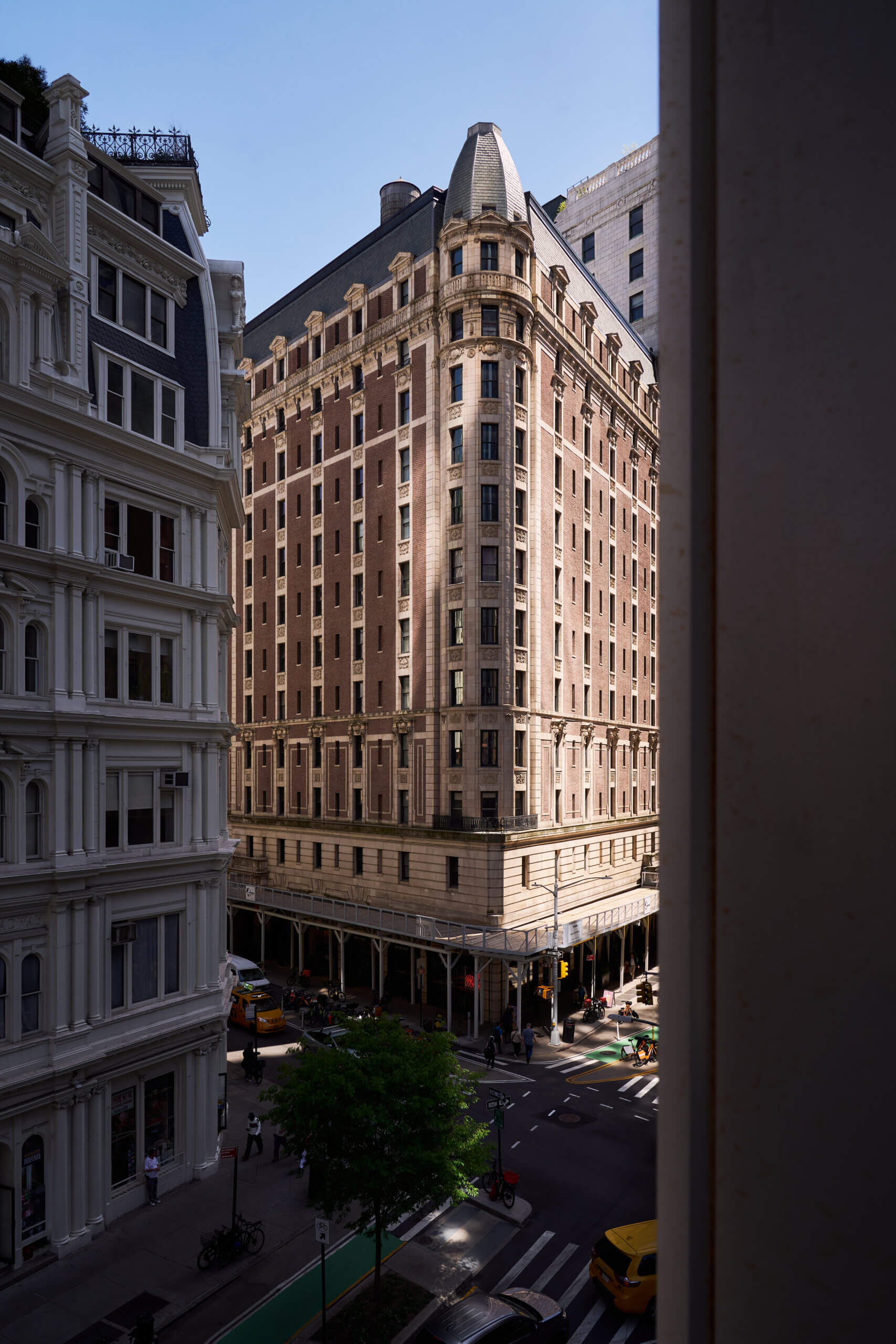
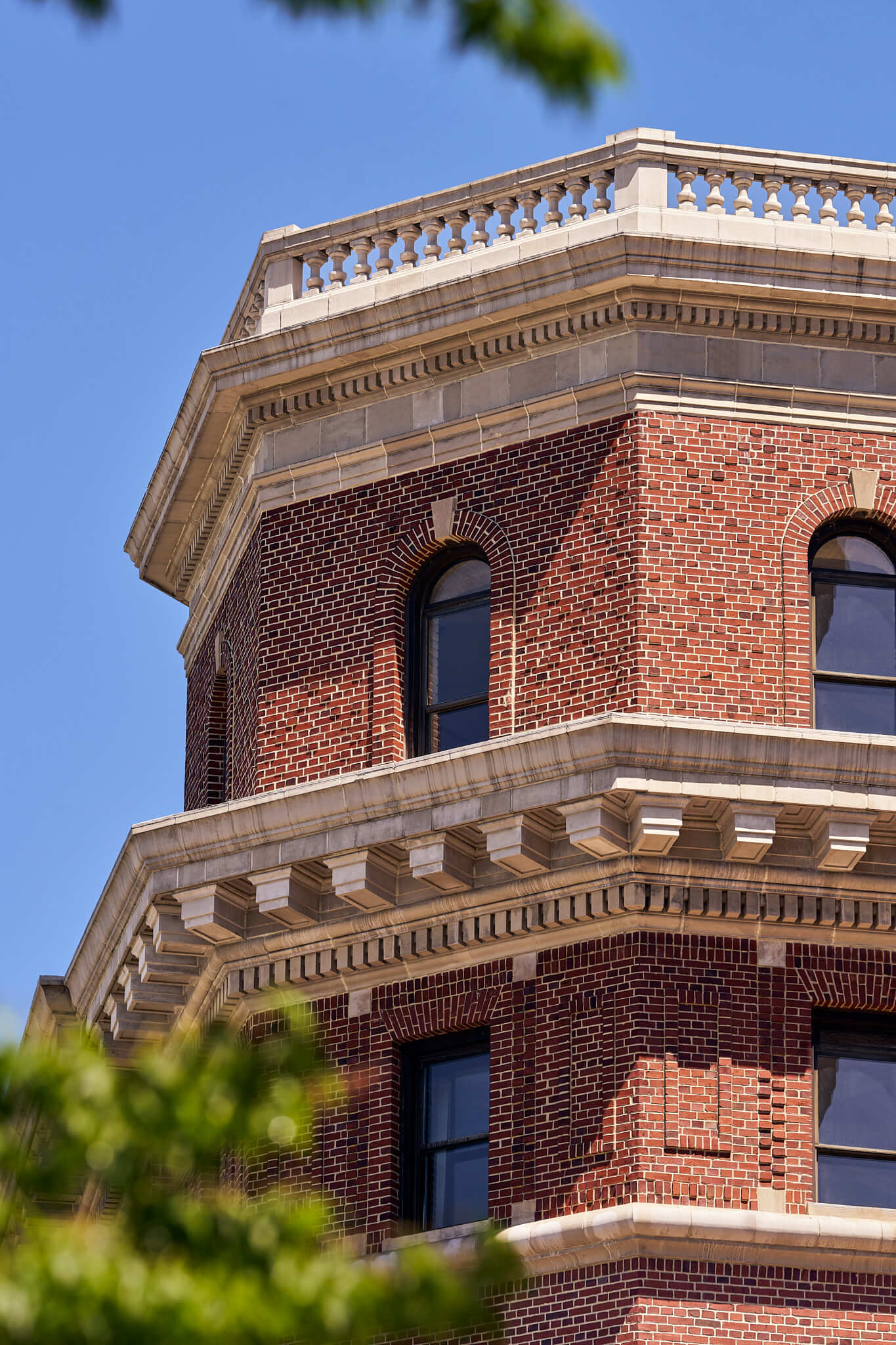
Ace Hotel, New York (Image courtesy of Stonehill Taylor, photographed by Zeph Colombatto)
Interview with Stephanie Liu
When you were a kid, what did you dream of becoming? Did any of those childhood ambitions lead you to where you are today?
I was born and raised in Taiwan, an island that constantly faces earthquakes, typhoons, and the political threat of invasion. Growing up in that environment shapes you. There is a calm resilience in the culture, an understanding that tomorrow is never guaranteed. That awareness has always pushed me to give everything I have to whatever I do. If today is the only chance, you perform your best. As soon as I could hold a pen, I was drawing. My parents never needed to buy me toys. They just gave me paper and a pen and I was happy. By the time I was ten years old, I had decided I wanted to become an architect. I never changed my mind, and I have never regretted that decision.
Where and what did you study?
I attended the top architecture school in Taiwan, where I graduated with both the Excellent Student Award and the Excellent Youth Award. After graduation, I spent a year teaching and another year gaining practical experience before moving to New York to study Urban Design at Columbia University. That transition from Taiwan to New York was transformative, both professionally and personally.
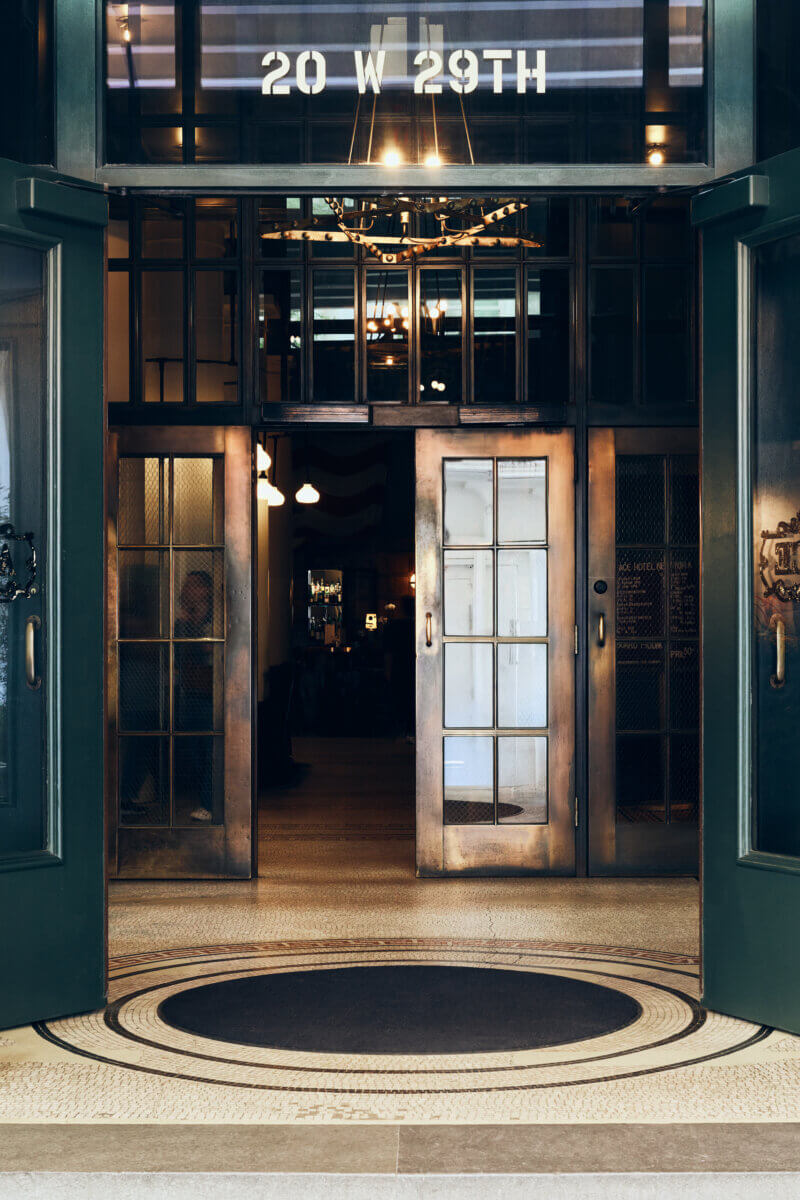
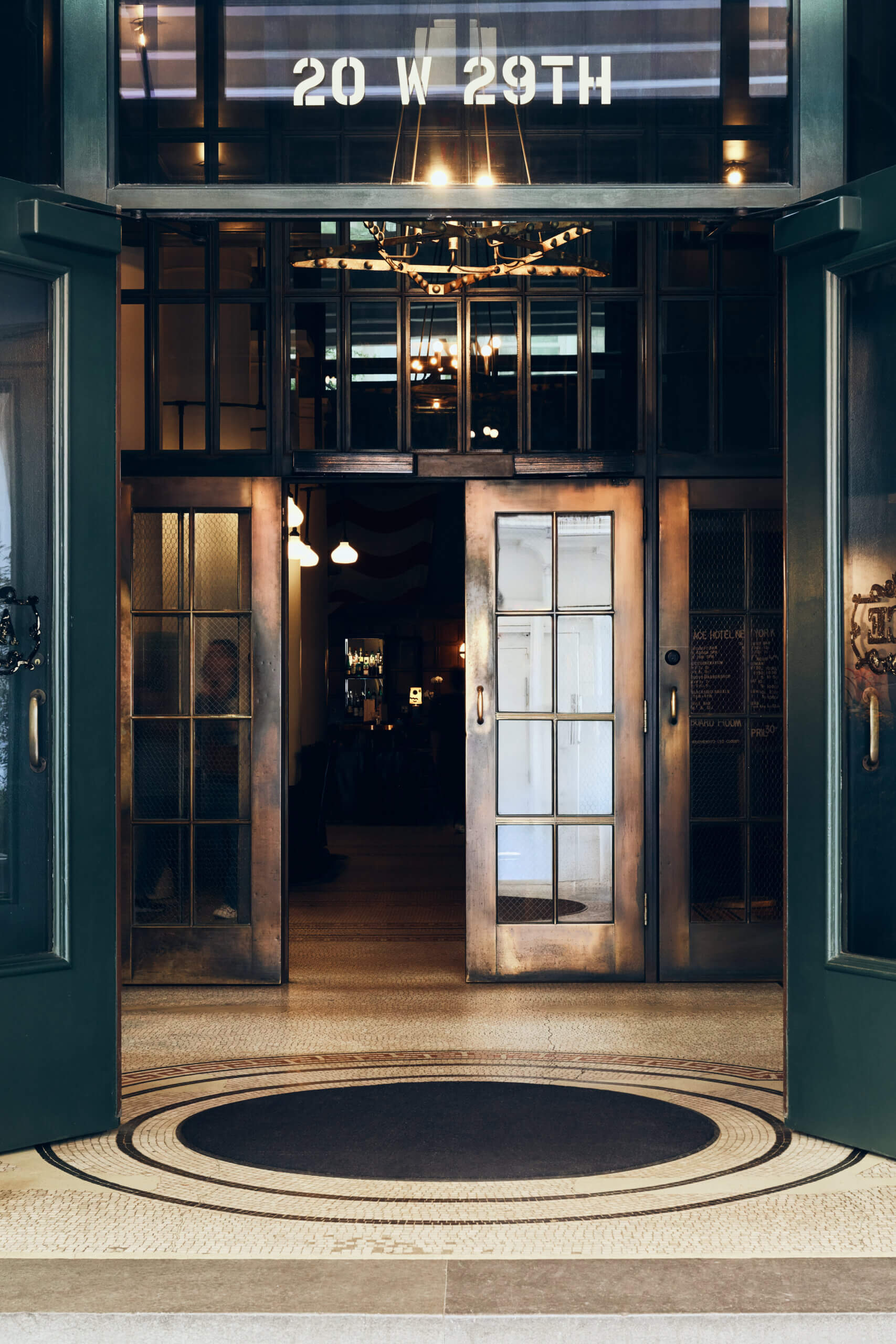
Ace Hotel, New York (Image courtesy of Stonehill Taylor, photographed by Zeph Colombatto)
Was there a specific turning point or experience when you realized that design was your true calling?
There was never a dramatic turning point. Architecture was always there for me. I see it as art with practical uses. The practical side is what makes it complex. It is like solving an intricate puzzle that results in something both beautiful and functional. That constant balance between art and responsibility keeps me deeply engaged.
Is there a particular designer, artwork, or design movement that deeply inspires you? How has it influenced your own style or philosophy?
More than any single designer or movement, I am inspired by the evolution of our profession. I feel very lucky to have grown up before the internet and cell phones, when everything was drawn by hand. I have experienced the full arc, from hand drafting to AutoCAD to Revit and now AI. Each shift has changed how we think and produce. As someone who has been in the field for many years, I feel an obligation to pass my experience on to younger generations. Sometimes I question how much the past truly serves the future, but I remain optimistic. Change is constant in architecture, and that is what makes it alive.
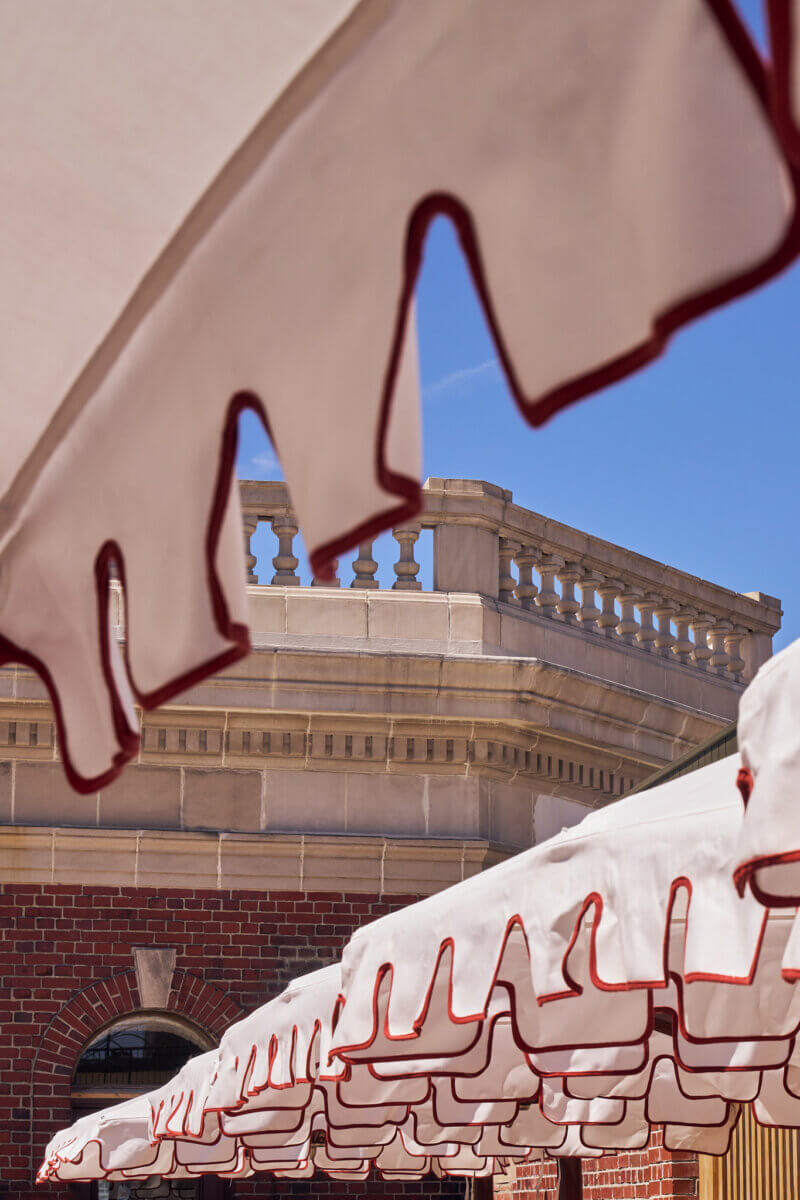
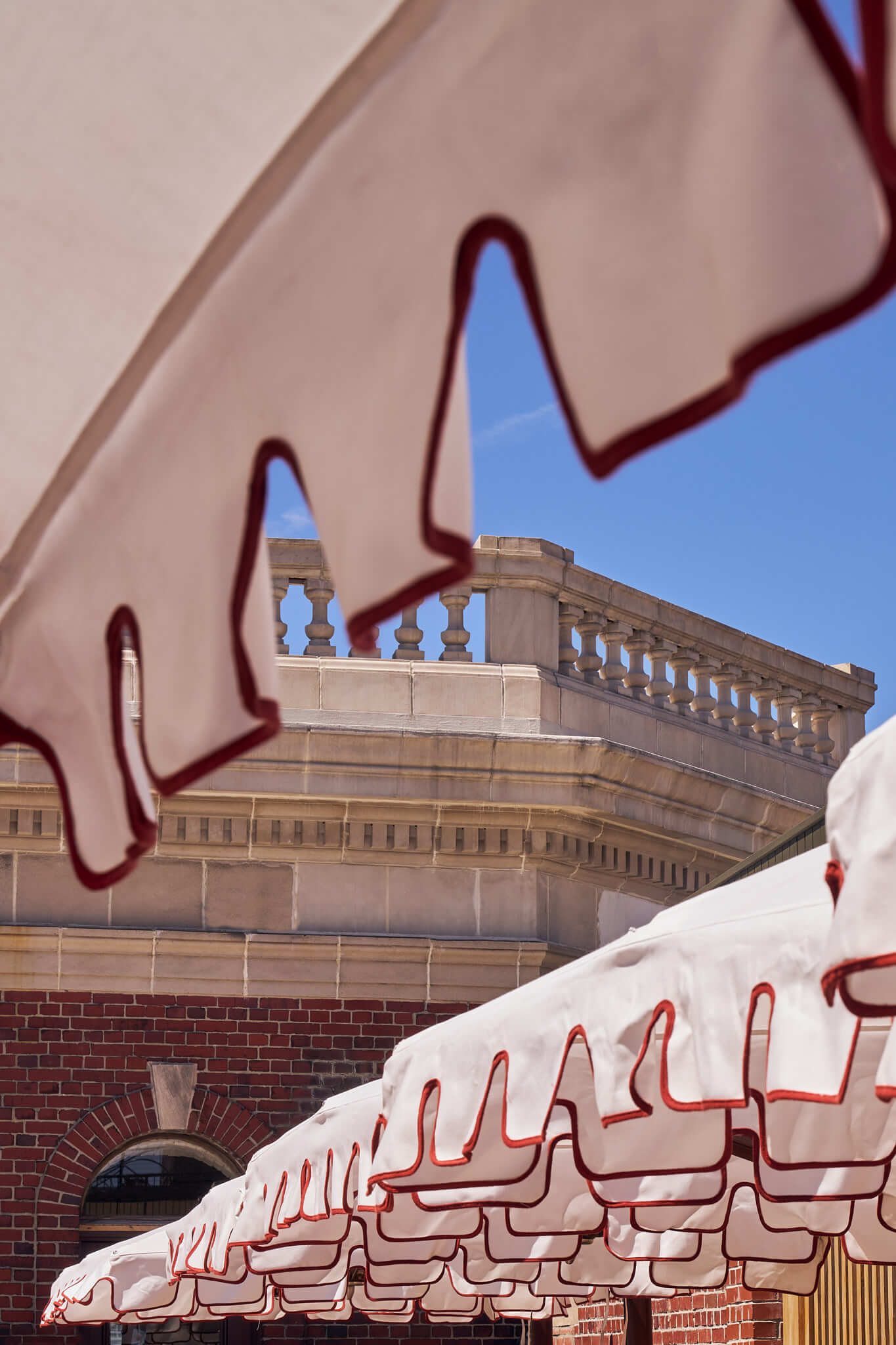
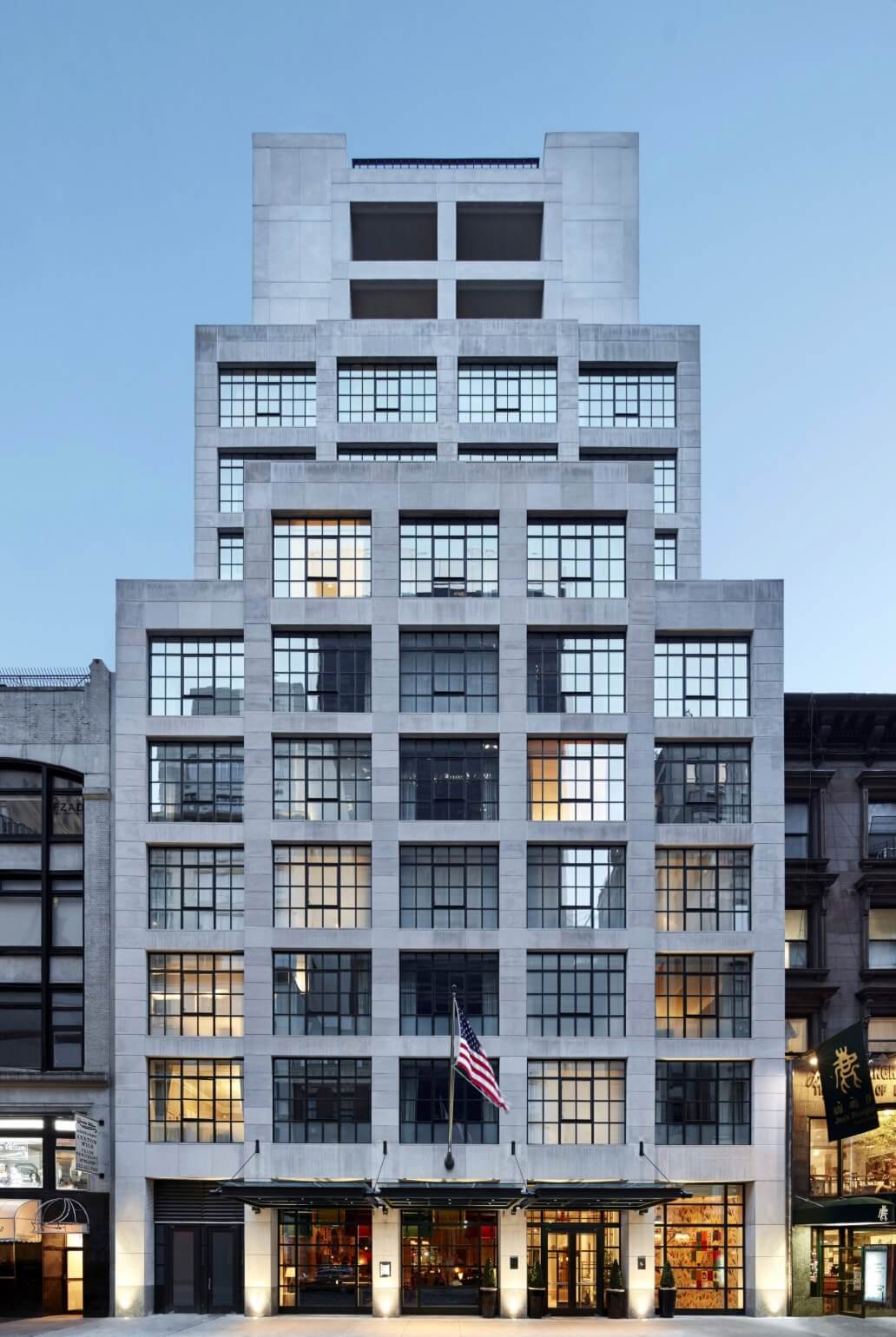
San Vincente (Image courtesy of Stonehill Taylor, photographed by Zeph Colombatto)
Which designers do you love following on social media? What draws you to their work?
I am less focused on following individual designers and more interested in observing how ideas evolve across the profession. I keep my antenna up at all times. The real inspiration often comes from daily life, watching how people move, interact, and occupy space. That observation is more valuable to me than any trend.
How would you describe your design philosophy? Has it evolved over time, and if so, how?
My philosophy is simple. Design for the actual user. I have seen many beautiful designs that later had to be modified because they did not function well, because they were not comfortable or convenient for the people using them. That is always a pity. I love learning what end users truly need. Architecture is never static. Programs evolve constantly, and with each change comes a new solution. If a program evolves a million times, the architectural answers are infinite. It is never boring. Architecture is alive, and in many ways, it is my life. After 2020, especially following the pandemic, my thinking evolved even further. Before then, hospitality was relatively stable, and my focus was on delivering creative solutions within a known framework. After the pandemic, the business side of hospitality opened up to entirely new programs, including private clubs and hybrid spaces with new operational models. All of them are different. I love that shift. It taught me humility and open mindedness. Ideas that once seemed impractical may now be exactly right.
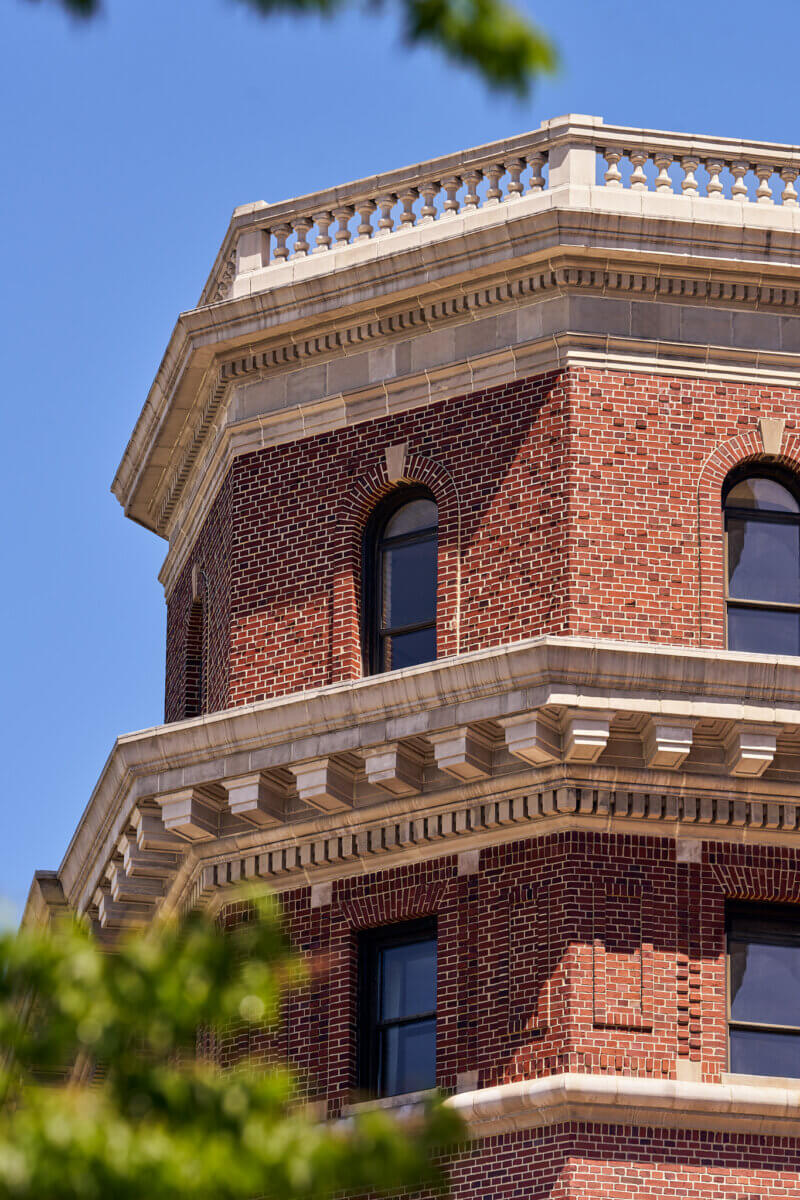
San Vincente (Image courtesy of Stonehill Taylor, photographed by Zeph Colombatto)
Tell us a bit about where you live: How long have you been there, and how does your environment shape your creative process?
I have lived in New York City longer than I lived in Taiwan. Manhattan is home, where my heart is. It is glamorous, but it also faces many challenges. That contrast creates opportunity. If you want to be Superman, Spiderman, Batman, or even Stanford White, you need to live in New York. The energy, density, and ambition push you to be better. It keeps you sharp and constantly aware.
Which of your projects are you most proud of, and what makes them stand out for you?
I often call Ace Hotel New York, Refinery Hotel, Whitby Hotel, The Asbury, and San Vicente West Village my babies. They truly belong to Metro New York. Their profitability indicates successful design, and that success is always the result of collaboration among talented professionals, consultants, and construction teams. I love leading these amazing teams. I am proud to be in that position and grateful for the trust that comes with it.
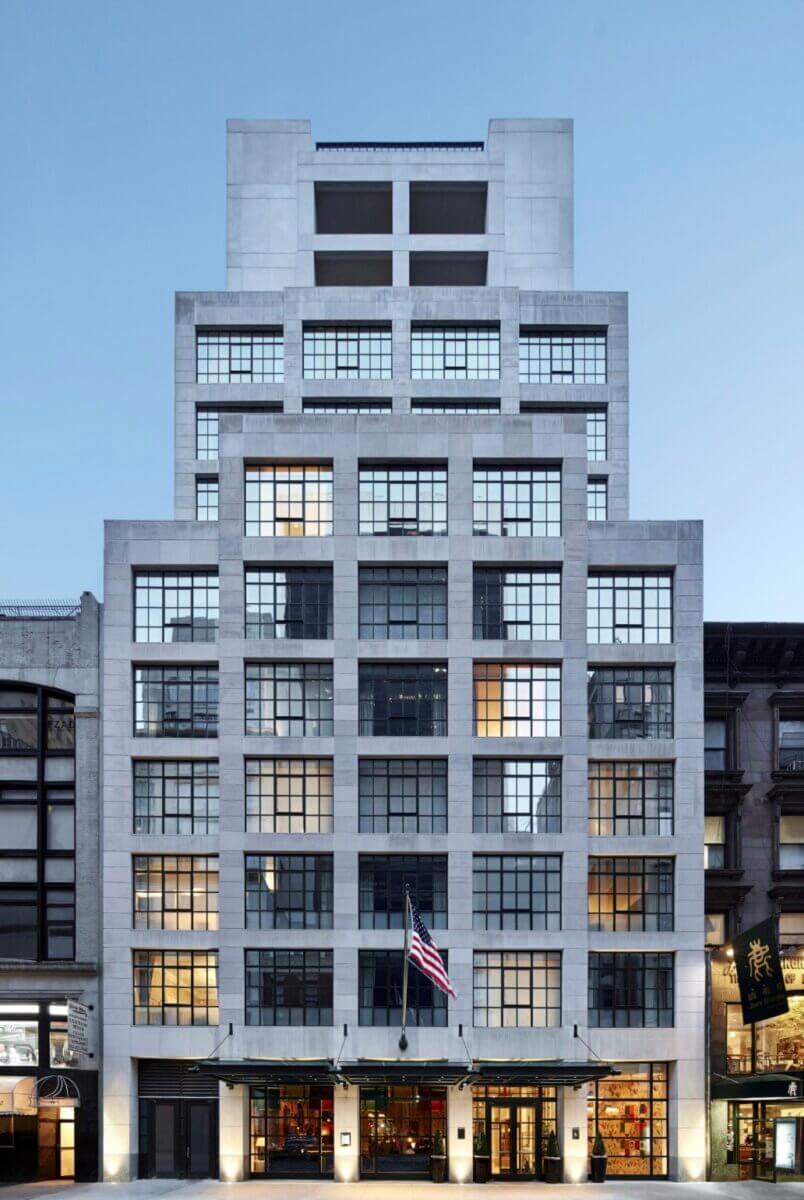
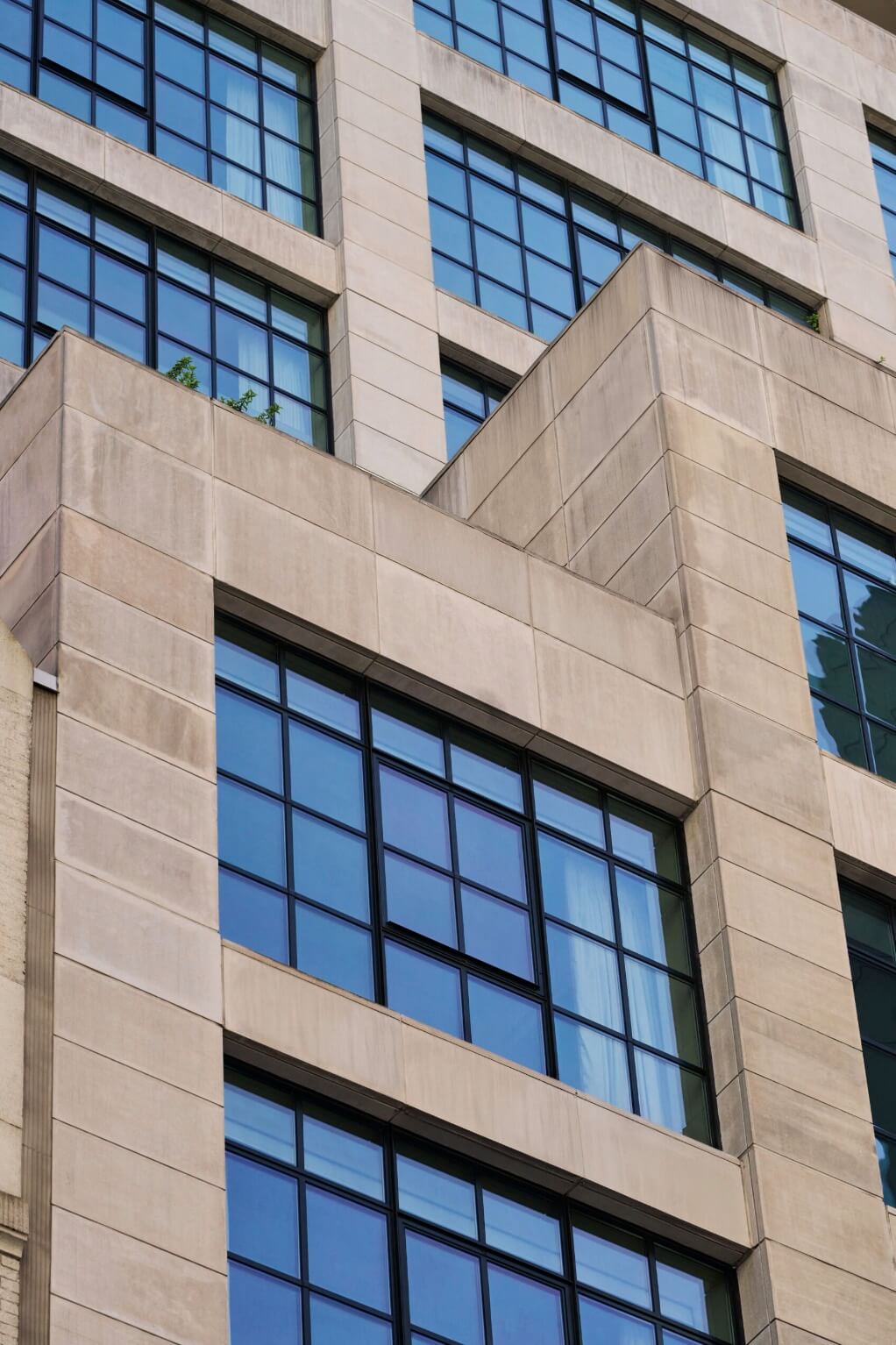
The Whitby (Image courtesy of Stonehill Taylor)
In your opinion, what is the most significant challenge facing the design world today? How do you think designers should respond to it?
The greatest challenge today is navigating constant change, whether technological, social, or economic. The tools evolve quickly. AI is entering the field. Programs shift. Clients expect new solutions. Designers must stay humble and open minded. We cannot be attached to one way of thinking. What seemed impossible yesterday may be exactly what is needed tomorrow. Experience matters, but adaptability matters just as much.
What are you currently working on?
Much of my current work continues to explore the evolving hospitality landscape, especially the expansion of private clubs and hybrid hospitality models. Each project requires fresh thinking and a deep understanding of how people want to gather today.
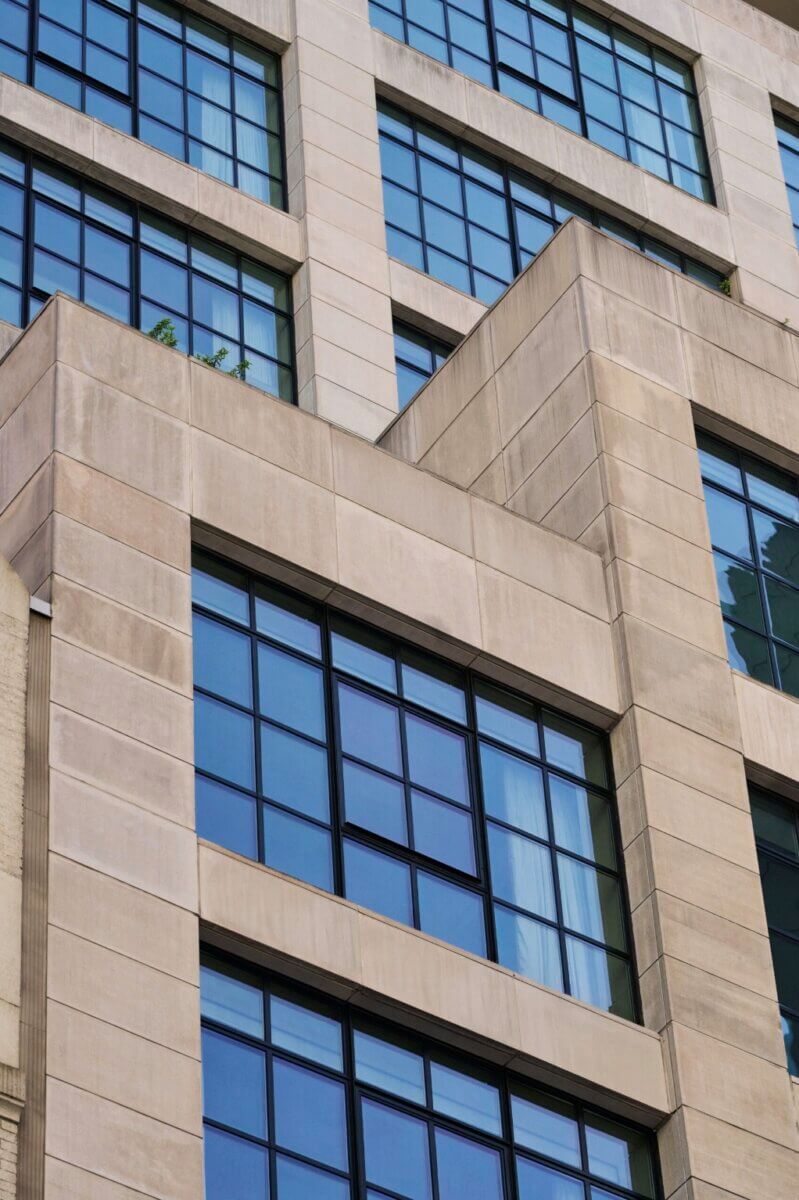
The Whitby (Image courtesy of Stonehill Taylor)
What’s on the horizon for you? Any upcoming projects, events, or goals you’re particularly looking forward to?
I am excited to see where the next phase of hospitality takes us. The industry feels open again, open to experimentation and reinvention. That sense of possibility energizes me. I am always looking forward to the next challenge and the next puzzle to solve.
What’s a favorite movie, band, or song that has inspired or shaped your creative mind?
Instead of naming a single movie or band, I will share a personal hobby that reflects my creativity outside architecture. I became a certified cocktail mixologist in 2019. Making and serving drinks is fun for me, not just because of the craft, but because of the conversations. When people drink, they often speak more honestly. Listening to their stories is fascinating. I create cocktail and mocktail recipes for private parties and small events, often tailoring the ingredients and garnishes to the specific celebration. All the ingredients, other than the alcohol, can be found at a local market. I also design the graphics for my own T-shirts. In fact, all the T-shirts I wear now are my own designs. In earlier years, my hobbies included Argentine Tango dancing, playing drums, and motorcycling. Creativity does not stop at architecture. It simply finds different forms.
Visit Stonehill Taylor’s Website >>>
Interested in learning about other designers?
SEE MORE DESIGNER PROFILES >>>