Rarify is returning to ICFF with yet another dynamic exhibition, underpinning the contemporary furniture fair with historical and museological clout. Since mounting the Form & Forest presentation (highlighting the oft-overlooked links between modernist furniture and woodcraft) at last year’s edition, the multivalent commercial, cultural, and educational platform has launched a lighting collection with Gantri, expanded its brick and mortar presence in Philadelphia, curated an exhibition on the “almost-lost” furniture of major New York architect firm SOM, and accomplished so much more.
Furthering its mission of not just restoring and reselling vintage furniture classics—20-thousand pieces of which are part of its own purveyance—but also shedding fresh light on their lasting relevance, Rarify is teaming up with Berlin’s Bauhaus Archiv and German producer of Bauhaus icons Tecta for an exhibition highlighting key designs and complementary materials (a diverse range of original drawings, prints, and other artifacts). Just like with the SOM showcase, the aim with the project will be to bypass nostalgia and instead, reveal the value of lasting legacies. Rarify’s cofounders Jeremy Bilotti spoke to ICFF about the curatorial reasoning behind the exhibit:
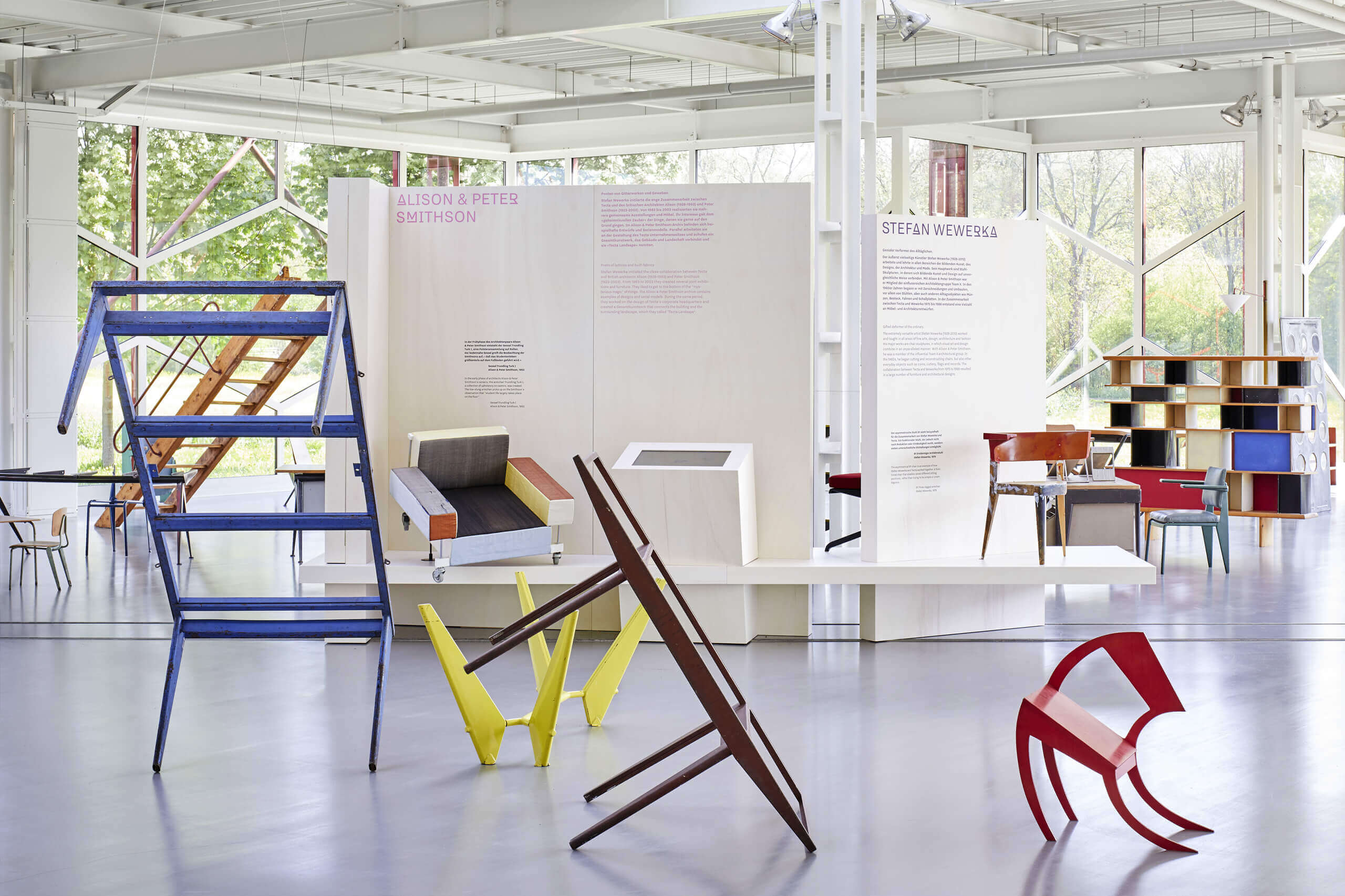
(Top image courtesy of Tecta)
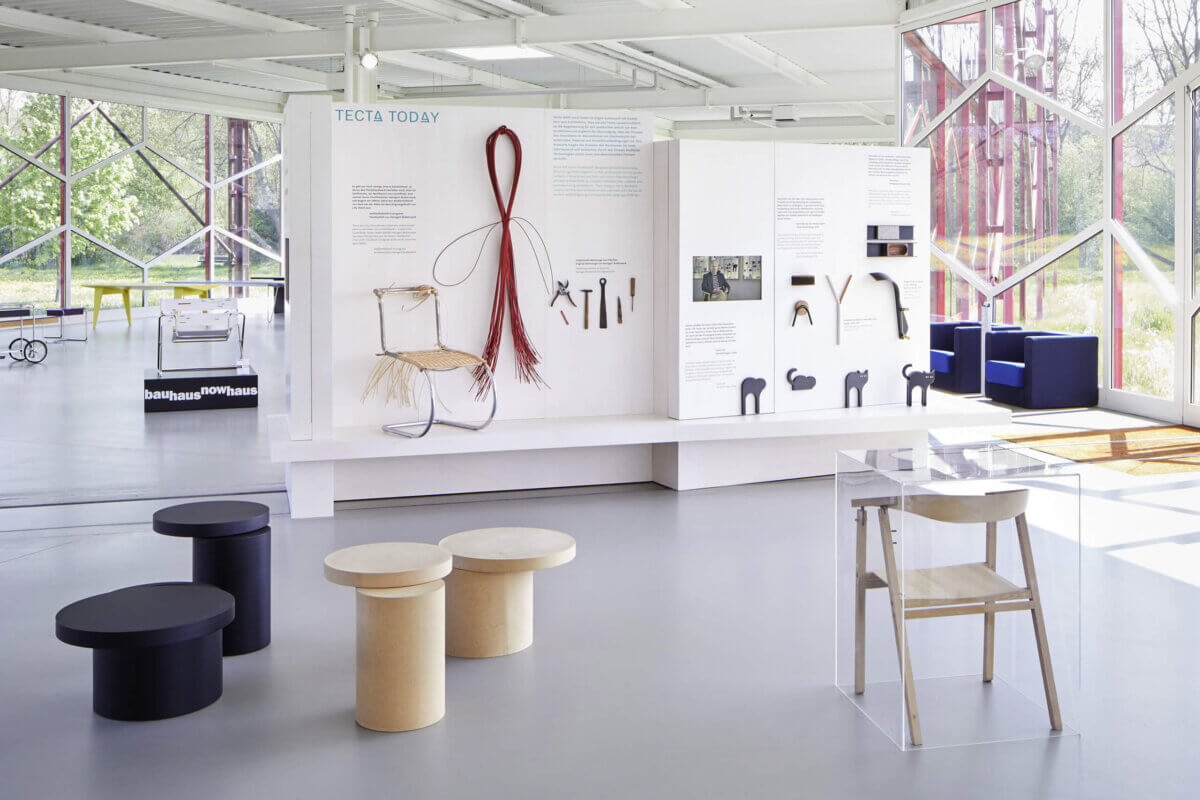
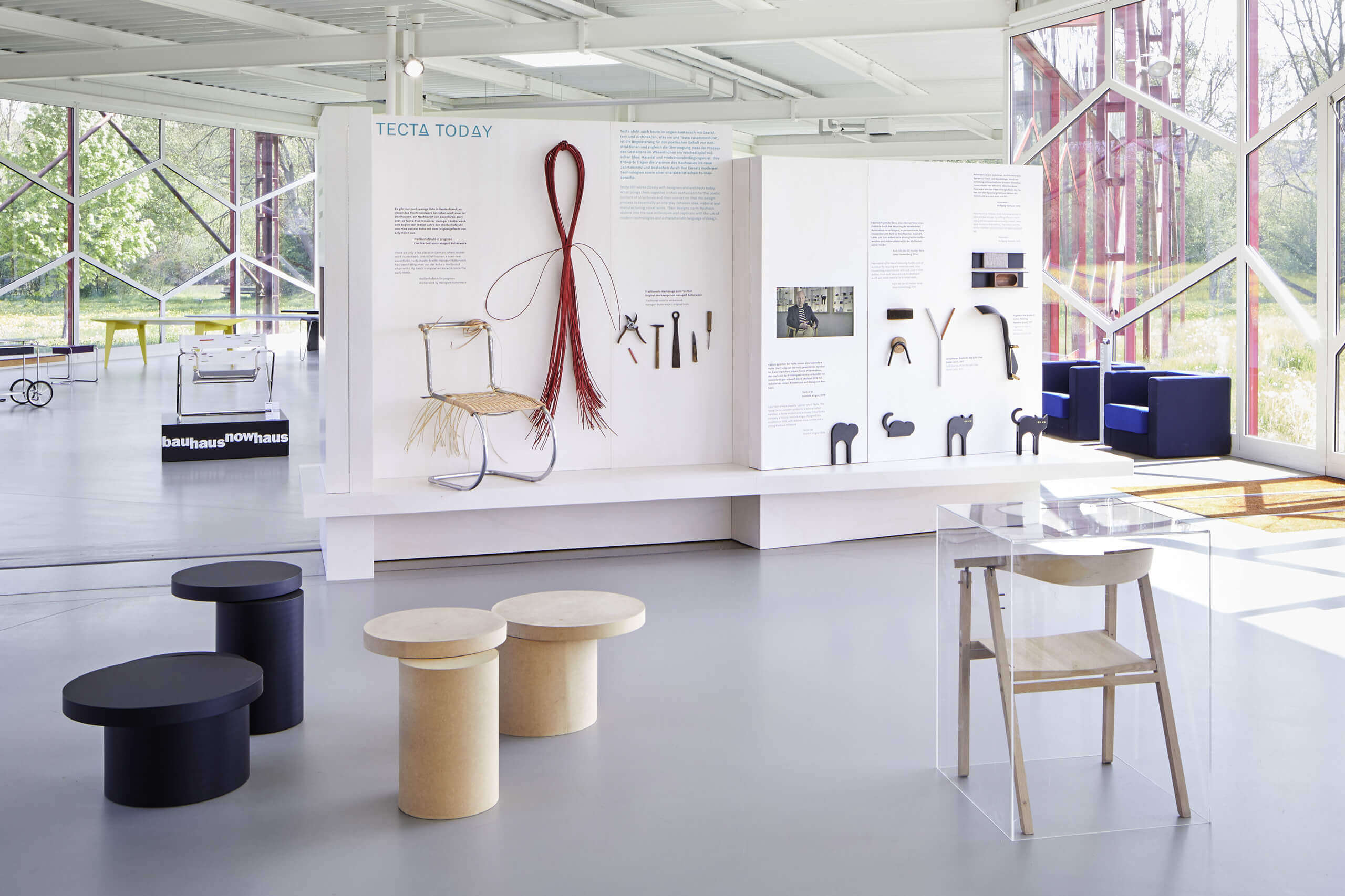
Tecta Today (Image courtesy of Tecta)
How did this collaboration come about? How did you first enter into conversation with the Bauhaus Archiv and Tecta?
Since our inception, Rarify has been a collection of furniture spanning the 20th and 21st centuries. Our core values have always framed design as continuum, rejecting 20th century works as objects of nostalgia, and instead examining their influence on contemporary design through the act of archival research, acquisitions and curating objects that we can bring to enthusiasts as well as A+D project fitouts in the US.
In the first months of Rarify’s existence, David and I were heavily focused on developing relationships with furniture manufacturers around the world who share these values. Although we didn’t formally start working with Tecta as their US distributor until recent years, they were one of the first manufacturers we made contact with in 2020. Christian Drescher, the owner of Tecta, was supportive of our mission to bring better design to A+D projects in the US. Furthermore, as an owner and operator of a design museum himself (the Tecta Kragstuhl Museum / Tecta Cantilever Chair Museum in Lauenförde, Germany), Christian was also immediately in support of our goals to expand access to design education—a core value of our business.
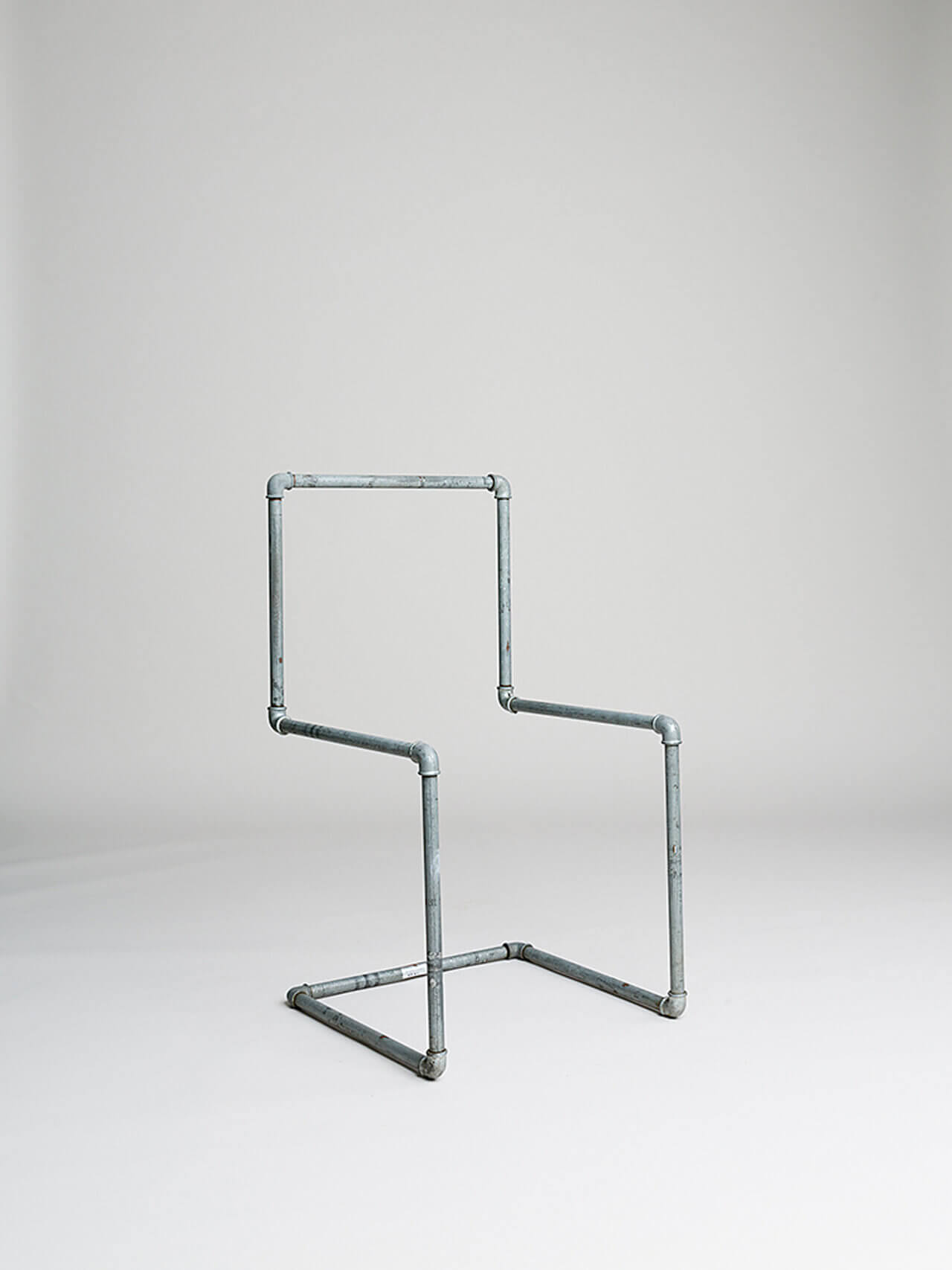
Image courtesy of Tecta
Our appreciation of Tecta lies in its close reflection of our values: a reverence for historical design precedents which informs innovation in contemporary design today. Tecta is a small family-owned furniture maker that does two things: 1) they produce Bauhaus furniture works such as those by Marcel Breuer and Walter Gropius with meticulous attention to accuracy. This is made possible by their close, long-time collaboration with (and licensing with) the Bauhaus Archiv Berlin. And 2) they produce contemporary design that follows in the legacy of the Bauhaus, supporting the work of new designers by giving them access to their museum, their production technologies and contact with the Bauhaus Archiv. We respect Tecta’s work in that it is not in pursuit of capitalizing on nostalgia, but instead in pursuit of pushing the boundaries of contemporary design while maintaining a connection to the Bauhaus’s design DNA through academic research.
In 2024, Rarify became the exclusive distributor of Tecta’s furniture in the US. We wanted to work with the Bauhaus archive and with Tecta to create an exhibition at ICFF that allows trade and contract clients to interact with the furniture (both contemporary and historical examples), but also serves as an open exhibition that the public can access to learn about design—whether those people are students, young designers, enthusiasts or anyone who may otherwise not have a good reason to attend a trade show like ICFF. We believe that the DNA of the ICFF show is not only about commerce, but also about engaging the city and country in the culture and history of industrial design, and about providing a landing point for anyone who wants to learn.
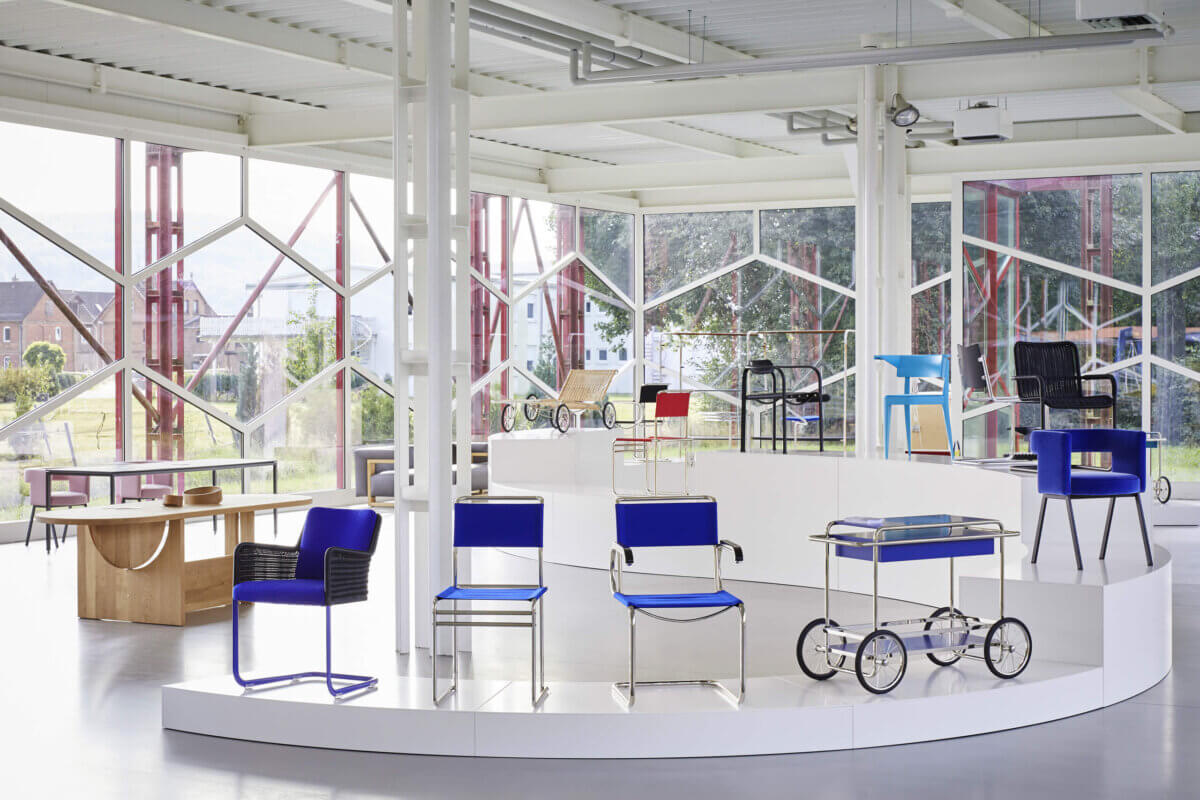
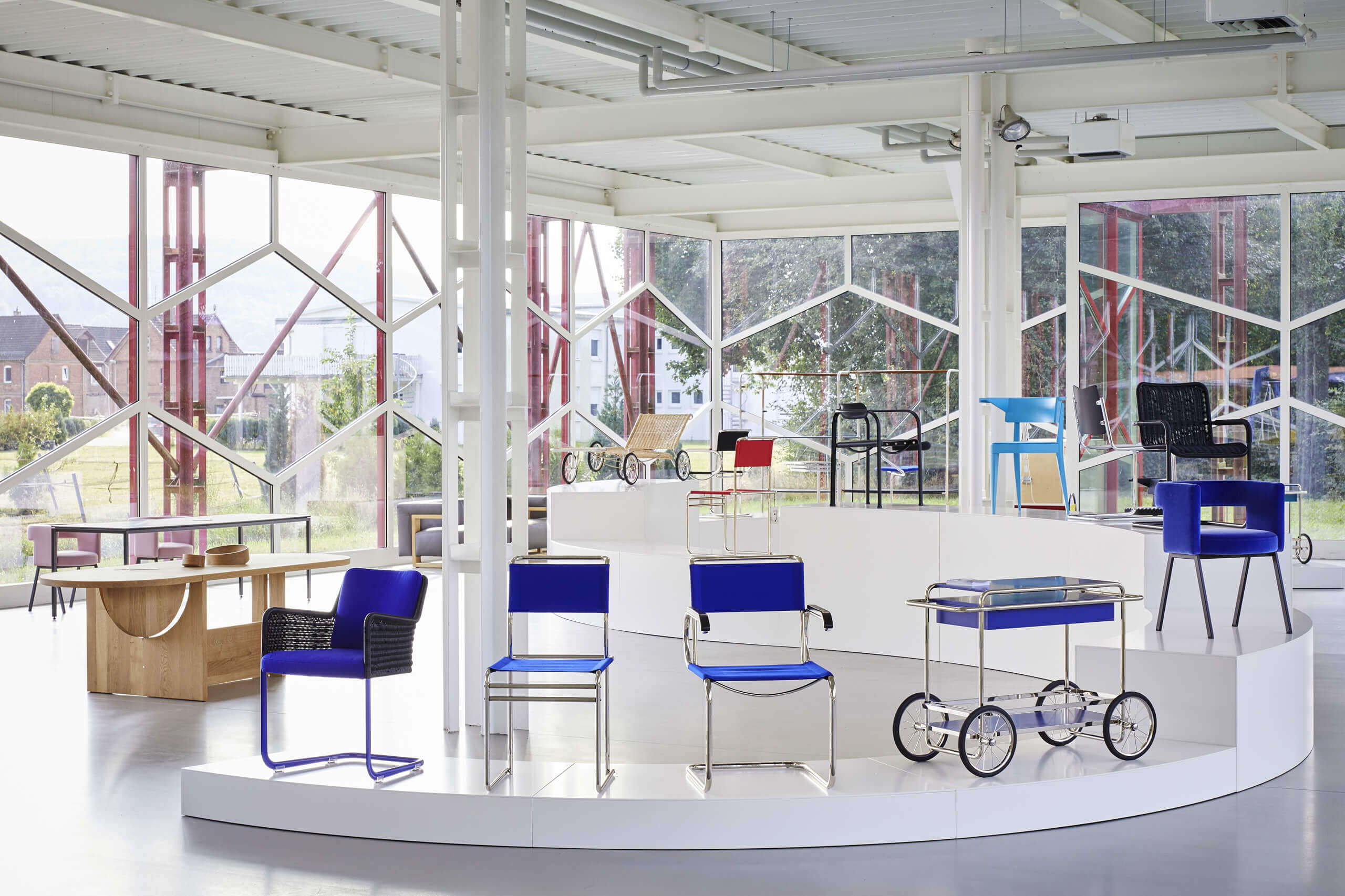
Image courtesy of Tecta
Why did you select ICFF as the right platform to showcase this project? What is it about the fair’s focus and approach that made sense to communicate the results of this “making history relevant” exploration?
ICFF is the longest-standing and largest furniture fair in the US. For years, the show has continued to integrate work by students, young designers, and innovative thought leaders in design, inviting those people to exhibit their work alongside established brands and commercial suppliers. We’ve worked closely with the team that runs ICFF each year, and they have been incredibly supportive of our goals to continue expanding access to design education through creating exhibitions at the show—right alongside trade show booths.
We believe New York is the best place for this exhibition to exist, as the city continues to be an epicenter of cultural education, with its unprecedented density of museums, galleries, and institutions dedicated to design and the visual arts, both historical and contemporary. It continues to be a place where emerging talents exist and develop, and we believe it is our responsibility to not only engage with the city commercially, but to also offer education and access to information through our presence at ICFF.
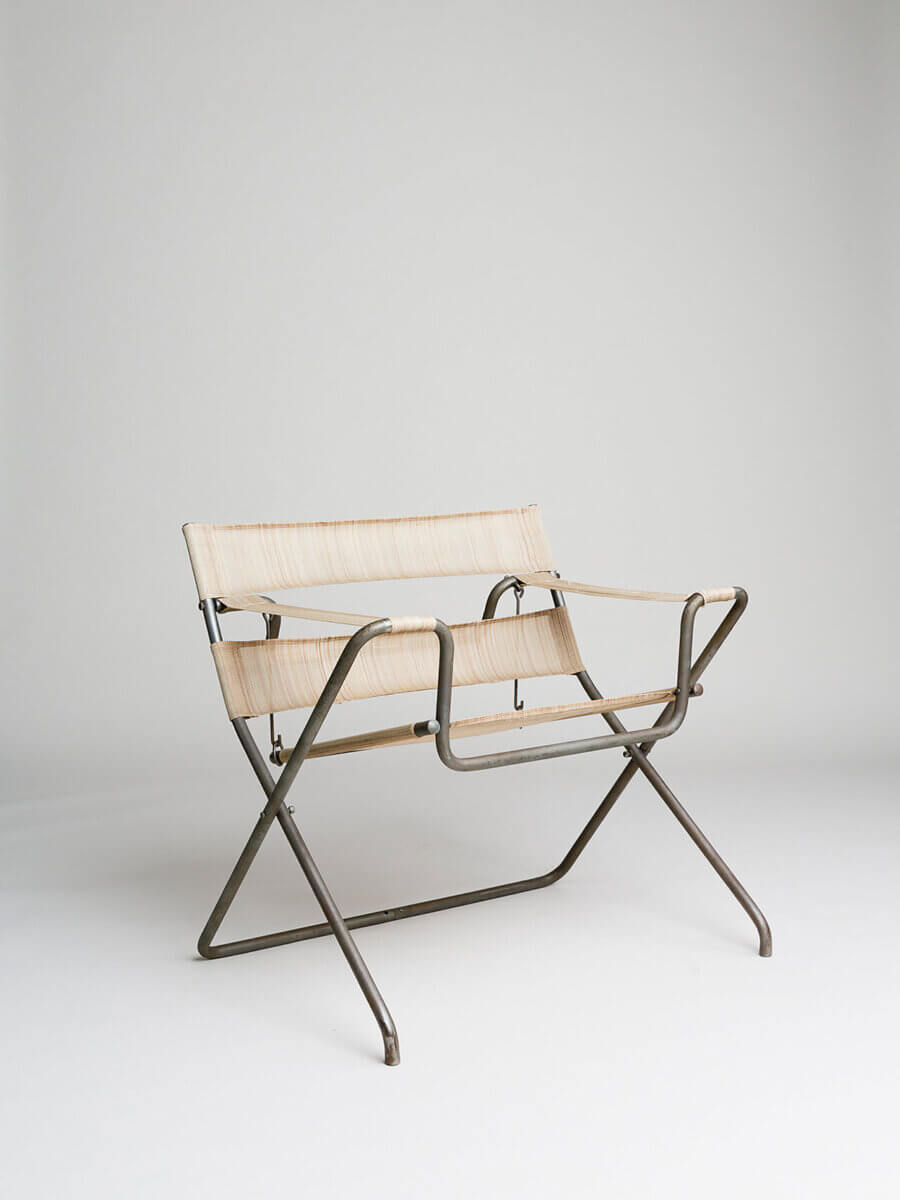
Image courtesy of Tecta
Explain further how Tecta is involved.
As a small business based in Germany, Tecta has been generous in their support of this exhibition. Tecta has produced pieces of furniture that will be on display, and worked with us to send them to the US from Lauenförde. We’ve worked closely with their team to curate the most important works in their collection. Tecta has provided an invaluable connection with the Bauhaus Archiv Berlin, and we have worked closely all together as a group to select historical graphics, prints, drawings and other materials that help to tell the story of how these visionary works of design came to be.
Take us through what you’ve already envisioned for the display.
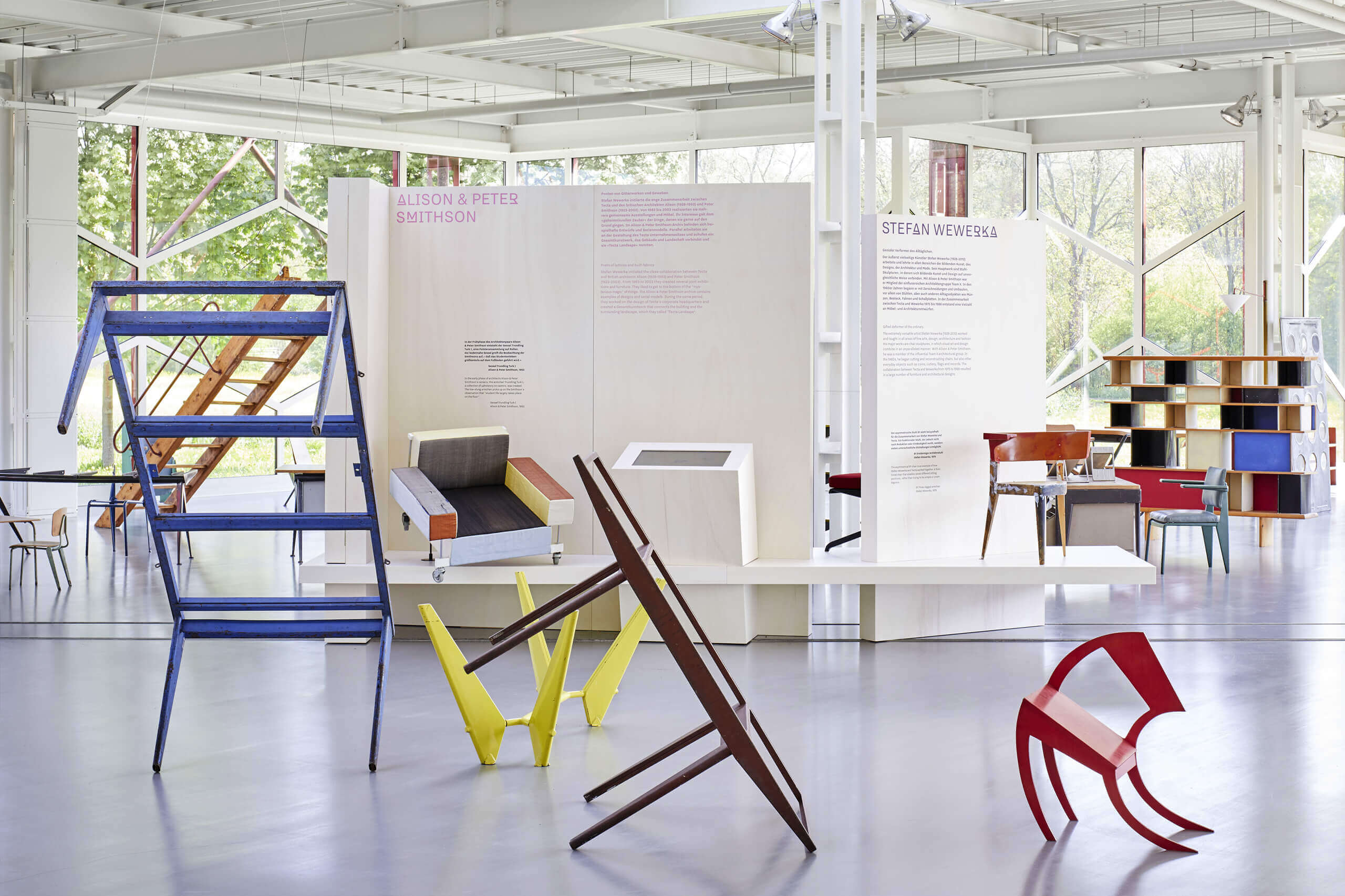
While we are a company that provides furniture to purchasing clients, the visual display we are creating at ICFF will read much more like a museum exhibit than a trade show booth. The furniture will be accessible for viewers to see up close, supplemented by print materials and archival materials from the Bauhaus Archiv. Some of the pieces may even be “sittable” and “touchable”, though we won’t reveal which until the show opening.
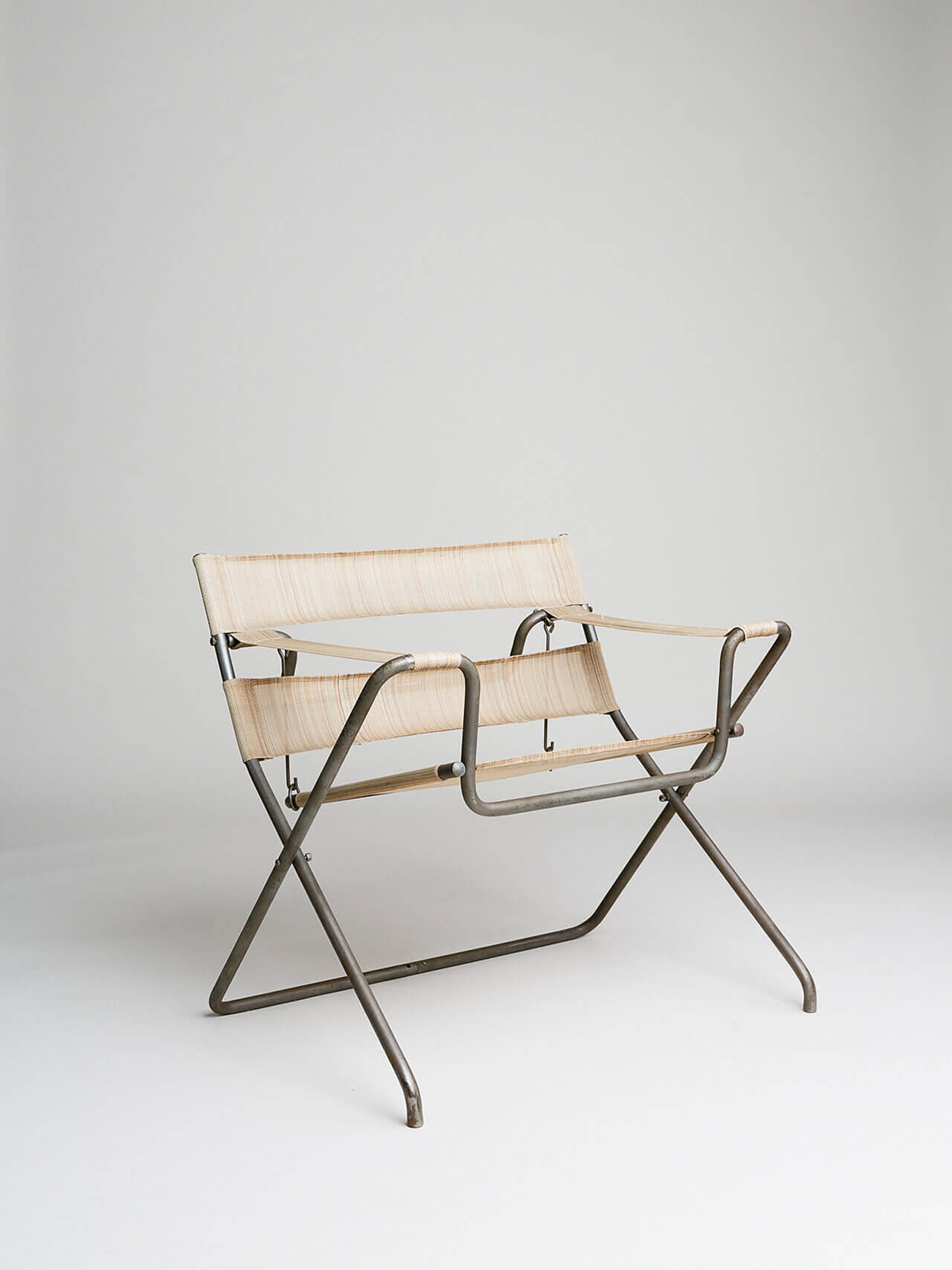
The collection includes pieces such as the rare “folding Wassily chair” by Marcel Breuer, little-known upholstered sofas and chairs by Walter Gropius, one of the founders of the Bauhaus, unusual and experimental storage systems and smaller design objects as well. The exhibition will feature graphics and typography throughout, designed by Ben Fehrman-Lee—the renowned graphic designer, typographer, and art director known in part for his work at 2×4—in direct collaboration with the Bauhaus Archiv, who has opened up their collection of graphic work to us. By creating an immersive display where visitors can not only see furniture to purchase, but can also have a learning experience, we hope to communicate the idea that design is not simply about decorating, but is an academic discipline in its own right that produces cultural value across generations when carefully considered.
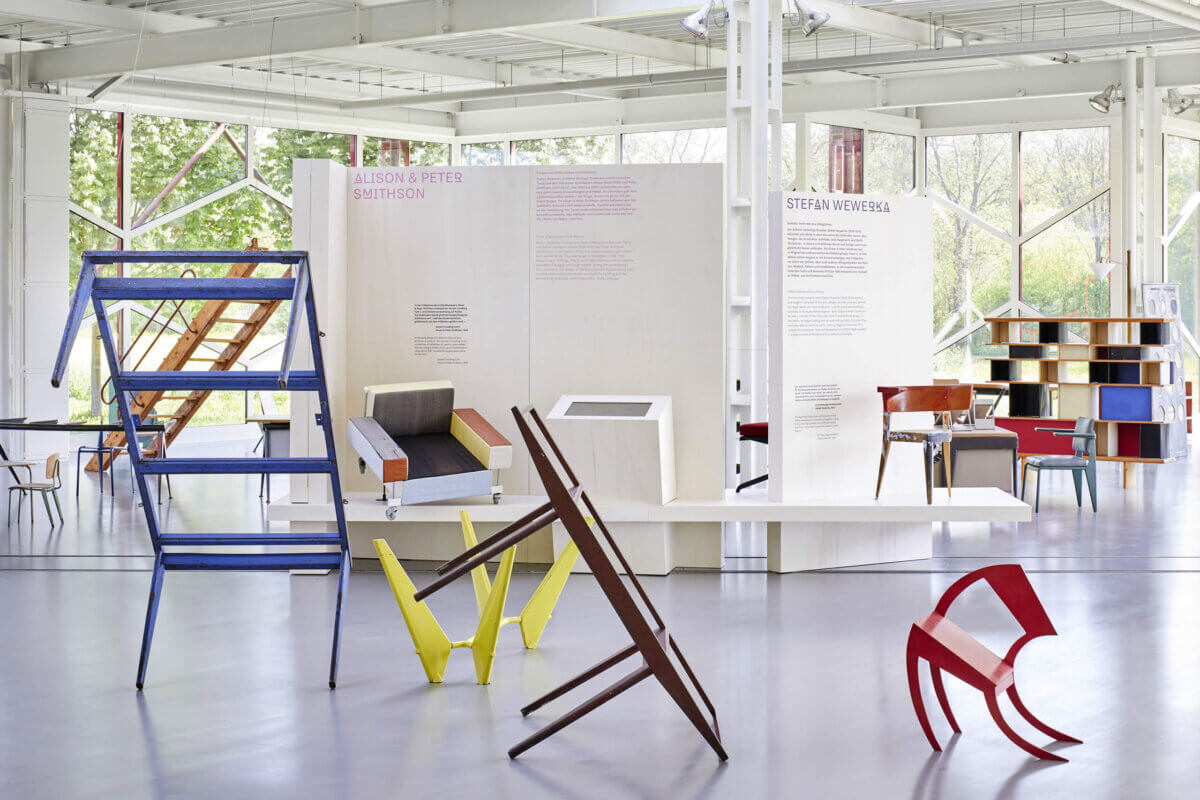
Image courtesy of Tecta
What is the value of not just showing finished products but also a whole host of adjoining materials: drawings, prints, and other artefacts?
We were originally trained as architects. Staying true to our roots, we have never abandoned the rule that finished products of design should always be displayed alongside process work—whether those are prototypes, parts, sketches, models, drawings, precedent images or other forms of representation. We always strive to explain not just the objects in our collection, but the ways in which those objects were made. Particularly in the case of Bauhaus design, this concept is of utmost importance; in fact, a core tenet of the Bauhaus was a fascination and focus on craft and production methods, which directly influences the way in which we communicate about furniture design today.
Visit Rarify’s Website >>>
See the Tecta Collection >>>