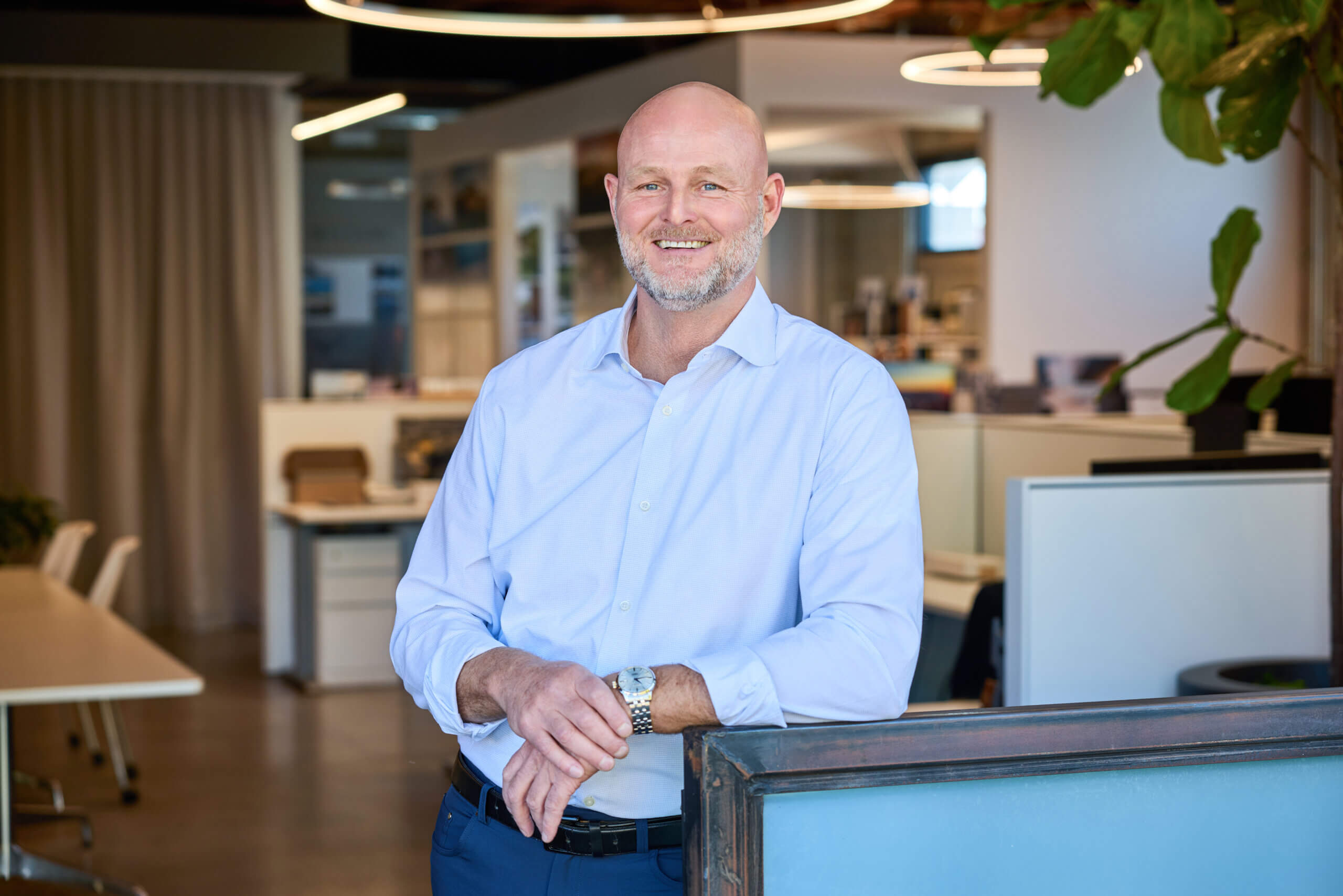
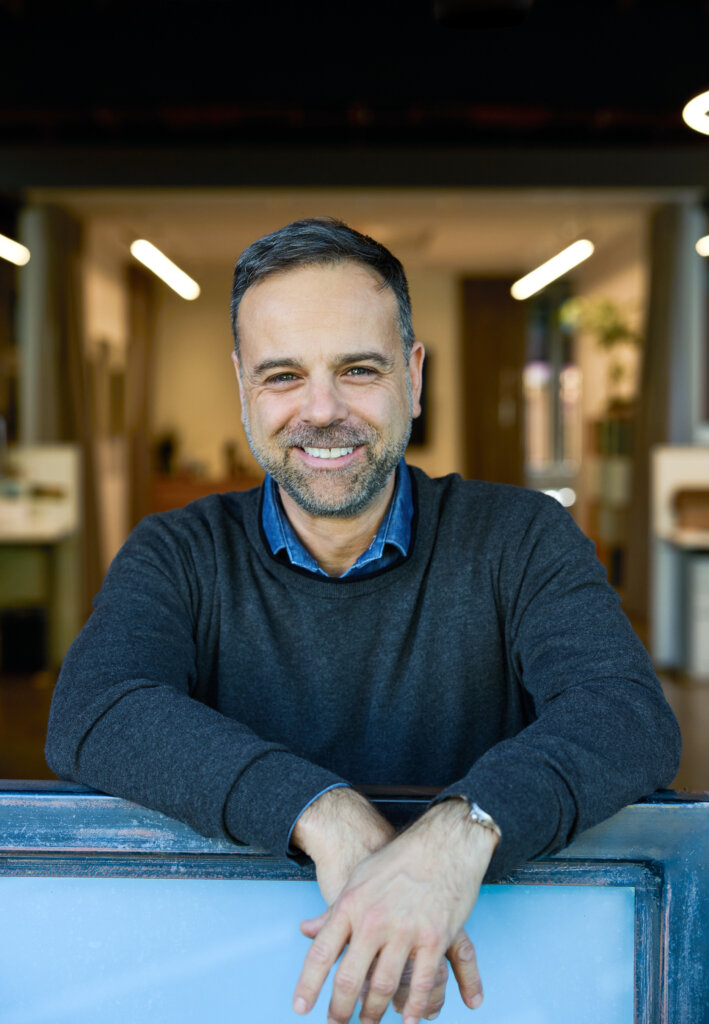
Michael McGowan is an Associate Principal at KAA Design Group, where he leads the design of high-end residential landscapes that seamlessly extend architecture into the surrounding environment. Viewing landscape as an essential part of the architectural experience, he approaches each project through a holistic lens, uniting site, structure, and human experience into a cohesive whole. His work is guided by principles of storytelling, sensory engagement, and thoughtful restraint, resulting in landscapes that feel intuitive, enduring, and deeply connected to their setting. Shaped through the interplay of light, material, color, and time, each project evolves as a dialogue with place, balancing clarity of design with a rich sense of atmosphere. Influenced by the quiet elegance of Mediterranean gardens and a deep respect for natural systems, Michael creates outdoor environments that encourage connection, support everyday living, and reveal beauty through proportion, simplicity, and careful attention to detail.
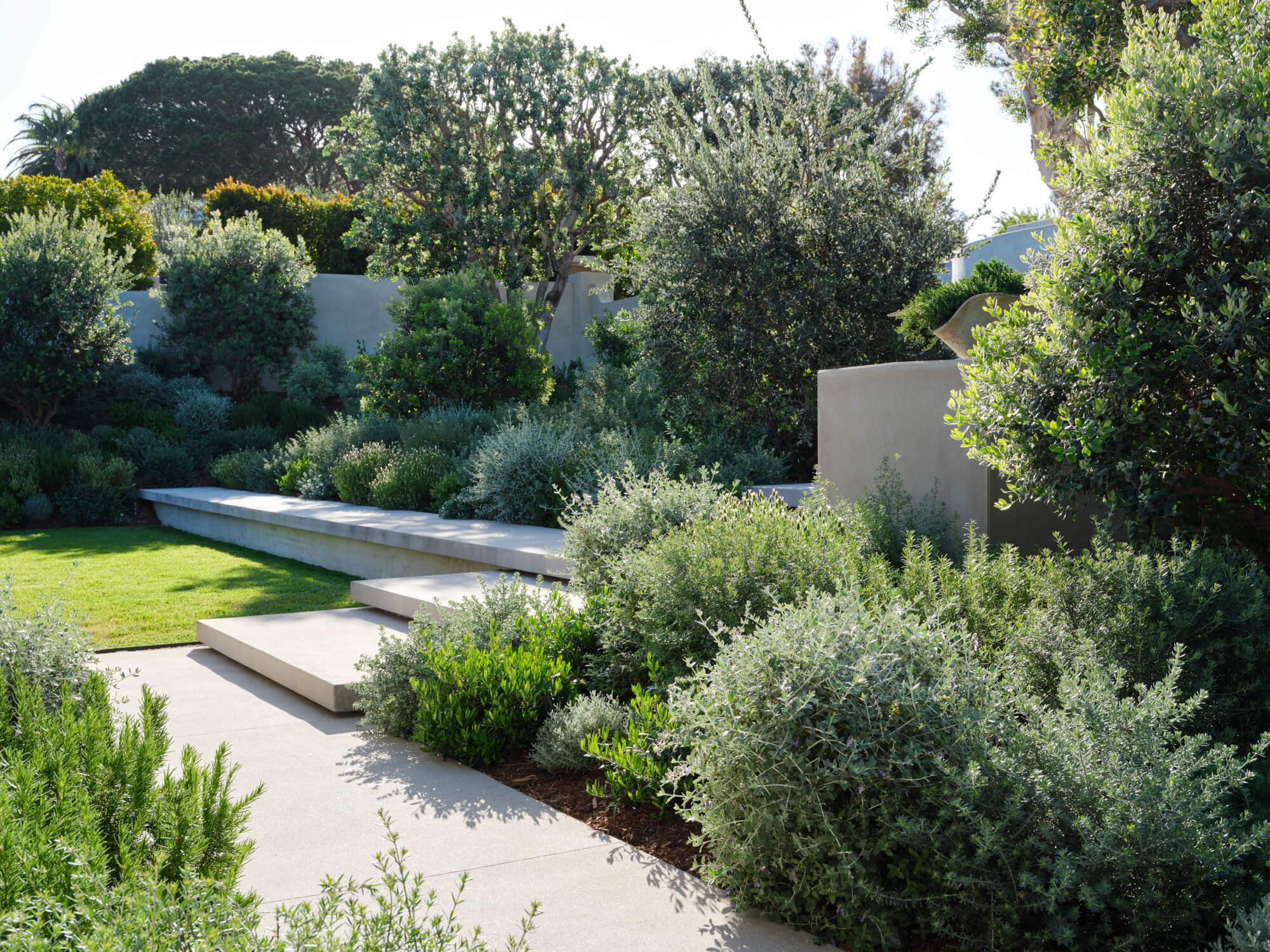
(Image above courtesy of KAA Design Group | Photographed by Ricky Lesser)
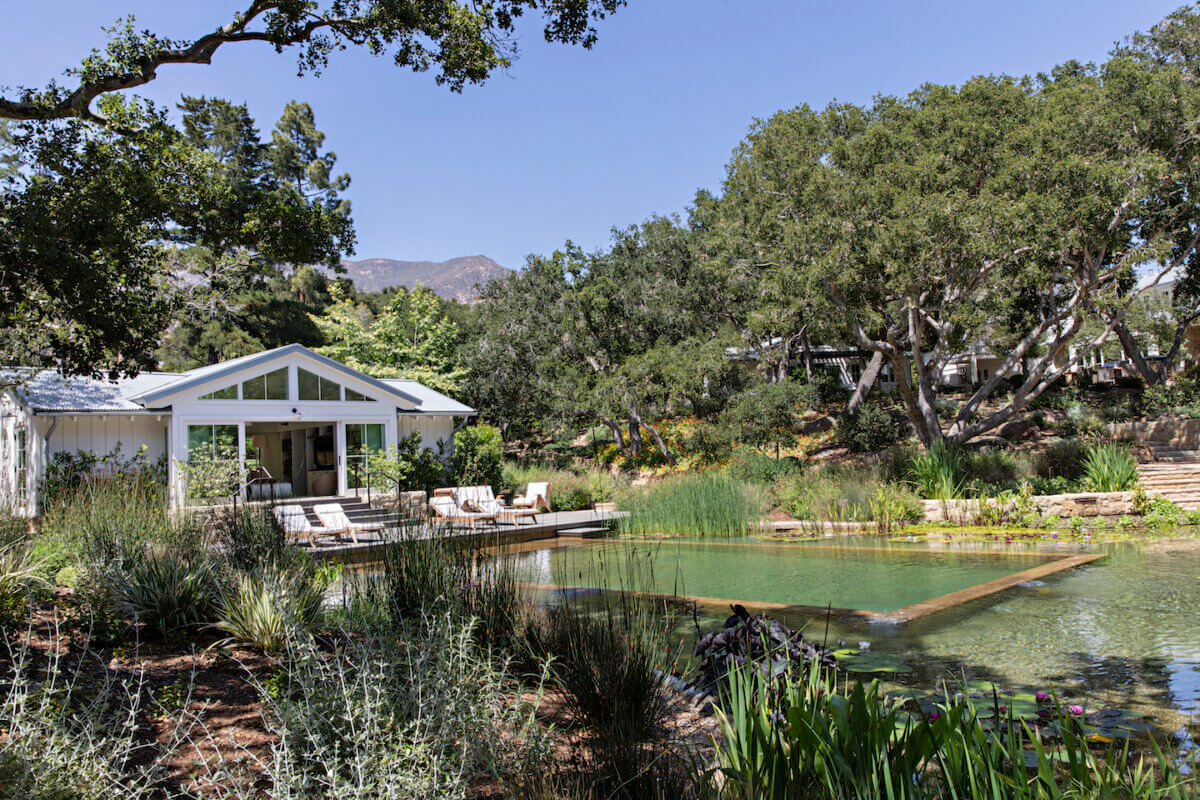
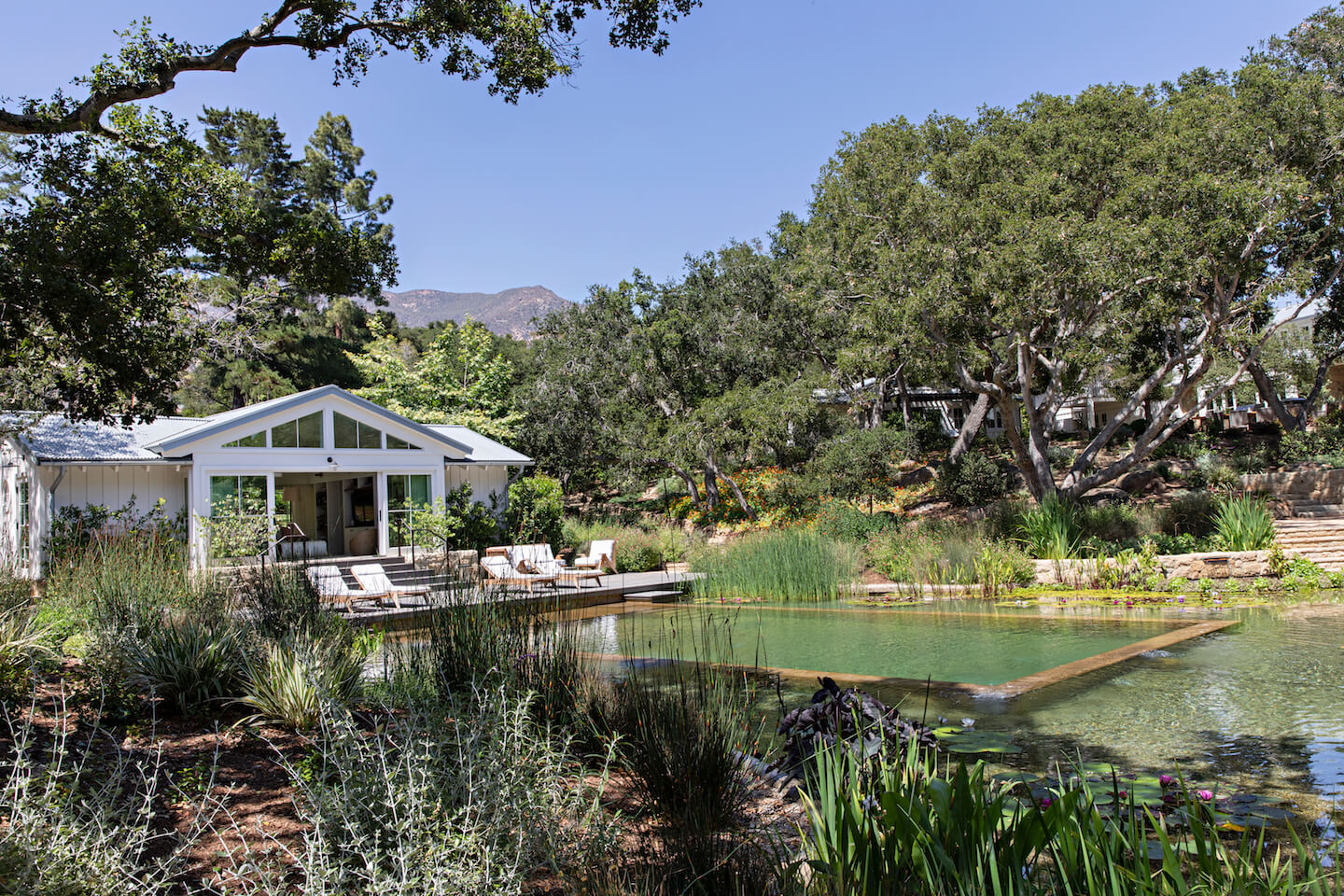
Parra Grande (Image courtesy of KAA Design Group | Photographed by Karyn Millet)
Interview with Michael McGowan
When you were a kid, what did you dream of becoming? Did any of those childhood ambitions lead you to where you are today?
Looking back, the instinct to shape space was there early on, even if I didn’t have the language for it. I spent a lot of time in local forests building trails, crafting small environments, and creating places to explore. Summers with my grandmother in North Carolina were equally formative – working in her garden, tending to her azaleas, and learning the rhythms of a more intentional, hands-on way of living. There was also an appreciation for craft – cooking, sewing, making things with care – that carried a sense of patience and purpose. Those experiences weren’t about design in a formal sense, but they instilled an awareness of process, material, and the quiet value of creating something meaningful, which continues to shape how I approach my work today.
How would you describe your design philosophy? Has it evolved over time, and if so, how?
My philosophy is grounded in the idea that architecture and landscape are inseparable – they are part of a single, continuous experience shaped by site, climate, and human experience. Over time, that thinking has been refined into a set of guiding precepts: a focus on story, a commitment to sensory experience, and a discipline of restraint. Each project begins with a narrative that informs how a space is revealed and inhabited, then evolves through careful curation – distilling ideas down to their essence so the work feels calm and intuitive. A question I return to often is what would nature do? – not as a stylistic reference, but as a way of aligning design with natural systems. Underlying all of this is a belief that beauty is not applied, but discovered – emerging through proportion, light, material, and time when those elements are working in harmony.
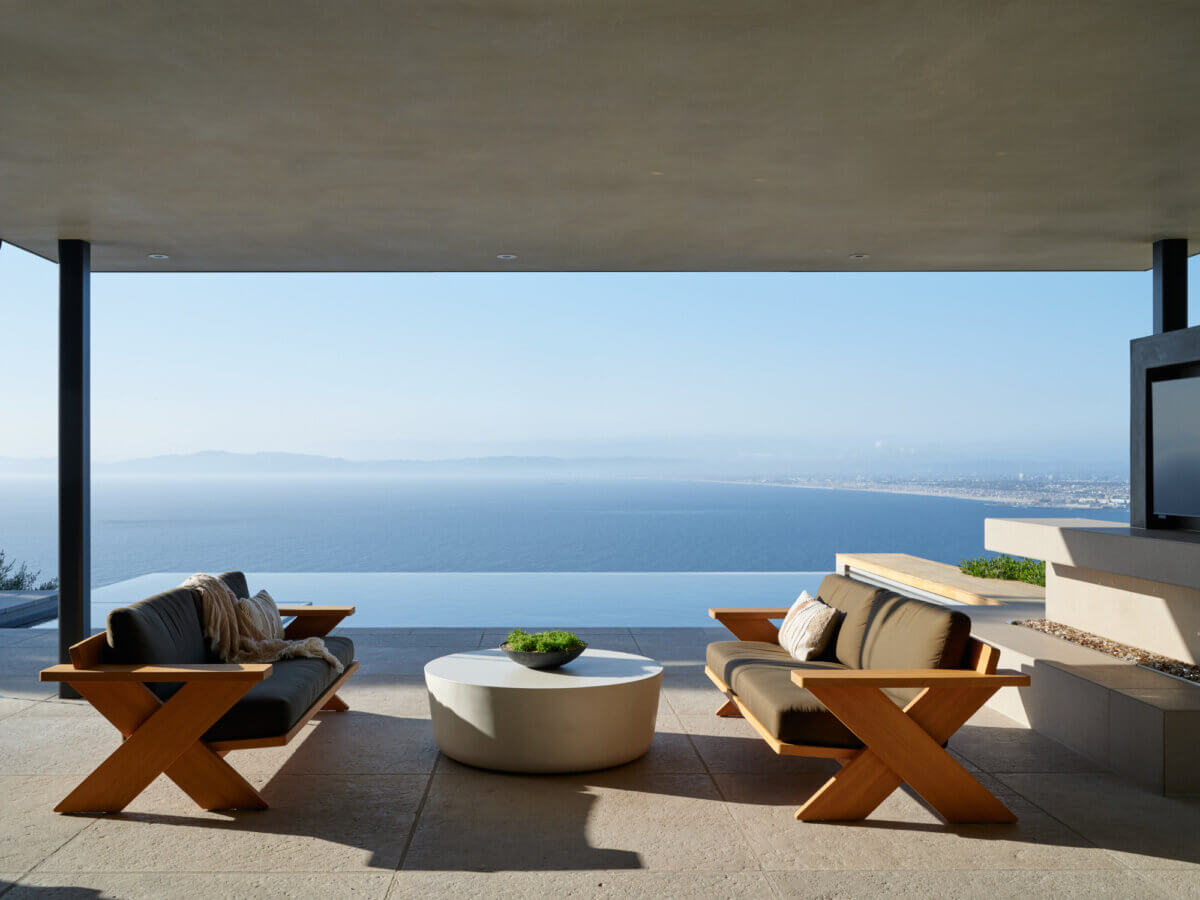
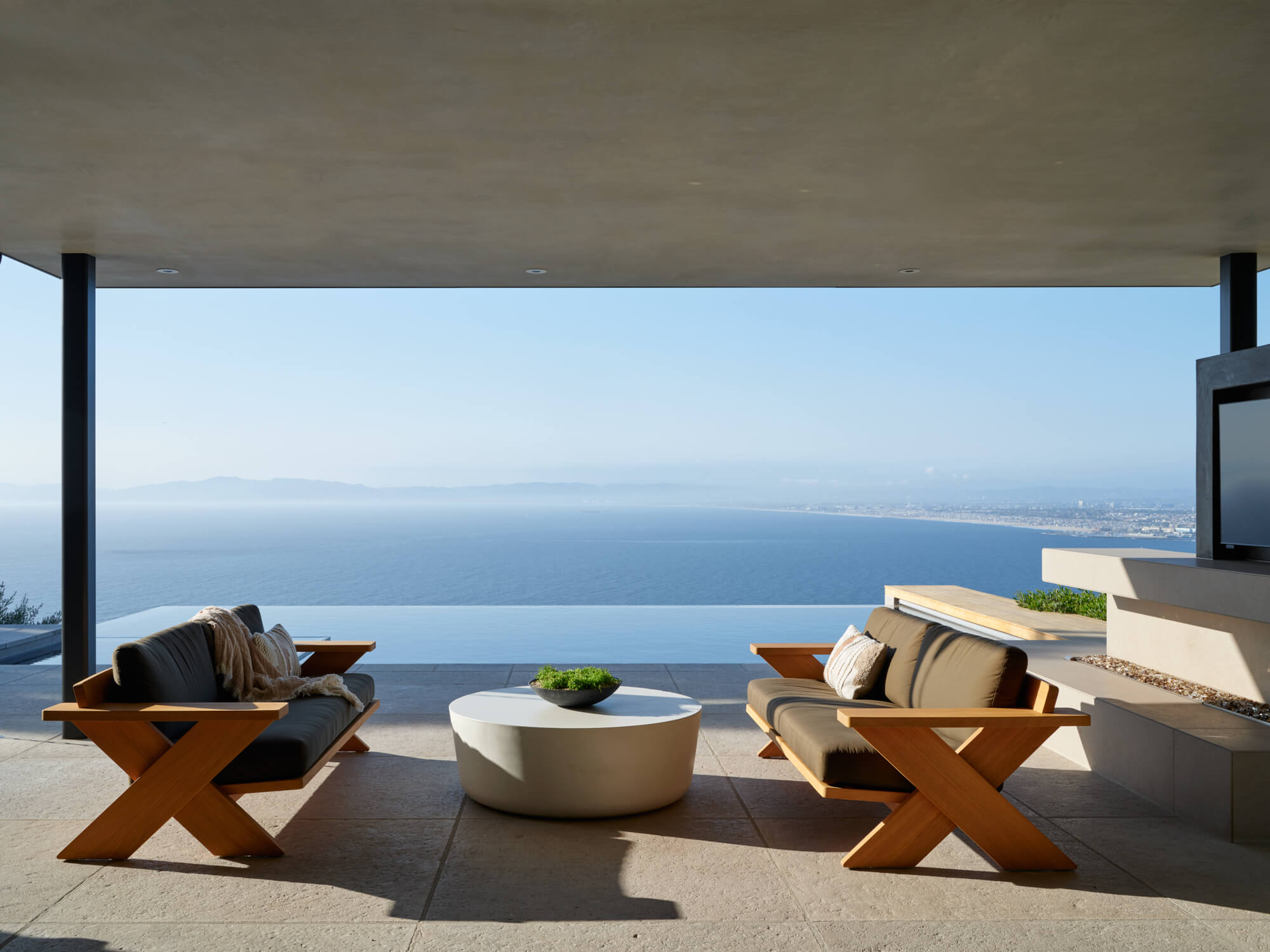
Paseo La Cresta (Image courtesy of KAA Design Group | Photographed by Roger Davies)
Tell us a bit about where you live: How long have you been there, and how does your environment shape your creative process?
I’m based in Southern California, where the quality of light, climate, and lifestyle fundamentally shape how we design. The intensity of the sun, the dryness of the air, and the expectation of year-round outdoor living all heighten the importance of the sensory dimension of landscape. Light becomes a primary material, foliage color often takes precedence over bloom, and movement – plants responding to diurnal breezes – becomes part of the spatial experience. It also reinforces a need for simplicity; outdoor spaces here are used daily, so they must feel effortless and restorative. That balance between performance and restraint continues to inform how I approach each project.
Was there a specific turning point or experience when you realized that design was your true calling?
It wasn’t a singular turning point so much as a growing awareness that design offered a way to shape experience – how people move through a space, how they connect to their surroundings, and how those environments support daily life. What drew me to landscape architecture specifically was its temporal nature; it’s not static, but something that evolves, adapts, and matures over time. That idea – that a project continues to grow beyond its initial construction – resonated with me early on and still does. I’ve always approached the work as an ongoing process of learning, shaped by collaboration, observation, and a continuous refinement of how spaces can feel both intentional and natural.
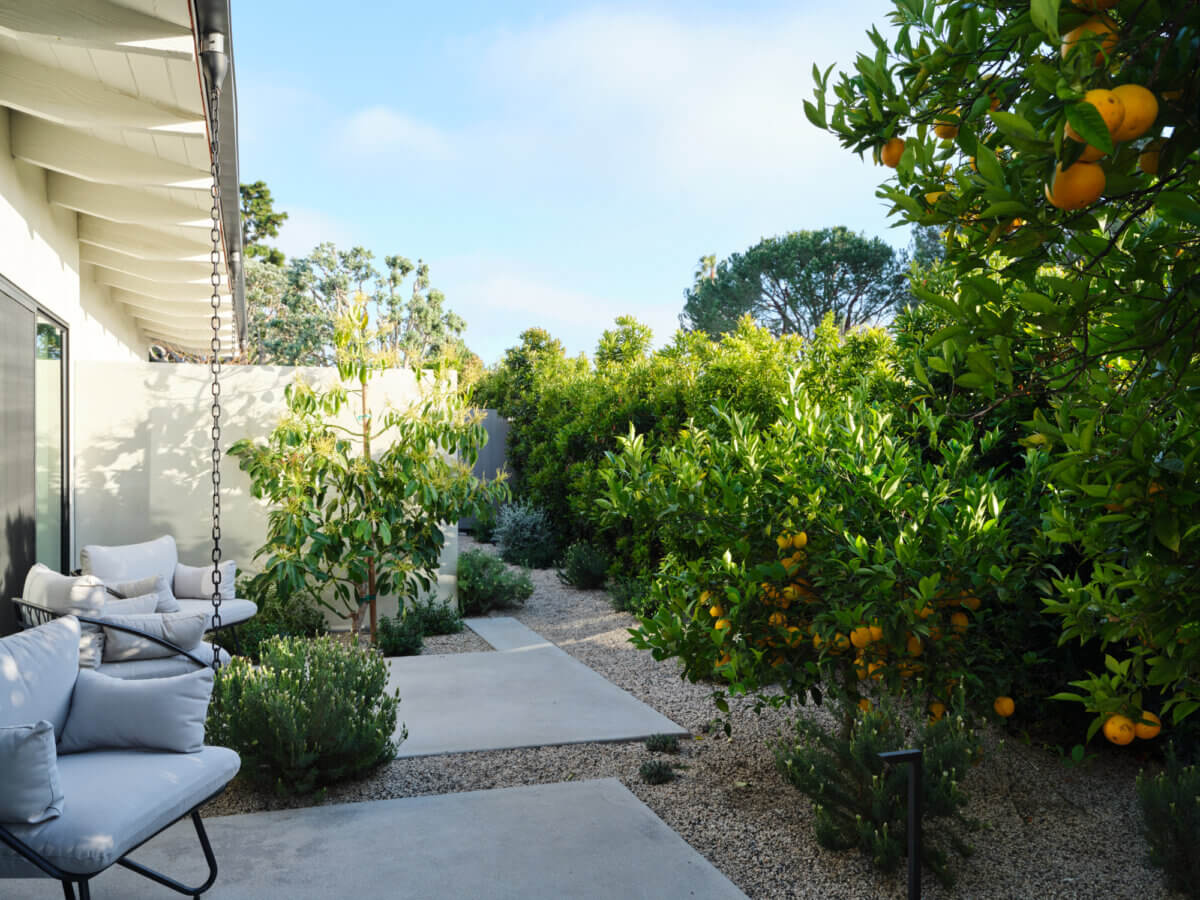
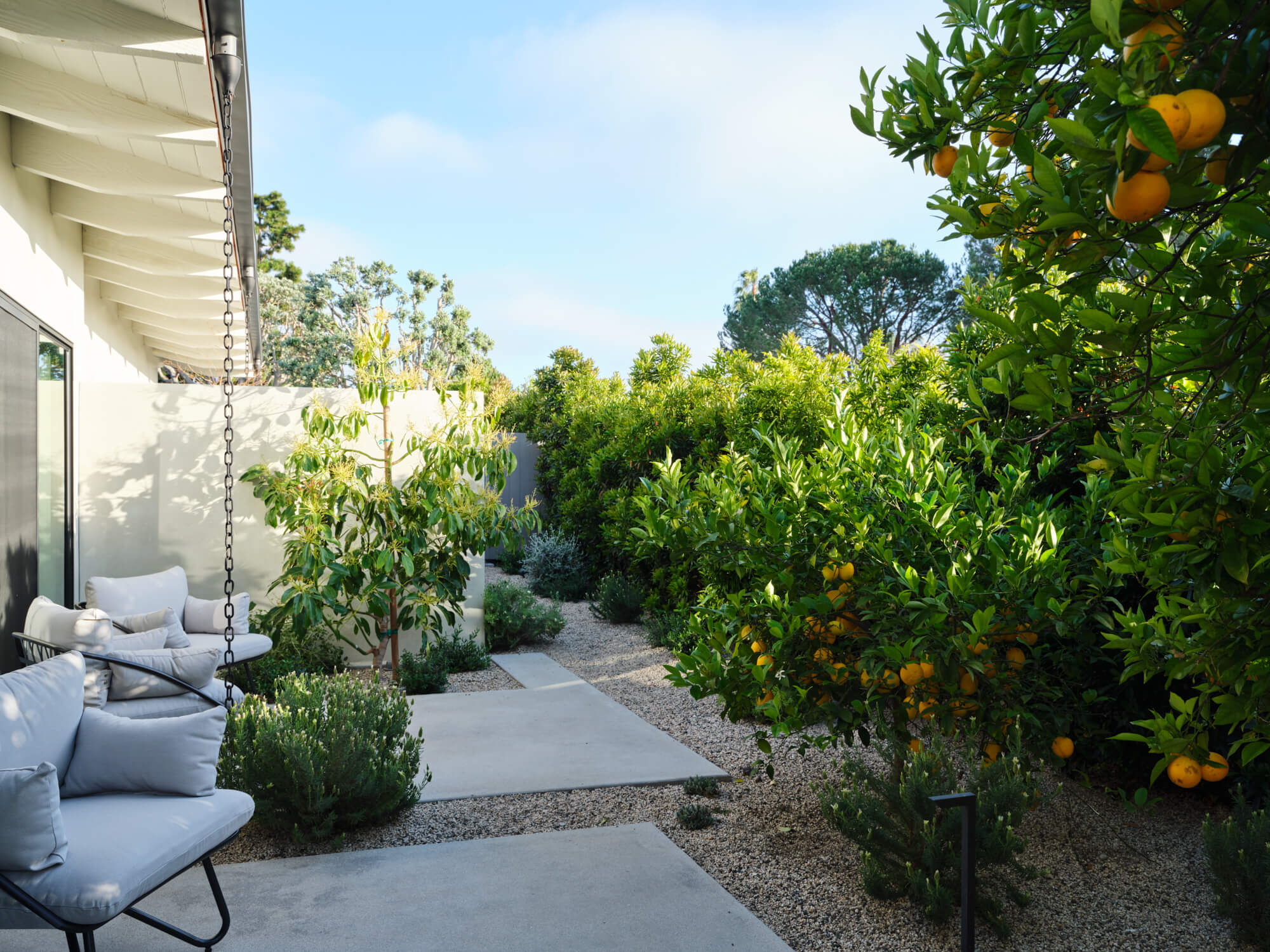
Paseo La Cresta (Image courtesy of KAA Design Group | Photographed by Roger Davies)
Which of your projects are you most proud of, and what makes them stand out for you?
The projects that resonate most are those where the collaboration is fully integrated from the beginning – where architecture, landscape, and interiors are aligned around a shared vision. In those cases, the landscape becomes less about individual elements and more about a sequence of experiences—moments of compression and release, framed views, and spaces of pause anchored by light, water, or material. What makes them meaningful is their clarity; there’s a singular idea that carries through the entire composition, supported by carefully considered details. The result is spaces that feel cohesive and intuitive, where beauty is experienced rather than imposed.
In your opinion, what is the most significant challenge facing the design world today? How do you think designers should respond to it?
One of the more pressing challenges is the tendency to prioritize image over experience – designing for immediate visual impact rather than long-term engagement. This often leads to environments that feel disconnected from their context, overly stylized, or at odds with climate and ecology. I think the response lies in returning to a more grounded approach – one rooted in meaningful observation, material integrity, and an understanding of natural systems. It also requires restraint; not every idea needs to be expressed. In many cases, the strength of a project comes from what’s left out, allowing space for light, planting, and atmosphere to shape the experience. Re-centering the role of beauty – not as indulgence, but as something essential to well-being – is also an important part of that shift.
What are you currently working on?
My current work focuses on high-end residential landscapes that often draw from hospitality-driven experiences – clients seeking to bring a sense of retreat and immersion into their everyday environments. The challenge is translating those global influences into something that feels authentic to the local site. It’s less about replication and more about distillation – understanding what made a place emotionally meaningful and reinterpreting that through spatial sequence, planting, and materiality. There’s also an ongoing focus on how landscapes can support a range of experiences, from quiet reflection to social gathering, without feeling overly programmed.
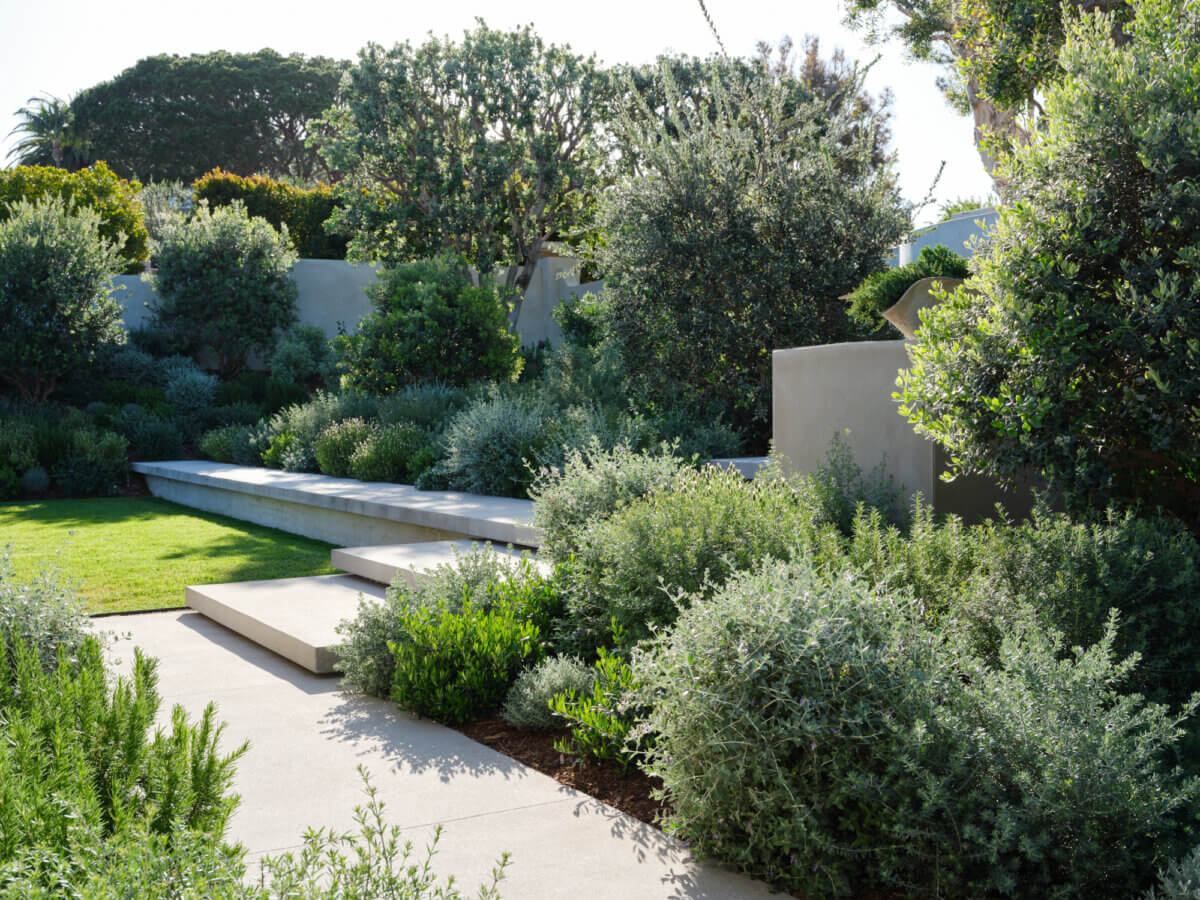
Paseo La Cresta (Image courtesy of KAA Design Group | Photographed by Roger Davies)
What’s on the horizon for you? Any upcoming projects, events, or goals you’re particularly looking forward to?
Looking ahead, I’m interested in continuing to deepen the integration between architecture and landscape – focusing those conversations at the inception of the design process and pushing toward more unified outcomes. There’s also a growing focus on longevity, not just in terms of materials, but in how landscapes evolve and remain meaningful over time. More broadly, I’m interested in how design can continue to foster a stronger connection between people and the natural world – creating environments that feel grounded, adaptable, and enduring.
What’s a favorite movie, band, or song that has inspired or shaped your creative mind?
I tend to be drawn to work that operates with restraint – where atmosphere and pacing carry more weight than overt expression. Whether it’s a Zhang Yimou film or the music of Pink Floyd, I’m interested in experiences that unfold gradually, revealing themselves powerfully, deeply over time rather than demanding immediate attention. That sensibility parallels how I think about landscape—creating spaces that don’t overwhelm, but instead invite people to slow down, observe, and form their own connection to the environment.
Visit KAA Design Groups Website >>>