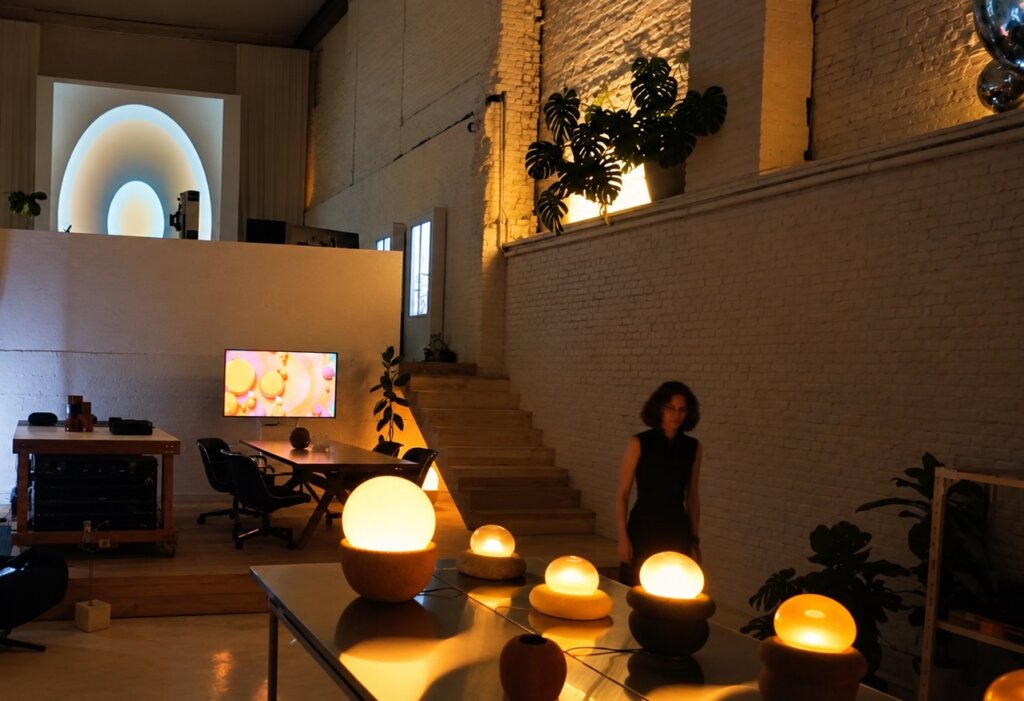
If you’ve been in a kitchen or bathroom in the United States, Germany, or Japan recently, you’ll most likely have come across a LIXIL brand tap or showerhead. Though a major housing and water technology manufacturer, incorporating over 15 brands globally, the company holds fast to a set of principles, what’s been dubbed its “Purpose.” Stemming from the widely adopted moniker of making better homes a reality for everyone is the tenet that experimentation leads to learning. Built into that, what LIXIL calls a behavior, is a deep commitment to research; conducting a comprehensive set of investigations and market analyses before developing any new products. This is a philosophy the company fosters across its various commercial but also cultural initiatives; in particular as a sponsor of the annual WANTED Launch Pad exhibition.
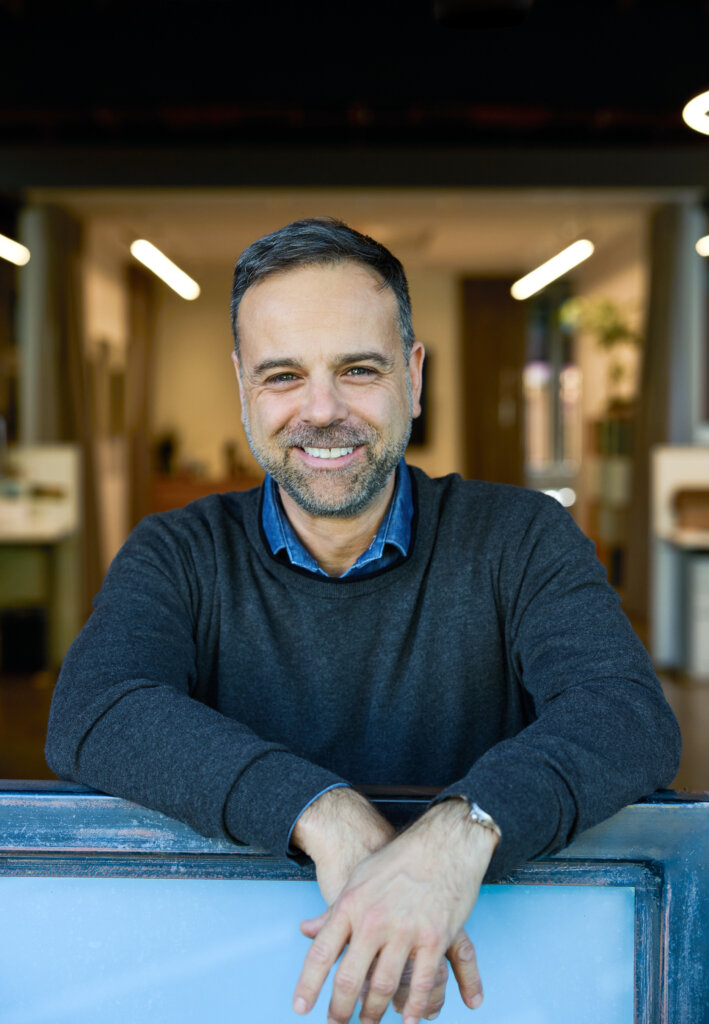
The studies carried out position the discipline of design as one that’s centered on continuously reassessing function as much as aesthetics. This approach is vital to ensuring that the new solutions introduced actually respond to need—the changes in collective attitudes and habits—and what will withstand the test of time. Heading up this sizable effort is Patrick Speck, Leader, LIXIL Global Design, Europe & Americas. He spoke to ICFF about the role of design across the 15 brands, how teams are built accordingly, and why it’s important for them to support the next generation of talents.
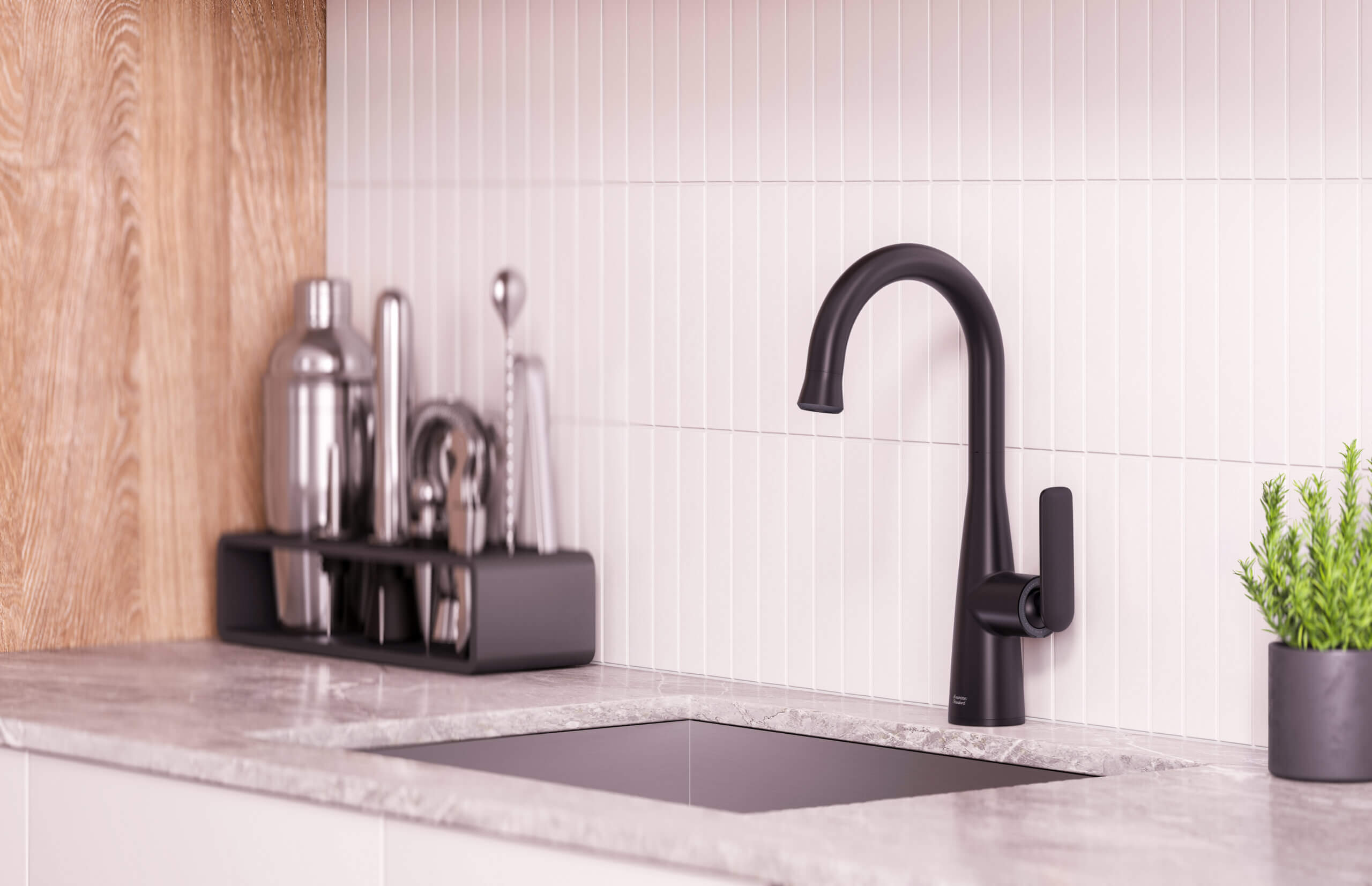
(Top image courtesy of American Standard)
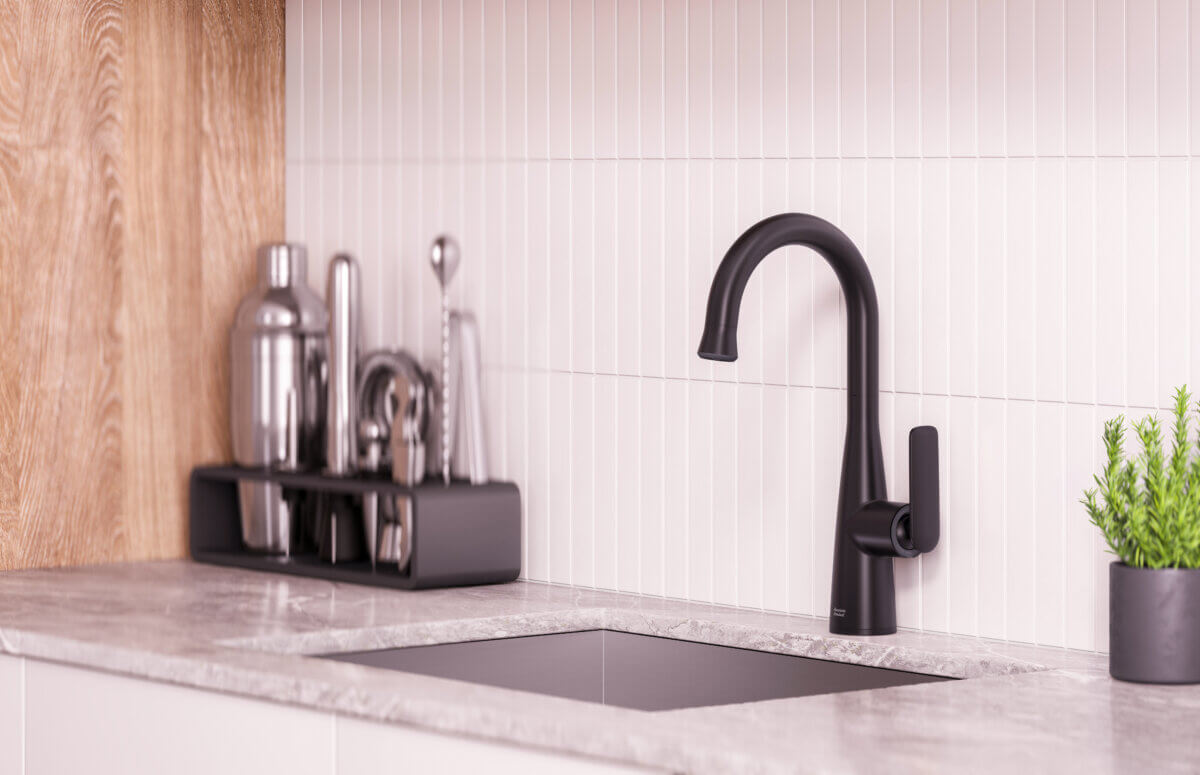
Image courtesy of American Standard
What’s the extent of your role at LIXIL and American Standard?
As the Leader of LIXIL Global Design for Europe and the Americas, my role is to helm our in-house design teams in our design studios in London, New York, and Düsseldorf. We must ensure that each of our brands remains culturally relevant in its native market while utilizing our shared LIXIL global infrastructure. From the “Pure Joy of Water” concept of GROHE to the foundational legacy of American Standard in the United States, this allows us to deliver relevant, consistent solutions that are clearly differentiated and intuitively identifiable for consumers.
How has your training as a designer informed the scope of your work at these brands, and helped position its creative direction?
This background has allowed me to guide our efforts around the idea that design is about much more than just pure aesthetics. In our workflow, it’s about adding meaning and function to the consumer’s daily life. This understanding helps us position our creative direction around how humans and society as a whole are evolving. At LIXIL Global Design, we systematically monitor macro trends, looking specifically at urbanization; health and wellbeing; and sustainability. We pay a lot of attention on how to further transform these high-level insights into physical product solutions.
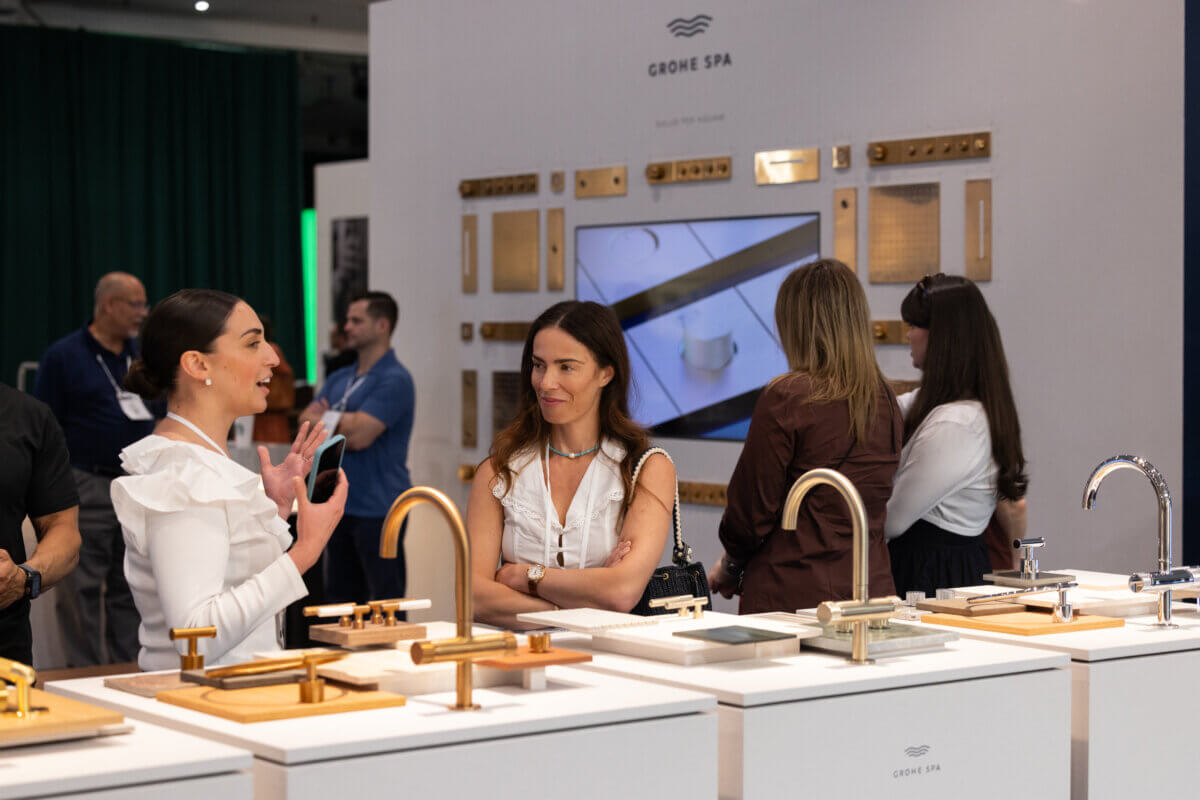
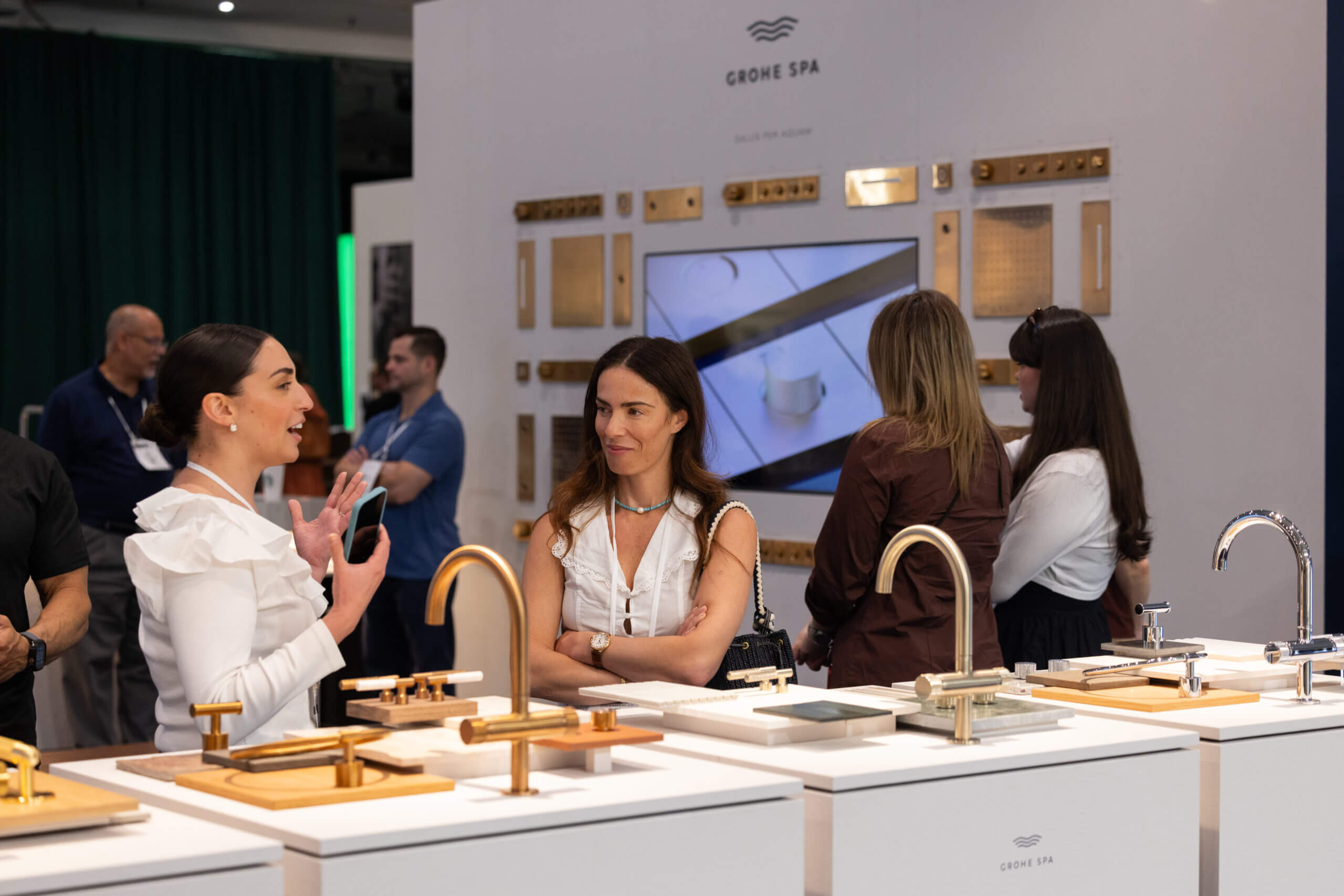
The Aqua Atelier Experience, GROHE SPA (Image courtesy of Jenna Bascom Photography)
What’s your overall vision in this respect? What are some of your key ambitions and goals for pushing these brands forward?
For us, user-centric design, innovation, and environmental responsibility aren’t opposing forces. They actually feed into each other to create a much better human experience. Take GROHE, for example. Our ethos here is fundamentally built on quality, technology, design, and sustainability. It’s a German heritage driven by a long-standing commitment to excellence in manufacturing. Then look at GROHE SPA, which we showcased at ICFF 2026. The focus with this brand is entirely on well-being through water, offering the architecture and design community with an unparalleled level of customization through sophisticated product lines and CMF solutions. We want to give architects and designers that ultimate 1-of-1 personalization. We also work on American Standard, where the user’s home and life has inspired product development for 150 years. We want to merge these distinct brand values with elevated design, making sure we keep pace with the evolving needs of everyday life.
How are design teams built at LIXIL to best develop new products and solutions?
Our in-house design teams are based in some of the most cosmopolitan and culturally diverse cities in the world. We build our studios to work across a multi-brand ecosystem, so our designers can constantly share ideas across our 15 brands globally. We always start our design process with what we call “Pre-Search.” This is our specific methodology for initial research that combines demographic, ethnographic studies, and trend research to deeply understand how people actually live and interact with our products. Being global allows this approach to work so well, as it helps us capture real insights and address different regional nuances. From there, we structure our teams to collaborate directly with our corporate functions, such as engineering and marketing teams, right from the beginning. This ensures that when we design a product, it combines local market knowledge with our global design expertise, opening new possibilities for meaningful innovation.
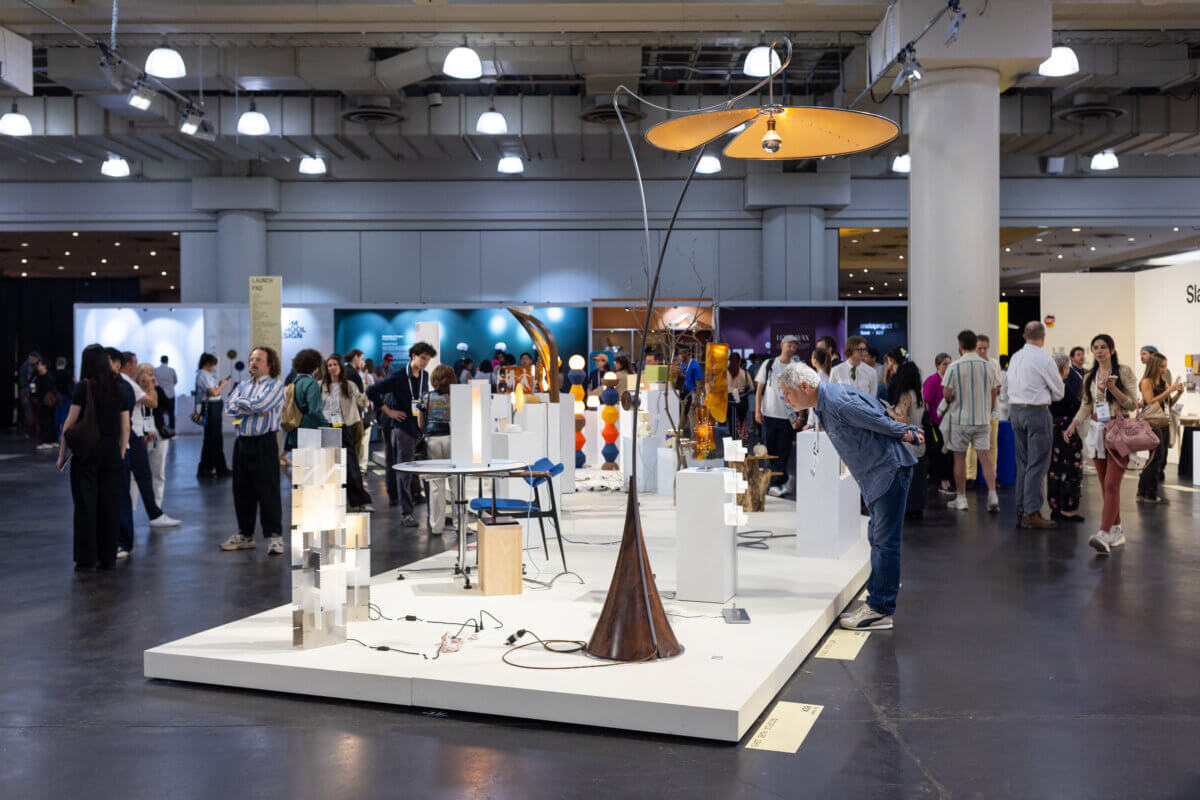
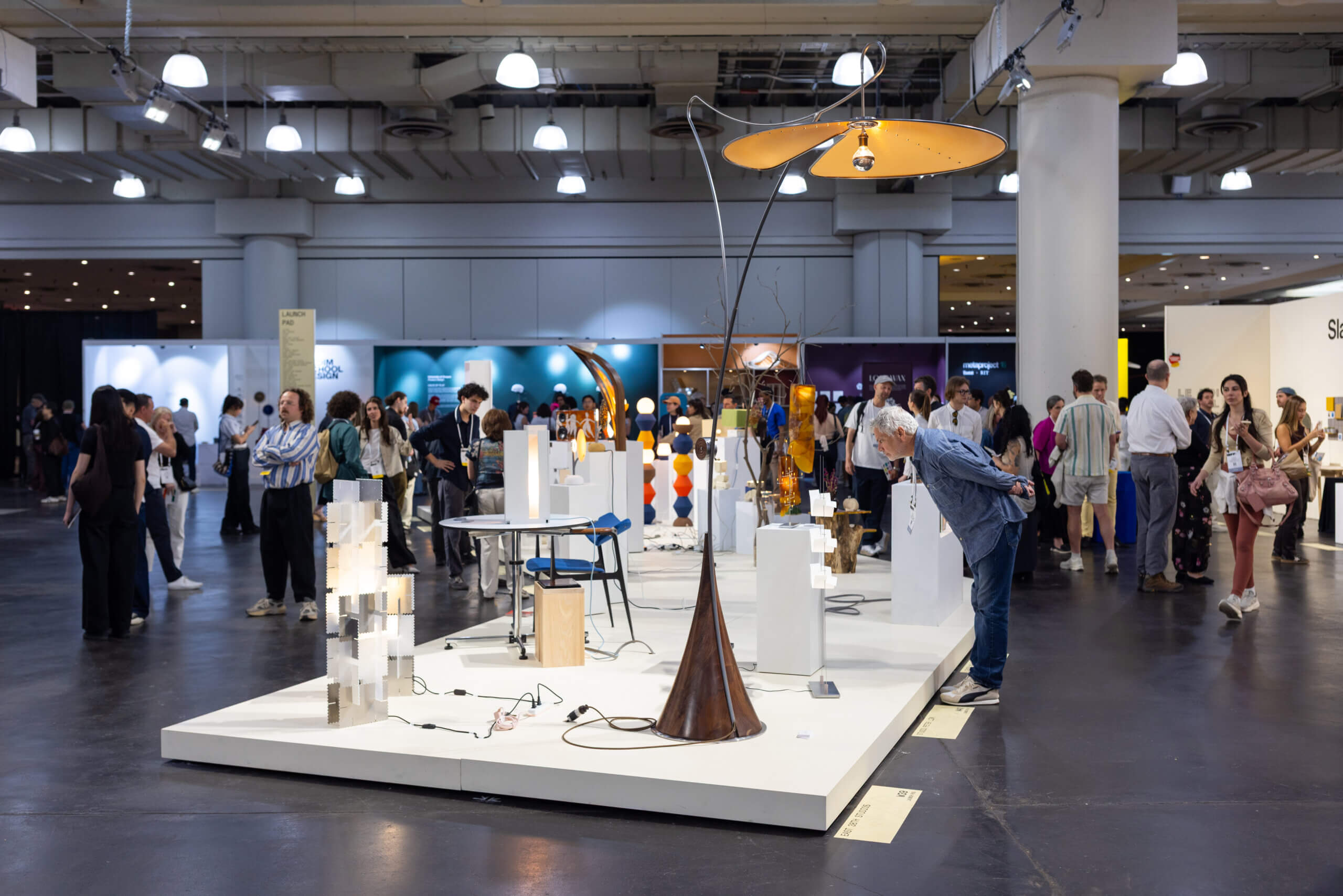
Launch Pad at ICFF 2026 (Image courtesy of Jenna Bascom Photography)
Why is it important to connect with, and support young talents in this regard, especially through the WANTED Launch Pad platform?
We believe that it’s our responsibility to actively support and invest in the future of the design landscape. This is exactly why we have maintained a proud partnership with the WANTED Launch Pad. Educational institutions are shaping the next generation of Architects + designers who will need to navigate seamlessly between local relevance and global needs. Many young professionals and students from top design schools join our global studios, so we know firsthand the direct value of this talent pipeline. By supporting platforms like Launch Pad, LIXIL helps provide emerging talents with the visibility and tools they need to cross boundaries, sharing fresh, innovative concepts that can solve real-world problems.
LIXIL’s Website >>>
American Standard’s Website>>>
GROHE’s Website >>>