Since its founding in 1984, L-Acoustics has held a single conviction: that sound has the power to move people as profoundly as light or space. Over four decades of high-profile projects, the company has worked to establish sound as a primary design material, one that must be considered early in the creative process and given the same weight as structural integrity or spatial flow. Today, the L-Acoustics ecosystem spans loudspeakers, amplification, L-ISA spatial audio technology, predictive design software, and acoustic modeling tools. Technologies like HYRISS extend that thinking further, creating immersive environments in which sound and architecture work together for a shared objective.
L-Acoustics brings this approach as a collaborative partner to some of the world’s most recognized architecture and interior design firms. Leading those global engagements is Grace Xu. As a sponsor of this year’s ICFF, L-Acoustics will be represented by Xu, who will moderate a panel discussion on the integration of sound and space.
(Top image courtesy of L-Acoustics)
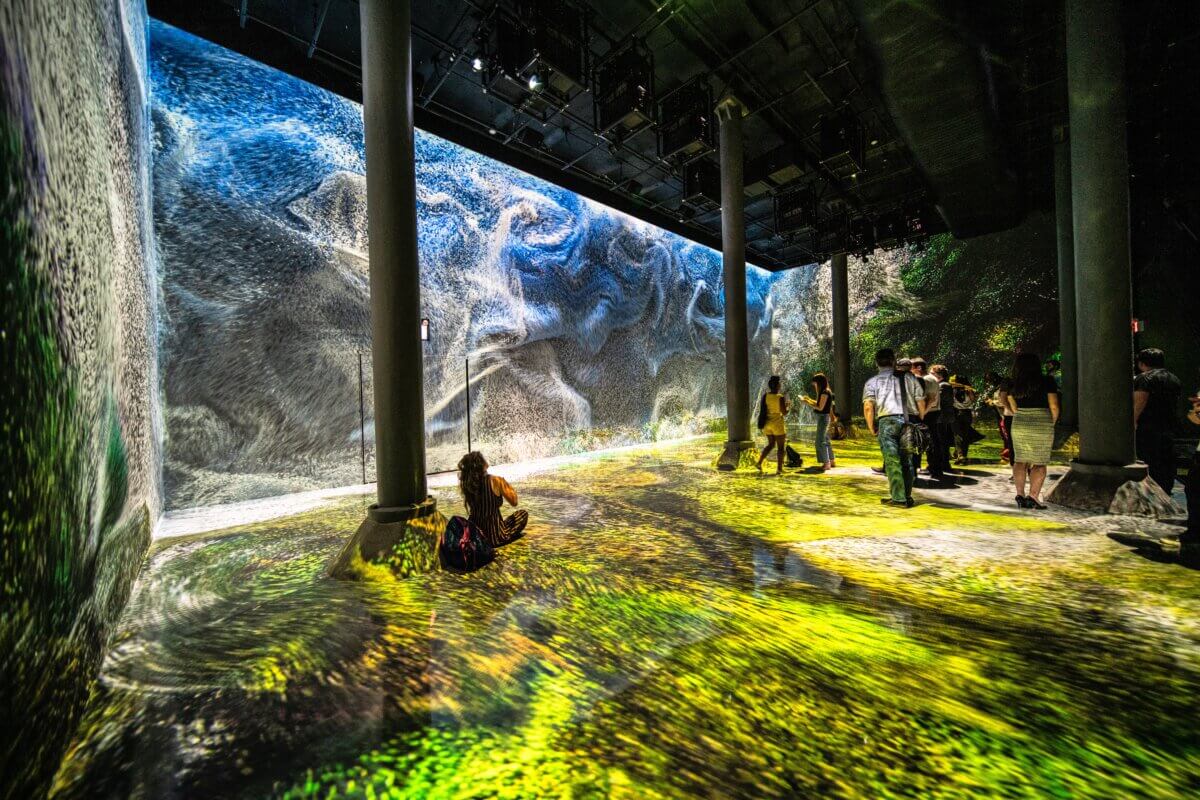
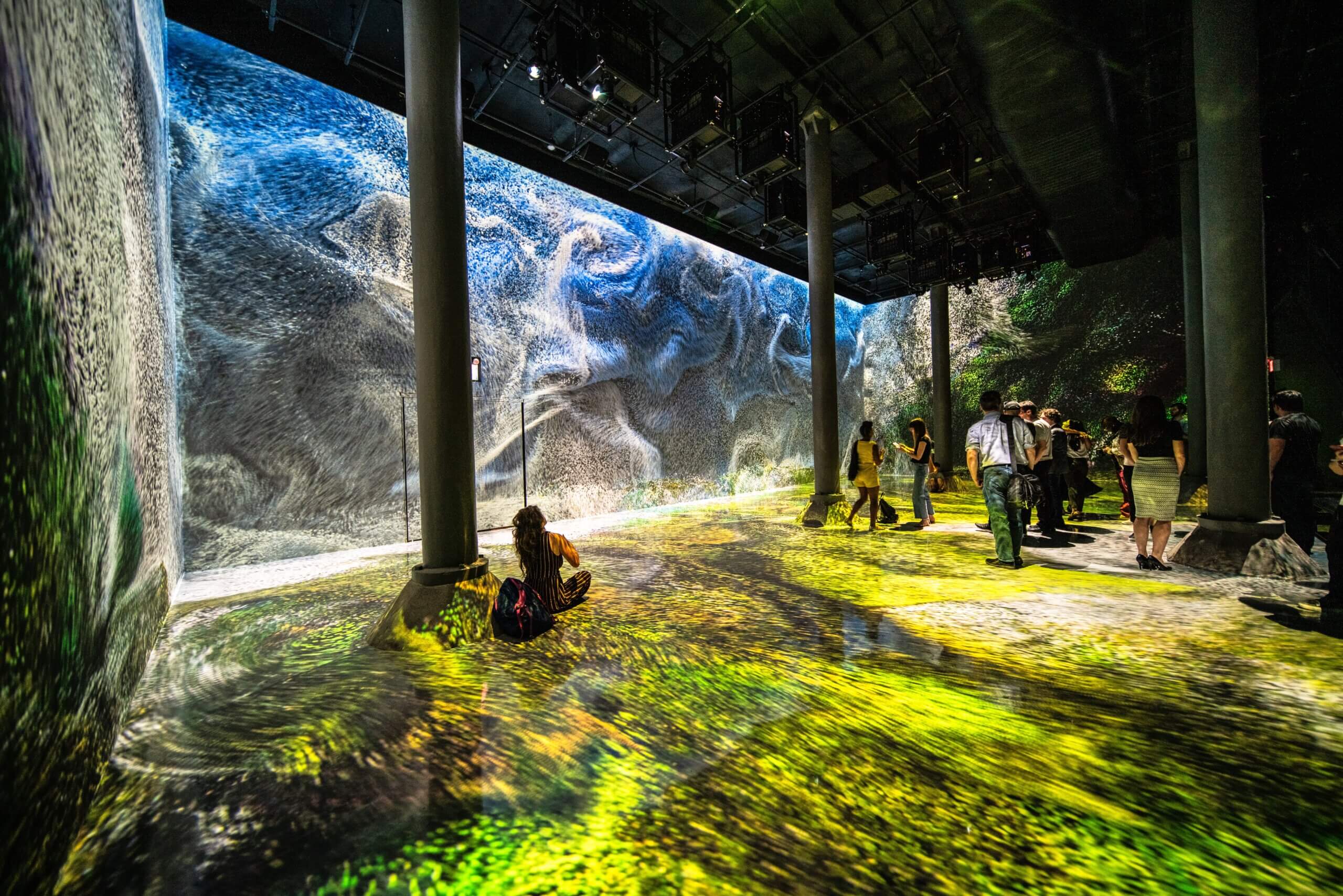
Machine Hallucination Refik Anadol at ARTECHOUSE (Image courtesy of L-Acoustics)
What is your background? How did you arrive at your current position?
My background is multidisciplinary, spanning architecture, brand strategy, and experiential design. I have over a decade of experience shaping digital and physical experiences across technology, entertainment, and retail.
I trained as an architect, earning a Bachelor of Science in Architecture from McGill University and a Master of Architecture in Urban Design from the Harvard University Graduate School of Design. My architectural foundation was strengthened early in my career at Henning Larsen Architects in Copenhagen, where I worked on international cultural competitions including a theater in Denmark, a museum in California, and a town hall in Sweden.
Previously at the PepsiCo Design + Innovation Center, I led large-scale experiential initiatives, including activations at the Super Bowl and Disneyland, exploring how immersive environments, brand storytelling, and multi-sensory design could translate brand values into physical space.
Most recently, I led the design and build of a global suite of artist and creator studios for Amazon Music. In this role, I worked intimately with sound as both a technical and expressive medium, integrating acoustic performance, auditory storytelling, and spatial experience into each environment. The work required operating within tight technical, spatial, and brand constraints while still delivering spaces that were visually and acoustically compelling.
Spanning Los Angeles, Berlin, Tokyo, Brooklyn, Seattle, and Mexico City, each space was conceived to reflect the Amazon Music brand while also responding to local culture, context, and creative communities, resulting in environments that were both globally coherent and distinctly place-specific.
Currently at L-Acoustics, my role brings these threads together, architecture, sound, and branded experience design, to help architects and interior designers integrate sound as a core, expressive layer of space.
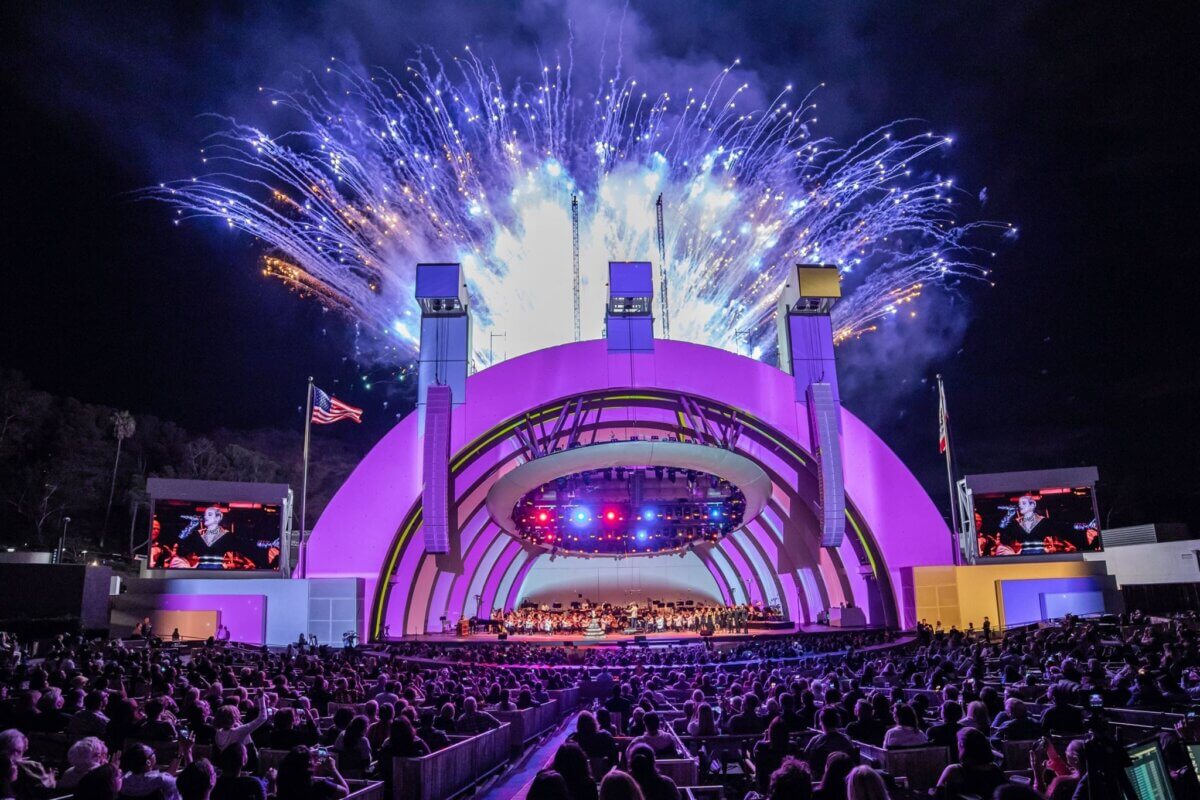
Image courtesy of L-Acoustics
Talk more about how L-Acoustics collaborates with architecture and interior design firms.
L-Acoustics works with architecture and interior design firms as an early-stage creative and technical partner, working alongside designers to integrate sound as a fundamental component of the spatial experience. These relationships are built on shared authorship and long-term collaboration, with sound considered in parallel with form, materiality, and light rather than as a downstream technical requirement.
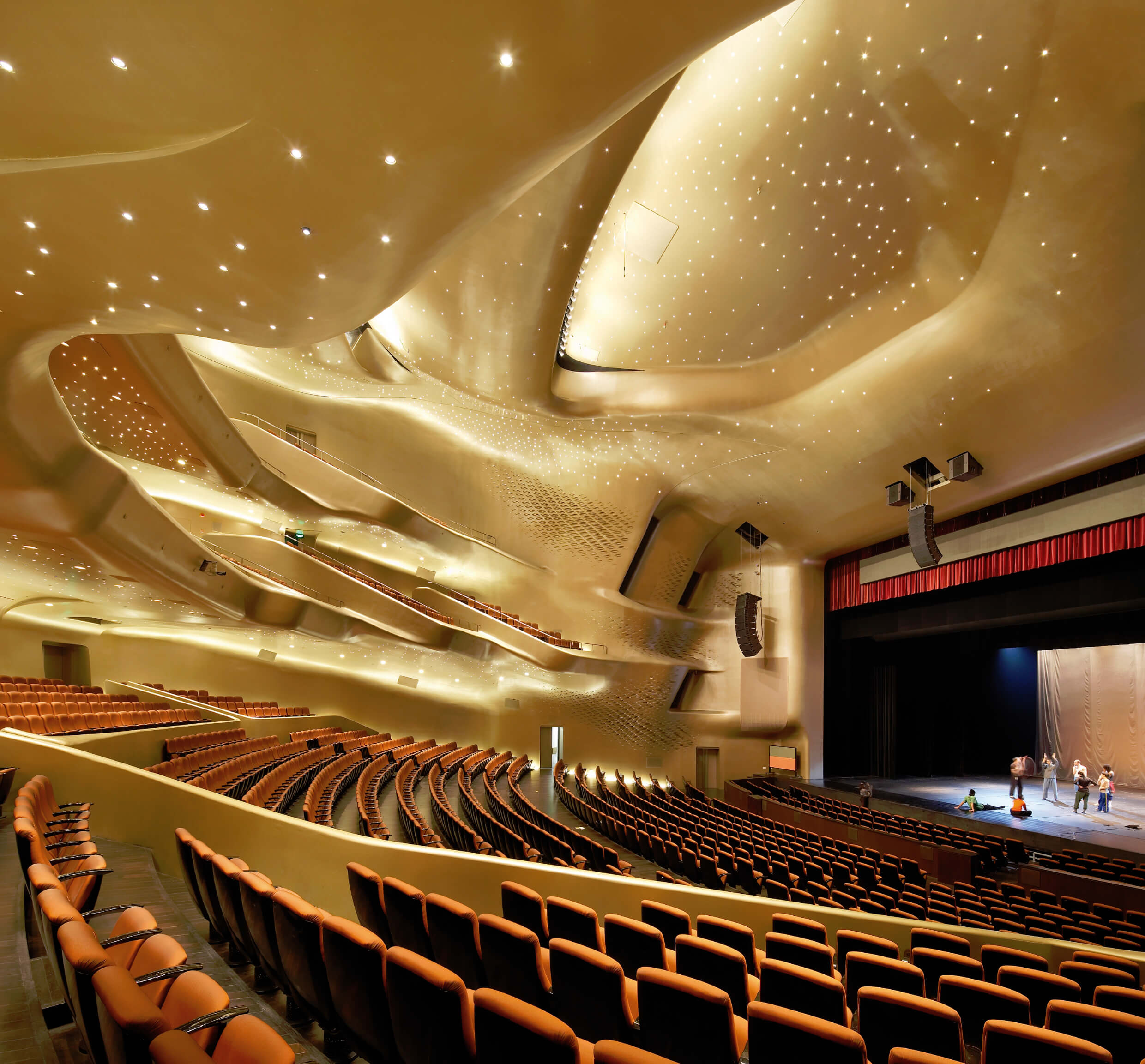
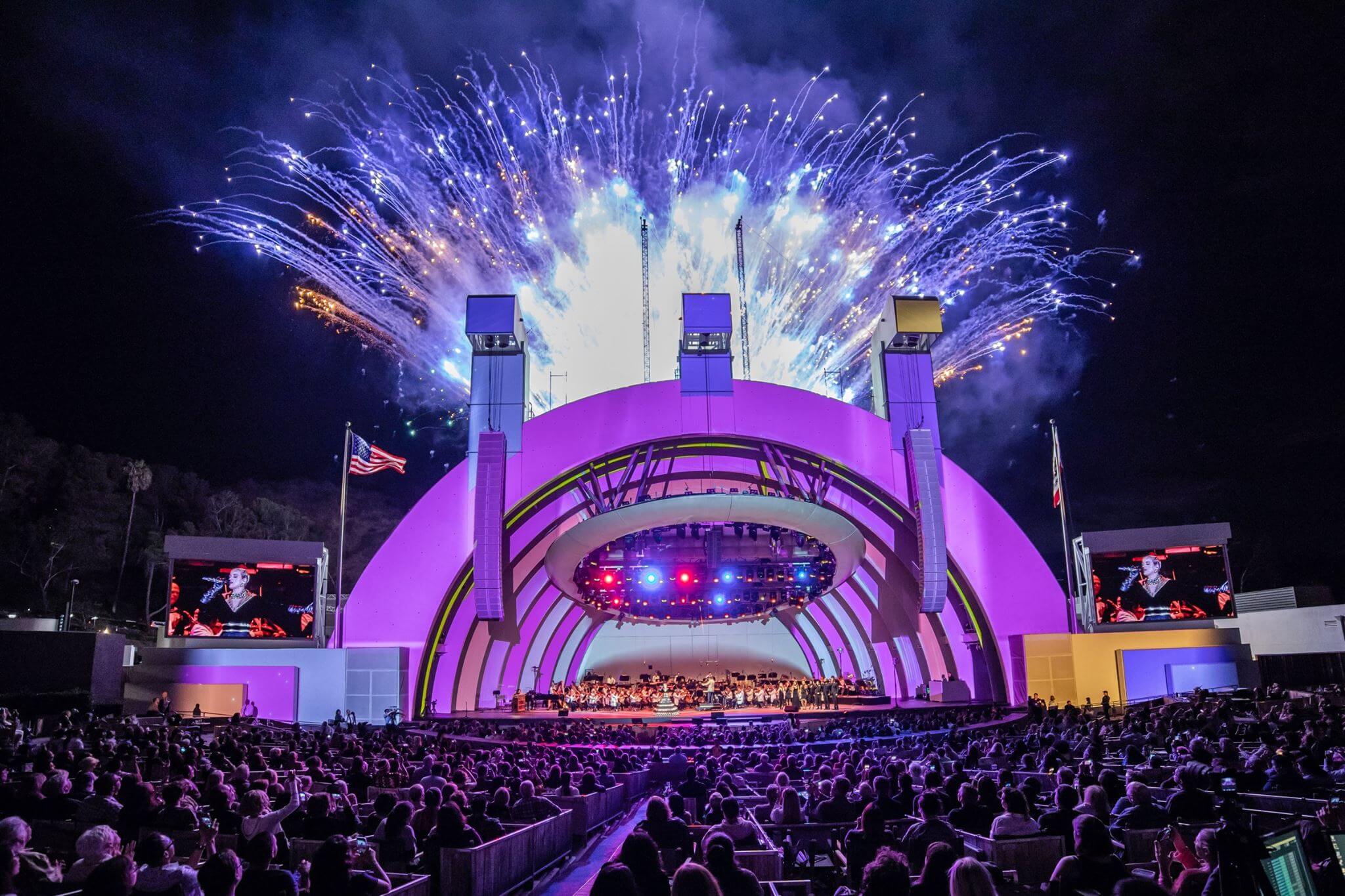
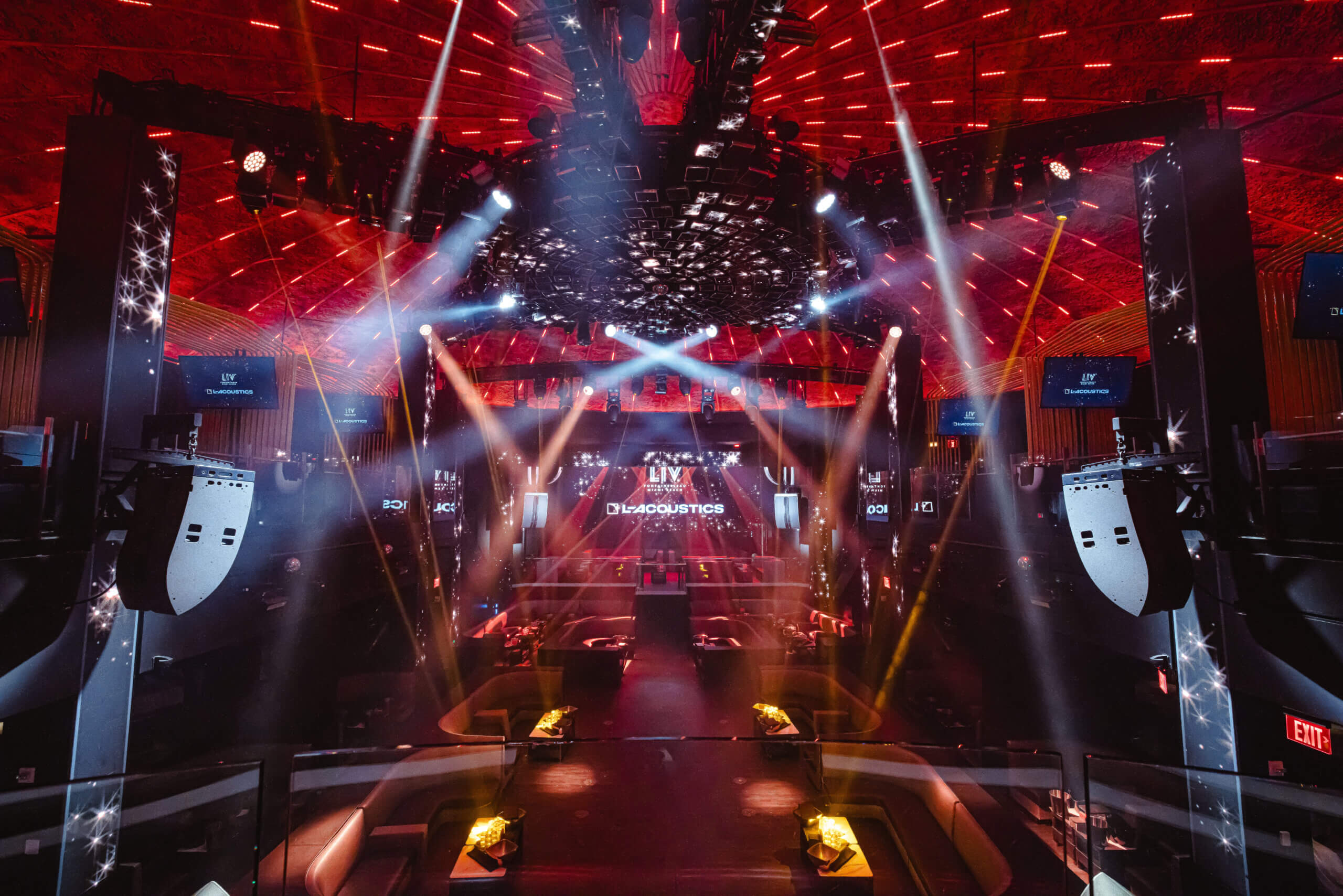
Across typologies, L-Acoustics has partnered with leading architects and designers on culturally significant projects where sound plays a defining role. In the performing arts, this includes the Philharmonie de Paris by Jean Nouvel, the Guangzhou Opera House by Zaha Hadid Architects, the San Diego Symphony Jacobs Music Center by HGA, and the Hollywood Bowl in Los Angeles. In hospitality and nightlife, collaborations include Nobu Toronto with Turner Fleischer Architects, OMNIA Las Vegas and LIV Nightclub with Rockwell Group, and UNVRS in Ibiza.
The company has also contributed to major sports and public venues, including the Kaseya Center by Populous, global events such as the Super Bowl, and stadiums like Allianz Arena in Munich, alongside immersive and cultural projects such as ABBA Voyage in London and Kamasi Washington at LACMA.
These collaborations typically involve early acoustic modeling, system integration, and iterative tuning, allowing designers to align acoustic intent with architectural vision from the outset. The result is environments where sound functions as an expressive design material rather than a technical afterthought.
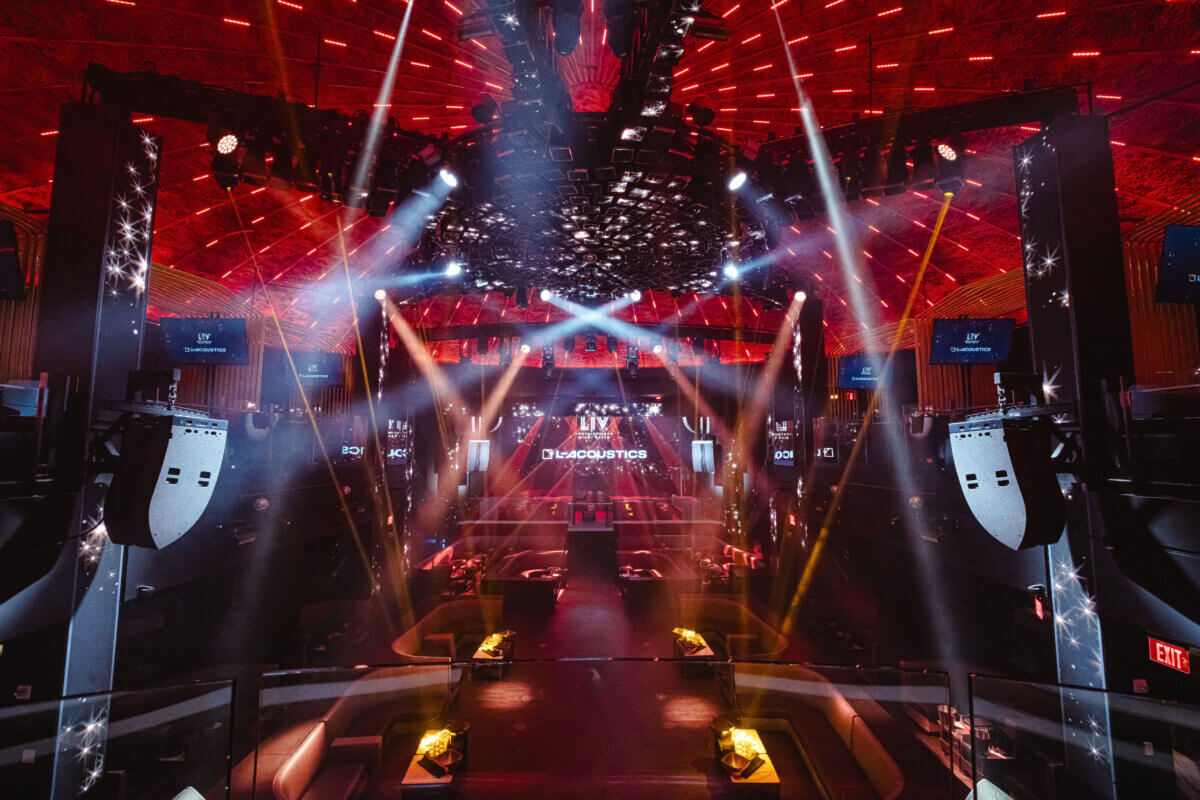
Image courtesy of L-Acoustics
What are some of the main challenges with acoustic technologies today, including convincing different stakeholders of their importance in spatial design?
One of the central challenges facing the industry today is the dominance of the visual. In many contemporary environments, particularly concerts and large-scale venues, screens and imagery occupy the majority of spatial attention, while sound is expected to adapt, recede, or remain discreet. This imbalance affects not only audiences but artists, who are often far more visually than acoustically engaged with their own sound.
From an anthropological perspective, sound plays a fundamental role in human wellbeing, shaping how we feel, connect, and orient ourselves in the world. Long before language or architecture, sound served as a primary means of communication, signaling safety, presence, rhythm, and emotion. Today, sound continues to influence our cognitive focus, sense of comfort, and emotional response to space, often operating at a subconscious level.
In contemporary design culture, however, sound is often overshadowed by the dominance of the visual, or reduced to a technical concern rather than recognized as an experiential one. For disciplines where atmosphere, performance, and human connection are central, including architecture, cultural spaces, and public environments, this under-recognition limits the full potential of spatial experience.
For L-Acoustics, the opportunity lies in reframing sound as a positive, generative force in design, one that supports wellbeing, fosters emotional connection, and enhances how people inhabit spaces. This means helping stakeholders rediscover the emotional, intellectual, and organic relationship humans have with sound, and elevating it from a secondary system to a core contributor to experience, meaning, and quality of life.
A further challenge lies in aligning perspectives and goals. Architects, clients, engineers, and operators often approach sound with different priorities and constraints. Achieving a strong outcome requires balancing these viewpoints and making thoughtful compromises to ensure that acoustic ambitions support architectural vision, operational needs, and human experience simultaneously.
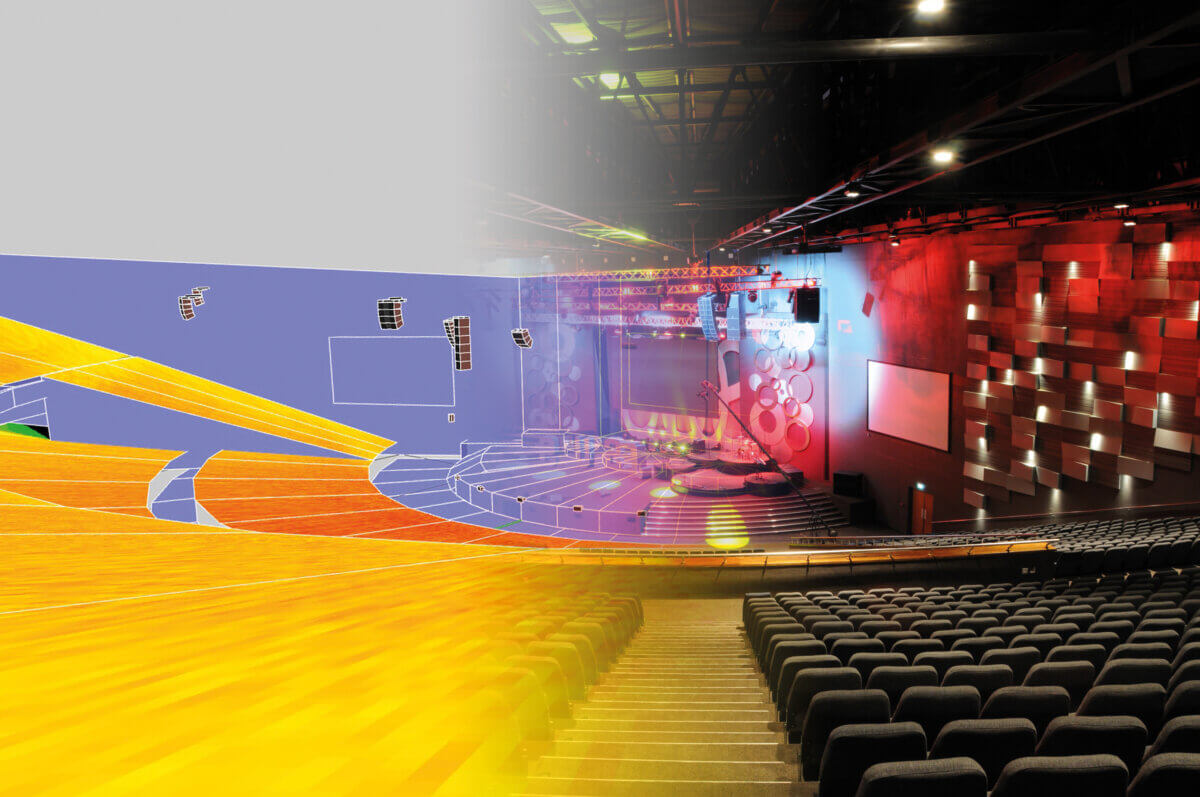
Image courtesy of L-Acoustics
What are some of the latest developments in acoustic and sound technology that are making these intangibles more tangible and accessible as design materials?
Until recently, sound was largely absent from the early stages of spatial design: introduced late, adapted to finished architecture, treated as a technical problem rather than a design decision. What has changed is the ability to model, place, and shape sound with the same precision and intentionality that architects bring to light, material, and circulation.
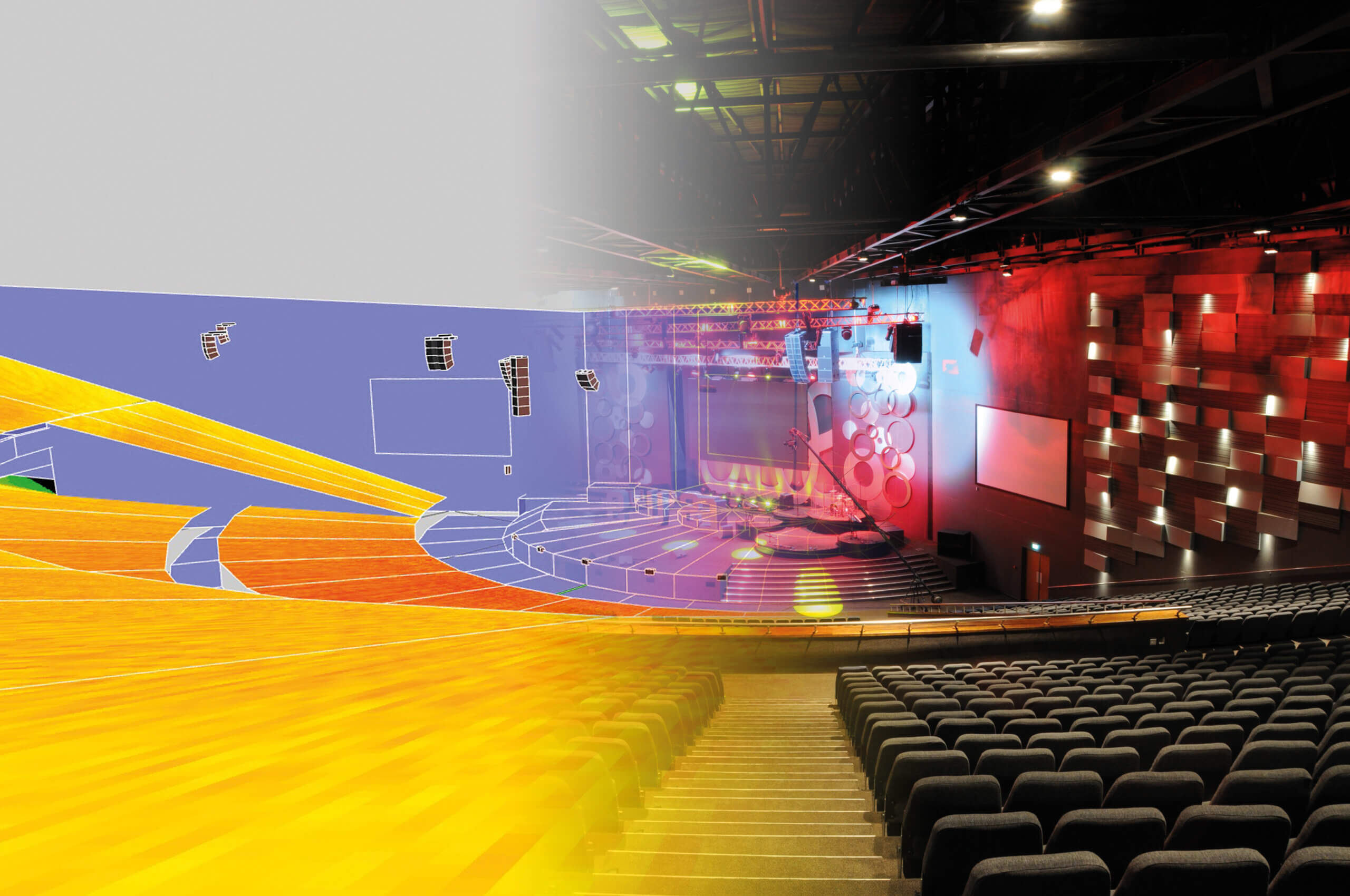
Predictive tools like Soundvision allow acoustic behavior to be visualized before a space is built, making sound legible alongside architectural drawings, enabling decisions about speaker placement, coverage, and room response to be made when they can still influence the design rather than simply react to it.
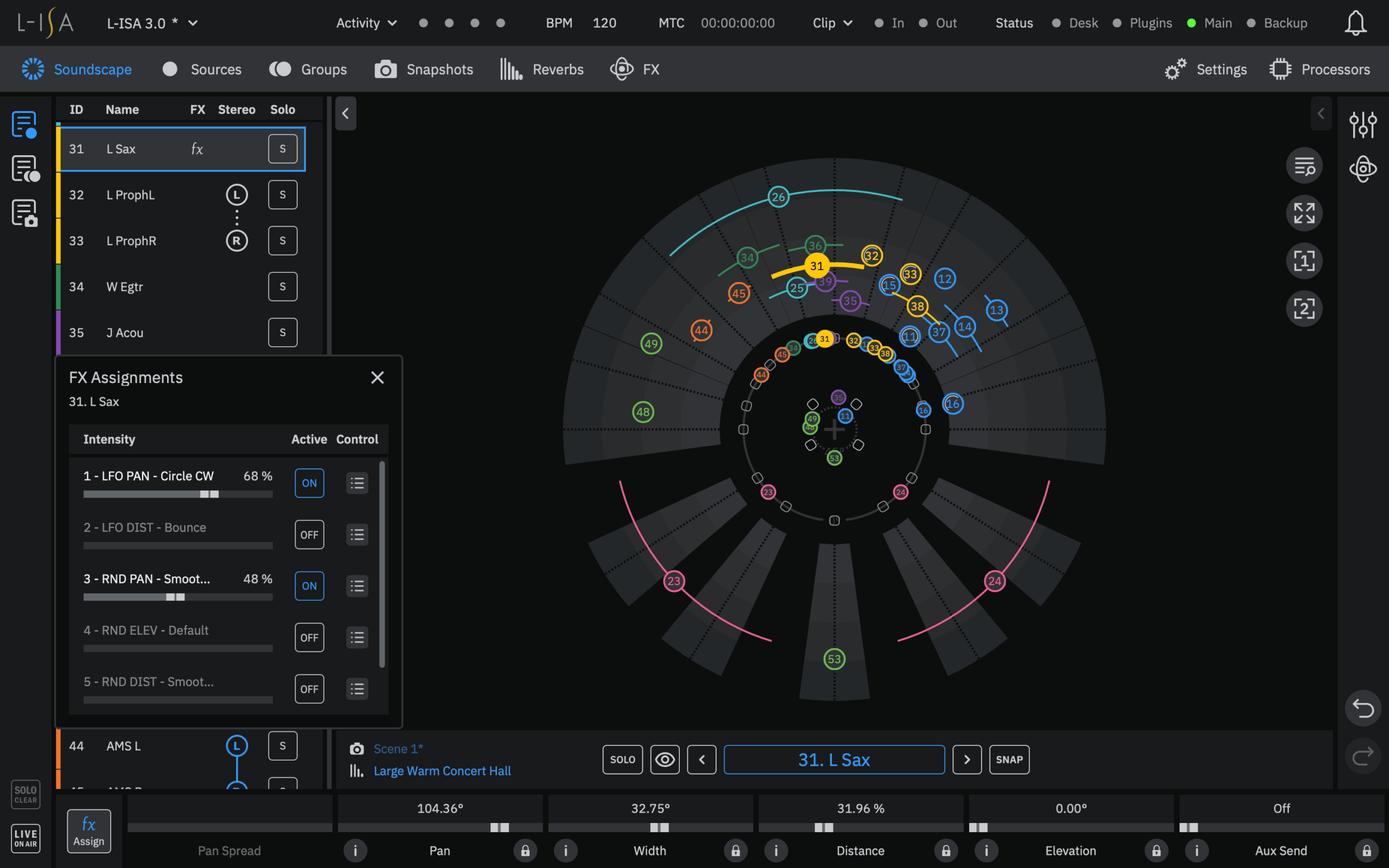
Immersive audio technologies like L-ISA go further: rather than projecting a mixed signal from fixed points, they allow individual sound sources to be positioned and moved through space in three dimensions. A voice can come from where the speaker is standing. A musical instrument can occupy a specific location in the room. Sound becomes directional, dynamic, and spatial. As with lighting, it can be composed and choreographed, not just amplified.
Technologies like Ambiance address a different layer: the acoustic character of the space itself. By actively shaping reverberation, clarity, and intimacy, a room can be given a consistent acoustic identity, or adapted to different uses without physical intervention. A conference space and a concert hall can, in certain conditions, occupy the same room.
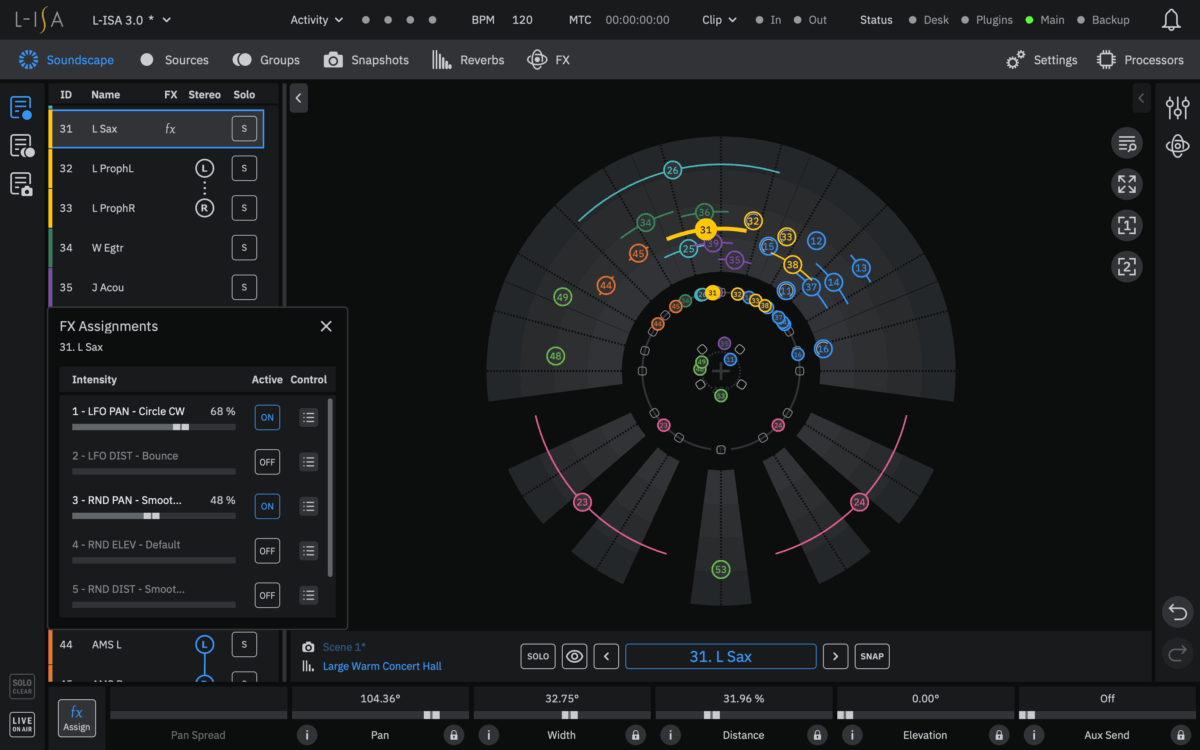
Image courtesy of L-Acoustics
At the residential and hospitality scale, HYRISS takes this a step further. By embedding a high-resolution network of loudspeakers throughout a space — walls, ceilings, floors — HYRISS allows a single room to inhabit multiple acoustic identities. A living space can shift from intimate listening to something closer to a concert hall environment. The acoustic character of the room becomes programmable — a design parameter that adapts to use rather than being fixed at construction. For architects working on high-end residential or experiential hospitality projects, it represents a genuinely new way to think about the possibilities of a space.
The cumulative effect of these developments is a shift in when and how sound enters the design conversation. It is no longer a constraint to be managed at the end of a project. It is a material with spatial properties, and one that is increasingly being designed with the same deliberateness as everything else in the room.