ICFF is proud to introduce the first edition of the Emerging Designers Spotlight Online, a new editorial series dedicated to showcasing the creative voices shaping the future of contemporary design. Expanding the program beyond the fair floor, this ongoing initiative highlights emerging talent discovered through ICFF’s global network, spanning Launch Pad studios, student showcases, international exhibitions, and more.
Presented in partnership with CLEVER, the series offers emerging designers a platform for sustained media exposure and industry visibility. In this inaugural feature, we spotlight three emerging designers whose work reflects a shared commitment to innovation, material exploration, and thoughtful design practice. Their perspectives and processes offer a glimpse into where design is headed, setting the tone for a series that will continue throughout the year and culminate live on stage at ICFF in May 2026.
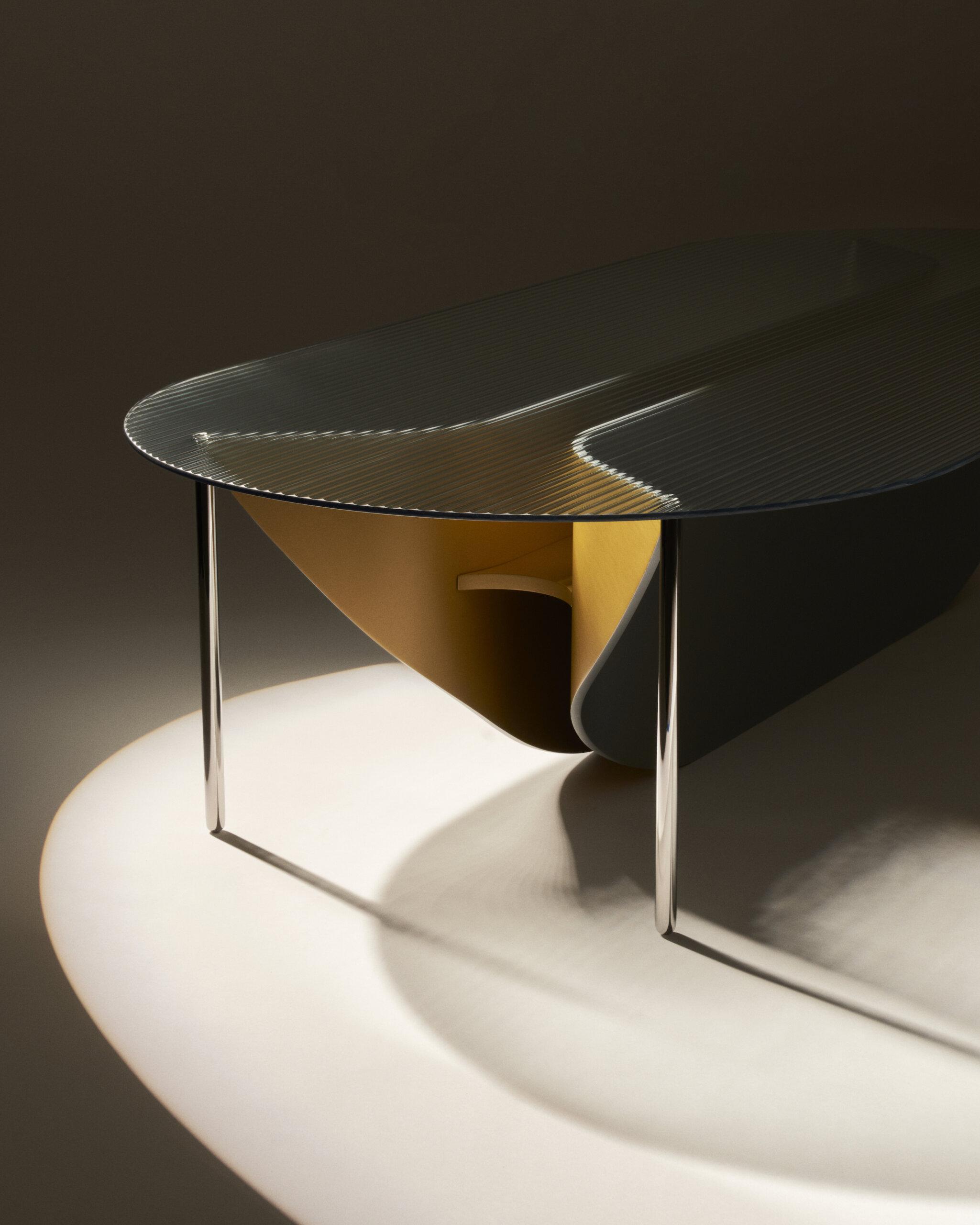
(Image above: CURV table by David Hwang Studio | Photography by Elizabeth Carababas)
Mexico City–based design studio JXICO crafts products that blend sustainability, innovation, and cultural artistry.
What inspires you as a young designer?
What drives me to design is the belief that design has the power to shape how people experience the world. As a young designer, I am inspired by the possibility of creating objects and spaces that feel new, meaningful, and engaging. Through design, I want to offer people opportunities to experience everyday life in different ways, sparking curiosity and emotional connection.
What are you working on right now?
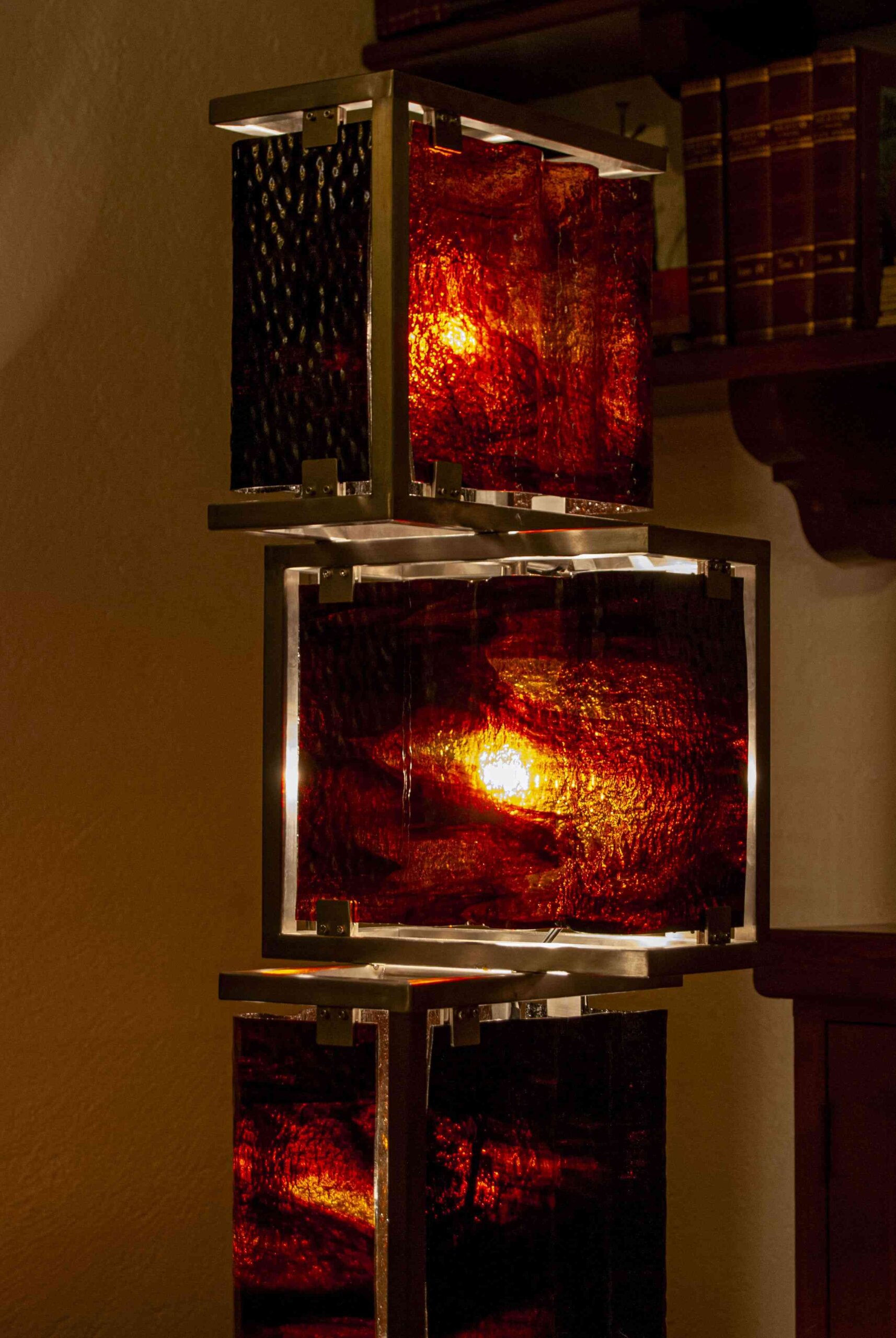
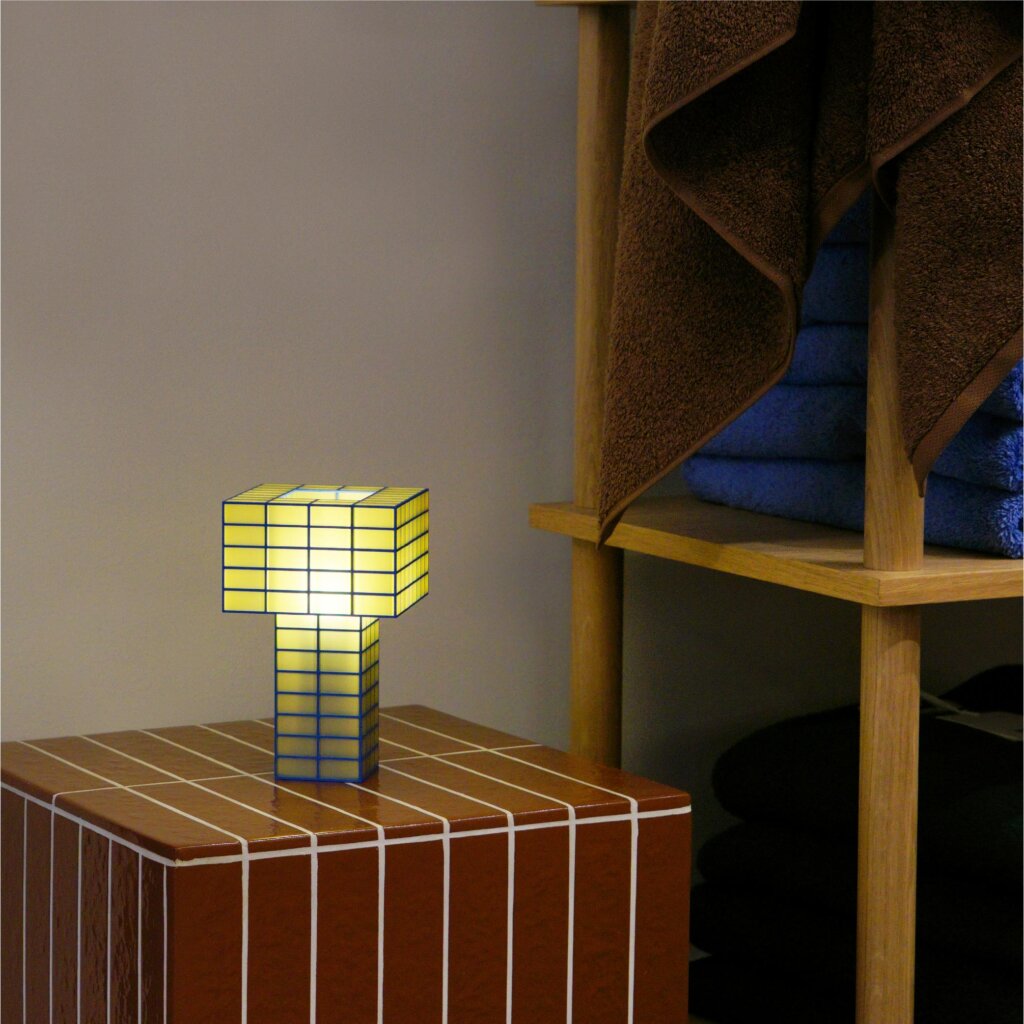
Right now, we are expanding our previous lighting project, “El Six,” which was presented at Launchpad 2025. This project continues to explore the combination of handcrafted glass with industrial materials.
What is a specific project you would like to share?
El Six: My dream goal with this project is to develop a complete line of luminaires that explore different scales, materials, and colors. I hope the project can inhabit a wide range of spaces, allowing people to experience light in a more intimate, expressive, and emotional way.
What do you hope to contribute to the world?
I hope to contribute designs that spark curiosity and invite people to look closer. By reimagining everyday elements, such as lighting, I want to transform familiar objects into experiences that feel intriguing, engaging, and emotionally resonant.
Laura Olson, founder of Trashy, transforms waste materials into sustainable, innovative furniture and objects, blending design ingenuity with environmental responsibility.
What inspires you as a young designer?
I’m driven by the intersection of design and materials — where aesthetics, performance, and environmental responsibility meet. I see design and material as inseparable: the material informs the form, and the form gives the material relevance in the world. Last year at ICFF’s Launch Pad, we presented a coffee table made from a concrete mix that incorporates post-consumer Styrofoam into the aggregate. By removing the air from the foam, each piece recycles 40–50 times the visible volume of Styrofoam while becoming significantly lighter and stronger than conventional concrete. That project reinforced my belief that sustainability is a design problem within itself that requires rigor, experimentation, and systems thinking. I’m inspired by moments when constraints force invention — when existing approaches no longer work and new ones have to emerge. In fact, a supply chain challenge this fall forced us to innovate and create two new materials, a new Styrofoam blend and another that has landfill-bound glass. It put our company in a better position for the long run, but it was a challenge!
What are you working on right now?
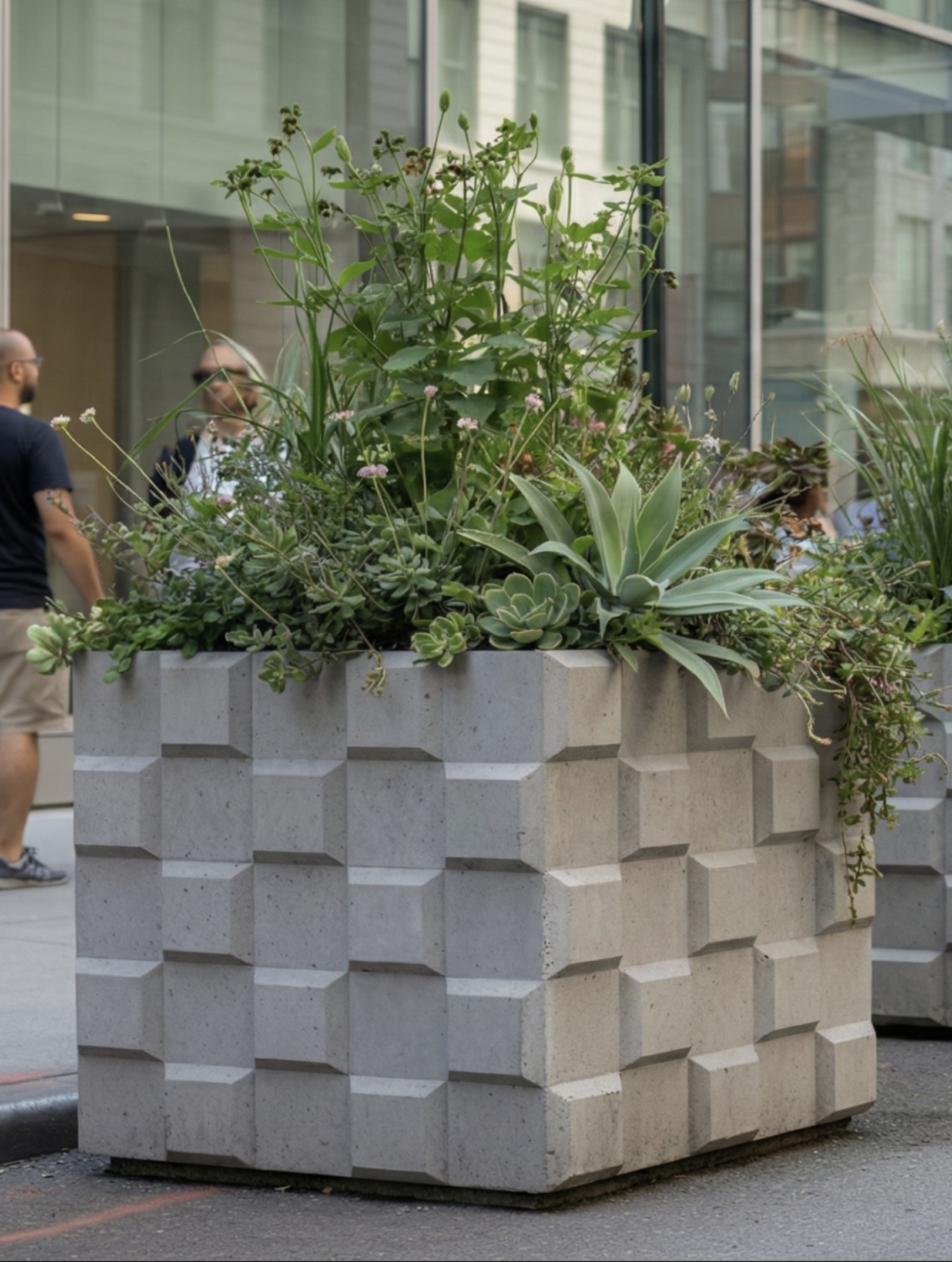
Right now we’re focused on site furnishings, with a particular focus on planters and outdoor elements designed for public and landscape environments, all made out of Trashy concrete. We recently opened our own manufacturing facility in North Carolina, which has allowed us to think bigger.. Bringing production in-house lets us iterate quickly. A goal for 2026 is to refine our recycled-content concrete mixes to be even lower carbon. It also allows us to collaborate closely with architects, landscape architects, municipalities, and private clients. Recent projects include outdoor furniture installations at a university and a floating staircase composed of up to 85% recycled and landfill-bound content. Our work balances design ambition with material performance and scalability.
What is a specific project you would like to share?
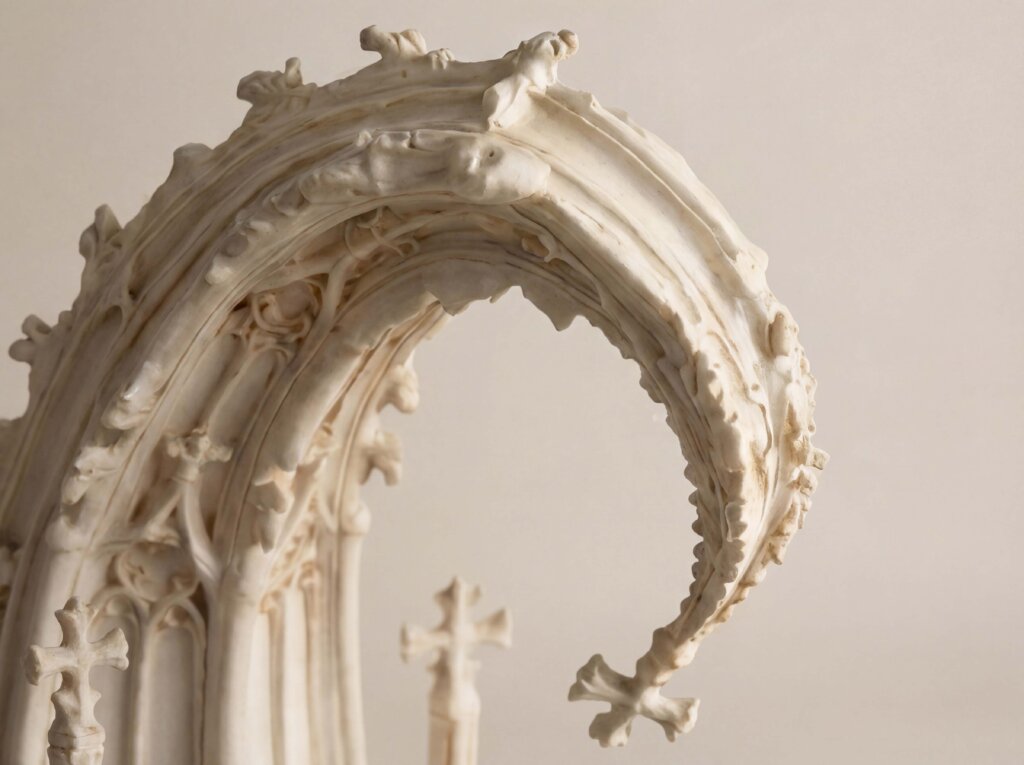
Our site furnishing collection, specifically, the Lisbon planter. This has been a work in progress since the very beginning and is inspired by a centuries old building in Lisbon. Our designs are intentionally versatile — pieces that can feel at home in a public plaza, a campus, a private residence, or a hospitality setting.
What do you hope to contribute to the world?
I hope to contribute work that proves responsibility and design excellence can coexist. Through thoughtfully designed objects and material systems, I want to help shape built environments that are meant to last — especially in public and demanding contexts — while shifting how materials are sourced, valued, and reused. The long-term goal is for Trashy materials and designs to appear — in some form — in every major new building or public space. We want to show that rethinking materials doesn’t require radical visual language; it can produce pieces that feel familiar, durable, and timeless while fundamentally changing how those materials are made and specified. Beyond individual products, the broader ambition is to create viable markets for hard-to-recycle waste streams and displace conventionally produced materials with higher environmental costs. If our work helps architects and landscape teams make recycled and low-impact materials the default rather than the exception, it’s doing its job.
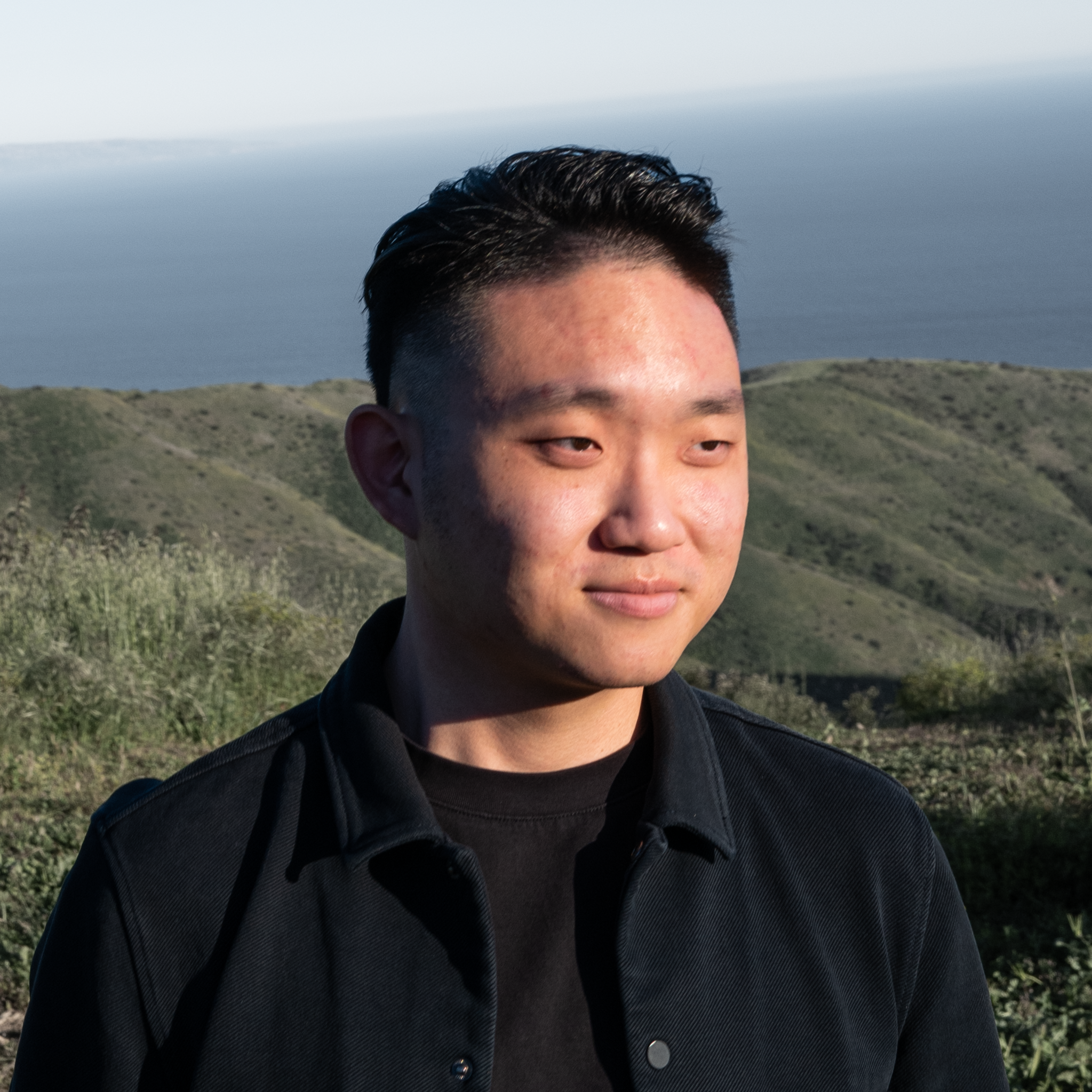
David Hwang creates furniture and objects that tell stories, exploring materials and processes to forge meaningful connections with everyday life.
What inspires you as a young designer?
My approach to design is driven by curiosity, restraint, and an interest in creating moments of quiet surprise in everyday objects. I’m inspired by how people interact with furniture not as static objects, but as things they live with, touch, move, and notice over time. I’m especially drawn to the relationship between art and function, objects that feel calm and resolved at first glance, yet reveal something unexpected through proportion, material contrast, or construction. This might be the interplay of hollow and solid, polished and raw, or the way a detail subtly guides the user’s experience. Growing up and designing in Los Angeles, and now living in San Francisco, I’ve also been influenced by Light and Space, mid-century modernism, and contemporary art, where restraint and intention carry more weight than decoration. Ultimately, I design to create objects that feel considered, lasting, and quietly engaging, pieces that don’t demand attention, but reveal themselves over time.
What are you working on right now?
I’m currently working on a lighting object that sits at the intersection of art and function. The project represents a culmination of my design values while inviting curiosity through material and form. It involves extensive experimentation, and working with an unfamiliar material has meant working through uncertainty with ongoing research, a process rooted in curiosity. I look forward to revealing the project soon.
What is a specific project you would like to share?
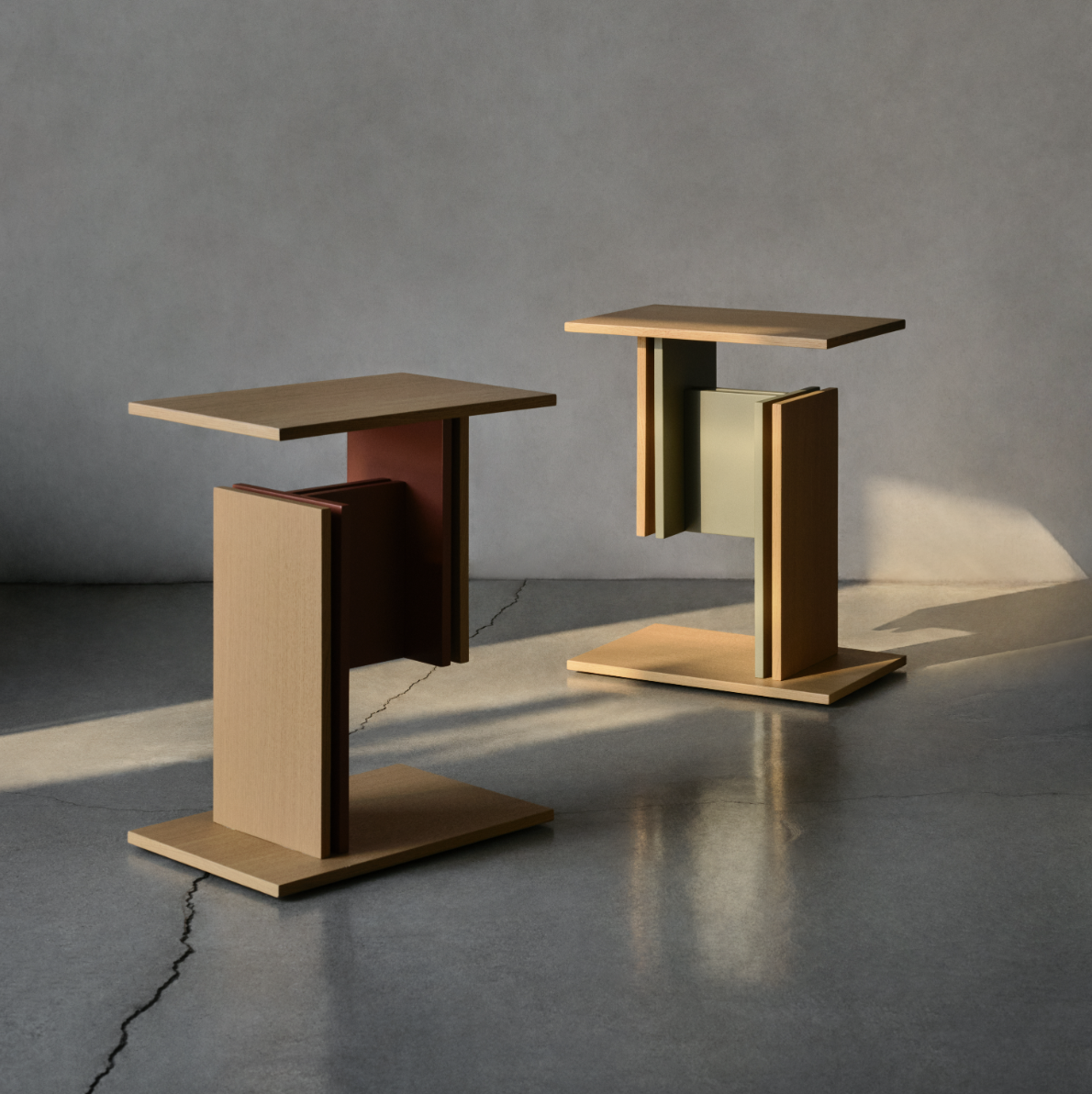
The SLVR side table draws inspiration from mid-century architecture and the iconic I-beam, a material celebrated for its strength, simplicity, and minimalism. Designed as an ode to this architectural era—particularly in Los Angeles, a city that holds special meaning for the designer—SLVR features a cantilevered, asymmetrical form that appears to float above the ground. Crafted primarily from white oak, the piece is accented with a pop of color, highlighting the seamless connection of two finishes while exploring the interplay of positive and negative space.
What do you hope to contribute to the world?
Through my creativity, I hope to contribute objects that feel thoughtful, lasting, and human-centered, pieces that quietly improve everyday life rather than compete for attention. I’m interested in design as a way to slow people down, invite curiosity, and create a more mindful relationship with the objects we live with.
To learn more about the Emerging Designers Spotlight, and to apply to be featured, click here >>>
More of ICFF:
Jack Sulkin & Gabriel Askenazi
Courtney Brannan