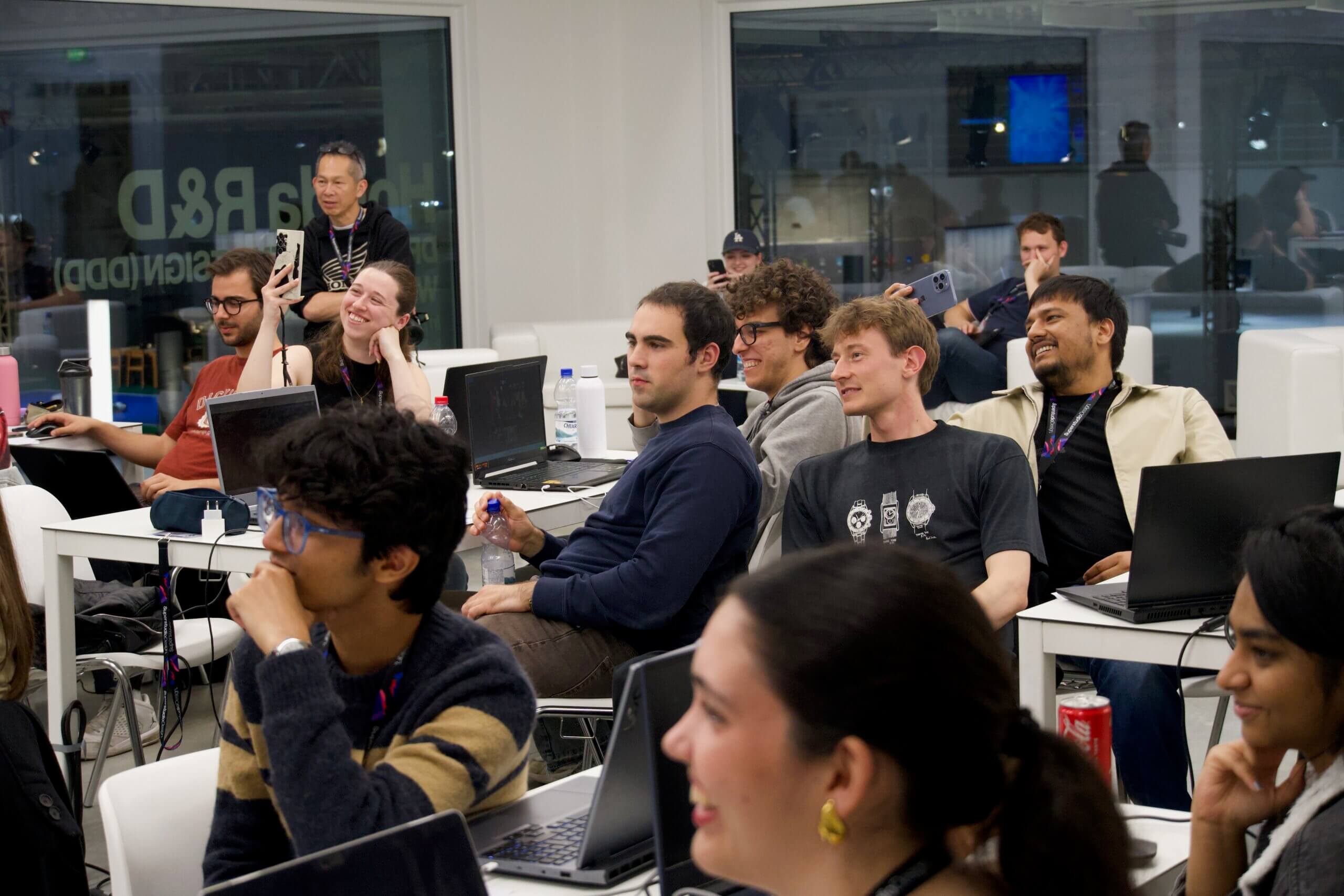
The Dream Driven Design workshop is a program presented by Honda R&D in partnership with ICFF, WantedDesign, and Superstudio during this year’s Milan Design Week, with project coordination and organizational support provided by La Fonte. Originally launched in New York two years ago, the workshop first took place during the 2024 edition of ICFF, bringing together students from six international design schools, in collaboration with Pratt Institute.
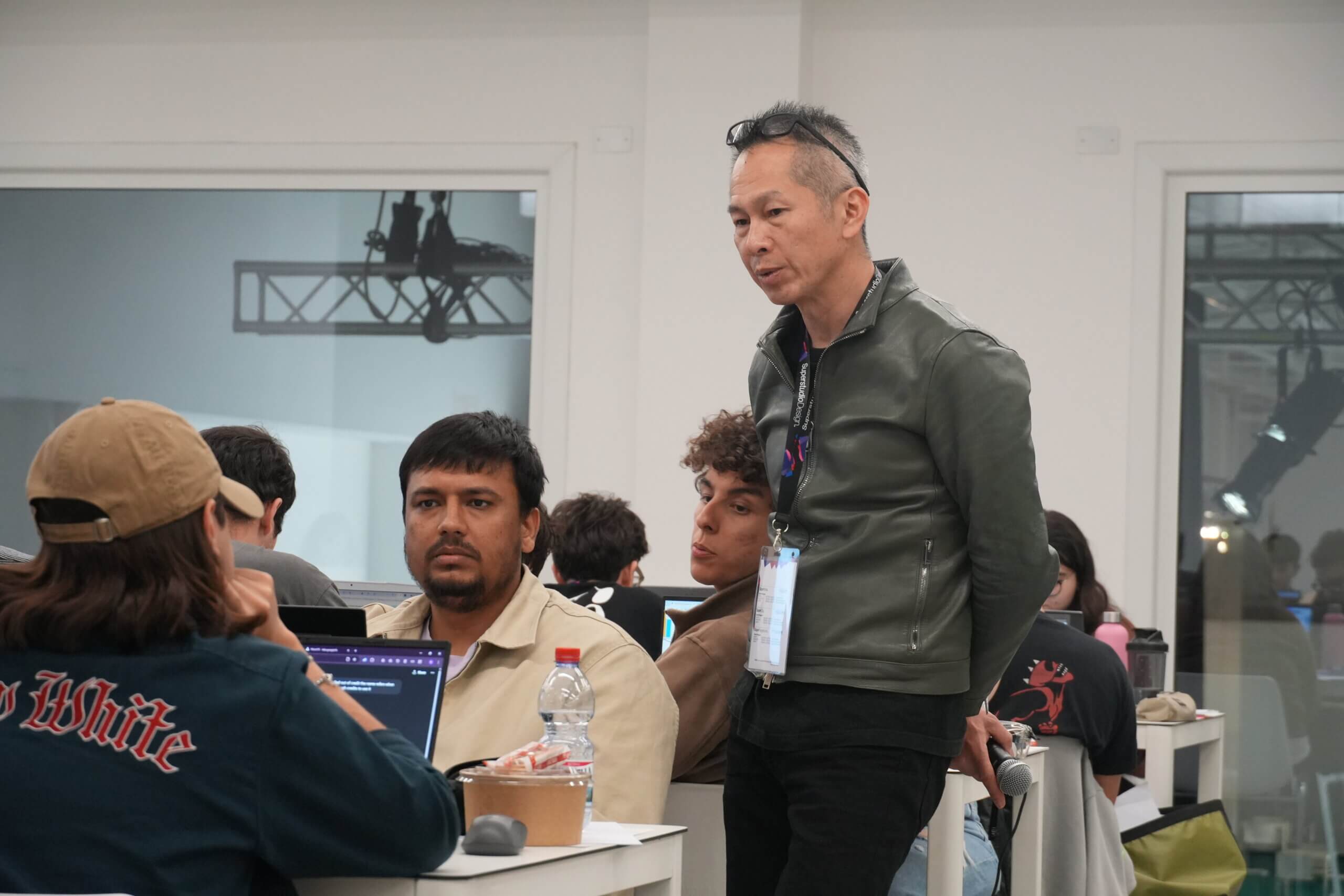
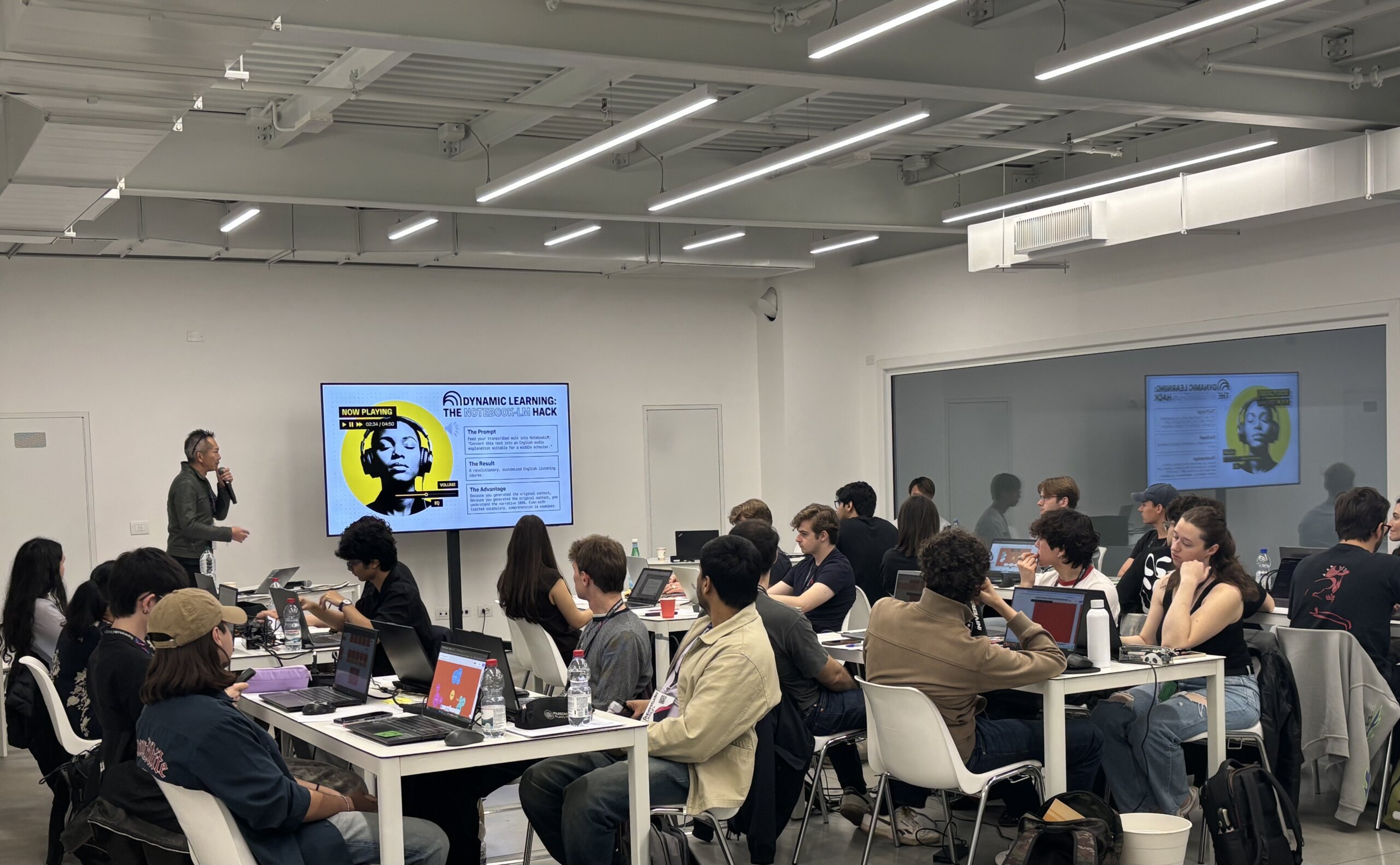
For its Milan edition, six Italy-based design schools—including Nuovo Institute Design (NID), Scuola Politecnica di Design (SPD), IED Accademia Italiana, Instituto Marangoni, and University degli Studi di Perugia (University of Perugia)—selected students to participate in an intensive five-day workshop held from April 20–24 at Superstudio’s new venue, Superstudio Maxi. Immersed in the energy and creative momentum of Milan Design Week, students worked collaboratively in multidisciplinary teams under the leadership of Mr. Daisuke Sawai, Future Creation Facilitator and Strategist at Honda R&D Co., Ltd.
(Top image courtesy of La Fonte)
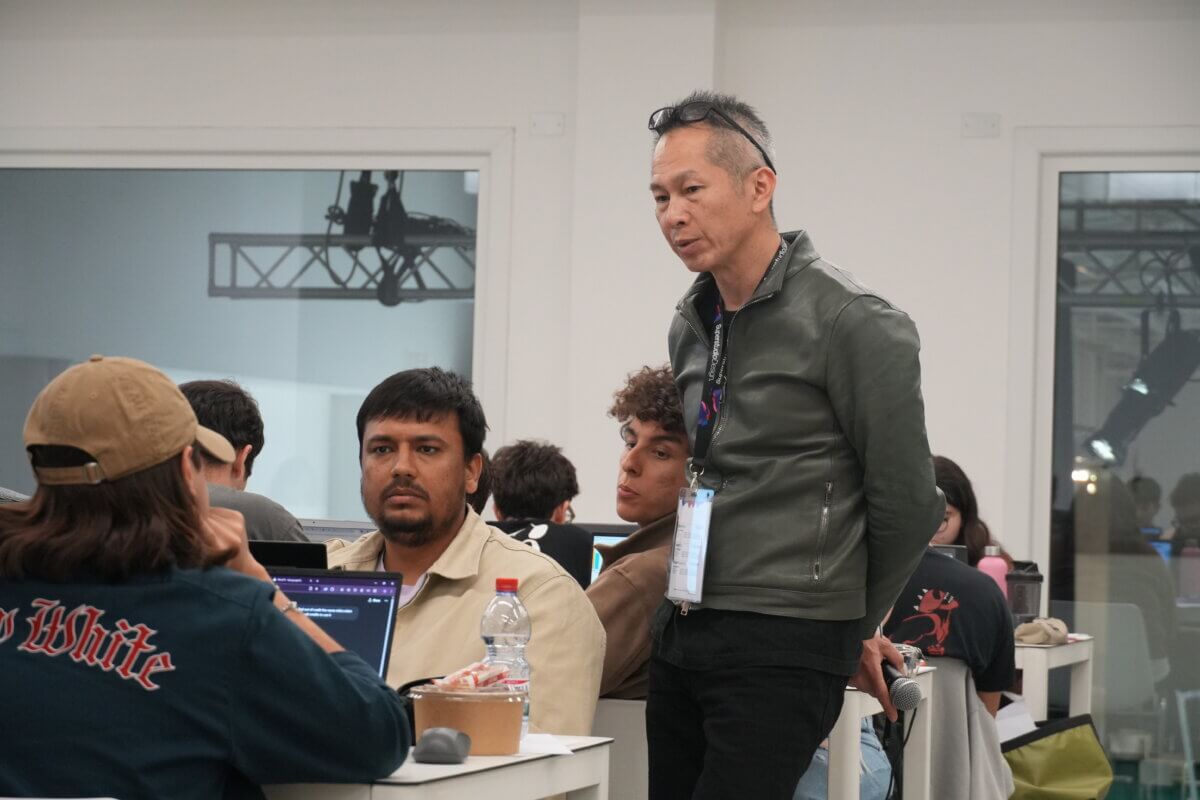
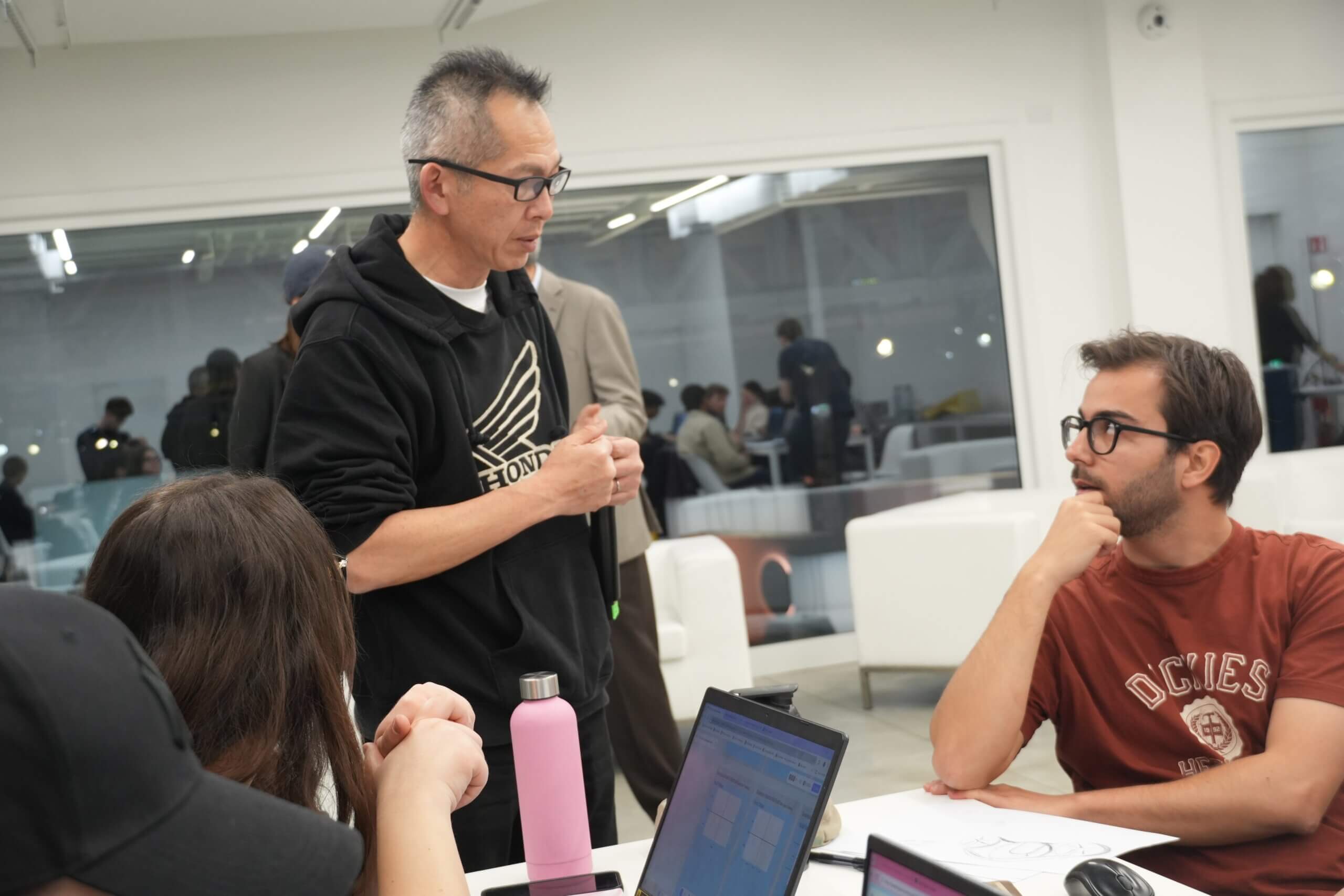
Image provided by La Fonte
Blending experimentation, mobility, and forward-thinking design methodologies, the Dream Driven Design workshop encourages emerging creatives to rethink the relationship between people, technology, and future lifestyles. “Participating in the Honda Dream Driven Design workshop was an extraordinary and highly significant experience. The program offered students a unique opportunity to take on an international-level challenge, encouraging significant professional and creative growth. Projects of this type demonstrate how collaboration between the worlds of education and industry can generate moments of excellence, creating valuable synergies and professional connections”, commented Claudio Turriziani, Nuovo Institute Design (NID) representative. For Superstudio, hosting the workshop represented an important step in its ongoing commitment to design education and emerging talent.
In this special interview, Mr. Daisuke Sawai shares his vision for mobility and innovation, and explains why initiatives such as Dream Driven Design play an important role in how Honda engages with the next generation of designers and creative thinkers.
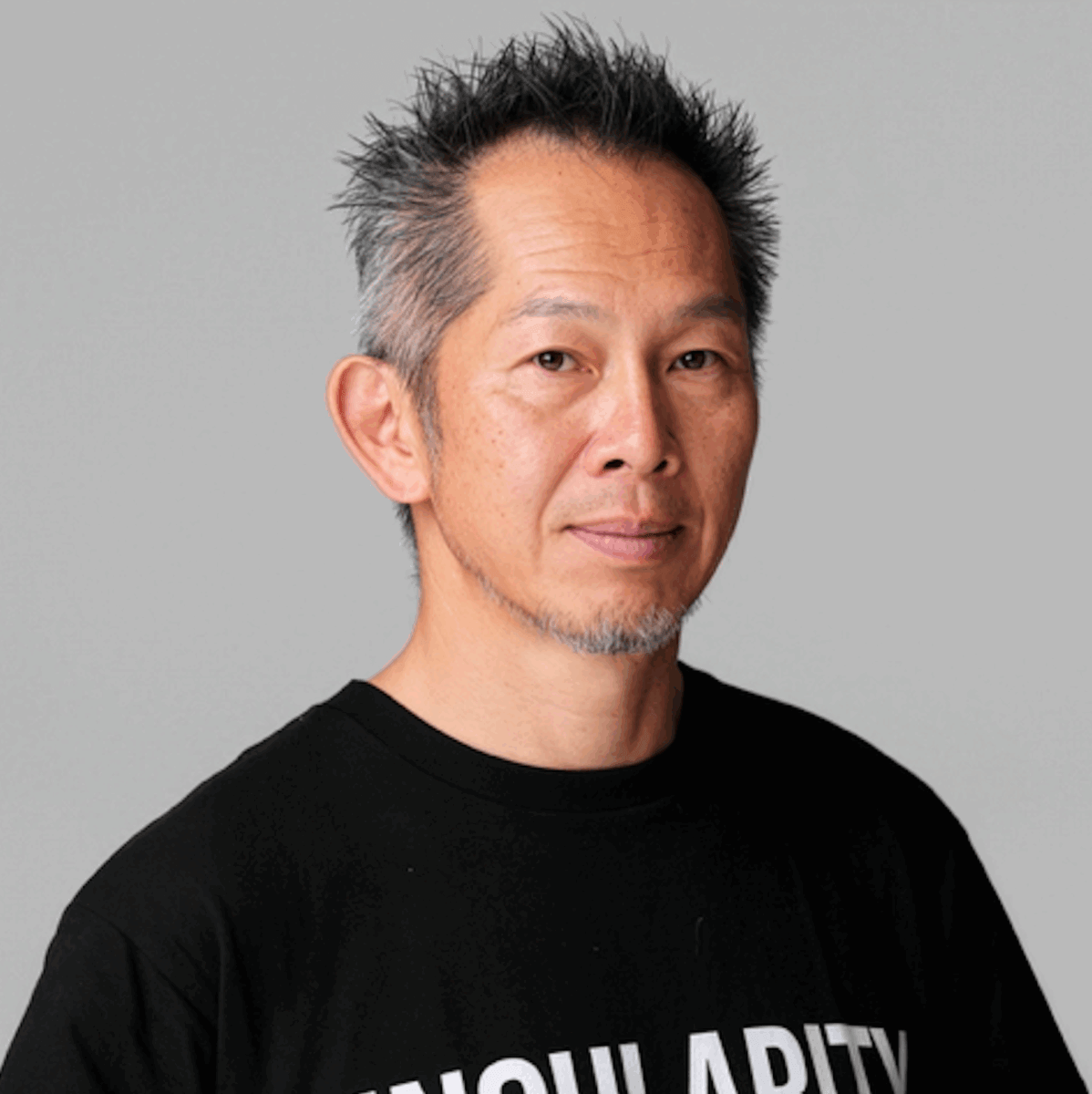
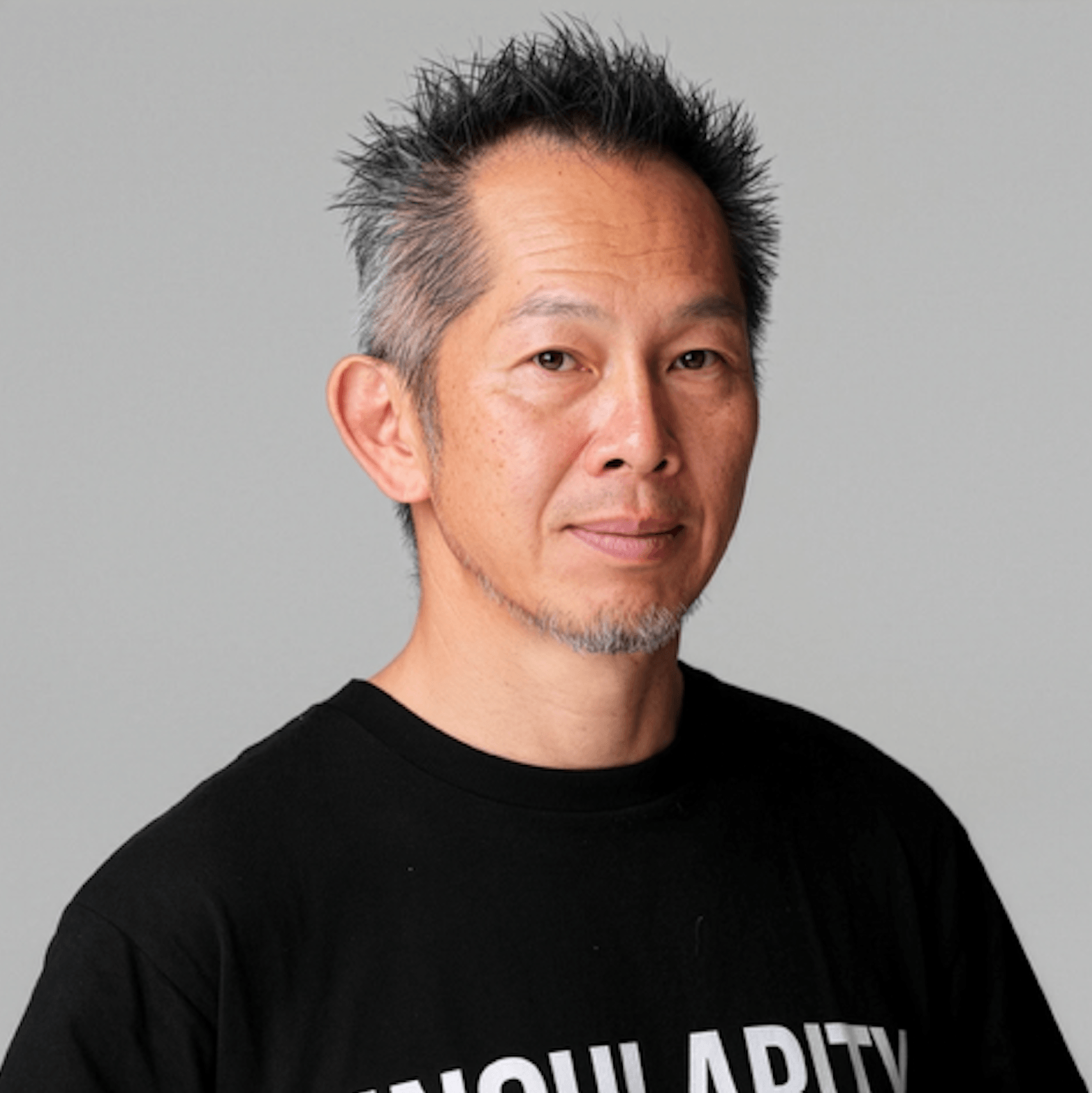
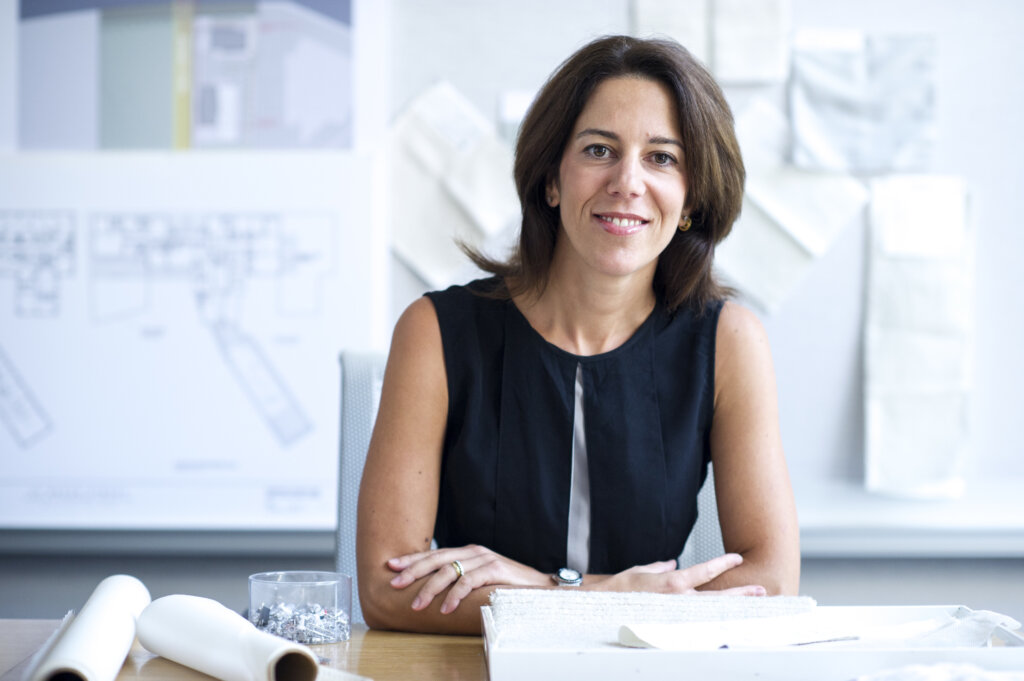
Portrait of Daisuke Sawai (Image courtesy of Honda R&D)
The workshop was presented under the theme “Dream Driven Design.” What does that concept personally mean to you, and how does it reflect Honda’s broader design philosophy?
Design should not start from solutions—but from dreams. To me, “Dream Driven Design (DDD)” is a process that begins with human desire, imagination, and personal dreams before moving into solutions or forms. Today, many projects focus on solving social issues, which is undoubtedly important. However, identifying the core issue itself is often the hardest part. A social issue should not simply be selected from a checklist; it must be genuinely felt, questioned, and internalized by the creators who are trying to build something.
That is why DDD begins with dreams. We do not view dreams as mere fantasy, but as deeply human signals—what we care about, what makes us uncomfortable, and the kind of future we want to move toward. This connects deeply with Honda’s core philosophy, specifically “The Power of Dreams” and “Respect for the Individual.” As a value creator in Honda R&D, I see DDD as a vital way to bring these timeless values into the age of generative AI. It helps people externalize their inner dreams, share them, and shape them through collaboration. At its core, creativity is fundamentally linked to our humanity.
The winner team included Abisha Sara Seelan, Master in Transportation & Automobile Design, Poli.Design, Alessandro Siena, NID Perugia, Cristina Mata Forner, IED Milano, and Mayank Sheet, Scull Politecnica di Design.
What inspired Honda to bring a student workshop during Milan Design Week?
The inspiration for Milan grew directly out of our first challenge at ICFF WantedDesign in New York in 2024. That experience taught us that a student workshop could be far more than an educational program; it can become a cultural platform where different generations, disciplines, and nationalities meet to explore the future together.
For us as in-house creators and researchers, holding a public workshop was a rare and valuable opportunity. Typically, creative and development processes inside a corporation are not fully open to the outside. Opening our methodology to students and the public on an international design stage was an entirely new experience for our team. While both New York and Milan possess a wonderful cultural openness where design, education, and business interact, Milan was still a unique challenge. The perception of Honda varies by region and culture, so we didn’t know how this abstract approach would be received. But that uncertainty was exactly why we wanted to try. Instead of merely exhibiting a finished product or outcome, we wanted to share how we think, imagine, and co-create. Milan Design Week provided the perfect stage for that dialogue.
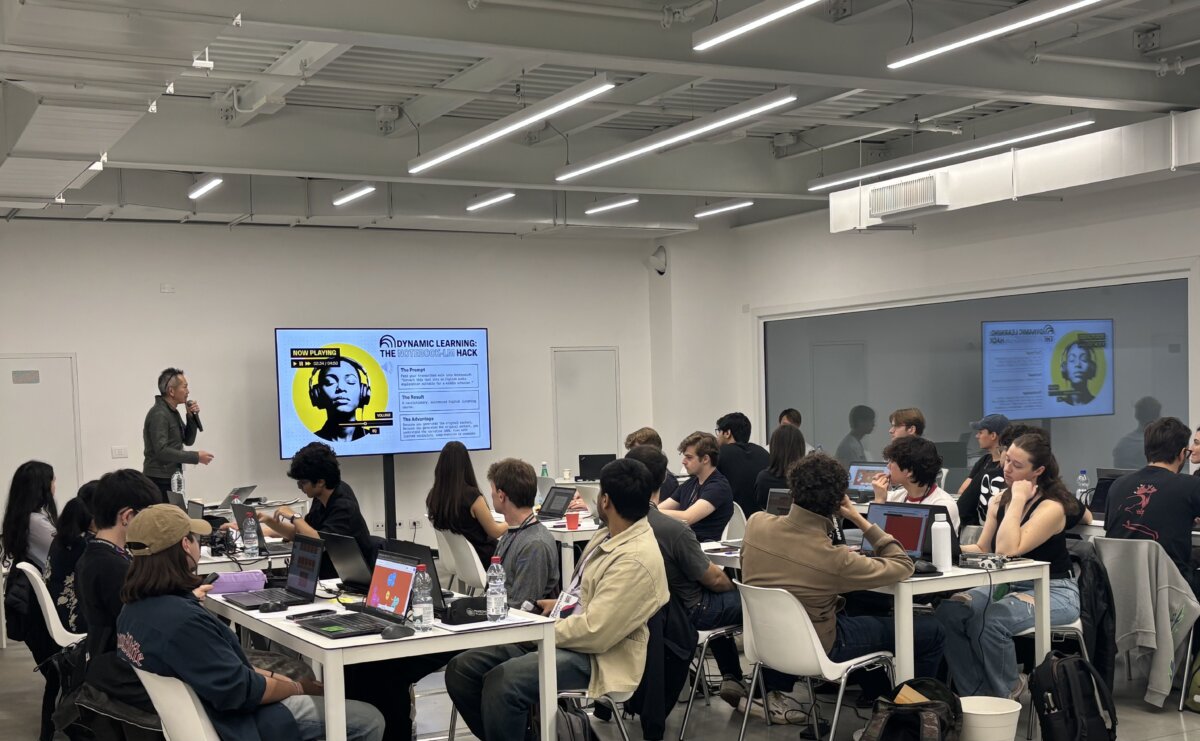
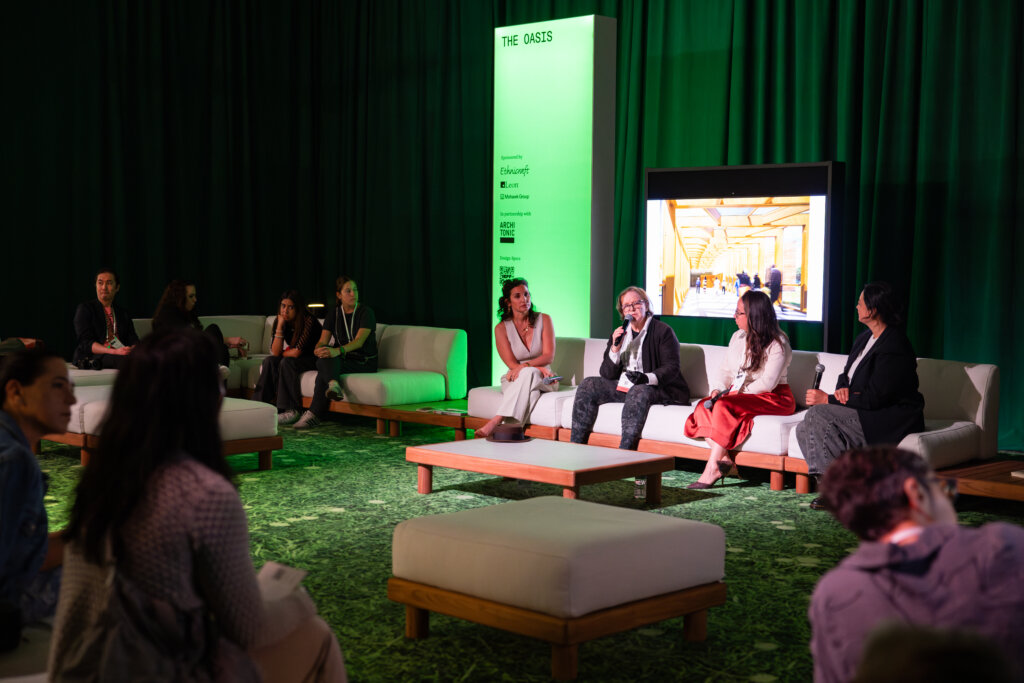
Image provided by La Fonte
What were your expectations going into the workshop, both in terms of the students’ engagement and the kinds of ideas that could emerge from the process?
Having conducted this workshop several times now, I have learned to fully trust the transformation that occurs within the process. Students always surprise us.
My goal was not for them to deliver “perfect” design proposals. I wanted them to experience the profound feeling of creating something meaningful from almost nothing. In DDD, we always commit to a final output. Even within a tight timeframe, every team must give shape to a future story and present it. I believe this represents a vital professional mindset: delivering the best possible output under given constraints. Through this, students can realize, “We did it. We created something we could have never imagined before.”
I also expected their ideas to transcend conventional forms of mobility. I challenged them to explore mobility not just as physical transportation, but as the movement of the body, mind, relationships, emotions, and possibilities. When students connect their personal dreams, memories, and cultural backgrounds with future possibilities, they often reach destinations we could never have predicted.
Now that the workshop has taken place, were there any outcomes, conversations, or discoveries that particularly surprised or inspired you?
What inspired me most was how the students brought us back to a fundamental question: “What is mobility?” They weren’t just trying to design a new vehicle or service; they were exploring mobility as a holistic movement of human connection, community, and emotion. This kind of philosophical dialogue is something that professionals can easily forget.
In daily design and development, we are constantly pressured to be concrete—focusing on products, functions, and feasibility. While those questions are necessary, we sometimes need to pause and return to the deeper question of what we are really trying to create. I was also deeply inspired by their diversity and co-creative mindset. Although they studied in Italy, their backgrounds were truly global, and they were open to building on each other’s ideas. Through dialogue, AI-generated imagery, and storytelling, individual fragments smoothly evolved into shared future visions. This solidified my belief that generative AI is not a replacement for human creativity; rather, when placed between people, it acts as a powerful catalyst that accelerates collaboration.
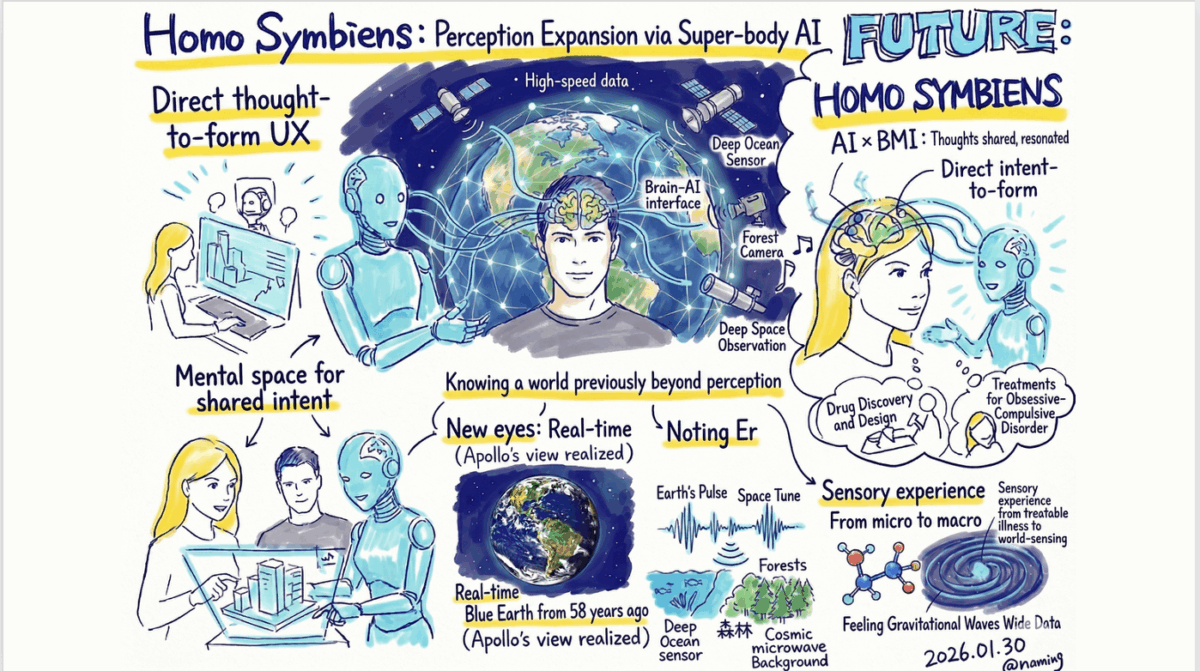
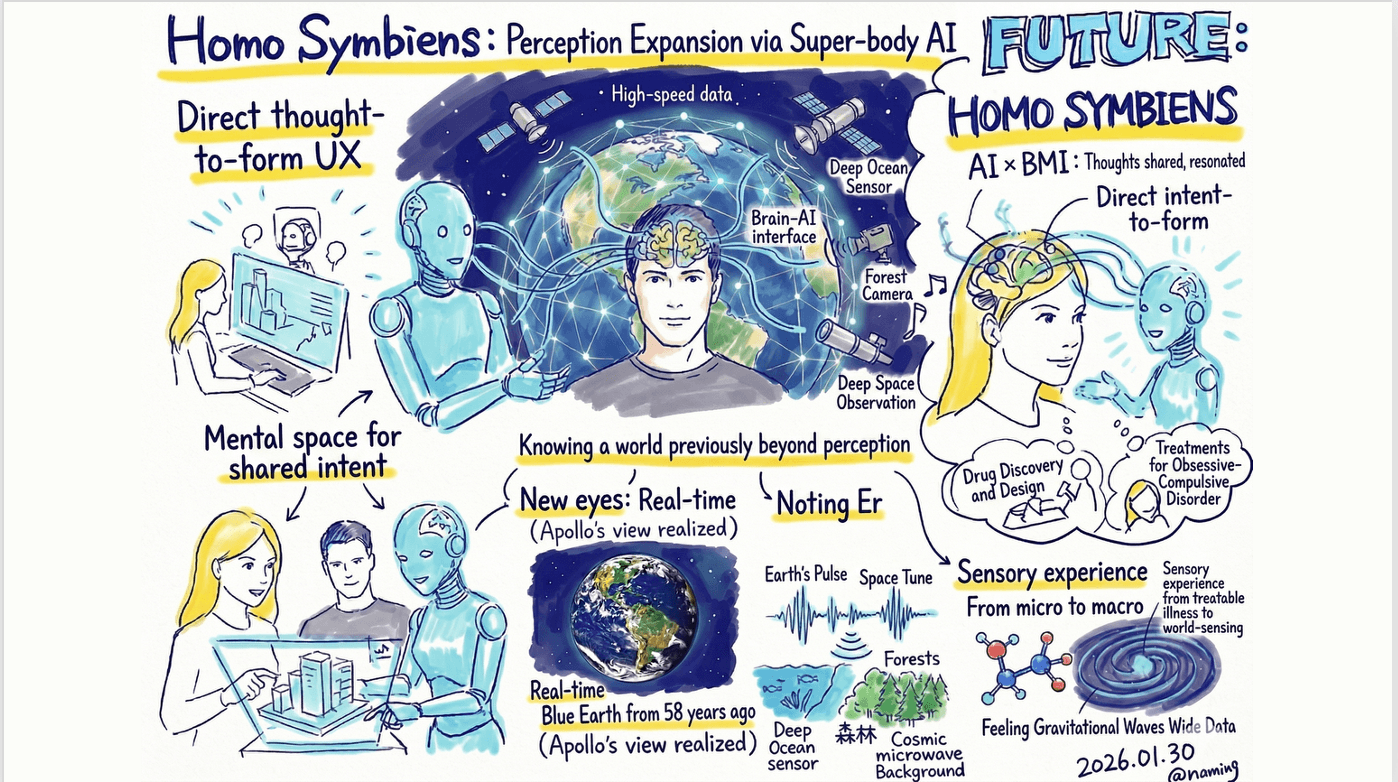
Visual provided by Daisuke Sawai
What aspect of the students’ approach or way of thinking excited you the most throughout the workshop?
What exceeded our expectations was not just the aesthetic quality of the final outputs—though the visuals and presentations were impressive. What moved me most was the sheer strength of will embedded in their stories. These students were not blindly optimistic about the future. They observed the present and the future with sharp, honest, and serious eyes, fully aware of modern anxieties like loneliness, environmental issues, and social division. As an older generation of creators, we sometimes tend to speak about the future in an optimistic, simplistic way. Their imagination, however, was far more complex.
Yet, they never let their stories end in dystopia. Within their future scenarios, I felt a powerful determination to continue, to reconnect, to care, and to create new meanings. They weren’t just crafting beautiful concepts; they were expressing a quiet resolve: even if the future is difficult, we must continue to imagine and create better possibilities. This grounded hope—rather than naive optimism—is an essential attitude for the next generation of creators.
What was the most challenging part of developing this initiative?
The biggest challenge was that generative AI itself was completely unknown territory for us. We weren’t just passive observers of this technological shift; we were actively being changed by it. As in-house designers, it directly affected us and forced us to question our own traditional ways of thinking, creating, and collaborating. Furthermore, my background is as an in-house creator and designer, not a facilitator. Developing DDD meant shifting my own professional role: from someone who personally creates outputs, to someone who designs a process where others can discover, collaborate, and co-create.
Because DDD is a living methodology that we build and update while running it, the process itself is a prototype. This made the initiative incredibly difficult to explain in advance. When asked what specific outcomes it would produce, we couldn’t fully answer. We had to trust that the most valuable discoveries would only reveal themselves through the actual workshop. Designing a framework to explore the unknown while navigating that very unknown ourselves required immense courage, flexibility, and trust—in the students, in the process, and in experimentation.
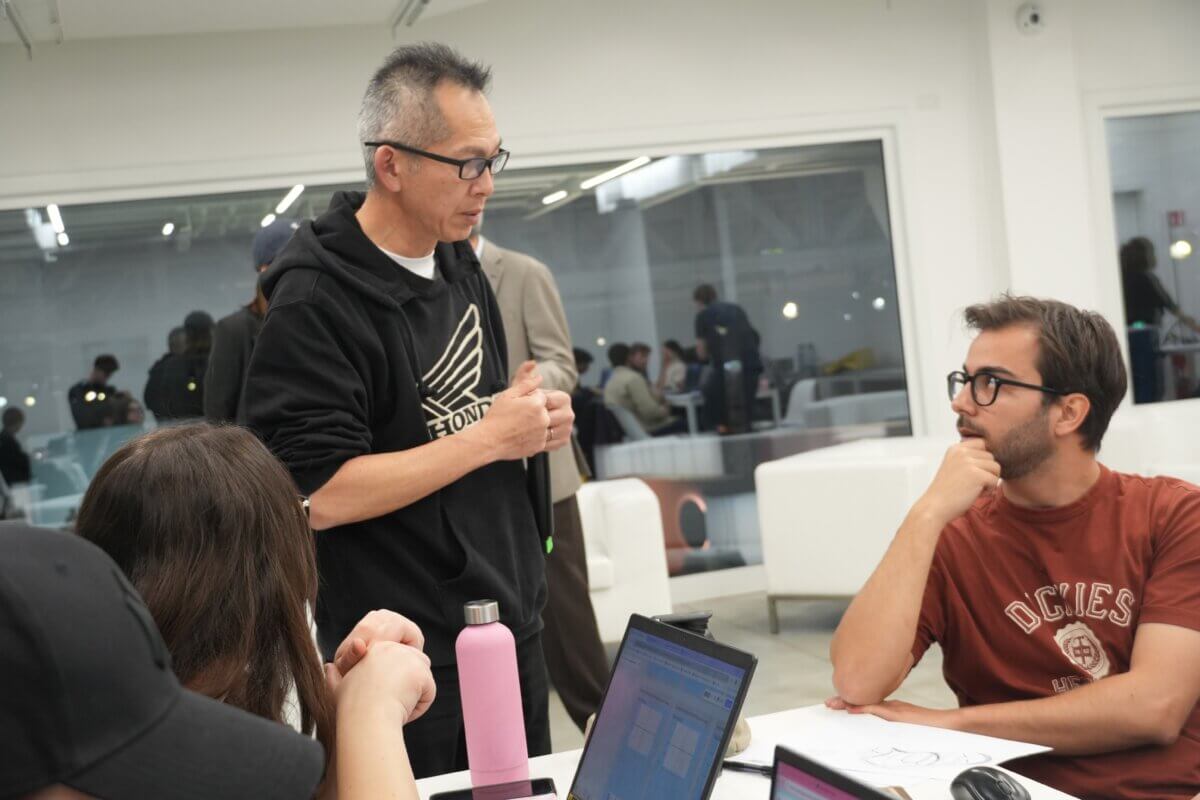
Image provided by La Fonte
How important is experimentation and imagination within Honda’s current vision of mobility and design innovation?
From my perspective within Honda R&D, experimentation and imagination are essential. Mobility has always been intertwined with expanding human possibility. Today, that definition is broadening. It is no longer just about transportation or vehicles; it is about how people move physically, emotionally, socially, and creatively.
That is why we need to continue asking the fundamental question: What is mobility? If we only extend today’s reality, we risk missing the futures that people truly desire. While
technology and execution are vital, imagination allows us to look beyond the current frame. To me, experimentation is the way to make imagination tangible. Through prototypes, narratives, and collaboration, we can explore futures that do not yet exist. This becomes even more critical in the age of generative AI. While AI can visualize and verbalize possibilities at incredible speed, humans must remain the ones who define meaning, desire, and direction. Imagination and experimentation are not optional; they are core capabilities for future mobility and design innovation.
What makes presenting this project in Milan especially meaningful for Honda?
In Milan, you immediately feel the profound depth of history and context. It is a city where diverse cultures, disciplines, and generations naturally converge. Walking through the streets, you see layers of history woven into architecture, craftsmanship, industry, and everyday life. This rich environment is the ideal breeding ground for designing the future. Creating the future is not just about looking forward; it is about understanding the past, respecting context, and imagining what we can pass on to the next generation. This resonates deeply with our identity. The products our predecessors created over the decades are more than industrial machines—they have become embedded in people’s lives, memories, and culture.
Through DDD, we weren’t just showcasing a project; we were trying to connect our creative history with the young minds who will shape tomorrow. Milan reminded me that every creator enters a long story halfway through. We inherit a legacy from the past, build in the present, and eventually pass something on to the next generation.
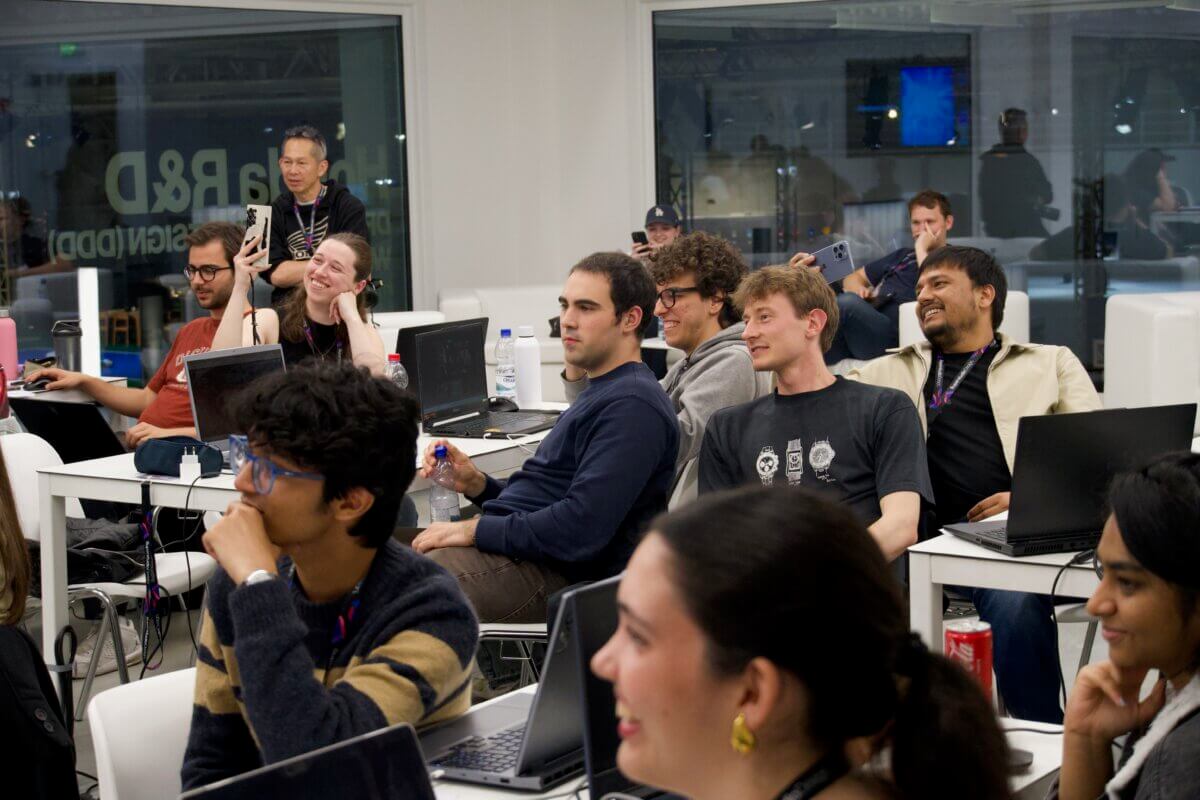
Image provided by La Fonte
Do you see initiatives like this workshop playing a larger role in how Honda engages with the next generation of designers and thinkers?
Yes, absolutely. I believe initiatives like DDD serve as an important bridge. We don’t view young designers and thinkers merely as future employees or potential customers; they are future collaborators.
Through this workshop, we aren’t just handing down answers. Instead, we share our questions: What is mobility? What kind of future do we want to create? How can technology, design, and creativity contribute to people and society? This is a shift from traditional, one-way corporate communication to a genuinely co-creative dialogue. Our R&D team learns just as much from the next generation as they do from our philosophy, experience, and passion.
Ultimately, for me, it’s about passing the creative baton. Our company has a history of creating products that shape culture. Through DDD, we can share not just our products, but our creative attitude with the next generation. This type of open, educational, and cultural initiative will become increasingly vital for the future of design and mobility.
What do you hope students ultimately take away from participating in or experiencing the workshop?
I want students to leave with the concrete feeling that they have the agency to create the future. Not to predict it perfectly, or to find a single “correct” answer, because the future doesn’t come with one. What matters is the capacity to imagine, question, collaborate, and give shape to possibilities that don’t yet exist.
I hope they realize that their personal dreams, emotions, memories, and even their discomforts are incredibly valuable raw materials for creation. A social issue shouldn’t just be picked from a list; it needs to be genuinely felt and internalized. Personal insights are the truest starting points for meaningful innovation. In an era where anyone can use generative AI to output words and images instantly, the true value still comes from human intention, meaning, and responsibility. AI helps us visualize options, but humans must decide what matters and where we want to go.
For me, working with these young creators is not just an educational activity—it is a way of passing the baton. In a rapidly changing world, experienced creators have a responsibility to share more than technical skills; we need to pass on the deeper purpose of creation: why we create, how we navigate uncertainty, and how we continue to shape the future with others. If the students left the workshop feeling, “I can create something from zero. My dream can become a starting point,” then the workshop has succeeded.