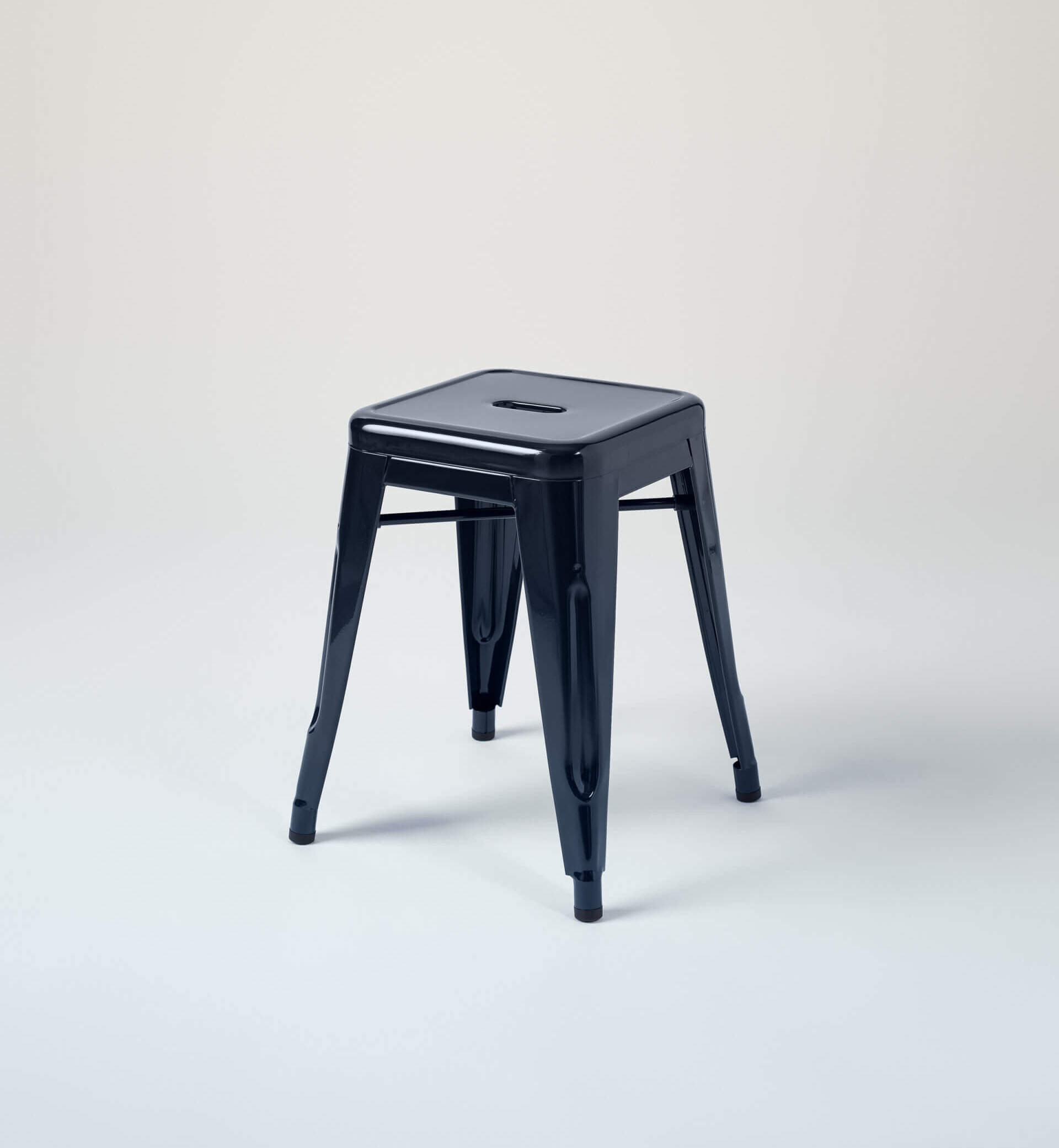
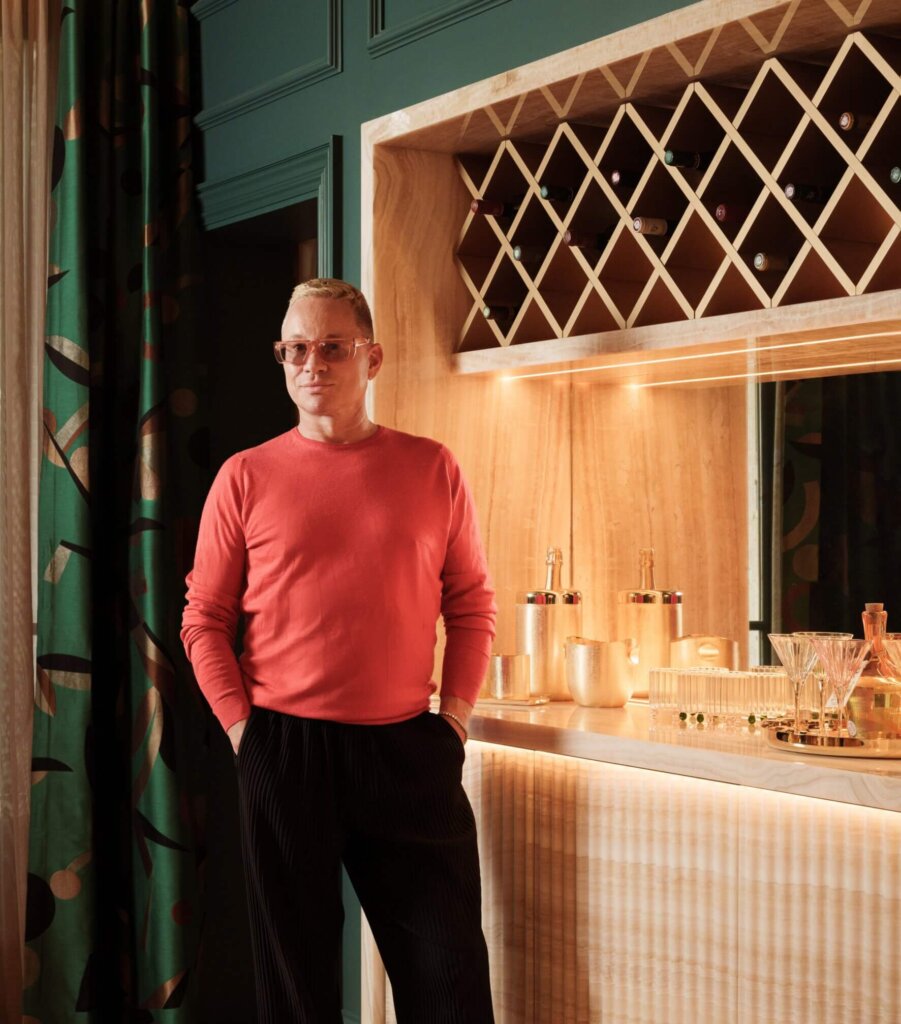
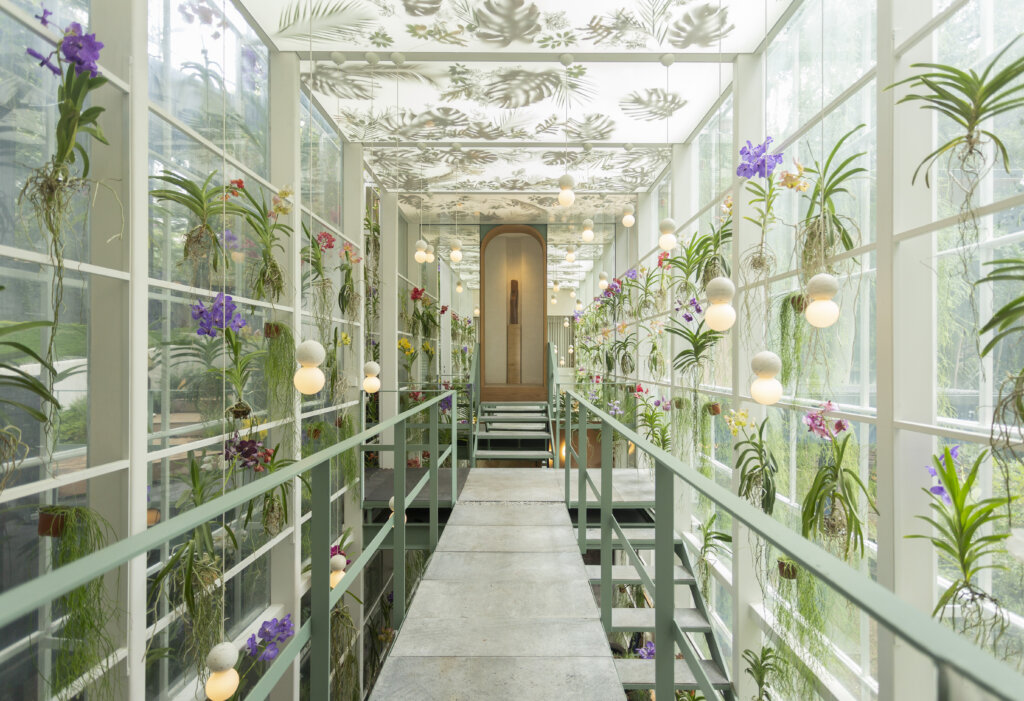
A century after its founding in Autun in 1927, Tolix arrives at ICFF New York with a story forged in metal, memory, and modernity. The French manufacturer continues to shape the future from the weight of its past.
Inside the workshops of Autun, the rhythm has remained remarkably unchanged. Sheets of steel are cut, bent, stamped, welded, and finished with a precision that borders on ritual. Machines provide force, and human hands provide judgment. The result is furniture that feels less manufactured than distilled; objects are reduced to their essential lines, designed not for seasons but for generations.
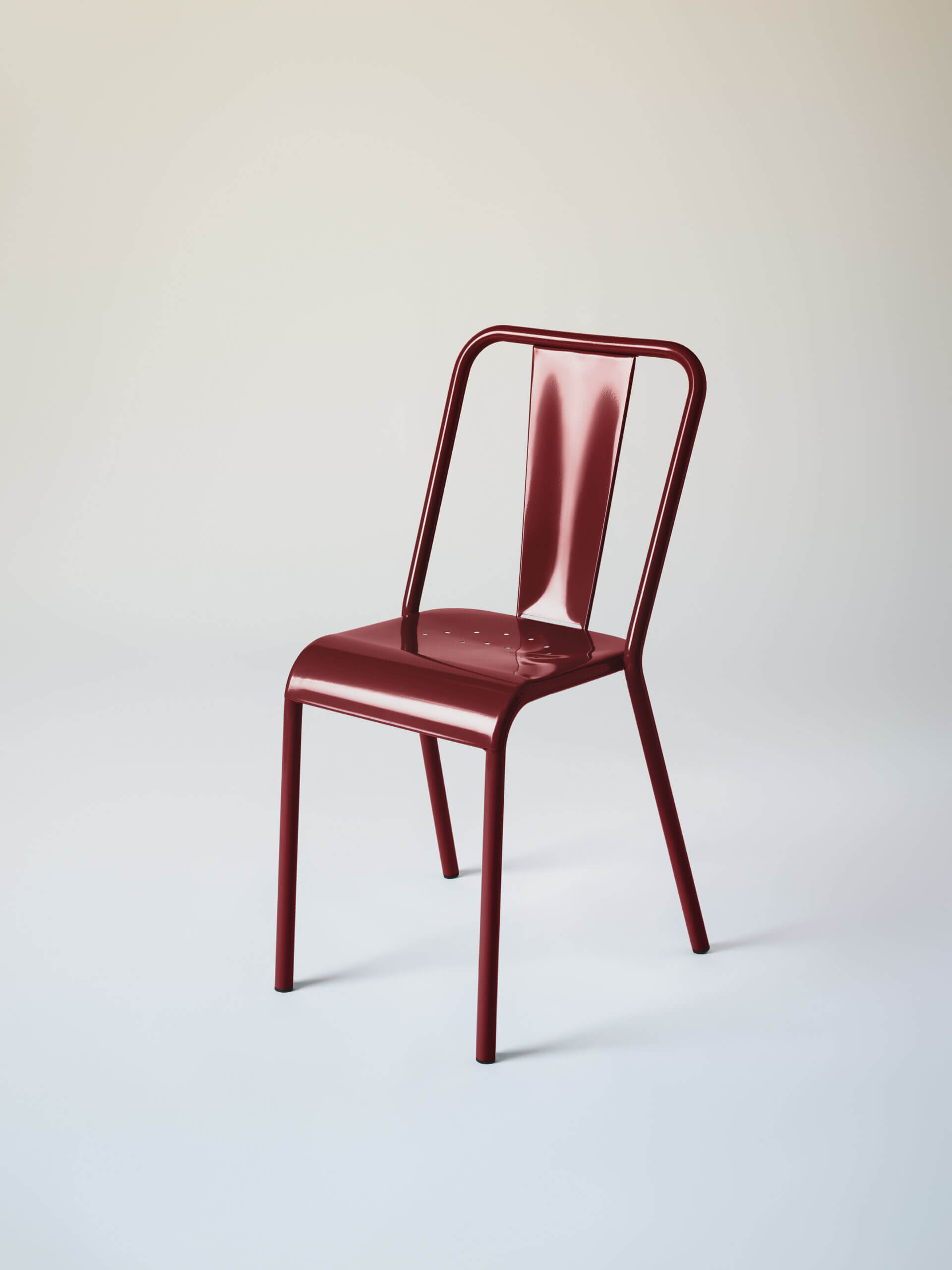
At ICFF, Tolix presents more than a collection. It unveils a living archive of French industrial design, where heritage and contemporary creation exist in constant conversation. The unmistakable A Chair stands alongside newer expressions such as the architectural T37, the restrained tubular geometry of the UD collection, and the quietly refined outdoor pieces of Patio, designed by Pauline Deltour. Tressée explores the graphic possibilities of woven metal, while Épure distills outdoor furniture to its most elemental form.
(Top image courtesy of Tolix)
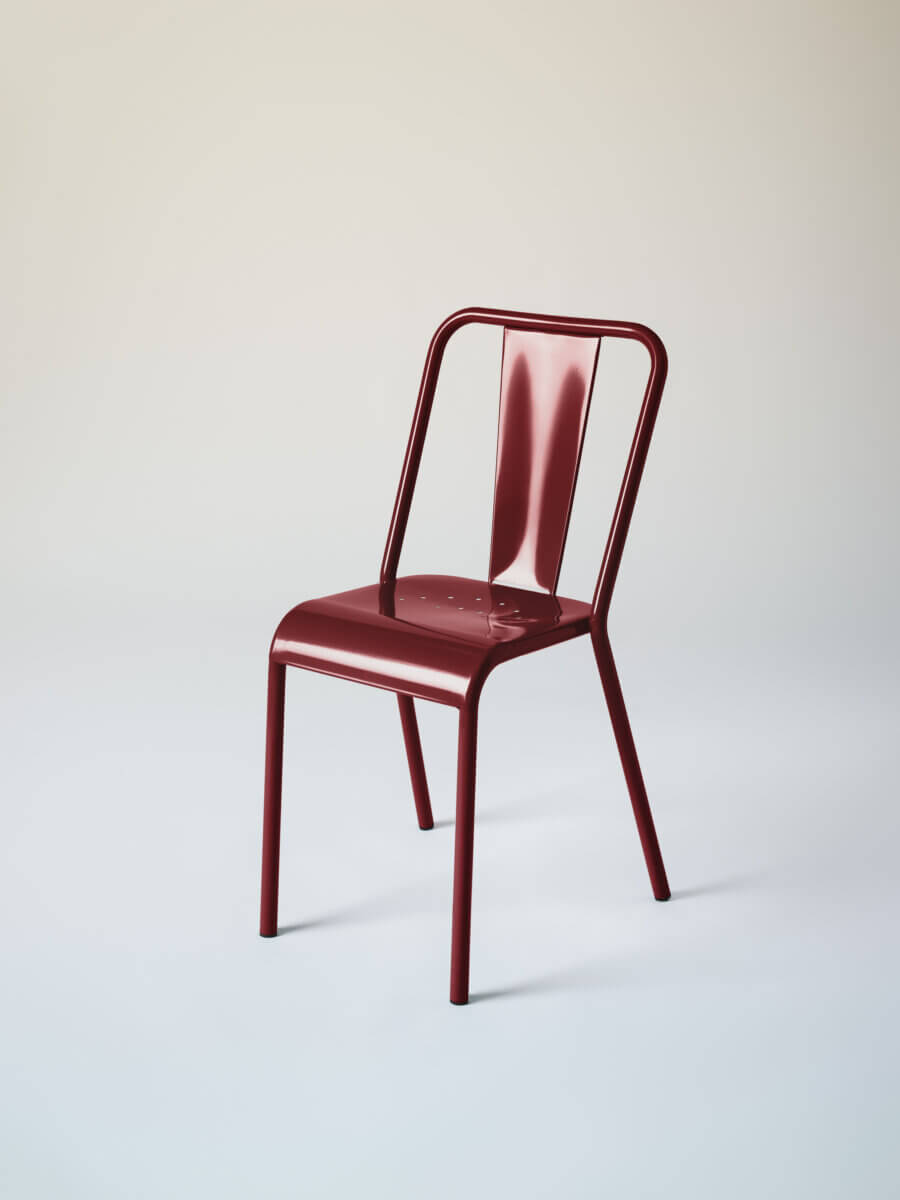
T37 Chair (Image courtesy of Tolix)
Though distinct in character, each collection shares the same philosophy: hand-worked steel, technical rigor, and a belief that simplicity endures.
The story of Tolix is inseparable from the evolution of modern France itself. In 1935, as Paris prepared for the 1937 Universal Exhibition, the city sought a new language for public furniture, one capable of expressing modernity without ornament. Xavier Pauchard answered with the now-iconic AX Chair and EX Armchair, later renamed T37 in tribute to that pivotal year. Their industrial clarity would become synonymous with French modernism.
A second chapter emerged in 1948, when Jean Pauchard inherited the family vision and expanded it with designs that balanced utility and elegance. Pieces such as the “55” Table and the A56 Armchair entered the growing Tolix vocabulary, while commissions like the UD Chair for the University of Dijon demonstrated the company’s instinctive understanding of functional design.
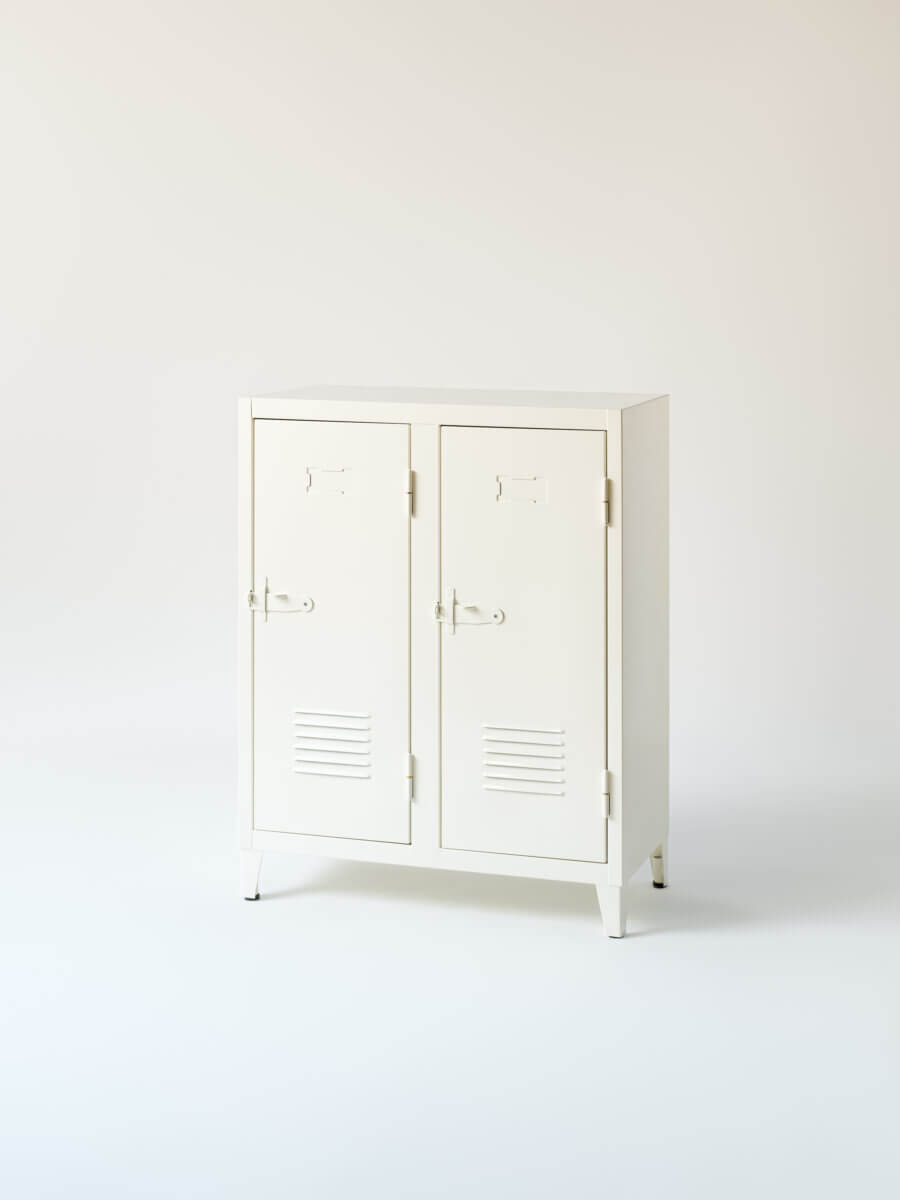
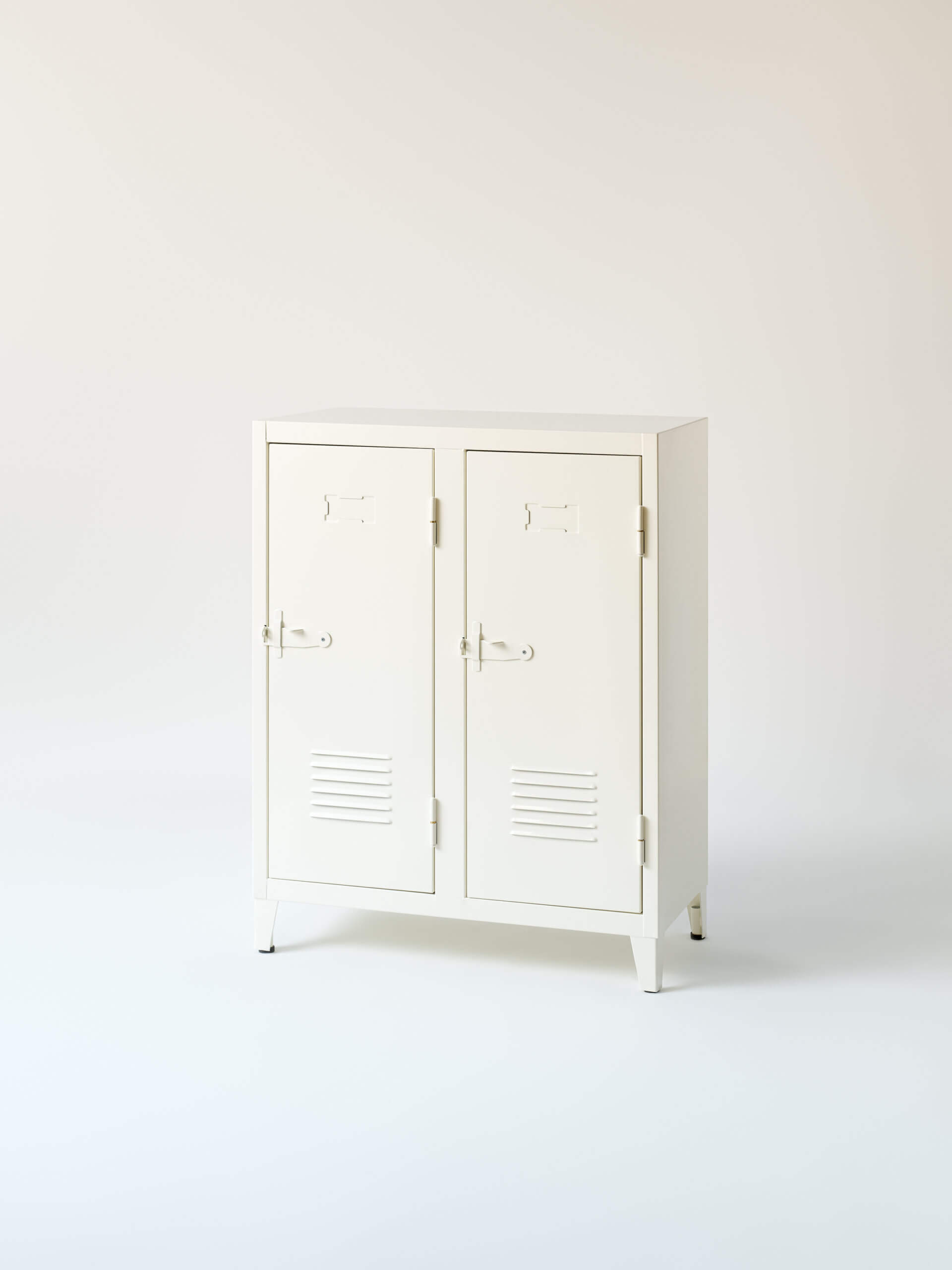
Low Locker B2 (Image courtesy of Tolix)
Today, that legacy is being rewritten once again. Since its revival initiated in 2022, Tolix has embraced a renewed artistic direction led today by Emmanuelle McGrath and Antoine Bejui through Studio Tolix. Through Tolix, heritage becomes material for reinterpretation rather than preservation alone.
This tension between permanence and reinvention is what gives Tolix its relevance in contemporary design culture. In an era increasingly defined by disposability, the manufacture proposes another model: local production, technical excellence, and furniture built to acquire character over time. Awarded France’s EPV (Entreprise du Patrimoine Vivant) distinction, Tolix remains committed to a production philosophy rooted in responsibility, durability, and craft.
The surfaces may gleam in mineral tones and lacquered finishes, but beneath them lies the same industrial spirit that first defined the company nearly one hundred years ago. Form still follows function, and steel carries memory. And in New York, far from its home, Tolix reminds the design world that timelessness is never accidental. It is made, patiently, by hand.