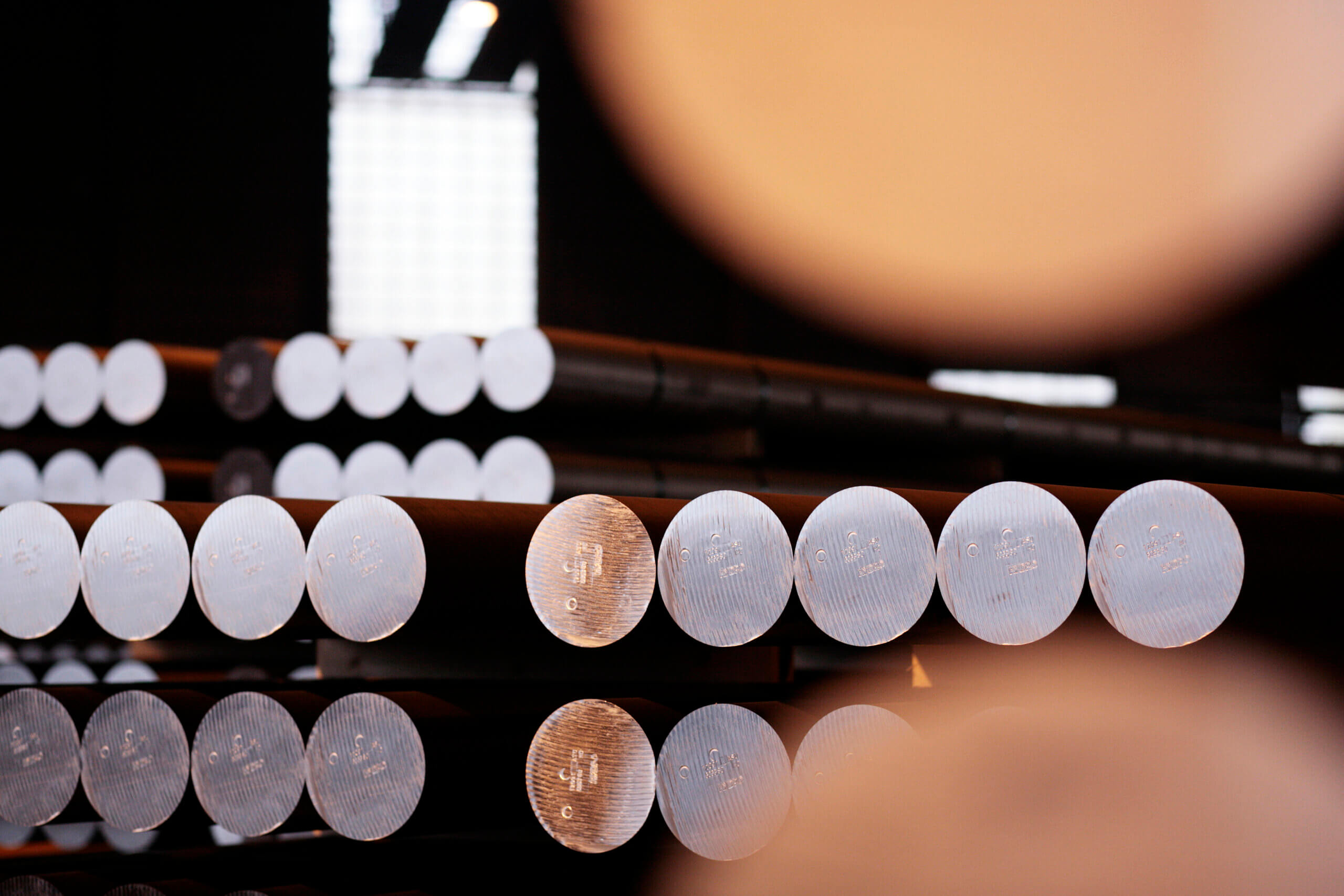
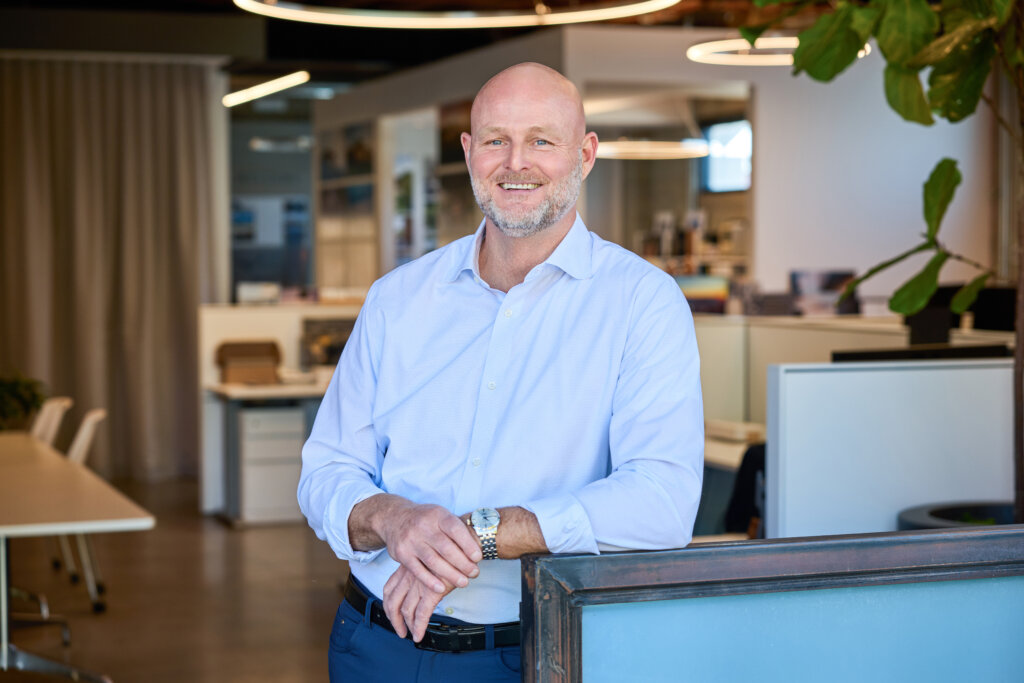
Established in 1905, Norwegian company Hydro remains the largest fully integrated aluminum producer outside of China. In those 120 years, the sizable company has refined its proprietary mining, smelting, and extrusion procedures so precisely that it’s able to closely control all stages of manufacturing.
“Why is this important? Today, there’s a need to dramatically cut carbon emissions from all industrial activities,” says Hilde H. Kallevig, Hydro Vice President of Commercial Partnerships. “We need to be mindful of the environment, climate, and people at every stage. Having a grasp over the entire process allows us to more strategically make important changes. In doing so, we’re able to provide our customers with as much data as possible to assure them that what we’re putting out into the world is more responsible.”
(Top image courtesy of Hydro)
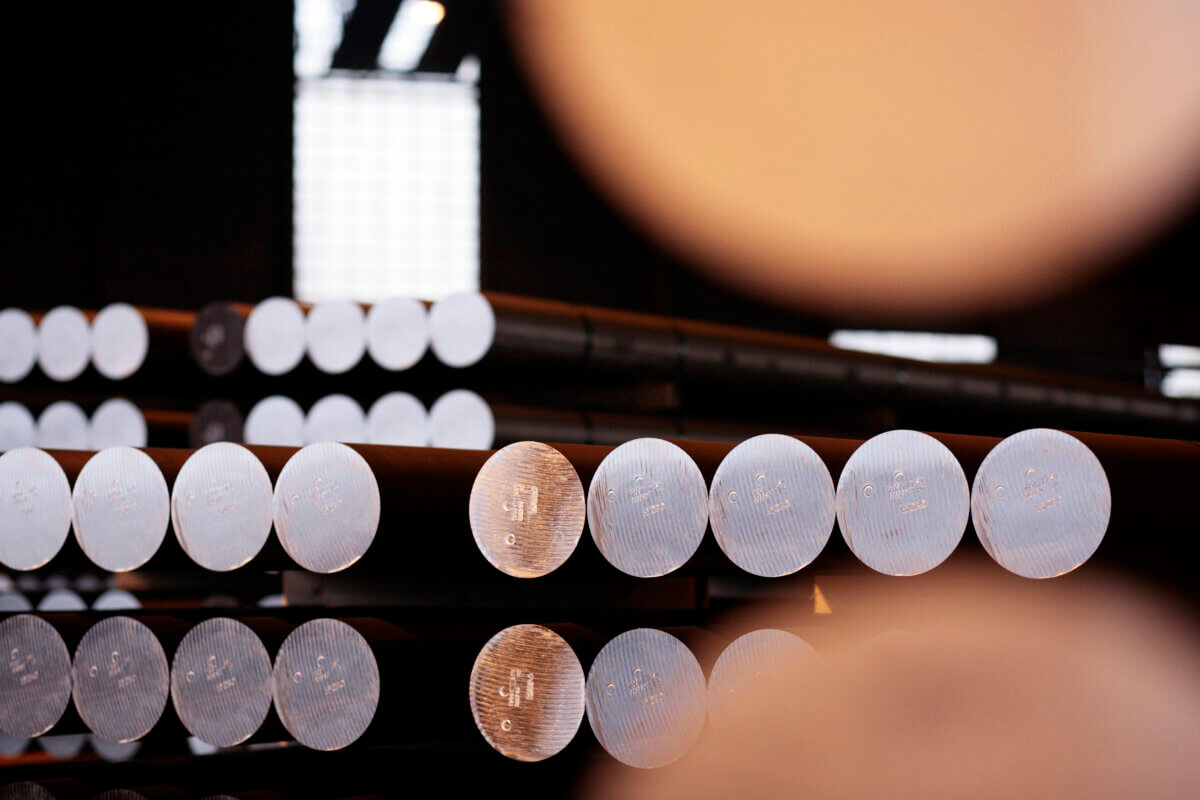
Image courtesy of Hydro
Positioning itself as a renewable energy generation company as well, Hydro has outlined a rigorous 2030 roadmap in which it plans to expand its reliance on recycled material and cut its carbon footprint by 30% by 2030 compared to 2018 numbers. It hopes to be an example to other industry players in this respect. Aluminum accounts for 3% of global emissions with the majority of global aluminum production is still based on using coal like in China. Using renewable energy is dramatically reducing the emissions that are caused by processing raw primary material; recycling aluminum can account for a whopping 95% decrease in energy usage.
“Hydro’s 2030 sustainability goals focus on a 30% reduction in total carbon emissions compared to a 2018 baseline, driven by increased recycling and renewable energy but also technology shifts,” Kallevig adds. “The company aims to lead the green aluminum transition by scaling up low-carbon products, targeting zero emissions in production by 2050 or earlier.” In the United States and Europe, the manufacturer has implemented the Hydro CIRCAL post-consumer scrap initiative to get things changing even quicker.
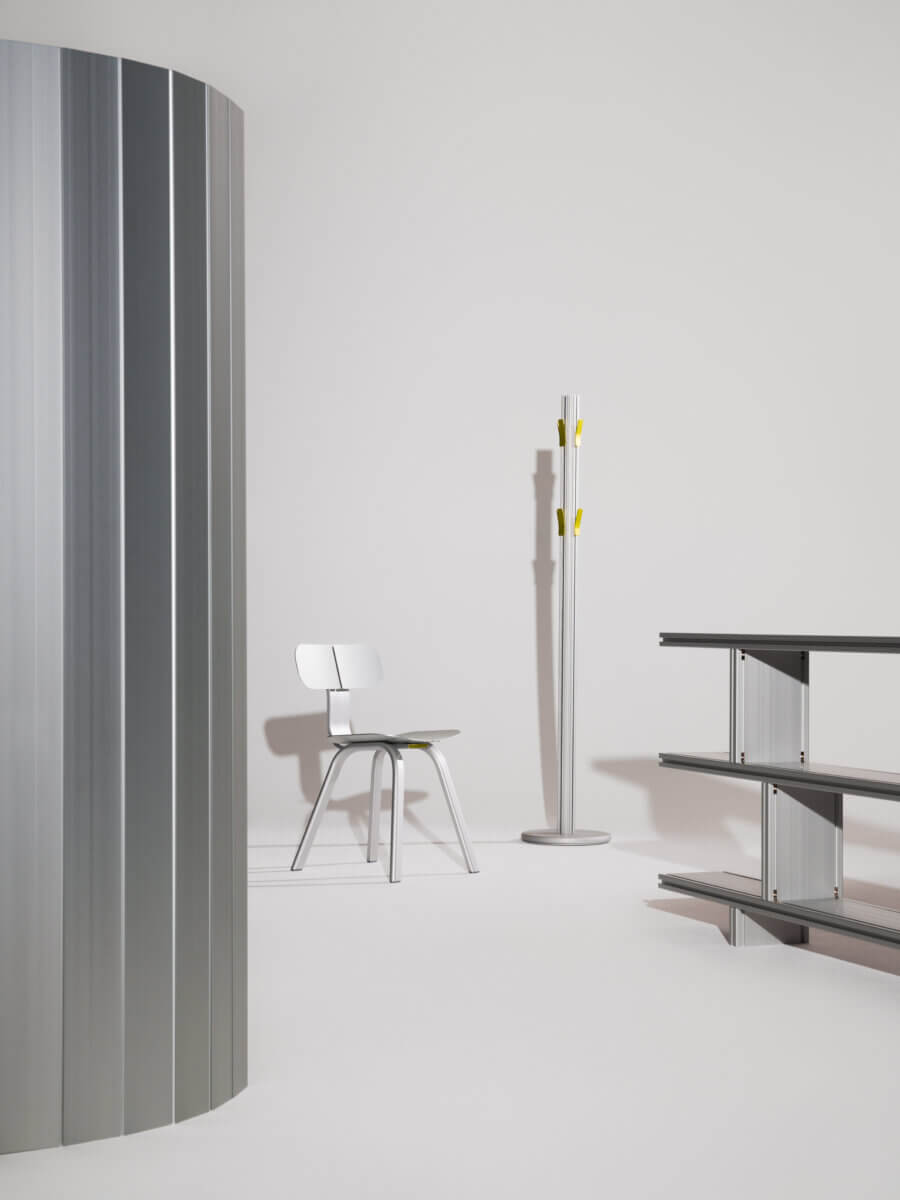
Image courtesy of Hydro
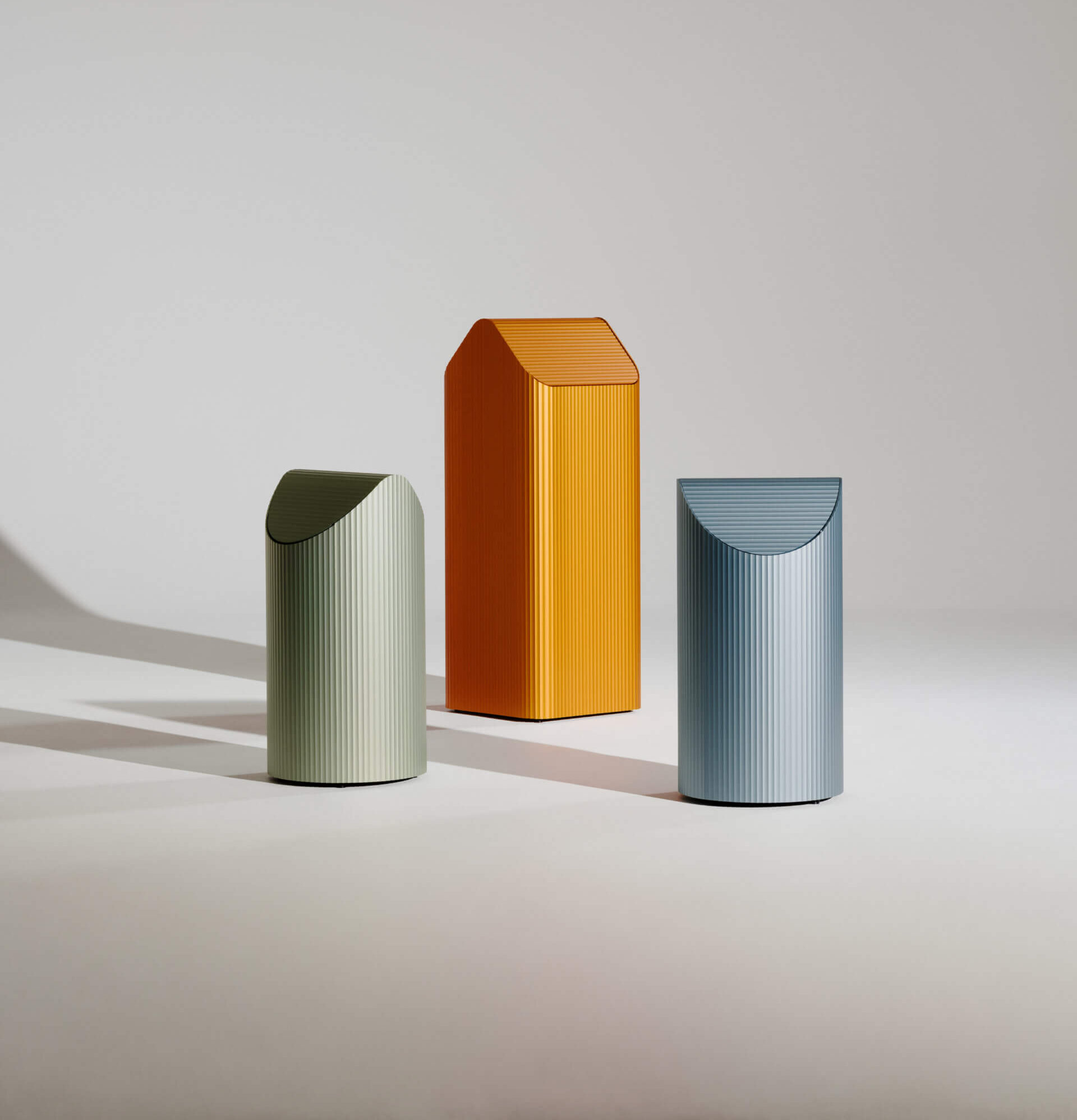
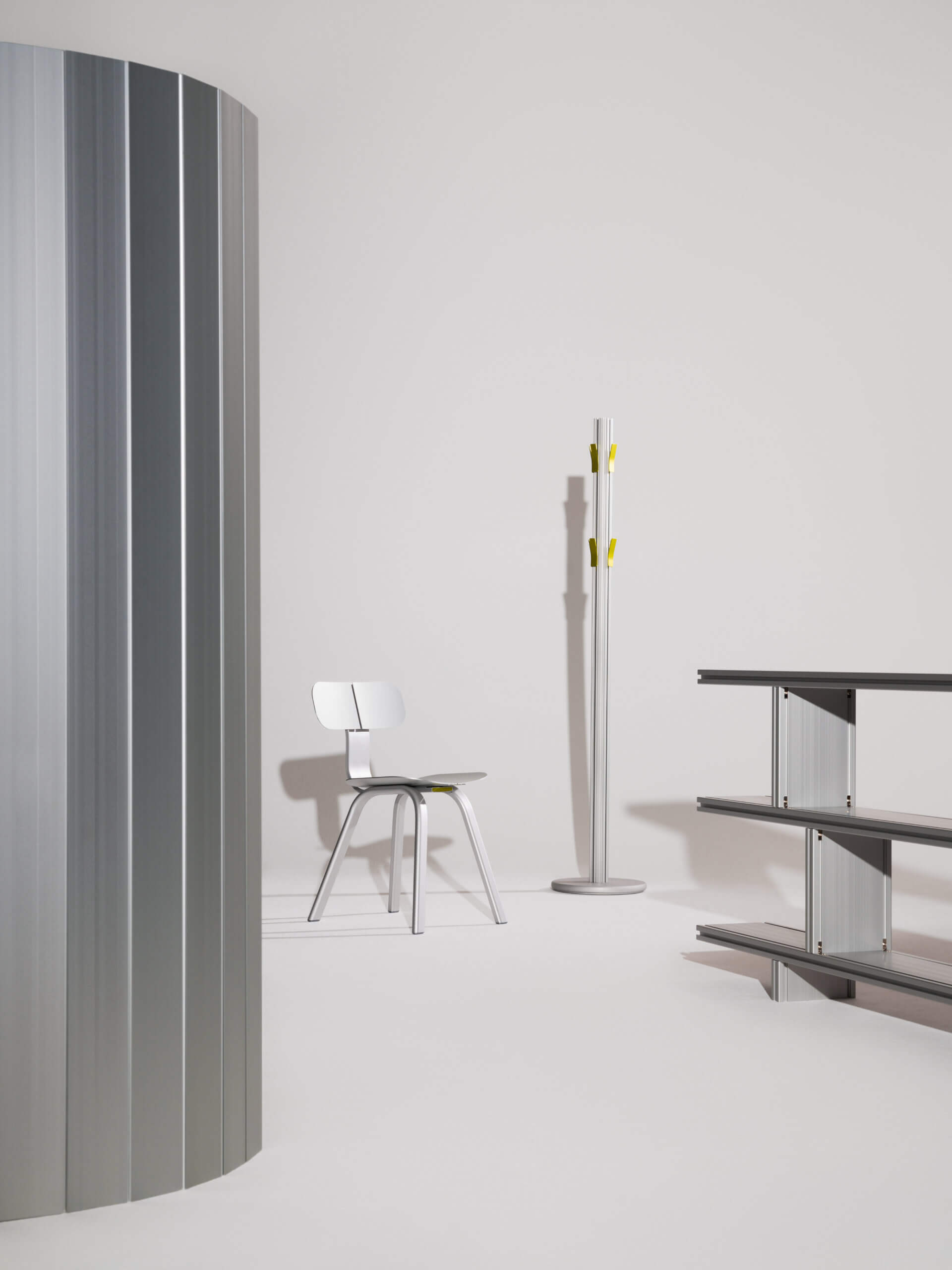
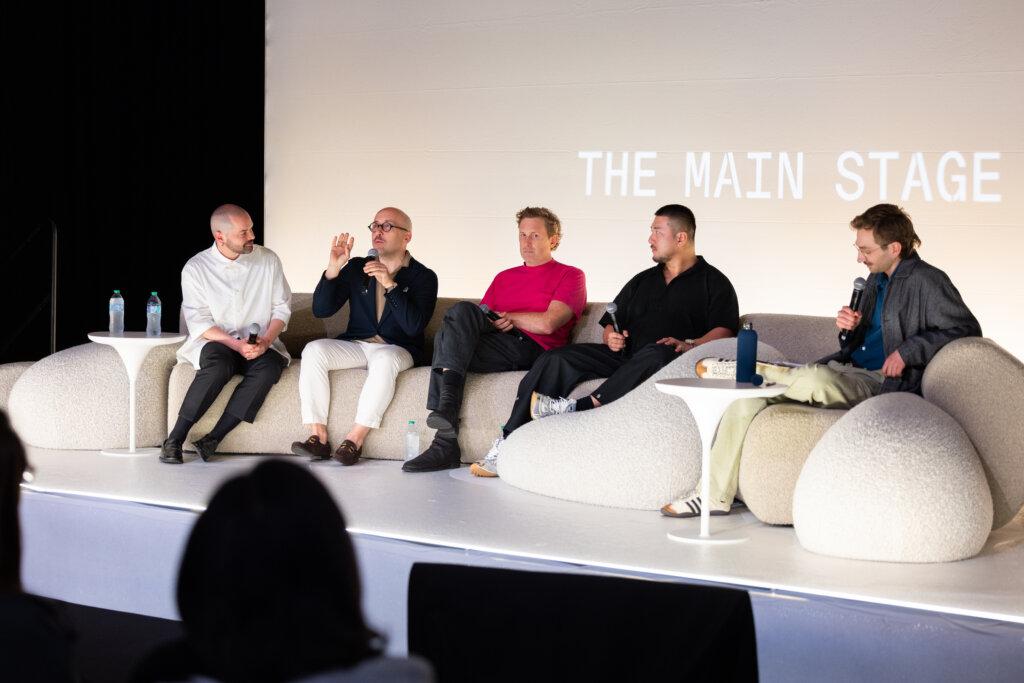
One way the company is communicating this ambition but attainable goal is through a varied design incubation and cultivation program. The result of research-based residencies and speculative explorations imagined with some of today’s leading designers like Sabine Marcelis, Cecile Manz, and Daniel Rybakken have been exhibited at major events like Milan Design Week and Copenhagen’s 3daysofdesign. With Hydro’s sponsorship of the ICFF Healthy Materials Lab exhibition—developed in partnership with the Parsons School of Design program of the same name—the manufacturer is bringing this approach to New York Design Week. The project also incorporates a series of talks and workshops in which fairgoers (trade professionals and general audience visitors alike) can engage hands-on with new alternative and bio-based material solutions.
“Hydro’s involvement in major design events is driven by a simple belief: sustainability starts at the drawing board,” Kallevig says. “Architects and designers decide which materials enter the world, and they are some of the strongest influencers in shifting industries toward low‑carbon, recycled aluminum. By working with top designers and showcasing what’s possible with our innovative and greenest offering Hydro CIRCAL we make our vision tangible and position Hydro as a leader in sustainable material innovation. By working with a renowned institution like Parsons School and Healthy Materials Lab we want to contribute to educating architects and designers to enable them to make more sustainable material selections.”