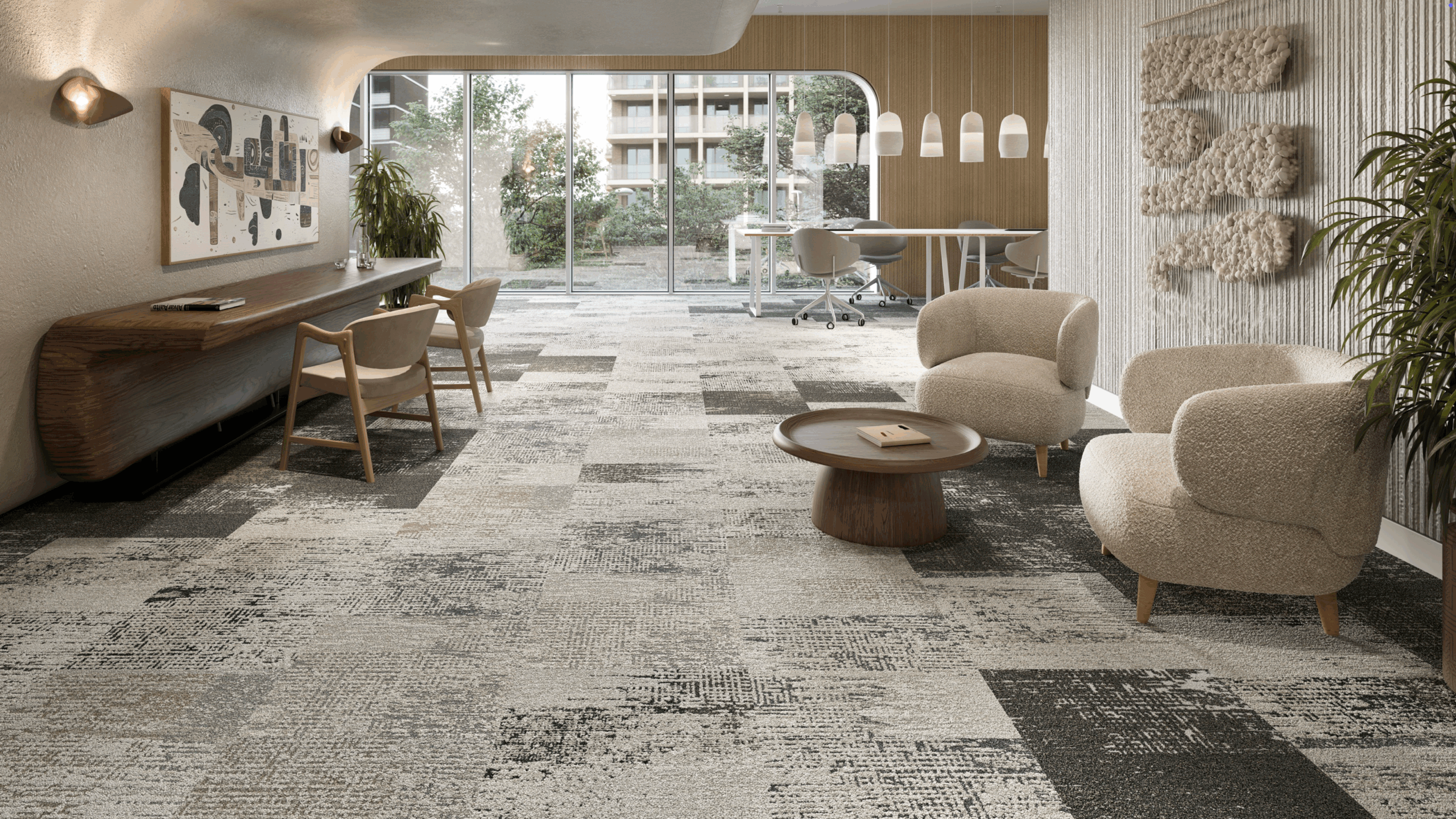
With the resources and leverage of Mohawk Industries—the world’s largest floor coverings manufacturer—commercial carpet and surfaces brand Mohawk Group is especially well poised to guide its sector toward a better future. An invaluable ICFF partner for many years, the Georgia-based manufacturer champions innovations in technological advancements and new sustainability strategies to the introduction of entirely new typological categories; fresh formats for changing conditions and demands. Its diverse range of soft and hard surface, rubber, turf, and complementary accessory products come in a wide range of styles (patterns and colorways). Even so, Mohawk remains a shrewd tastemaking force, not just responding to but also defining the latest trends.
Responsible for shaping this ever-changing narrative, not just one predicated on aesthetics but also shifting user behaviors, is Senior Director of Design Insights Royce Epstein. Ahead of two presentations delivered at ICFF next month—one unpacking her recently published, comprehensively composed Techne report—she spoke to us about her background, perspective on the industry, and the thinking behind this latest study.
(Top image courtesy of Mohawk Group)

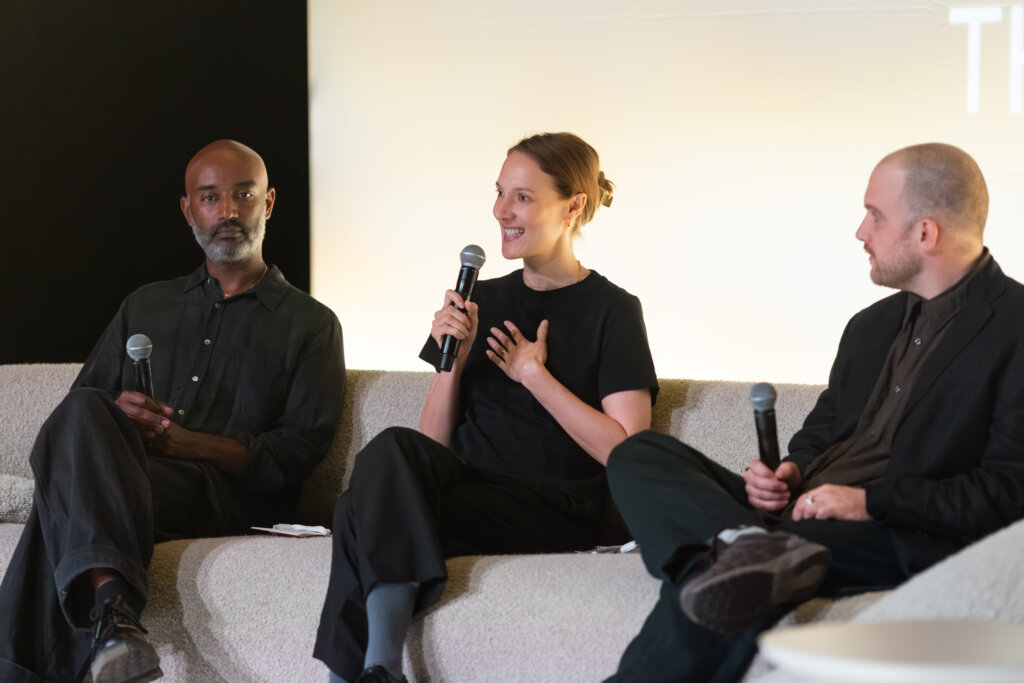
Royce Epstein (Image courtesy of Mohawk Group)
What is your role at Mohawk and how has that evolved over time? What’s your background and how did that lead you to this position?
In my current positions, I essentially serve as both the brand’s historian and futurist. My career has spanned more than 30 years in the A&D industry—from practicing in design firms to teaching in design schools—and my work at Mohawk Group is truly the culmination and application of those experiences.
My role has evolved from purely aesthetic trend forecasting to a more strategic ‘design thinking’ capacity. Today, I look at cultural shifts, social sustainability, and the meaning of materials to establish Mohawk’s overarching design vision. I then work to implement that vision across multiple touch points—guiding our product development to ensure it meets future needs, collaborating on design to ensure aesthetic relevance, and shaping our marketing to effectively translate those stories to the rest of the community.
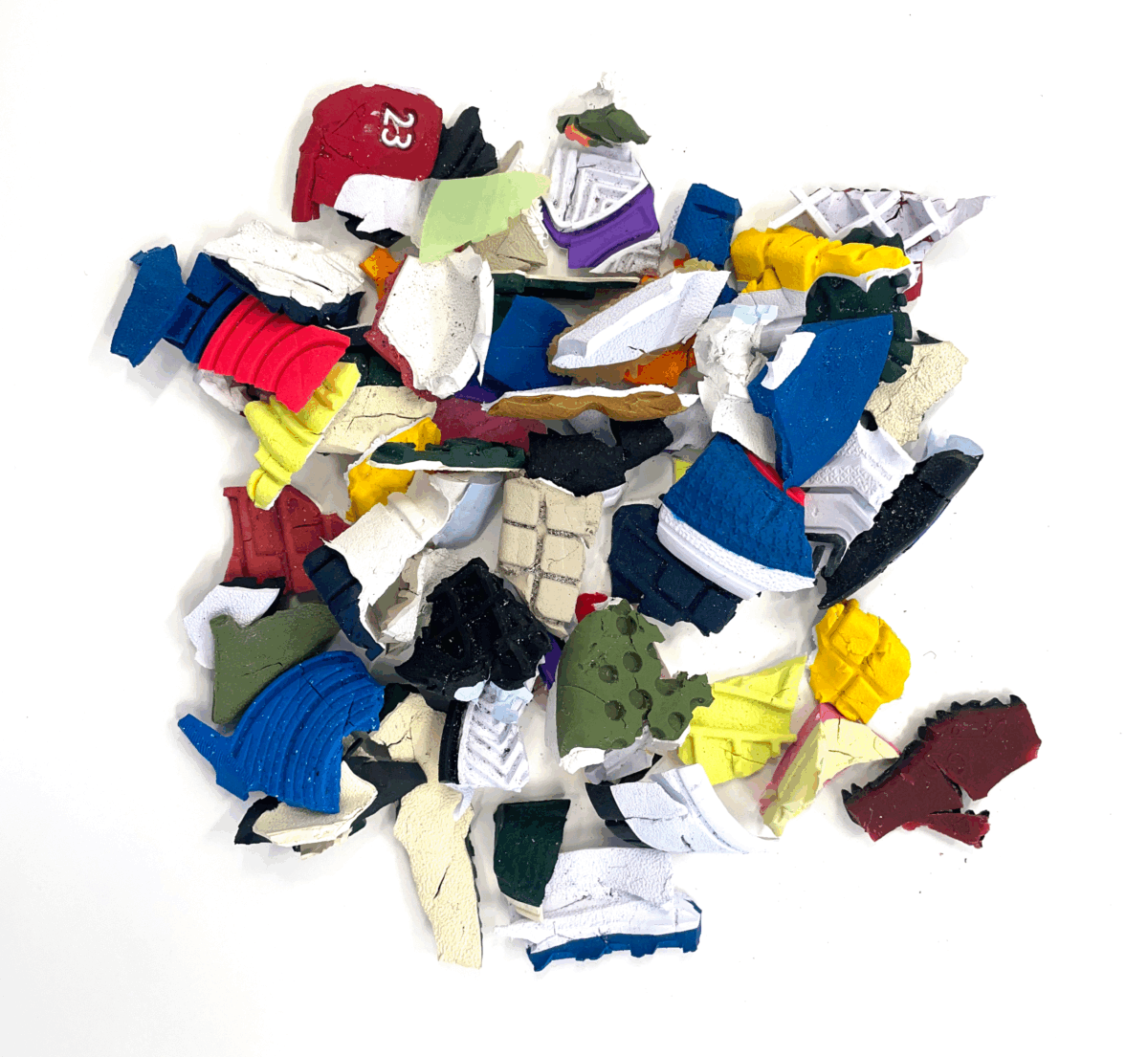
Image courtesy of Mohawk Group
What are some of the key developments taking place at the Mohawk Group as of late? What are some of the key industry challenges you’re addressing?
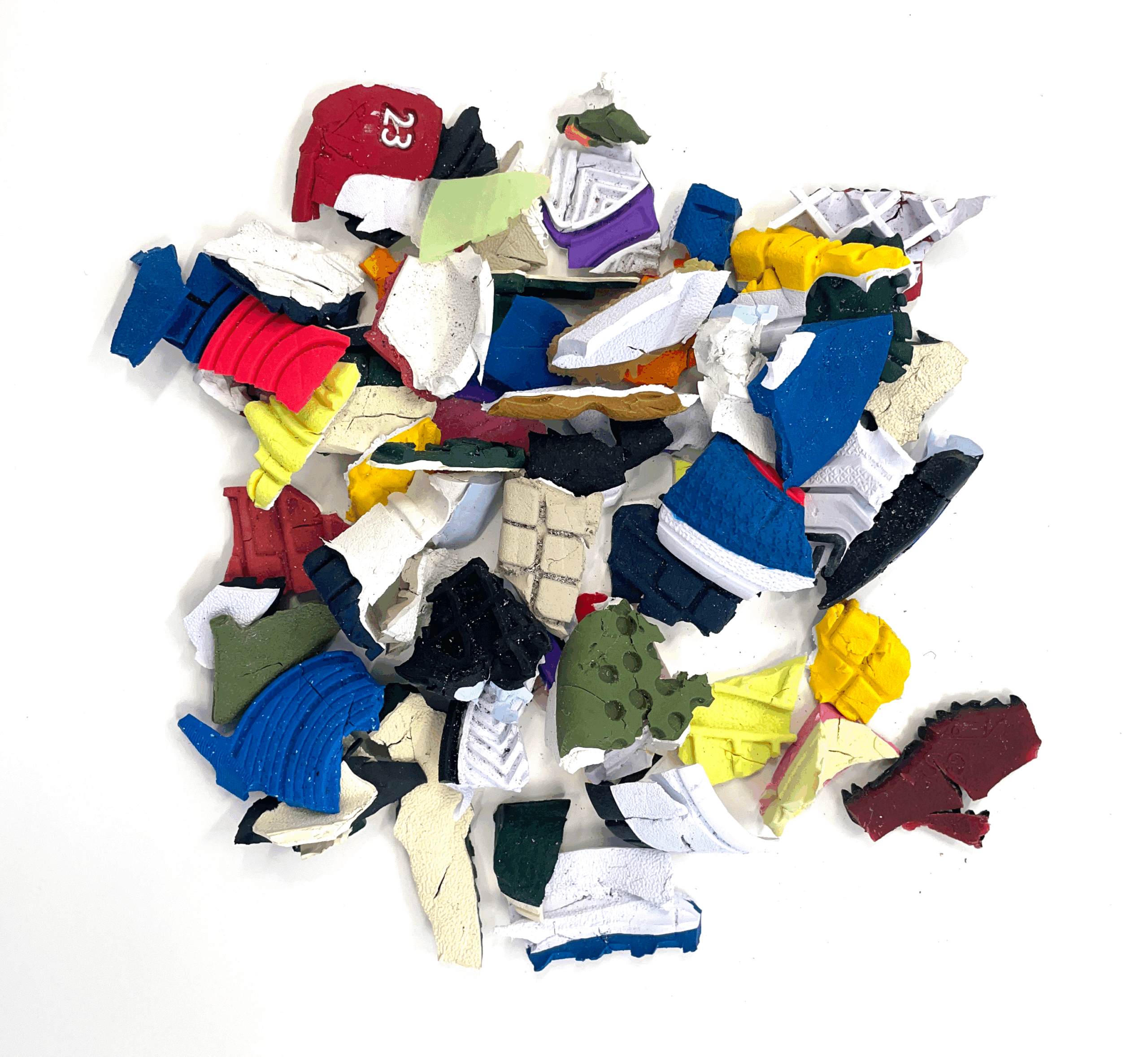
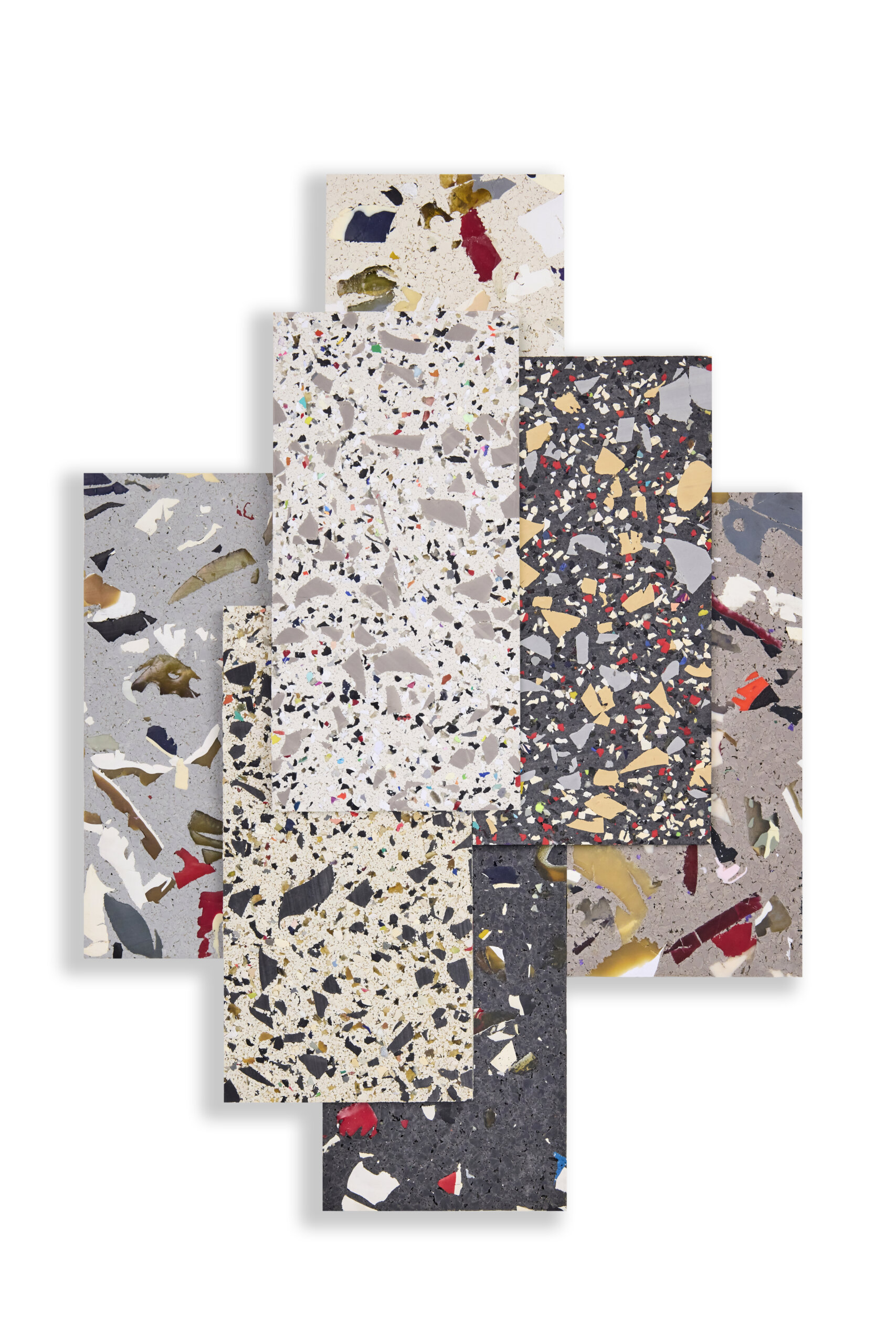
A major milestone is our acquisition of Hero Flooring, which integrates ‘Nike Grind’ recycled rubber into our high-performance portfolio. It’s a perfect example of how we’re addressing the industry’s circularity challenge.
Beyond products, we are tackling the “carbon challenge” through our commitment to net-zero and the expansion of our Living Product Challenge certifications. The challenge today isn’t just making a beautiful floor; it’s making a beautiful floor that is climate-positive, durable enough for the heaviest commercial use, and supports the well-being of the people standing on it.
Tell us a bit more about the impetus behind the Techne report and its relevance at this moment.
“Techne—our Color + Design Vision—was born from the Greek concept of techne, which refers to the practical wisdom of making where the hand and mind unite. We are living in a moment of dizzying technological acceleration. The impetus was to pause and ask: How do we restore purpose, care, and intention to design in a digital age? Techne is about finding the balance between our rapid digital tools and the human-centric, “slow” wisdom of craft. It’s highly relevant now because, as AI and automation become ubiquitous, there is a profound human hunger for things that feel ‘made’ rather than just “processed.”
(Image courtesy of Mohawk Group)
How, fundamentally, do you feel rapid developments in technology can counterbalance rather than replace long-established craft traditions?
I see technology not as an opponent of craft, but as a sophisticated new “tool of the hand.” Digital tools allow us to reinterpret ancient methodologies—like weaving or hand-dyeing—and scale them with a level of precision and sustainability that was previously impossible.
We can use algorithmic design to mimic the organic irregularities of nature or the “perfect imperfections” of hand-loomed textiles, making craft-mindset designs accessible for mass-scale commercial environments. It’s a methodology where we use the machine to honor the human spirit, rather than replace it.
How can this fusion be expressed in new colorways?
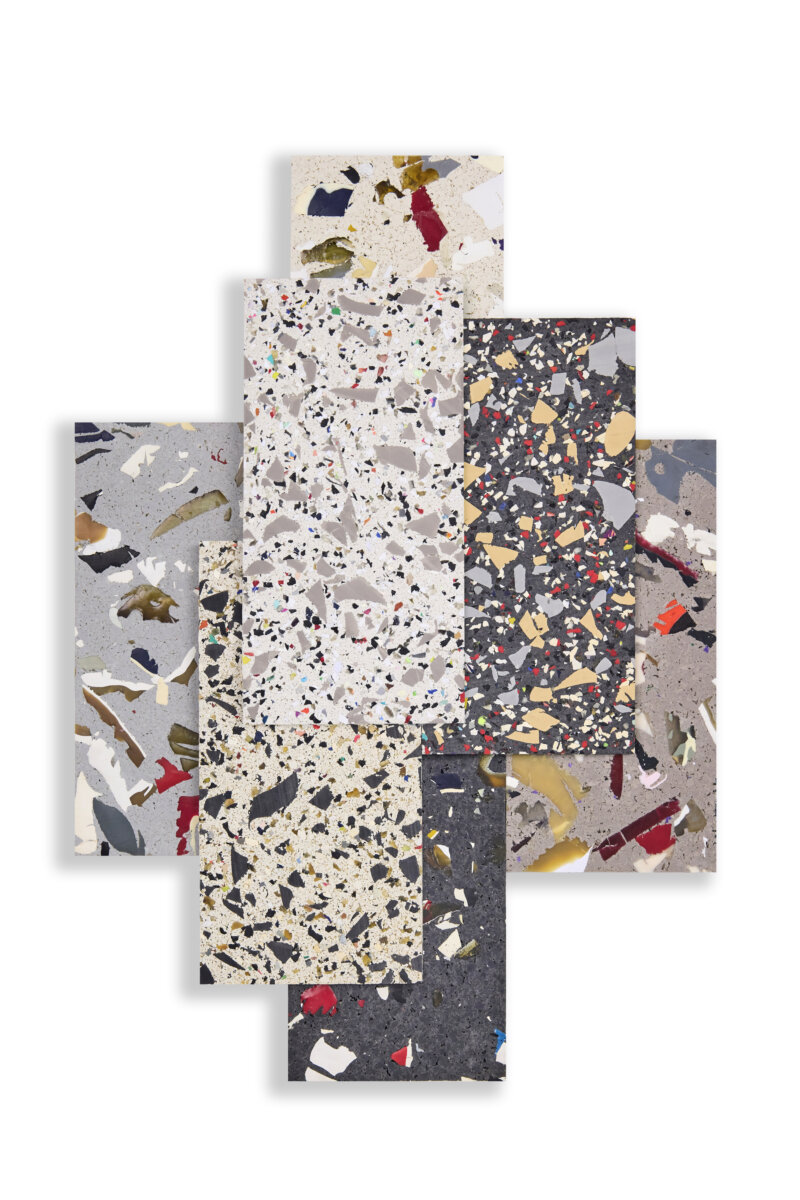
In our new palettes, this fusion manifests as “Digital Naturals.” We are seeing colors that shouldn’t exist in nature but do—hyper-pigmented earth tones and colors that shift depending on the light and angle.
We’re expressing Techne through gradients that feel like digital light meeting raw pigment. Think of deep, grounded minerals paired with a “techno-lilac” or a glowing “circuit-green.” It’s about taking those long-established, comforting “earth tones” and injecting them with a digital vibrancy that reflects our hybrid reality. The colorways for 2026 are optimistic, intentional, and bridge the gap between the tactile world and the screen.
Come visit Royce and the the Mohawk Group team at ICFF 2026, taking place at the Javits Center in NYC from May 17-19. Register at the top of the website.
Visit the Mohawk Group website >>>
Follow Mohawk Group on Instagram>>>