To commemorate a major milestone, say a pearl jubilee, design brands tend to pull out all the stops, launch flashy special-edition collections and host grandiose events. To herald its 30th anniversary, Belgian furniture brand Ethnicraft chose a more tempered approach, to focus on one of the most essential aspects of its success: the use of solid wood in nearly all of its designs. Rather than launch something new per se, it opted to reframe and encompass the strategies and physical assets already in place. It was a chance to look back in order to look forward; a way of recounting how it all started. Presenting its interior and outdoor collection and sponsoring this year’s ICFF Oasis stage—home to a series of more intimate yet timely talks—Ethnicraft has doubled down on its considered approach to outdoor furniture.
While touring Asia 30 years ago, brand founder Philippe Delaisse decided to send home a container filled to the brim with Indonesian objects he’d meticulously sourced across the vast country. This impromptu experience—and the artefacts he brought back as physical evidence— ignited a fascination in traditional wood craft techniques. It sparked, what would become a career-defining interest in contemporary furnishings produced by reimplementing and reinterpreting this savoir-faire. Teaming up with childhood friend Benoit Loos, he established Ethnicraft. Even though the company has rapidly expanded into different markets and ventured into various directions over the years, solid wood has remained the core of all developments.
(Top image courtesy of Ethnicraft)
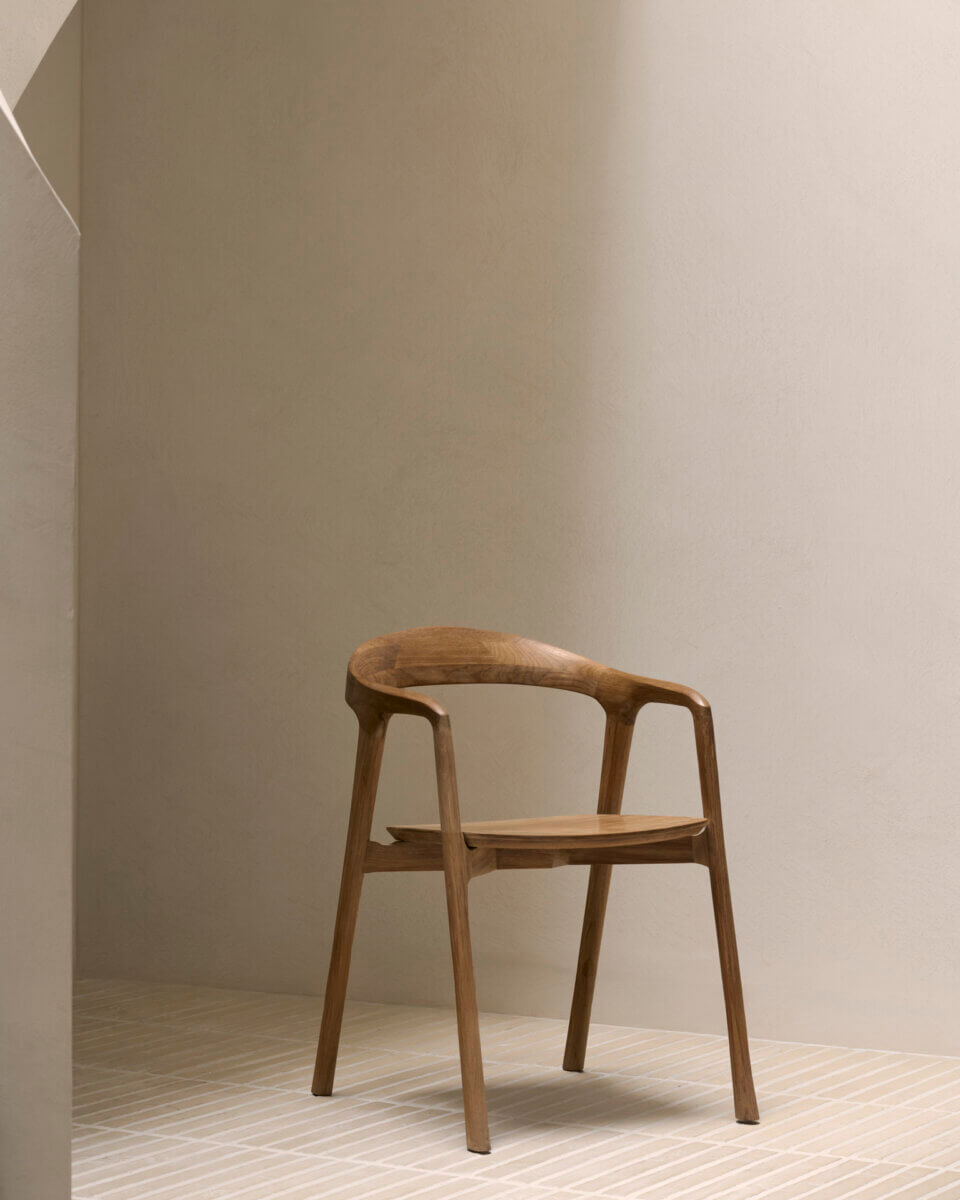
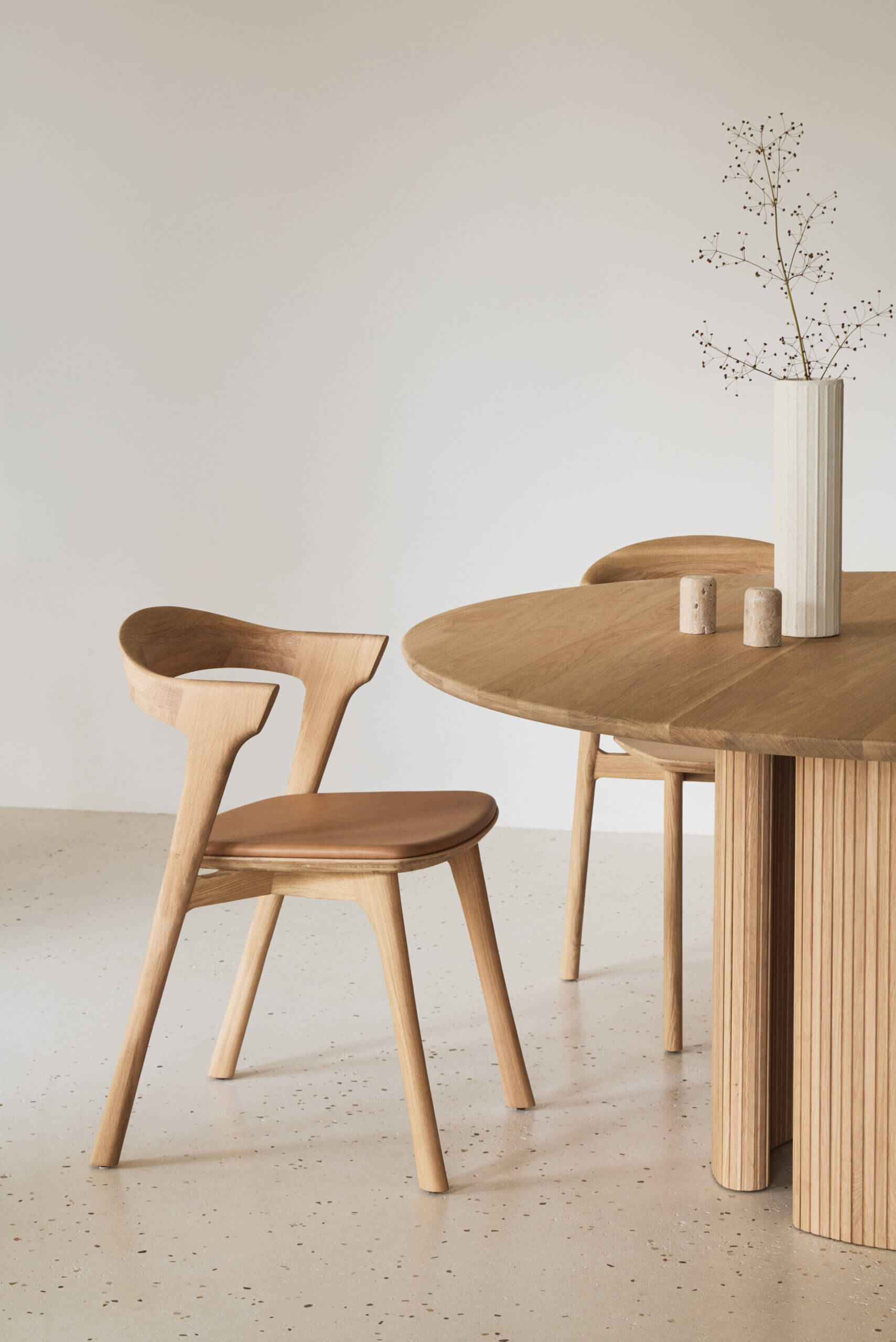
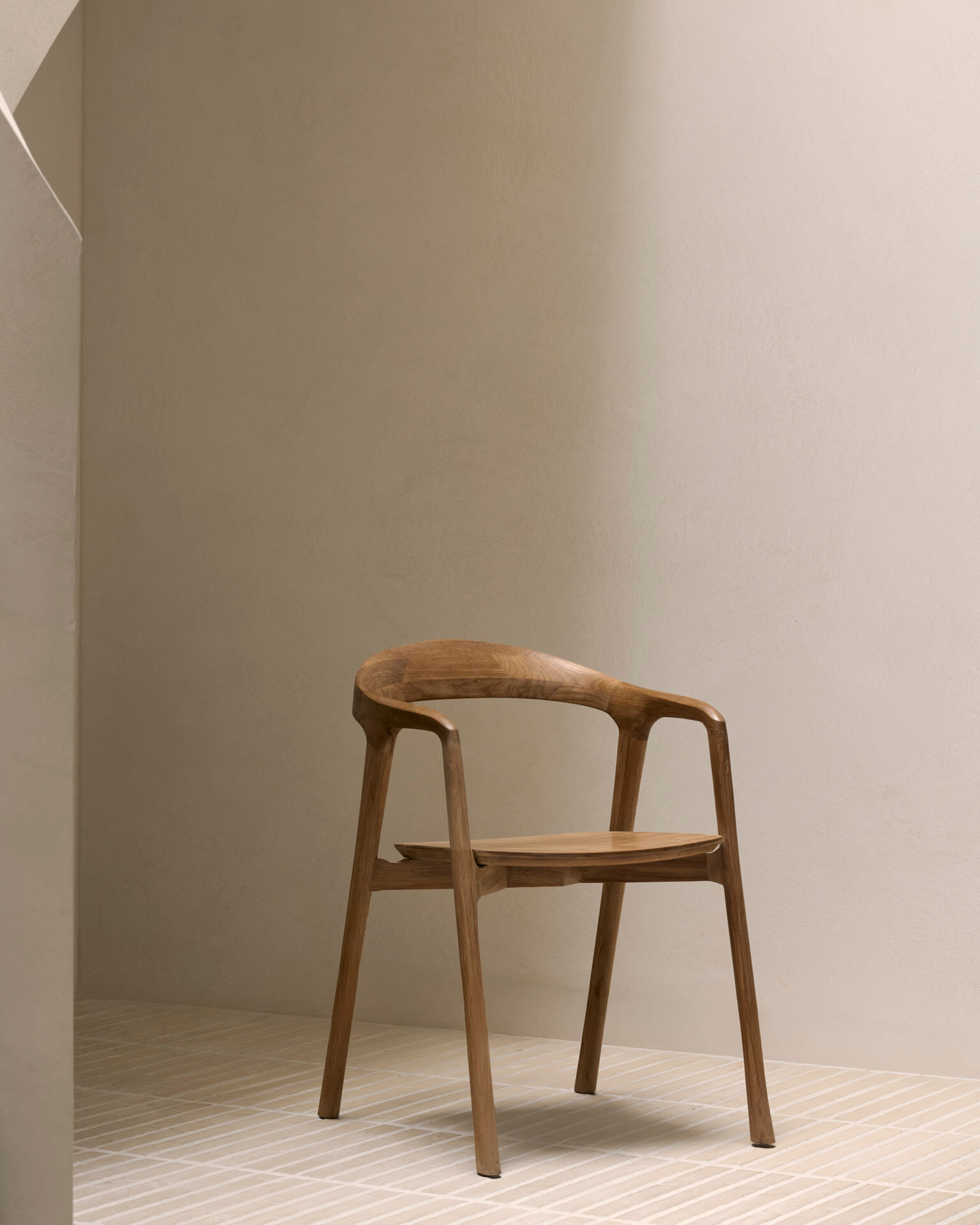
Bok Dining Chair (Image courtesy of Ethnicraft)
For Delaisse and Loos, the natural material might not have always been fashionable but it’s always carried the intrinsic mark of quality; stood the test of time when harnessed in what are meant to become heirloom pieces. For them, it ages well, bears visible traces of nature, and transcends fleeting fads. This condition, by its own nature, leads to longevity and durability (inspires an implicit desire among users to maintain their wooden furnishing) and so is inherently sustainable. There’s more incentive to restore, repair, and repurpose the material. Through its ReLoved by-back, and Live Light rentable furniture programs, the brand furthers this mission.
“We cannot determine the idea of timelessness,” says Alain van Havre, Ethnicraft head designer. “We try to create something that can be timeless, but ultimately the public decides. A piece of furniture proves itself through use.”
The boutique manufacturer—producing designs that are as refined as they are familiar in composition—has redefined its approach as Emorational; furniture that’s equally parts emotional and rational. With the now iconic Bok chair as a strong example, Ethnicraft products “radiate warmth and comfort while being logical and functional.”
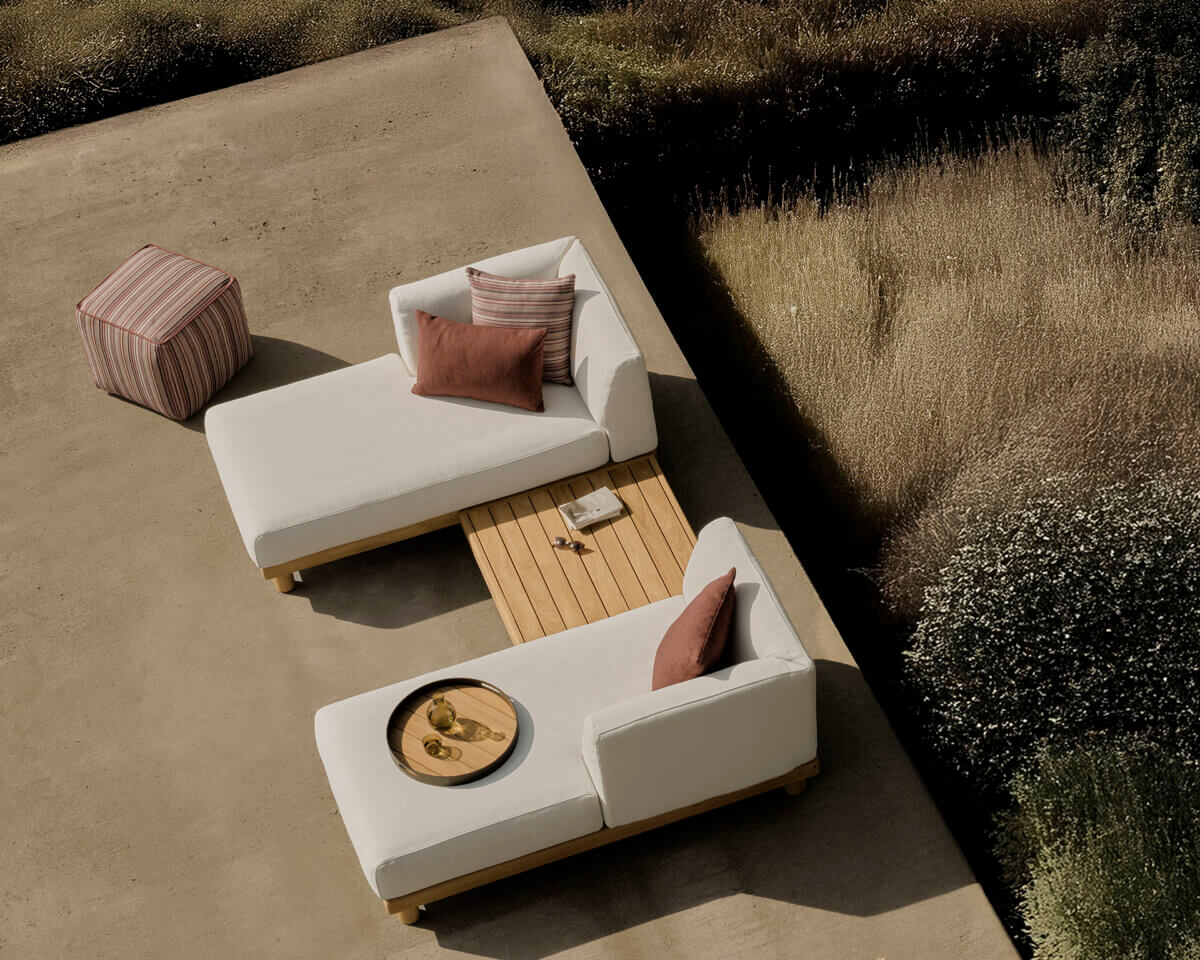
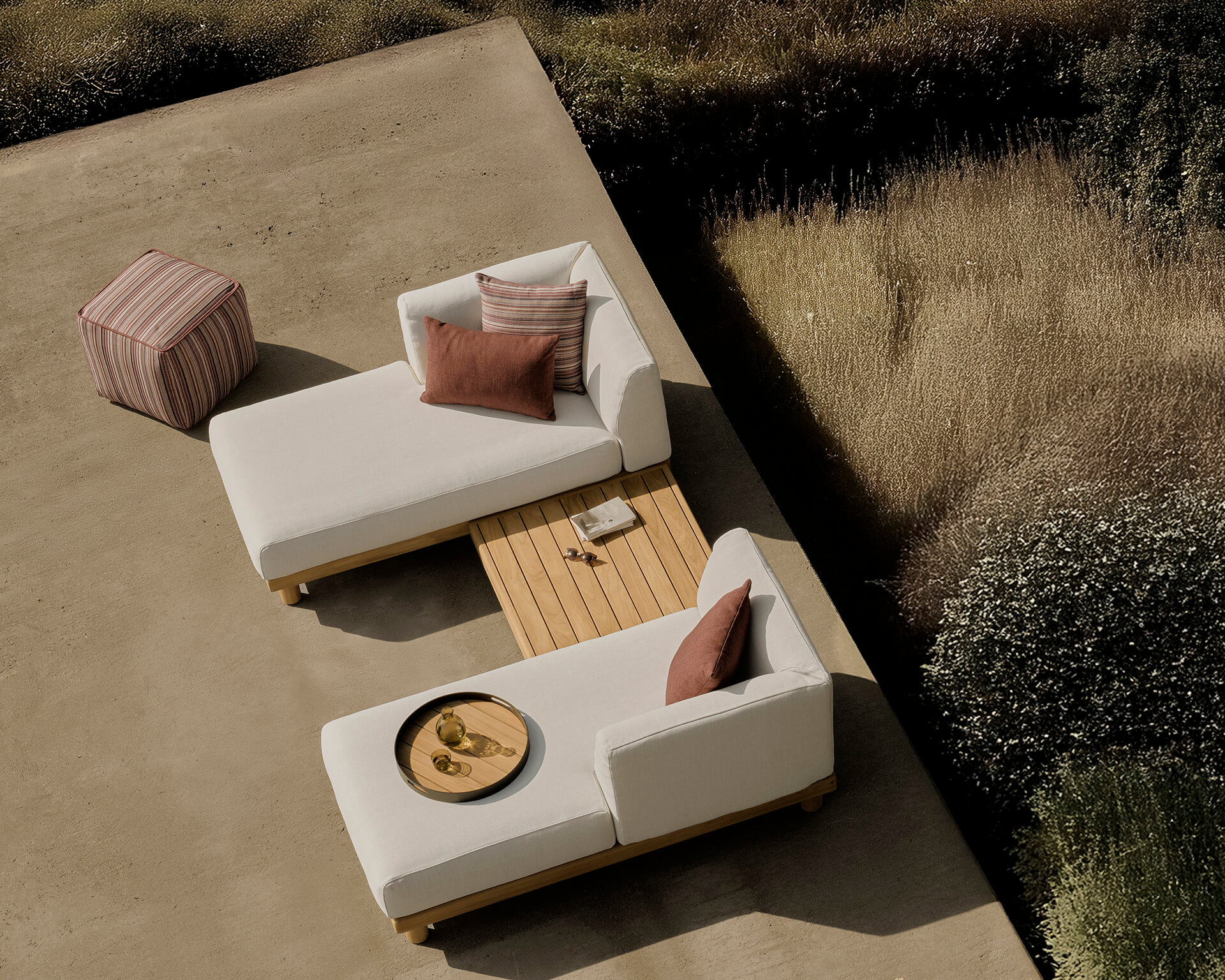
Modular Sofa (Image courtesy of Ethnicraft)
According to the brand, its design process—carried out laterally within its tightly controlled Boom, Belgium facility—starts from the physical material and pared back form-finding but always leaves room for chance; the enrichment of the user making their own, if only subtle, adaptations. Ethnicraft champions these evidently idiosyncratic interventions as co-accidents.’ Ultimately, no two of the pieces it crafts and sells are ever really the same. The somewhat outdated rationalist principle, “form follows function,” is thrown out the window.
To emphasize its “quiet force with long-term” vision, Ethnicraft recently opened its factory-adjacent COH House showroom. Even if the overall intention is to let the end user choose their own path, introduce and adapt the furnishings as they see fit, seven carefully staged vignettes—presented here—can serve as subtle suggestions.
Visit Ethnicraft’s Website >>>