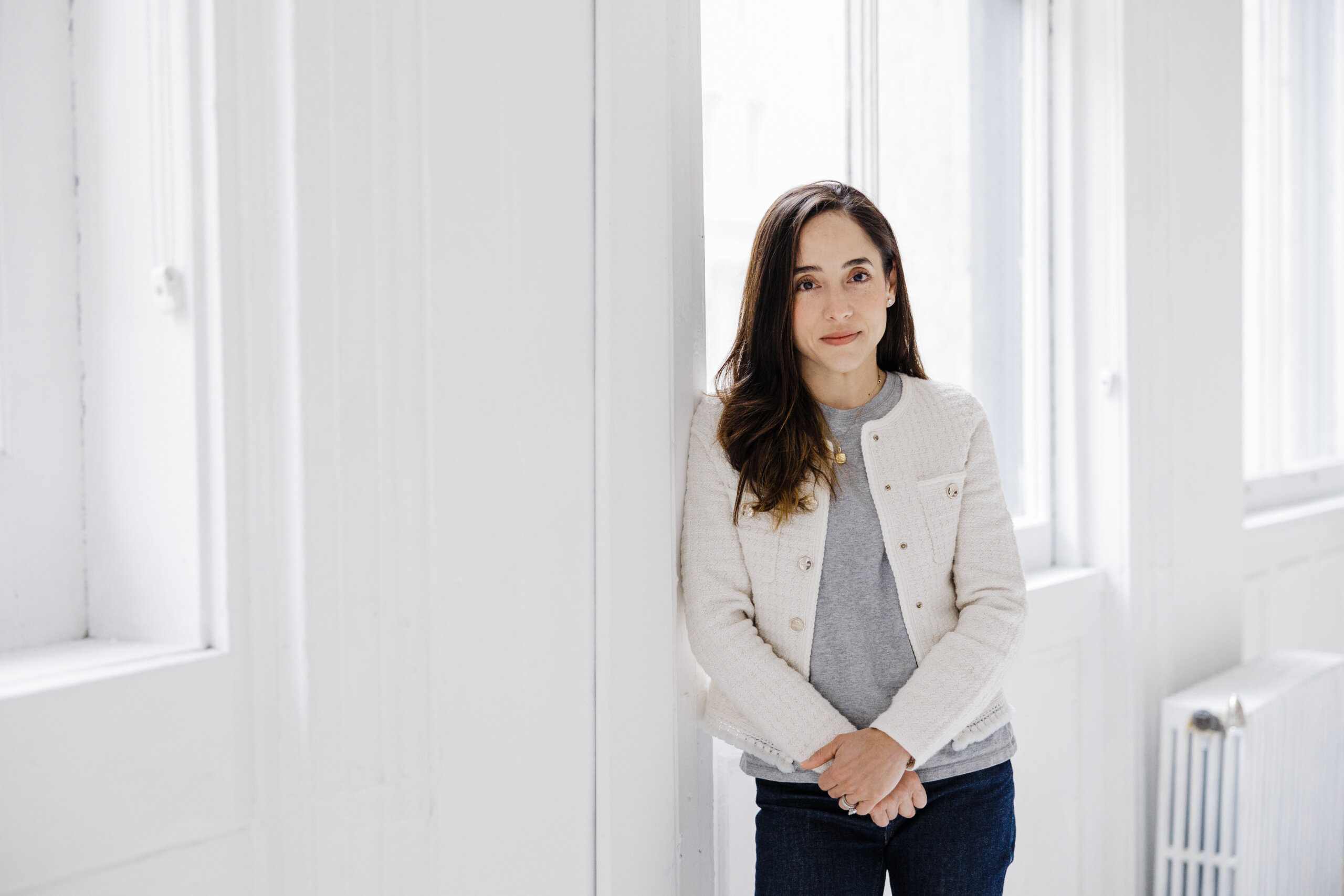
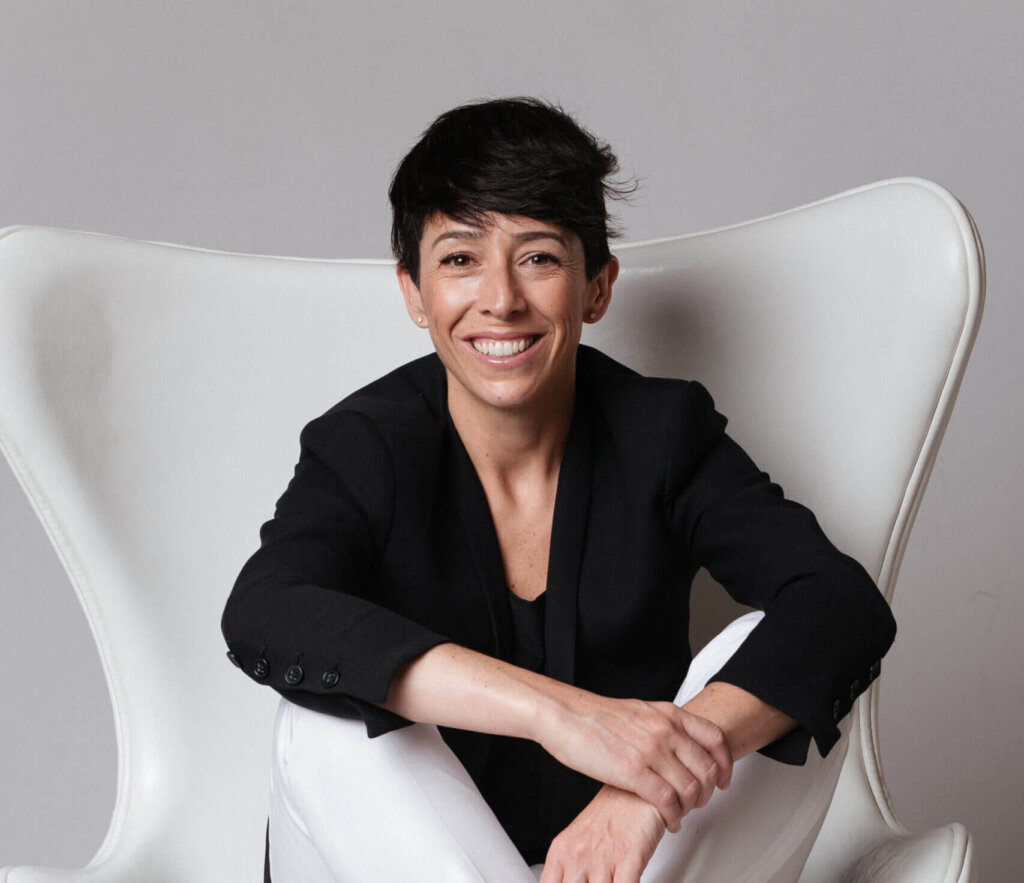
Silvana Vergara, founder of Studio Tove, is an architect and interior designer dedicated to creating spaces that feel as meaningful as they are beautiful. With over 14 years of experience across residential, commercial, and hospitality projects, she blends thoughtful planning with refined design to elevate everyday living.
(Image above courtesy of Studio Tove)
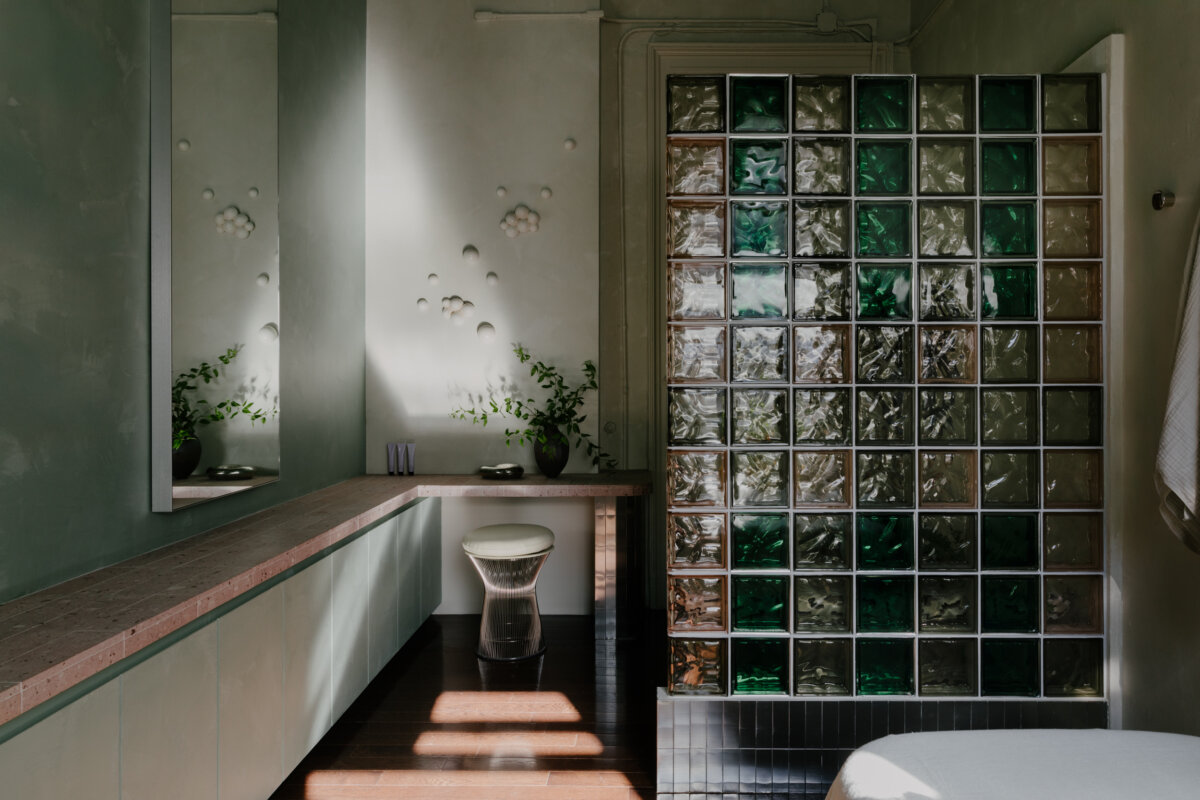
Image courtesy of Studio Tove
Where and what did you study?
My architectural identity is a mix of some distinct urban landscapes. I began my formal training as an architect at the Universidad de los Andes in Bogotá, which provided a rigorous foundation in Latin American modernism. Seeking to bridge the gap between the larger architectural scale and the intimate human experience, I moved to New York to complete an MFA in Interior Design at Parsons School of Design. In addition, an exchange at the Universidade Presbiteriana Mackenzie in São Paulo remains a cornerstone of my practice. Immersing myself in Brazilian architecture allowed me to explore how heavy materials can achieve tropical fluidity. A dialogue that continues to inform my spatial logic today.
Was there a specific turning point or experience when you realized that design was your true calling?
My entry into the design world was in response to an experience. I actually began my career in business school, but the experience was defined by a profound visceral discomfort with my surroundings. I found myself hyper-sensitized to the “clinical sorrow” of corporate environments, specifically the sterile, hollow interiors and harsh lighting typical of banking institutions. This realization that the built environment can dictate one’s internal state was my turning point. I immediately sought out the Dean of Architecture, driven by the conviction that I could replace that sense of emptiness with spaces that foster genuine human connection and wellbeing.
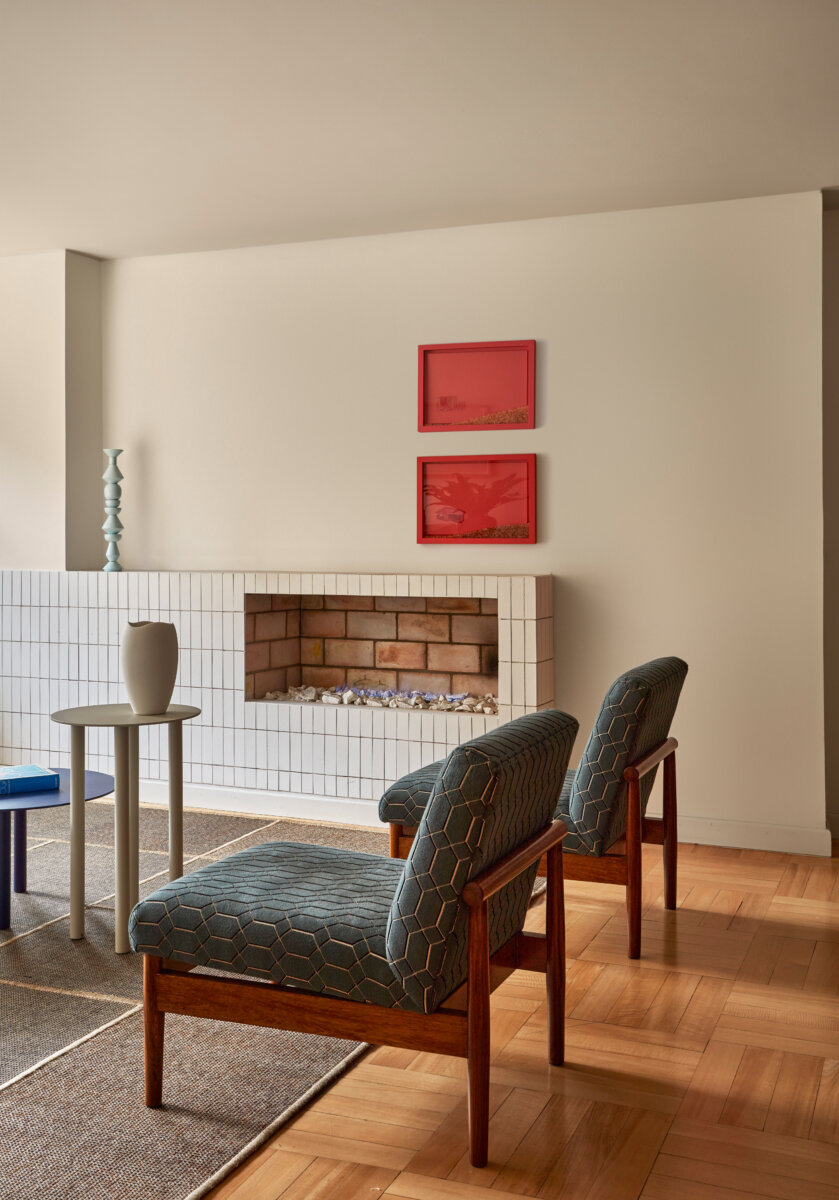
Image courtesy of Studio Tove
Is there a particular designer, artwork, or design movement that deeply inspires you? How has it influenced your own style or philosophy?
My aesthetic is a dialogue between my Colombian roots and a broader Latin American modernist perspective. Growing up immersed in the works of Colombian modernists, I developed a spatial logic defined by structural clarity and a rhythmic use of materials. This foundation is enriched by the enduring influence of Spanish-Colonial archetypes, inherited from North African traditions, where the central patio remains a vital tool for organizing light, air, and the transition between public and private realms.
Beyond my own borders, I find endless inspiration in the tectonic honesty of the Brazilian school, specifically the works of Lina Bo Bardi, Vilanova Artigas, and Márcio Kogan. Their ability to marry architecture to a specific landscape while articulating a distinct national identity is a masterclass in site-sensitive design.
Currently, I am also drawn to the intellectual rigor of contemporary Mexican architects like Frida Escobedo and Tatiana Bilbao, whose work masterfully balances social consciousness with a refined, tactile materiality.
Which designers do you love following on social media? What draws you to their work?
I’m currently following Sebastian Errazuriz. I love his actual art and design work, of course, but what I find most compelling is how he uses his platform to just say what’s on his mind. I don’t always agree with his takes, but that’s kind of the point. He provides that perfect bit of intellectual friction that gets you thinking and keeps the creative process from getting too comfortable.
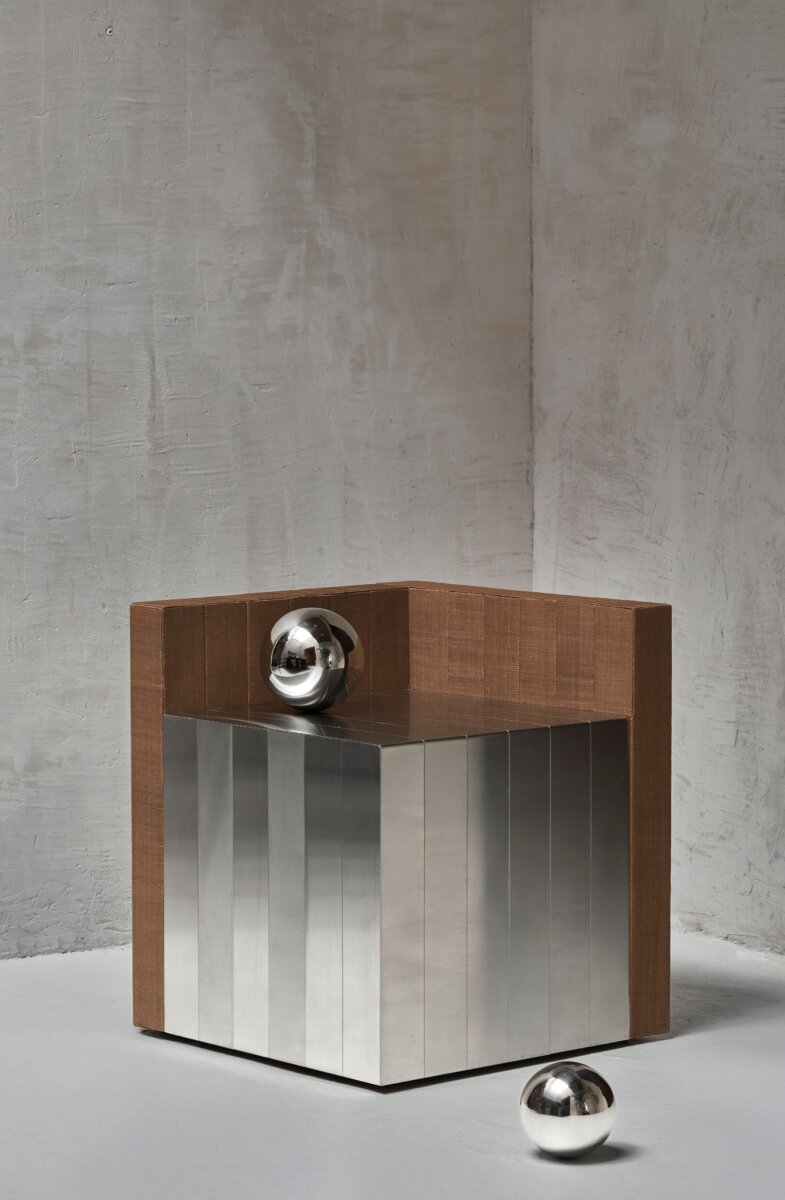
Image courtesy of Studio Tove
How would you describe your design philosophy? Has it evolved over time, and if so, how?
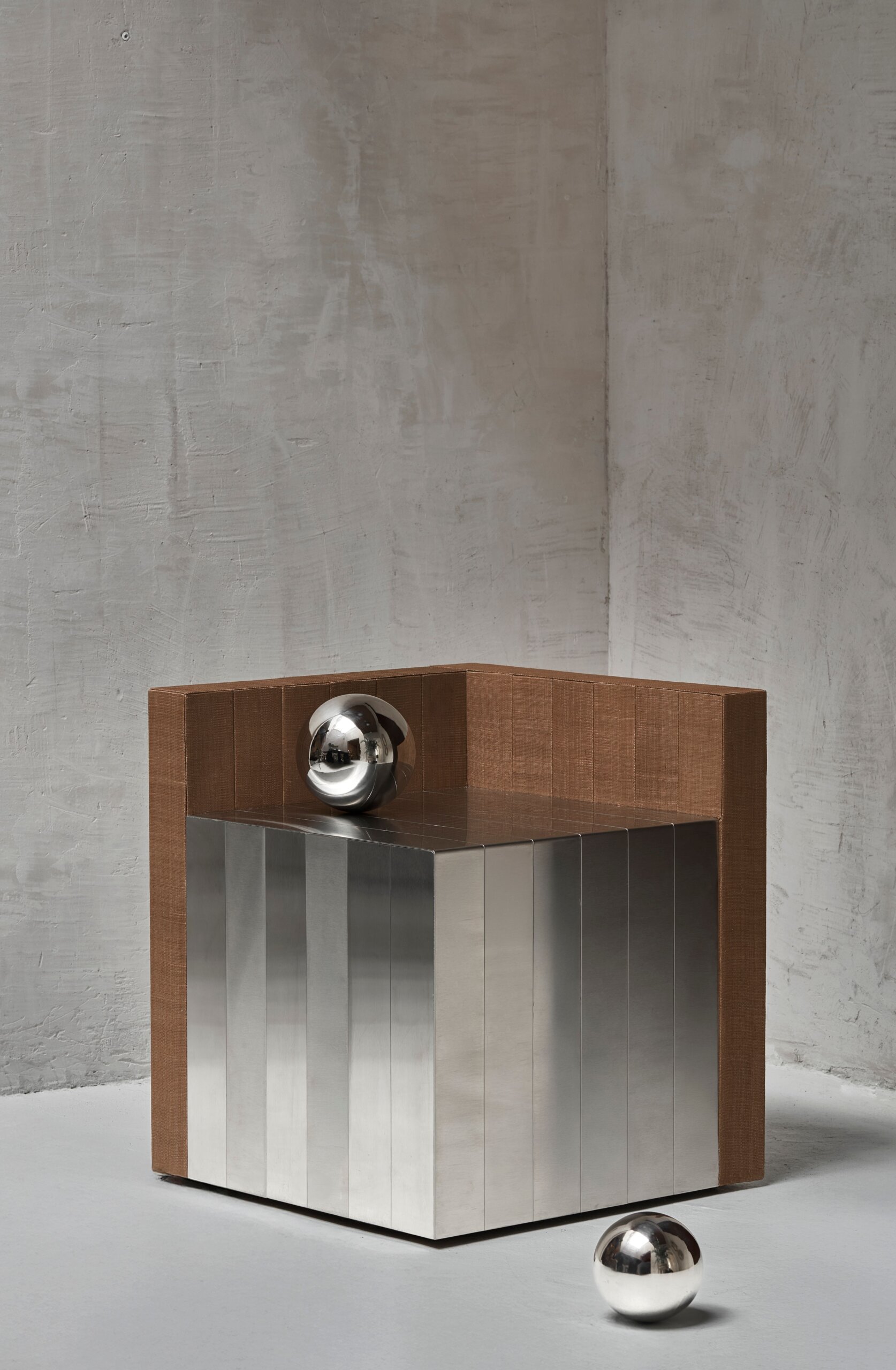
I operate under the belief that our built environment is a primary driver of our overall wellbeing. My design philosophy essentially sits under an “all-encompassing umbrella” of three core pillars: material integrity, functional precision, and visual equilibrium.
To me, being a designer means being incredibly intentional about the invisible ways a room affects us. That starts with the “health” of the materials we bring into a home, being mindful of their origins and how they affect the air we breathe, and then ensuring the layout actually resolves the friction of daily life. Finally, there is the need for a sense of order. That cohesiveness isn’t just a matter of aesthetics; it acts as a sort of cognitive balm, quieting the noise of the outside world and providing the inhabitant with a genuine sense of psychological peace. In fact, one of the most gratifying comments I’ve ever received from a client was simply, “I actually want to come home now.” That, to me, is the ultimate validation of a successful project.
Which of your projects are you most proud of, and what makes them stand out for you?
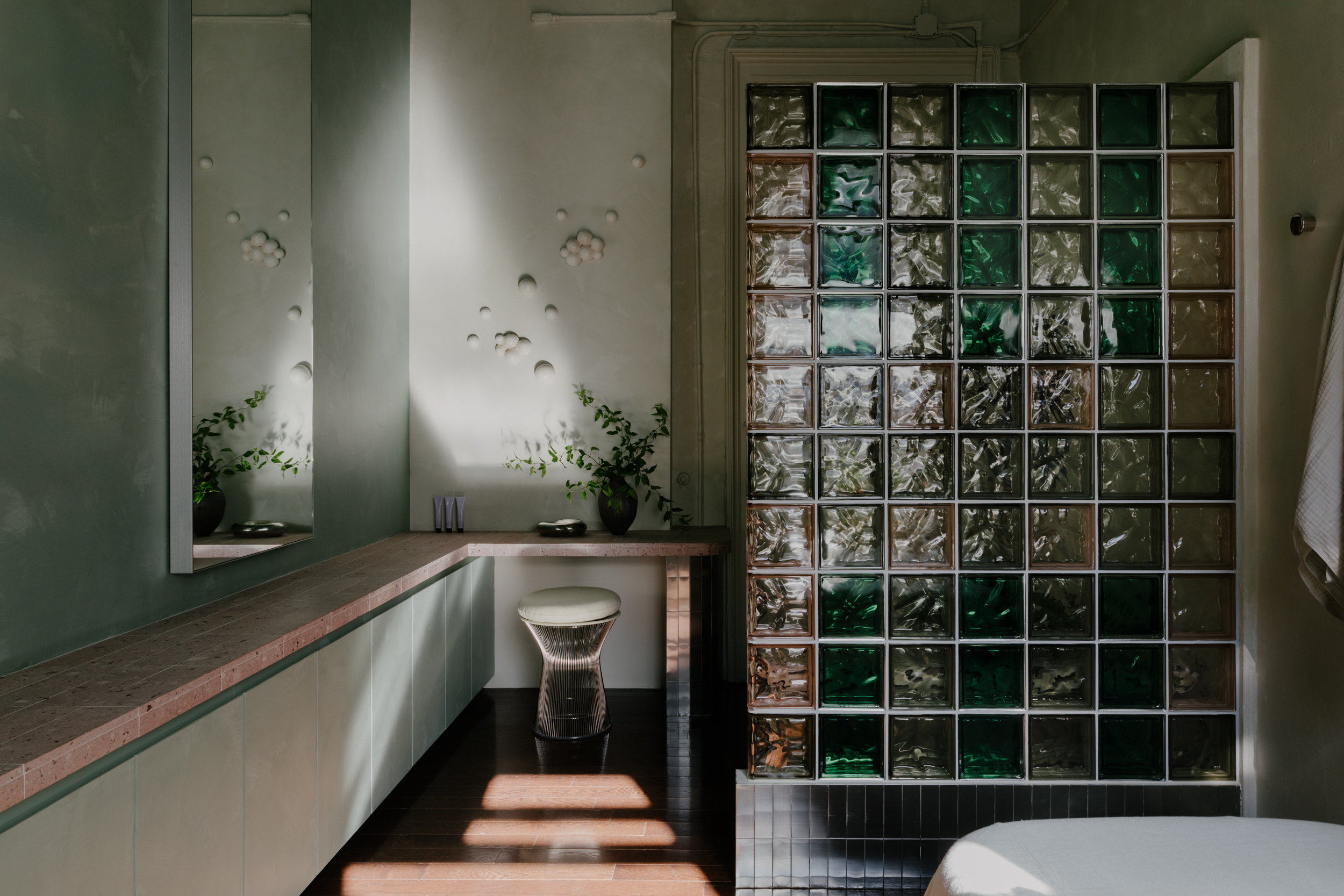
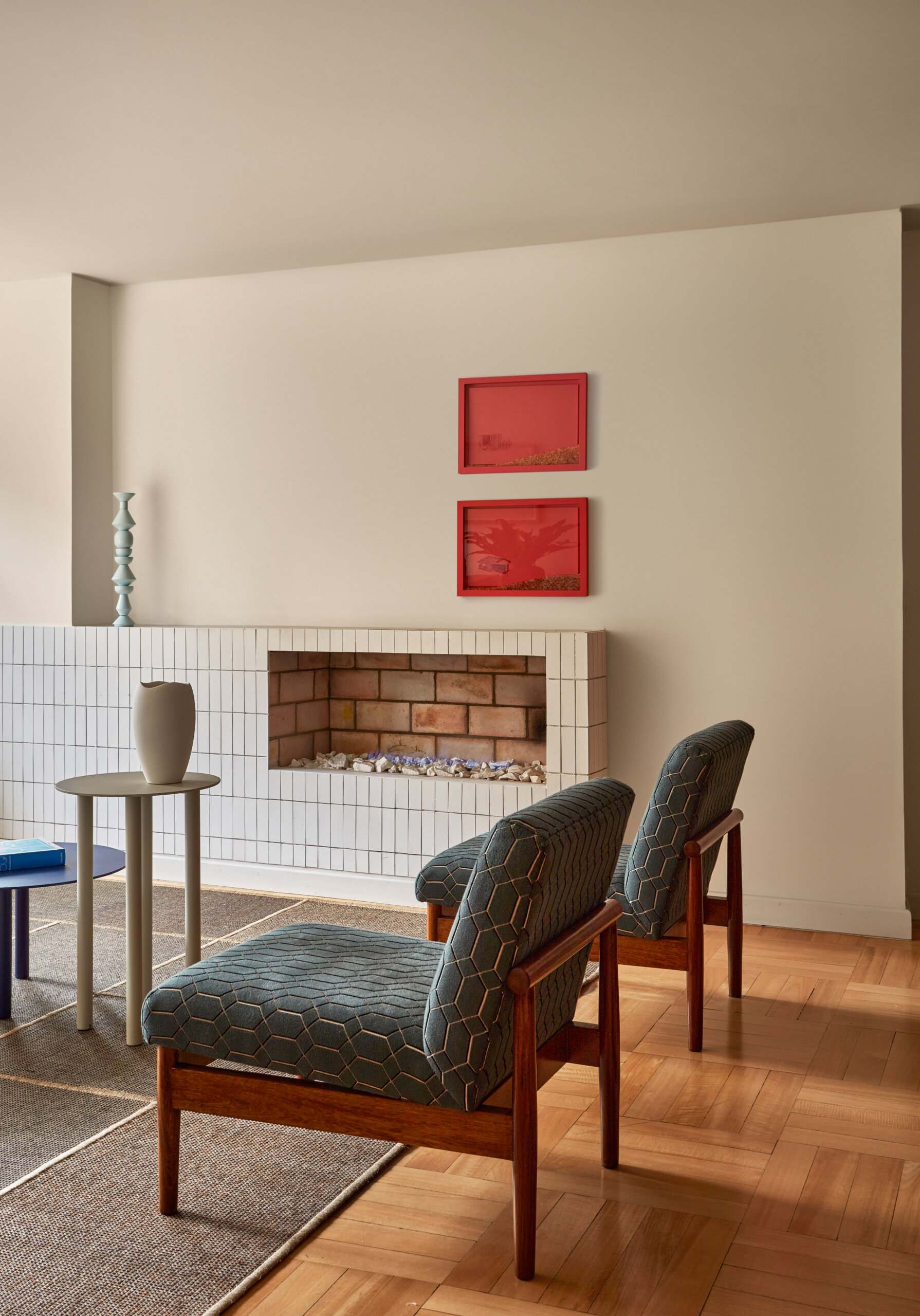
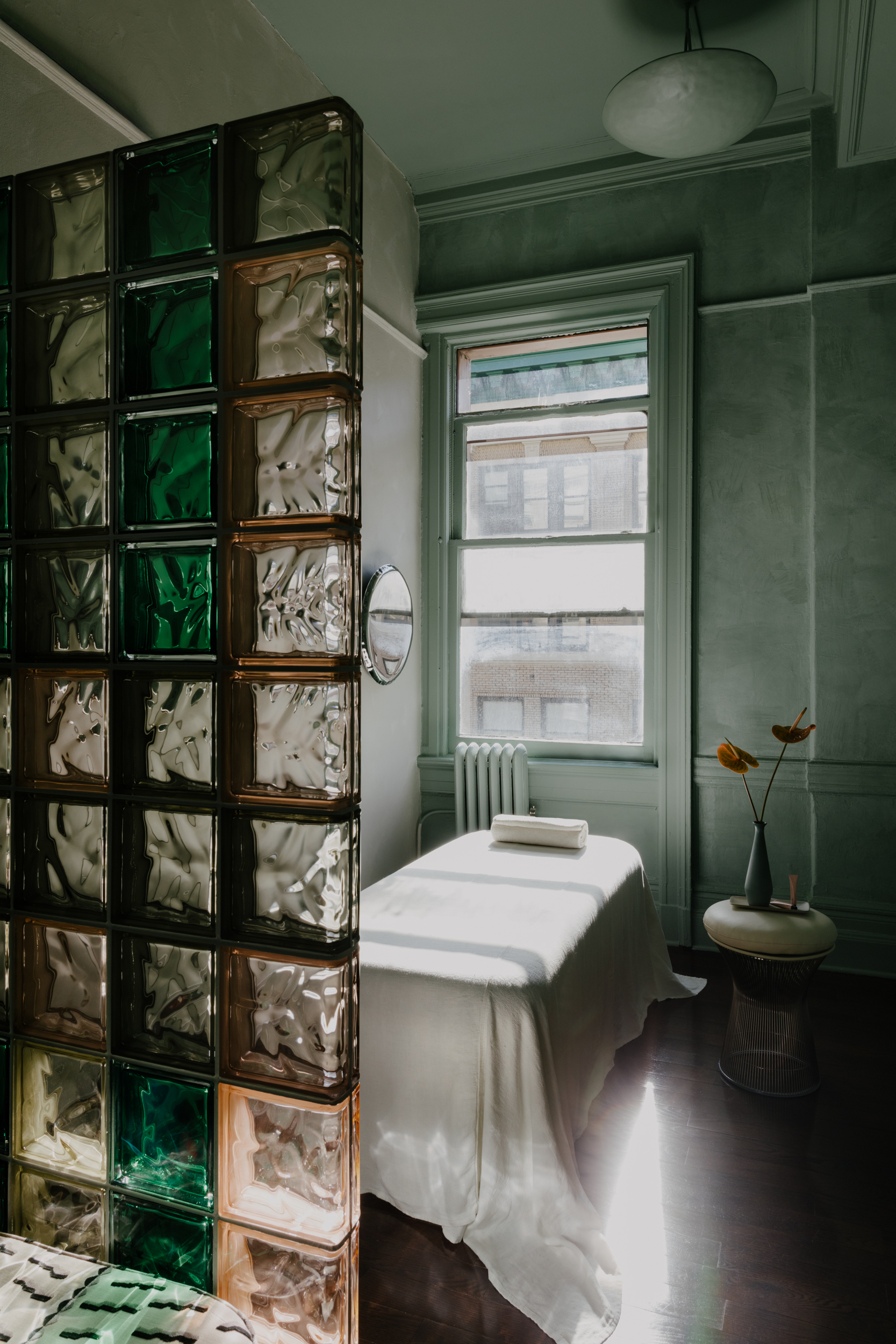
I am most fulfilled when architecture and interiority are treated as a single, seamless gesture. My work in Gramercy Park serves as a prime example; I took a “bizarre” and restrictive New York City footprint and, through radical space planning, yielded a high-functioning two-bedroom sanctuary that felt both ample and warm. Similarly, a project in Historic Cartagena required a meticulous balance of high-density programming within a protected, ancient shell. By leaning into the history of the site, I was able to fit an expansive program into a tight space without sacrificing character. My work on a wellness space in Flatiron offered a different kind of success; the total creative trust of the client allowed for experimental gestures that are often tempered in residential briefs, proving that design thrives when vision is met with conviction.
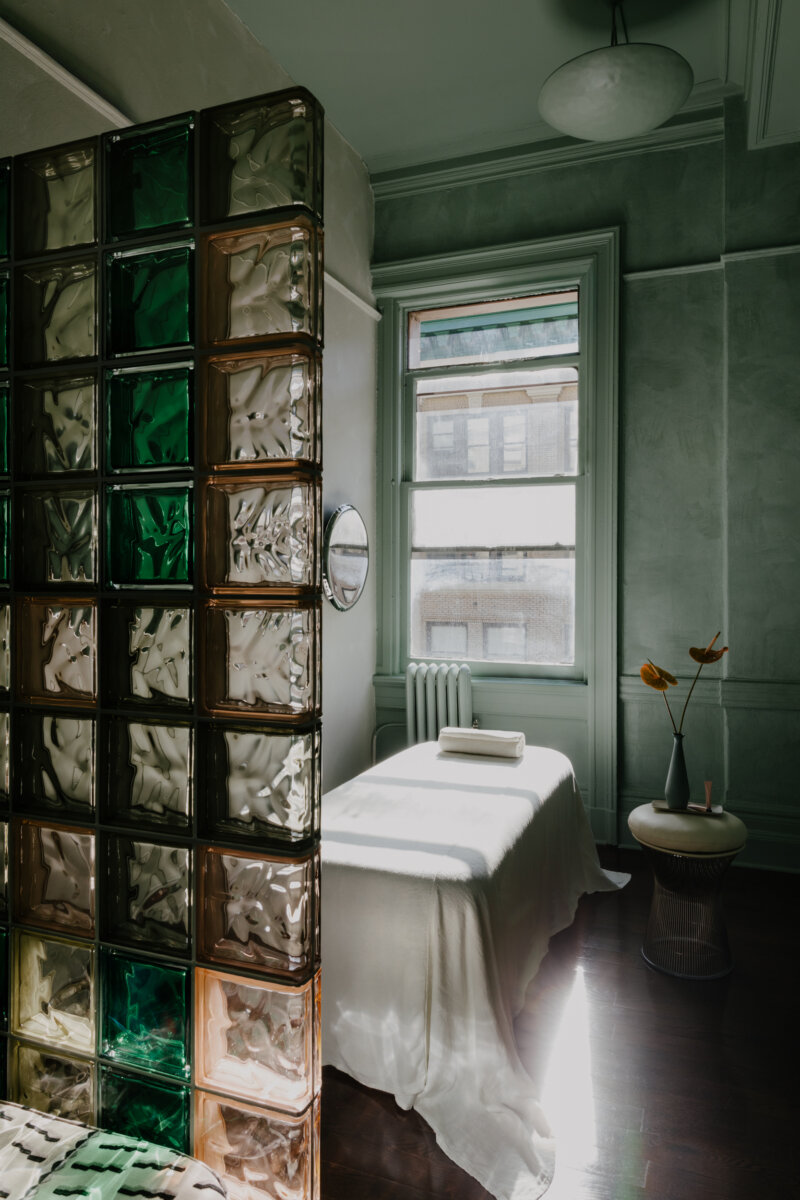
Image courtesy of Studio Tove
In your opinion, what is the most significant challenge facing the design world today? How do you think designers should respond to it?
The greatest challenge (and opportunity) facing our industry is Artificial Intelligence. While it offers incredible speed, it also risks a “devaluation of the expert.” Because high-fidelity tools are now accessible to everyone, the distinction between a generated image and a resolved space is being blurred. Our response must be to leverage AI as a sophisticated partner while doubling down on the human-centric, nuanced intuition that a machine cannot replicate.
What are you currently working on?
I am currently working on a few New York City commissions, but my most complex project is my own home. Designing for oneself is a unique psychological exercise; without the external feedback of a client, the possibilities are infinite. It’s a lesson in self-discipline and learning when to stop the “endless redesign” and trust the initial instinct.
Visit Silvana Vergara’s Website >>>