France has no shortage of artisanal heritage, and it isn’t just Paris or its immediate environs that concentrate this long-held and carefully refined knowhow. Every corner of the surprisingly diverse country holds its own set of distinct craft traditions still, mostly, being carried out by generational craftspeople, but not just, supported by various public and private entities. With the recent founding of the Manufactures nationales—uniting the Mobilier national and the Cité de la céramique – Sèvres & Limoges—these various organizations are slowly but surely coming together and sharing resources.
(Top image courtesy of Manufactures nationales)
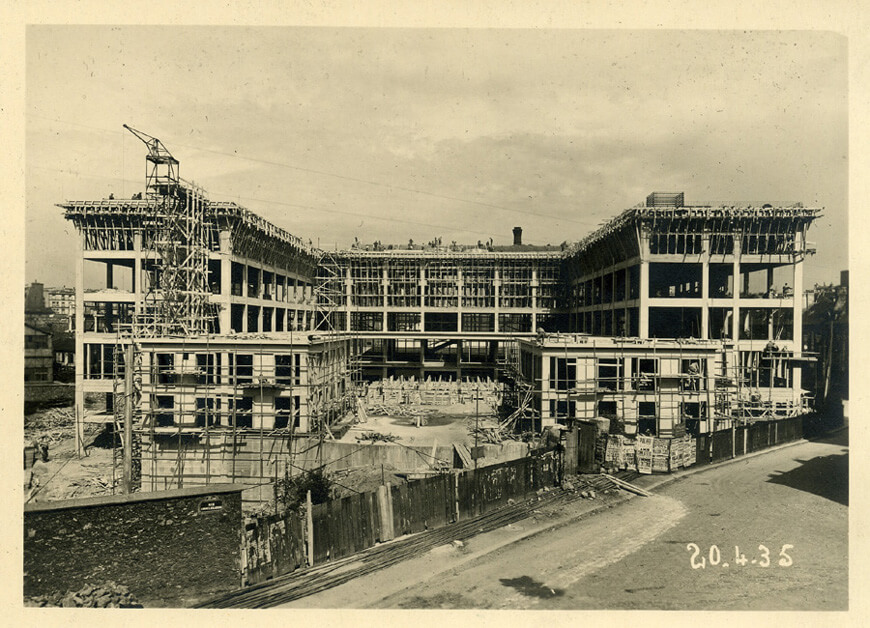
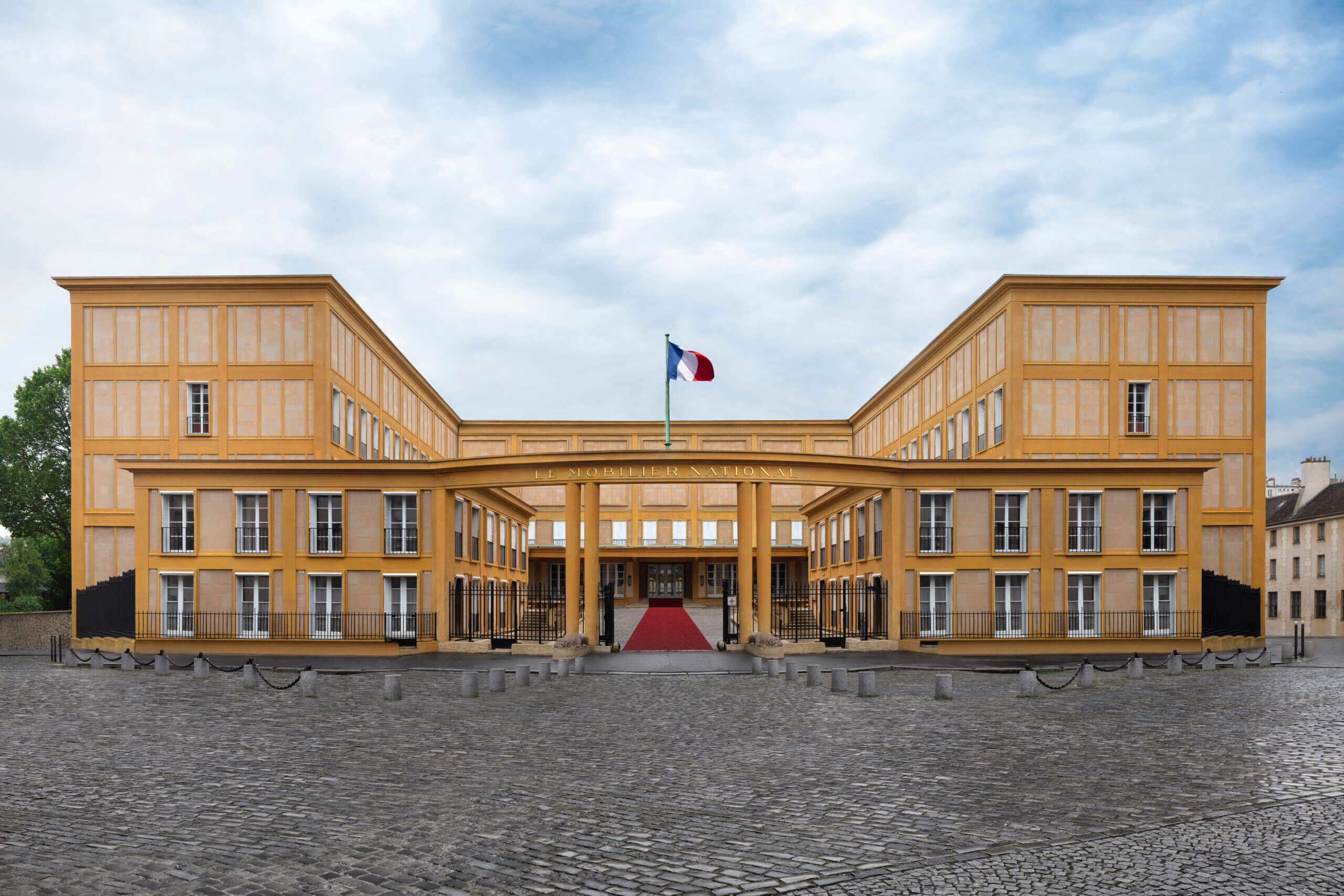
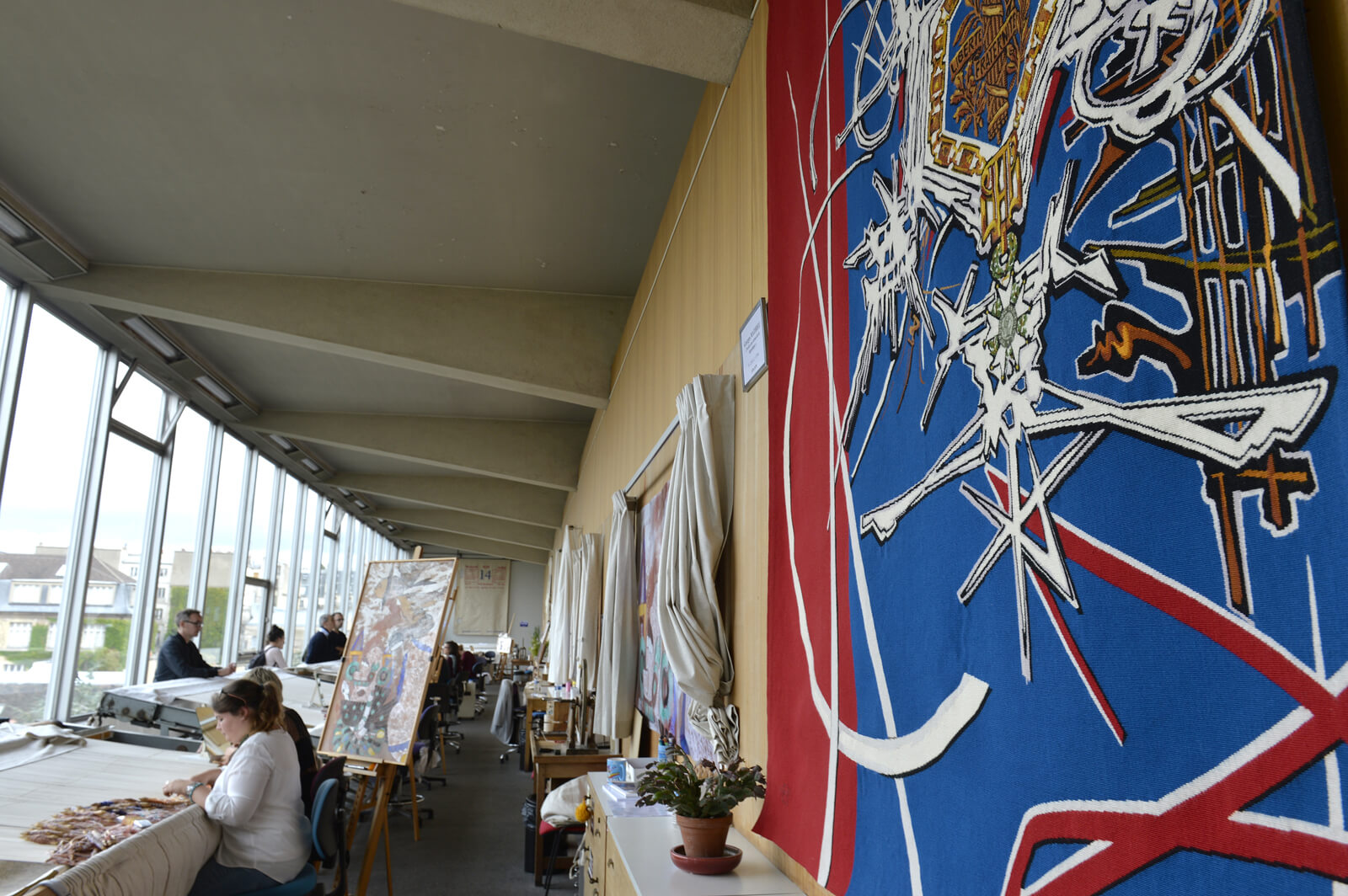
The Mobilier national, 1935 (Image courtesy of Manufactures nationales)
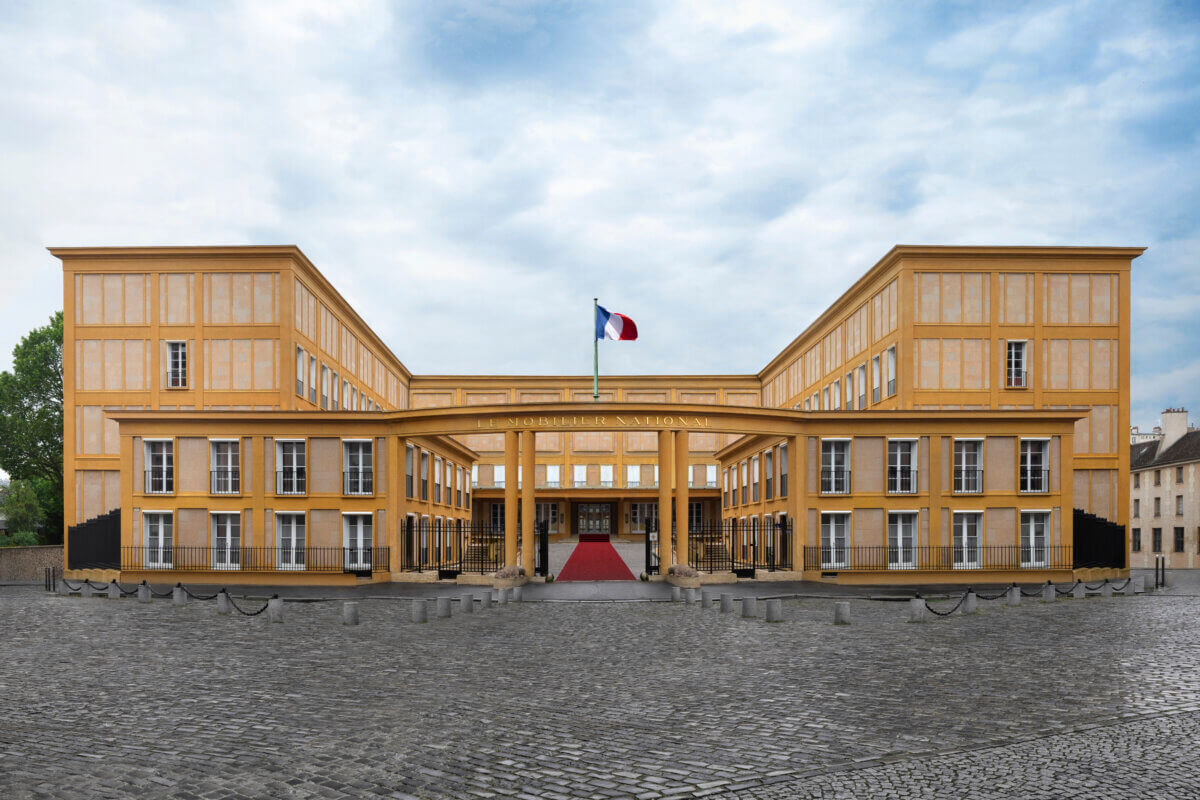
The Mobilier national, present (Image courtesy of Manufactures nationales, LACEN)
Specific for this newly established half public, half private institution is the underlying idea that for the preservation of this richly expansive cultural legacy to last, it cannot remain frozen in time; the various skillsets need to be reinterpreted to meet present day demands and answer today’s most serious issues. Manufactures nationales is enduring to meet the moment by taking this reality into account and utilizing France’s comprehensive savoir faire to address sustainability challenges.
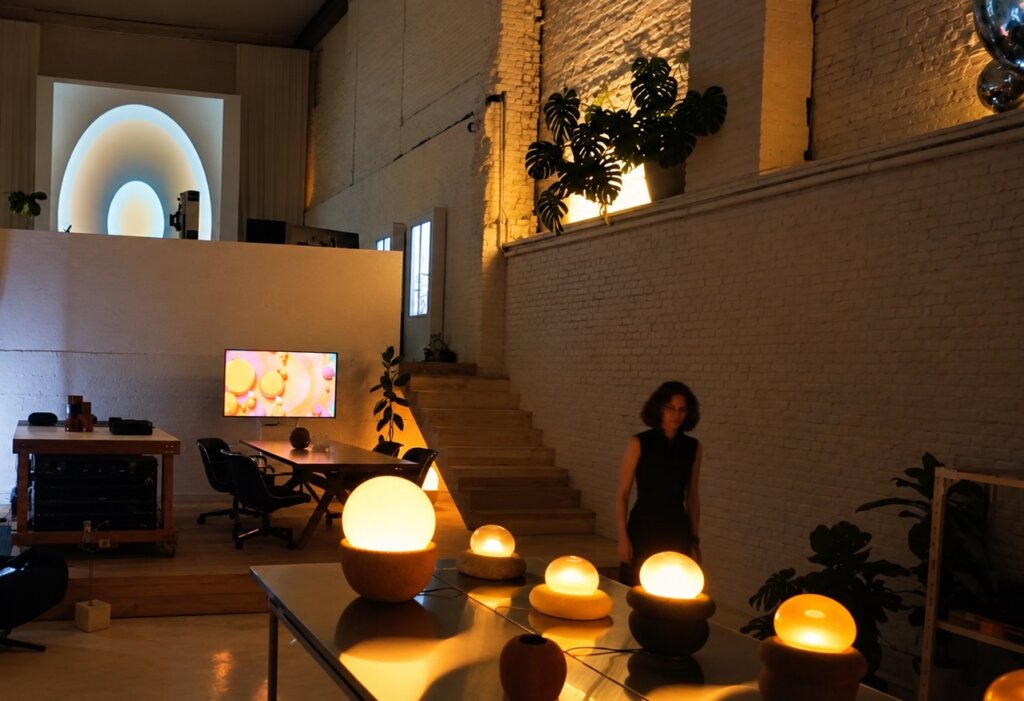
Presented at this year’s ICFF, the Sustainable Savoir-Faire Cabinet—developed through the Laboratoire des matériaux durables intiative—this mission has been made explicit. The unfolding furnishing serves as a didactic device, showcases the expertise and collections of the Manufactures nationales alongside a unique selection of innovative, eco-friendly materials.
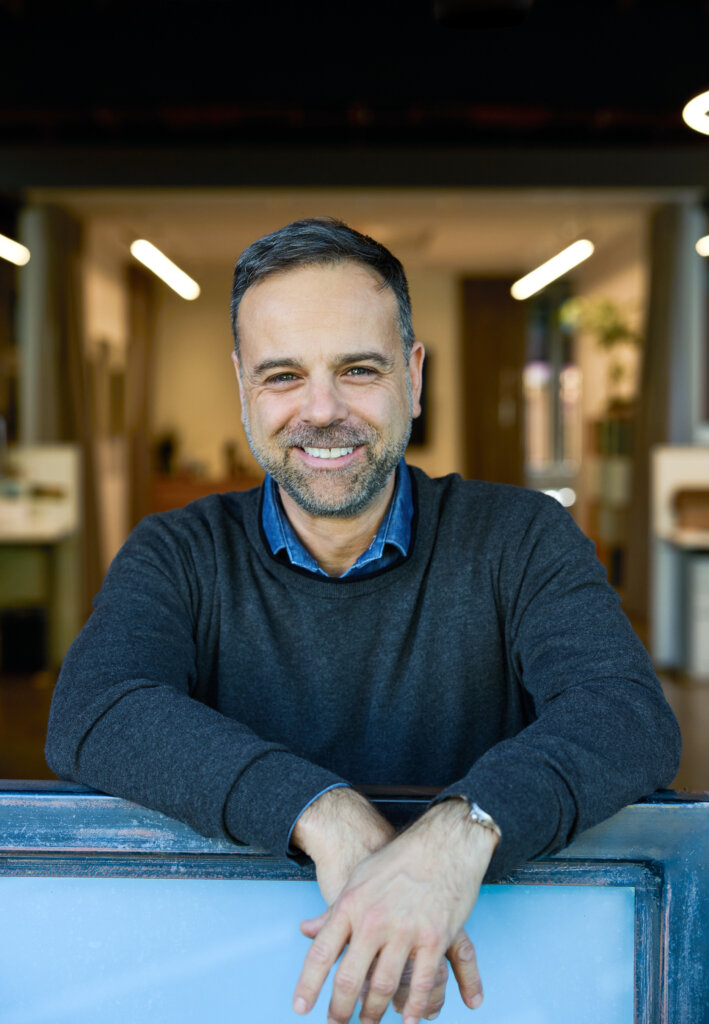
Loïc Turpin, Manufactures nationales Director of Development, spoke to ICFF about these recent changes, projects, and what’s in store for the platform in the future.
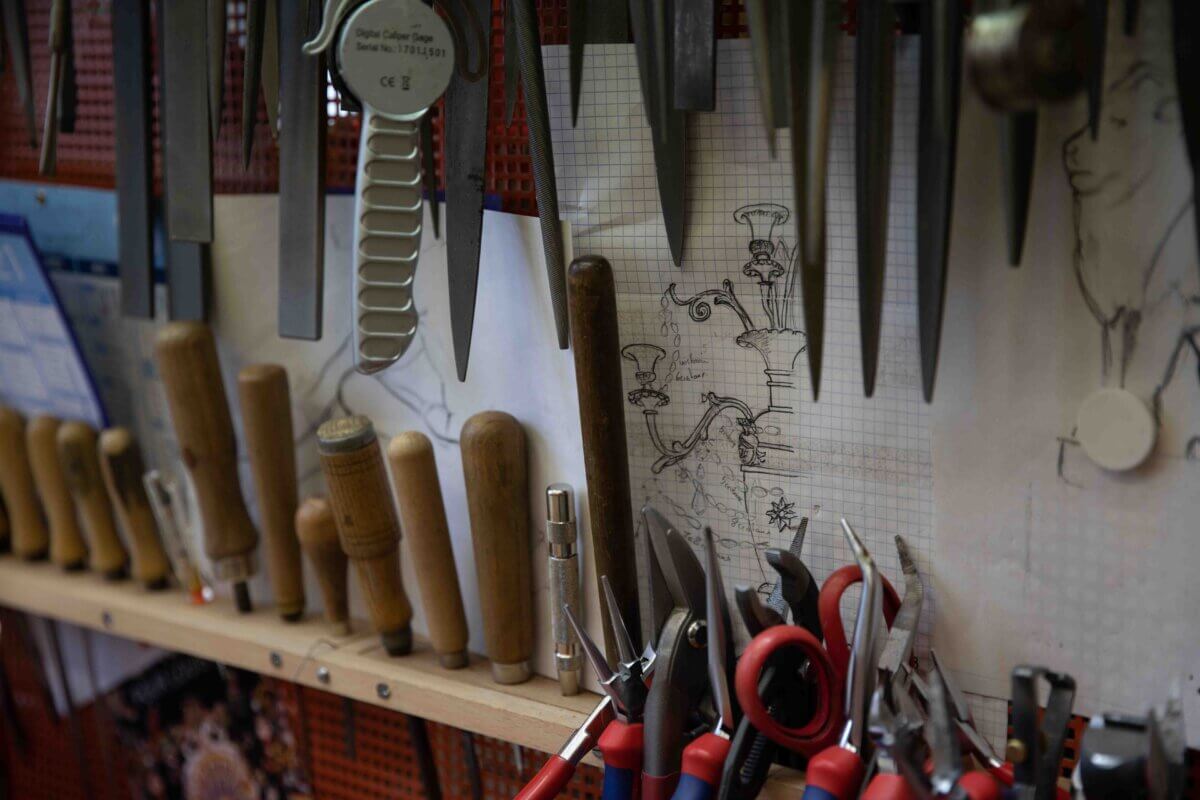
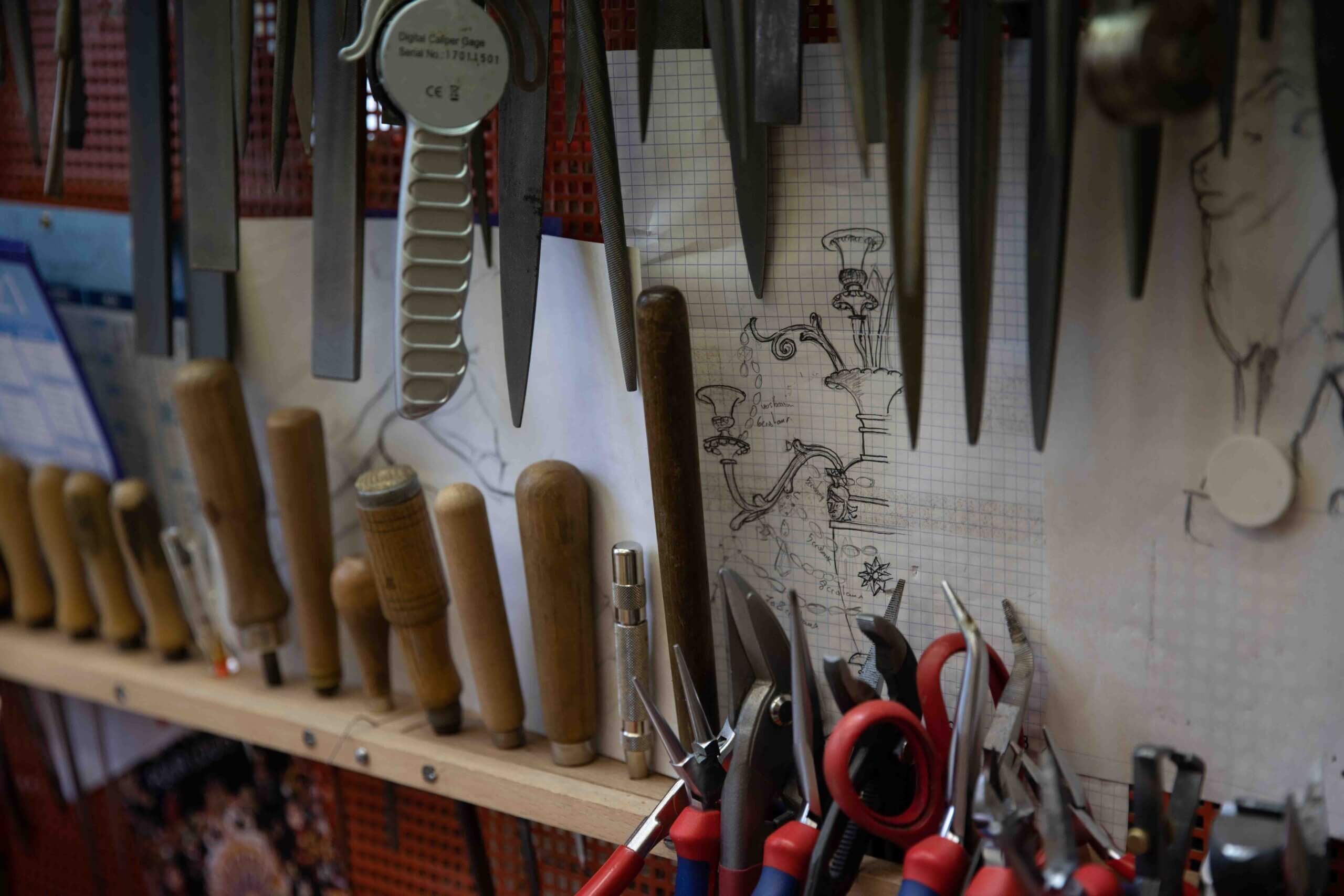
Chandelier Workshop (Image courtesy of Manufactures nationales, Camille Gasser)
1. With support from the Bettencourt Schueller Foundation, the newly established Manufactures nationales brings together the already well established organizations. What was the reasoning behind this merger? What is the role and scope of this new entity?
The creation of Manufactures nationales reflects a uniquely French vision: the conviction that craftsmanship, design and artistic creation are matters of public interest and should be actively supported by the State.
By bringing together the Mobilier national and the national porcelain manufactories of Sèvres and Limoges, France has created a single institution embodying more than four centuries of excellence in decorative arts, craftsmanship and innovation. These institutions share a common mission: preserving exceptional skills and collections while ensuring their continued relevance in a rapidly changing world.
Manufactures nationales operates at the crossroads of heritage, creation, research, and innovation. It supports artisans, artists, designers, and researchers while promoting dialogue between traditional craftsmanship and contemporary design.
Its role extends far beyond conservation. The institution serves as a platform for experimentation, production, and transmission; helping to shape the future of French savoir-faire and reinforcing its international influence. More broadly, it demonstrates how heritage can become a driver of innovation, sustainability, and cultural diplomacy.
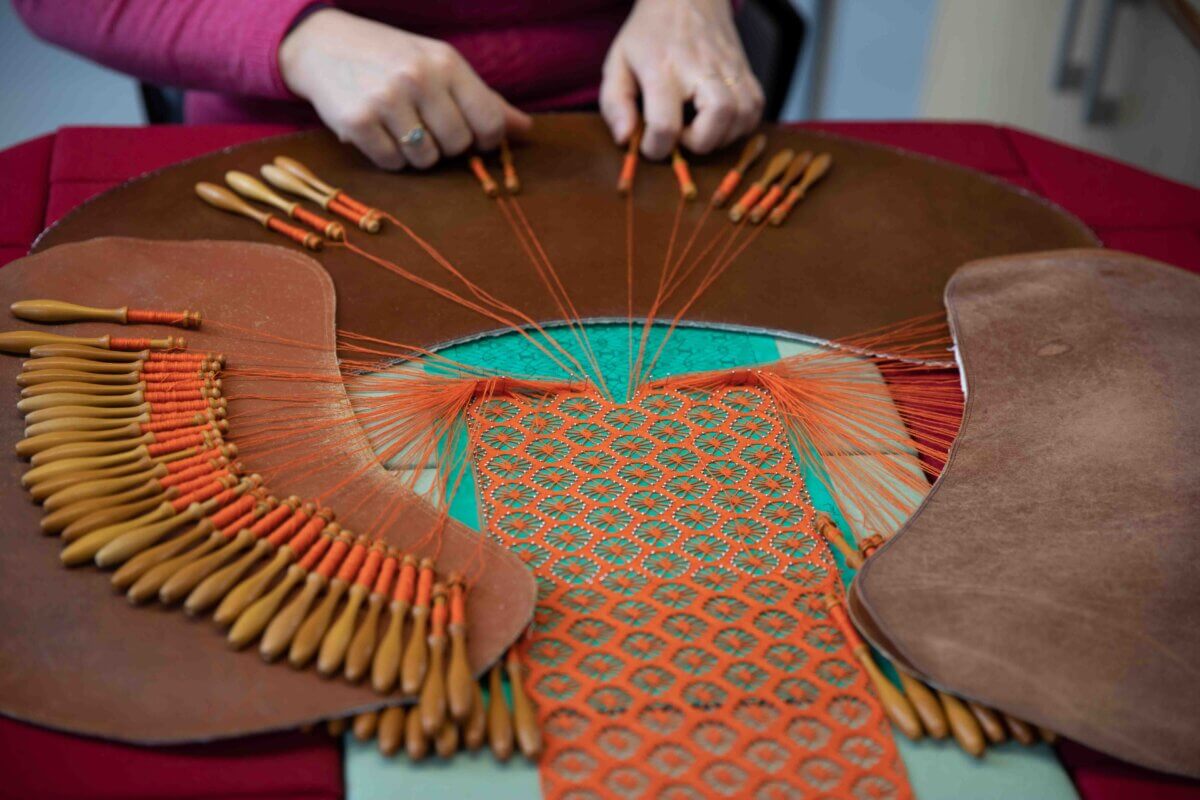
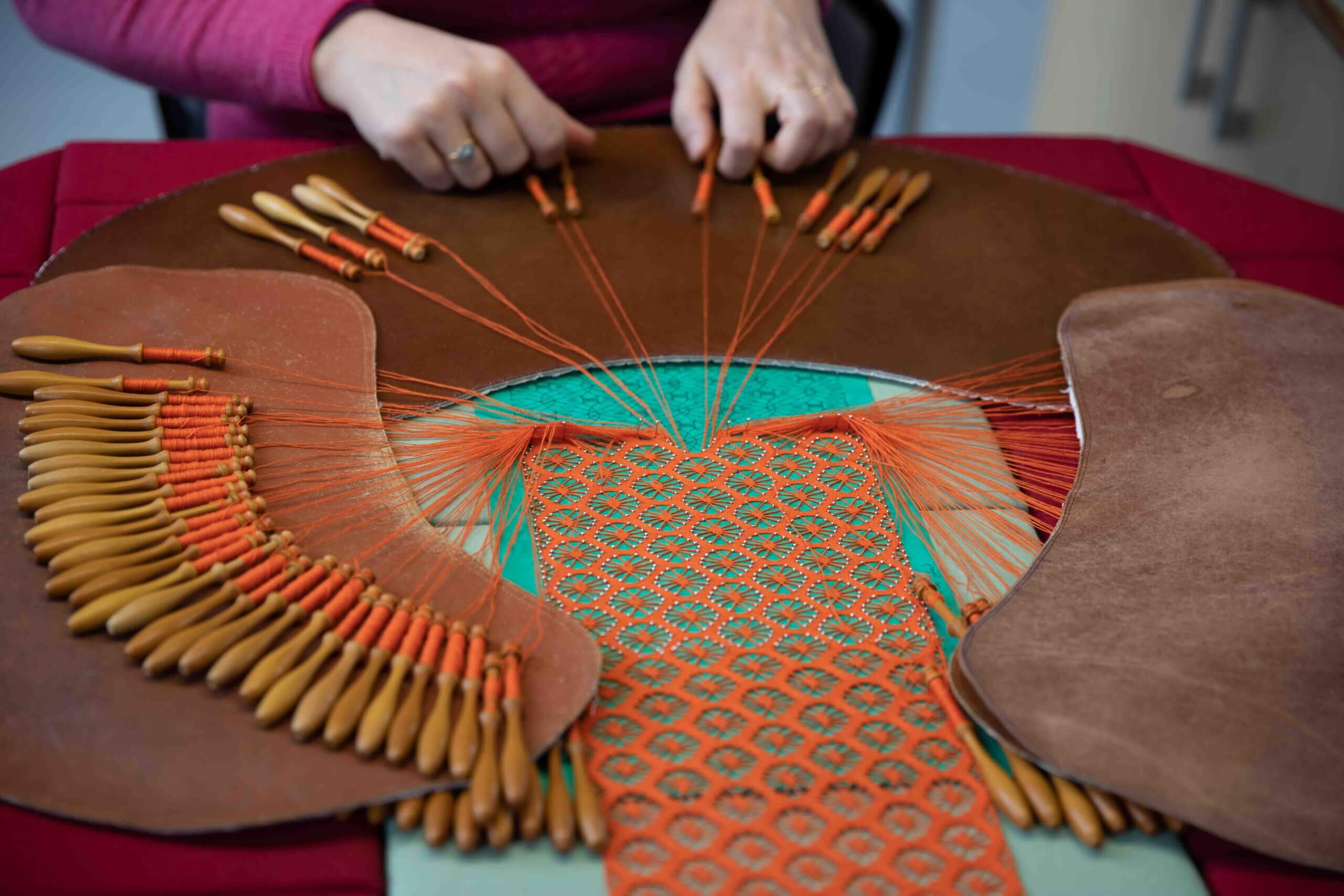
Lace Workshop: Puy-en-Velay Coral Artefact, Jérémy Gobé (Image courtesy of Manufactures nationales, Camille Gasser)
2. How does the newly formed institution seek to preserve and promote French savoir-faire while ensuring its continued relevance through adaptation, innovation, and sustainable production?
French savoir-faire is often associated with heritage and tradition. For Manufactures nationales, however, it is equally about experimentation and innovation.
The institution believes that craftsmanship survives only if it continues to evolve. Preserving a technique is not enough; it must also be tested, enriched, and adapted to contemporary challenges. To achieve this, the Manufactures work closely with designers, artists, scientists, engineers, and industrial partners to explore new materials, new applications and production methods.
This collaborative approach enables traditional skills to contribute directly to some of today’s most pressing issues, including sustainable manufacturing, circular economy models, material innovation and responsible resource management.
The ambition is not simply to safeguard a remarkable heritage but to demonstrate that centuries-old expertise can actively contribute to shaping the ecological and cultural transitions of the twenty-first century.
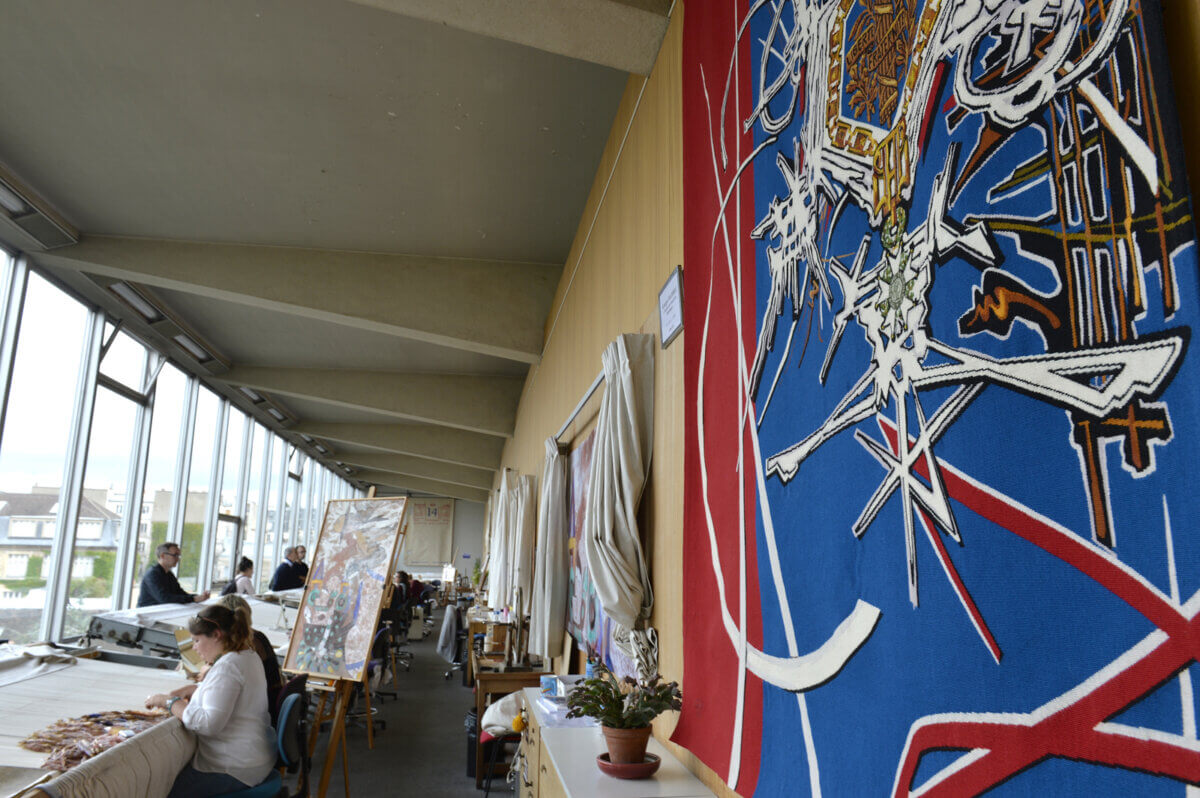
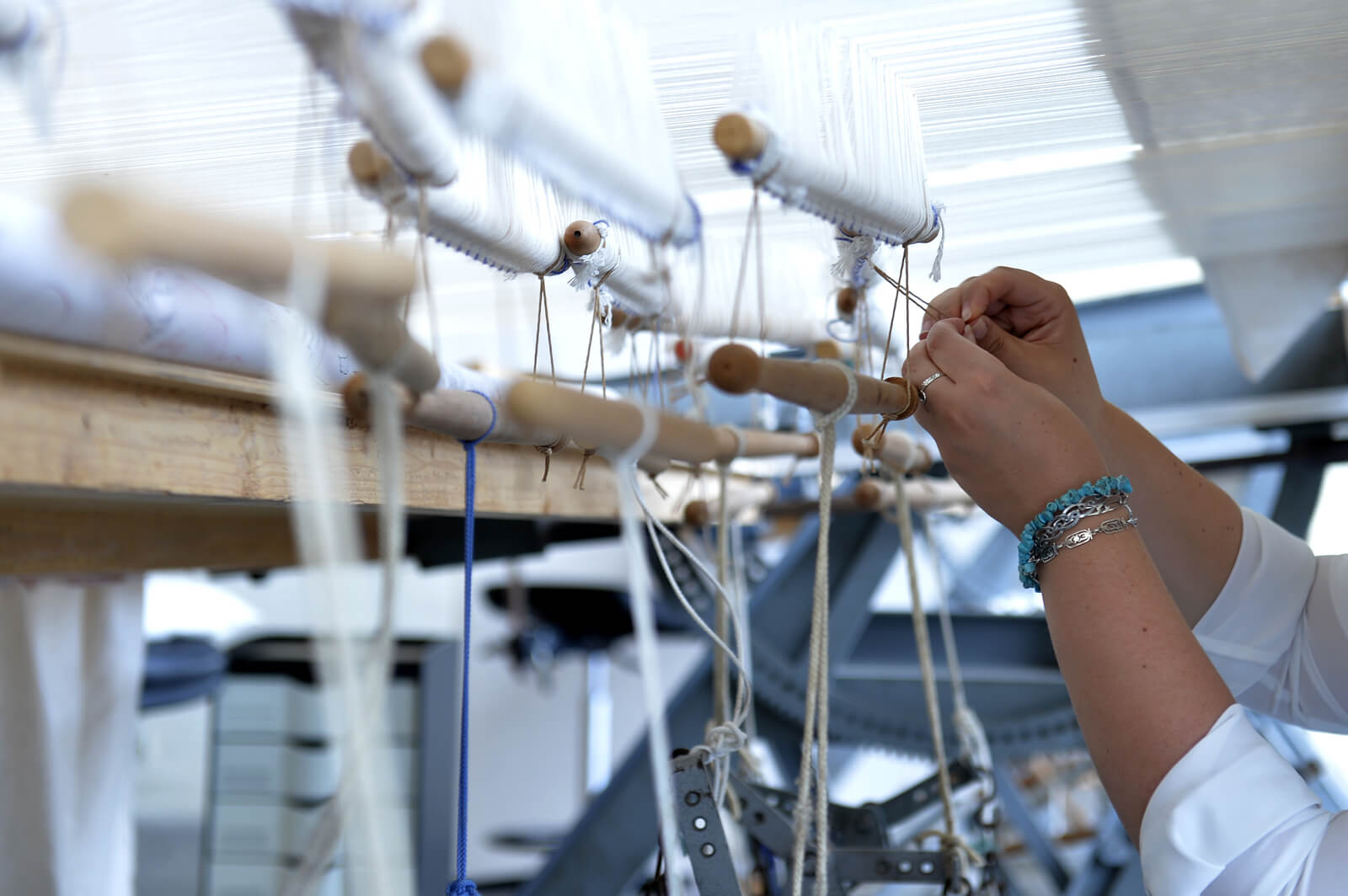
View of lower loom workshop, Beauvais (Image courtesy of Paris_Photo©Mobilier national, Thibault Chapotot)
3. What is the mission behind the Laboratoire des matériaux durables project? How was the initiative carried out? How did it result in the Sustainable Savoir-faire Cabinet? Why was it important that this object be brought to New York by sailing ship?
The Laboratoire des matériaux durables was created to explore how French craftsmanship can contribute to the development of more sustainable forms of production.
The initiative brings together designers, artisans, researchers, manufacturers and material specialists around a shared objective: demonstrating that environmental innovation and exceptional craftsmanship can reinforce one another. By combining scientific research, material experimentation and traditional expertise, the project seeks to develop new approaches to making that are both responsible and desirable.
The Sustainable Savoir-faire Cabinet emerged as a tangible outcome of this collaborative process. More than a piece of furniture, it is a demonstration of what becomes possible when heritage craftsmanship, contemporary design and sustainable innovation are brought together. Every component reflects ongoing research into materials, manufacturing processes, and environmental impact.
Transporting the cabinet to New York aboard a sailing cargo vessel was a deliberate choice. The project invites us to reconsider every stage in an object’s lifecycle, including transportation. Shipping the work across the Atlantic under sail significantly reduced its carbon footprint while reinforcing the project’s core message: sustainability is not only about what we make, but also about how we move it around the world.
The journey itself became part of the story, illustrating how cultural exchange and international design dialogue can be reimagined through more responsible practices.
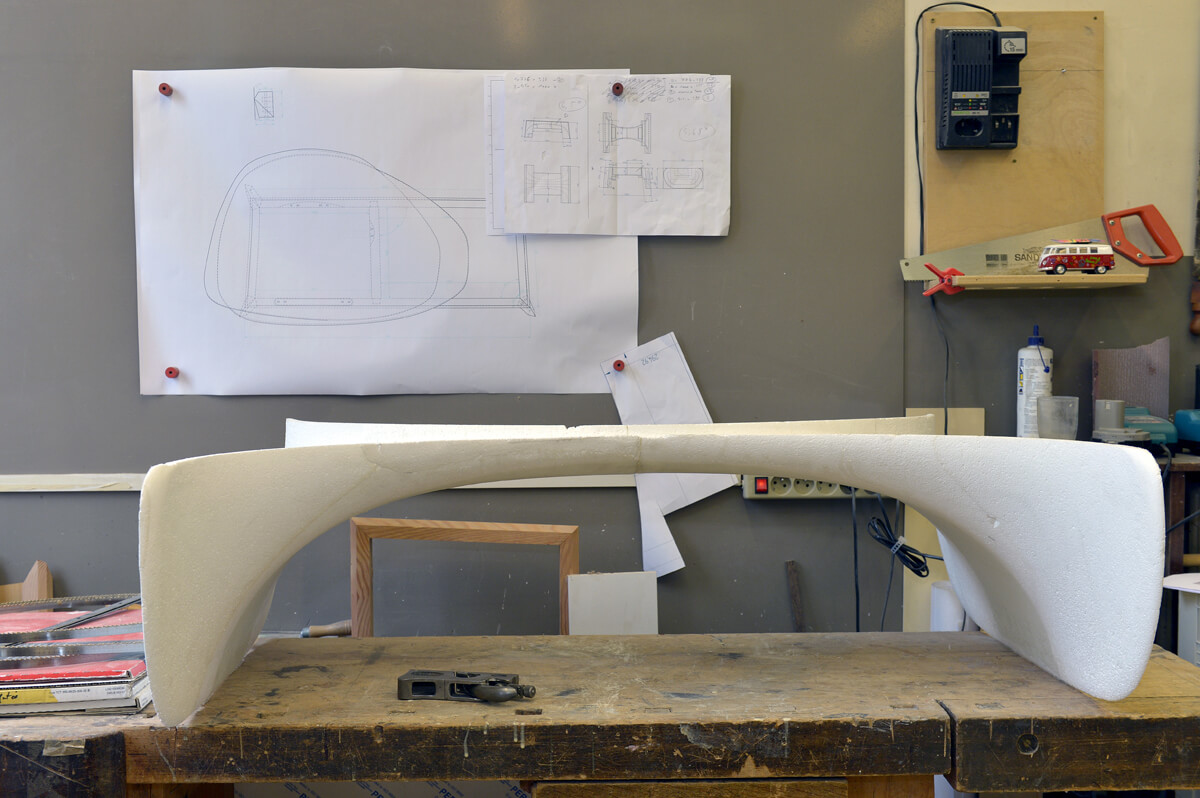
Research and Creation Workshop (Image courtesy of Manufactures nationales)
4. What are some of the other current and future projects or initiatives that Manufactures nationales is supporting or launching?
Manufactures nationales is currently developing a wide range of initiatives that reflect its commitment to connecting heritage, creation, and innovation.
These include contemporary design acquisition programs for the Mobilier national, artist and designer residencies within the Manufactures, research projects dedicated to sustainable materials and production methods, as well as collaborations with cultural institutions, universities, research centers and industry partners in France and abroad.
The institution also continues to expand public access to its collections and expertise through exhibitions, educational programs and international events.
Looking ahead, Manufactures nationales aims to strengthen France’s position as a global reference for craftsmanship, design innovation and sustainable production. Its ambition is to build bridges between centuries-old knowledge and emerging technologies, support new generations of creators and demonstrate that French savoir-faire is not simply a legacy of the past but a powerful resource for imagining the future.
At a time when many countries are questioning how to preserve their cultural identities while embracing innovation, Manufactures nationales offers a uniquely French answer: investing in craftsmanship not as a nostalgic legacy, but as a strategic resource for the future.
Follow Manufactures nationales HERE >>>