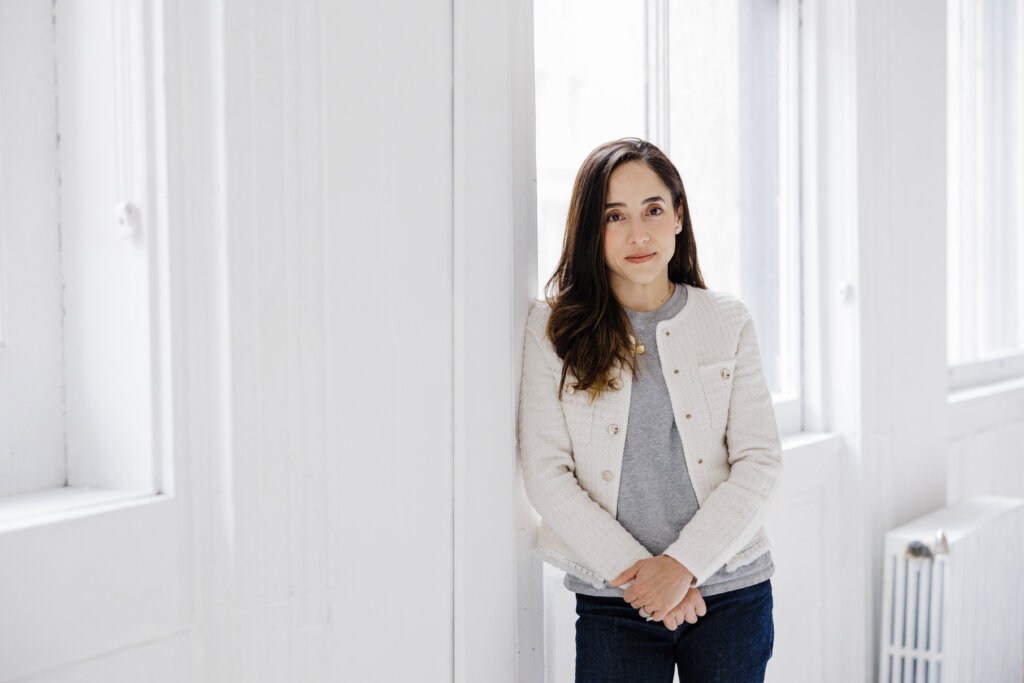
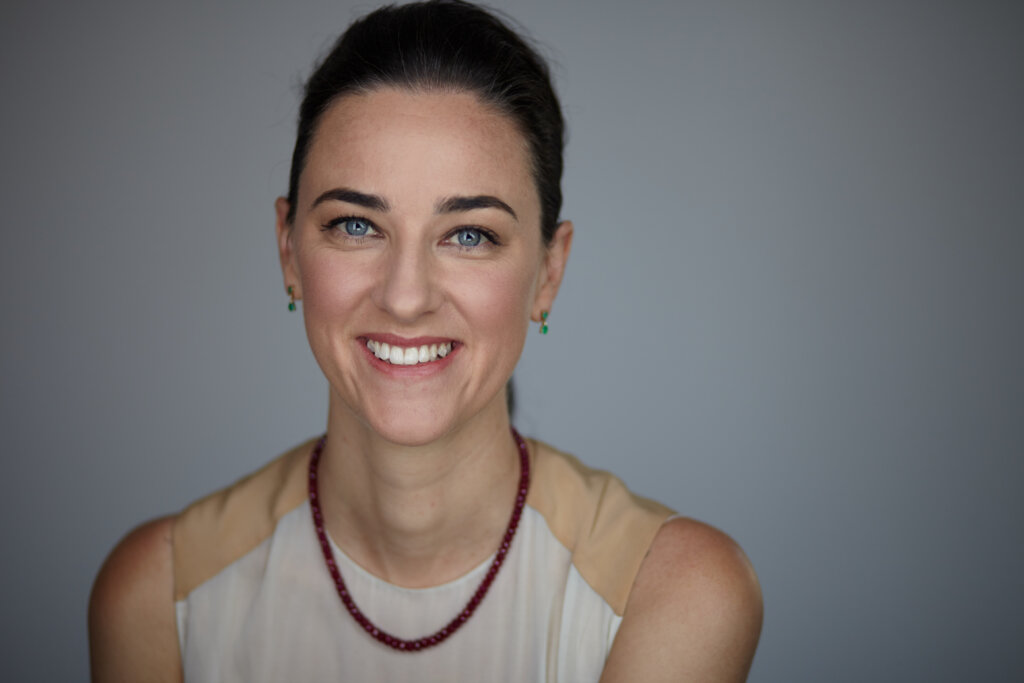
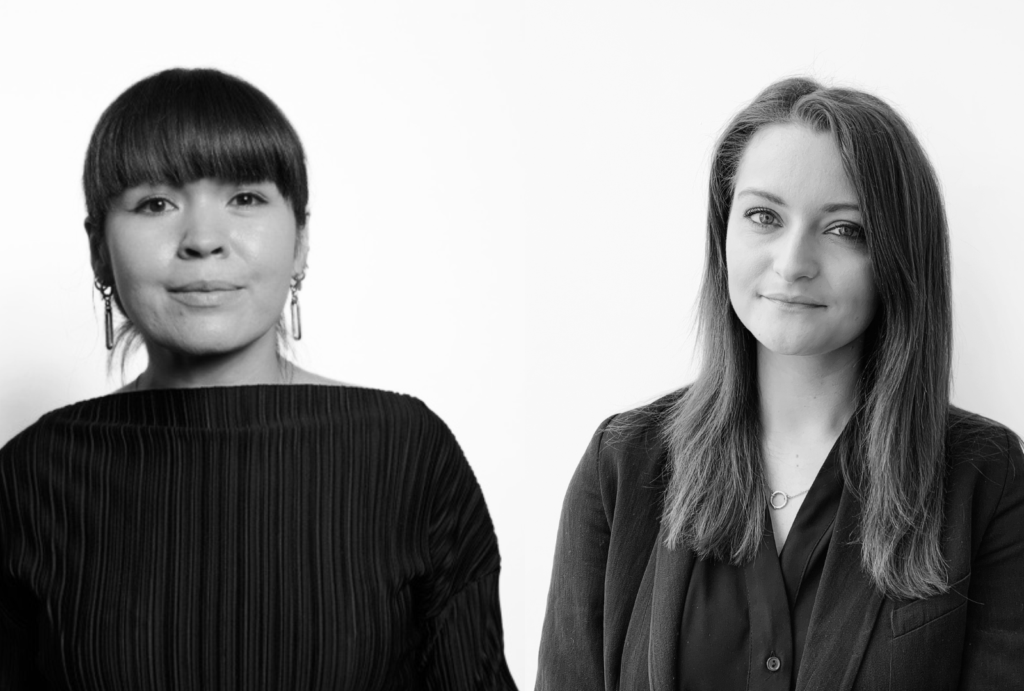
At KAA Design, they create homes that deepen the human connection to nature. Rooted in the spirit of California living, their work celebrates light, landscape, and craft, each project shaped by the textures and rhythms of its site. As architects, they see design as a dialogue between place and people, where materials and proportions evoke both calm and vitality. Their approach is guided by the belief that a well-crafted home can be a sanctuary, one that embraces the outdoors, honors craftsmanship, and fosters well-being. As a partner at KAA Design, I’m continually inspired by how architecture can shape emotion and belonging, revealing beauty through restraint and authenticity.
When you were a kid, what did you dream of becoming? Did any of those childhood ambitions lead you to where you are today?
As a kid, I was captivated by movies—the way they could transport you into entirely new worlds through light, sound, and atmosphere. I didn’t realize it then, but that fascination with storytelling and mood was really about spatial experience. Architecture became a way to translate that cinematic sense of wonder into something tangible, to craft spaces that evoke feeling, rhythm, and narrative through design.
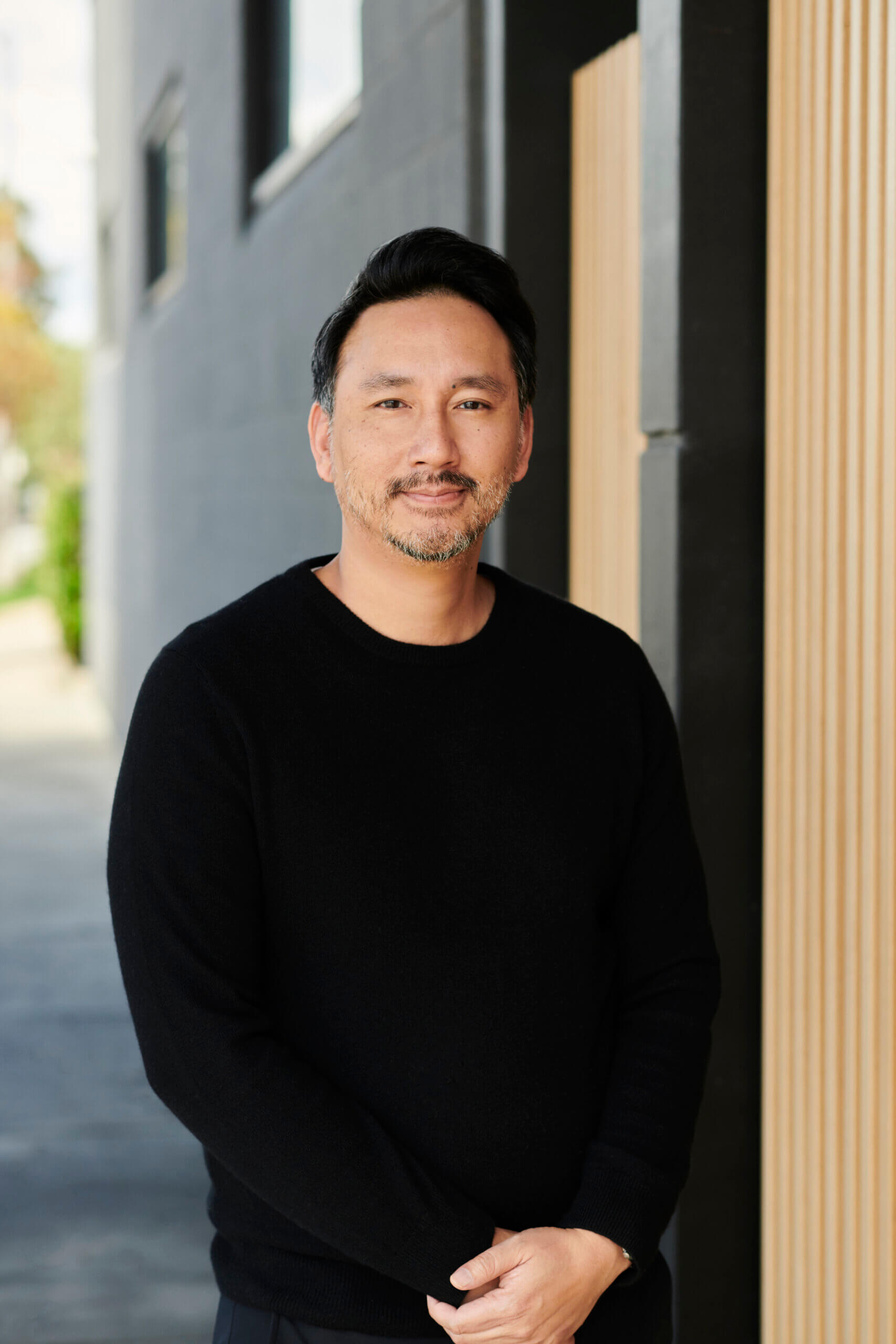
Photo above: Duan Tran (Photo Credit Cara Robbins)
Is there a particular designer, artwork, or design movement that deeply inspires you? How has it influenced your own style or philosophy?
I’ve always been drawn to the quiet power of Japanese architecture and its reverence for nature, shadow, and imperfection. The seminal work of Tadao Ando and Kengo Kuma, as well as the simplicityand reverence for tradition, have profoundly shaped my sense of proportion and material honesty. Their work reminds me that restraint can be the most expressive gesture in design.
How would you describe your design philosophy? Has it evolved over time, and if so, how?
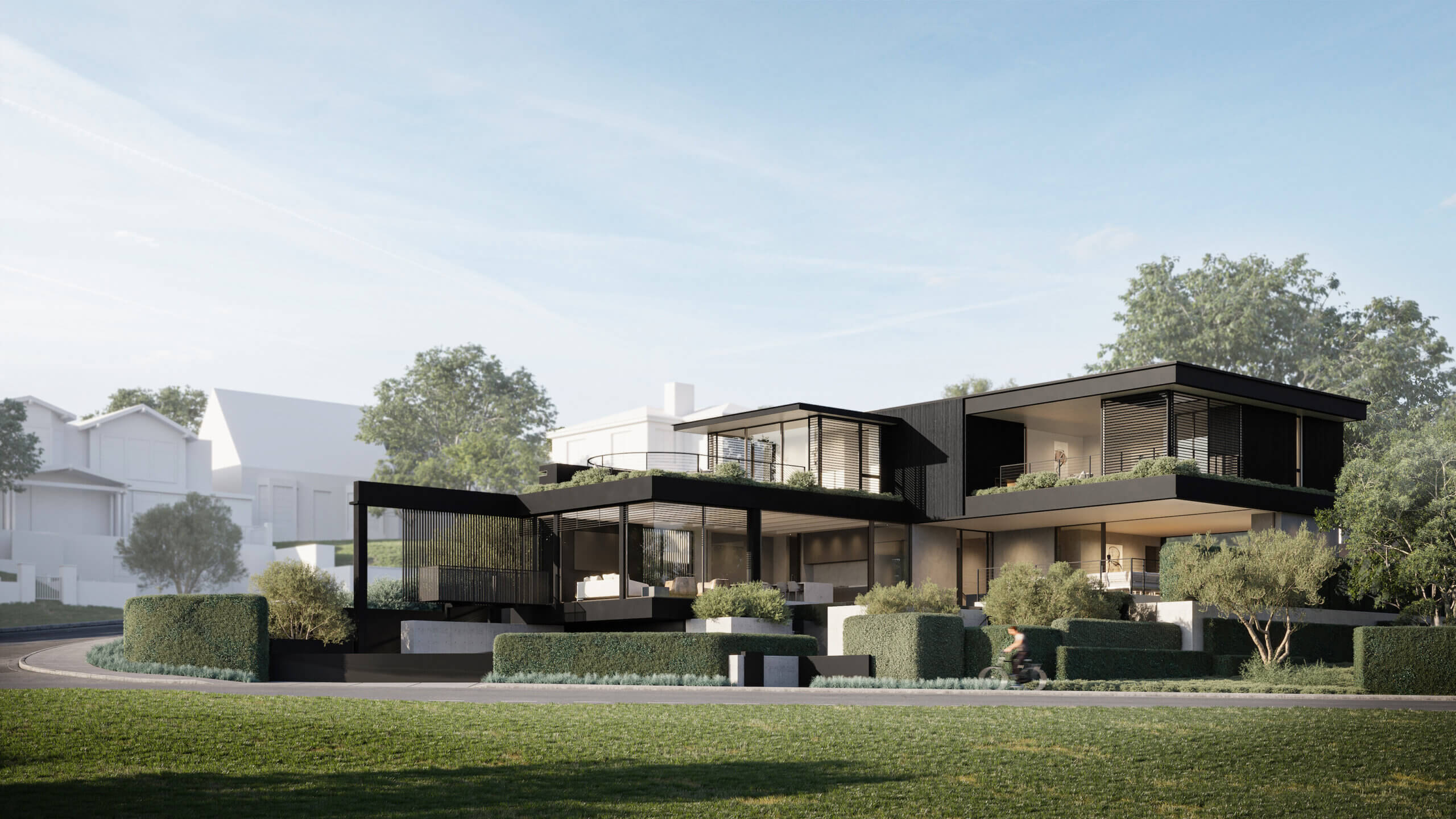
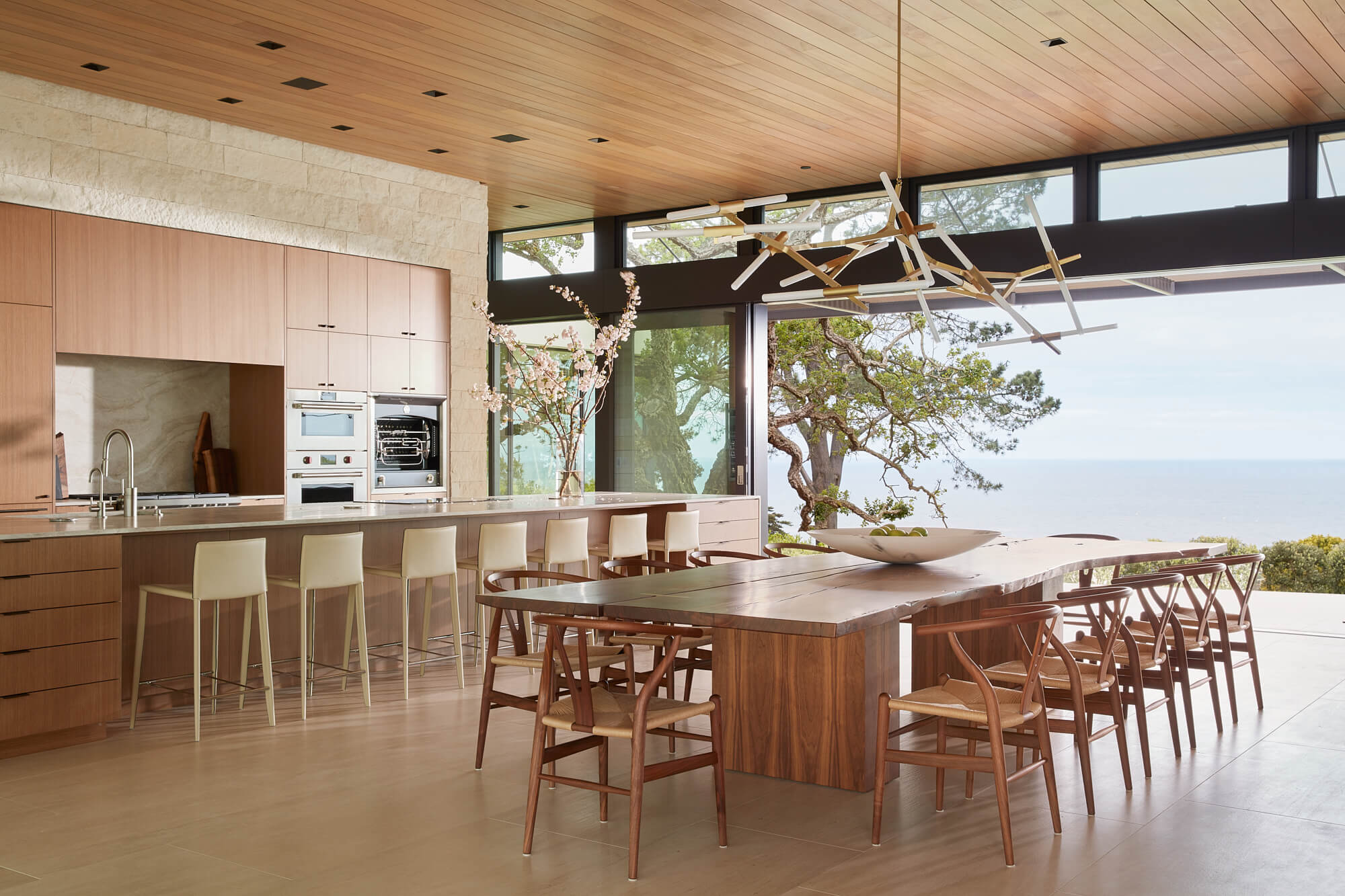
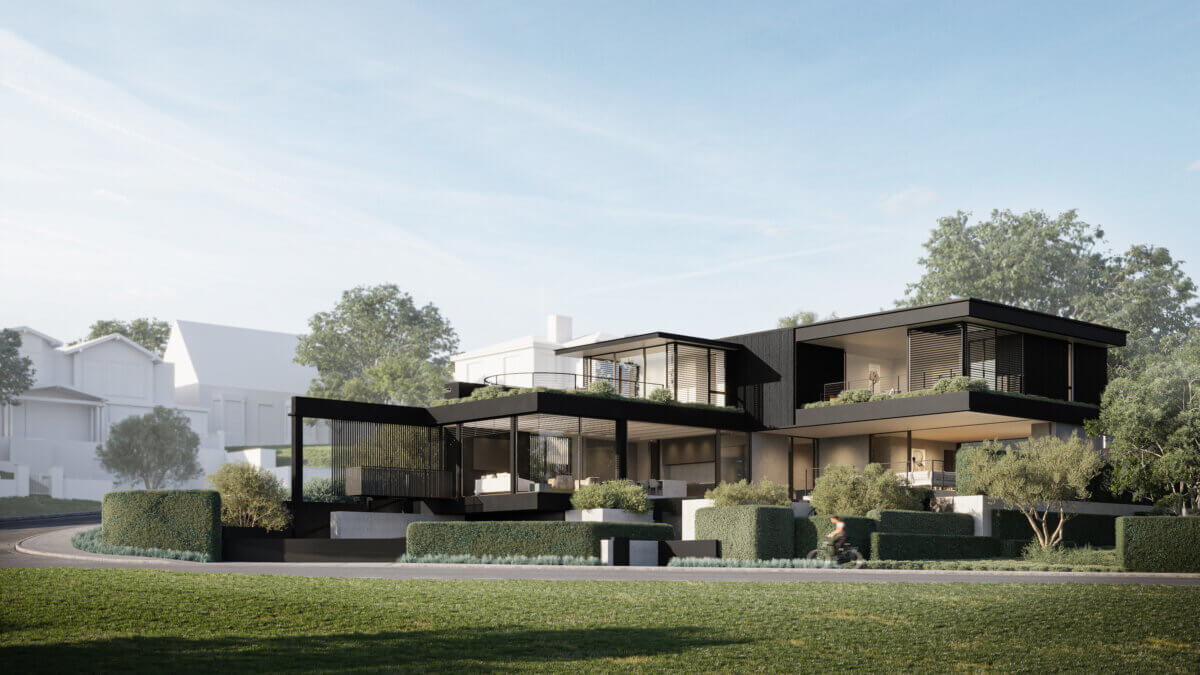
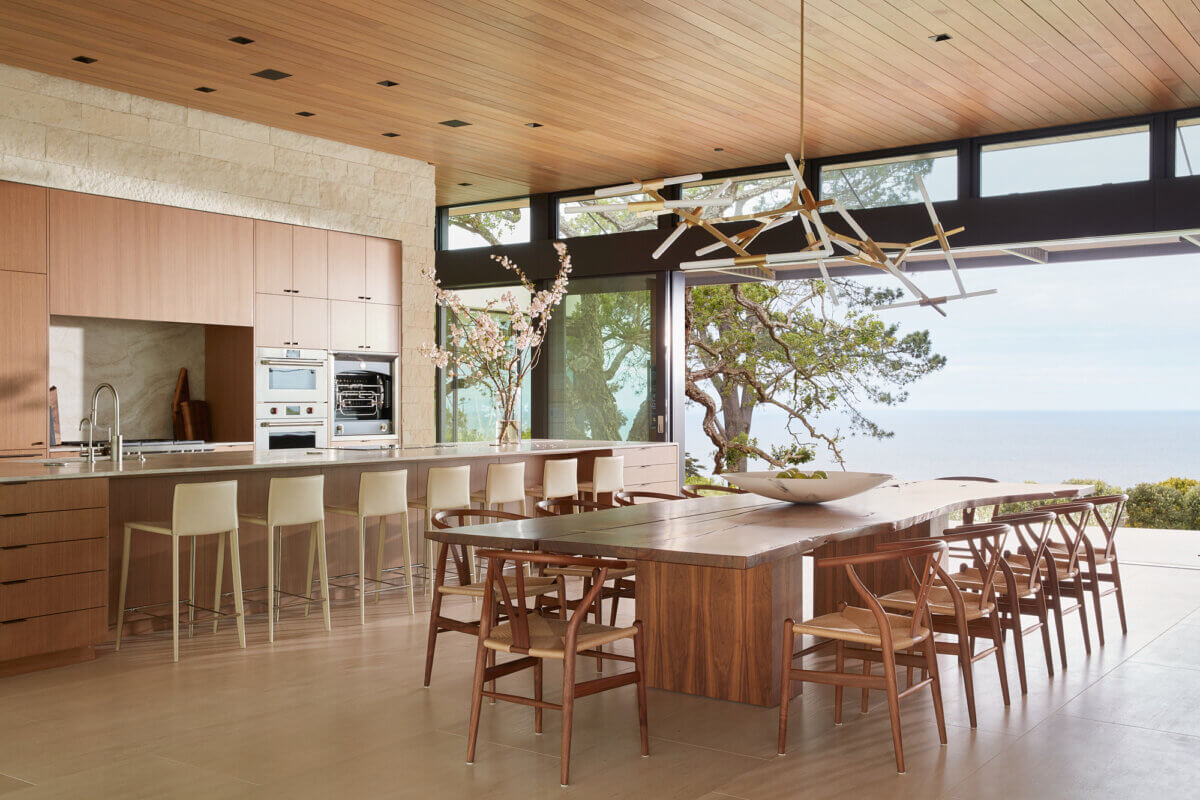
Our philosophy centers on the idea of “Residing with Nature.” It’s about creating homes that are deeply rooted in their environment—where landscape and architecture are inseparable. Over time, I’ve learned that good design is less about imposing form and more about listening—to the site, the client, and the subtle qualities of light and material. The goal is always to design spaces that feel inevitable, timeless, and alive.
Tell us a bit about where you live: How long have you been there, and how does your environment shape your creative process?
I live in Los Angeles, a city defined by its natural contrasts—mountains, ocean, desert, and light. That interplay between built and natural environments continually inspires me. The openness of Southern California living, with its blurred boundaries between indoors and outdoors, mirrors the spirit of our work at KAA Design: architecture that breathes with the landscape.
Which of your projects are you most proud of, and what makes them stand out for you?
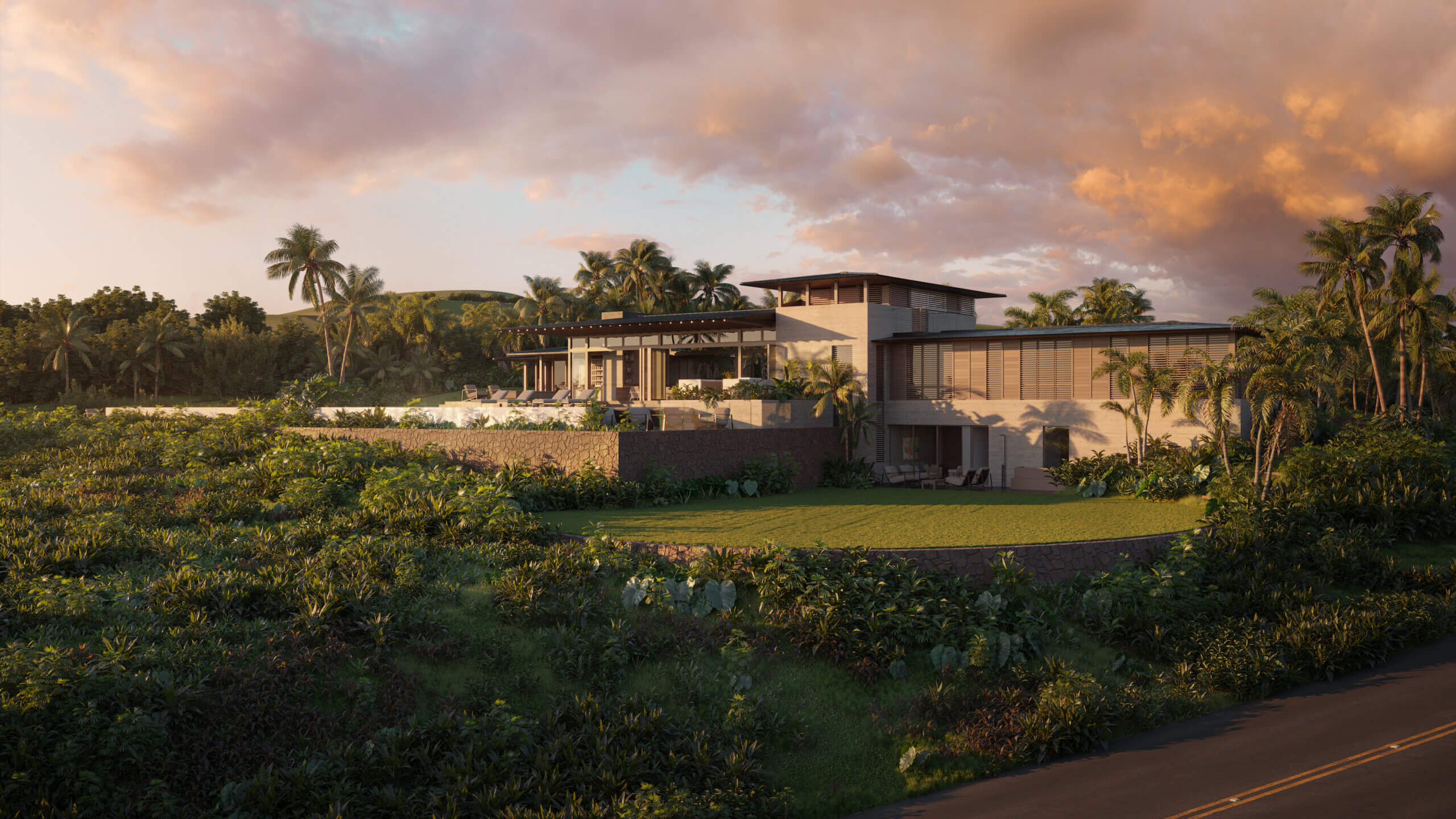
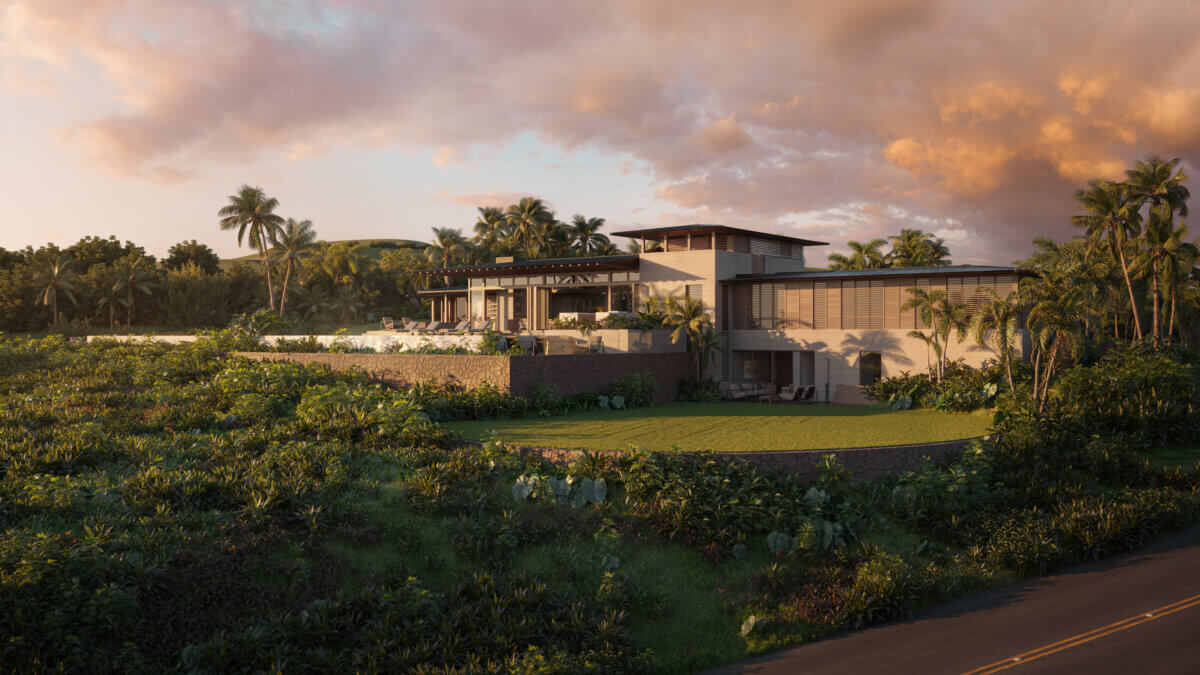
Each project carries its own story, but the Shinrin-Yoku House in Karuizawa, Japan, which is currently in design holds special meaning. It embodies our belief that architecture can restore calm and heighten awareness of nature’s beauty. Closer to home, projects like Sanctuary and Tree House in Southern California express that same ethos through light, materiality, and landscape integration. They remind me that timeless design begins with empathy—for place, for people, and for nature.
In your opinion, what is the most significant challenge facing the design world today? How do you think designers should respond to it?
Our greatest challenge is balancing innovation, specifically AI with responsibility—to the environment, to community, and to authenticity. As designers, we’re shaping not just spaces but ways of living. We have a responsibility to build thoughtfully, using materials and methods that honor both craft and ecology, ensuring our work and the human spirit endures in meaning as much as in form.
What are you currently working on?
We’re fortunate to be designing several homes internationally in locations like the Carribean, Japan, and the UAE that explore how architecture can nurture wellness and connection. From coastal residences to mountain retreats, each project seeks to merge simplicity, tactility, and calm. We’re also celebrating the release of Residing with Nature, our new monograph with Rizzoli, which captures this philosophy through a decade of design work.
What’s on the horizon for you? Any upcoming projects, events, or goals you’re particularly looking forward to?
Beyond ongoing projects, I’m excited about growing KAA’s interior design studio and deepening our focus on design that supports resilience and well-being. The future, for me, lies in collaboration—bridging disciplines, cultures, and materials to create architecture that continues to inspire a more connected way of living.
Visit KAA’s website here >>>
More from ICFF:
Exploring Creative Potential with New Technologies
Opiary: Bringing People and Nature Together