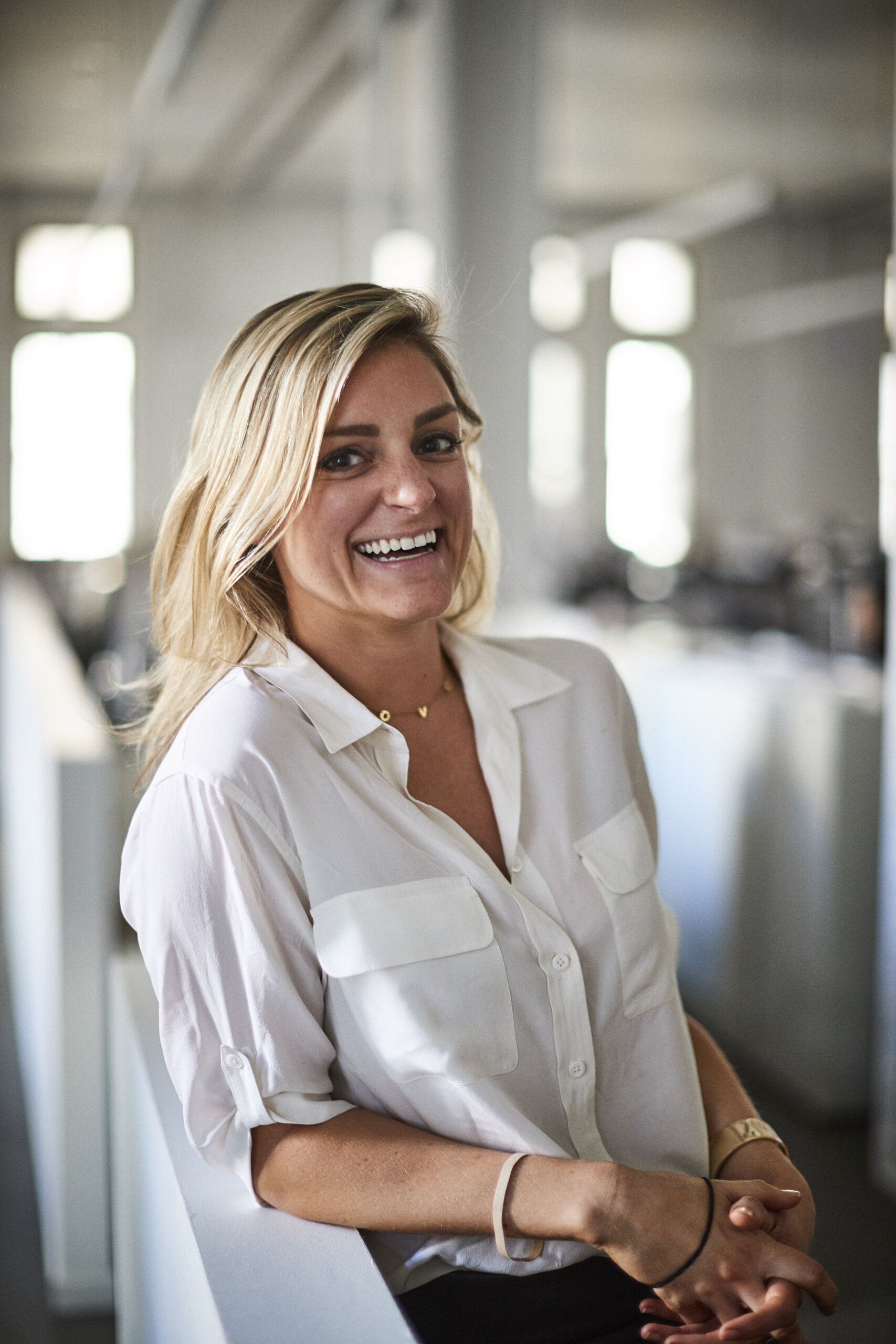
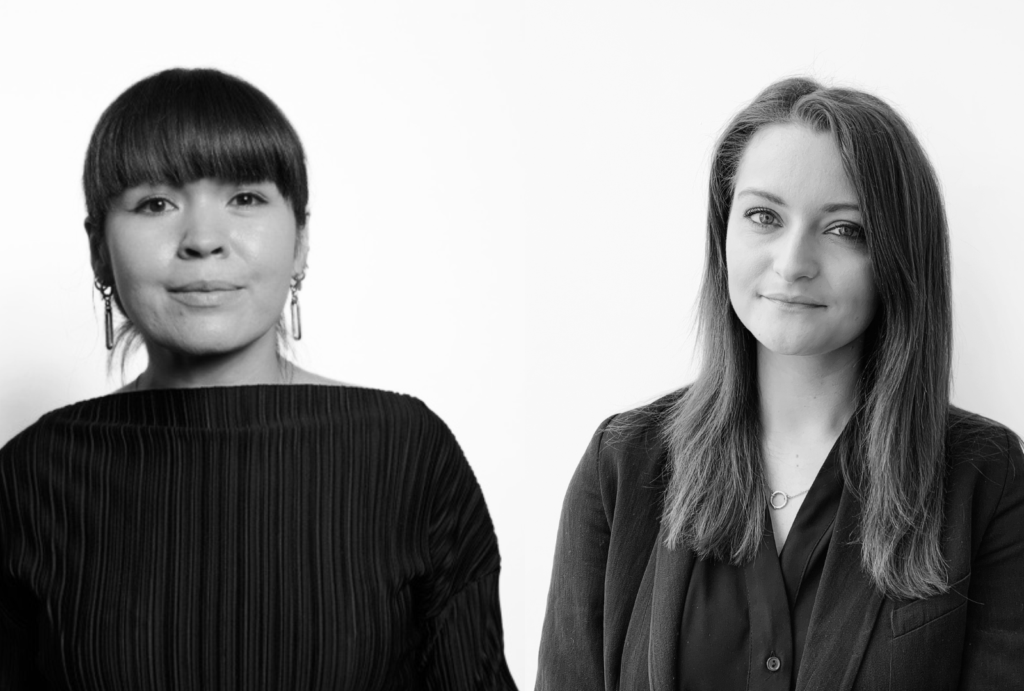
Courtney Brannan is a Principal at Champalimaud Design, where she brings a deeply informed, craft-driven approach to interiors rooted in history, materiality, and a strong sense of place. Influenced by architecture, fine craftsmanship, and years of seeing projects through from concept to completion, her work balances restraint with richness, creating spaces that feel layered, personal, and enduring.
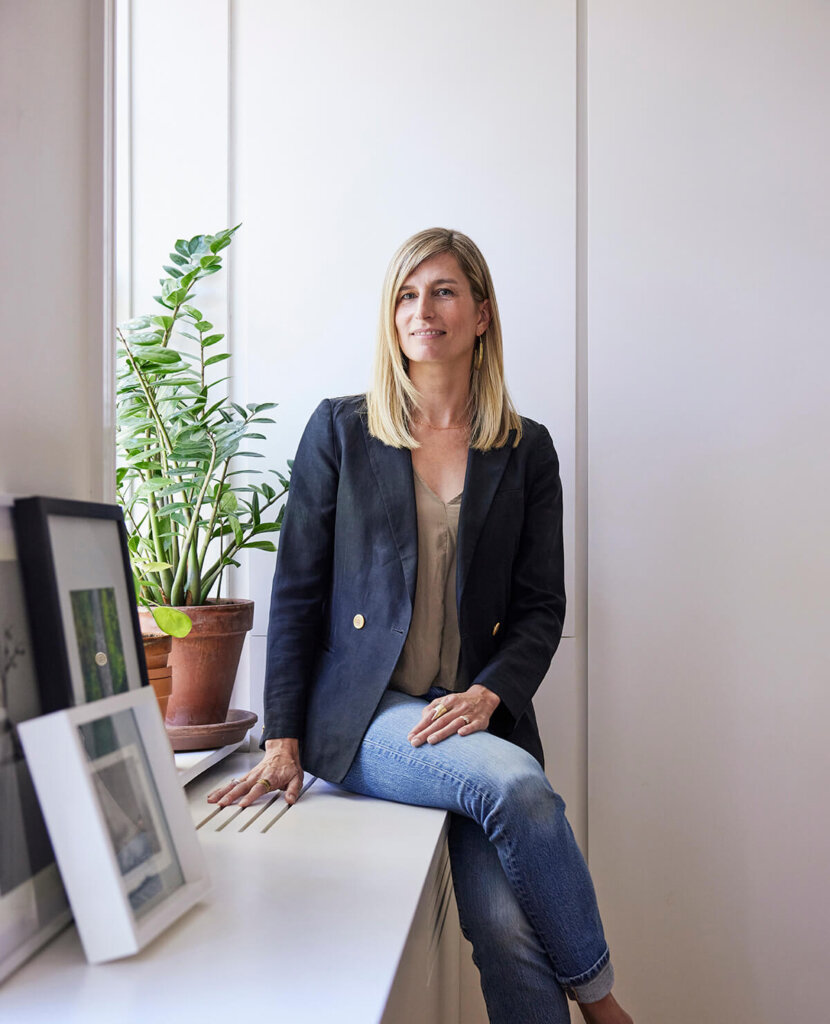
(Image above: Portrait of Courtney Brannan | Image courtesy of Champalimaud)
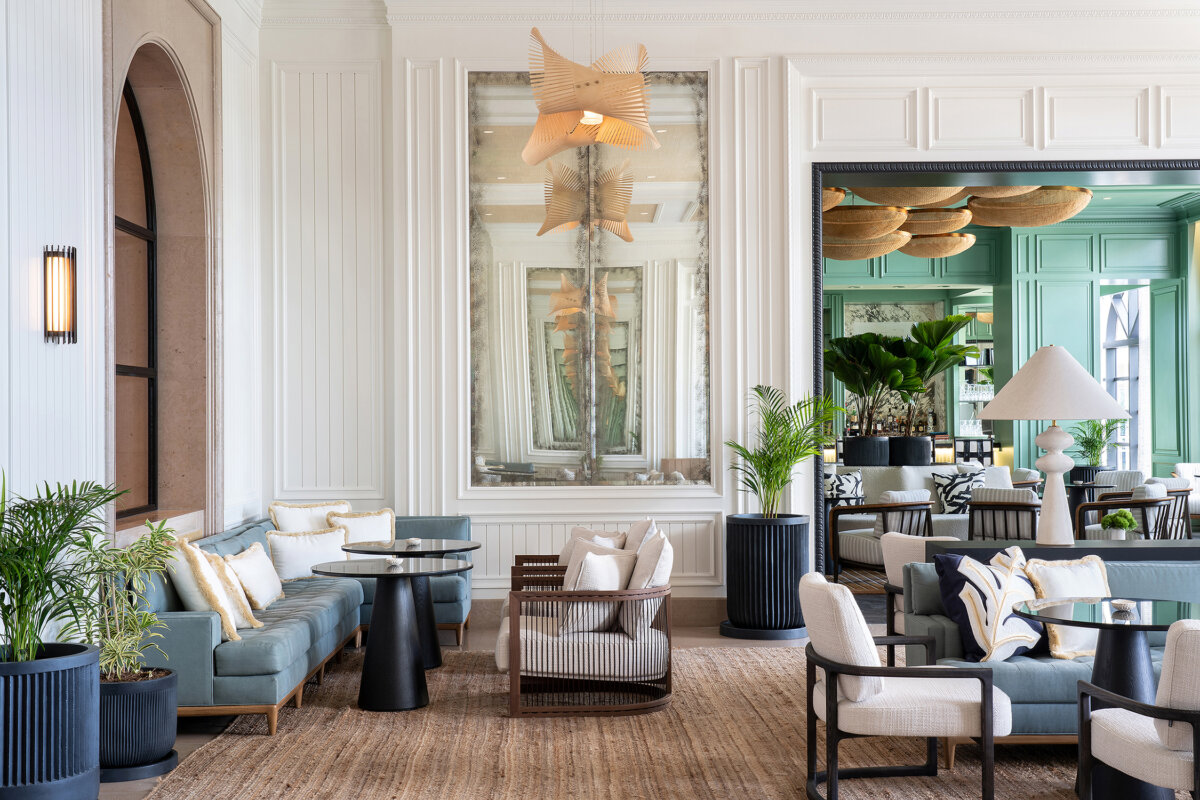
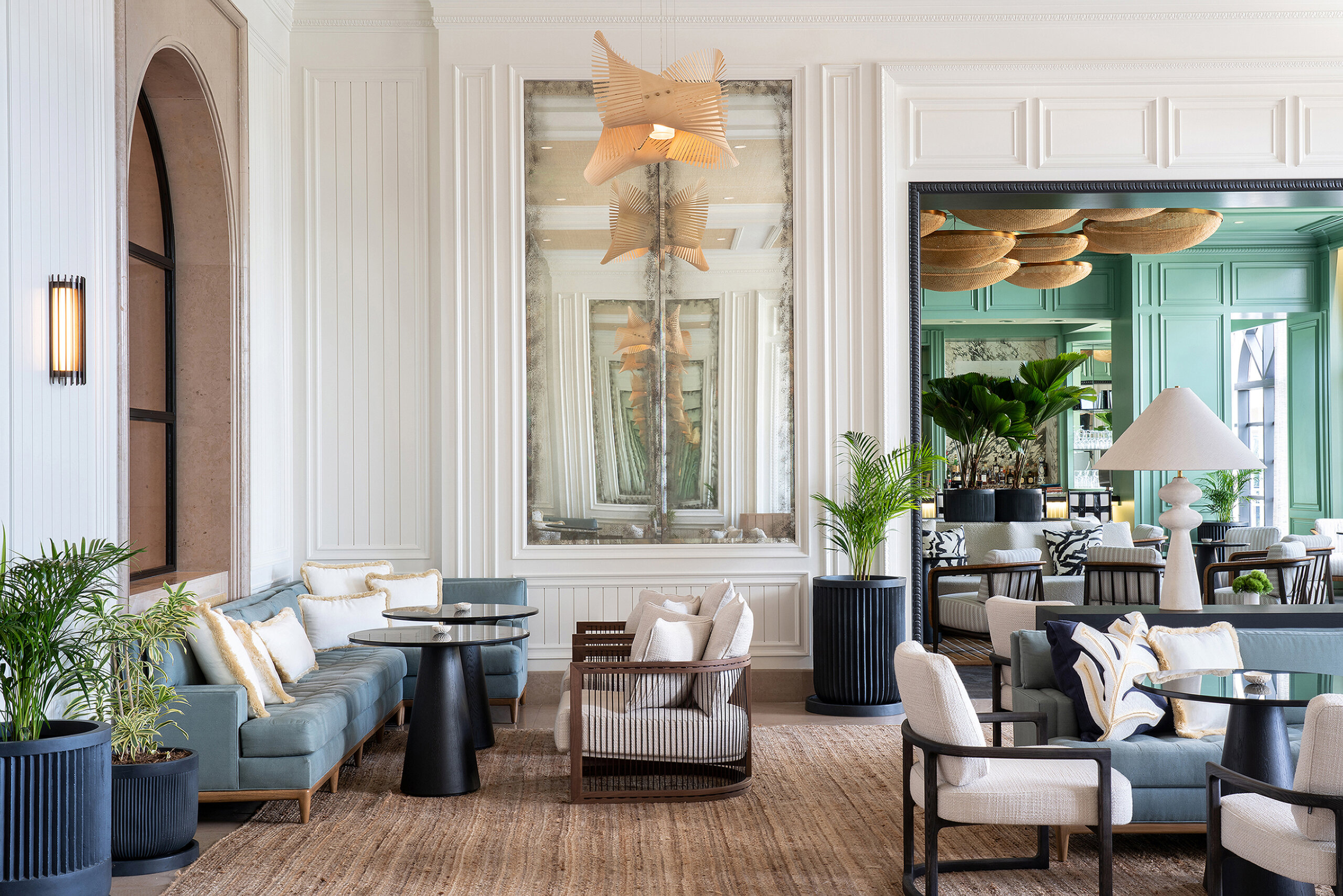
Lobby Lounge at the Ritz-Carlton, Grand Cayman | Image courtesy of Champalimaud
Which designer and/or piece of work inspires you? Why?
The French Art Deco and Brutalist periods have always been major sources of inspiration for me. There’s a beautiful simplicity in their forms and details that feels timeless even today. Both movements place a strong emphasis on craftsmanship and material honesty, creating work that feels bold yet restrained.
From French Art Deco, I’m drawn to the use of exotic woods and materials, graceful proportions, and geometric forms seen in the work of designers like Jean Dunand, Jean-Michel Frank, and Pierre Chareau. From Brutalism, it’s the bold shapes and expressive metalwork, particularly in pieces by Paul Evans, that continue to influence my approach.
That balance between clarity of form and exceptional quality is something I continually return to in my own work.
How would you describe your design philosophy?
My design philosophy centers on creating interiors that people genuinely enjoy returning to—spaces that feel engaging, layered, and personal. I believe good design should spark joy and create a strong sense of place from the moment you enter.
I like to include moments of discovery, whether through unexpected material pairings, custom elements, or subtle shifts in scale and texture that feel unique to the space.
Give us some context about where you live: How long you’ve been there and how does it influence your work?
I’ve lived in New York City’s West Village for the past 12 years, one of my favorite neighborhoods in the city. It’s lively yet quiet, with beautiful restaurants and independent shops on nearly every corner. Its close proximity to cultural landmarks like The Whitney, along with tree-lined streets and an ever-evolving dining and retail scene, creates a neighborhood that feels both grounded and constantly in motion.
That balance strongly influences my work as an interior designer. Living in a place that continually evolves reinforces the importance of staying inspired, curious, and open to fresh ideas—while creating interiors that feel intentional, warm, and deeply connected to how people live, always with respect for history and character.
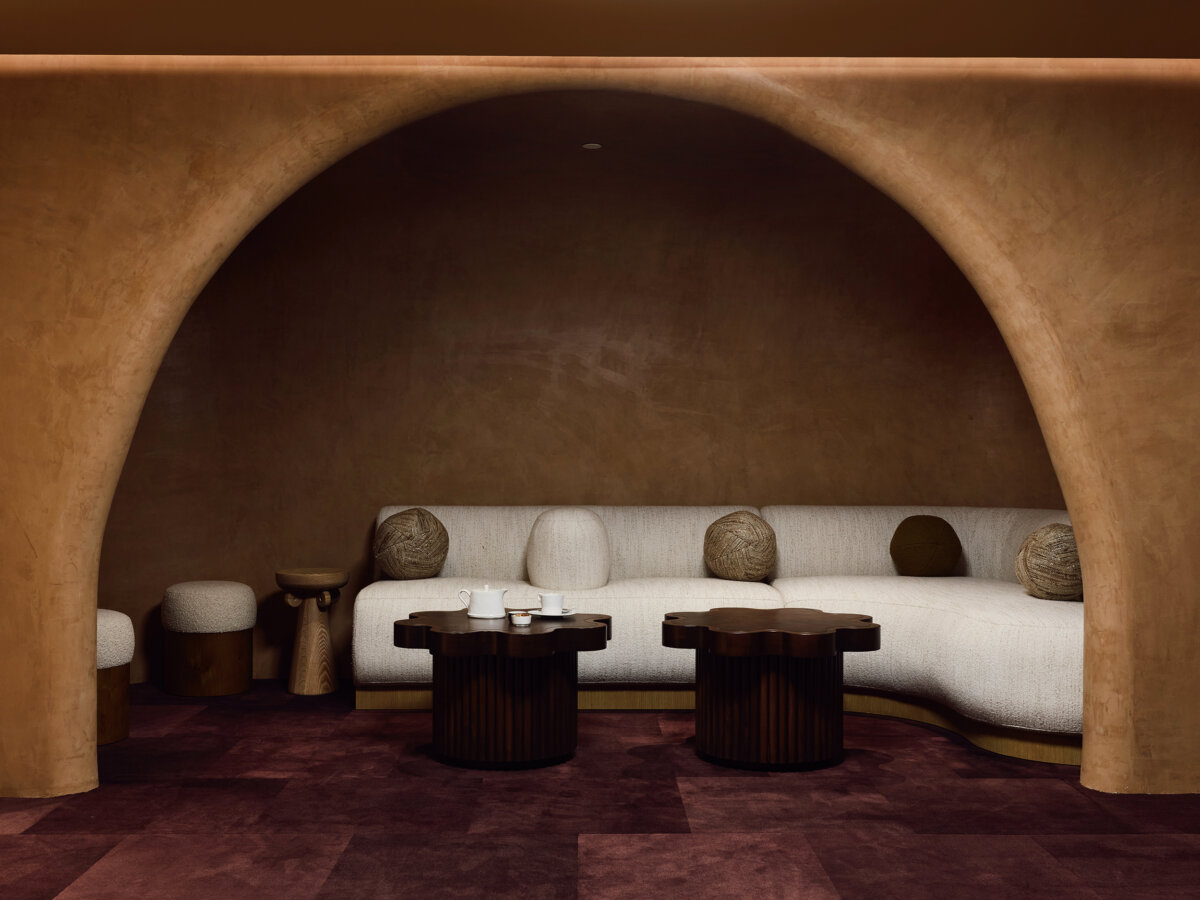
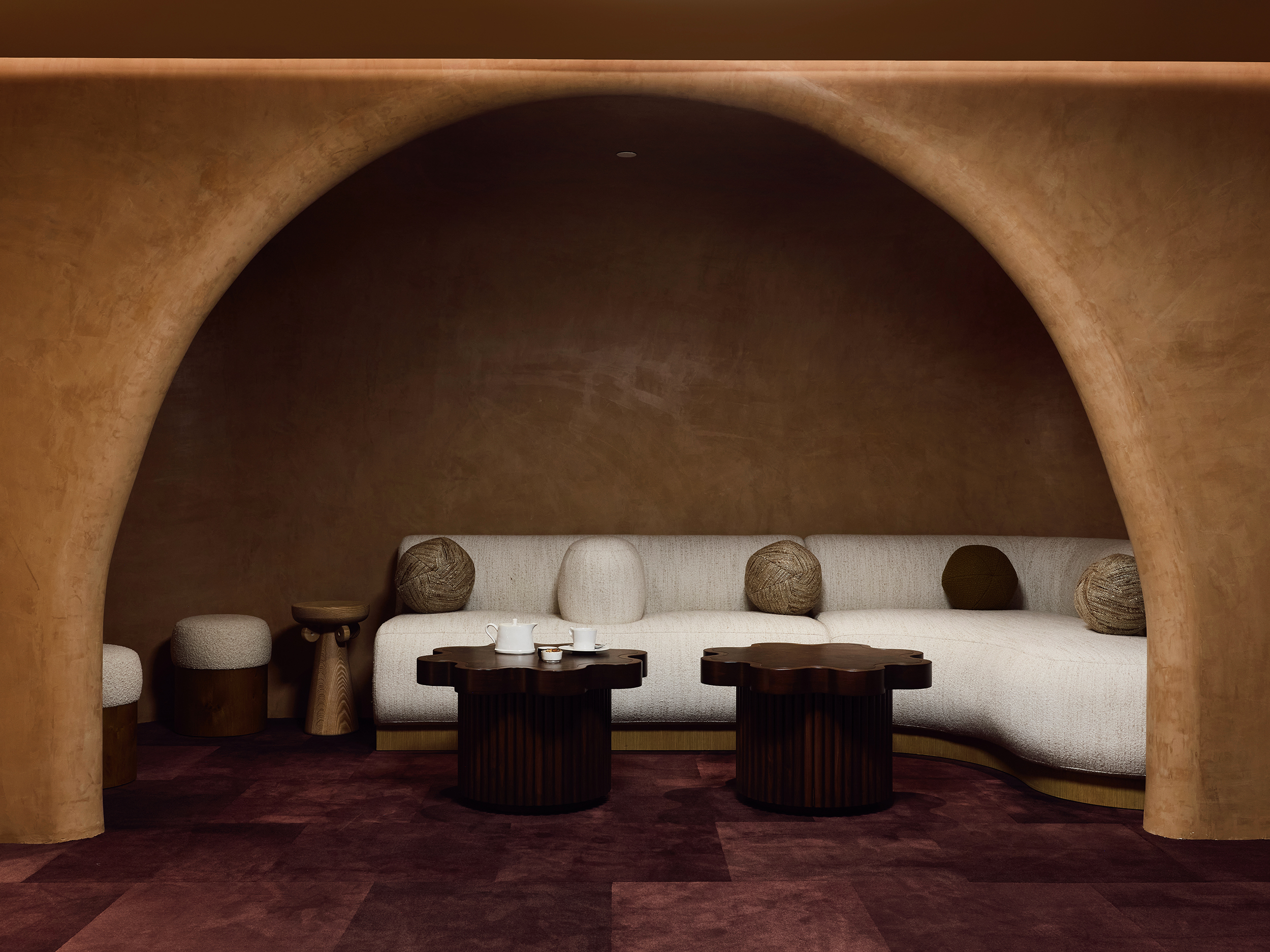
Spa at the Ritz-Carlton, Grand Cayman | Image courtesy of Champalimaud
Was there a moment when you realized you wanted to be a designer? If so, what was it?
I don’t remember a single moment when I decided I wanted to be a designer—it was something I grew up around. My family owns a construction company that specializes in historic plaster restoration, so I spent a lot of time on job sites with my dad. From an early age, I learned how to read plans, color-code drawings, and help work through bids.
At the same time, my mom’s love of Tudor architecture had a huge influence on me. When my parents built our family’s Tudor-style home, I was fully involved—from studying historic architecture in the UK to sourcing antiques and design pieces. I even designed my own bedroom. That combination of construction, architecture, and history naturally led me to this path.
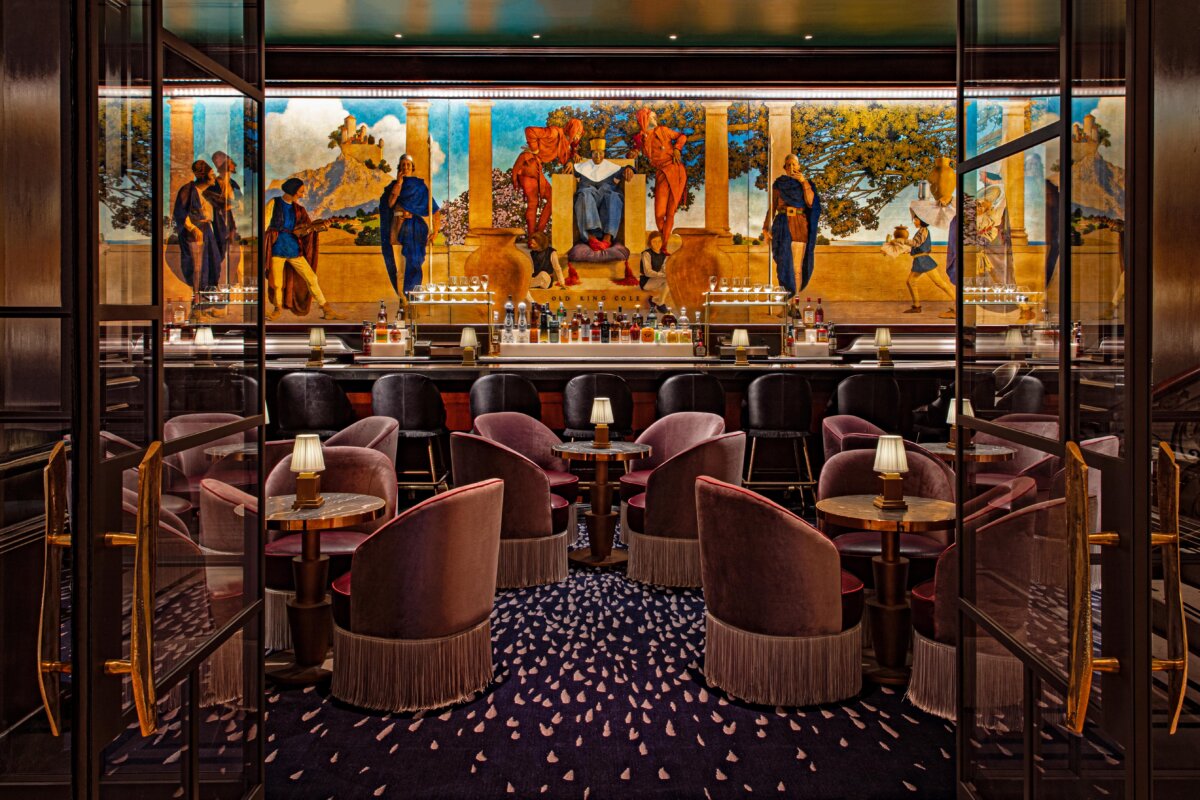
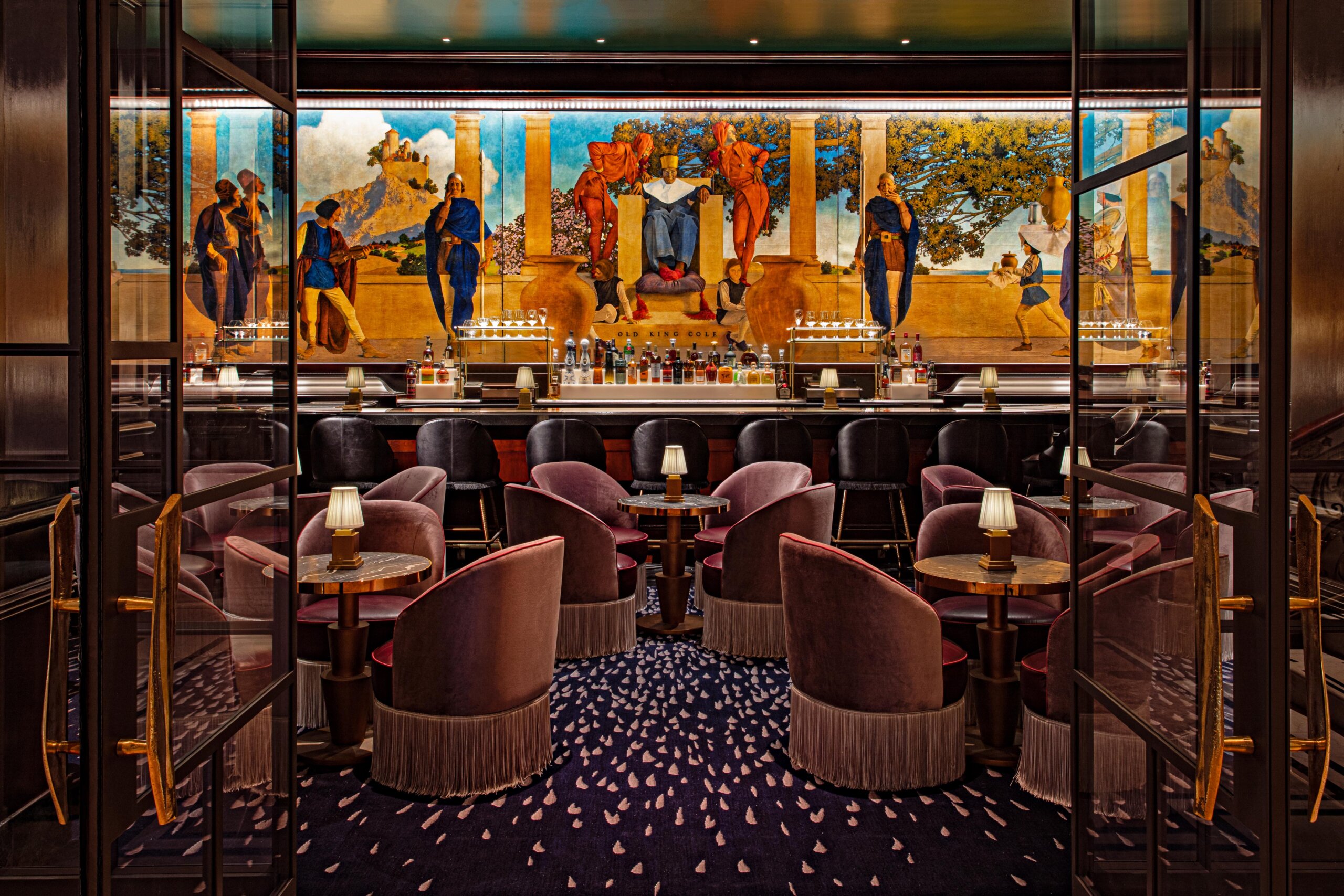
The St. Regis Hotel in New York by Champalimaud | Image courtesy of Champalimaud
What are your favorite materials with which to work? Why?
I’m drawn to natural materials that feel alive and a little unexpected—terrazzo floors, marble or onyx dining tables, and zinc countertops. They have movement and variation, and no two pieces are ever the same. That unpredictability adds depth and keeps spaces from feeling overly designed.
What piece of advice do you wish someone had given you at the start of your career?
I was advised early on to switch jobs frequently. I did the opposite and joined Champalimaud, where I’ve stayed for the past 14 years. That long-term commitment allowed me to see projects through from start to finish and gain a deeper understanding of how ideas become reality. I believe that kind of continuity builds perspective, accountability, and longevity in the industry.
What’s now?
One of the most exciting projects I’m currently working on is the St. Regis Bali. The project centers on collaboration with local craftspeople across Indonesia, using regional materials such as teak, coconut, capiz shell, and custom ceramics. We’re also creating one-of-a-kind limestone carvings inspired by the Coral Triangle beneath the island. The result is a design that feels contemporary yet deeply rooted in place and craft.
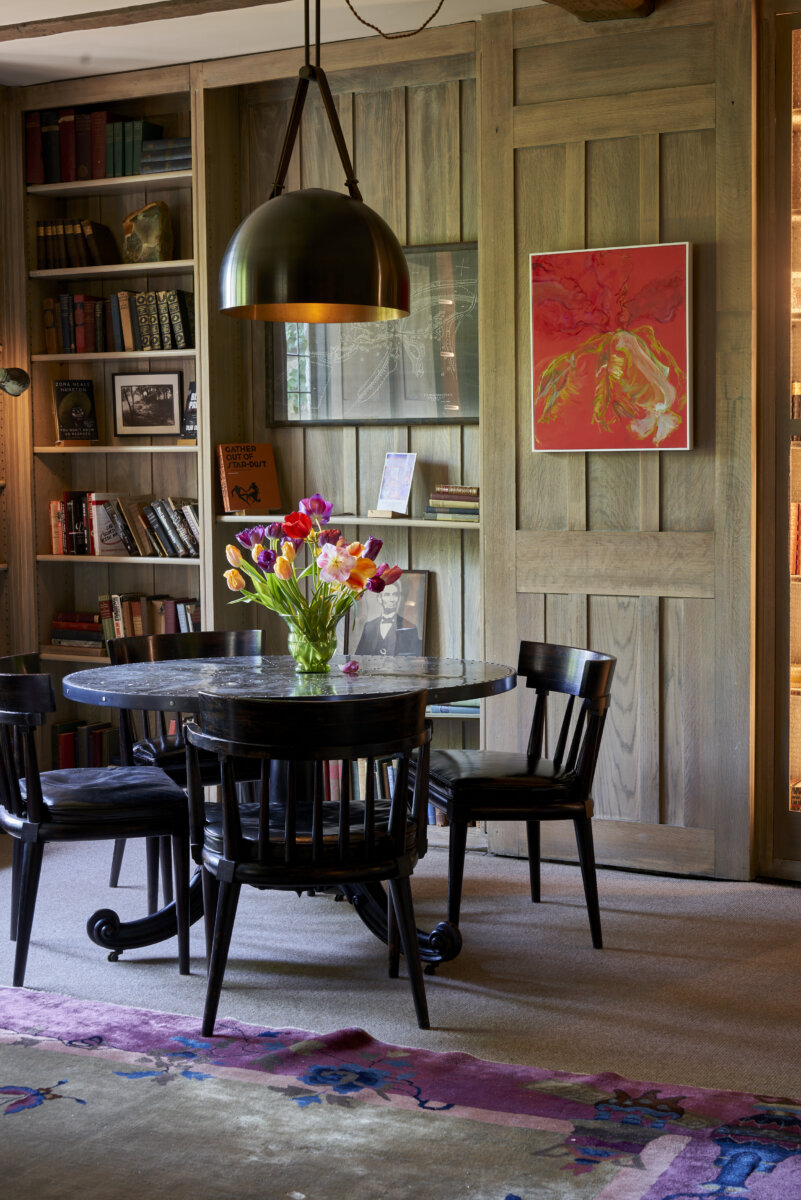
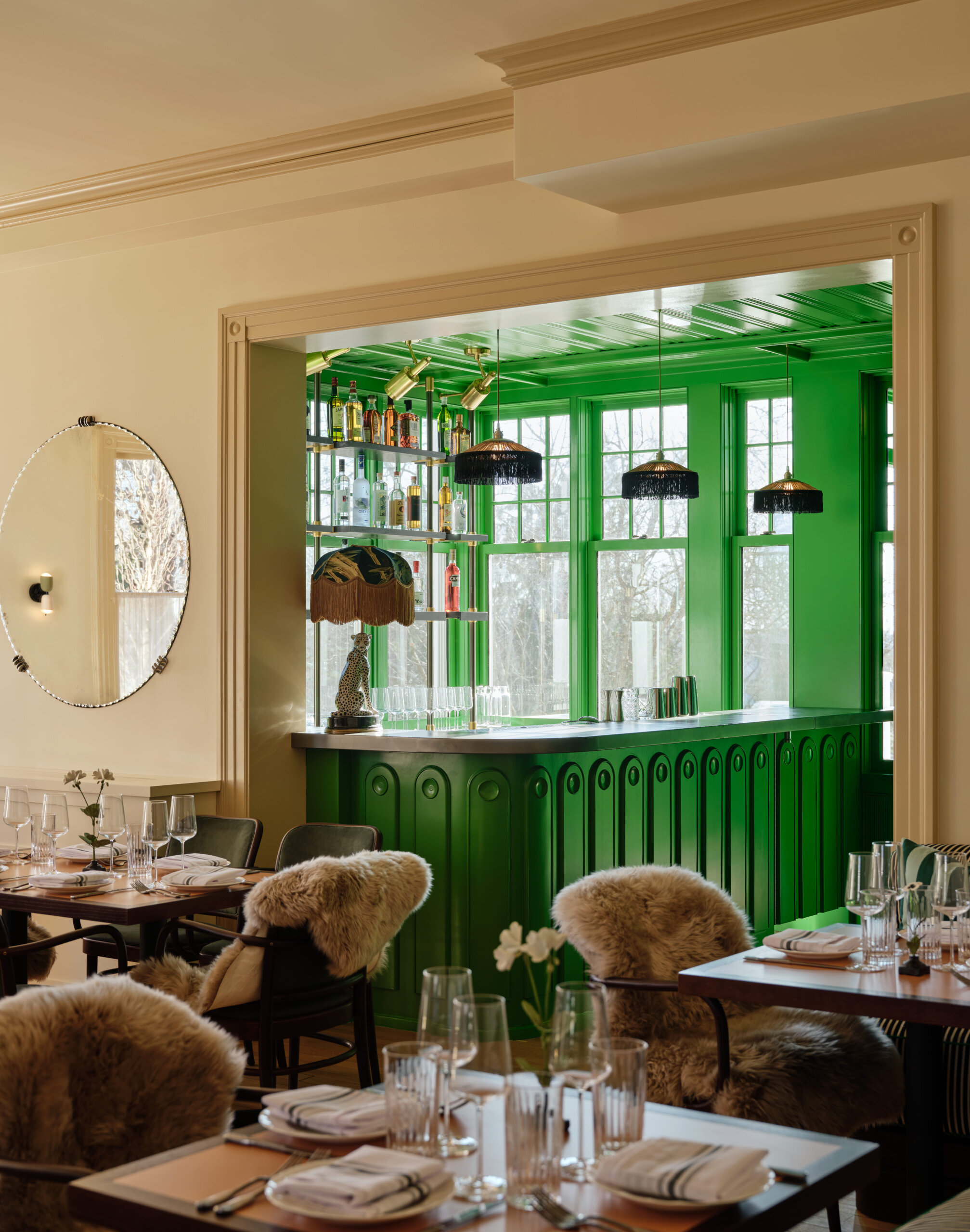
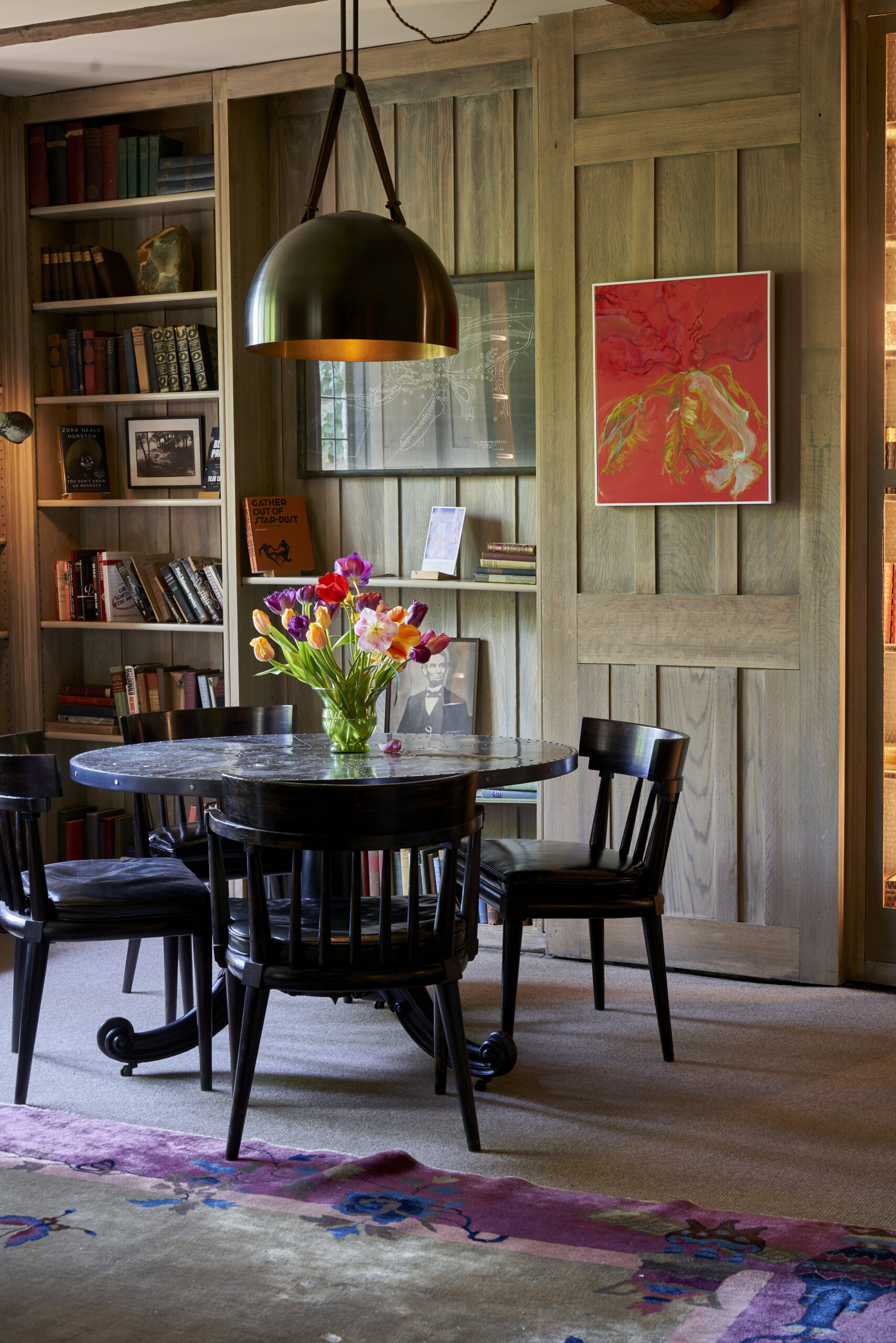
Troutbeck hotel in Amenia, NY by Champalimaud | Image courtesy of Champalimaud
Champalimauds website here >>>
More of ICFF:
Sasha Bikoff
Uli Wagner