The third edition of ICFF’s Emerging Designers Spotlight Online is here. We’re excited to feature the emerging talent discovered through ICFF’s global network, whose creative voices are shaping the future of contemporary design.
Presented in partnership with CLEVER, the series offers emerging designers a platform for sustained media exposure and industry visibility. In our third feature, we spotlight three rising design practices that explore comfort, historical translation, and cultural heritage through contemporary design. From tactile furniture that fosters human connection, to digitally fabricated objects inspired by Gothic architecture, to collectible pieces rooted in Anatolian craft traditions, their work reflects a new generation’s commitment to storytelling, material exploration, and meaningful design. Together, their perspectives offer a glimpse into where design is headed—setting the tone for a series that will continue throughout the year and culminate live on stage at ICFF in May 2026.
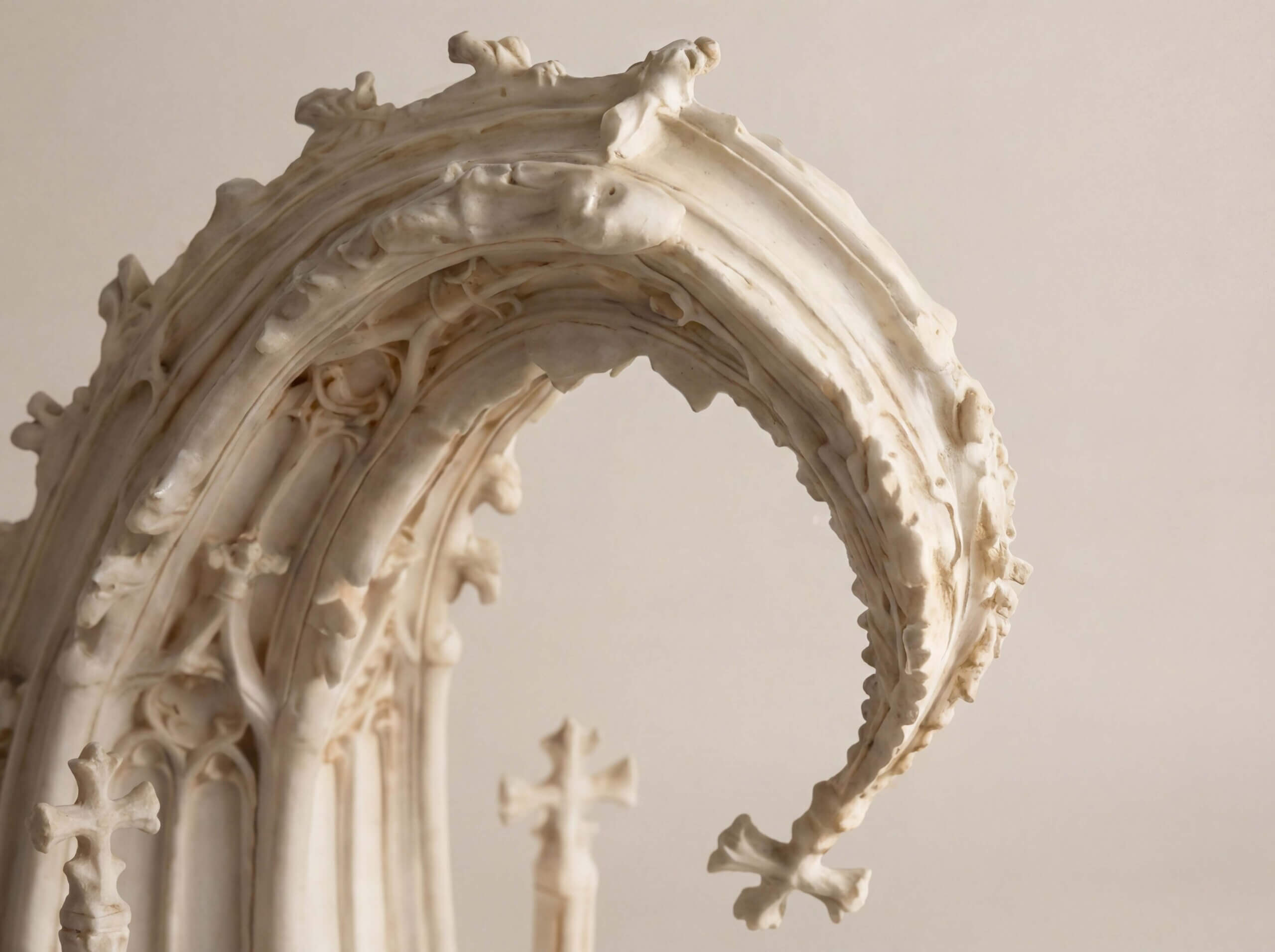
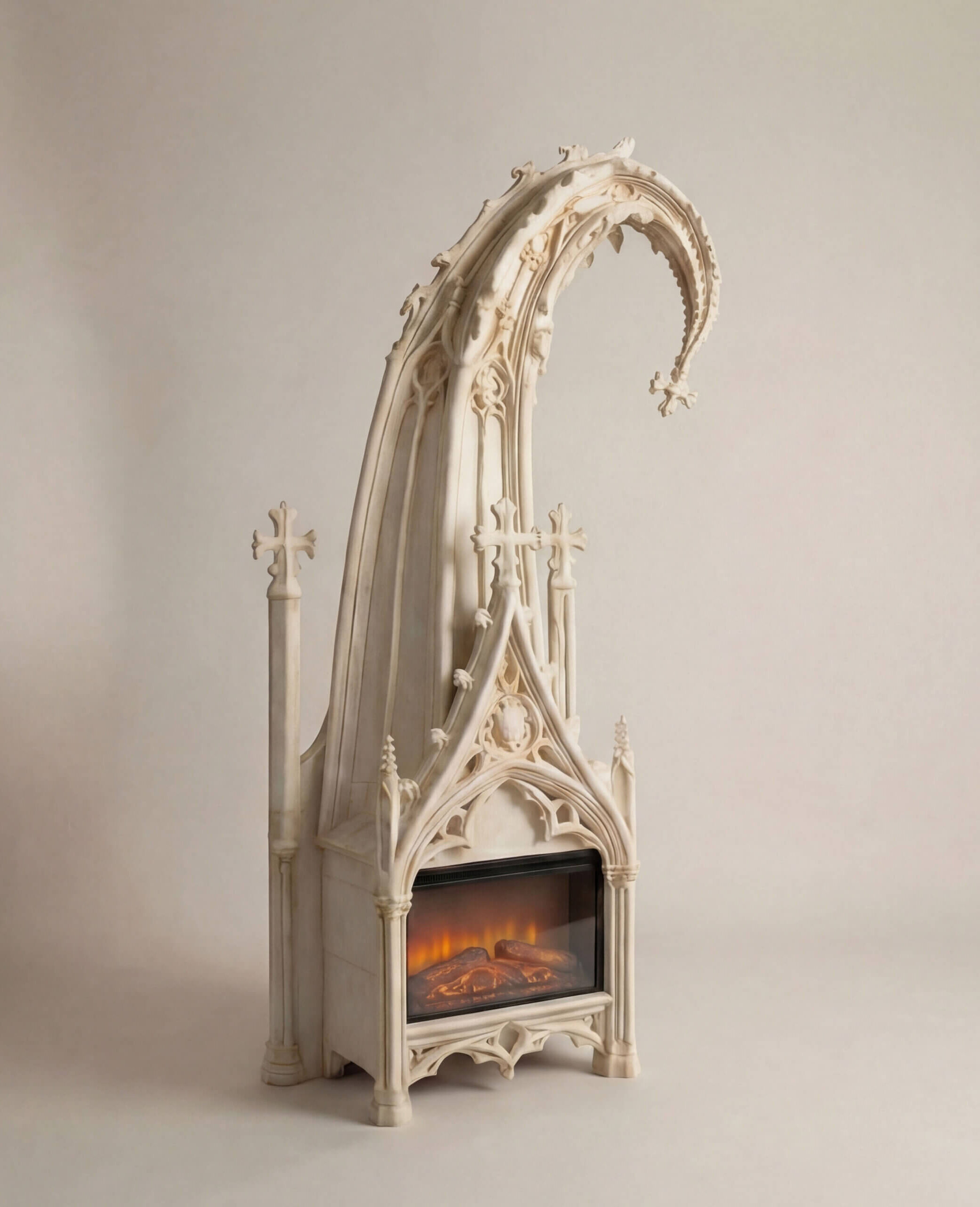
(Image above courtesy of Joey Aji Designs)
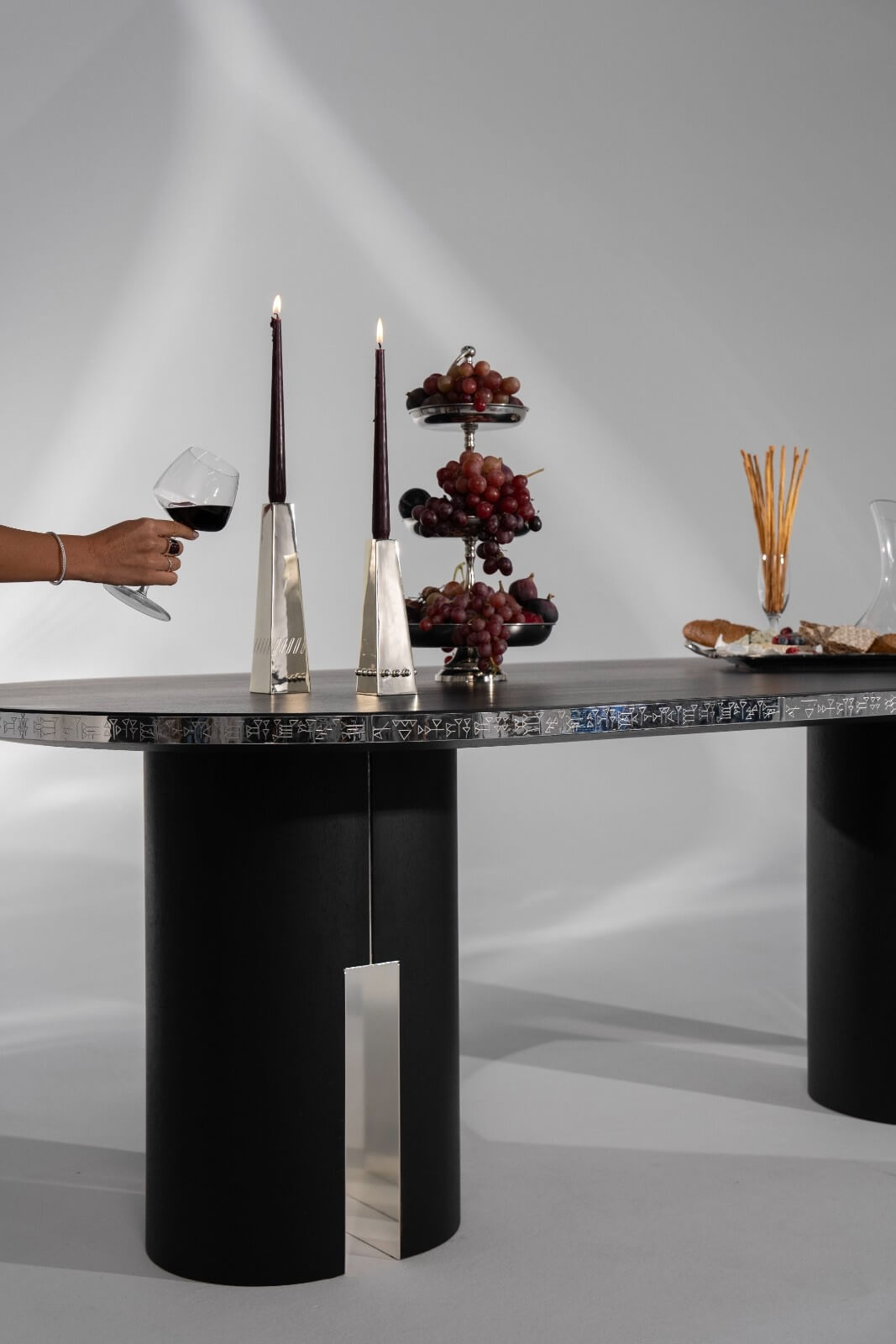
Designers Dilara Tokatlioğlu and Selen Türeli Batmaz preserve the spirit, values, and history of Anatolia in each of their products.
What inspires you as a young designer?
We are driven by the desire to preserve and reinterpret Anatolia’s disappearing crafts through a contemporary design language. Marāu was born from the belief that furniture can be both functional and collectible — pieces that carry memory, culture, and human touch. What inspires us most is the dialogue between past and present: ancient civilizations, local materials, and the mastery of artisans we collaborate with across Türkiye. Designing becomes a way of translating heritage into objects that belong to today’s homes while carrying stories from centuries ago.
What are you working on right now?
We are currently expanding our collectible furniture and objects collection while deepening our collaborations with artisans across Anatolia. Our focus is on developing new pieces that explore material storytelling — combining stone, metal, wood, and textile techniques rooted in local craftsmanship with a contemporary, international design language. At the same time, we are preparing new editions and presentations for upcoming international design fairs and exhibitions, as we continue building Marāu’s presence within the global collectible design scene.
What is a specific project you would like to share?
We would love to present our first collection, the Hittite Collection. This collection translates the symbolism, strength, and architectural presence of the Hittite civilization into contemporary collectible furniture. Each piece is created in close collaboration with master artisans across Türkiye, combining traditional techniques with a refined, modern design language. Our dream goal with this project is to bring Anatolia’s cultural heritage into the global collectible design scene and to create long-lasting collaborations that support local craftsmanship. We hope the Hittite Collection becomes a bridge between past and present—showing that heritage, material knowledge, and contemporary design can coexist in a meaningful and internationally relevant way.
What do you hope to contribute to the world?
Through our work, we hope to show that design can be a bridge between culture, craft, and contemporary life. Our goal is to contribute to a more conscious design world where heritage, material knowledge, and human craftsmanship are valued as much as aesthetics and function. By collaborating with artisans and transforming traditional techniques into collectible design, we aim to help keep these skills alive while creating meaningful objects that carry stories, identity, and longevity into future generations.
Discover more of Marau’s work: Instagram, Website.
Haoda ma practice focuses on creating comforting, tactile objects with soft forms and natural materials that encourage human interaction and emotional connection in everyday spaces.
What inspires you as young designers?
I am motivated to design objects that provide visual comfort. I want my creations to look as comforting as they feel, and feel as friendly as they look. In a high-stress society, I enjoy conveying comfort through soft curves, balanced forms, and exploration of the natural beauty of materials. By using materials that invite touch, I find joy in creating pieces that brighten people’s days.
What are you working on right now?
I’m working on a standing chair that blends ergonomics with the comforting curves of my personal design language. Unlike most standing chairs on the market, which prioritize a more practical aesthetic, I want to create something that looks as comforting as it feels.
What is a specific project you would like to share?
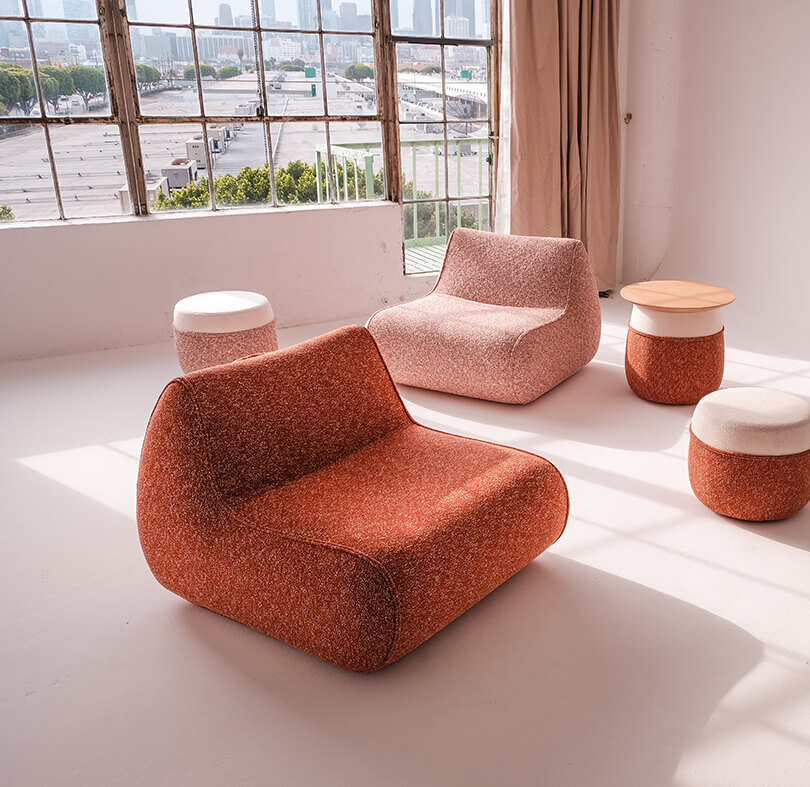
Comprising an armchair, a side table, a pouf, and a floor pillow, the Knitted collection is a toolkit designed to create a flexible living environment, transforming the space into a dynamic playground for interaction. Every element in the collection is easily maneuverable and versatile, making it easy to reconfigure for different occasions. The main character of the collection, the Dori Armchair, is inspired by the elegance and flow of Oshidori ducks. The Dori Armchair invites people to touch it, interact with it, and cuddle with it.
What do you hope to contribute to the world?
In an age where everyday life is saturated with electronics and screens, I aim to foster more human interactions through my designs. I hope my creations, with their inviting, comforting, and warm nature, can draw people closer and inspire more meaningful conversations.
Discover more of Haoda Ma Design’s work: Instagram, Website.
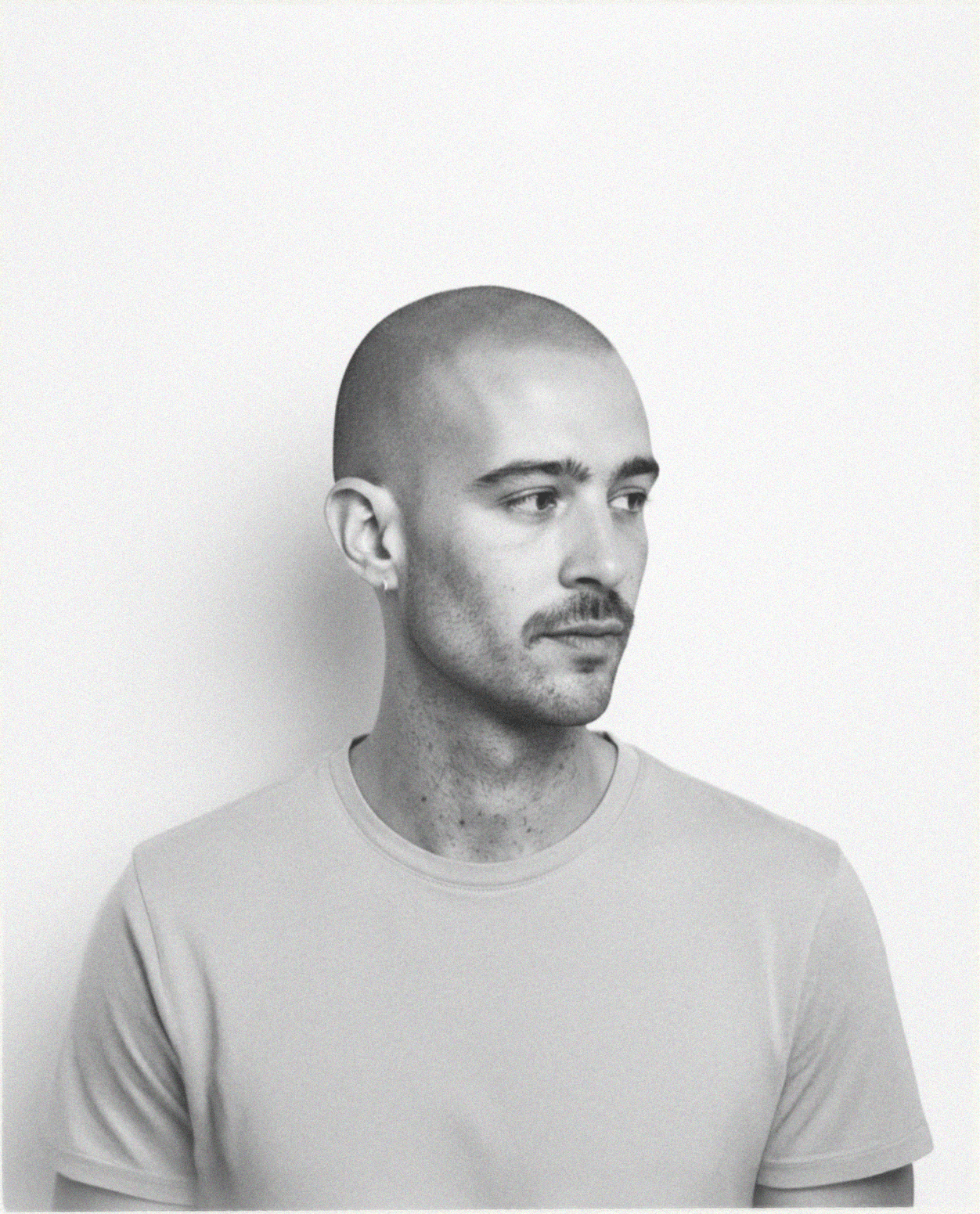
Joseph Aji explores the collision of history and time, creating functional objects that feel both ancient and futuristic.
What inspires you as a young designer?
I’m driven by what I call a “collision of eras.” I grew up obsessed with Gothic cathedrals, Baroque facades, Islamic geometric patterns, these architectural traditions that took generations to build by hand. Now I can translate those same forms through 3D printing and digital fabrication in a matter of days. That compression of time fascinates me. Historical distance collapses when a 13th-century pointed arch gets rebuilt through a 21st-century process. I want to make functional objects that carry that tension, pieces that feel ancient and futuristic at the same time, where you can’t quite place when they were made.
What are you working on right now?
I’m developing a collection of functional design objects that translate Gothic and classical architectural motifs through large-scale 3D printing, finished with cement and eco-resin to achieve stone-like surfaces. The centerpiece is a freestanding electric fireplace enclosed in a Gothic tracery surround, 3D printed as a single structure with pointed arches, finials, and crockets that curl upward organically.
What is a specific project you would like to share?
The project is a freestanding Gothic electric fireplace. The surround is entirely 3D printed, translating late Gothic Flamboyant tracery into a sweeping, asymmetrical form that houses a functional electric insert. The structure features pointed arches, cross finials, and foliate crockets, all generated digitally and printed at furniture scale, then finished to resemble carved stone. My dream for this project is to produce it as a limited edition collectible design piece, placed in the collections of architects and designers who understand both its historical references and its fabrication innovation. I want it to challenge the boundary between furniture and sculpture, and to demonstrate that digital fabrication can carry the same weight and presence as centuries-old craft traditions.
What do you hope to contribute to the world?
I want to prove that ornament and historical reference belong in contemporary design. Modernism taught us to strip things down, and that impulse still dominates furniture design. I think there’s a hunger for objects that carry narrative, memory, and visual density. By using digital tools to reinterpret architectural traditions, I hope to open up a lane where functional design can be as layered and referential as fine art, without sacrificing usability. I want people to live with objects that reward sustained attention.
Discover more of Joey Aji Designs’ work: Instagram, Website.