The places might be different but the situation’s the same. The design “scene” of a larger, more boisterous country overshadows the equally impactful yet quieter “scene” of their neighboring country. Denmark eclipses Sweden and France dwarfs Belgium, which is also overpowered by The Netherlands. It isn’t always a question of sheer geographic scale. Whereas Dutch designers have long benefited from subsidies dispensed by a single government that sees the discipline as part of national pride, their Belgian (Flemish, Walloon, and Bruxellois) counterpoints get far less support. These countries and economies are more or less the same size. There’s plenty of good, even groundbreaking, work coming out of Brussels and Antwerp. It just doesn’t get as much attention as what emerges from Amsterdam, Rotterdam and yes, Eindhoven.
When looking at the difference between American and Canadian design scenes, it’s clear that cultural mentality is a big factor. The former is near-deafening in its ability to, at times immodestly, promote itself. The latter—percolating in the background—has long adopted an unassuming attitude. With the U.S. political and cultural climate what it is currently—sporatic tariff policies, ennui, and a collective sense of alarm-fatigue—the Canadian design industry is starting to get its word in edgewise. Across the physically vast and culturally diverse nation, an increasingly unified front is sounding louder.
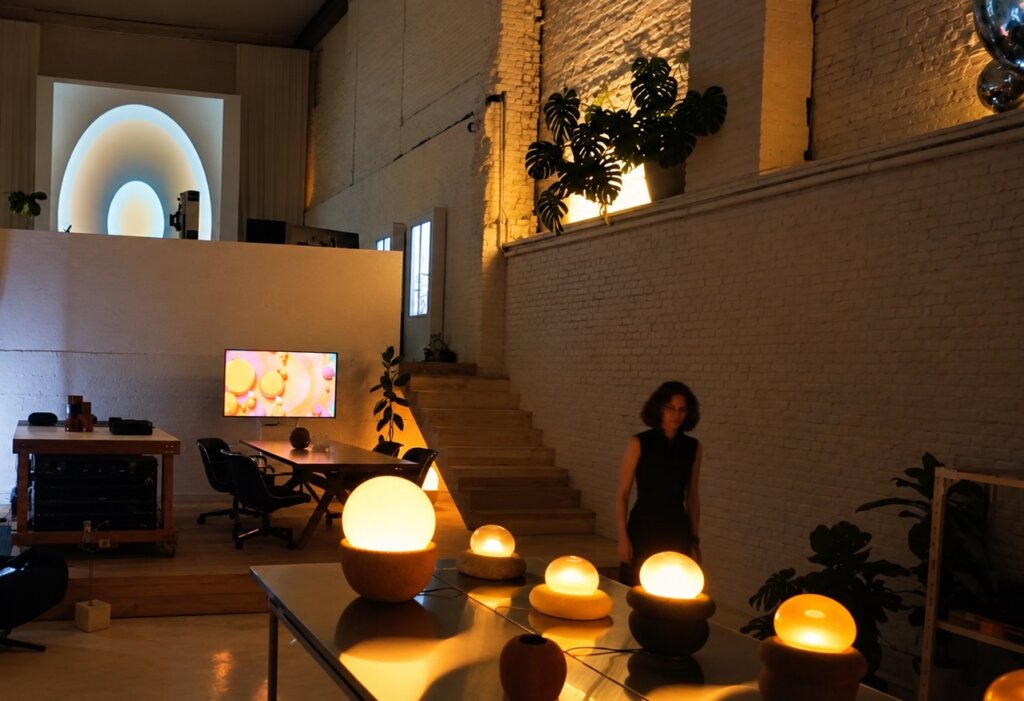
(Top image courtesy of Hollis + Morris)
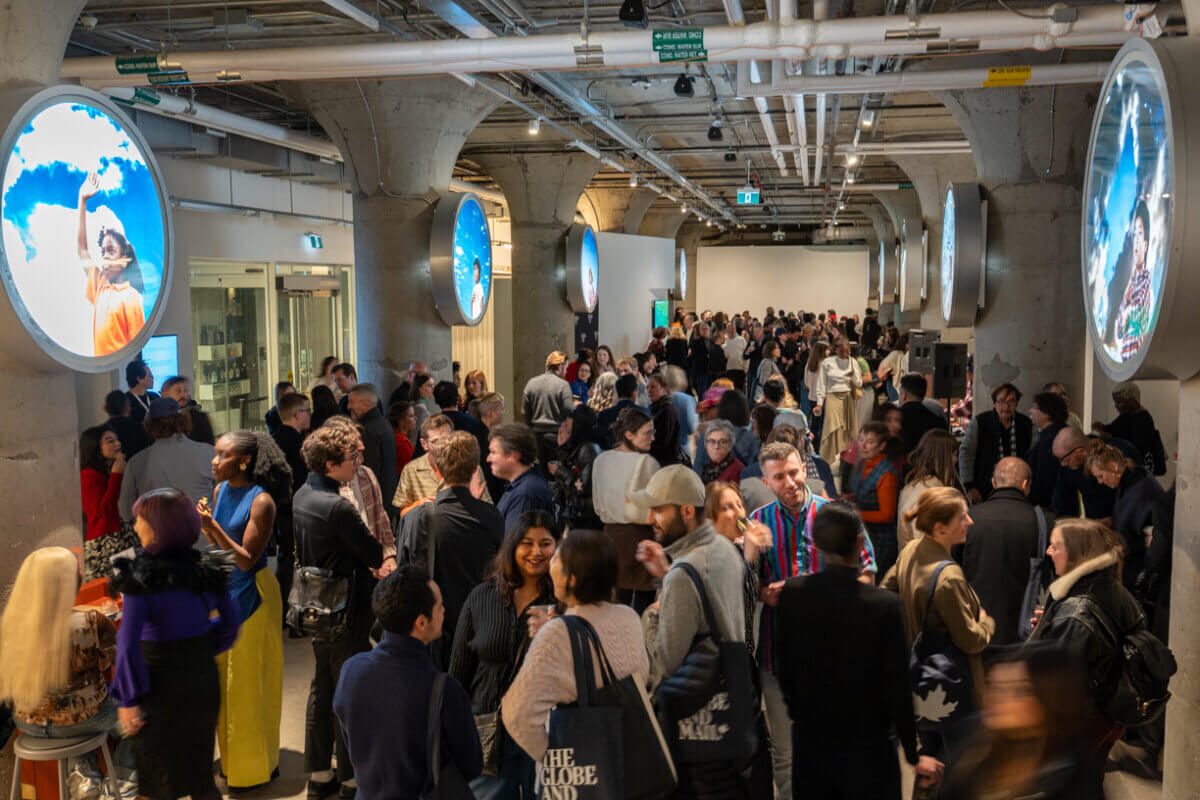
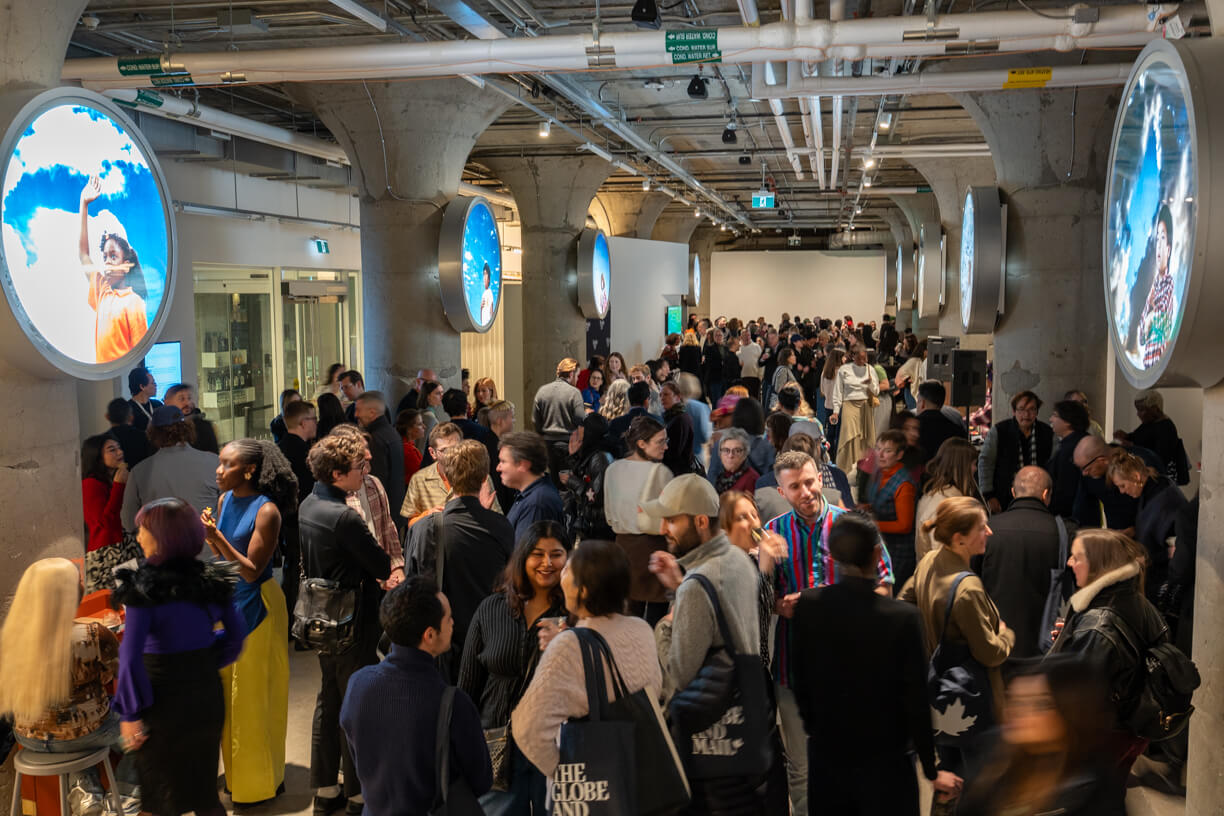
DesignTO Launch Party (Image courtesy of DesignTO, photographed by Stephen Chu)
Montreal is now a well-established, internationally recognized hotbed of experimental architecture. Design practices here—such as Studio Kiff, Éditions 8888, and lighting brand Lambert & Fils—have shown themselves to be as audacious as they are resourceful. The upcoming Semaine Design de Montréal (Montreal Design Week)—held from April 28 to May 7, 2026—will spotlight a vast array of these scrappy independent studios, other edgy businesses, and even a reimagined museum collection. It’ll counterpoint the more established IDS furniture fair platform, held in Toronto each January and to a smaller extent, Vancouver each September.
Like any event in this category worth its muster, a flurry of offsite happenings always seems to emerge—loosely aligned exhibitions, panels, workshops, dinners, parties, and other types of activations. These temporal ecosystems naturally form to present full, not always polished or cohesive, pictures of what’s happening beneath the surface, beyond obvious tourist attractions and easily perceptible daily life.
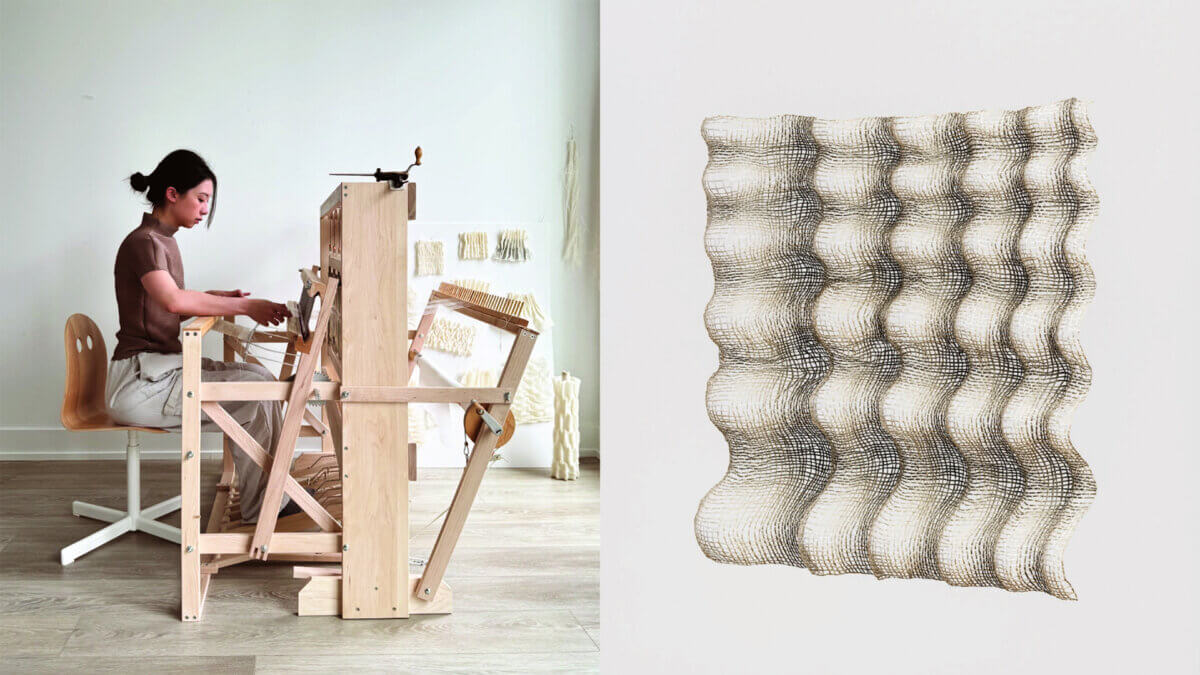
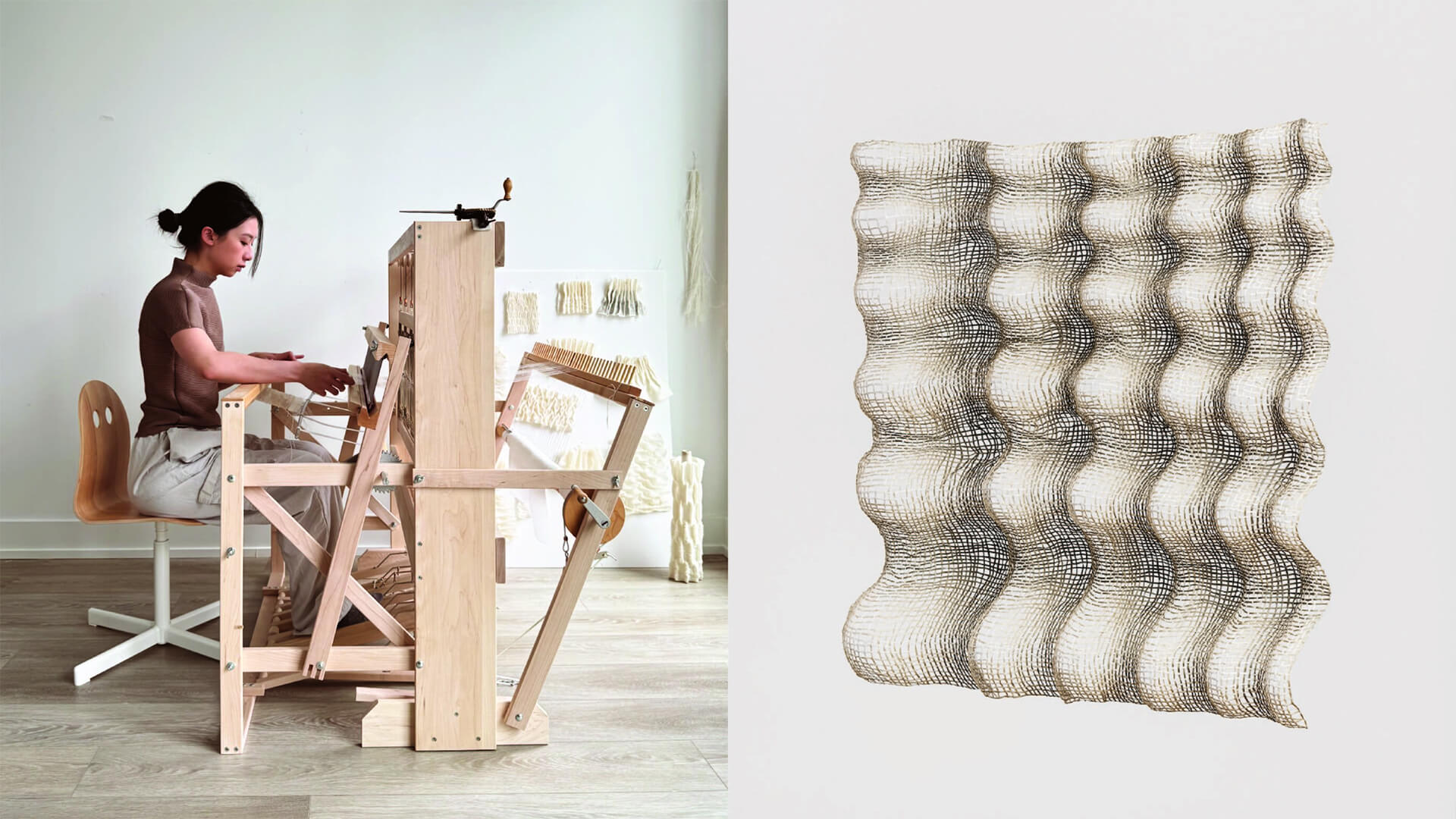
Exhibition Soft Grid by Shao Chi Lin, DesignTO 2026 (Image courtesy of Shao Chi Lin)
In Toronto, IDS is joined by the comprehensive DesignTO Festival. “It’s a reunion among old friends and a way to bring new friends together,” says Deborah Wang, the program’s artistic director and curator. “That sense of connection is incredibly valuable, especially now, as a way to celebrate what we share and to support each other through these uncertain times. Notably these bonds are the foundation of bolstering Canadian design, giving us confidence.”
“Unique and diverse identities are the hallmarks of Canadians and these naturally extend to our designs,” she adds. “People are finding ways to tell stories through design: of place, of materials, and of their own origins. There’s also the fading of previously defined disciplinary boundaries to embrace design as a functional, but also conceptual and complex, creative practice.”
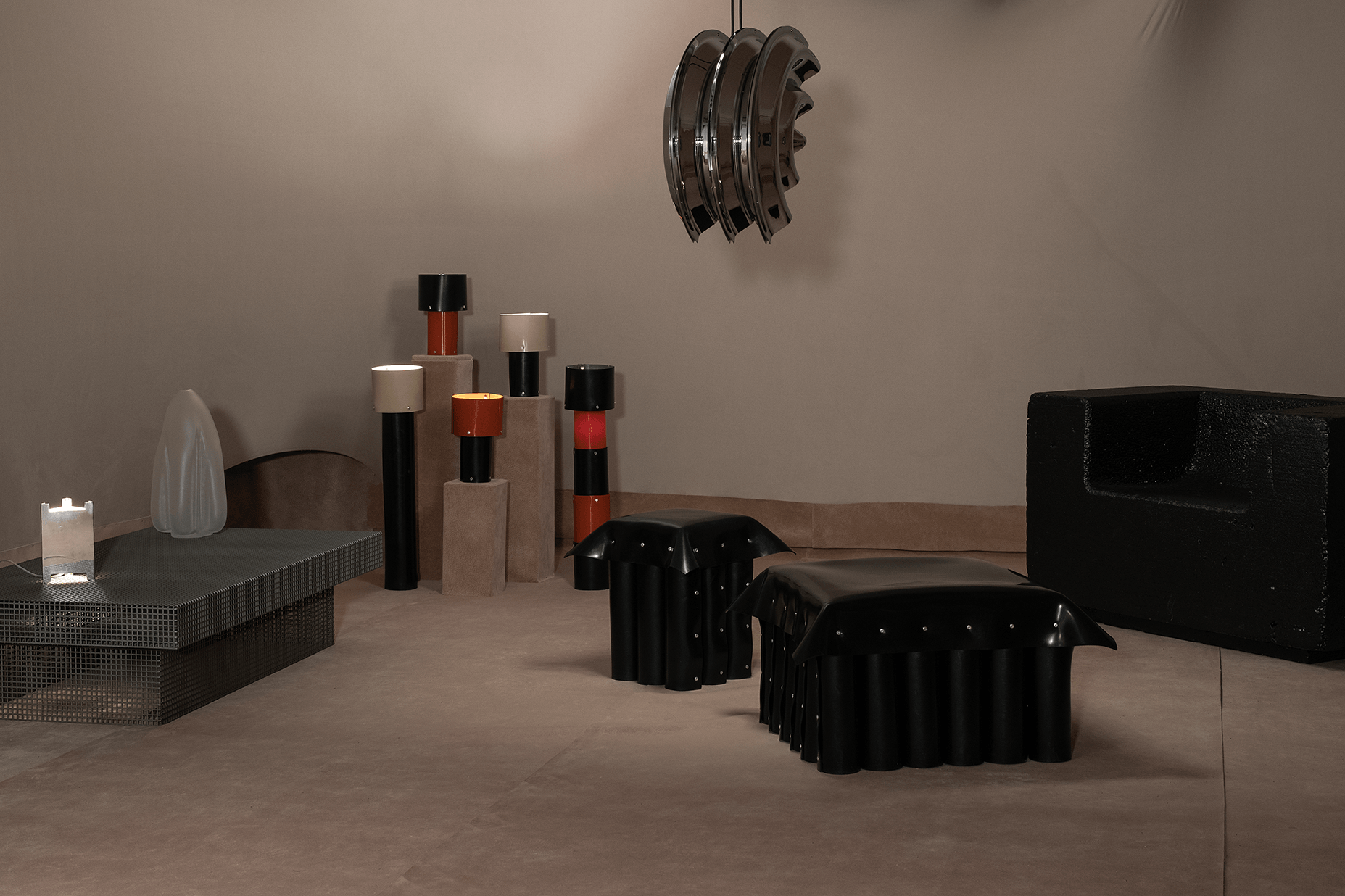
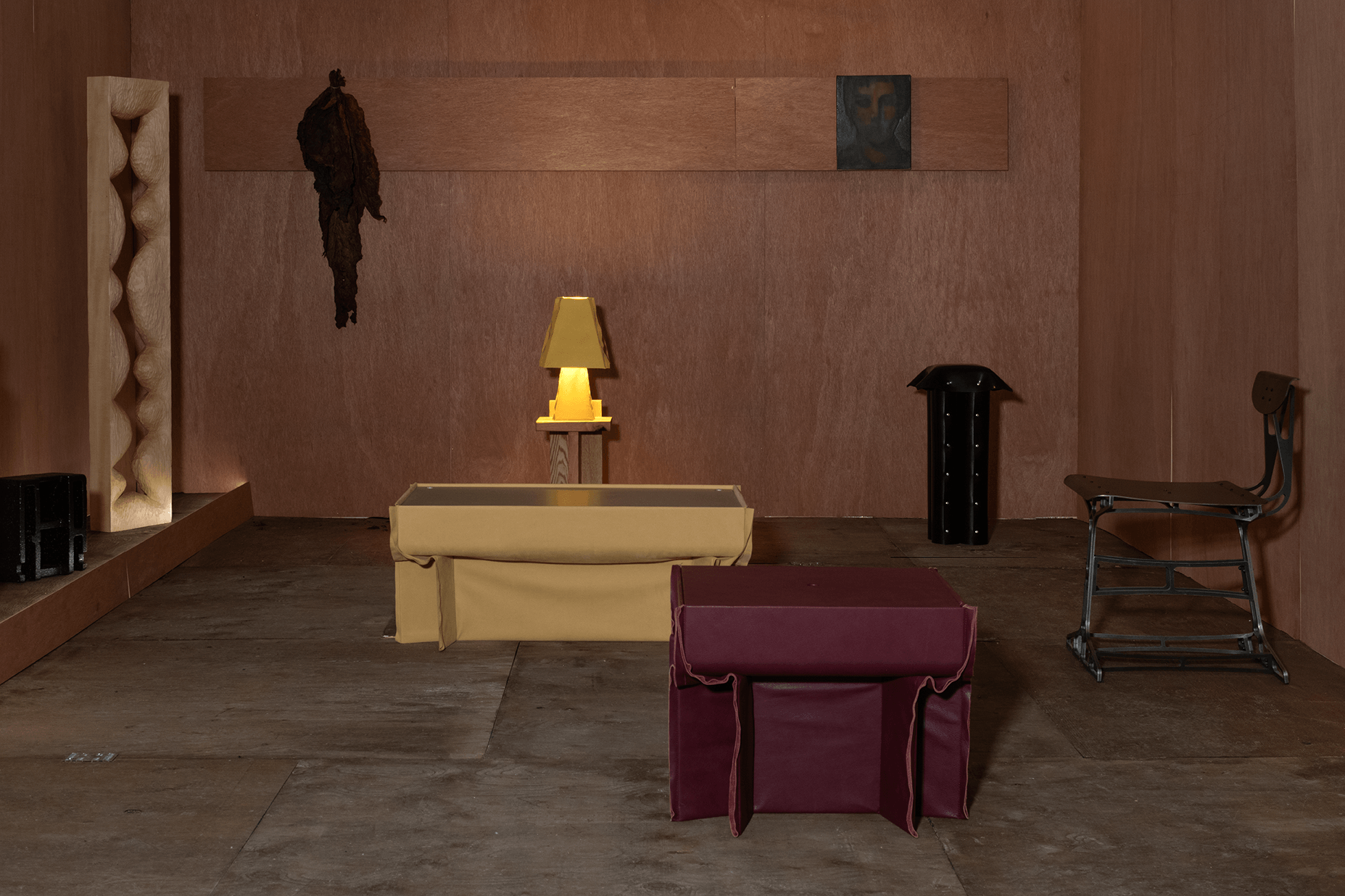
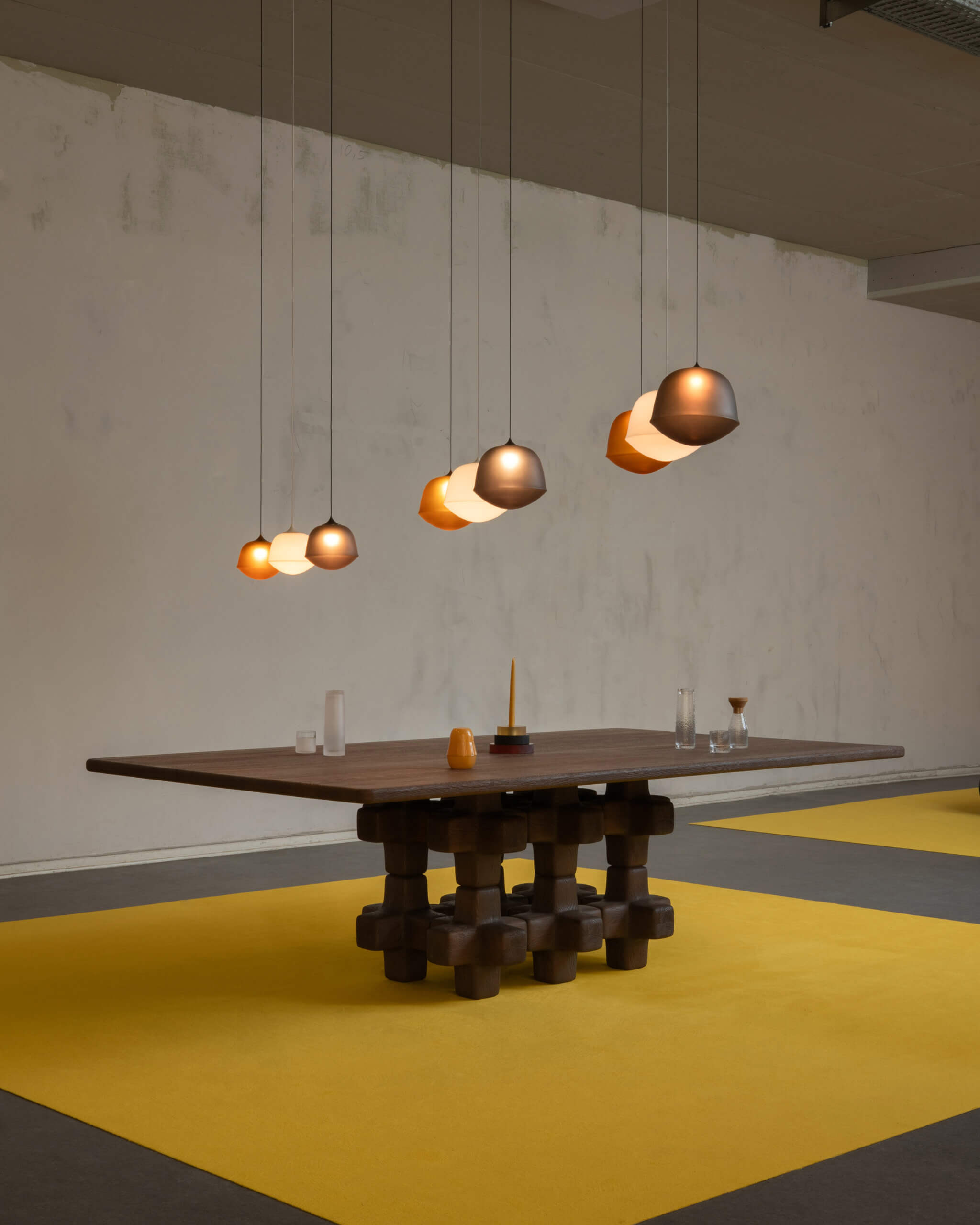
Signaling that the long fraught boundaries between English and French speaking Canada might be dissolving, at least in this industry, Montreal-based collective and self-proclaimed “design band” Ensemble made a strong showing at this year’s DesignTO Festival (January 23 to February 1). Through its group Pot-au-feu exhibition, the platform brought together an impressive range of works by emerging and established designers hailing from, or working in, Quebec.
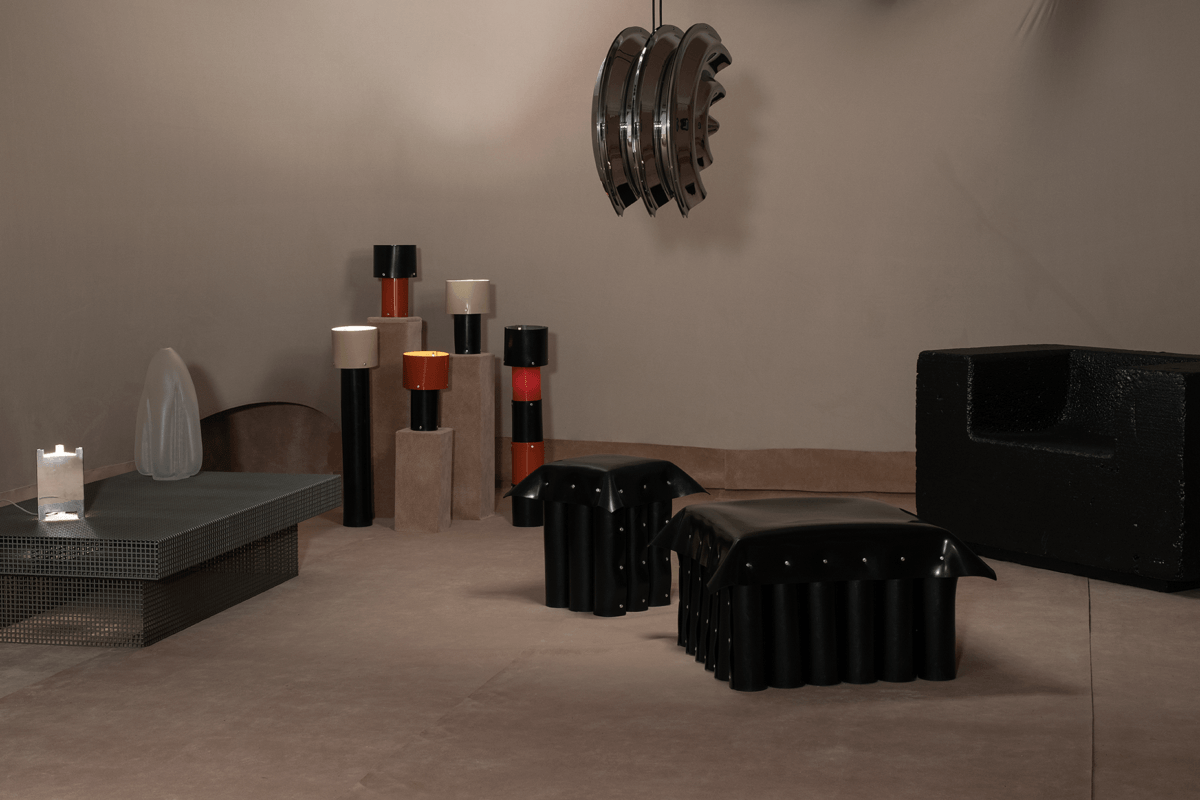
Image courtesy of Ensemble, photographed by Simon S. Belleau
“It seems that for a little over a decade now, the Montreal design scene has experienced a real surge of energy,” says Nicholas Sangaré, Ensemble cofounder. “The talent is undeniable, and the people shaping this scene are highly open to the world. Always enjoying a great deal of creative freedom and in turn, boldness, Montreal isn’t shaped by a single dominant movement. It’s characterized by a wide range of independent voices and approaches.” Like Wang, Sangaré believes that this is the defining characteristic of Canadian design as a whole.
“Our connection to the United States —especially New York—remains strong and we believe the main impact of the political context lies in the fact that our values are not always aligned with those of the government in power,” he adds. “Beyond that, tariffs make it harder for us to do business as freely as before. As a result, there has been a certain refocusing toward Toronto and Vancouver for us in Montreal.”
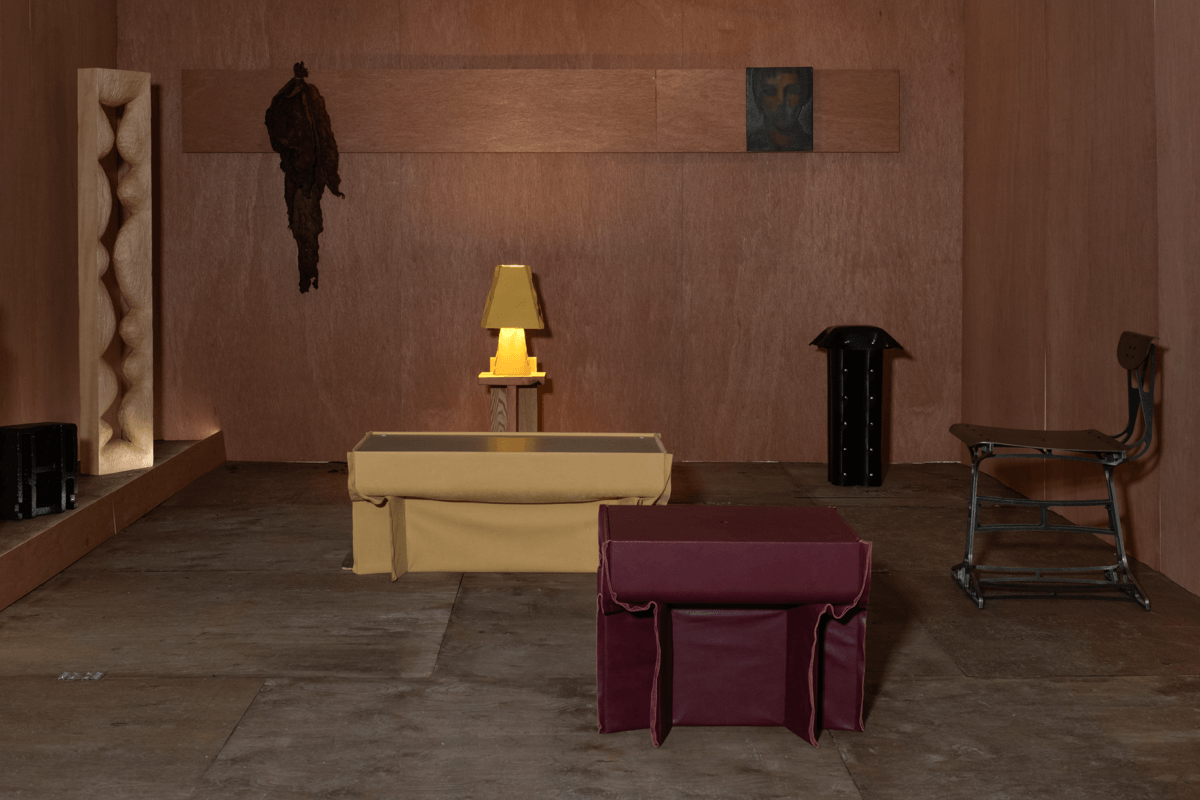
Image courtesy of Ensemble, photographed by Simon S. Belleau
Organized similar to Ensemble, a crop of recently established boutique producers have set up shop in Toronto. These platforms are providing independent designers from across Canada and beyond with vital resources and exposure; if not also that all too essential constraint of a clear, market conducive design brief. Hollis + Morris takes this a step further by producing all of its lighting and furniture in the area. It’s an intriguing proposition when considering the reality of tariffs outlined above but it wasn’t necessarily implemented as a response thereof.
“Our 15,000 square foot facility functions as a laboratory for new ideas, a manufacturing space for primarily wood and metal components, a clean assembly area for finished products, a showroom to exhibit our latest designs, and a studio where our sales and design teams work,” says Mischa Couvrette, brand creative director and celebrated lighting designer in his own right. “This layered integration of functions within a single facility is quite unique. Our team is composed of skilled craftspeople and professionals who live nearby. Our suppliers are multigenerational fabricators located within kilometers of our facility. Our materials are also sourced locally.”
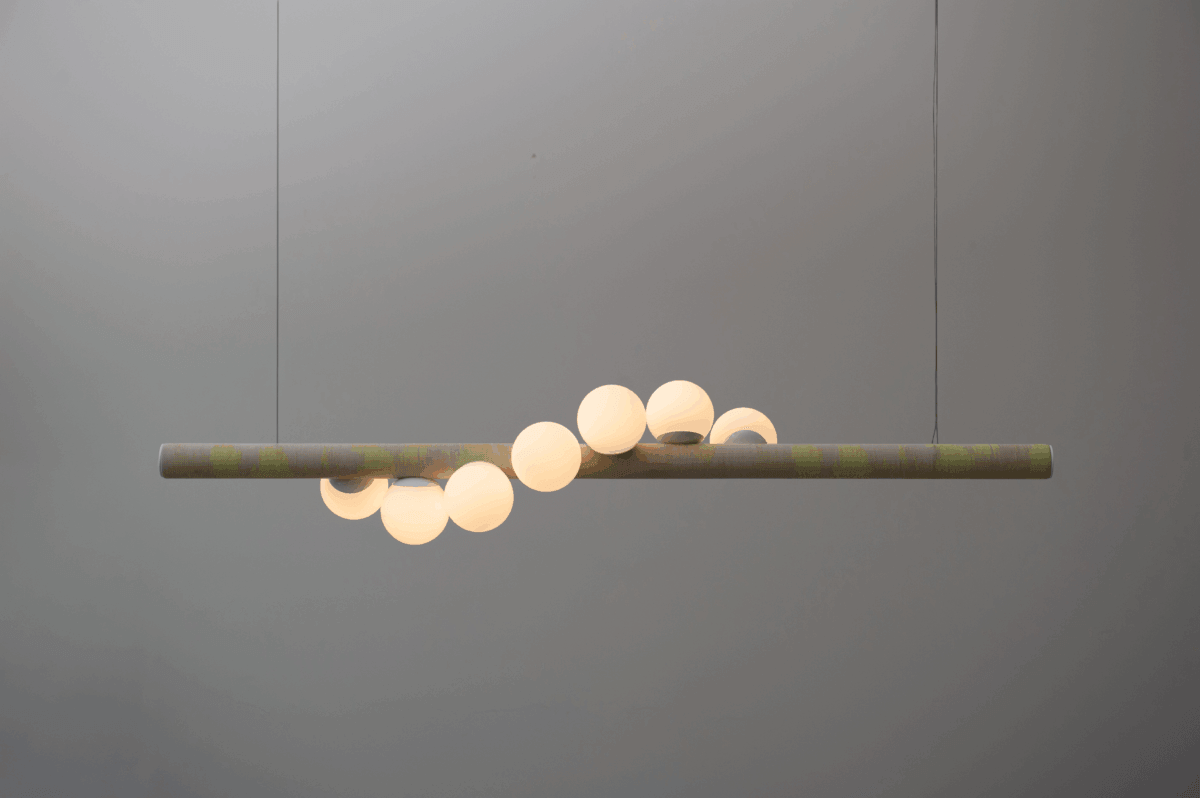
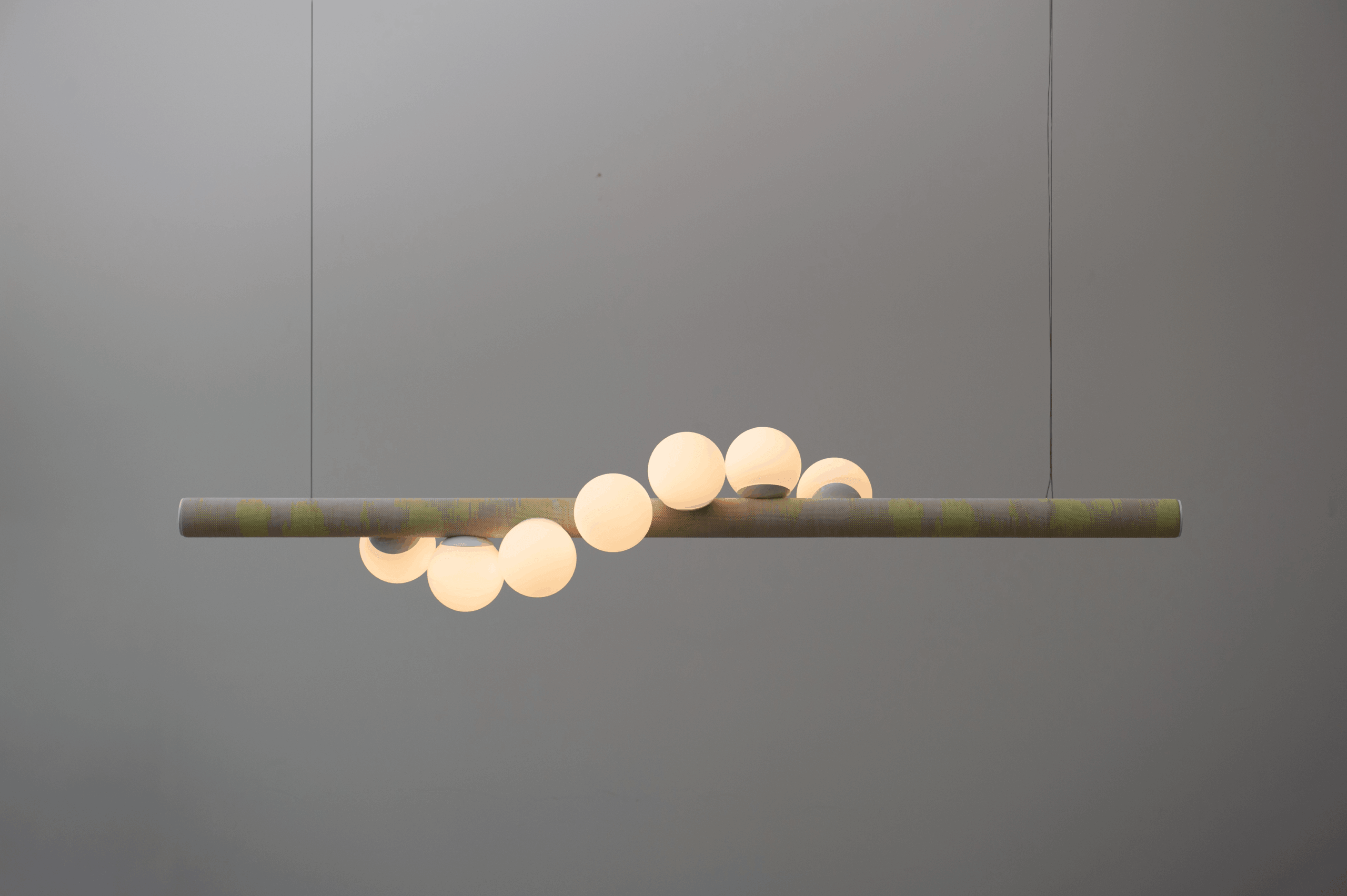
KNIT Series (Image courtesy of Hollis + Morris)
At this year’s IDS, Hollis + Morris mounted the CLOAKED: An Exploration of Colour and Material showcase, demonstrating how its proprietary painting process can be applied to the full range of its products without compromising idiosyncratic material integrity.
“The US design culture has had a huge influence on Canada,” Couvrette says. “Recent instability in the United States has sharpened an already maturing design scene in Canada. This evolution was underway, but necessity has brought it into clearer focus. Part of this shift involves looking outward to international design communities, historically European but increasingly more global. At the same time, it requires looking inward and defining who we are as a design culture.”
According to him, wood—the sweep of forests that extend to the far north—is an important resource that strongly influences Canadian design. “By staying connected to what surrounds us in Canada and by believing in the strength of our design community, we’ve become more compelling and confident on the global stage,” he adds.
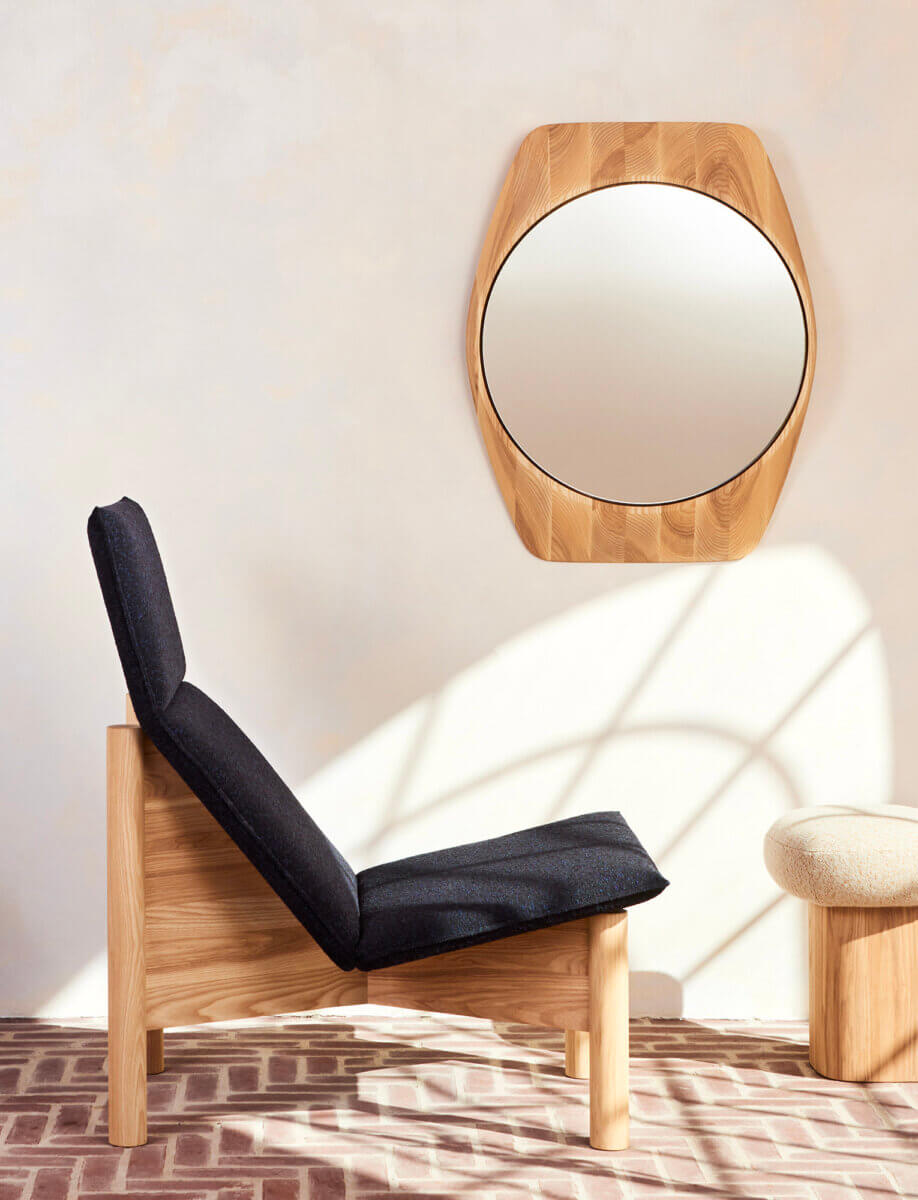
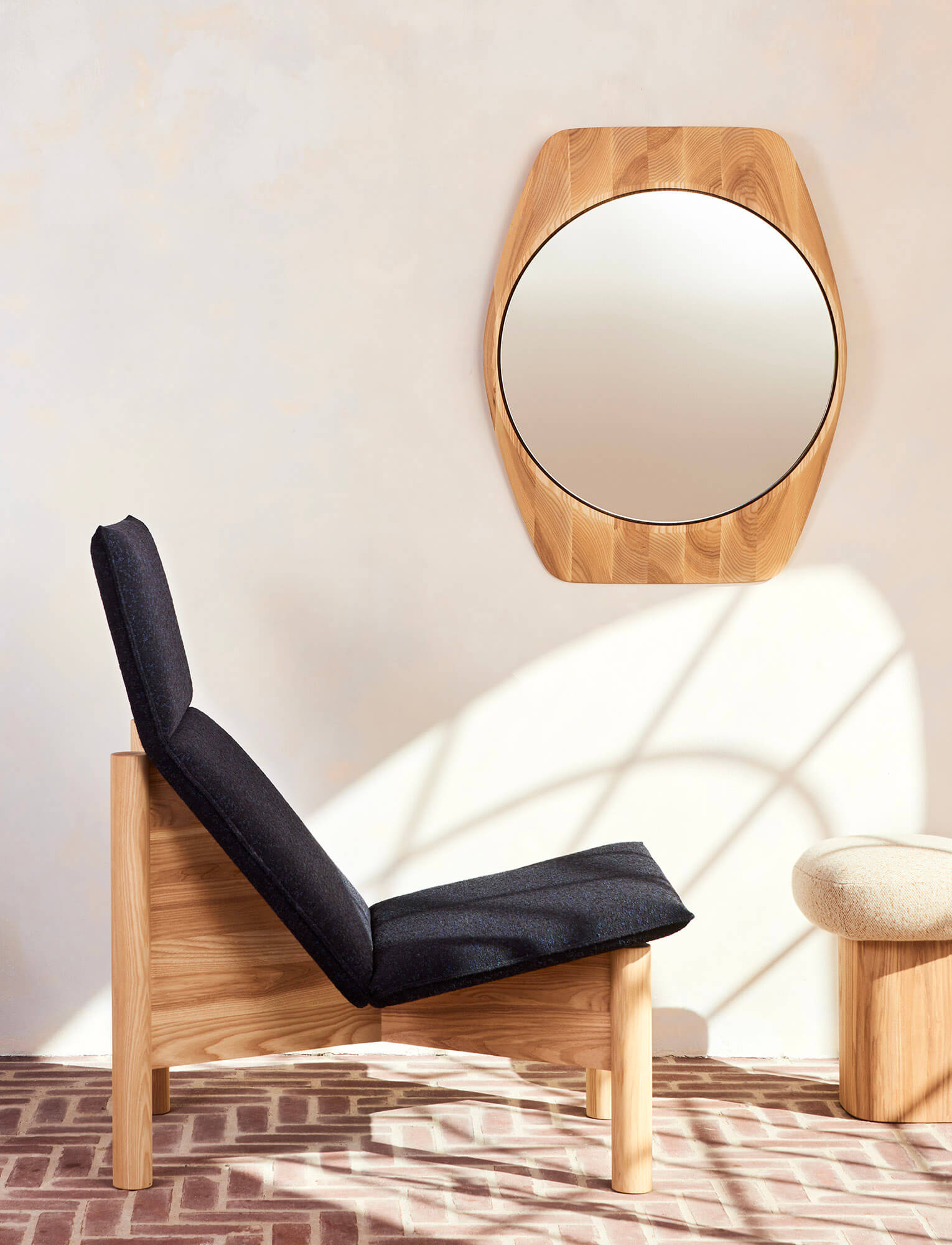
Alder Lounge Chair (Image courtesy of Ourse)
Operating with a similar “filling the missing middle” approach, Ourse is another small scale manufacturer based here, putting Canadian design on the international design map. “European designers are no strangers to multi-generational companies licensing designs from young talent,” says cofounder Jake OIiveira. “This keeps the perspective fresh, allows designers to see their work produced, and offers a revenue stream that is usually one crucial part of making a designer’s overall practice financially viable. (alongside custom commissions, self-production, etc). My partner Jason Henderson and I decided to try to realize an arm of the industry we felt was lacking in Canada.
At IDS this year, Ourse launched its inaugural collection—an 11 piece offering entirely produced in Canada using domestic materials. The offering was imagined by five studios from across three Canadian provinces: MSDS Studio and Oliveira’s independent practice from Ontario; Nicole Marion from Manitoba; smallmediumlarge and Thom Fougere from Quebec.
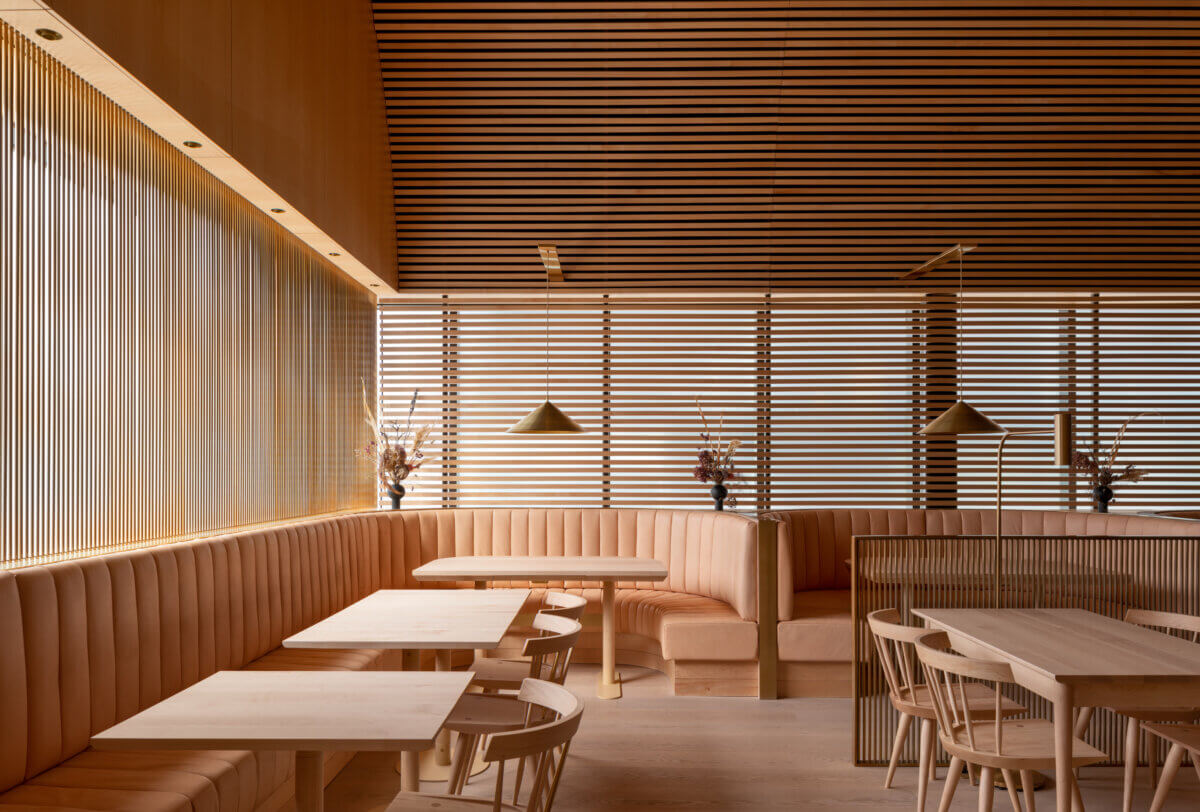
Image courtesy of Coolican and Company
“Due to geopolitical uncertainty, Canadian designers have reinvested in domestic efforts in a way we haven’t really seen in the past 10+ years. Budgets were historically reserved for international travel and shipping work across countries,” Oliveria adds. “Now, designers are elevating their star by holistically expressing their artistic perspective through their marketing, and their show presence. Rather than designing a product that feels familiar and meets specifications, banking on an international brand acquiring it, the presentations show playfulness and boldness in their use of color and form.”
Centering this approach within the vein of craft revival, Coolican & Company is a small batch producer that champions traditional Shaker, Japanese and Scandinavian techniques. “It was an exercise in economy,” says Stephen Dalrymple, brand creative director. “By producing these pieces in small batches we were able to keep prices down, and we soon gained a following by offering limited, numbered runs.”
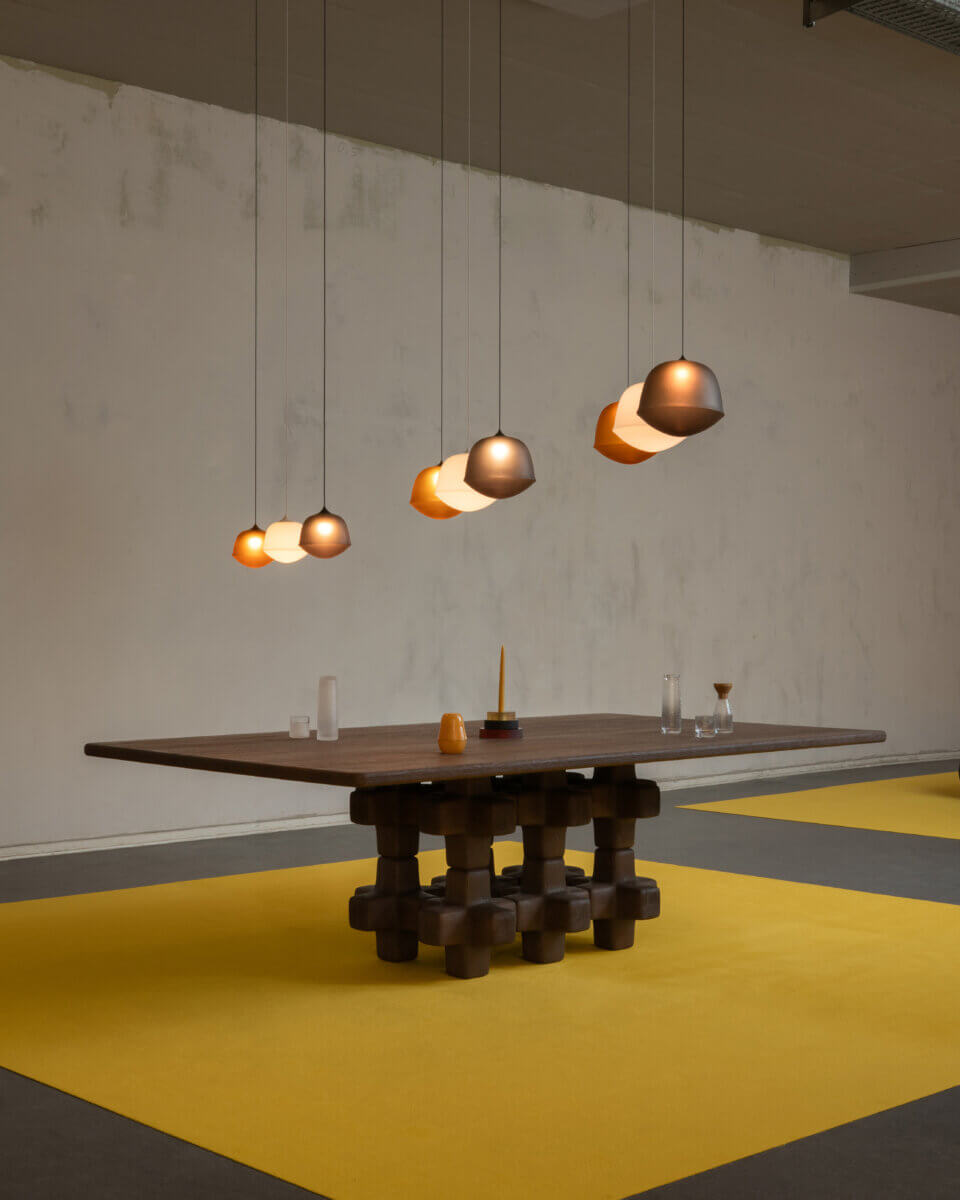
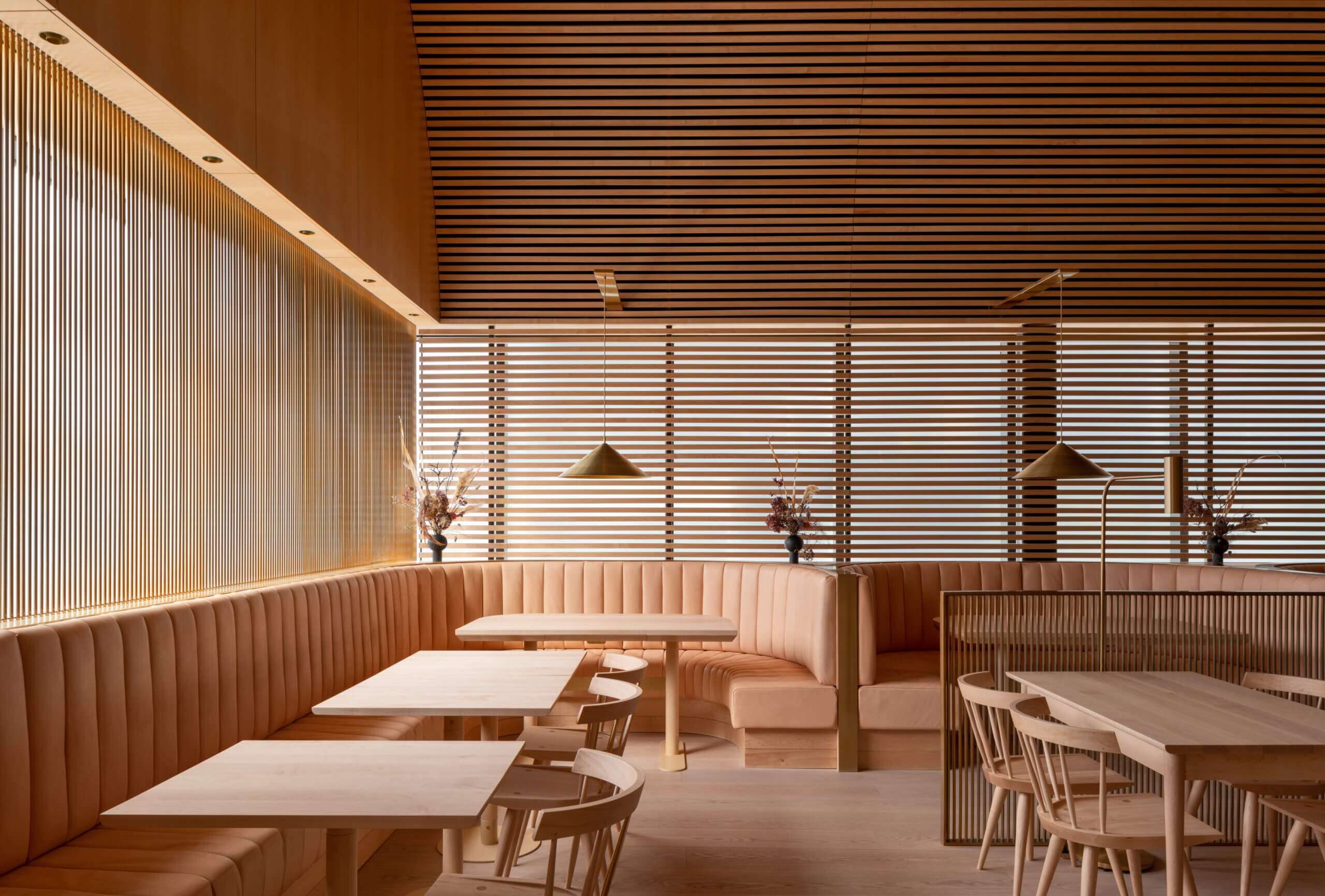
Image courtesy of A-N-D
In recent years, Coolican & Company have collaborated with a handful of big Canadian brands. The practice designed a chair introduced at several Canada Goose stores; developed a suite of custom furniture for the Prime Seafood Palace restaurant in downtown Toronto; and produced custom merchandising furniture for department store Holt Renfrew. Debuted at IDS, The Asquith Collection—a series of bold, sculptural tables—was developed out of the latter.
“I agree that the current moment could be described as unstable—and that certainly affects our ability to do commerce with American customers—but the bigger issue in my opinion is the deterioration of our relationship with the US outright,” Dalrymple concludes. “It’s very new, and it’ll take some time to adjust. I can’t say if the Canadian design scene is becoming bolder and more expressive, or if there’s even a causal relationship between Canada-US relations and our country’s design culture. I see Canadian design as being more closely aligned with Scandinavian traditions, which somehow makes sense: we’re Northern countries with similar climates, landscapes and social values. I think the Canadian design community has become bolder and more expressive in stating our desire to be Canadian – to distinguish ourselves in whatever way we can from our neighbors to the south.”
Make sure to check out all 21 Canadian brands that will be at ICFF 2026:
A-N-D,
Andrew Longo Workshop, Brett Paulin Design,
Claudine Gevry Studio,
Daniel Roe,
FICARI,
hollis + morris,
Juba Concepts,
Le Tenon et la Mortaise,
molo,
Moncer,
Nolan T.K. Studio,
Northern Wide Plank Flooring,
object object object,
Acht Studio,
Siecle en Siecle,
Simon Johns,
Studio 53° 116°,
Studio Drum,
Studio Officiel, and
William Dyack.