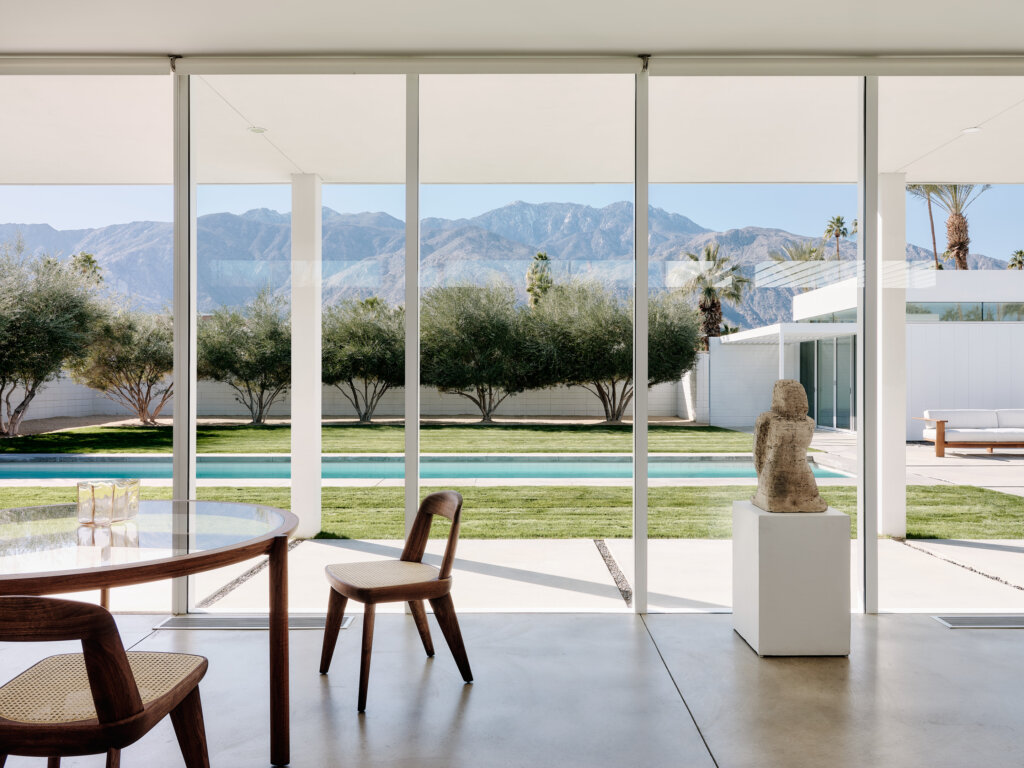
Jenny Peysin Architecture crafts refined homes across New York City and beyond that are rooted in a rigorous commitment to craft, material integrity, and holistic well-being. For Founder and Principal Jenny Peysin, AIA, CPHD, sustainability is neither an added layer nor an aesthetic statement—it is the foundational ethos of good design.
At the core of JPA’s practice is a deeply collaborative process grounded in transparent communication and enduring client trust. Jenny approaches urban living through the lens of quiet resilience, seamlessly integrating high-performance building science and natural materials into the city’s rich architectural fabric. From landmarked townhouse restorations to context-driven ground-up homes, the studio balances restrained luxury with low-carbon assemblies, delivering timeless spaces that elevate the daily rituals of living.
(Image above courtesy of Jenny Peysin Architecture | Jenny Peysin Portrait)
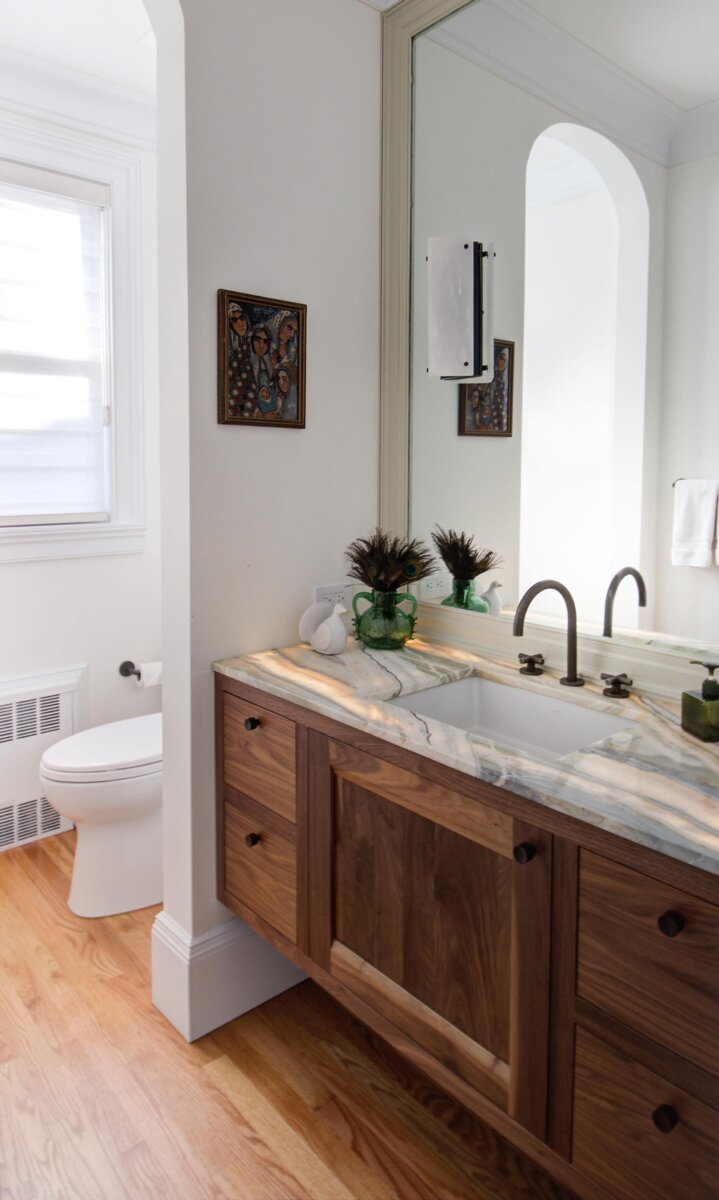
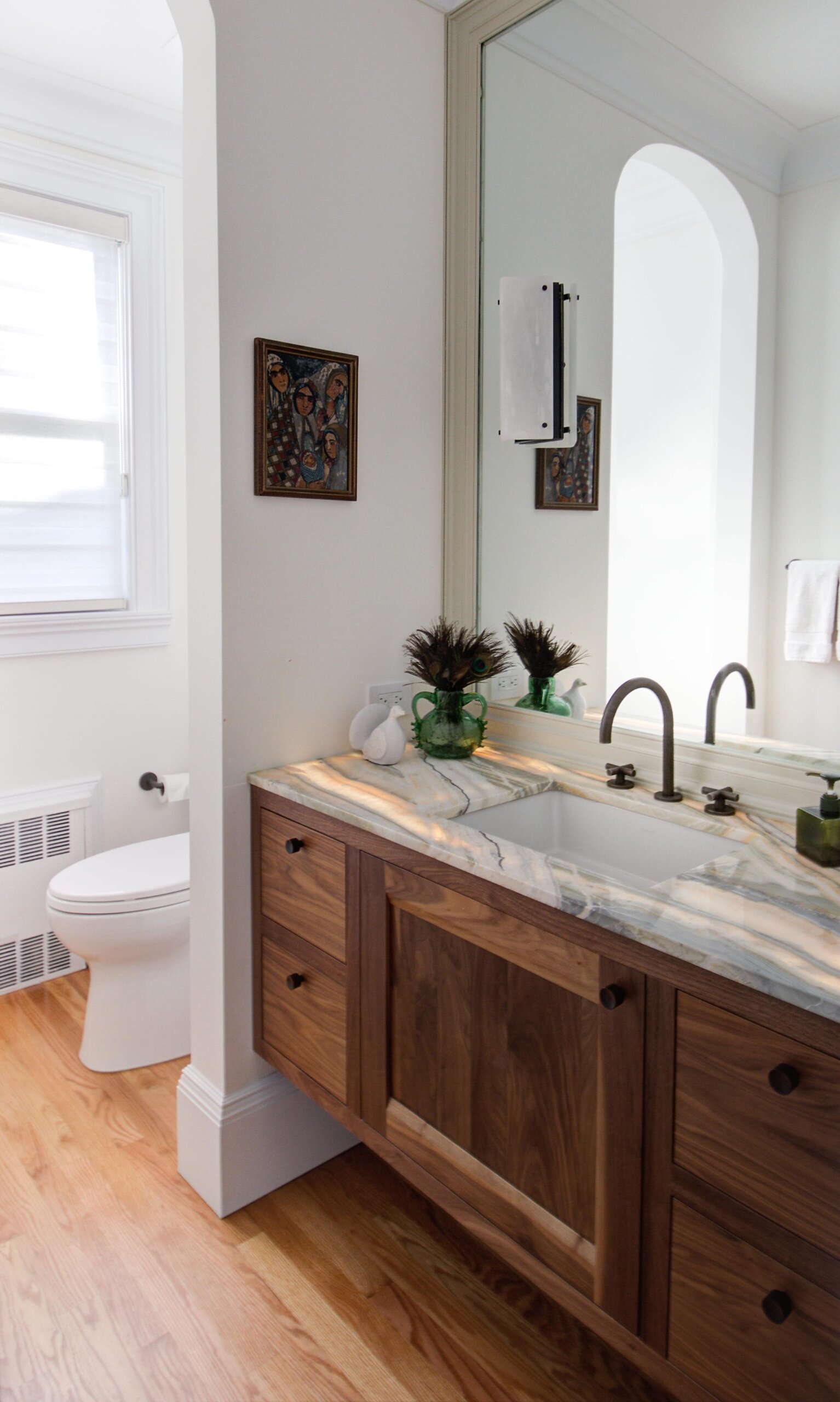
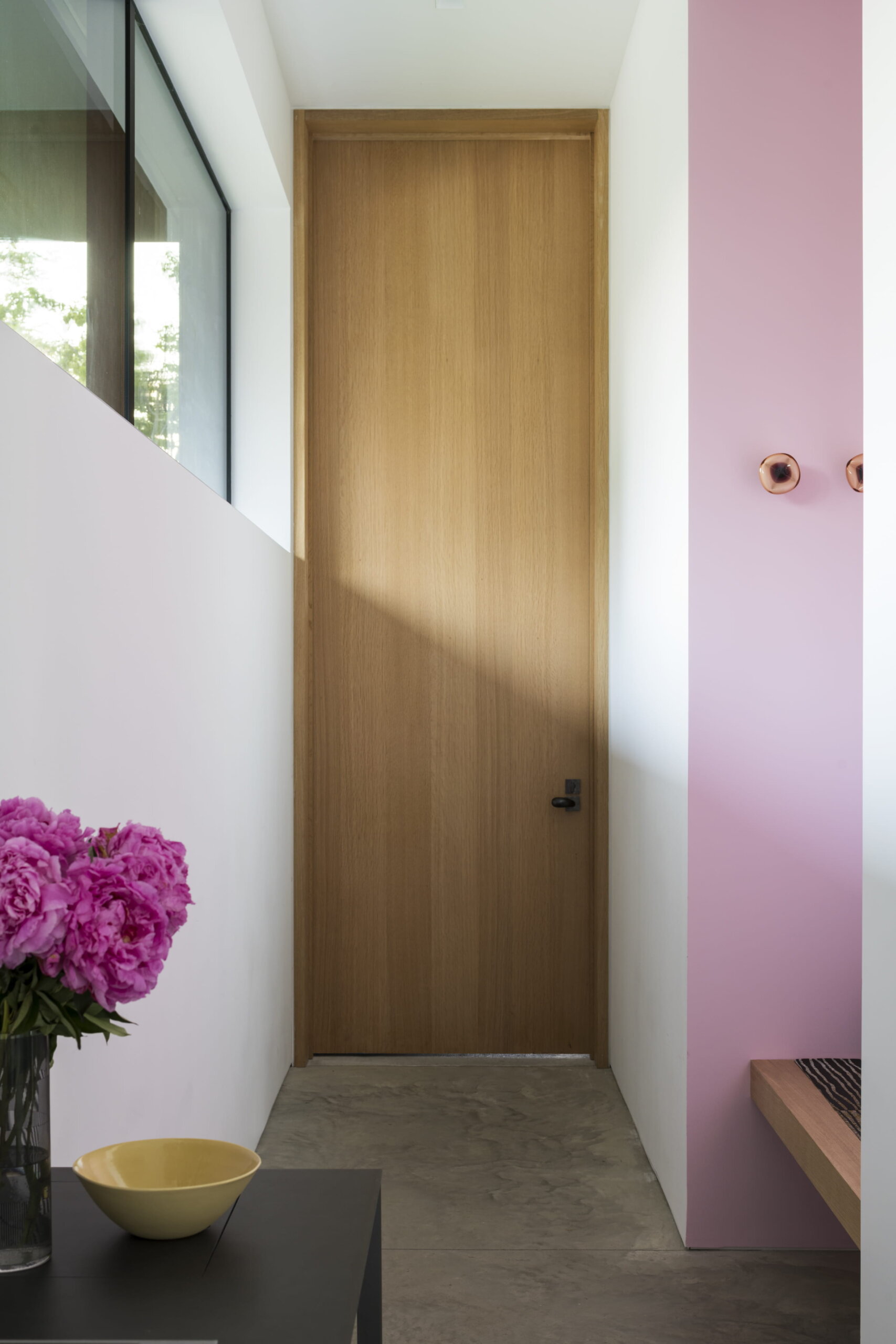
Ditmas Colonial Revival Project: Powder Room (Image courtesy of Jenny Peysin Architecture)
Interview with Jenny Peysin
When you were a kid, what did you dream of becoming? Did any of those childhood ambitions lead you to where you are today?
Arriving in New York from Ukraine when I was seven, architecture wasn’t something I even knew existed as a career. Instead, I poured myself into the arts—photography, drawing, and dance. That early instinct for visual storytelling and how bodies move through space became my entire foundation. Architecture naturally grew out of those creative pursuits, and the discipline, eye, and tactile habits I developed back then are still the instincts I rely on in my practice every single day.
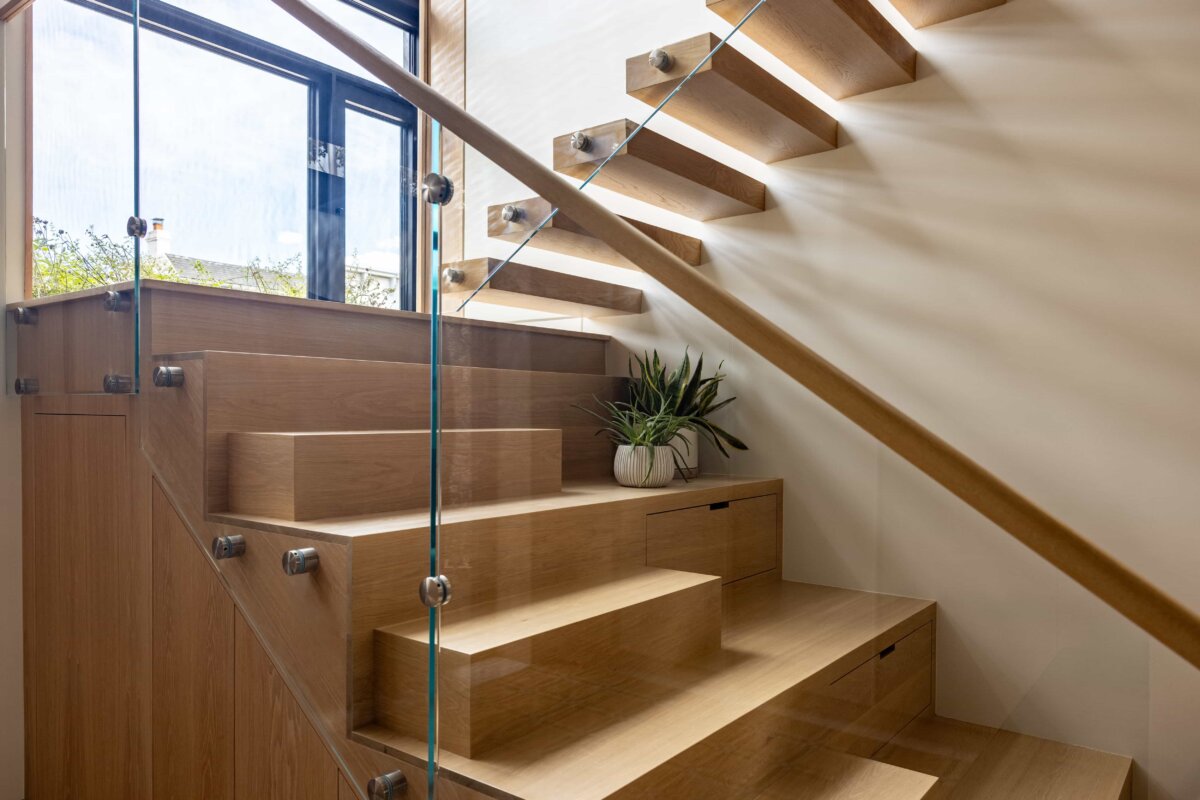
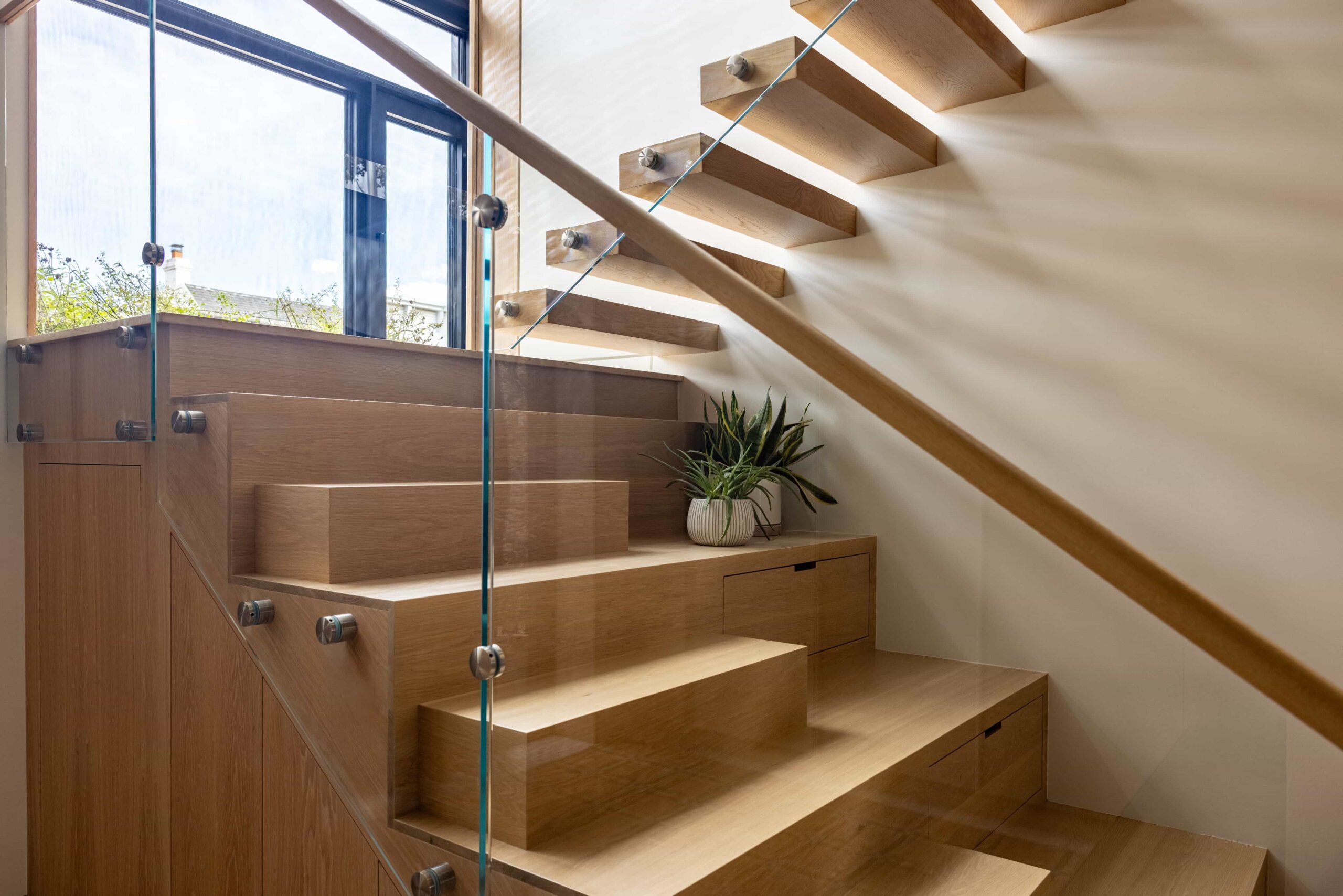
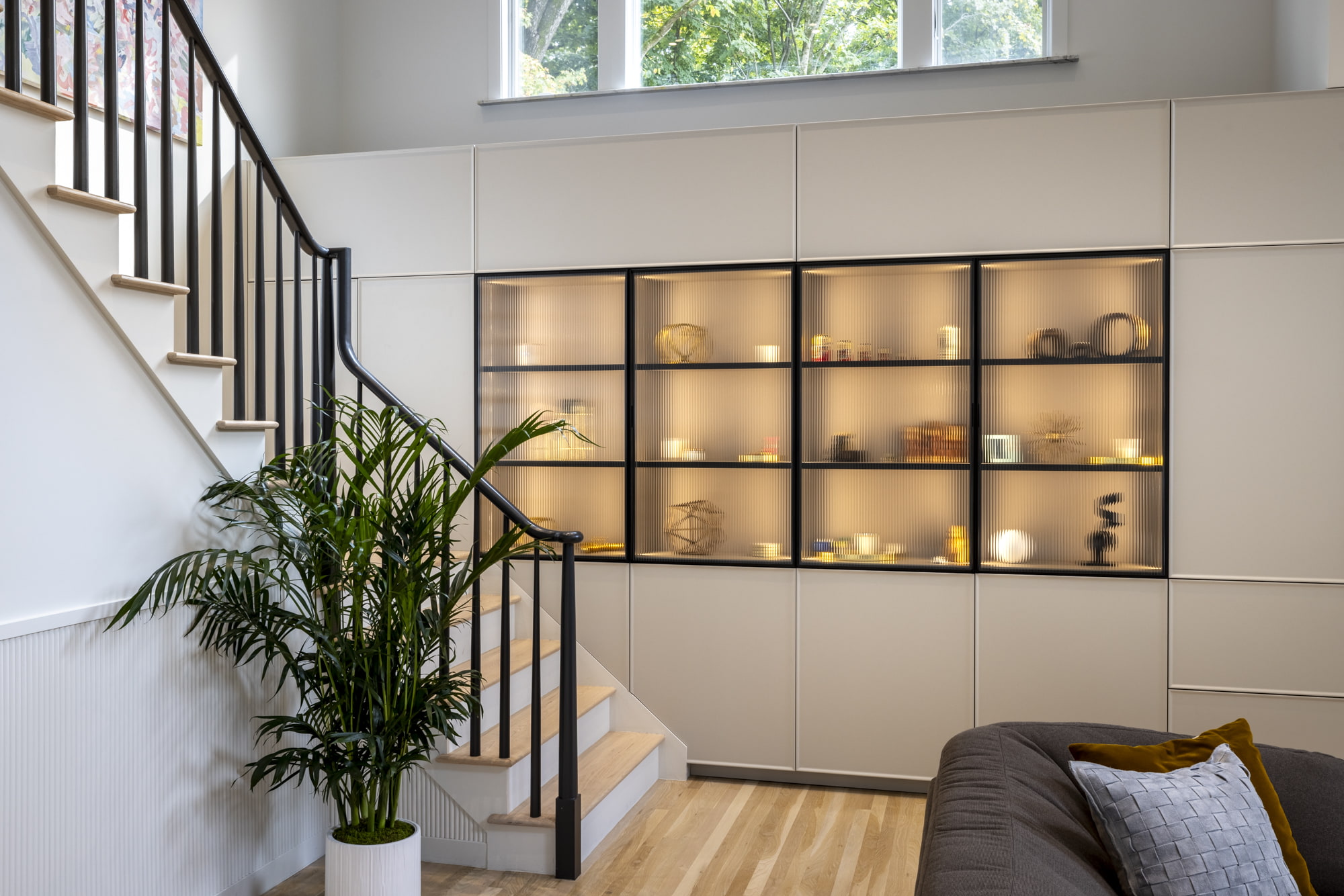
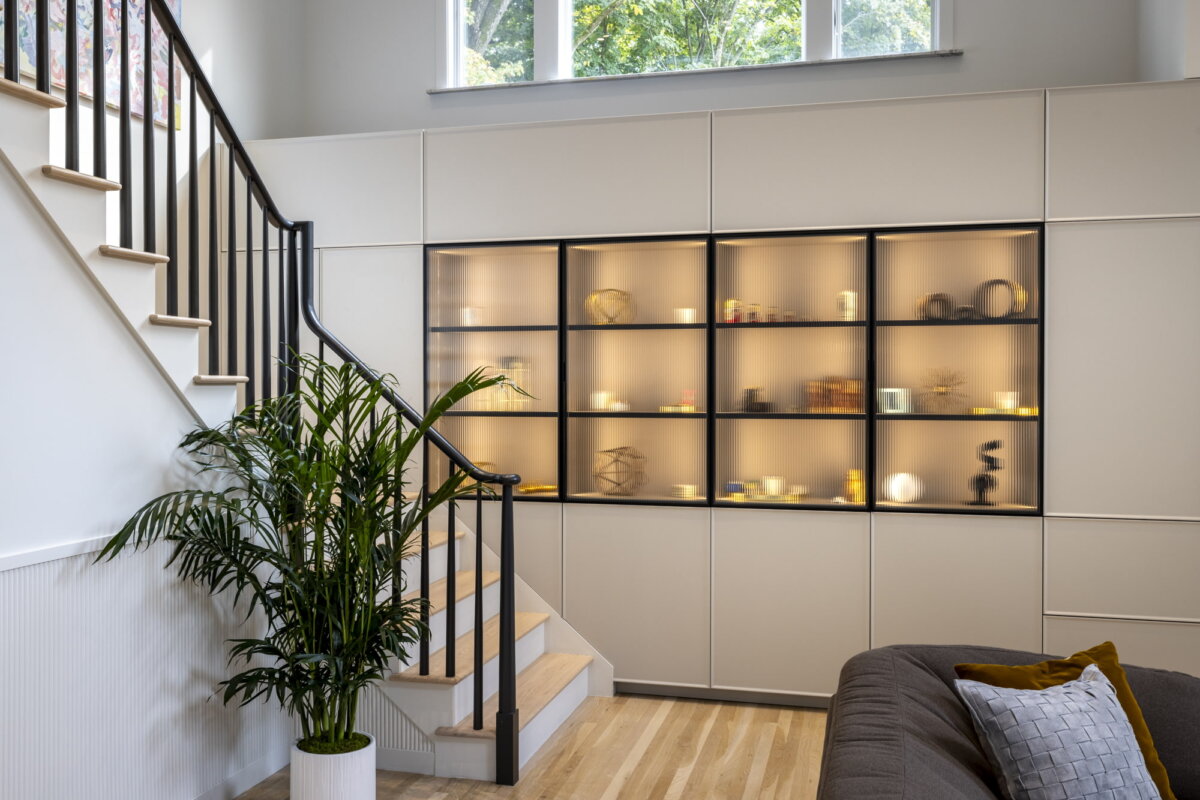
Windsor Terrace Passive House: Storage Stair Design (Image courtesy of Jenny Peysin Architecture)
Where and what did you study?
I was incredibly lucky to grow up in New York and go to LaGuardia High School of Music & Art and Performing Arts. This early exposure to art and culture and being surrounded by immense talent, made me believe that going into a creative field was something that was possible for me. I continued on to earn my Bachelor of Architecture at Cornell University, learning from some of the most respected minds in the discipline. Looking back, the university clearly prioritized basic design principals, training the eye, understanding space, and obsessing over craft rather than teaching the nuts and bolts of running an actual business. I definitely had to learn the business side on my own when I launched my studio, but I wouldn’t trade that education for anything. It gave me a deep creative foundation and an instinct for design.
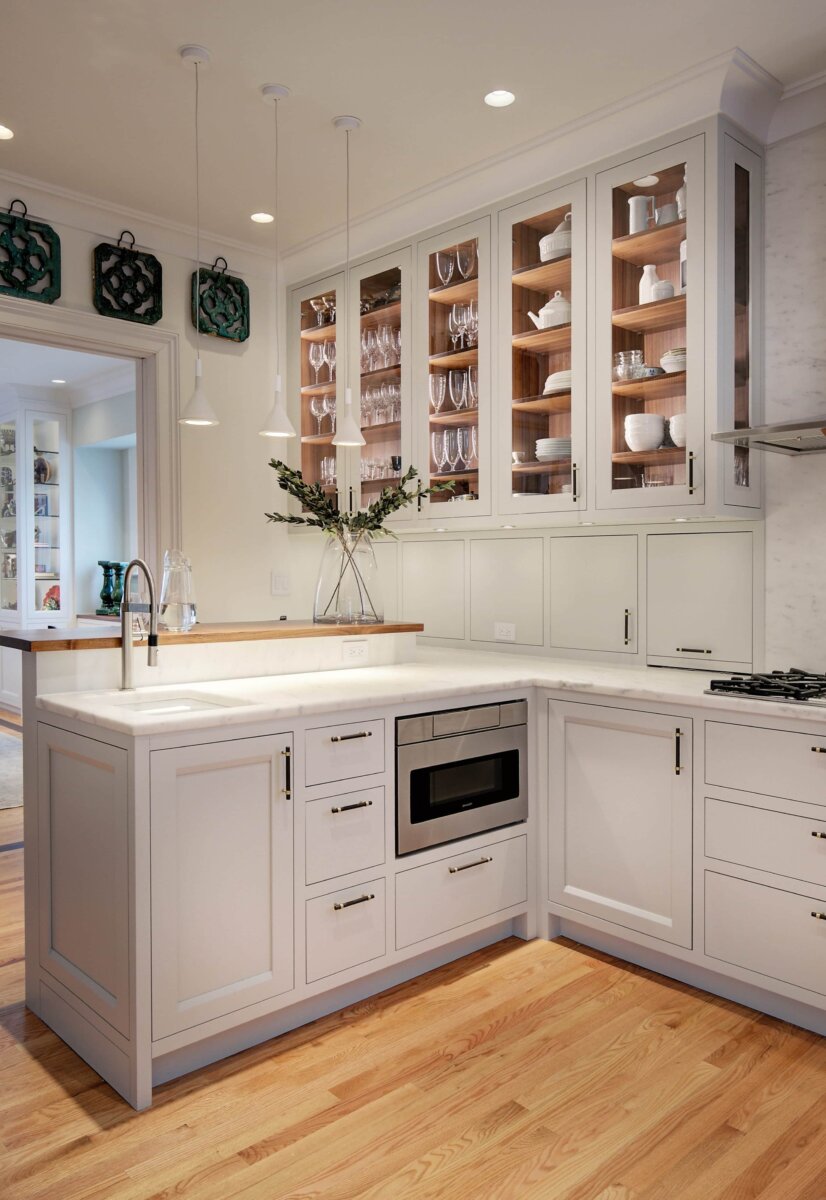
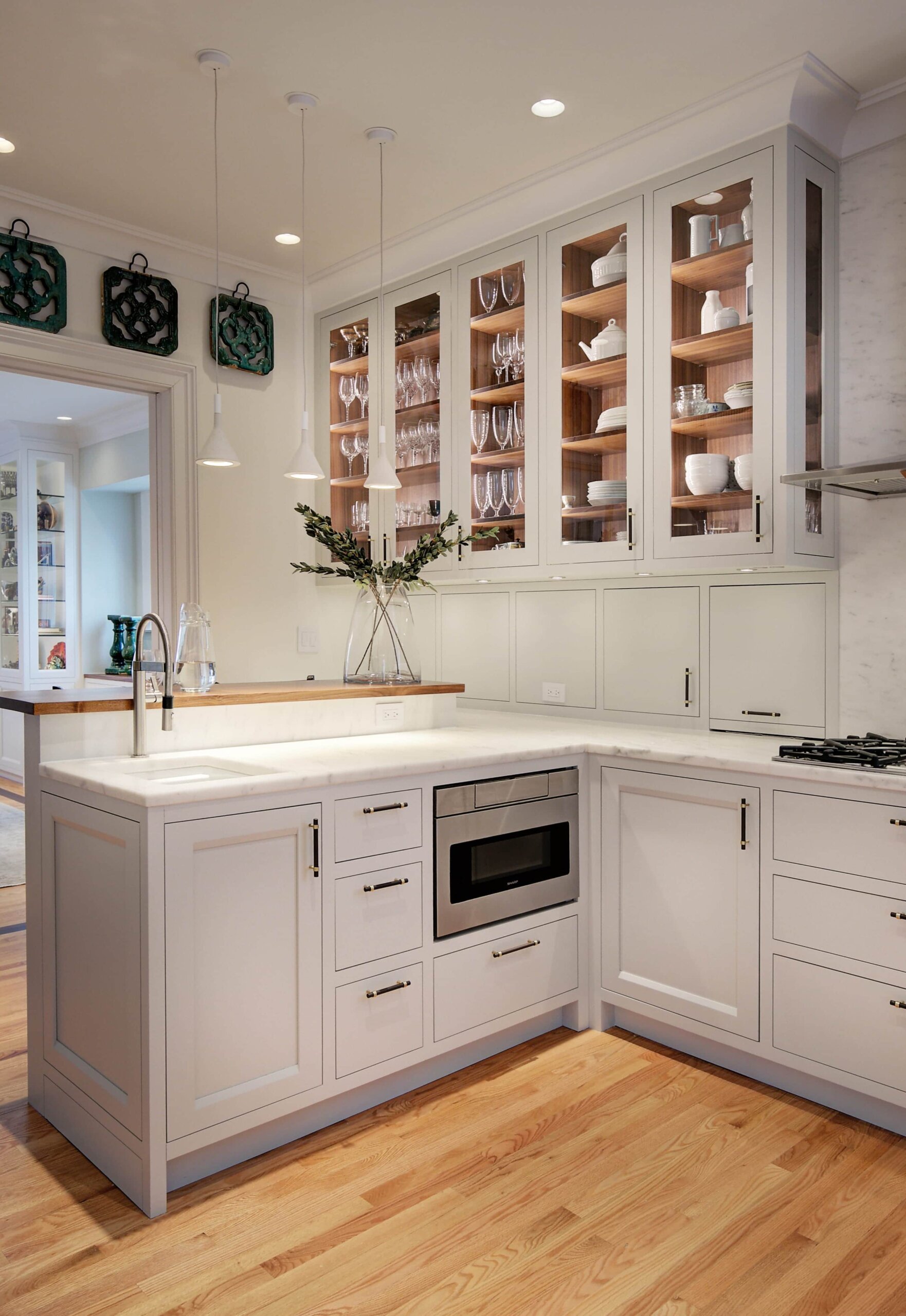
Ditmas Colonial Revival Project: Custom Kitchen (Image courtesy of Jenny Peysin Architecture)
Was there a specific turning point or experience when you realized that design was your true calling?
As immigrants from the former Soviet Union, my parents always placed a high value on STEM professions. Despite that, they were never rigid about my path and fully supported my decision to attend an art high school. During my junior year, my photography teacher—whose husband was an architect—offered to help me land an evening internship at an architecture firm to see if the field resonated with me. It didn’t take long to realize it did. Architecture quickly revealed itself as the exact bridge between creative problem-solving and technical discipline that both I, and my parents, had been hoping to find.
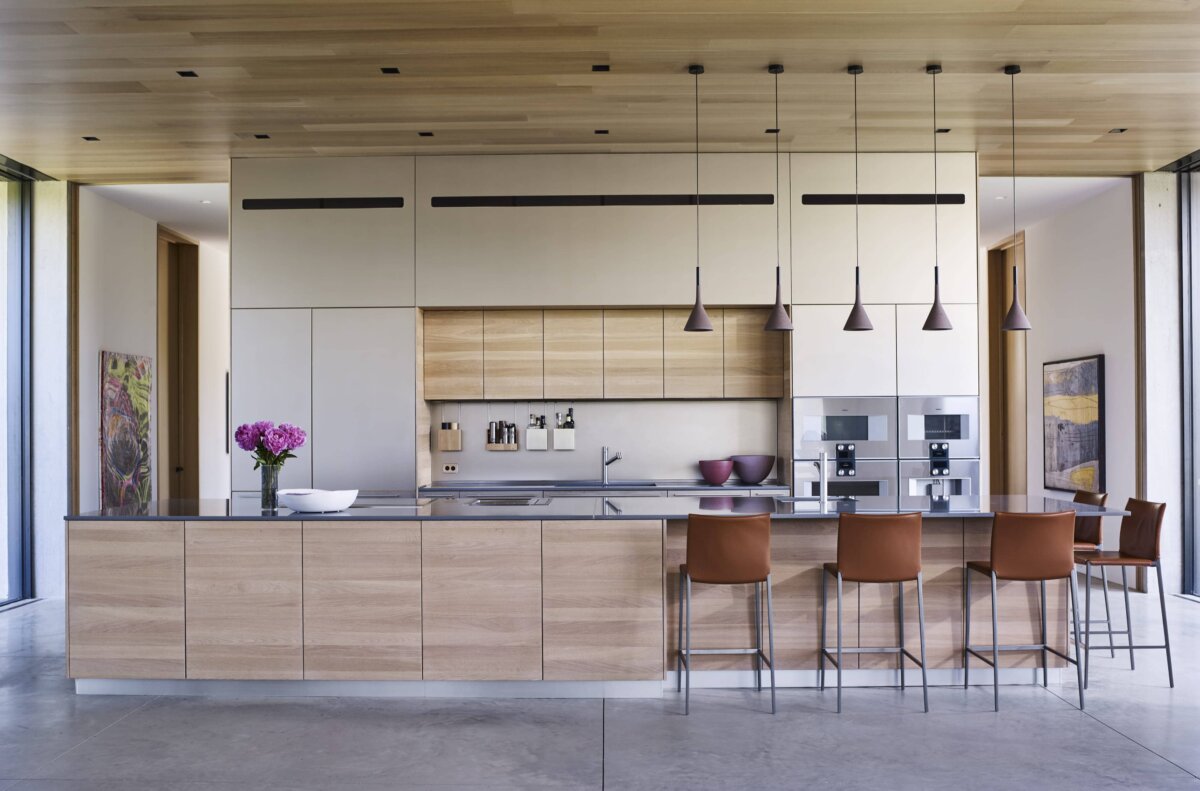
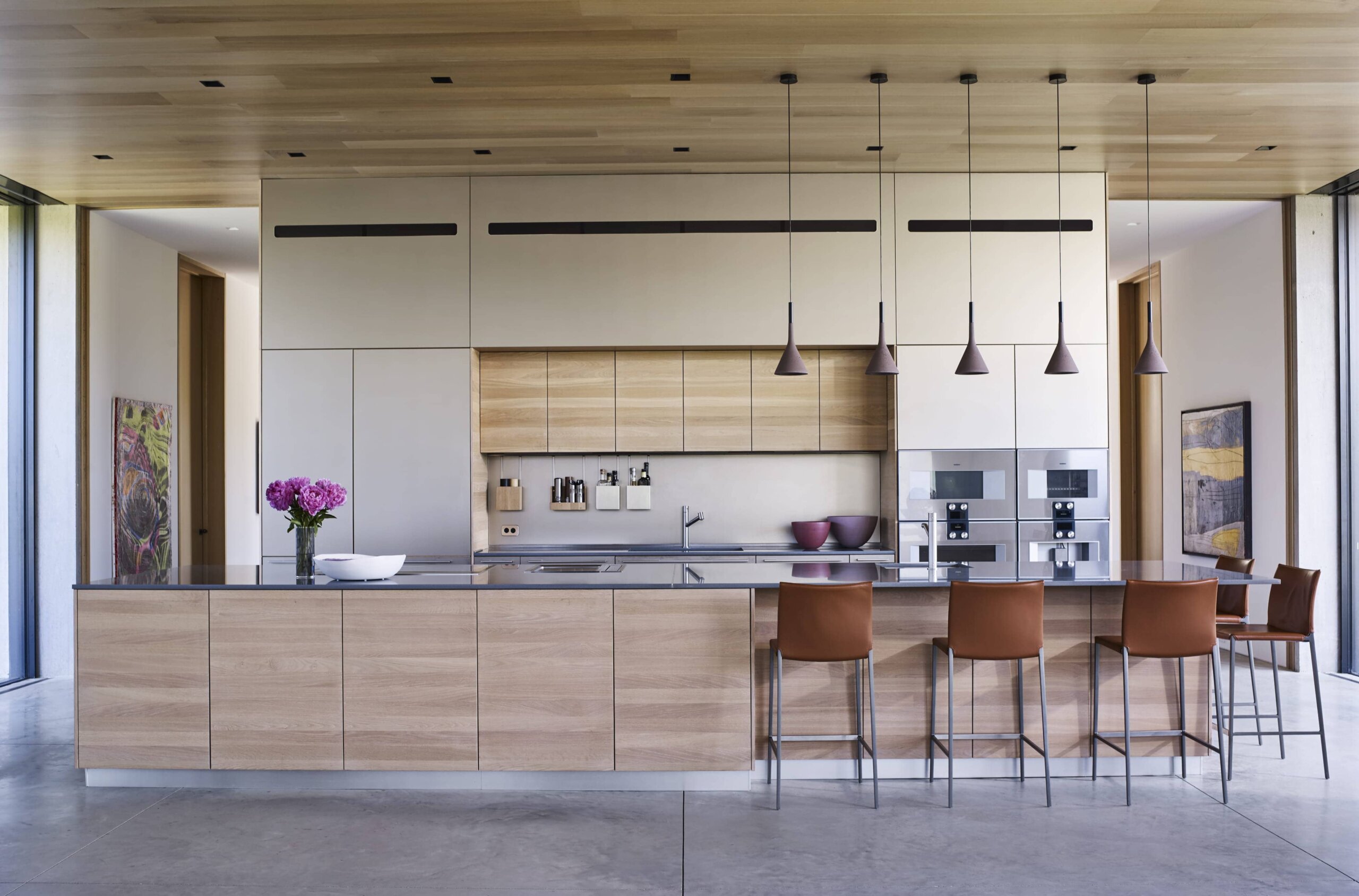
Southampton Retreat Ground-up Home: Kitchen (Image courtesy of Jenny Peysin Architecture)
Is there a particular designer, artwork, or design movement that deeply inspires you? How has it influenced your own style or philosophy?
I have always felt a deep, personal connection to the work of Mexican architect Luis Barragán. To me, his work is proof that clean, modern spaces don’t have to feel cold or overly clinical—they can be warm, calming, and full of soul. What draws me in most is how he used sunlight and shadow. He treated natural light almost like a physical material you could build with, using high, textured walls and bold planes of color to slow you down and create real moments of peace. He also never treated plants or water as an afterthought; they were woven right into the structure of the home. His work is a constant reminder to me that a well-designed space isn’t just about sharp lines or technical details—it’s about how a room actually makes you feel when you step inside.
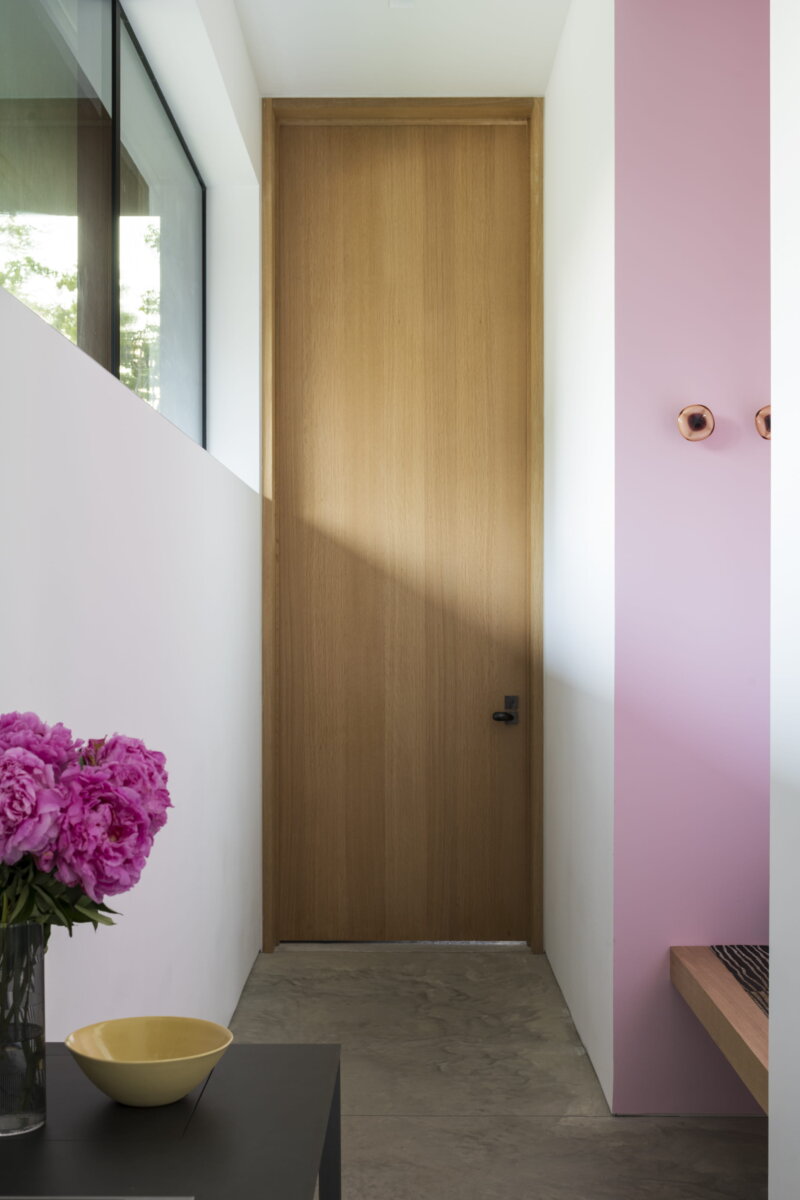
Southampton Retreat Ground-up Home: Hallway (Image courtesy of Jenny Peysin Architecture)
How would you describe your design philosophy? Has it evolved over time?
My design philosophy was initially grounded in the modernist movement and its core principles. The Louis Sullivan ethos of “form follows function” was, and remains, foundational to my everyday practice, continually guiding my design decisions.
However, over the last decade, I have spent a great deal of time in beautiful historic buildings in various states of disrepair, discovering the intentional choices made during their prime. More often than not, these elements are incredibly layered, rich in texture, and rooted in compelling material stories. Experiencing that level of craft shifted my perspective: sometimes the pure beauty of an object—whether due to its materiality, form, or artisanal execution—can elevate a space in a deeply meaningful way, even when it isn’t strictly in service of pure utility.
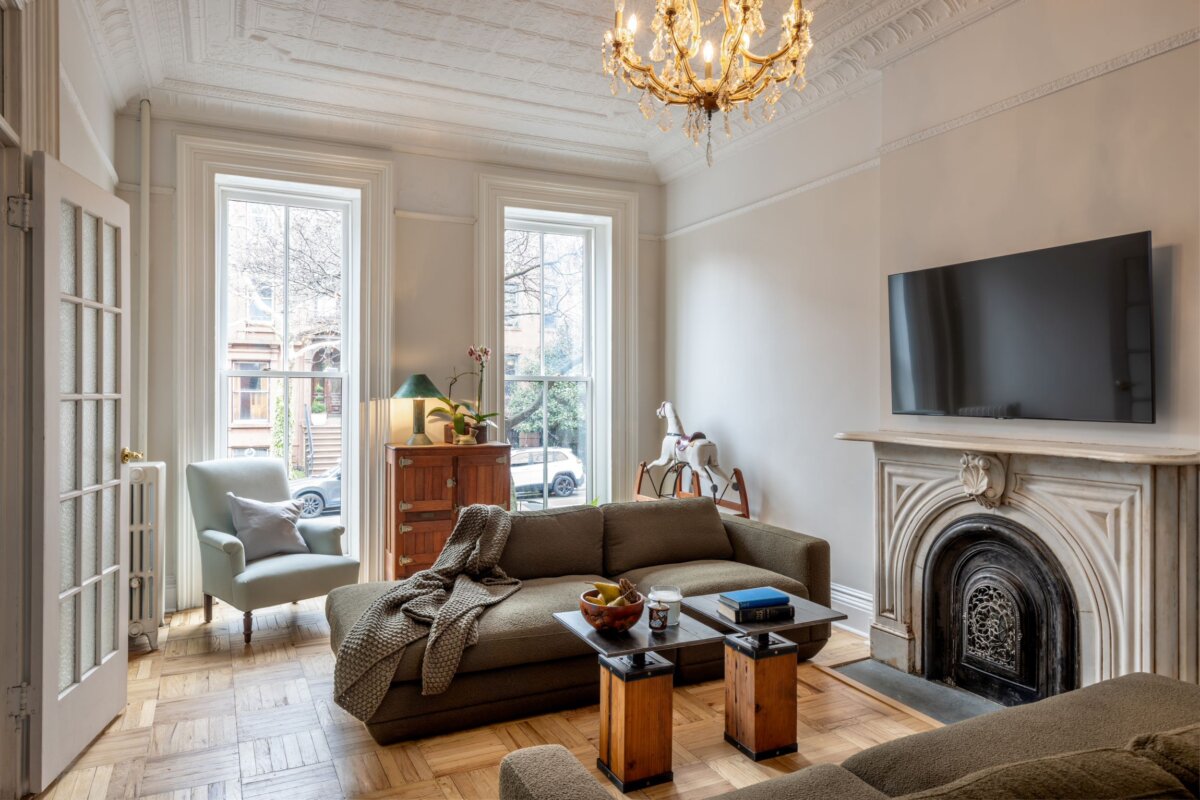
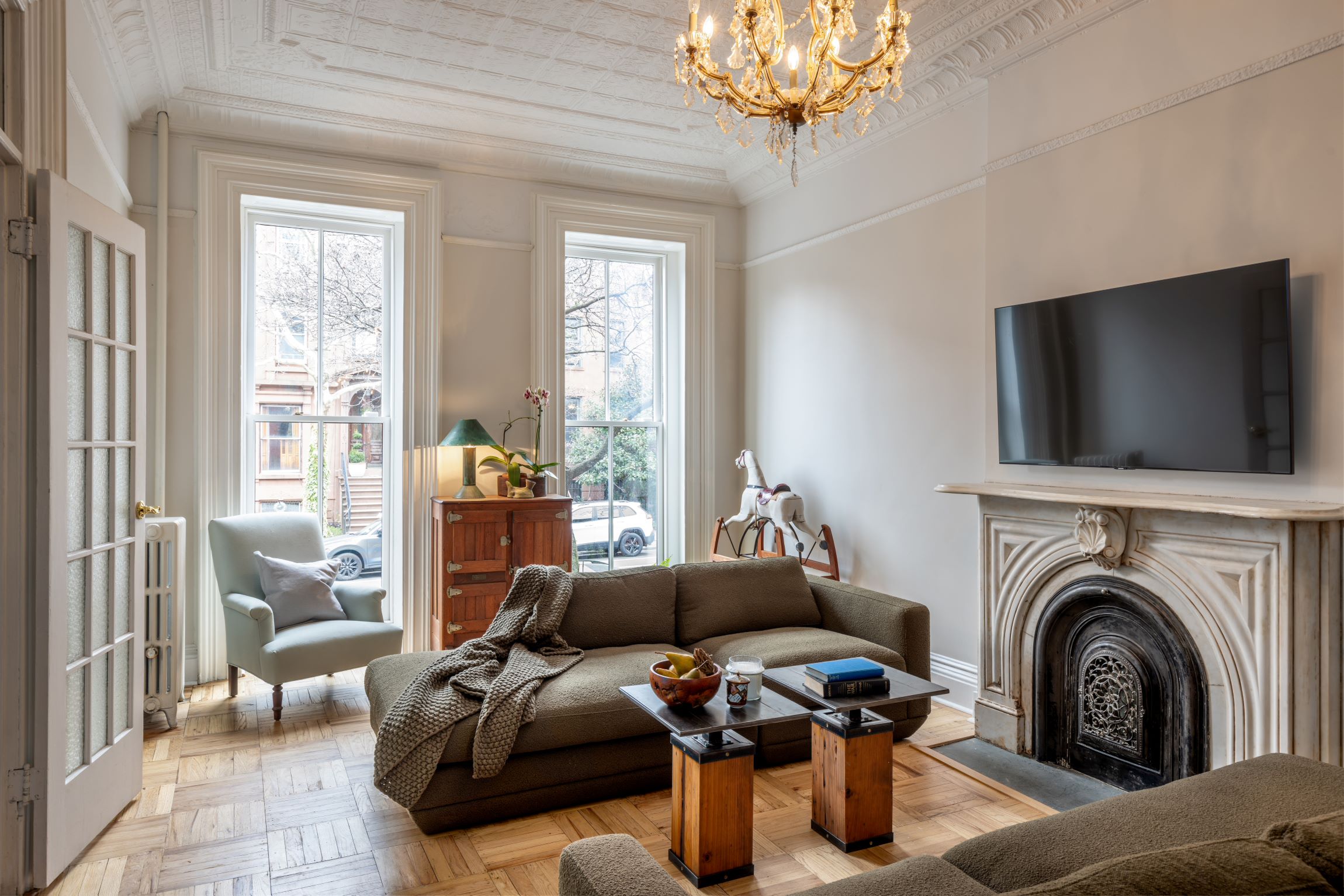
Fort Green Restoration Project: Great Room (Image courtesy of Jenny Peysin Architecture)
Tell us a bit about where you live: How long have you been there, and how does your environment shape your creative process?
I live in a home that I was fortunate enough to design and build for my family in Brooklyn, New York. In many ways, the house served as a living laboratory for design ideas I might otherwise hesitate to propose to a client, as well as a real-world test of our technical expertise. It was my firm’s first high-performance Passive House build, and the process taught us innumerable lessons.
We’ve now lived here for nearly two years, so we’re still observing how the systems perform through the seasons and settling into the day-to-day rhythms of the space. This experience constantly informs my practice; I find myself referencing this home and what we learned building it across almost all of my current projects.
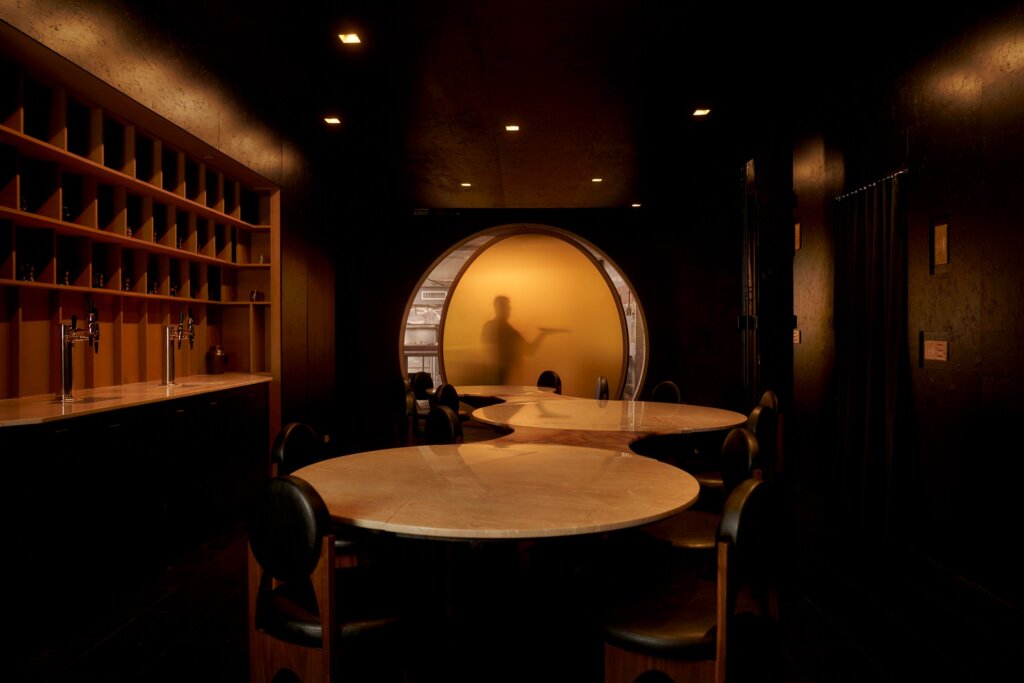
Chappaqua Residence (Image courtesy of Jenny Peysin Architecture)
Which of your projects are you most proud of, and what makes them stand out for you?
The projects I am most proud of are always the ones where we were able to guide our clients through the design process and help them discover fresh, intuitive ways of moving through their daily rituals. The strongest work inevitably emerges from deep, genuine collaboration and open dialogue between our team and the client.
Those projects balance our architectural vision, the client’s unique personality and lifestyle, and the physical constraints of the site. Navigating that interplay turns each commission into its own distinct puzzle—and seeing all of those elements resolve into a space that feels deeply personal and functional is what makes them truly stand out.
Visit Jenny Peysin Architecture’s Website >>>